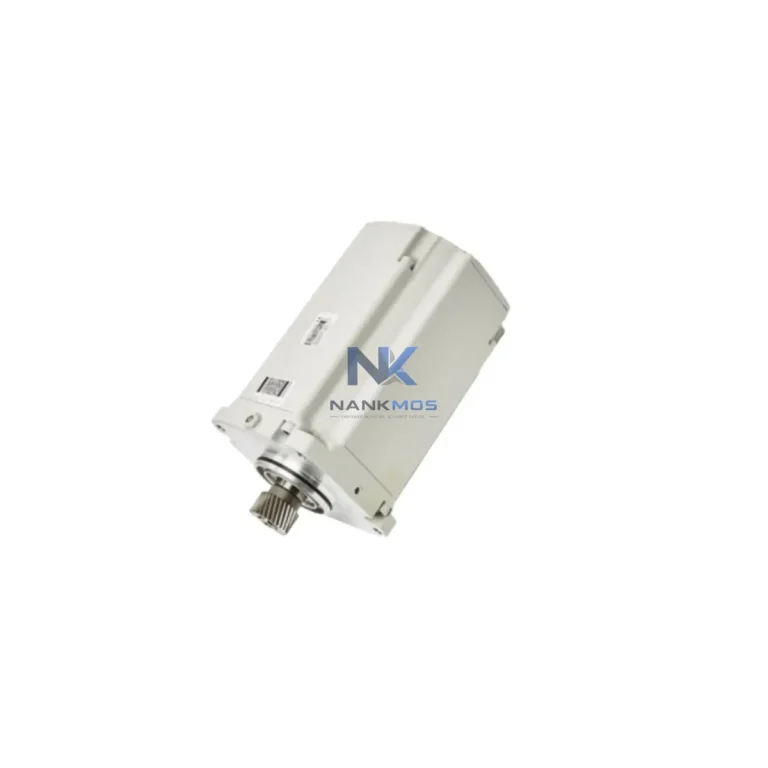
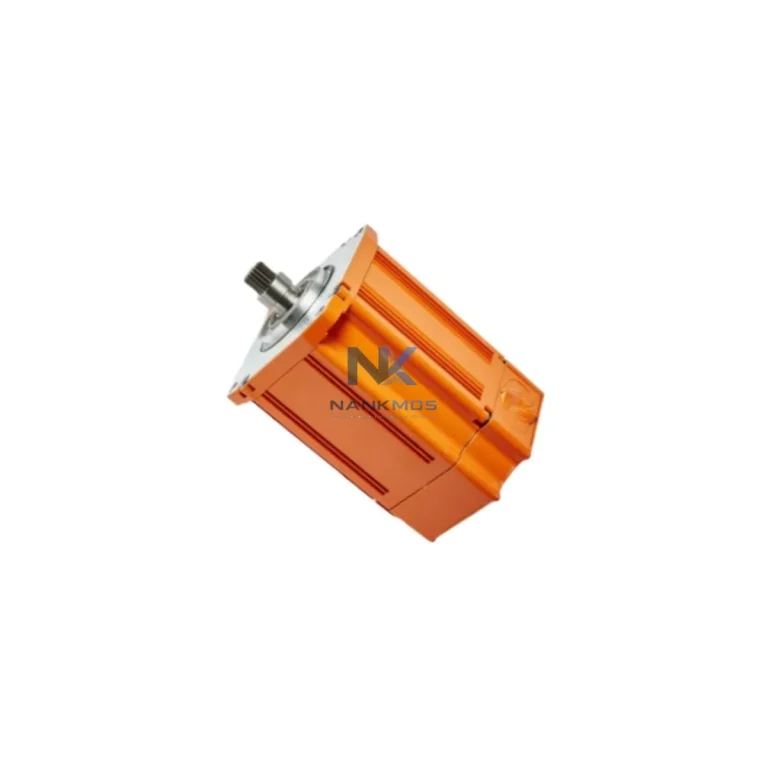
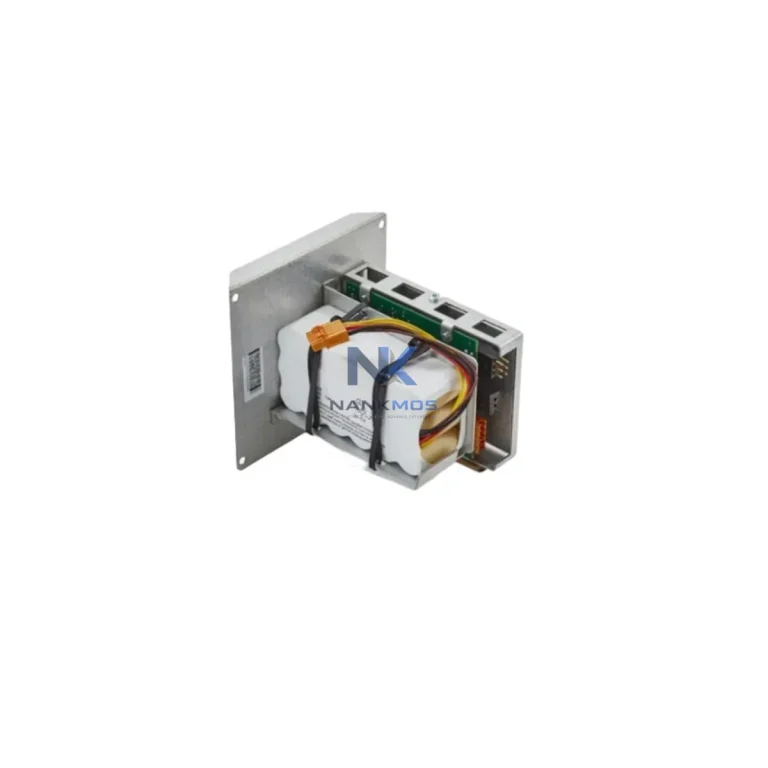
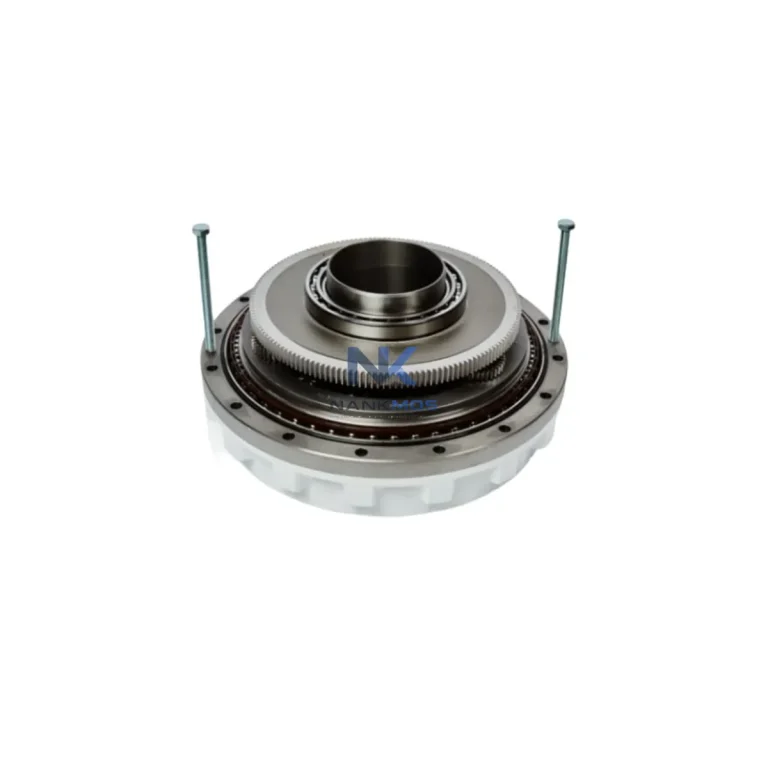
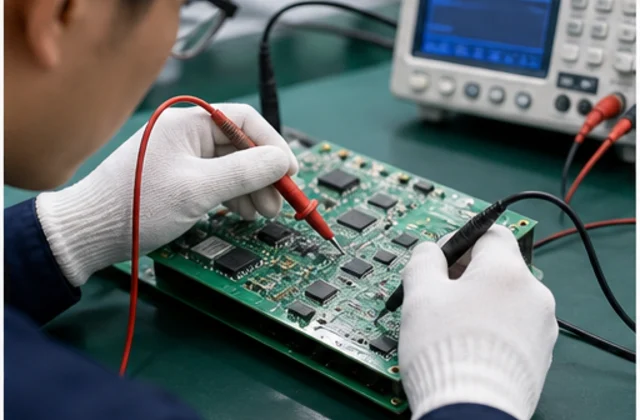
 Functional Inspection
100% tested on professional platforms to ensure stable performance.
ABB UFS-22 is a NANKMOS industrial automation product record Listed under S800 series and Drives. Confirm condition, availability, lead time, compatibility and documentation by email inquiry.
Brand names are used for identification only.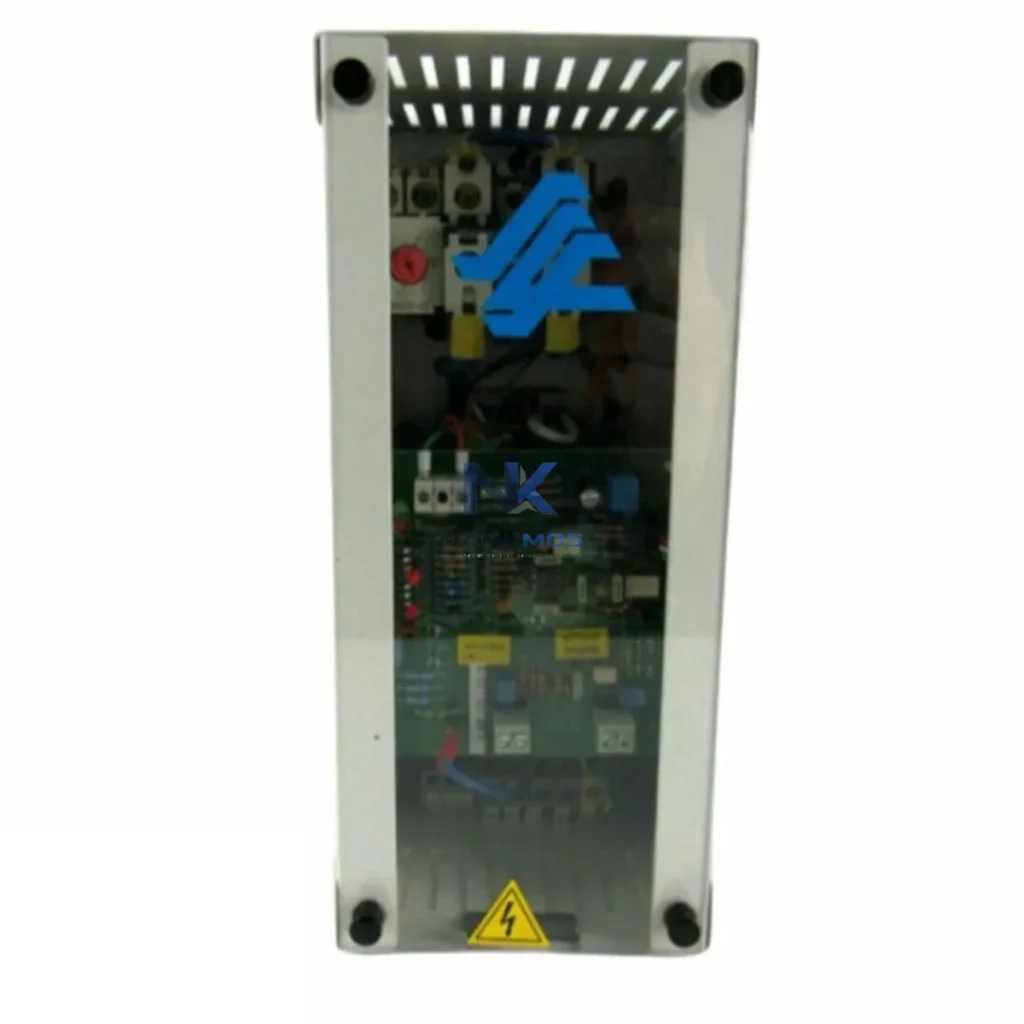
ABB UFS-22 is a NANKMOS industrial automation product record Listed under S800 series and Drives. Confirm condition, availability, lead time, compatibility and documentation by email inquiry.
| Manufacturer | ABB |
|---|---|
| Application | Motion Control & Drive System |
| Part Number / Model | UFS-22 |
| Compatible System | S800 |
| Series | S800 |
| Condition Options | To Confirm |
| Module Type | Servo / Drive Module |
| Warranty | 12 Months |
| Packaging | Anti-static Bag / Secure Box |
| Shipping Methods | DHL / FedEx / UPS / Air / Sea |
| Availability | To Confirm |
| Lead Time | To Confirm |
| Documentation | Part number and revision checked before quote |
The ABB ACS-UFS-22 is a dedicated braking unit engineered for seamless integration within ABB's ACS series variable frequency drive (VFD) architecture. Designed to dissipate regenerative energy during motor deceleration, the ACS-UFS-22 plays a critical role in maintaining DC bus stability across multi-drive control systems. Its system-matched design ensures compatibility with ACS800, ACS880, and related ACS platform drives, enabling engineers to deploy consistent, high-reliability braking solutions across demanding industrial automation environments. With a 12-Month Warranty and in-stock availability, the ACS-UFS-22 supports rapid project commissioning and long-term operational continuity.
In a complete ABB ACS-series automation architecture, the ACS-UFS-22 braking unit operates as a critical energy management component within the drive layer. Its function is most impactful when deployed alongside a coordinated set of platform-matched components that together ensure system stability, signal integrity, and operational efficiency.
At the control layer, ABB AC500 PLC CPUs — such as the PM573-ETH or PM591-ETH — provide the supervisory logic that governs drive start/stop sequences, speed ramps, and fault response. These CPUs communicate with ACS880 or ACS800 drives via PROFIBUS DP or PROFINET, enabling real-time coordination between the braking unit's activation and the broader motion control strategy. The ACS-UFS-22 responds to DC bus overvoltage conditions triggered during rapid deceleration, channeling excess energy through a braking resistor to prevent drive trips and protect downstream equipment.
At the I/O layer, ABB CI501-PNIO or CI502-PNIO communication interface modules extend the drive's diagnostic and control reach into the PLC network, allowing the ACS-UFS-22's operational status to be monitored and logged centrally. Paired with ABB TU515 or TU516 terminal units and S500 I/O modules such as the DI524 digital input module, the system achieves granular signal visibility across the braking circuit and motor feedback loop.
Power supply integrity is maintained through ABB CP-E series DIN rail power supplies, which provide stable 24 VDC control voltage to the PLC, I/O modules, and auxiliary relay circuits. In high-availability architectures, redundant power supply modules ensure that a single PSU failure does not interrupt braking unit supervision or drive control logic.
At the HMI layer, ABB CP600 series operator panels or third-party SCADA systems connected via OPC-UA provide real-time visualization of drive status, braking unit activation frequency, and energy dissipation trends. This visibility supports predictive maintenance strategies and reduces unplanned downtime in continuous production environments.
For communication redundancy, ABB FPBA-01 PROFIBUS adapter modules or FENA-21 Ethernet adapter modules installed within the ACS880 drive frame extend network connectivity options, ensuring the braking unit's host drive remains accessible across both legacy PROFIBUS and modern PROFINET topologies. This dual-protocol capability is particularly valuable in brownfield retrofit projects where existing fieldbus infrastructure must be preserved.
At the protection layer, ABB SACE Tmax XT series molded case circuit breakers and S200 series miniature circuit breakers provide upstream overcurrent protection for the braking unit's power circuit, ensuring that fault conditions are isolated without cascading to adjacent drive or control modules. Surge protection devices at the cabinet entry point further safeguard the ACS-UFS-22 from transient voltage events common in heavy industrial environments.
This layered, platform-consistent architecture — spanning the ACS-UFS-22 braking unit, ACS880 drives, AC500 PLCs, S500 I/O, CP600 HMI, and ABB protection devices — delivers a unified control system with minimized integration risk, simplified spare parts management, and a coherent diagnostic framework that reduces mean time to repair (MTTR) across the installation lifecycle.
The ABB ACS-UFS-22 braking unit is deployed across a broad range of industrial sectors where controlled motor deceleration and DC bus stability are critical to process integrity and equipment protection.
In manufacturing and packaging lines, the ACS-UFS-22 supports high-cycle conveyor and servo-adjacent applications where frequent start-stop sequences generate significant regenerative energy. Its rapid response to DC bus overvoltage conditions prevents nuisance drive trips that would otherwise interrupt production throughput.
In mining and materials handling, large-inertia loads such as belt conveyors, hoists, and crushers demand robust braking capability during emergency stops and controlled slowdowns. The ACS-UFS-22, paired with appropriately rated braking resistors and ACS880 multi-drive cabinets, provides the energy absorption capacity required for safe, repeatable deceleration under full load.
In water and wastewater treatment, pump and blower applications benefit from the ACS-UFS-22's ability to stabilize the DC bus during variable-speed operation, particularly in systems where multiple drives share a common DC bus configuration. This shared-bus topology reduces overall energy consumption while maintaining individual drive protection.
In power generation and utilities, the ACS-UFS-22 supports auxiliary drive systems for cooling fans, feedwater pumps, and compressor drives, where grid disturbances or load shedding events can cause sudden motor deceleration and associated regenerative energy spikes.
In marine and offshore applications, the ACS-UFS-22's compatibility with ABB's marine-certified ACS880 drive platform enables deployment in thruster control, winch, and crane drive systems, where space-efficient braking solutions and high reliability under vibration and humidity are essential.
Q1: Is the ABB ACS-UFS-22 compatible with both ACS800 and ACS880 drive platforms?The ACS-UFS-22 is designed for use within ABB's ACS series drive architecture and is compatible with ACS800 and ACS880 platform drives. Compatibility depends on the specific drive frame size, DC bus voltage rating, and braking resistor selection. Engineers should verify the drive's braking unit connection specifications and maximum braking power requirements against the ACS-UFS-22 datasheet prior to installation. For multi-drive common DC bus configurations, consult ABB's system design guidelines to ensure correct braking unit sizing and resistor thermal ratings.
Q2: How does the ACS-UFS-22 integrate with ABB AC500 PLC-based control architectures for diagnostics and fault management?The ACS-UFS-22 operates as a passive DC bus component within the drive, with its status — including activation state and fault conditions — reported through the host ACS drive's diagnostic registers. These registers are accessible via the drive's fieldbus interface (PROFIBUS, PROFINET, or Modbus RTU) to an ABB AC500 PLC or any SCADA system. Engineers can configure the PLC to monitor braking unit activation frequency, log fault events, and trigger maintenance alerts when braking duty cycles exceed predefined thresholds, supporting a proactive maintenance strategy and reducing unplanned downtime.
Q3: What does the 12-Month Warranty cover, and what is the typical lead time for in-stock units?All ACS-UFS-22 units supplied by NANKMOS are covered by a 12-Month Warranty against manufacturing defects and functional failures under normal operating conditions. Each unit undergoes functional testing prior to shipment to verify electrical integrity and operational readiness. In-stock units are available for immediate dispatch, with typical lead times of 3–7 business days for international shipments depending on destination and logistics arrangements. For urgent project requirements or bulk procurement inquiries, contact NANKMOS directly to confirm current stock levels and expedited shipping options.
Functional Inspection100% tested on professional platforms to ensure stable performance.
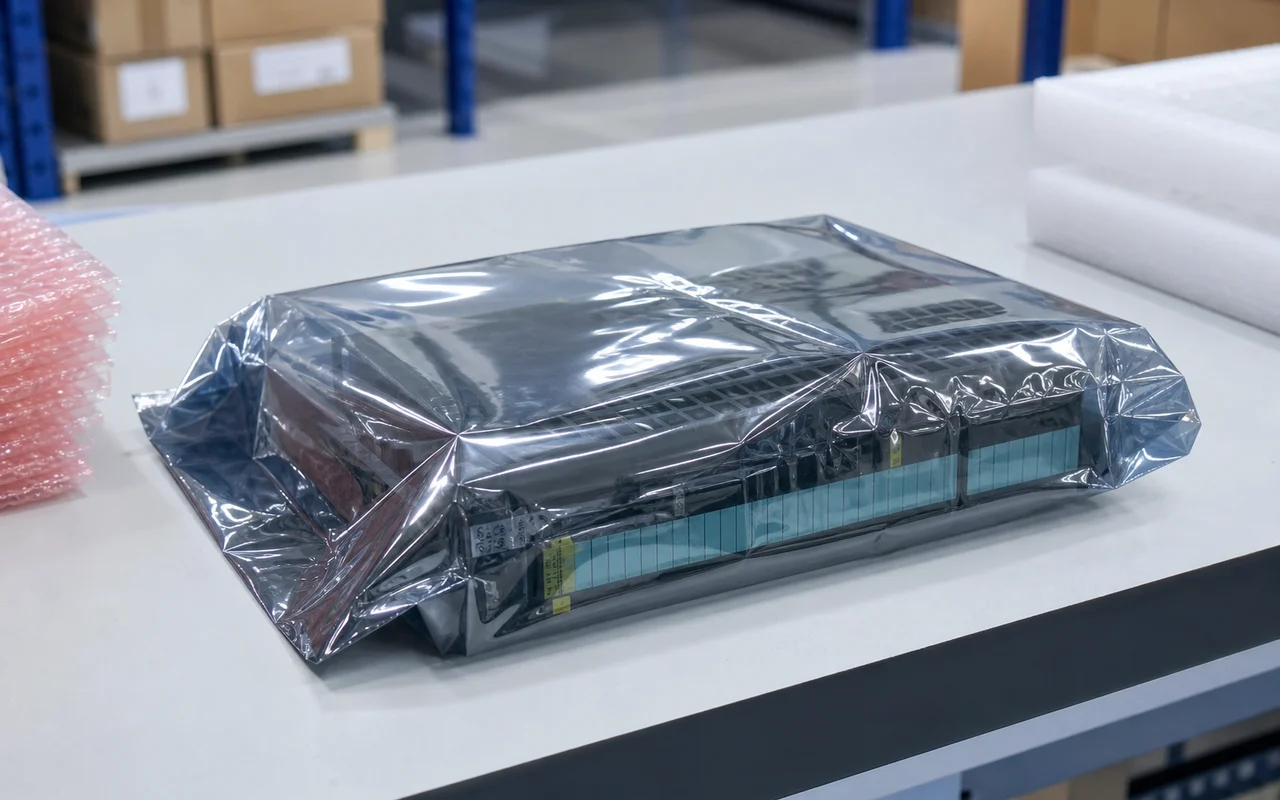 Anti-static Packaging
Modules are packed in anti-static bags to prevent electrostatic damage.
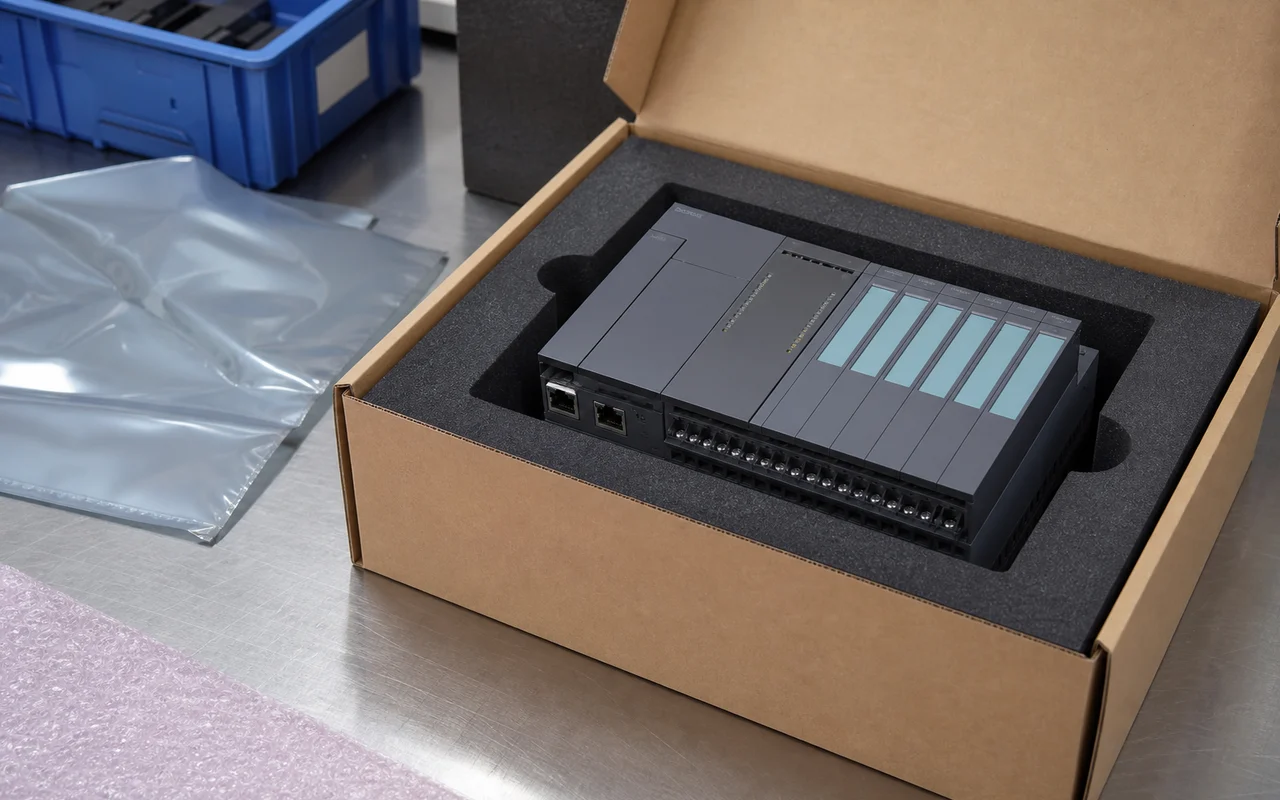 Secure Export Packing
Cushion protection and strong cartons ensure safe transportation.
 Worldwide Shipping
Global logistics network supports air, sea and express delivery.
 Documentation Check
Part number, revision and compatibility verified before shipment.
 After-sales Support
Professional technical support to help resolve your issues.