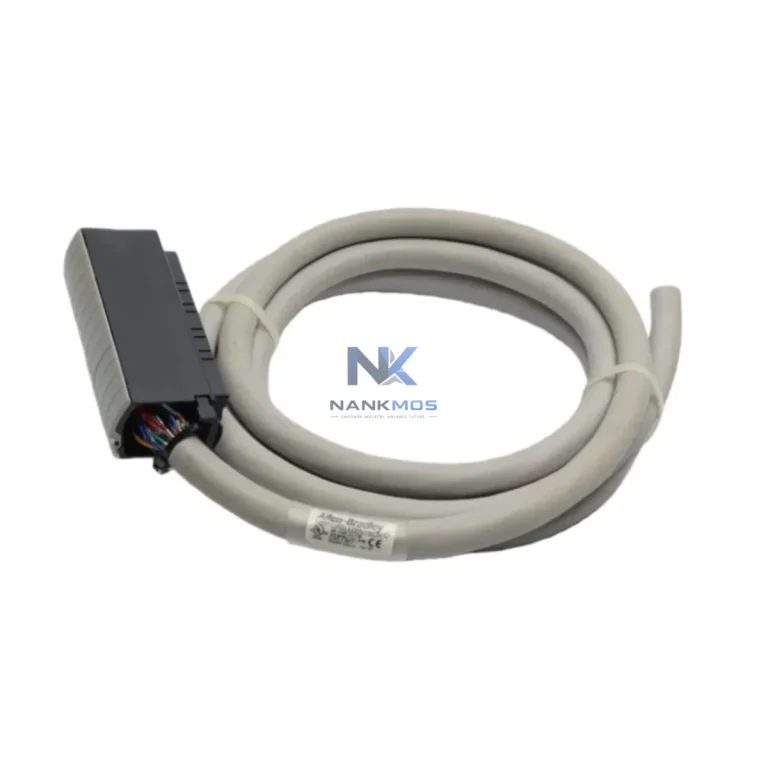
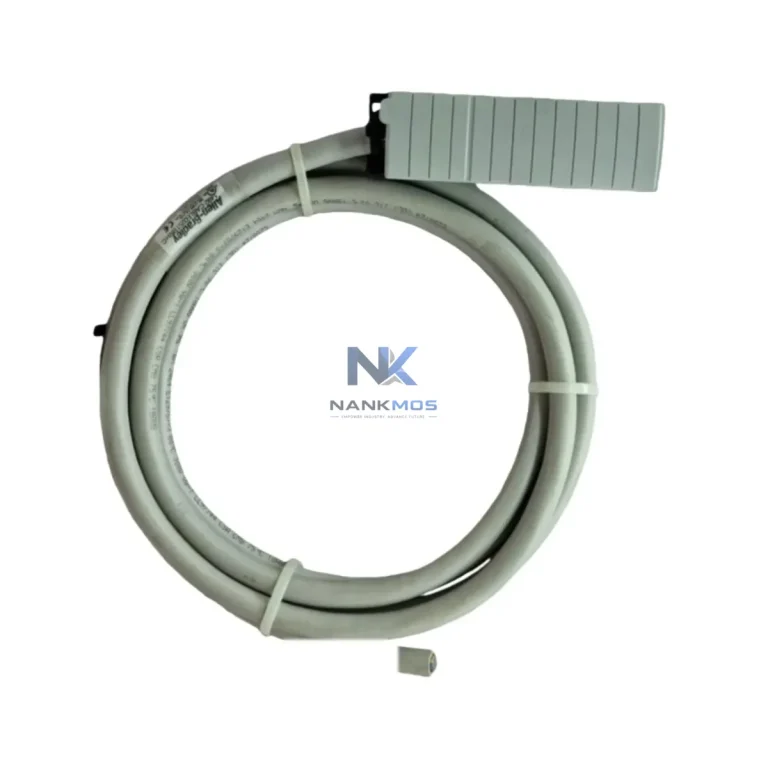
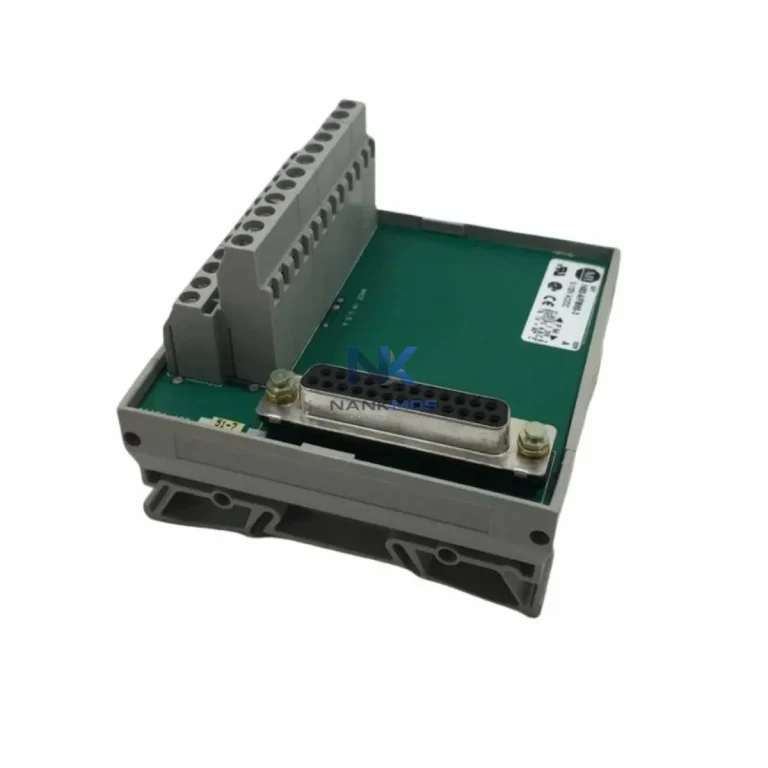
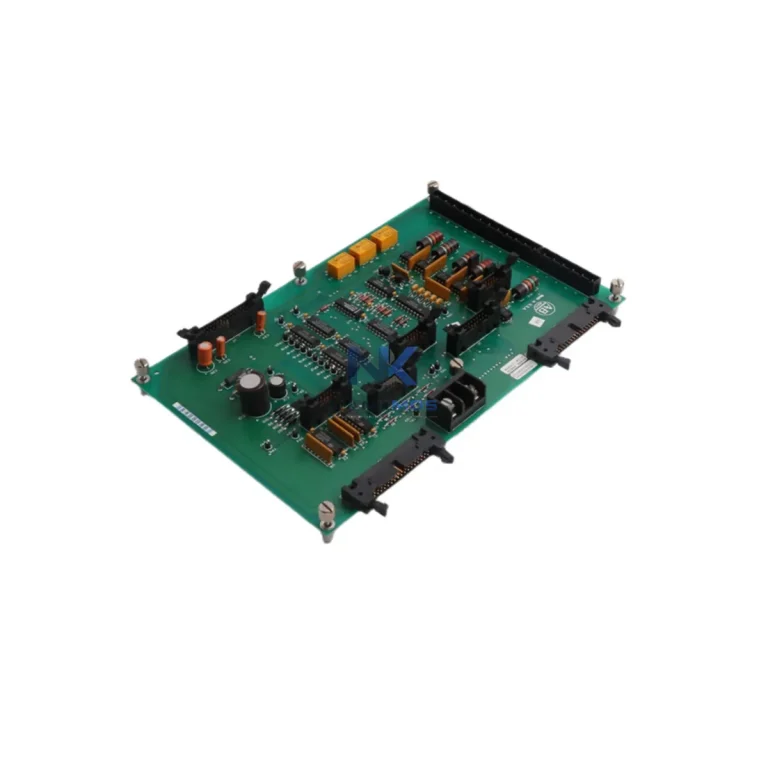
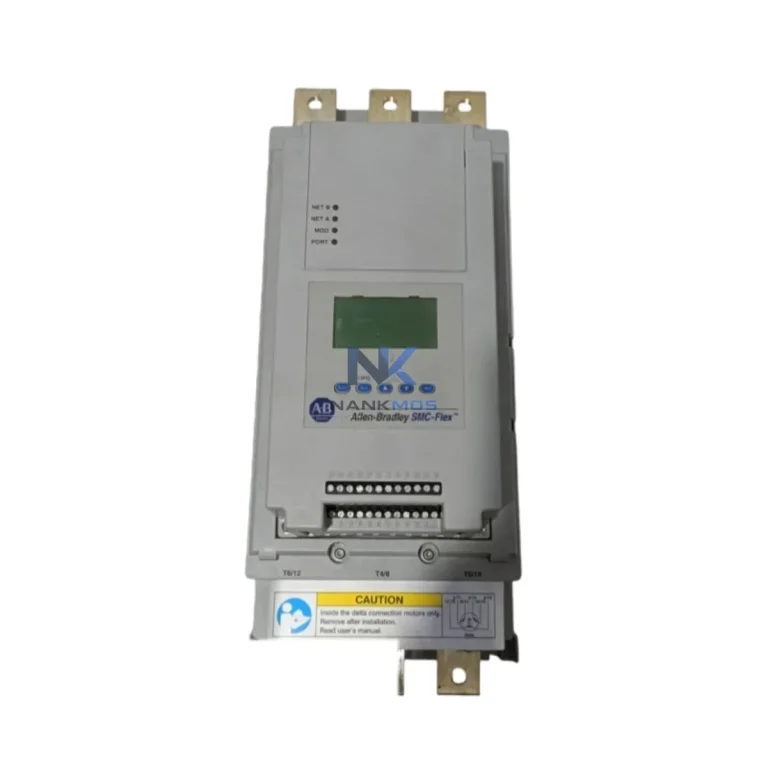
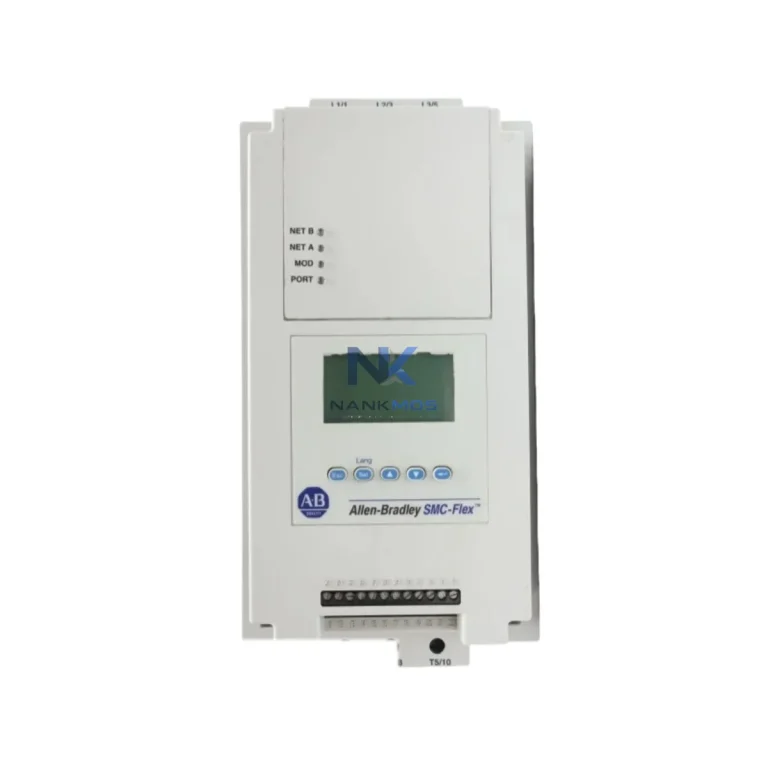
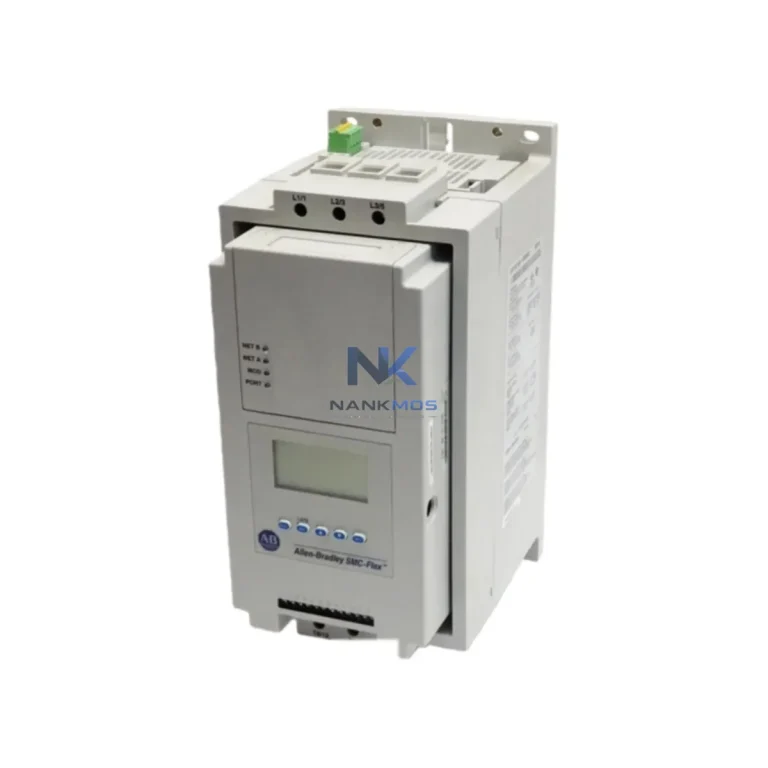
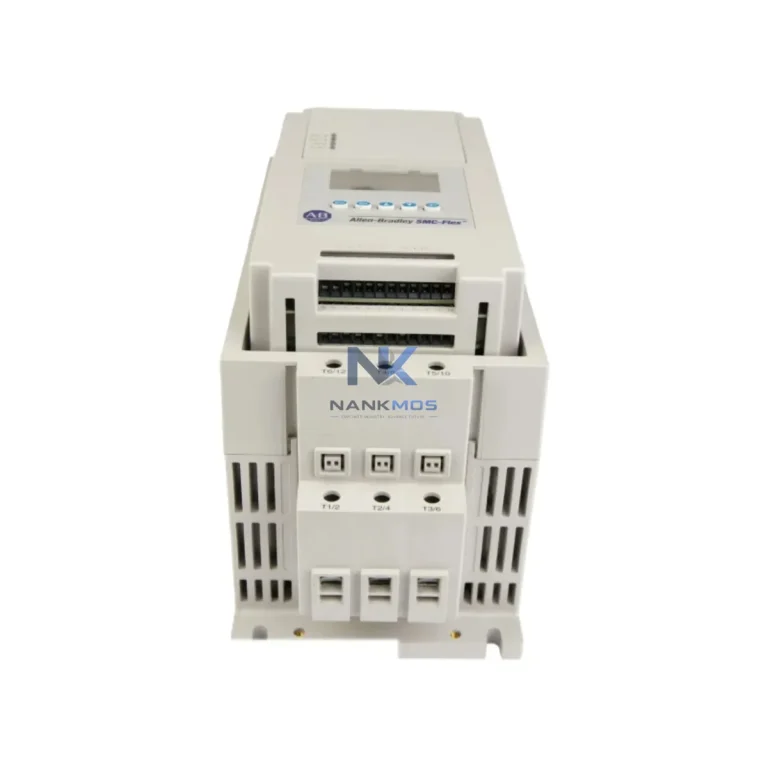
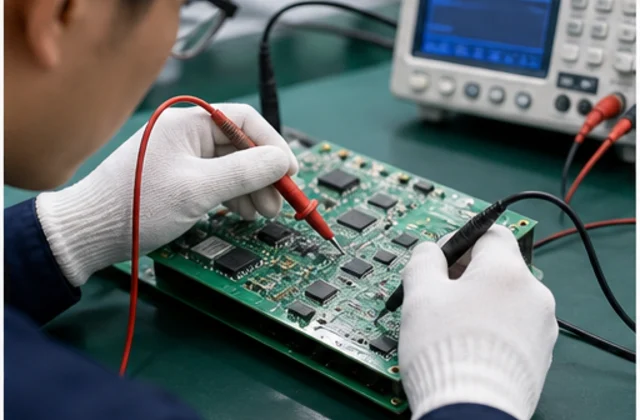
 Functional Inspection
100% tested on professional platforms to ensure stable performance.
Allen-Bradley 1746-HSCE2 is a NANKMOS industrial automation product record Listed under SLC 500 series and Business & Industrial > Automation, Control & Flow Devices > Programmable Logic Controllers. Confirm condition, availability, lead time, compatibility and documentation by email inquiry.
Brand names are used for identification only.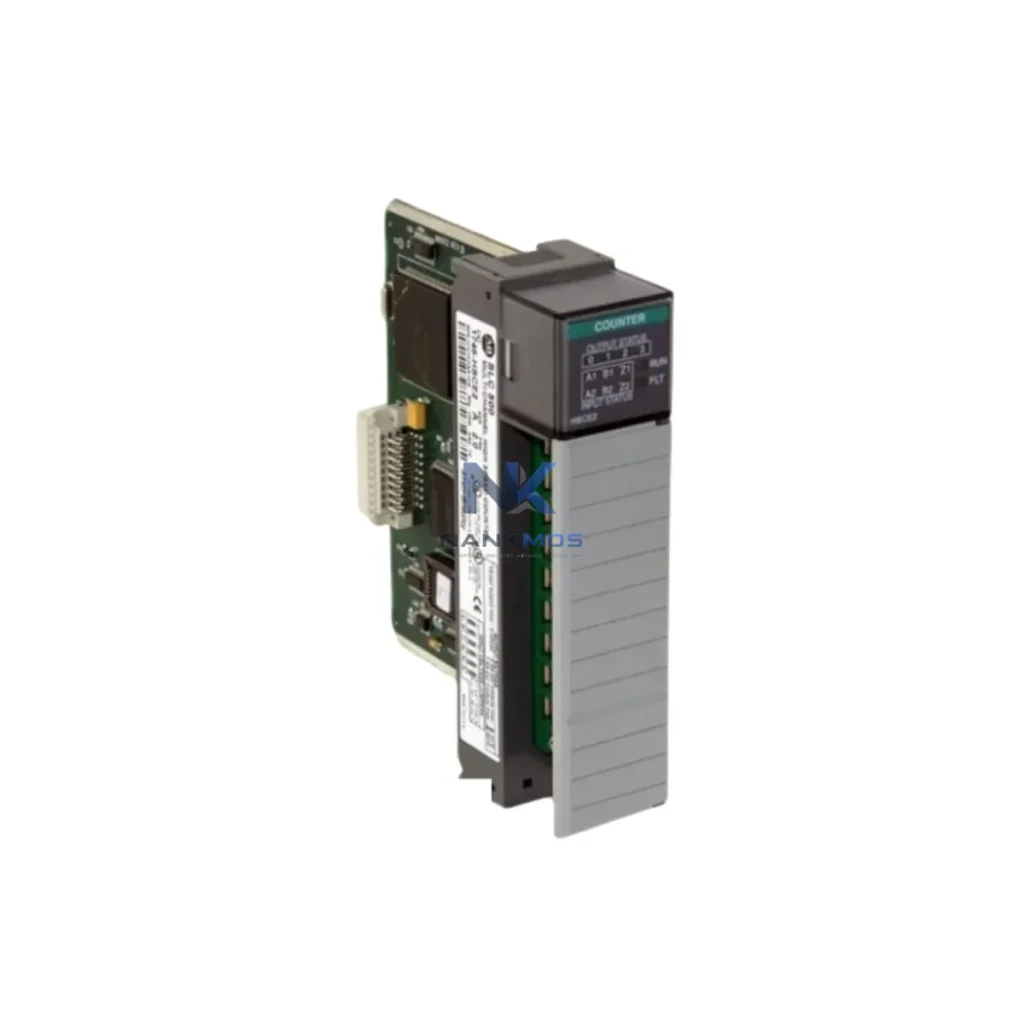
Allen-Bradley 1746-HSCE2 is a NANKMOS industrial automation product record Listed under SLC 500 series and Business & Industrial > Automation, Control & Flow Devices > Programmable Logic Controllers. Confirm condition, availability, lead time, compatibility and documentation by email inquiry.
| Manufacturer | Allen-Bradley |
|---|---|
| Application | Controller Processing & System Control |
| Part Number / Model | 1746-HSCE2 |
| Compatible System | SLC 500 |
| Series | SLC 500 |
| Condition Options | none_detected |
| Module Type | Controller / CPU Module |
| Warranty | 12 Months |
| Packaging | Anti-static Bag / Secure Box |
| Shipping Methods | DHL / FedEx / UPS / Air / Sea |
| Availability | To Confirm |
| Lead Time | To Confirm |
| Documentation | Part number and revision checked before quote |
The Allen-Bradley 1746-HSCE2 is a high-speed counter module engineered for the SLC 500 programmable controller platform, delivering precision pulse and encoder signal acquisition at the field device level. In modern smart factory environments, where every millisecond of data latency translates into production variance, the 1746-HSCE2 serves as a critical node in the industrial data chain — bridging raw motion and position signals from encoders, proximity sensors, and pulse-output transducers directly into the SLC 500 backplane for real-time processing, SCADA visibility, and closed-loop control response.
Deployed across discrete manufacturing, packaging lines, conveyor systems, and precision motion control applications, the 1746-HSCE2 supports count rates up to 1 MHz, enabling it to capture high-frequency pulse trains from rotary encoders and linear position sensors without signal loss. Its dual-channel architecture allows simultaneous monitoring of two independent counter inputs, making it ideal for differential speed measurement, position tracking, and event counting in multi-axis automation cells. The module integrates seamlessly into the SLC 500 rack alongside communication modules such as the 1747-SDN DeviceNet Scanner and the 1747-KE DH-485 to RS-232 Interface, enabling the counter data to be forwarded upstream to RSView32 SCADA or FactoryTalk View SE HMI platforms for real-time visualization and alarm management.
Within a connected factory data flow, the 1746-HSCE2 occupies the signal acquisition layer. Field-level encoders and sensors feed pulse data into the module, which processes and stores count values in the SLC 500 data table. The SLC 500 processor — such as the 1747-L553 or 1747-L543 — reads these values via the backplane and executes ladder logic for speed regulation, position confirmation, or batch counting. Upstream, an Ethernet/IP gateway or a 1761-NET-ENI Serial-to-Ethernet adapter can bridge the SLC 500 data to plant-level Ethernet networks, making counter values accessible to MES systems, OPC-UA servers, and cloud-based analytics platforms. This end-to-end data path — from encoder pulse to enterprise dashboard — is the backbone of transparent, data-driven production management.
For facilities running mixed automation architectures, the 1746-HSCE2 can coexist in the same SLC 500 rack with analog input modules such as the 1746-NI8 and digital I/O modules like the 1746-IB32, allowing a single controller chassis to handle counter inputs, analog process variables, and discrete I/O simultaneously. This consolidation reduces panel footprint, simplifies wiring, and lowers the total cost of instrumentation for mid-scale automation projects. Remote I/O expansion via the 1747-ASB Remote I/O Adapter further extends the system's reach to distributed field panels without requiring additional PLC processors.
In SCADA-integrated environments, the counter data from the 1746-HSCE2 feeds directly into historian databases via OPC-DA or OPC-UA interfaces, enabling trend analysis, production reporting, and predictive maintenance workflows. When paired with a FactoryTalk Historian SE server, count rate trends can be correlated with drive speed feedback from PowerFlex 40 or PowerFlex 525 variable frequency drives, providing a complete picture of mechanical system performance. Alarm thresholds configured in the SLC 500 ladder program trigger notifications in the SCADA layer when count rates deviate from setpoints, enabling rapid fault isolation and remote diagnostic response without requiring on-site intervention.
Remote diagnostics capability is a key value proposition of the 1746-HSCE2 in Industry 4.0 deployments. By integrating the SLC 500 system with a FactoryTalk Remote Access gateway or a third-party industrial VPN router, maintenance engineers can remotely interrogate counter module status, verify input signal integrity, and adjust preset values without physical access to the control panel. This capability is particularly valuable in geographically distributed facilities, offshore installations, and unmanned substations where travel costs and response times are significant operational constraints.
Every 1746-HSCE2 unit supplied by NANKMOS undergoes pre-shipment functional testing, including counter input verification, output relay operation check, and backplane communication validation. Units are sourced from verified supply channels and are accompanied by a 12-month warranty covering hardware defects and operational failures under normal industrial service conditions. Inventory is maintained in stock for immediate dispatch, supporting urgent MRO requirements, production line restarts, and scheduled maintenance shutdowns.
The 1746-HSCE2 anchors the signal acquisition layer of a fully connected SLC 500 automation cell. At the field level, rotary encoders mounted on conveyor drives, servo axes, or packaging carousels generate high-frequency pulse trains that the module captures with microsecond-level resolution. These count values are written to the SLC 500 data table, where the 1747-L553 processor executes ladder logic for speed regulation, position confirmation, and batch count verification in real time.
Lateral data sharing within the rack is achieved through co-installed modules: the 1746-NI8 analog input module provides process variable context (temperature, pressure, flow), while the 1746-IB32 discrete input module captures limit switch and proximity sensor states. Together, these modules give the SLC 500 processor a comprehensive view of the production cell without requiring external signal conditioning hardware.
For network uplink, the 1747-SDN DeviceNet Scanner bridges the SLC 500 to a DeviceNet segment populated with PowerFlex 40 variable frequency drives and 1794-ADN FlexI/O DeviceNet adapters, enabling the counter module's speed feedback to be correlated with drive output frequency in real time. Where Ethernet/IP connectivity is required, a 1761-NET-ENI adapter converts the SLC 500's DH-485 port to Ethernet, making counter data accessible to FactoryTalk View SE HMI panels and RSLinx Classic OPC servers on the plant LAN.
At the SCADA layer, FactoryTalk Historian SE logs counter rate trends alongside analog process variables, enabling production engineers to build correlation dashboards that link mechanical speed, encoder count, and process output quality. Alarm thresholds configured in the SLC 500 ladder program propagate to FactoryTalk Alarm and Events, triggering SMS or email notifications when count rates fall outside acceptable bands — enabling remote diagnostic response before a minor deviation becomes a line stoppage.
Edge computing integration is achieved by connecting the plant LAN to an industrial edge gateway running OPC-UA client software, which polls the RSLinx OPC-DA server and republishes counter data to cloud analytics platforms or MES systems. This architecture transforms the 1746-HSCE2 from a standalone counter module into a live data source within a plant-wide digital twin, supporting predictive maintenance, OEE calculation, and production scheduling optimization.
Many SLC 500 installations face a common set of data visibility challenges: counter and encoder data remains trapped in the PLC data table, invisible to SCADA operators and maintenance engineers until a fault occurs. The 1746-HSCE2, when integrated with appropriate network infrastructure, eliminates these data silos by making high-speed counter values continuously available to upstream systems.
Protocol Fragmentation: Legacy SLC 500 systems often run DH-485 or DH+ networks that are isolated from modern Ethernet/IP infrastructure. By deploying a 1761-NET-ENI or 1747-KE interface alongside the 1746-HSCE2, counter data can be bridged to Ethernet without replacing the existing controller, preserving capital investment while enabling modern connectivity.
Remote Monitoring Gaps: In facilities where control panels are located in hazardous areas or remote field stations, physical access for counter verification is costly and time-consuming. Integrating the SLC 500 system with a FactoryTalk Remote Access solution or an industrial cellular router enables maintenance teams to remotely read counter values, verify encoder signal integrity, and adjust preset thresholds from any location.
Production Transparency: Without real-time counter data in the SCADA layer, production counts are often reconciled manually at shift end, introducing reporting delays and accuracy errors. Connecting the 1746-HSCE2 data to a FactoryTalk Historian or third-party MES system enables live production count dashboards, shift-by-shift OEE reporting, and automated batch record generation.
Alarm Traceability: When count rate deviations occur, root cause analysis requires correlating counter data with drive speed, sensor states, and process variables. A unified data historian that logs 1746-HSCE2 counter values alongside 1746-NI8 analog inputs and PowerFlex drive parameters provides the complete event timeline needed for effective fault diagnosis and corrective action documentation.
System Scalability: As production lines expand, additional SLC 500 racks with 1746-HSCE2 modules can be added to the DeviceNet or DH-485 network without architectural redesign, providing a scalable path to plant-wide counter monitoring and data integration.
Q1: What communication protocols does the 1746-HSCE2 support for SCADA integration? The 1746-HSCE2 communicates via the SLC 500 backplane and does not have a standalone network port. SCADA integration is achieved through the SLC 500 processor's communication ports: DH-485 for RSView32 and FactoryTalk View SE, DeviceNet via the 1747-SDN scanner, or Ethernet/IP via a 1761-NET-ENI adapter. OPC-DA and OPC-UA access is provided through RSLinx Classic or RSLinx Enterprise running on the SCADA server.
Q2: Can the 1746-HSCE2 be used in a remote diagnostic architecture? Yes. By integrating the SLC 500 system with a FactoryTalk Remote Access gateway or an industrial VPN router connected to the DH-485 or Ethernet network, maintenance engineers can remotely access counter module data, verify input signal status, and modify preset values without on-site presence. This capability is fully supported within the SLC 500 platform's existing communication infrastructure.
Q3: What is the maximum count rate, and is it suitable for high-speed encoder applications? The 1746-HSCE2 supports count rates up to 1 MHz, making it suitable for high-resolution rotary encoders, linear scales, and high-speed pulse-output proximity sensors used in precision motion control, packaging machinery, and conveyor speed measurement applications. Both quadrature (A/B/Z) and single-pulse input modes are supported.
Q4: What warranty and pre-shipment testing does NANKMOS provide for the 1746-HSCE2? Every 1746-HSCE2 unit supplied by NANKMOS is covered by a 12-month warranty against hardware defects and operational failures under normal industrial service conditions. Prior to dispatch, each unit undergoes pre-shipment functional testing including counter input channel verification, output relay operation check, and SLC 500 backplane communication validation, ensuring operational readiness upon arrival at your facility.
Functional Inspection100% tested on professional platforms to ensure stable performance.
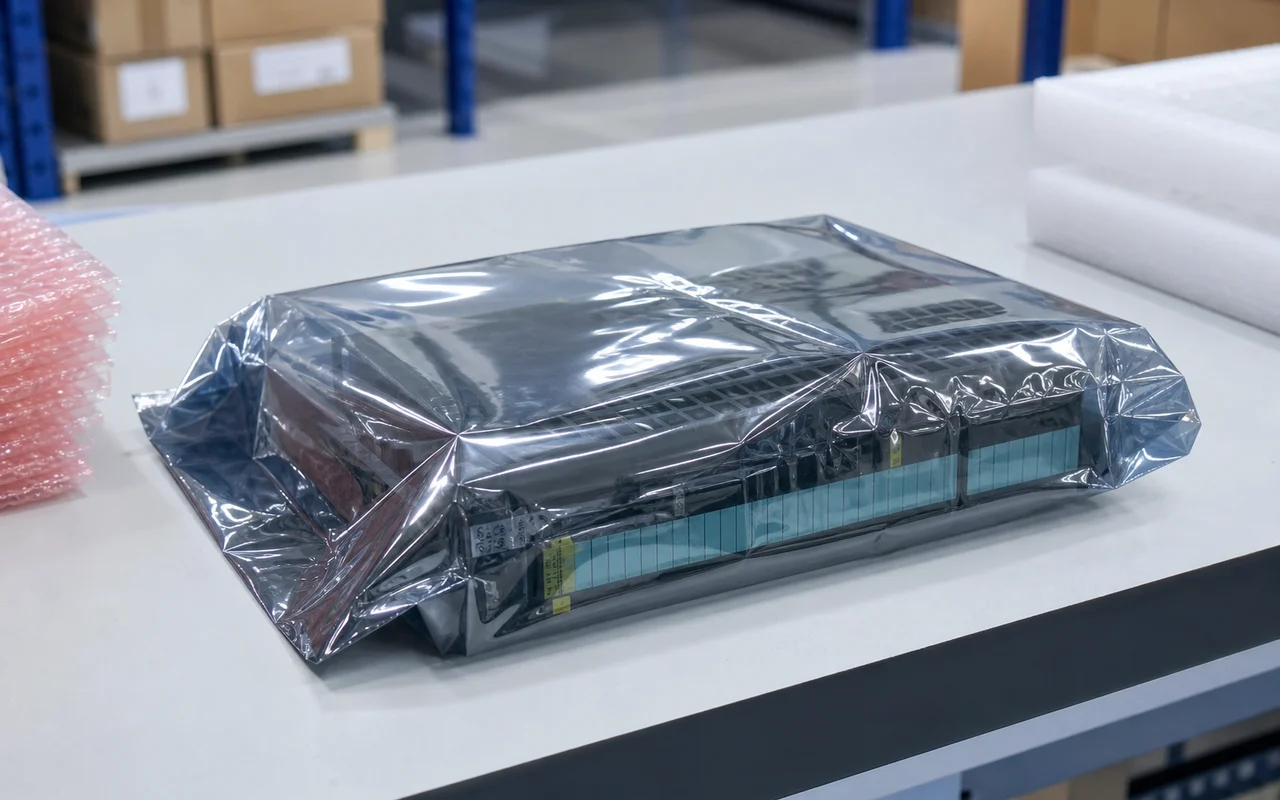 Anti-static Packaging
Modules are packed in anti-static bags to prevent electrostatic damage.
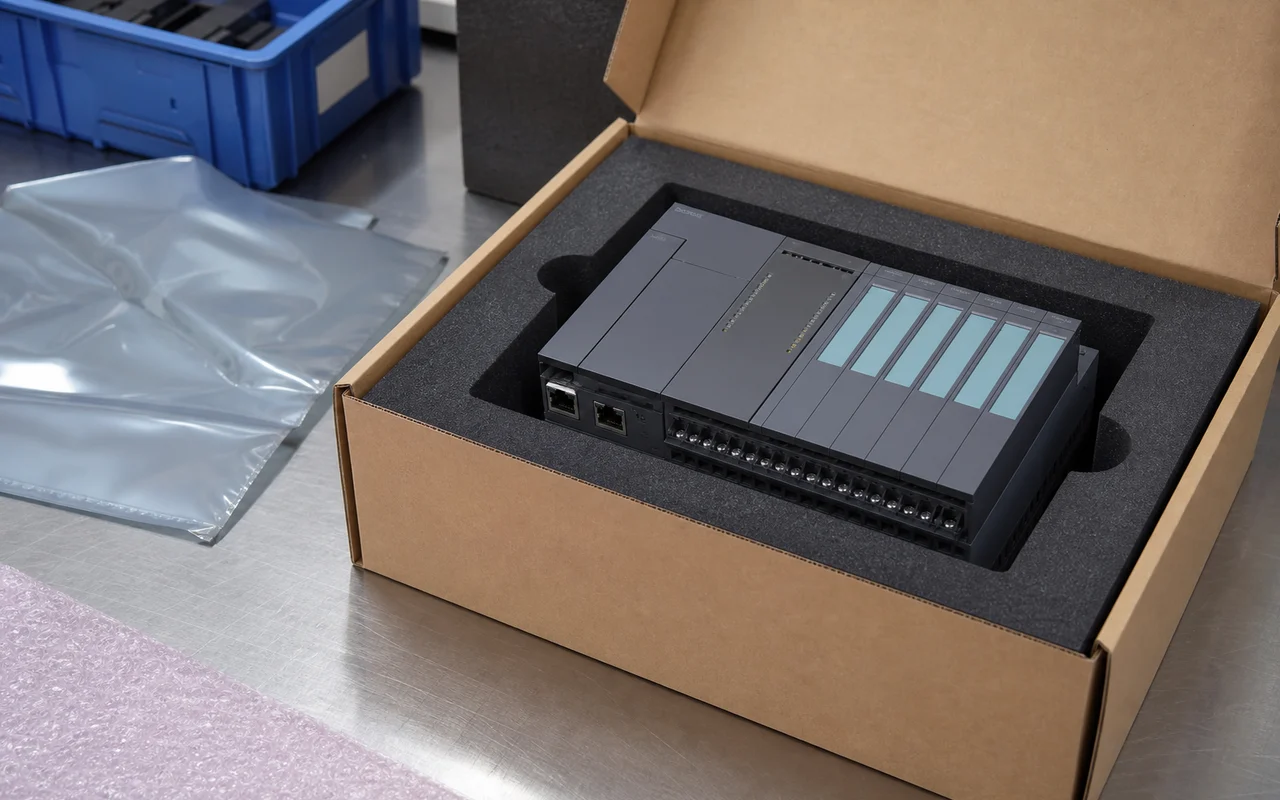 Secure Export Packing
Cushion protection and strong cartons ensure safe transportation.
 Worldwide Shipping
Global logistics network supports air, sea and express delivery.
 Documentation Check
Part number, revision and compatibility verified before shipment.
 After-sales Support
Professional technical support to help resolve your issues.