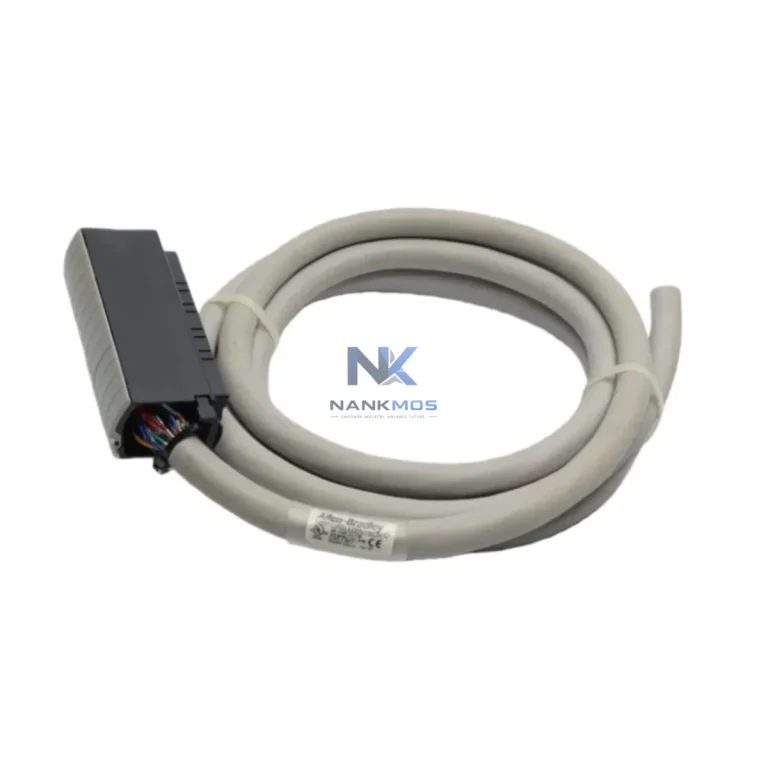
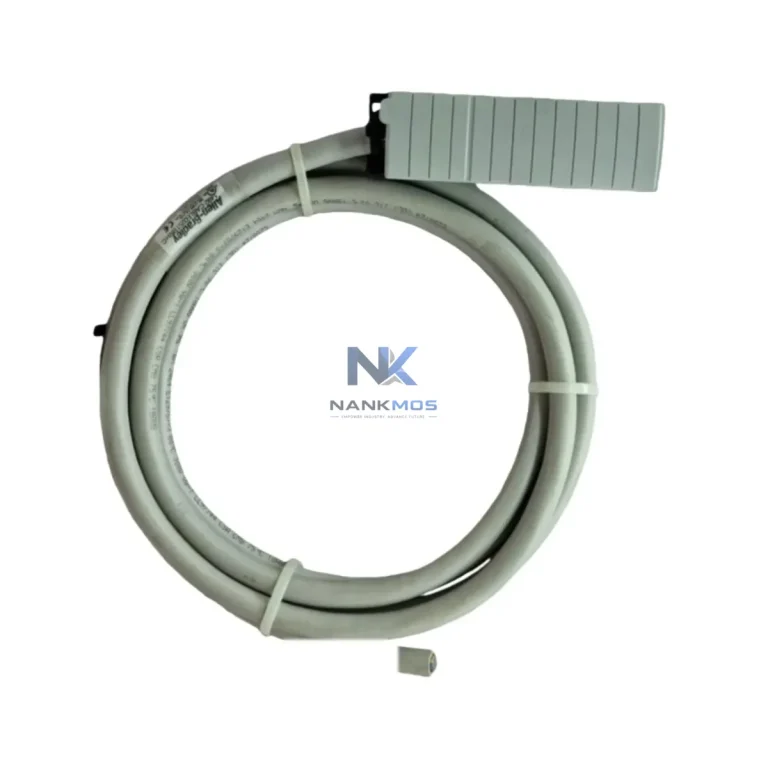
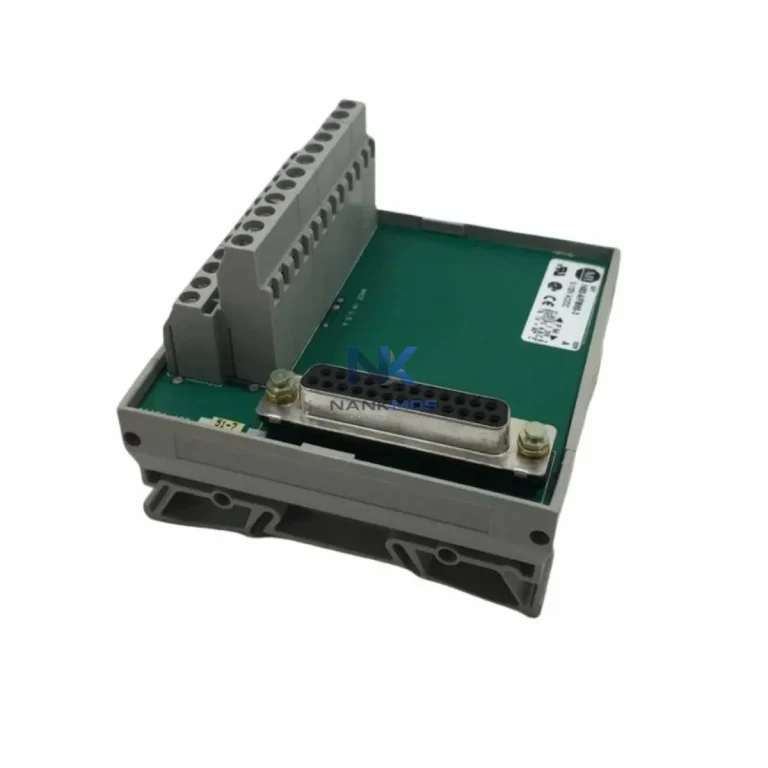
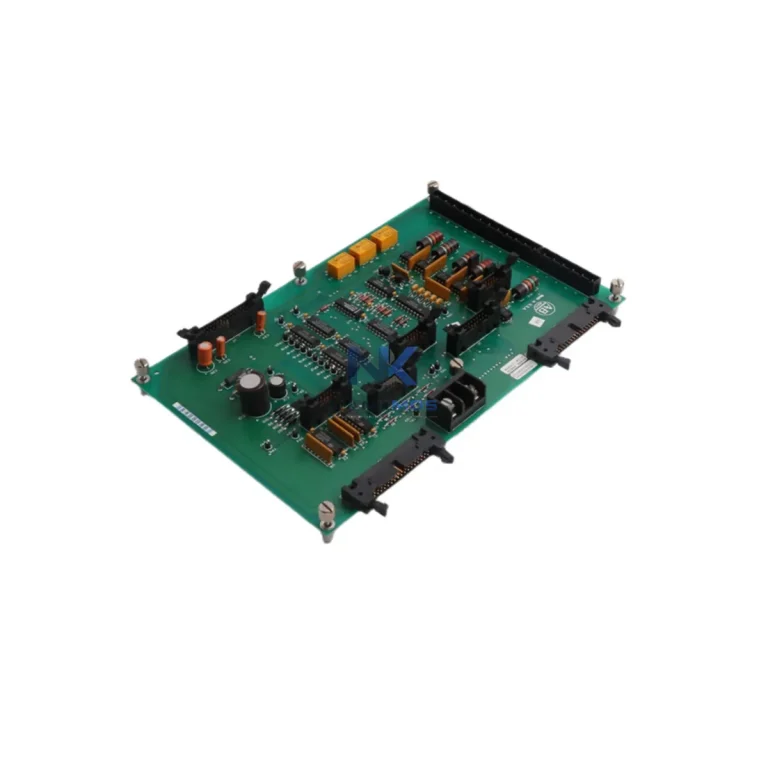
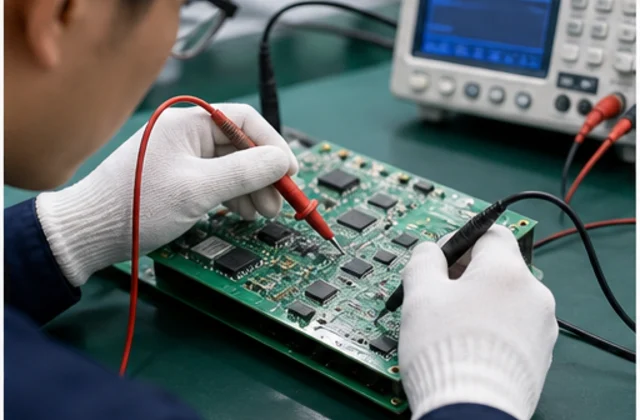
 Functional Inspection
100% tested on professional platforms to ensure stable performance.
Allen-Bradley 1746-NR4 is a NANKMOS industrial automation product record Listed under SLC 500 series and Business & Industrial > Automation, Control & Flow Devices > Programmable Logic Controllers. Confirm condition, availability, lead time, compatibility and documentation by email inquiry.
Brand names are used for identification only.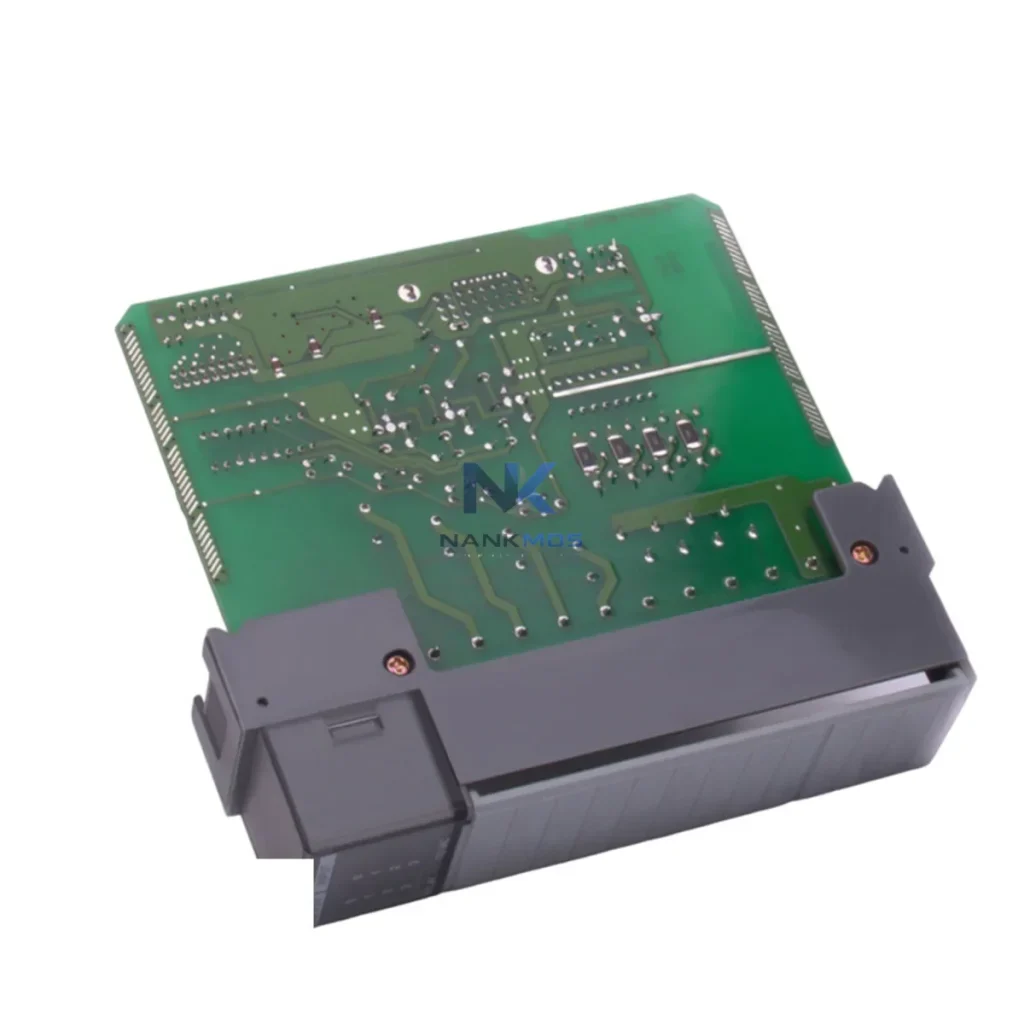
Allen-Bradley 1746-NR4 is a NANKMOS industrial automation product record Listed under SLC 500 series and Business & Industrial > Automation, Control & Flow Devices > Programmable Logic Controllers. Confirm condition, availability, lead time, compatibility and documentation by email inquiry.
| Manufacturer | Allen-Bradley |
|---|---|
| Application | Controller Processing & System Control |
| Part Number / Model | 1746-NR4 |
| Compatible System | SLC 500 |
| Series | SLC 500 |
| Condition Options | To Confirm |
| Module Type | Controller / CPU Module |
| Warranty | 12 Months |
| Packaging | Anti-static Bag / Secure Box |
| Shipping Methods | DHL / FedEx / UPS / Air / Sea |
| Availability | To Confirm |
| Lead Time | To Confirm |
| Documentation | Part number and revision checked before quote |
The Allen-Bradley 1746-NR4 is a 4-channel RTD and resistance input module engineered for the SLC 500 programmable controller platform. Designed for precision thermal and resistance measurement in demanding industrial environments, the 1746-NR4 delivers the closed-loop feedback accuracy that modern energy-control strategies depend on. By providing real-time temperature data directly to the SLC 500 processor — such as the 1747-L553 or 1747-L543 — the module enables tighter regulation of motor winding temperatures, drive thermal states, and process heat loads, reducing unnecessary energy consumption and preventing thermally driven downtime.
In energy-intensive production lines where every kilowatt-hour counts, the 1746-NR4 serves as a critical sensing node. Its high-resolution RTD inputs support Pt100, Pt1000, Ni120, and custom resistance curves, making it adaptable across a wide range of thermal monitoring applications — from motor control cabinets and variable frequency drive enclosures to heat-trace systems and process reactors. When paired with a PowerFlex 40 or PowerFlex 70 variable frequency drive, the temperature feedback loop managed through the 1746-NR4 allows the SLC 500 to modulate drive output in response to actual thermal load rather than fixed schedules, directly cutting idle energy draw and reducing heat stress on insulation and bearings.
Effective energy management in a smart production line is never the result of a single component — it emerges from the coordinated interaction of sensing, control, and actuation layers. The 1746-NR4 occupies the sensing layer, feeding precision thermal data into the SLC 500 rack alongside 1746-IB16 digital input modules and 1746-OB16 digital output modules that manage discrete load switching. When the SLC 500 processor receives RTD data indicating that a motor winding is approaching its thermal limit, it can issue a speed-reduction command to a connected PowerFlex 40 variable frequency drive via the 1747-SDN DeviceNet Scanner, reducing motor current draw and heat generation simultaneously.
For facilities running Rockwell Automation's FactoryTalk View or a third-party SCADA system, the 1746-NR4 data surfaces as real-time thermal trend tags, enabling operators to visualize energy-related temperature excursions before they escalate into faults. A 1747-AENTR EtherNet/IP adapter can bridge the SLC 500 rack to a plant-wide Ethernet backbone, making 1746-NR4 channel data available to energy management dashboards and predictive maintenance platforms without additional hardware. Alongside a 1746-NI4 analog input module handling 4–20 mA current loop signals from power transducers, the 1746-NR4 completes a dual-layer energy monitoring architecture — one layer tracking thermal state, the other tracking electrical load — giving the control system a comprehensive picture of energy consumption at the machine level.
In servo-driven axes where a Kinetix 300 or Kinetix 5500 servo drive governs a precision positioning stage, the 1746-NR4 can monitor the thermal state of the servo motor and the drive's heat sink. If temperatures trend upward during high-duty-cycle operations, the SLC 500 logic can introduce controlled dwell periods or reduce peak torque limits, extending drive and motor service life while keeping energy consumption within budget. This kind of thermally informed motion management is increasingly expected in ISO 50001-aligned facilities pursuing systematic energy performance improvement.
Unplanned thermal shutdowns are among the most disruptive and energy-wasteful events in a production environment. When a motor or drive trips on over-temperature, the restart sequence — including cool-down time, operator intervention, and re-synchronization of upstream and downstream equipment — can consume more energy than hours of steady-state operation. The 1746-NR4 addresses this risk at the root by providing continuous, high-resolution thermal visibility that allows the SLC 500 control program to act before a fault condition develops.
In a typical conveyor or pump application, the 1746-NR4 monitors motor winding temperature via a Pt100 RTD embedded in the stator. The SLC 500 compares the live reading against configurable warning and trip thresholds. If the temperature rises above the warning threshold — perhaps due to increased load, reduced airflow, or a failing bearing — the controller can automatically reduce the speed setpoint sent to the PowerFlex 70 drive, lowering current draw and heat generation without stopping the line. This demand-responsive control strategy reduces energy consumption during high-ambient-temperature periods and extends motor insulation life, directly lowering total cost of ownership.
For heat-trace applications in chemical or food processing plants, the 1746-NR4 enables proportional temperature control that eliminates the energy waste associated with simple on/off switching. By feeding precise resistance-temperature data into a PID loop running in the SLC 500, the system maintains process temperatures within tight bands, reducing overshoot energy and preventing product quality excursions. Facilities that have implemented this approach consistently report measurable reductions in heat-trace energy consumption, with payback periods well within the 12-month warranty window of the 1746-NR4 itself.
Every 1746-NR4 shipped by NANKMOS undergoes functional verification and output testing prior to dispatch. Stock is maintained to support fast replacement cycles, minimizing the production downtime associated with module failures. With a 12-month warranty covering defects in materials and workmanship, procurement teams can plan maintenance budgets with confidence.
Q1: How does the 1746-NR4 contribute to measurable energy savings on a production line? By providing real-time RTD temperature data to the SLC 500, the 1746-NR4 enables demand-based control of variable frequency drives and other loads. Instead of running motors at fixed speeds regardless of thermal state, the control program can reduce drive output when temperatures are within safe limits, cutting energy consumption during partial-load periods. Facilities using closed-loop thermal management via the 1746-NR4 typically see reductions in motor-related energy draw during off-peak and partial-load operating windows.
Q2: Is the 1746-NR4 compatible with all SLC 500 chassis and processors? Yes. The 1746-NR4 is designed for the 1746 I/O chassis family and is compatible with all SLC 500 processors, including the 1747-L20, 1747-L30, 1747-L40, 1747-L551, and 1747-L553 series. It occupies one slot in any standard 1746 chassis and communicates over the SLC 500 backplane without requiring additional communication modules.
Q3: Can the 1746-NR4 replace an existing RTD module from another vendor in an SLC 500 rack? In most cases, yes. The 1746-NR4 follows the standard 1746 I/O addressing scheme, so it can be substituted for a failed or end-of-life RTD module with minimal ladder logic changes — typically limited to updating the input file address and verifying the channel configuration word. Always verify sensor type compatibility (Pt100, Ni120, etc.) and confirm the replacement module's channel count matches the application before installation.
Q4: What does the 12-month warranty cover, and how is the module tested before shipment? The 12-month warranty covers defects in materials and workmanship under normal operating conditions. Each 1746-NR4 unit is functionally tested prior to shipment to verify channel accuracy, backplane communication integrity, and power consumption within specification. If a module fails within the warranty period under normal use, NANKMOS will arrange replacement or repair. Contact [email protected] or +86 18359268345 to initiate a warranty claim.
Functional Inspection100% tested on professional platforms to ensure stable performance.
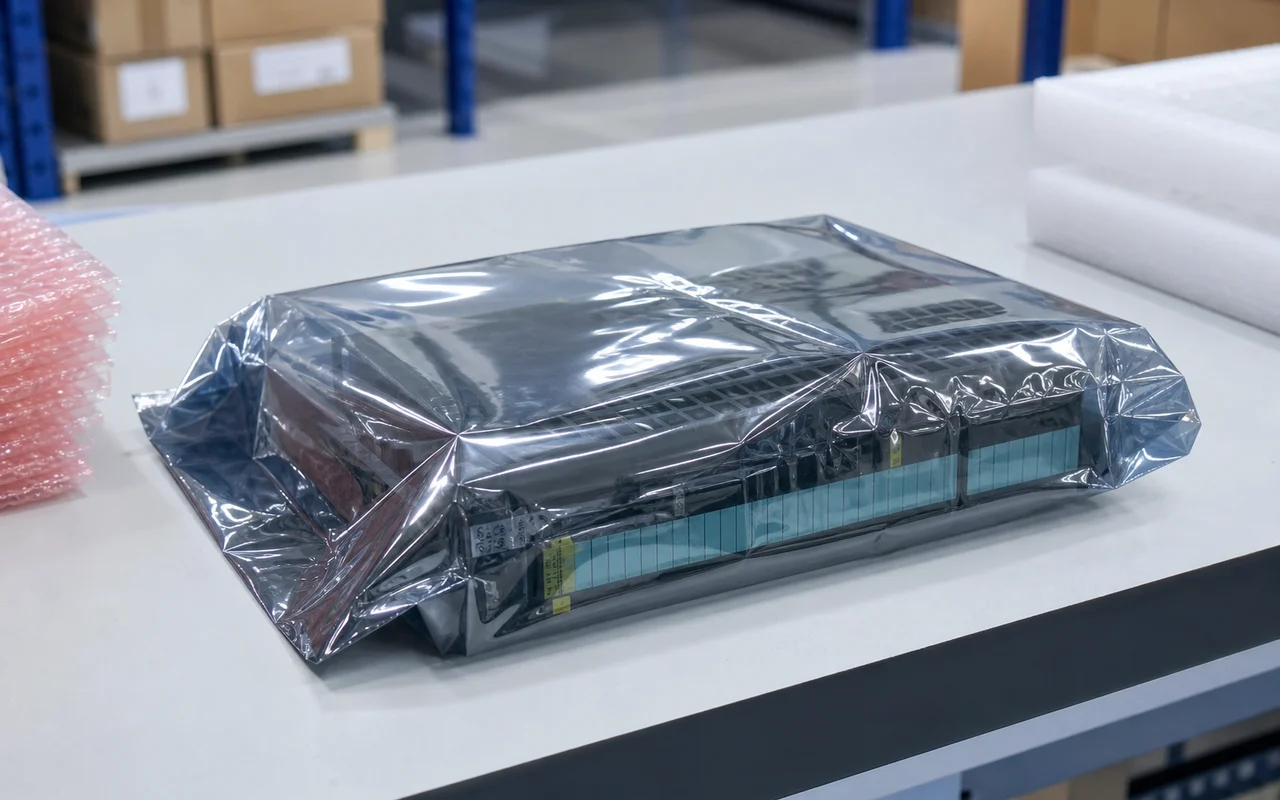 Anti-static Packaging
Modules are packed in anti-static bags to prevent electrostatic damage.
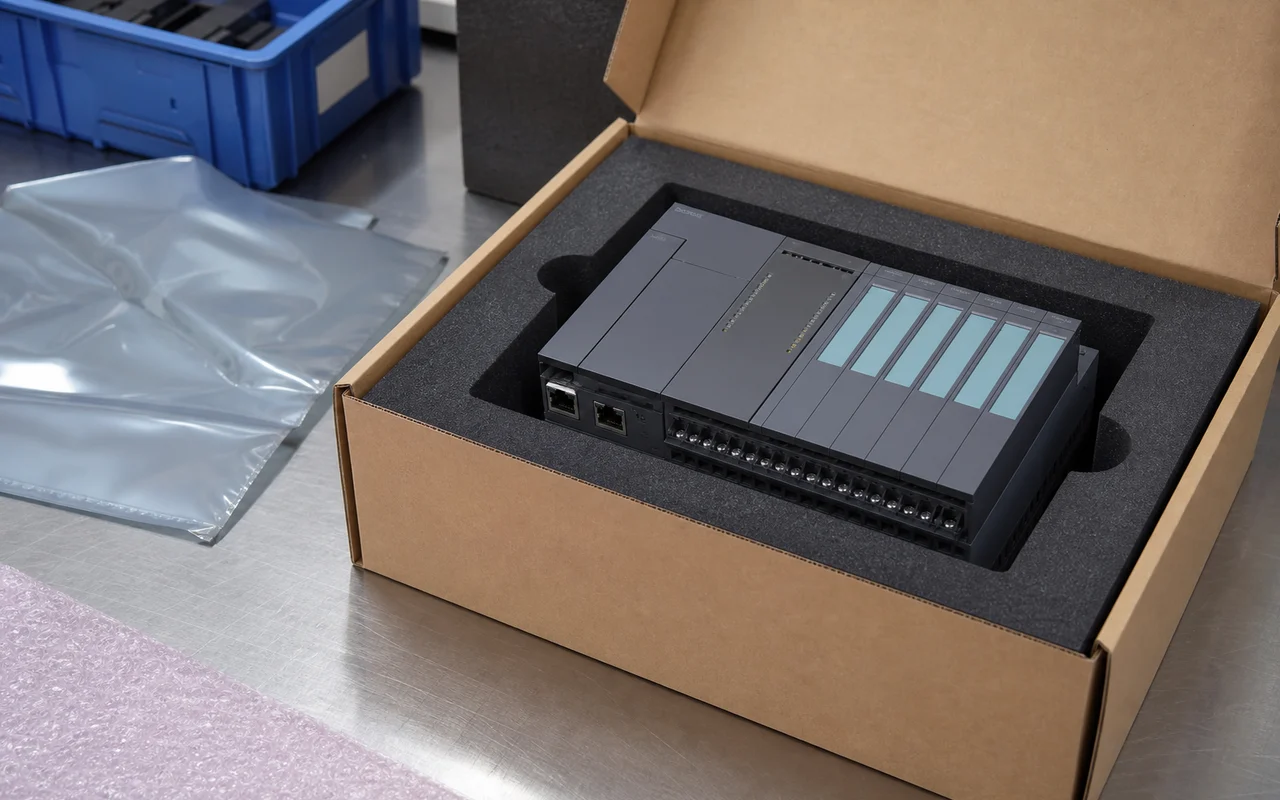 Secure Export Packing
Cushion protection and strong cartons ensure safe transportation.
 Worldwide Shipping
Global logistics network supports air, sea and express delivery.
 Documentation Check
Part number, revision and compatibility verified before shipment.
 After-sales Support
Professional technical support to help resolve your issues.