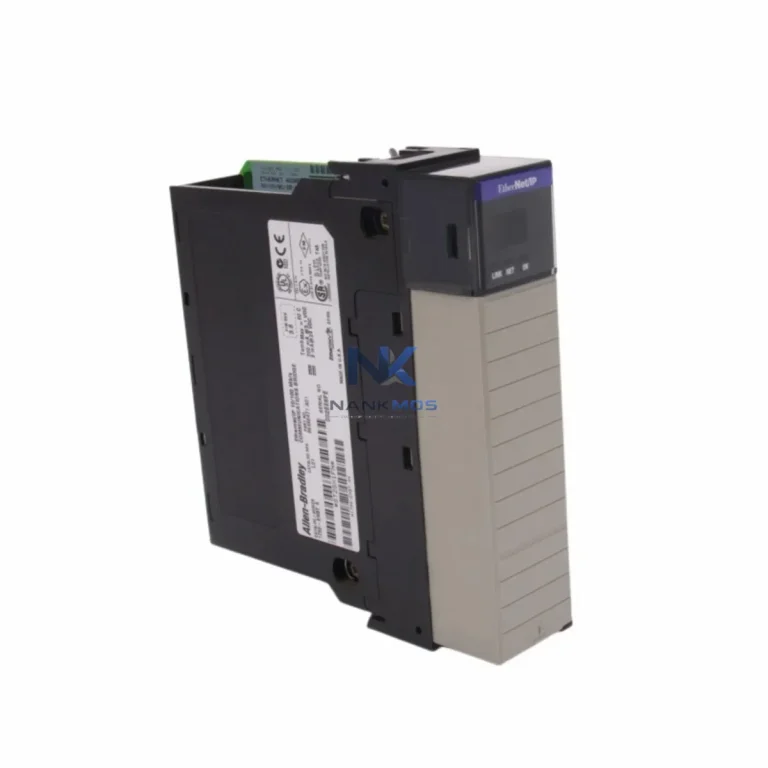
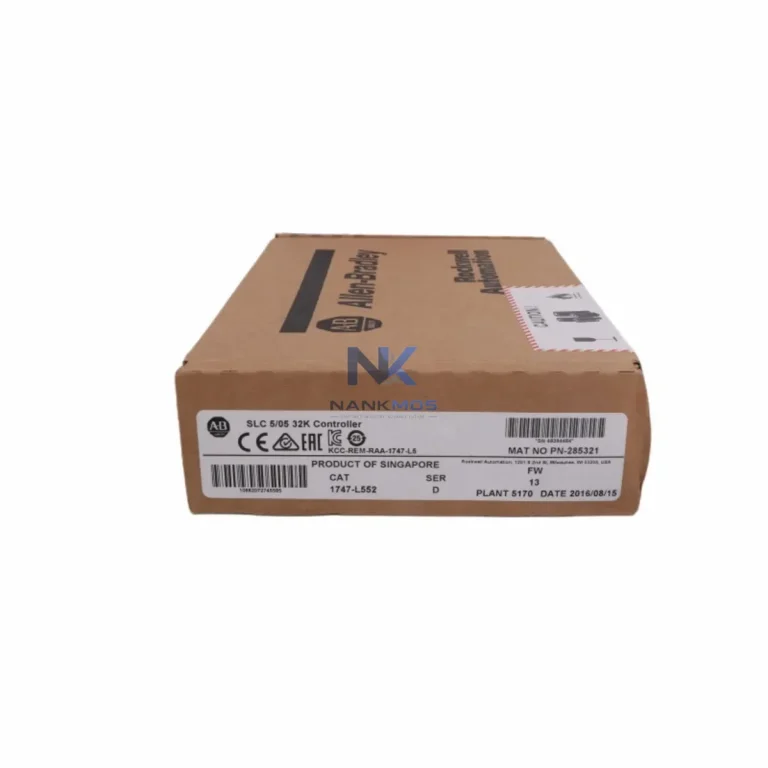
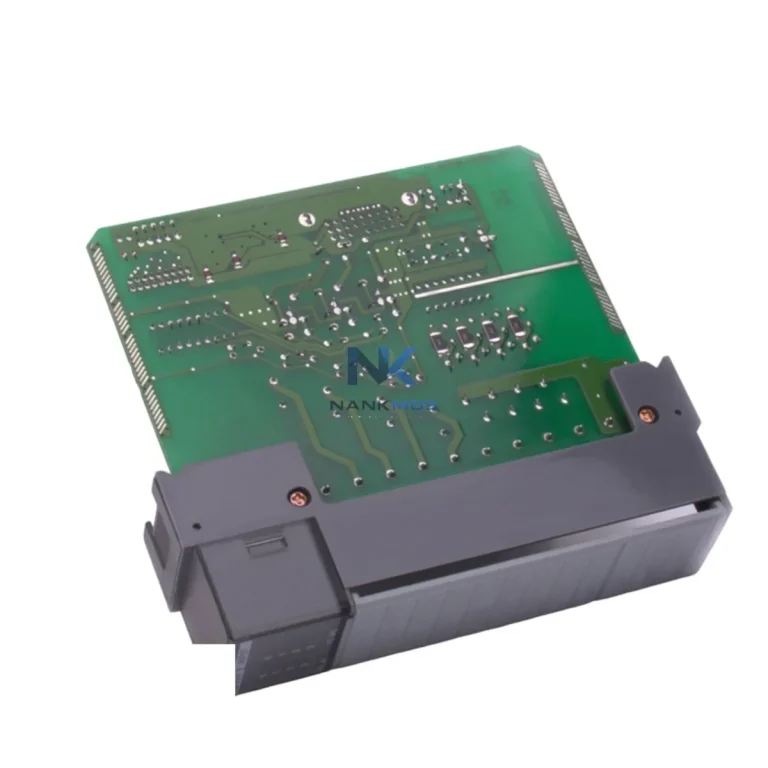
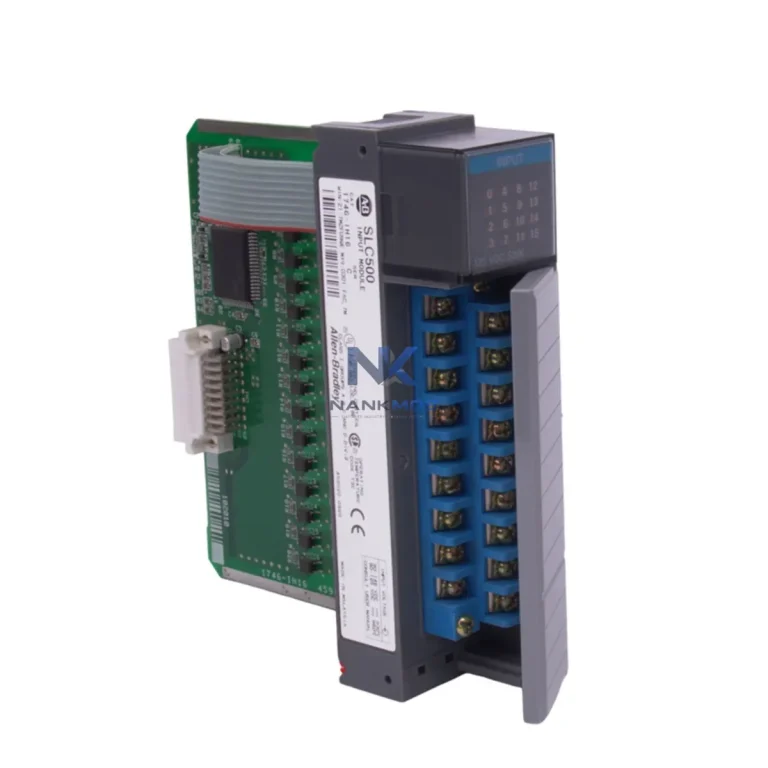
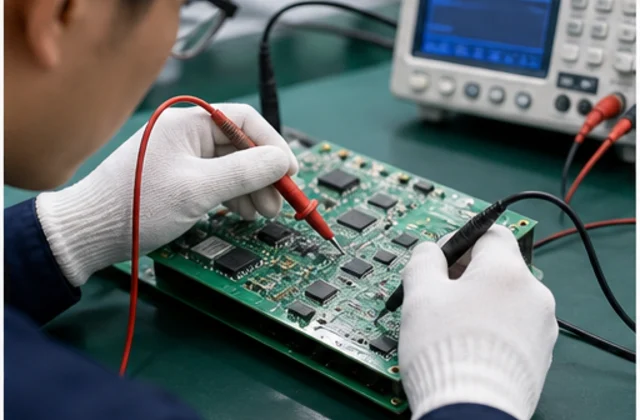
 Functional Inspection
100% tested on professional platforms to ensure stable performance.
Allen-Bradley 1747-DCM is a NANKMOS industrial automation product record Listed under SLC 500 series and HMI Panels. Confirm condition, availability, lead time, compatibility and documentation by email inquiry.
Brand names are used for identification only.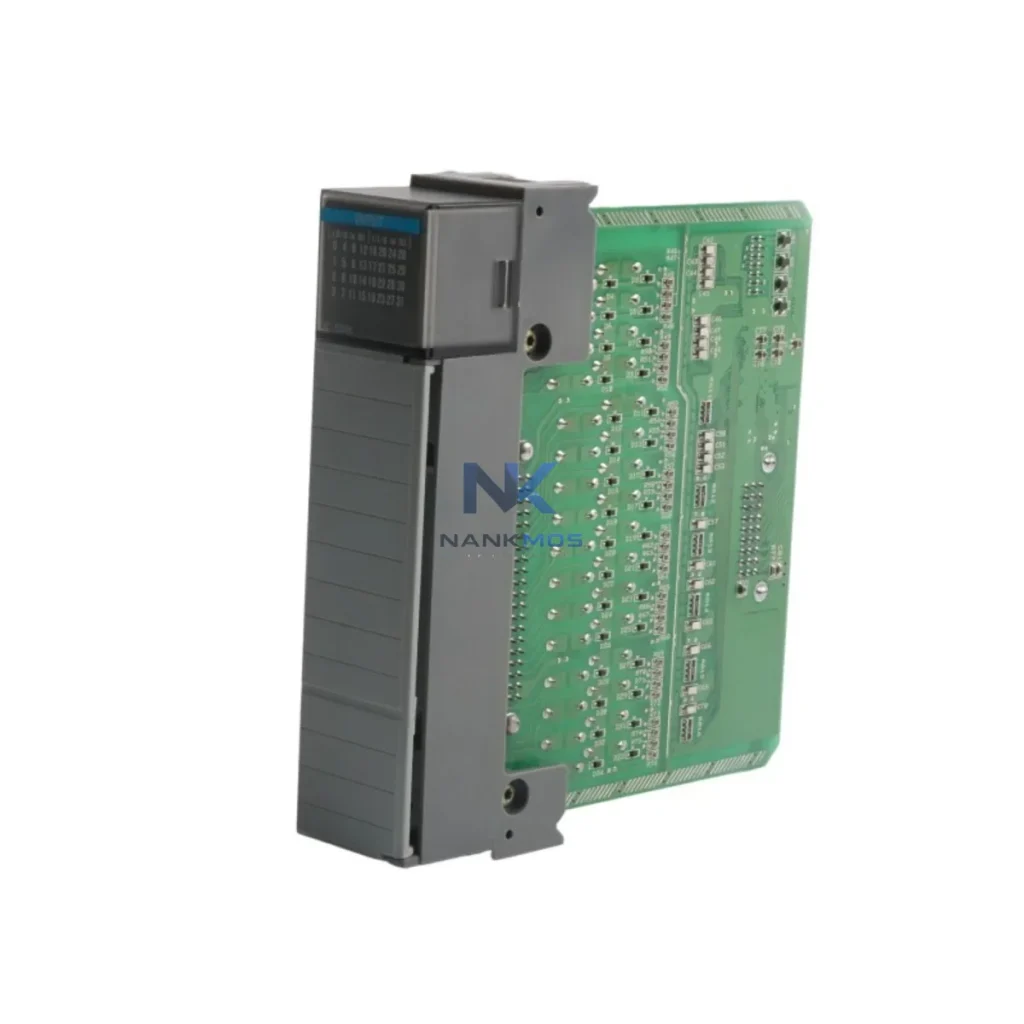
Allen-Bradley 1747-DCM is a NANKMOS industrial automation product record Listed under SLC 500 series and HMI Panels. Confirm condition, availability, lead time, compatibility and documentation by email inquiry.
| Manufacturer | Allen-Bradley |
|---|---|
| Application | Industrial Network Communication |
| Part Number / Model | 1747-DCM |
| Compatible System | SLC 500 |
| Series | SLC 500 |
| Condition Options | To Confirm |
| Module Type | Communication Module |
| Warranty | 12 Months |
| Packaging | Anti-static Bag / Secure Box |
| Shipping Methods | DHL / FedEx / UPS / Air / Sea |
| Availability | To Confirm |
| Lead Time | To Confirm |
| Documentation | Part number and revision checked before quote |
The Allen-Bradley 1747-DCM is a dedicated Data Highway Plus (DH+) communication module engineered for SLC 500 programmable controller systems. Designed to serve as the backbone of industrial data exchange, the 1747-DCM enables seamless, deterministic communication between field-level devices and upper-layer control and monitoring systems. In smart factory environments where production transparency, real-time diagnostics, and multi-node network stability are non-negotiable, the 1747-DCM delivers the protocol-level reliability that automation engineers depend on.
From signal acquisition at the sensor layer through to SCADA visualization and enterprise data integration, the 1747-DCM occupies a critical position in the industrial data chain. Its DH+ protocol support ensures low-latency, peer-to-peer communication across SLC 500 nodes, enabling coordinated control logic, synchronized I/O updates, and real-time alarm propagation across the production line.
In a fully connected smart factory, the 1747-DCM functions as the communication hub that ties together every layer of the automation hierarchy. At the field level, sensors and actuators feed real-time process data into SLC 500 I/O modules — such as the 1746-IB16 digital input module and 1746-OB16 digital output module — which aggregate signals and pass them upstream through the SLC 500 backplane. The 1747-DCM then bridges this backplane data onto the DH+ network, making it available to every node on the segment.
Upstream, Allen-Bradley PanelView HMI terminals connect directly to the DH+ network, receiving live process variables, alarm states, and production counters from the SLC 500 processor via the 1747-DCM. Operators gain real-time visibility into machine states without requiring dedicated point-to-point wiring between each HMI and each controller. This topology also supports the 1747-SN Remote I/O Scanner, which extends the SLC 500's reach to remote I/O racks distributed across the production floor — all coordinated through the DH+ backbone managed by the 1747-DCM.
At the SCADA layer, RSLinx Classic or RSLinx Enterprise software establishes a communication path through the DH+ network to the SLC 500 processor, enabling FactoryTalk View SE or third-party SCADA platforms to poll live data, push setpoints, and log historical trends. The 1747-DCM's deterministic DH+ protocol ensures that SCADA polling cycles remain consistent even under high network load, preventing data gaps that could compromise alarm management or production reporting.
For facilities integrating legacy SLC 500 systems with newer ControlLogix or CompactLogix platforms, the 1747-DCM can be paired with a 1761-NET-DNI DeviceNet interface or a 1784-PKTX communication card to bridge DH+ segments with EtherNet/IP networks. This hybrid architecture allows engineers to preserve existing SLC 500 investments while progressively migrating control logic to modern Logix platforms — a common requirement in phased smart factory upgrade projects.
Edge gateway devices, such as those running Kepware KEPServerEX OPC-UA drivers, can also interface with the DH+ network through the 1747-DCM, publishing SLC 500 data to cloud-based MES or ERP systems via MQTT or REST APIs. This positions the 1747-DCM not merely as a legacy communication module, but as an active participant in Industry 4.0 data architectures — connecting decades-old field devices to modern data visualization and predictive maintenance platforms.
Variable frequency drives on the production line, including Allen-Bradley PowerFlex 40 and PowerFlex 70 series drives, can be monitored and parameterized through the SCADA layer once their status data is aggregated via the SLC 500 and transmitted over DH+ through the 1747-DCM. This enables centralized speed reference management, fault logging, and energy consumption tracking without requiring separate drive communication networks.
Many industrial facilities operating SLC 500-based control systems face a common set of challenges: protocol fragmentation between legacy DH+ segments and modern Ethernet-based networks, data silos that prevent SCADA systems from accessing field-level diagnostics, and limited remote monitoring capability that forces on-site intervention for routine fault analysis.
The 1747-DCM directly addresses protocol fragmentation by providing a stable, standards-compliant DH+ interface that integrates with the full Allen-Bradley SLC 500 ecosystem. Unlike generic serial converters that introduce latency or packet loss, the 1747-DCM is purpose-built for DH+ timing requirements, ensuring that message passing between SLC 500 nodes remains deterministic and reliable even in electrically noisy industrial environments.
Data silos are eliminated by enabling SCADA and HMI systems to access the full range of SLC 500 data files — including input/output tables, timer and counter values, integer files, and fault registers — through a single DH+ network connection managed by the 1747-DCM. This consolidation reduces the number of physical communication interfaces required per controller, simplifying network topology and reducing potential failure points.
Remote diagnostics capability is enhanced through the 1747-DCM's support for RSLinx remote node browsing, allowing automation engineers to connect to any SLC 500 processor on the DH+ segment from a centralized engineering workstation or remote VPN connection. Fault codes, I/O status, and program execution data can be retrieved without dispatching technicians to the machine level — reducing mean time to repair (MTTR) and minimizing unplanned downtime.
Production line transparency is further improved by enabling real-time alarm propagation from SLC 500 processors to FactoryTalk Alarms and Events or third-party alarm management systems. The 1747-DCM ensures that alarm messages are transmitted with minimal latency, supporting rapid operator response and accurate alarm timestamping for post-incident analysis and regulatory compliance reporting.
Q1: What communication speeds does the 1747-DCM support, and how does this affect network latency?The 1747-DCM supports selectable DH+ baud rates of 57.6 Kbps, 115.2 Kbps, and 230.4 Kbps. Higher baud rates reduce message cycle times and improve SCADA polling responsiveness, but require shorter cable runs and higher-quality shielded cable. For most production environments with cable runs under 100 meters, 230.4 Kbps operation provides sub-10ms message latency across a 32-node DH+ network.
Q2: Is the 1747-DCM compatible with both SLC 5/03 and SLC 5/04 processors?Yes. The 1747-DCM is compatible with the full SLC 500 processor family, including the SLC 5/01, 5/02, 5/03, 5/04, and 5/05. It occupies a standard SLC 500 backplane slot and communicates with the processor via the backplane data transfer mechanism, making it interchangeable across SLC 500 chassis configurations without firmware modification.
Q3: Can the 1747-DCM be used to bridge two separate DH+ network segments?Yes. The 1747-DCM supports dual-port DH+ bridging, allowing it to connect two independent DH+ segments and route messages between nodes on different network segments. This is particularly useful in large facilities where a single DH+ segment cannot span the full physical distance of the production floor, or where network segmentation is required for traffic management and fault isolation.
Q4: What warranty and pre-shipment testing does the 1747-DCM include?Every 1747-DCM unit supplied by NANKMOS includes a 12-month warranty covering hardware defects and communication failures under normal operating conditions. Prior to shipment, each unit undergoes functional verification testing including DH+ network initialization, baud rate configuration, and backplane communication checks. Units are shipped with original or equivalent packaging to ensure safe transit and arrive ready for immediate installation and commissioning.
Functional Inspection100% tested on professional platforms to ensure stable performance.
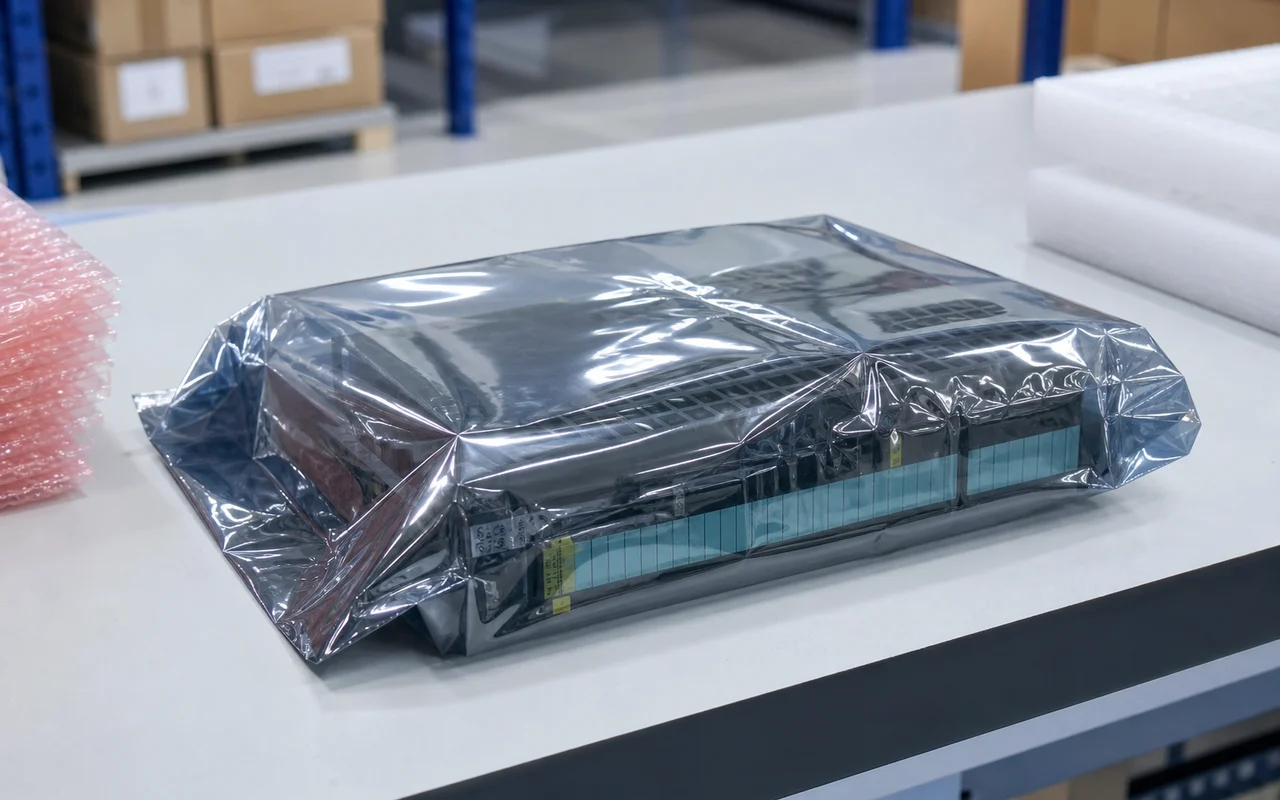 Anti-static Packaging
Modules are packed in anti-static bags to prevent electrostatic damage.
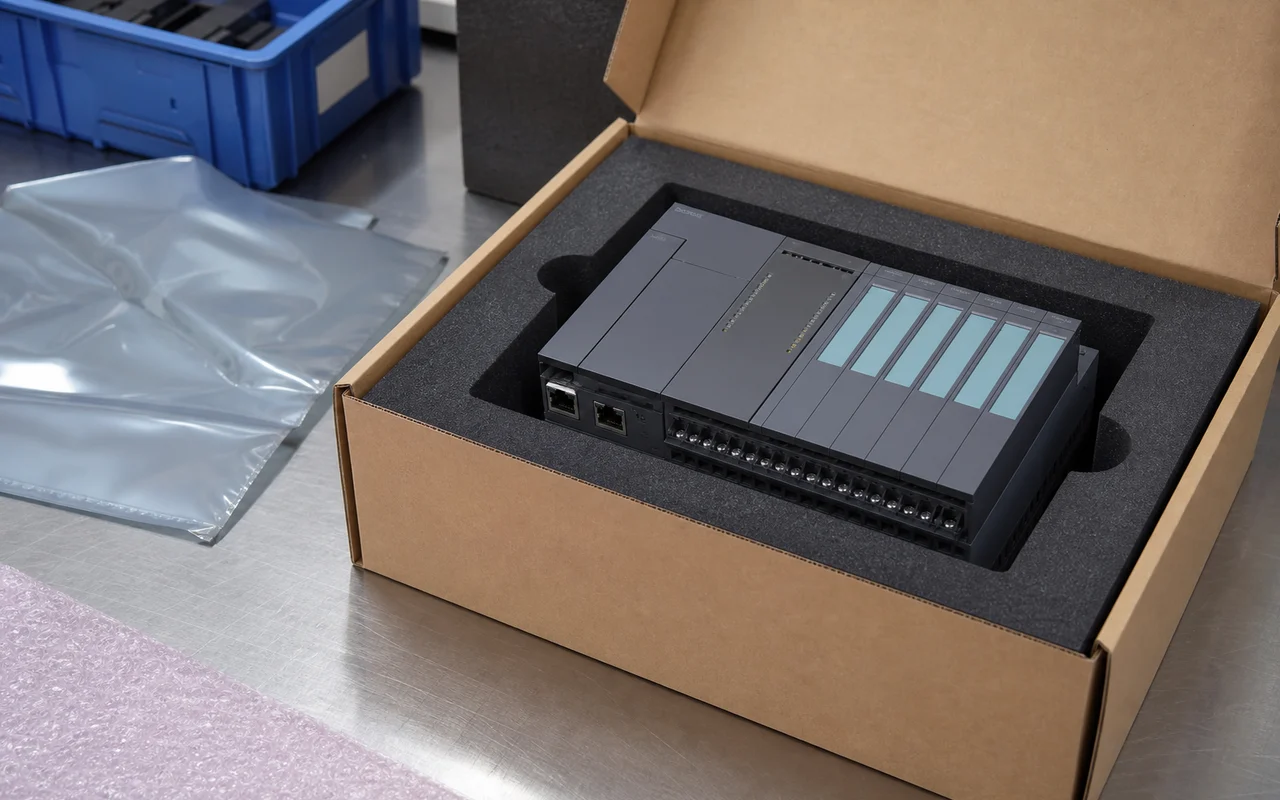 Secure Export Packing
Cushion protection and strong cartons ensure safe transportation.
 Worldwide Shipping
Global logistics network supports air, sea and express delivery.
 Documentation Check
Part number, revision and compatibility verified before shipment.
 After-sales Support
Professional technical support to help resolve your issues.