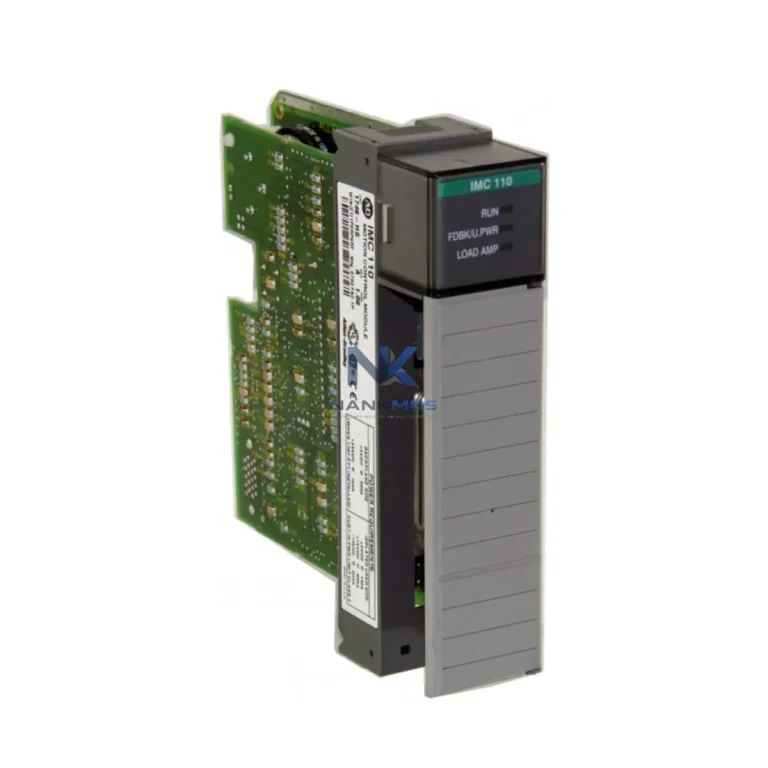
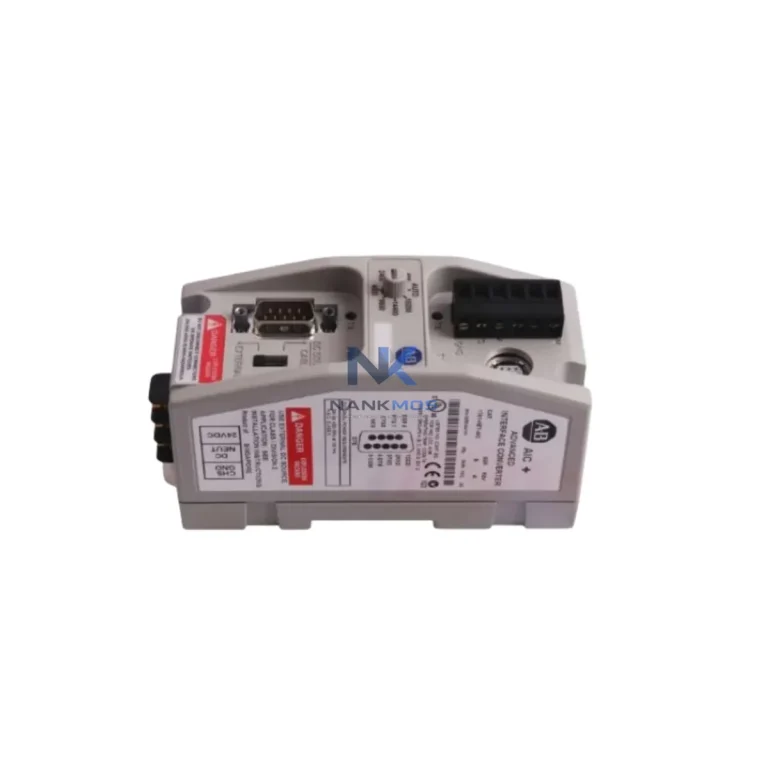
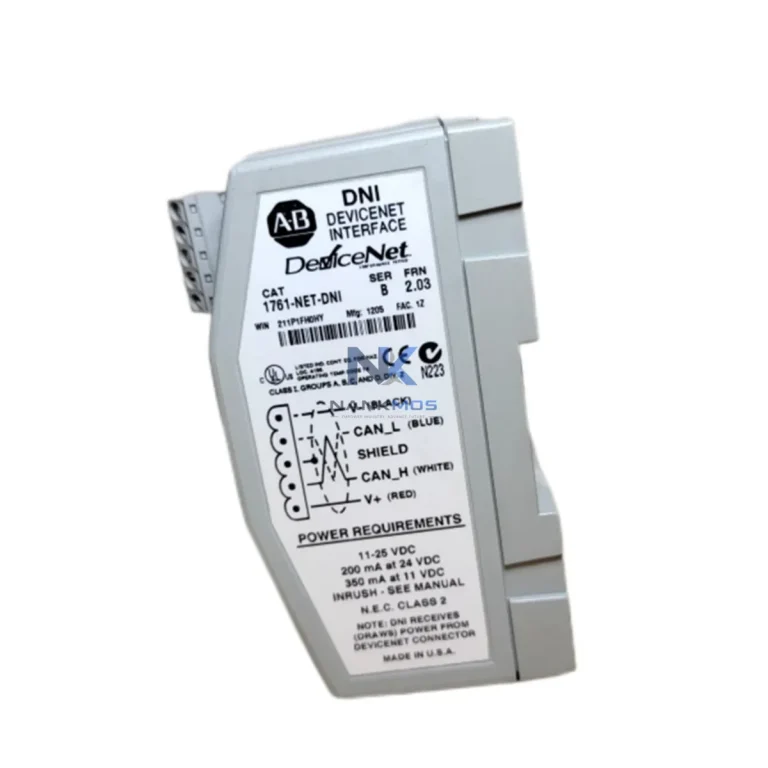
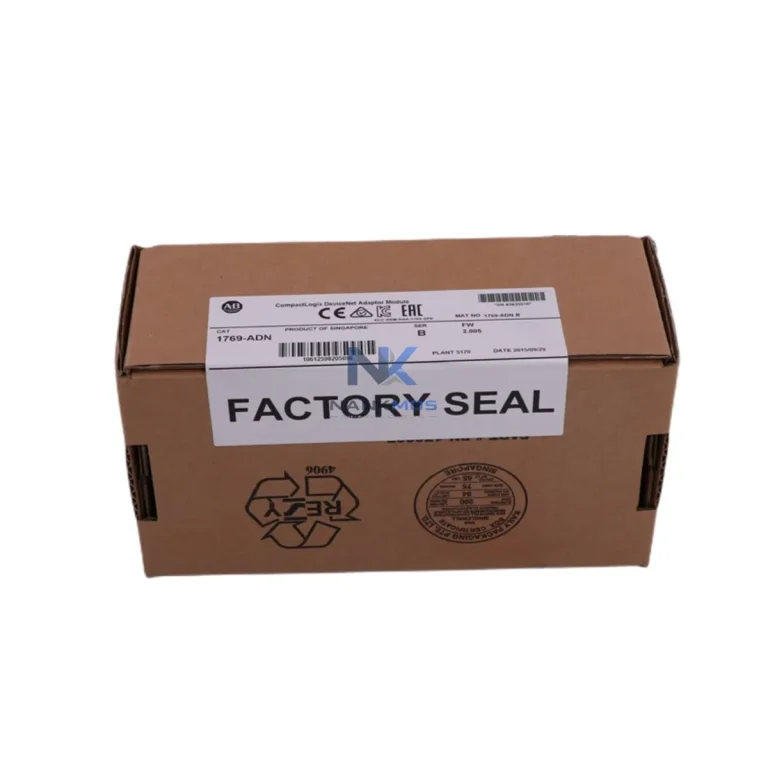
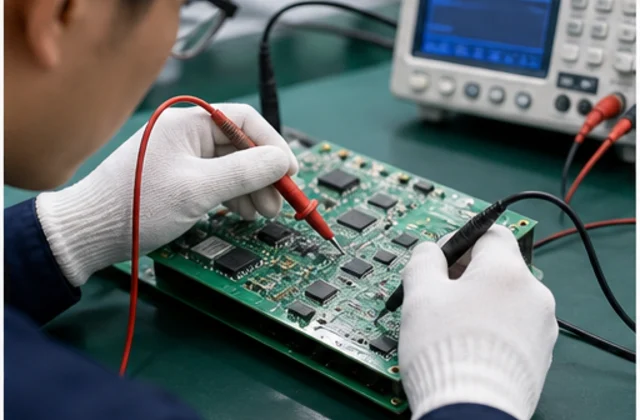
 Functional Inspection
100% tested on professional platforms to ensure stable performance.
Allen-Bradley 1769-CRR1 is a NANKMOS industrial automation product record Listed under CompactLogix series and Business & Industrial > Automation, Control & Flow Devices. Confirm condition, availability, lead time, compatibility and documentation by email inquiry.
Brand names are used for identification only.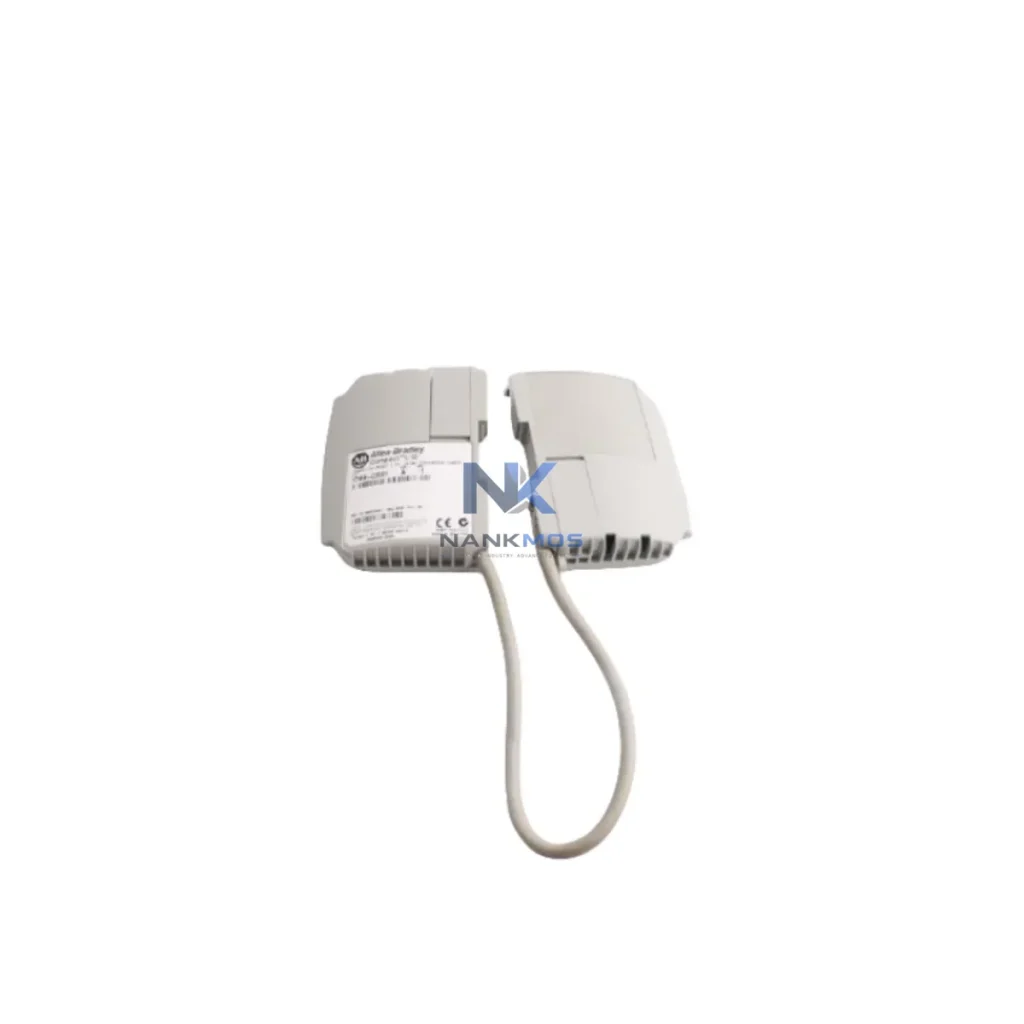
Allen-Bradley 1769-CRR1 is a NANKMOS industrial automation product record Listed under CompactLogix series and Business & Industrial > Automation, Control & Flow Devices. Confirm condition, availability, lead time, compatibility and documentation by email inquiry.
| Manufacturer | Allen-Bradley |
|---|---|
| Application | Industrial Network & Bus Termination |
| Part Number / Model | 1769-CRR1 |
| Compatible System | CompactLogix |
| Series | CompactLogix |
| Condition Options | To Confirm |
| Module Type | Bus / Network Interface Module |
| Warranty | 12 Months |
| Packaging | Anti-static Bag / Secure Box |
| Shipping Methods | DHL / FedEx / UPS / Air / Sea |
| Availability | To Confirm |
| Lead Time | To Confirm |
| Documentation | Part number and revision checked before quote |
The Allen-Bradley 1769-CRR1 is a CompactLogix bus expansion cable module engineered to extend the local I/O bus in Rockwell Automation's 1769 Compact I/O platform. In modern smart factory environments where data continuity, real-time control, and seamless device integration are non-negotiable, the 1769-CRR1 serves as a critical physical and logical bridge between the CompactLogix controller backplane and distributed I/O banks. By enabling right-side bus expansion, this module allows engineers to build scalable, modular control architectures without sacrificing communication integrity or system throughput.
At the heart of any intelligent manufacturing cell lies the ability to move data reliably from field devices to supervisory systems. The 1769-CRR1 supports this mission by maintaining the high-speed backplane communication path that CompactLogix controllers — such as the 1769-L30ER or 1769-L33ER — depend on to scan I/O modules, execute ladder logic, and synchronize with EtherNet/IP networks. When paired with digital input modules like the 1769-IQ16 or analog output modules such as the 1769-OF4, the 1769-CRR1 ensures that every signal — from proximity sensor pulses to 4–20 mA process values — reaches the controller without latency or data loss.
In a fully connected smart factory, the 1769-CRR1 plays a foundational role in the data acquisition and control chain. Consider a typical production line where field-level sensors — including photoelectric sensors, temperature transmitters, and pressure transducers — feed signals into 1769-IQ16 digital input modules and 1769-IF4 analog input modules mounted on the expanded I/O bank. The 1769-CRR1 cable bridges these modules back to the CompactLogix 1769-L33ER controller, which processes the data and executes control logic in real time.
From the controller, process data travels over EtherNet/IP to a managed industrial Ethernet switch — such as the Stratix 5700 — which routes traffic to both the local HMI panel (running FactoryTalk View ME) and the plant-level SCADA server (running FactoryTalk View SE or Ignition SCADA). Operators at the HMI can monitor live I/O states, acknowledge alarms, and adjust setpoints, while the SCADA system logs historical trends, generates production reports, and triggers automated alerts when process variables exceed defined thresholds.
For remote diagnostics, the EtherNet/IP network connects to an edge gateway — such as the Ewon Flexy or a Cisco IR1101 industrial router — enabling secure remote access to the CompactLogix controller from engineering workstations or mobile devices. Maintenance engineers can remotely monitor I/O module health, review fault logs, and perform online program edits without traveling to the plant floor. This capability is especially valuable in multi-site manufacturing environments where centralized IT/OT teams support dozens of production cells simultaneously.
Variable frequency drives (VFDs) — such as the PowerFlex 525 or PowerFlex 755 — connected via EtherNet/IP or DeviceNet to the CompactLogix system receive speed references and torque commands derived from the I/O data flowing through the 1769-CRR1 expanded bank. Motor feedback signals, including current draw and fault status, return through the same network path, enabling closed-loop motor control and predictive maintenance analytics at the SCADA level.
Where legacy field devices communicate over Modbus RTU or PROFIBUS DP, protocol gateway modules — such as the 1769-ASCII or third-party gateways like the ProSoft MVI56E-MNET — can be integrated into the CompactLogix rack alongside the 1769-CRR1 expansion, translating legacy protocols into EtherNet/IP data objects that the controller and SCADA system can consume natively. This eliminates data silos and ensures that every device on the plant floor — regardless of its native protocol — contributes to the unified data model driving smart factory decision-making.
Many industrial sites face persistent challenges: protocol fragmentation across legacy and modern devices, isolated data islands that prevent plant-wide visibility, and limited remote monitoring capability that forces reactive rather than predictive maintenance. The 1769-CRR1, as part of a well-designed CompactLogix architecture, directly addresses these pain points.
By extending the local I/O bus, the 1769-CRR1 allows engineers to add I/O modules incrementally as production requirements grow — eliminating the need for costly controller replacements or parallel wiring runs. Mixed I/O configurations, combining digital, analog, and specialty modules in a single expanded bank, enable a single CompactLogix controller to manage complex, multi-variable processes that previously required multiple standalone controllers.
For sites struggling with alarm management and production transparency, the expanded I/O capacity enabled by the 1769-CRR1 supports denser signal acquisition — capturing more process variables per controller and feeding richer datasets to SCADA and MES systems. This data density is the foundation of effective OEE (Overall Equipment Effectiveness) tracking, real-time production dashboards, and automated downtime reporting.
Remote diagnostics are further enhanced by the EtherNet/IP connectivity of the CompactLogix platform. With the 1769-CRR1 maintaining backplane integrity across the expanded I/O bank, controller diagnostics — including module health status, communication error counts, and I/O fault flags — remain fully accessible via Studio 5000 Logix Designer's online monitoring tools, even when accessed remotely through a secure VPN or industrial remote access gateway.
System scalability is built into the 1769 Compact I/O architecture. As production lines evolve, additional 1769-CRR1 modules can extend the I/O bus further, accommodating new sensors, actuators, and smart devices without disrupting existing wiring or control logic. This modular expandability makes the 1769-CRR1 a long-term investment in factory connectivity infrastructure.
Q1: Does the 1769-CRR1 introduce communication latency in the CompactLogix I/O scan?A: No. The 1769-CRR1 is a passive bus expansion cable that maintains the native backplane communication speed of the 1769 Compact I/O platform. It does not add processing overhead or introduce measurable latency to the controller's I/O scan cycle. Communication timing is governed by the CompactLogix controller's RPI (Requested Packet Interval) settings, which can be tuned independently for each I/O module.
Q2: Is the 1769-CRR1 compatible with all CompactLogix controllers and EtherNet/IP networks?A: The 1769-CRR1 is compatible with all 1769 Compact I/O-based CompactLogix controllers, including the L30, L33, L36, and ER-series variants. Since the CompactLogix platform communicates over EtherNet/IP, any SCADA, HMI, or MES system with EtherNet/IP or OPC-UA connectivity can access I/O data from modules in the expanded bank. For legacy protocol integration, gateway modules can be added to the same rack.
Q3: How does the 1769-CRR1 support remote diagnostics and predictive maintenance?A: By maintaining backplane integrity across the expanded I/O bank, the 1769-CRR1 ensures that all module diagnostic data — including fault flags, communication status, and I/O health indicators — remains accessible to the CompactLogix controller. This data is exposed over EtherNet/IP and can be consumed by remote monitoring tools, SCADA historians, and cloud-based analytics platforms, enabling condition-based maintenance and early fault detection without on-site intervention.
Q4: What warranty and pre-shipment testing does NANKMOS provide for the 1769-CRR1?A: Every 1769-CRR1 unit supplied by NANKMOS undergoes pre-shipment functional testing to verify mechanical integrity and connector condition. All units are covered by a 12-month warranty from the date of shipment. NANKMOS maintains in-stock inventory of the 1769-CRR1 to support urgent replacement and maintenance requirements, with fast global shipping to minimize production downtime.
Functional Inspection100% tested on professional platforms to ensure stable performance.
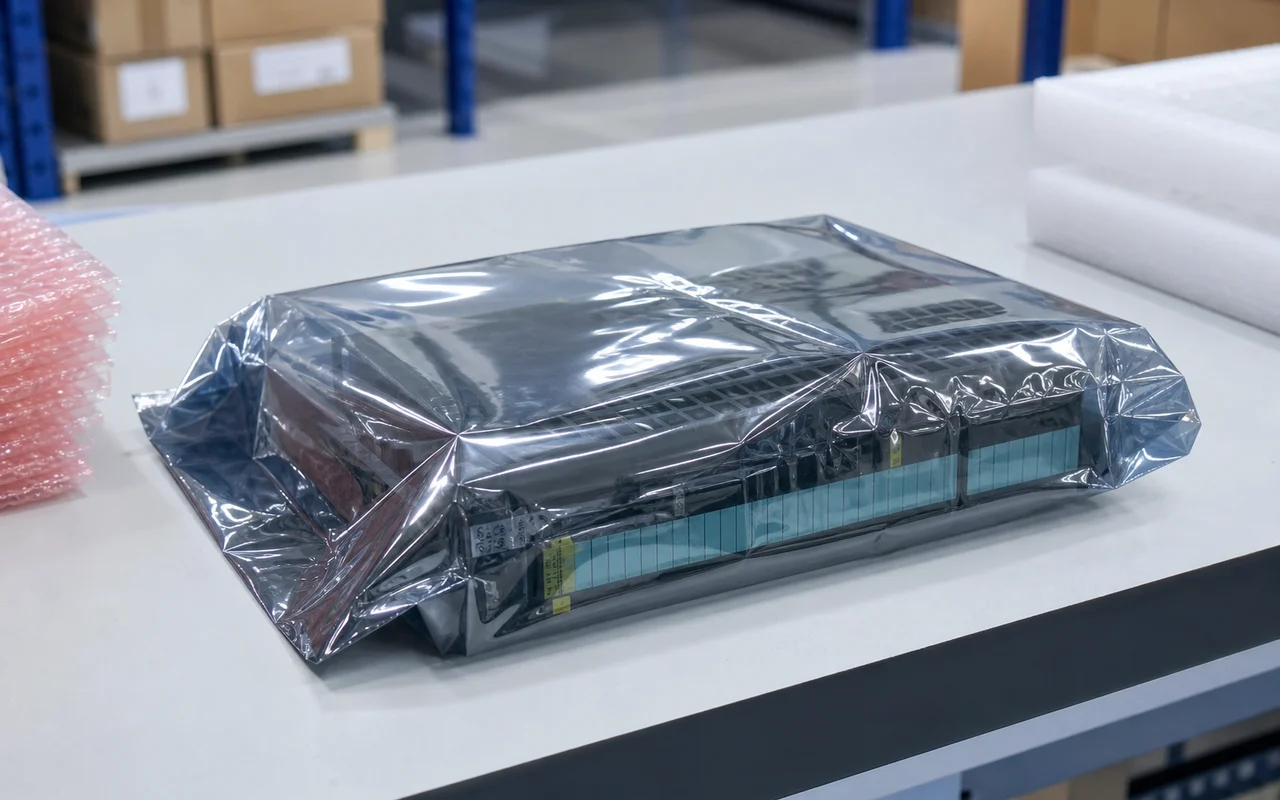 Anti-static Packaging
Modules are packed in anti-static bags to prevent electrostatic damage.
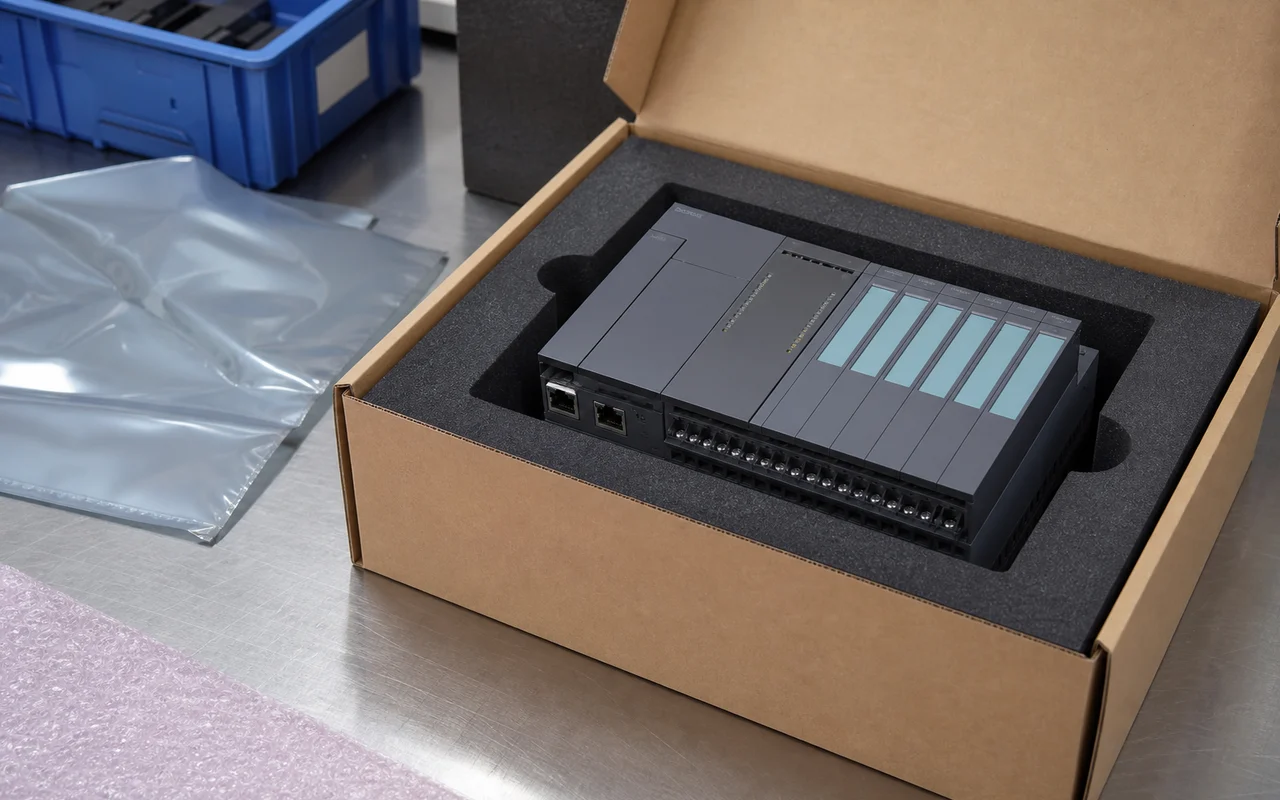 Secure Export Packing
Cushion protection and strong cartons ensure safe transportation.
 Worldwide Shipping
Global logistics network supports air, sea and express delivery.
 Documentation Check
Part number, revision and compatibility verified before shipment.
 After-sales Support
Professional technical support to help resolve your issues.