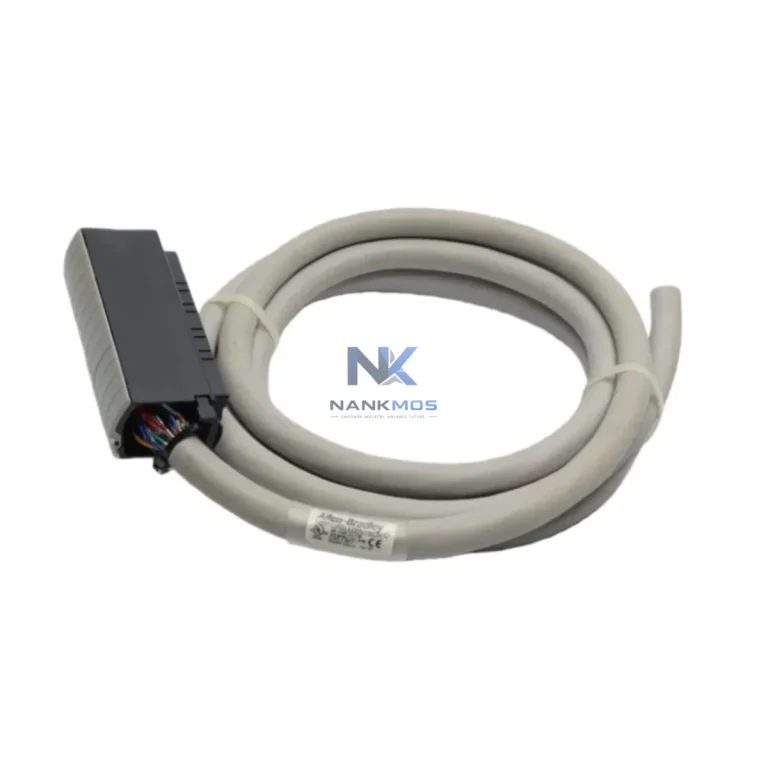
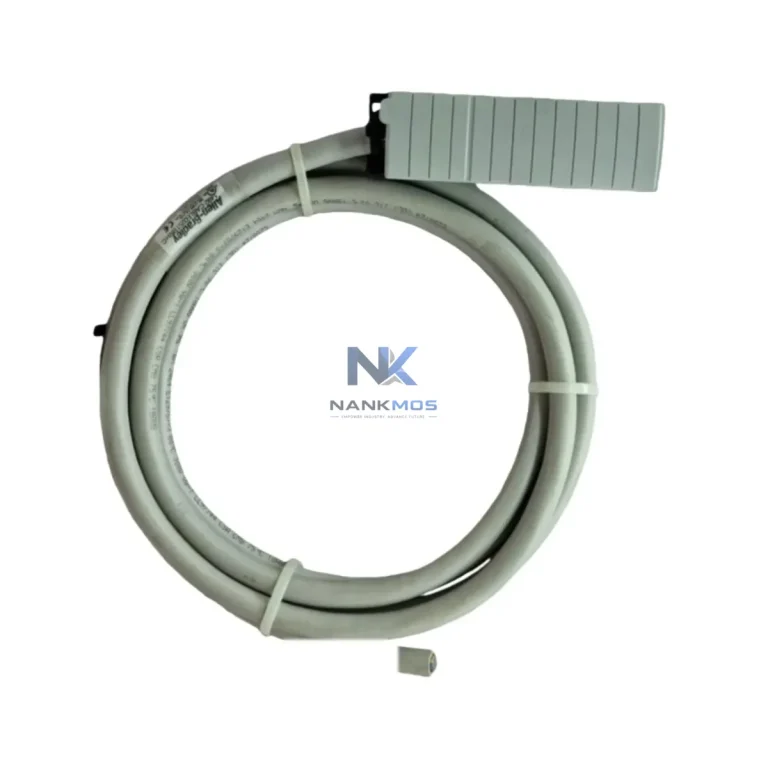
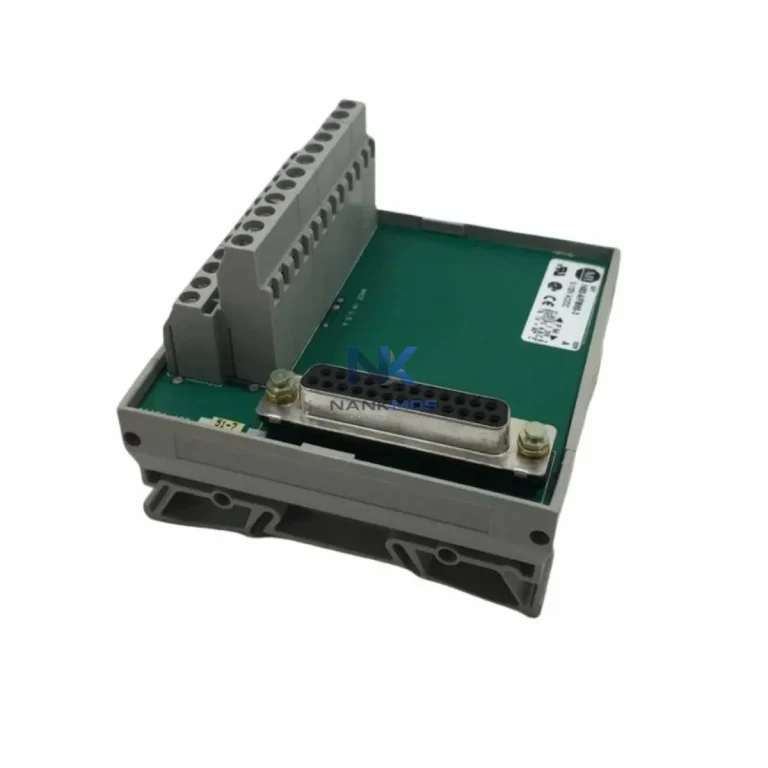
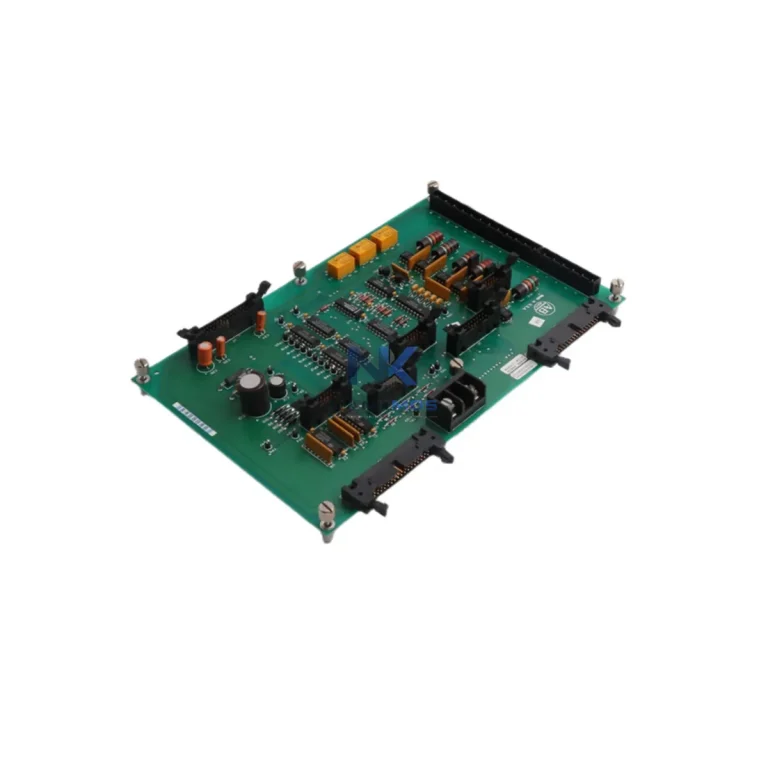
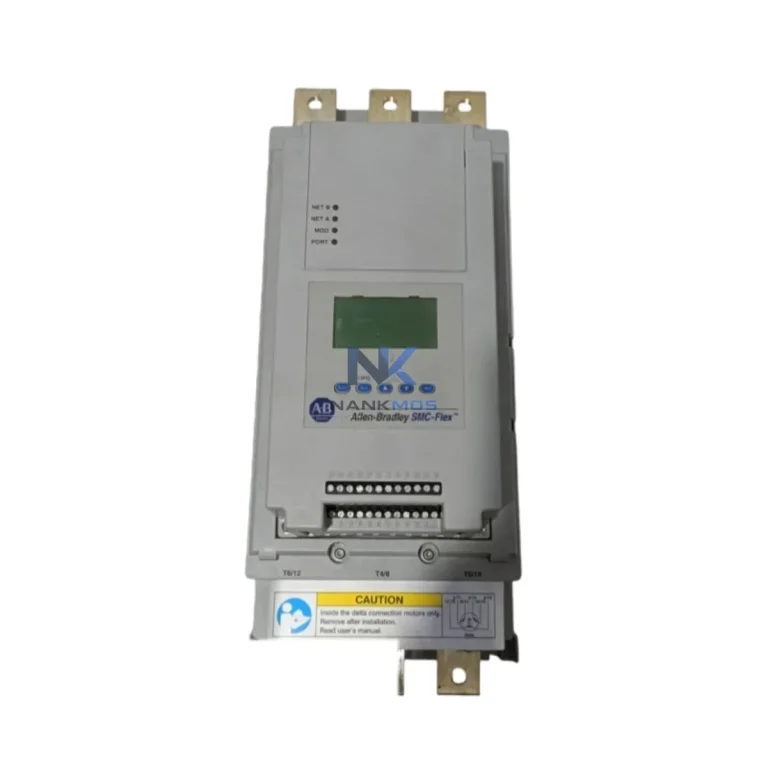
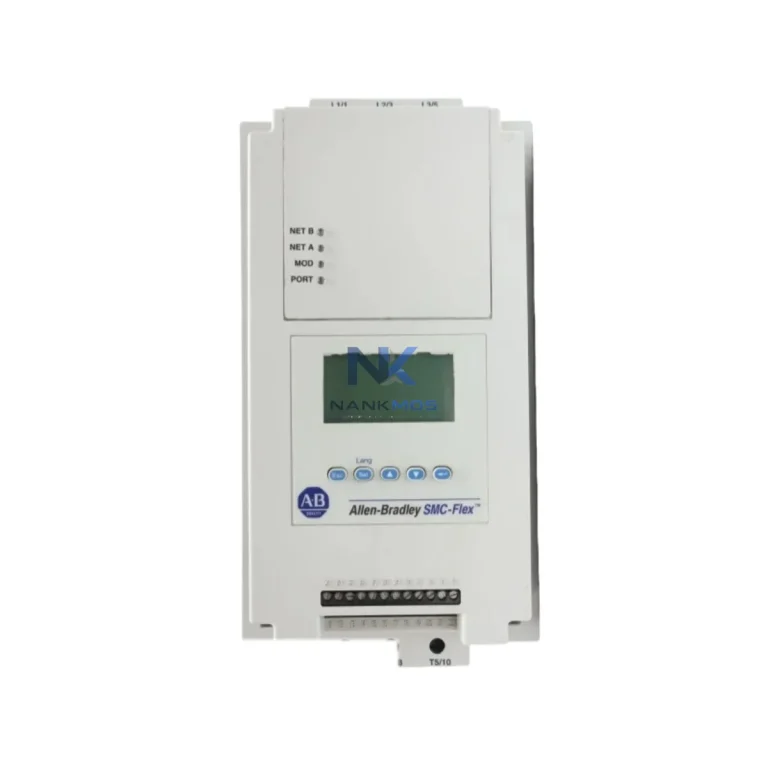
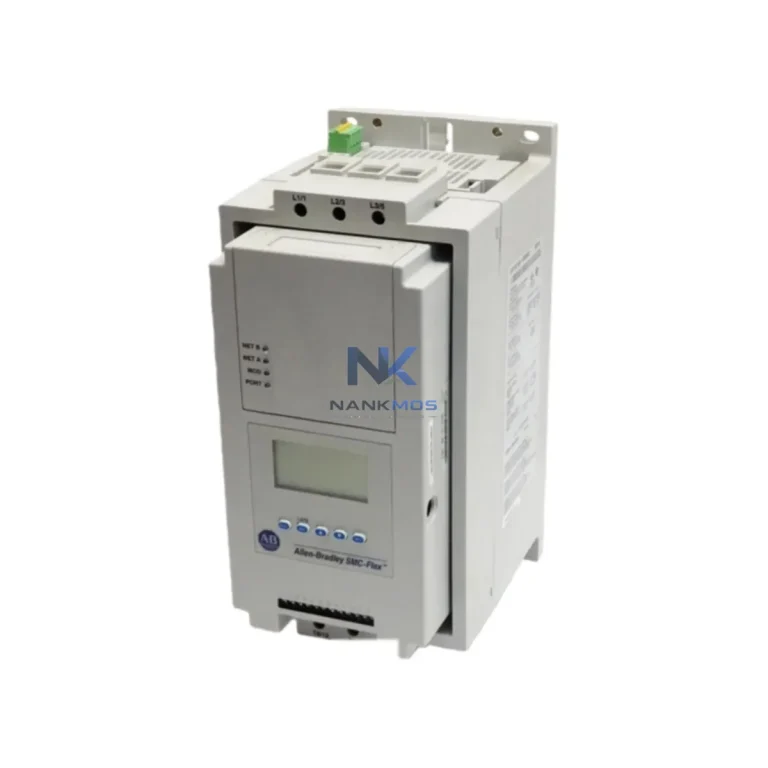
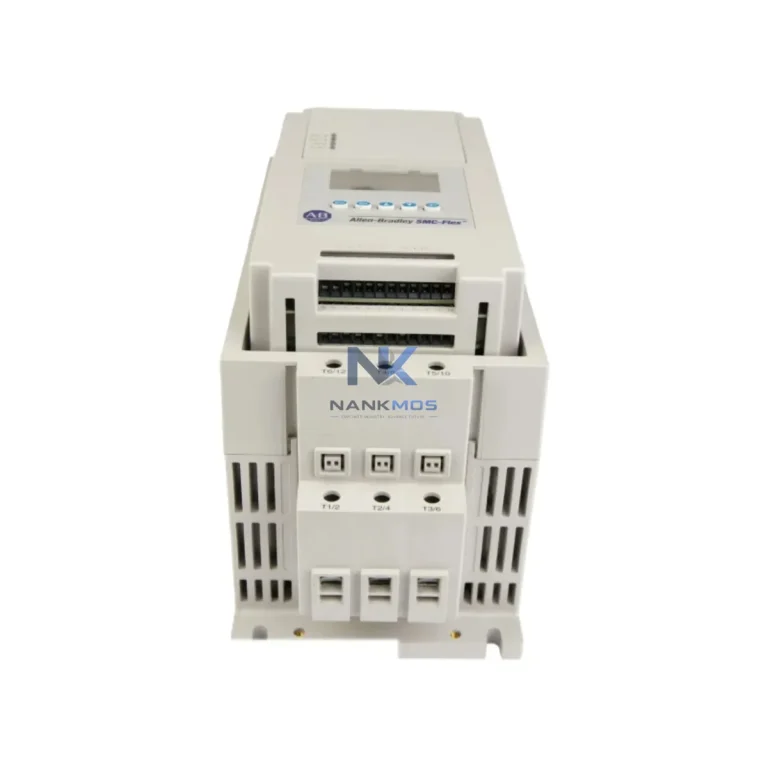
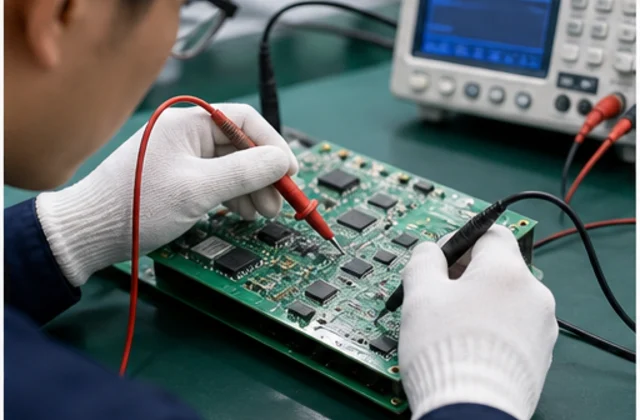
 Functional Inspection
100% tested on professional platforms to ensure stable performance.
Allen-Bradley 1771-DS is a NANKMOS industrial automation product record Listed under PLC-5 series and Business & Industrial > Automation, Control & Flow Devices > Programmable Logic Controllers. Confirm condition, availability, lead time, compatibility and documentation by email inquiry.
Brand names are used for identification only.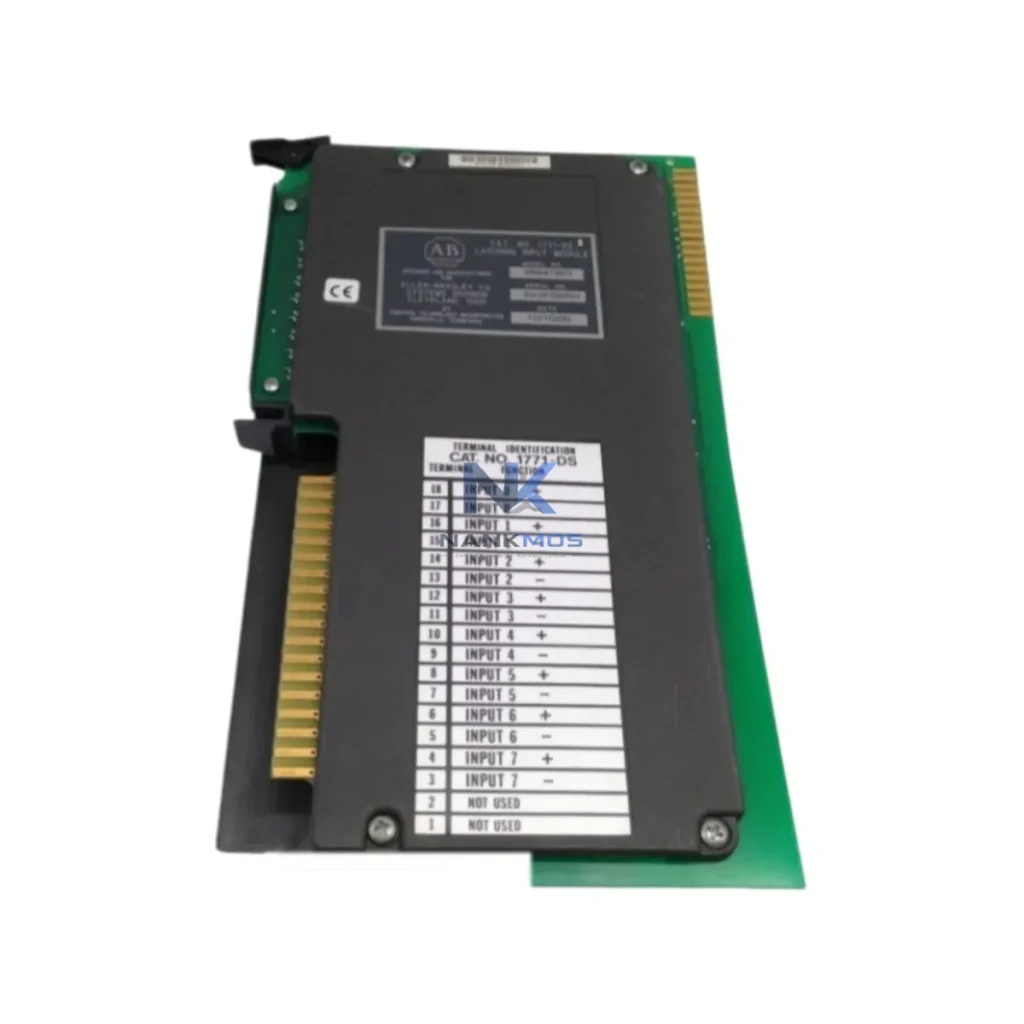
Allen-Bradley 1771-DS is a NANKMOS industrial automation product record Listed under PLC-5 series and Business & Industrial > Automation, Control & Flow Devices > Programmable Logic Controllers. Confirm condition, availability, lead time, compatibility and documentation by email inquiry.
| Manufacturer | Allen-Bradley |
|---|---|
| Application | Controller Processing & System Control |
| Part Number / Model | 1771-DS |
| Compatible System | PLC-5 |
| Series | PLC-5 |
| Condition Options | To Confirm |
| Module Type | Controller / CPU Module |
| Warranty | 12 Months |
| Packaging | Anti-static Bag / Secure Box |
| Shipping Methods | DHL / FedEx / UPS / Air / Sea |
| Availability | To Confirm |
| Lead Time | To Confirm |
| Documentation | Part number and revision checked before quote |
The Allen-Bradley 1771-DS is a high-reliability discrete input module engineered for the PLC-5 platform, delivering precise signal acquisition and energy-aware I/O management across demanding industrial environments. As a core component of the 1771 Series I/O system, the 1771-DS captures real-time digital status signals from field devices — including motor starters, limit switches, proximity sensors, and safety interlocks — and transmits them to the PLC-5 processor for immediate control action. This tight feedback loop is fundamental to reducing unnecessary energy consumption, preventing idle-state power draw, and maintaining optimal production line throughput.
In modern smart manufacturing environments, every millisecond of signal latency and every watt of unmanaged load contributes to cumulative energy waste. The 1771-DS addresses this by providing fast, deterministic input scanning that enables the PLC-5 to make real-time decisions on motor activation, drive sequencing, and load shedding — directly reducing the energy overhead associated with uncoordinated equipment starts and prolonged idle cycles.
The 1771-DS does not operate in isolation — its true energy-saving value is realized when integrated within a coordinated automation architecture. In a typical smart production line, the 1771-DS works alongside the Allen-Bradley PLC-5/40 processor to execute high-speed scan cycles that monitor equipment state across the entire line. When paired with PowerFlex 700 variable frequency drives (VFDs), the discrete input signals from the 1771-DS allow the PLC-5 to command precise speed adjustments on conveyor motors and pump systems, eliminating the energy penalty of fixed-speed operation during partial-load conditions.
For servo-driven axes, the 1771-DS integrates with Allen-Bradley Ultra 3000 servo drives through the PLC-5 backplane, providing interlock and enable signals that prevent unnecessary servo energization during machine idle periods. This reduces both electrical consumption and thermal load on servo amplifiers, extending drive service life and lowering cooling system demand.
Power quality and consumption visibility are enhanced when the 1771-DS system is combined with Allen-Bradley PowerMonitor 5000 power monitoring modules. The PowerMonitor captures real-time kW, kVAR, and power factor data, while the 1771-DS feeds equipment run/stop status back to the PLC-5 — together enabling the SCADA layer to correlate energy consumption with specific machine states and production events.
On the field device side, the 1771-DS accepts inputs from Allen-Bradley 872C inductive proximity sensors and photoelectric sensors, enabling the PLC-5 to detect part presence, conveyor jam conditions, and end-of-travel positions without operator intervention. This automated detection eliminates the energy waste associated with motors running against mechanical stops or conveyors cycling without product.
For operator visibility and energy reporting, the 1771-DS system integrates seamlessly with Allen-Bradley PanelView Plus HMI terminals via the PLC-5 data table, displaying real-time equipment status, alarm states, and energy-relevant production metrics. Operators can identify underperforming zones and initiate load-shedding sequences directly from the HMI without requiring PLC program changes.
Communication to higher-level energy management and SCADA systems is achieved through Allen-Bradley 1785-KA5 communication adapters and 1771-KGM Data Highway Plus interface modules, allowing the PLC-5 — with 1771-DS input data — to report equipment states to plant-wide SCADA platforms in real time. This connectivity is essential for facilities pursuing ISO 50001 energy management compliance and continuous improvement programs.
In multi-axis and multi-zone production lines, the 1771-DS chassis can be expanded using additional 1771-A4B I/O chassis units, allowing a single PLC-5 processor to monitor hundreds of discrete input points across large-scale manufacturing cells while maintaining deterministic scan performance and centralized energy oversight.
Factory energy waste is rarely the result of a single inefficient machine — it accumulates across hundreds of small, unmanaged events: motors starting under full load when partial load would suffice, equipment remaining energized during shift breaks, drives accelerating at fixed ramps regardless of load inertia, and sensors failing to detect idle conditions. The Allen-Bradley 1771-DS directly addresses this systemic waste by providing the PLC-5 with the real-time discrete input data needed to make intelligent, energy-aware control decisions at every point in the production cycle.
By enabling the PLC-5 to detect machine ready states, part presence, door interlock status, and safety relay conditions, the 1771-DS allows the control system to implement demand-based motor sequencing — starting drives only when upstream conditions confirm product flow, and commanding controlled stops when downstream buffers are full. This approach can significantly reduce peak demand charges and average energy consumption in high-throughput assembly and process lines.
Thermal load management is another critical benefit. Uncoordinated equipment starts generate current inrush events that stress power distribution infrastructure and generate excess heat in motor windings, drive heatsinks, and control panel components. The 1771-DS enables the PLC-5 to implement staggered start sequences and interlock-based enable logic, spreading inrush events across time and reducing peak thermal loading on the electrical system.
For predictive maintenance integration, the 1771-DS input data — combined with PLC-5 timer and counter functions — enables run-hour tracking, cycle count accumulation, and fault frequency monitoring for connected field devices. This data feeds maintenance scheduling systems, allowing planned downtime to replace components before failure, avoiding the energy and production losses associated with unplanned stoppages.
All units supplied by NANKMOS are sourced from verified supply channels, subjected to outgoing functional testing prior to shipment, and covered by a 12-month warranty. In-stock availability ensures rapid deployment for maintenance replacements and new installation projects, minimizing production downtime and the associated energy and revenue losses from extended equipment outages.
Q1: How does the 1771-DS contribute to measurable energy savings on a production line? The 1771-DS provides the PLC-5 with real-time discrete input data from field devices, enabling demand-based motor control, idle-state detection, and interlock-driven load shedding. By ensuring that drives, motors, and actuators are energized only when process conditions require it, the system reduces unnecessary energy consumption during partial-load and idle periods. When integrated with PowerFlex VFDs and PowerMonitor power measurement modules, the energy impact of each control decision becomes quantifiable and reportable.
Q2: Is the 1771-DS compatible with current Rockwell Automation control platforms and SCADA systems? The 1771-DS is designed for the Allen-Bradley PLC-5 platform and the 1771 I/O chassis system. It communicates with the PLC-5 processor via the 1771 backplane and can interface with SCADA and energy management systems through Data Highway Plus and other PLC-5 communication adapters. For facilities migrating to ControlLogix or CompactLogix platforms, NANKMOS can advise on compatible replacement I/O modules and migration strategies.
Q3: What is the testing and quality assurance process before shipment? Every 1771-DS unit supplied by NANKMOS undergoes outgoing functional testing to verify input channel operation, backplane communication integrity, and indicator LED function before dispatch. Units are inspected for physical condition and confirmed against the part number prior to packaging. This process ensures that replacement modules arrive ready for installation, minimizing commissioning time and production disruption.
Q4: What warranty and supply support does NANKMOS provide for the 1771-DS? NANKMOS provides a 12-month warranty on all 1771-DS units, covering functional defects identified under normal operating conditions. In-stock inventory is maintained to support urgent maintenance requirements and planned project deployments. For volume procurement, scheduled delivery, or technical application support, contact the NANKMOS team directly to discuss supply arrangements.
Functional Inspection100% tested on professional platforms to ensure stable performance.
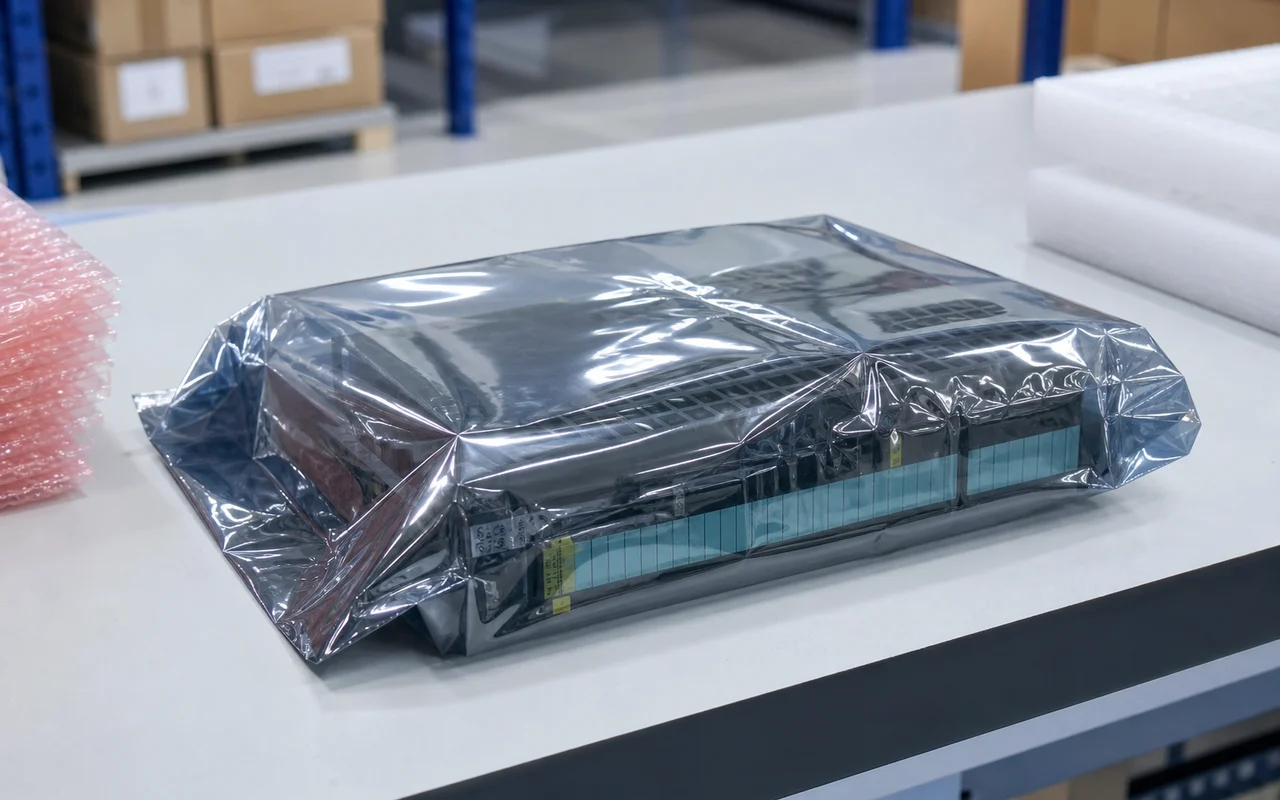 Anti-static Packaging
Modules are packed in anti-static bags to prevent electrostatic damage.
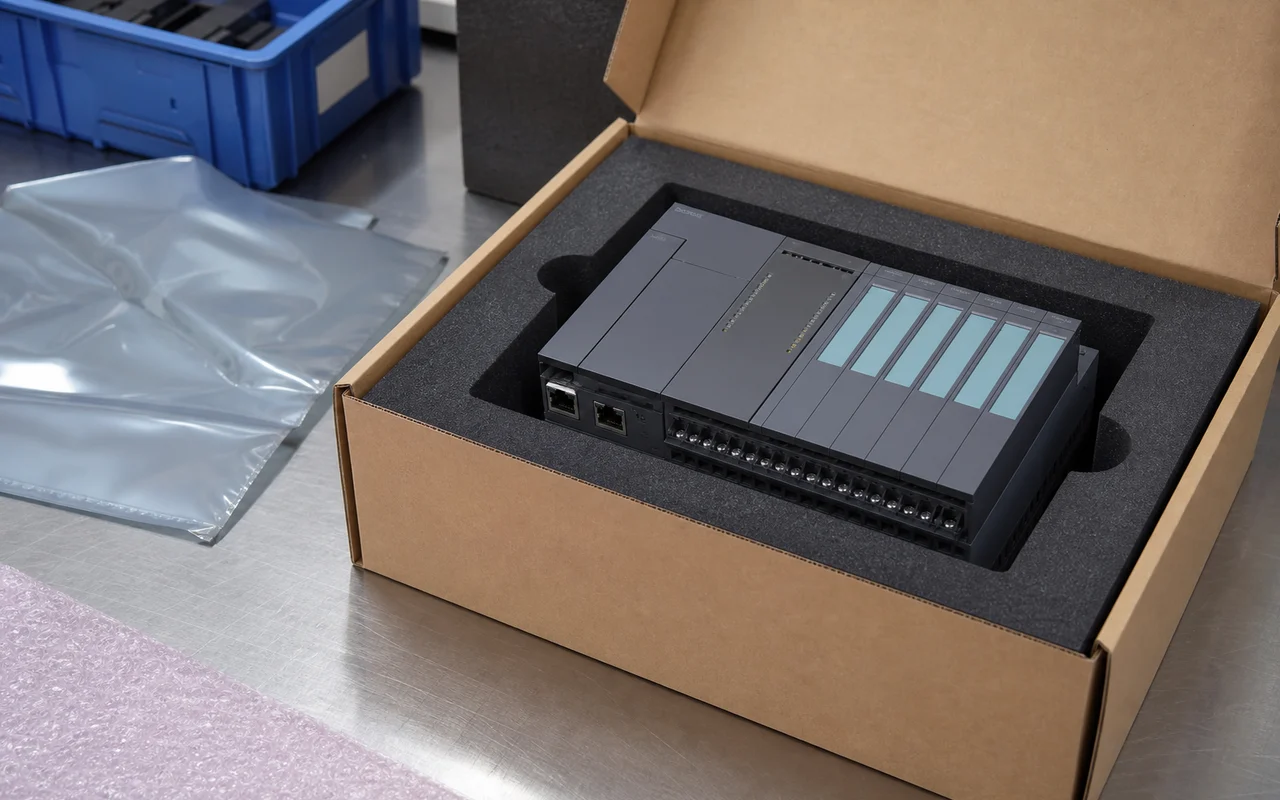 Secure Export Packing
Cushion protection and strong cartons ensure safe transportation.
 Worldwide Shipping
Global logistics network supports air, sea and express delivery.
 Documentation Check
Part number, revision and compatibility verified before shipment.
 After-sales Support
Professional technical support to help resolve your issues.