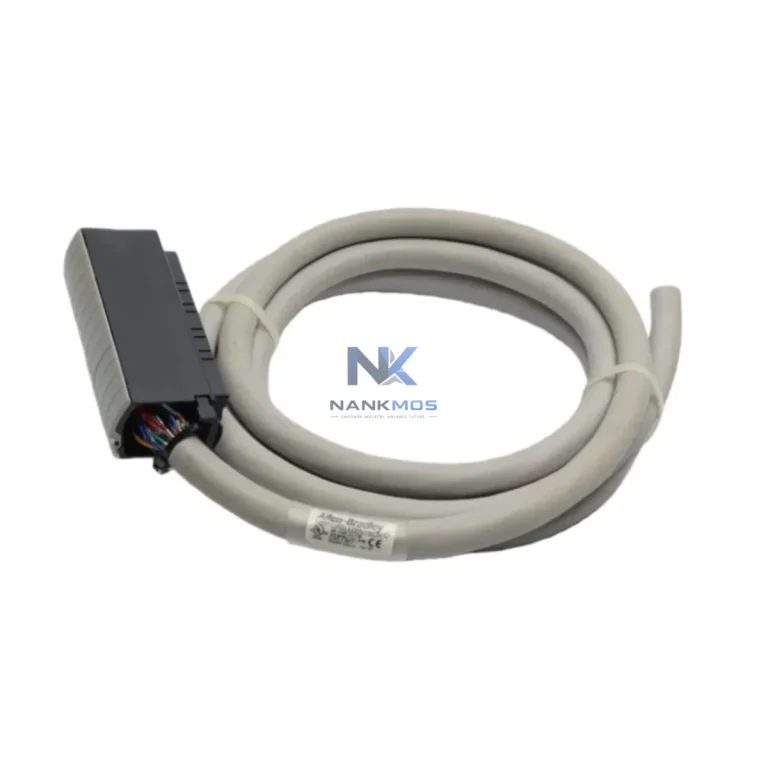
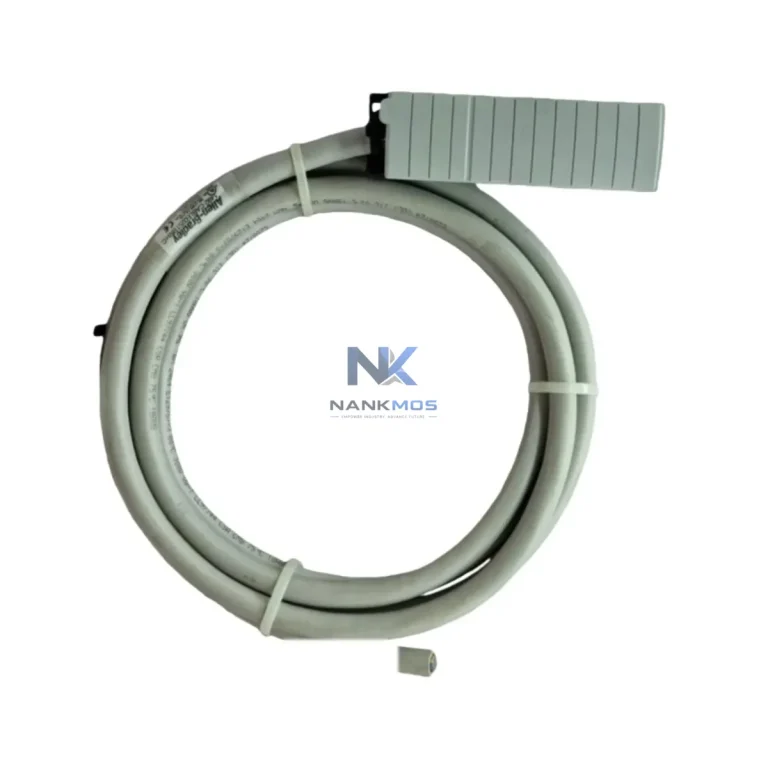
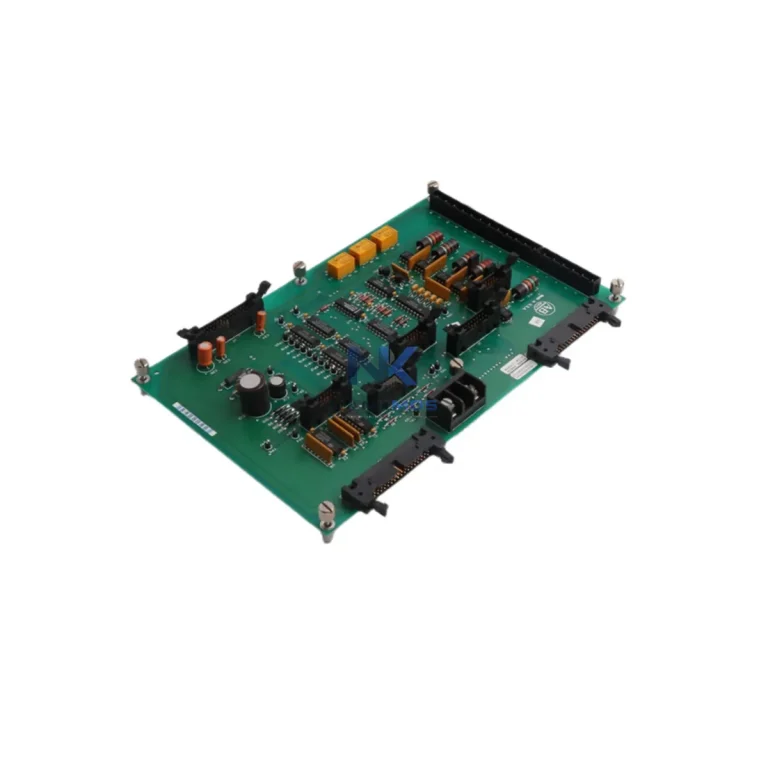
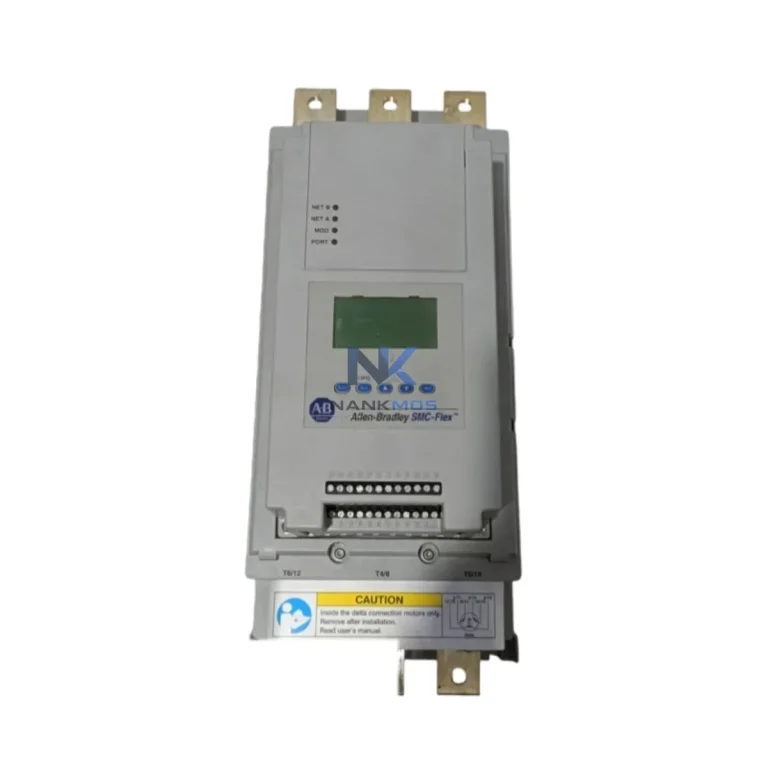
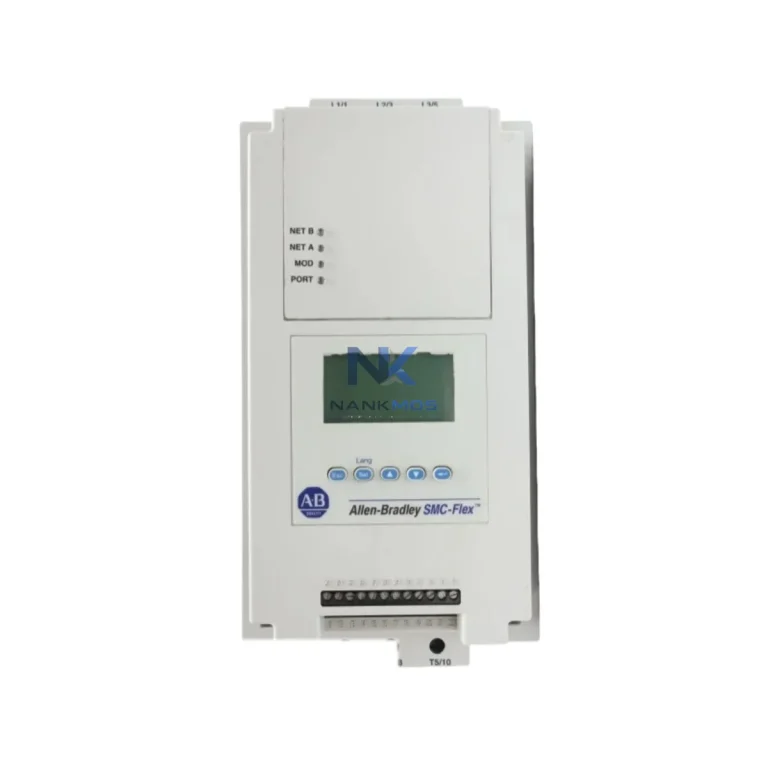
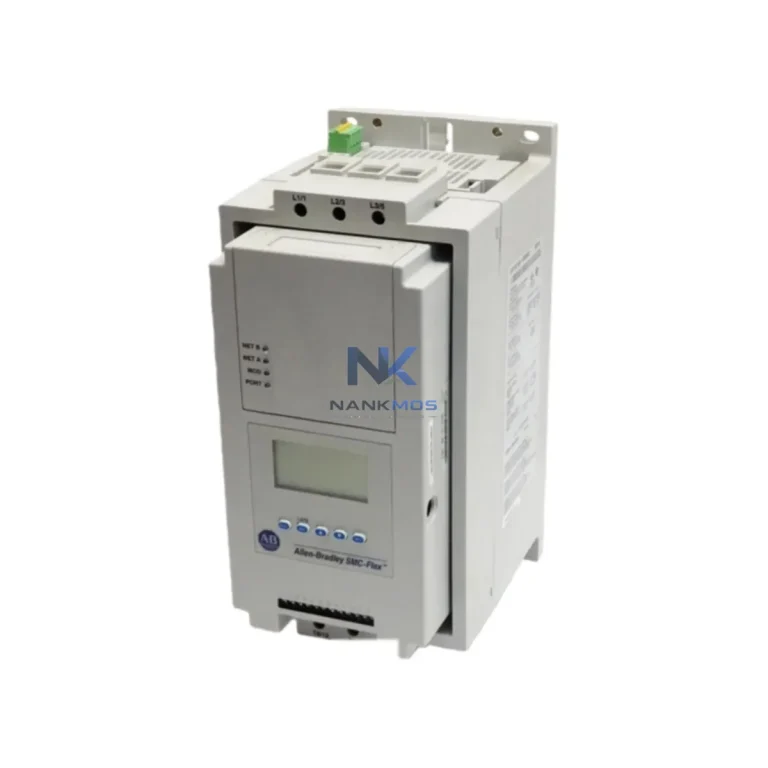
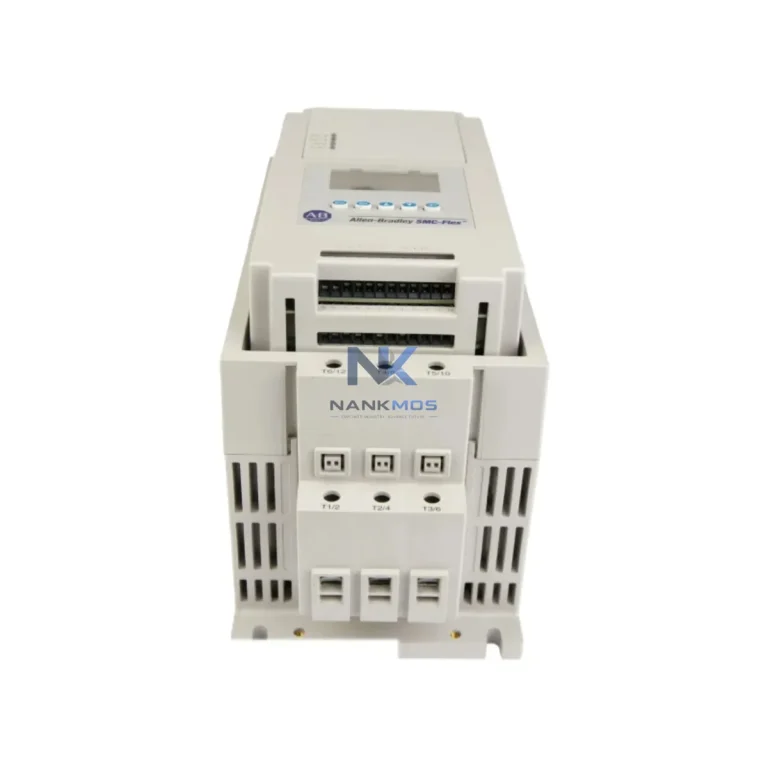
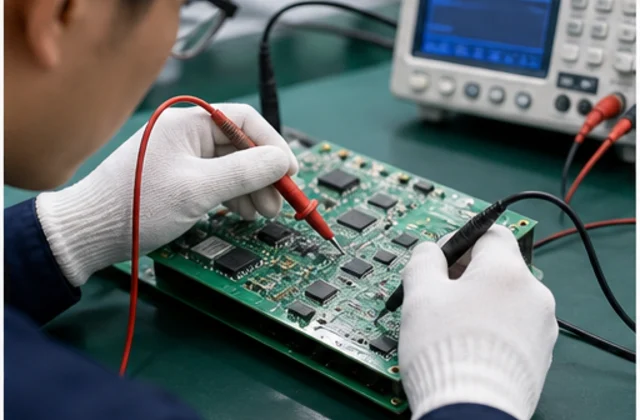
 Functional Inspection
100% tested on professional platforms to ensure stable performance.
Allen-Bradley 1771-IA/C is a NANKMOS industrial automation product record Listed under PLC-5 series and Business & Industrial > Automation, Control & Flow Devices > Programmable Logic Controllers. Confirm condition, availability, lead time, compatibility and documentation by email inquiry.
Brand names are used for identification only.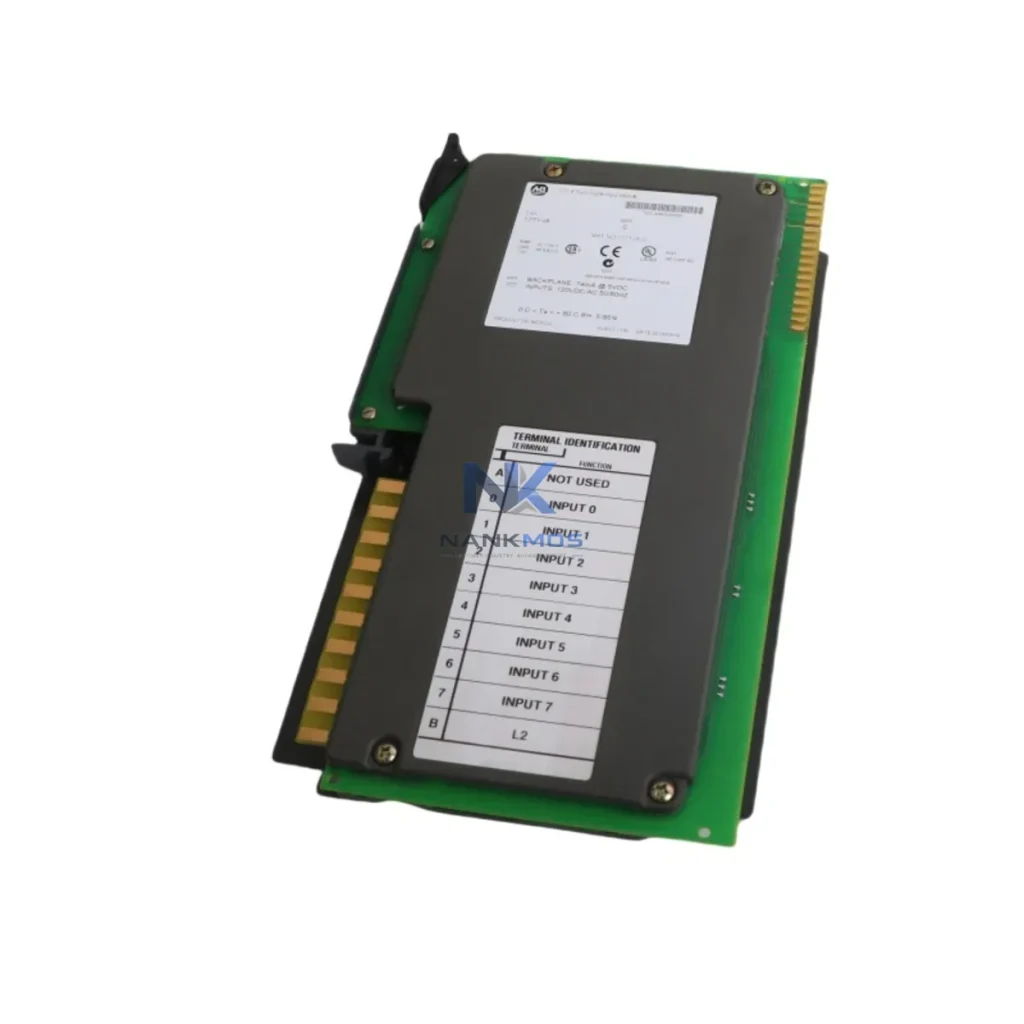
Allen-Bradley 1771-IA/C is a NANKMOS industrial automation product record Listed under PLC-5 series and Business & Industrial > Automation, Control & Flow Devices > Programmable Logic Controllers. Confirm condition, availability, lead time, compatibility and documentation by email inquiry.
| Manufacturer | Allen-Bradley |
|---|---|
| Application | Controller Processing & System Control |
| Part Number / Model | 1771-IA/C |
| Compatible System | PLC-5 |
| Series | PLC-5 |
| Condition Options | To Confirm |
| Module Type | Controller / CPU Module |
| Warranty | 12 Months |
| Packaging | Anti-static Bag / Secure Box |
| Shipping Methods | DHL / FedEx / UPS / Air / Sea |
| Availability | To Confirm |
| Lead Time | To Confirm |
| Documentation | Part number and revision checked before quote |
The Allen-Bradley 1771-IA/C is a 120V AC discrete input module engineered for seamless integration within the Rockwell Automation PLC-5 control platform. Designed to occupy a single slot in the 1771 I/O chassis, this module serves as a critical signal acquisition node at the I/O layer of a multi-tier industrial control architecture. Its role extends beyond simple field signal conditioning — it anchors the data acquisition chain that feeds the PLC-5 processor with reliable, noise-filtered discrete status information from field devices such as limit switches, proximity sensors, pushbuttons, and relay contacts operating at 120V AC.
In modern industrial automation environments, the integrity of the I/O layer directly determines the responsiveness and reliability of the entire control system. The 1771-IA/C addresses this requirement through its robust input filtering, optical isolation, and compatibility with the full 1771 backplane ecosystem. Whether deployed in a simplex configuration or as part of a redundant I/O architecture using the 1771-ASB Remote I/O Adapter, this module maintains consistent signal fidelity across extended wiring runs and electrically noisy plant environments.
The 1771-IA/C operates within a layered PLC-5 automation platform where each subsystem contributes to overall control coherence. At the processor layer, the Allen-Bradley PLC-5/20 or PLC-5/40 CPU executes the ladder logic program and manages I/O scan cycles across all installed modules. The 1771-IA/C's 16-point discrete input data is mapped directly into the processor's input image table, enabling deterministic scan-time response to field events.
Power distribution to the 1771 chassis is managed by the 1771-P4S Power Supply, which provides regulated backplane voltage to all installed modules including the 1771-IA/C. In high-availability applications, a redundant power supply configuration using dual 1771-P7 units ensures uninterrupted module operation during single-point power failures.
For distributed I/O architectures where field devices are located remotely from the main control panel, the 1771-ASB Remote I/O Adapter extends the 1771 I/O chassis over a Remote I/O (RIO) link back to the PLC-5 processor. This allows the 1771-IA/C to be installed in a remote chassis while maintaining full integration with the central control program — a common configuration in large-scale process plants and conveyor systems.
At the output layer, discrete AC output modules such as the Allen-Bradley 1771-OA (120V AC Output) work in tandem with the 1771-IA/C to form complete input-output pairs for motor starter control, valve actuation, and alarm annunciation circuits. Signal conditioning between field devices and the 1771-IA/C inputs is often handled by Phoenix Contact or Weidmuller signal isolators, particularly in applications where ground loops or common-mode noise could compromise input accuracy.
At the HMI layer, Rockwell Automation PanelView 550 or PanelView Plus 600 terminals communicate with the PLC-5 processor via DH+ or Remote I/O links, providing operators with real-time visibility into the discrete input states monitored by the 1771-IA/C. This closed-loop visibility — from field device through I/O module to HMI display — is fundamental to effective process supervision and rapid fault diagnosis.
For applications requiring integration with higher-level SCADA or MES systems, the 1785-KA5 Communication Adapter bridges the PLC-5 platform to Ethernet/IP or Data Highway Plus networks, enabling the input data collected by the 1771-IA/C to be aggregated into plant-wide historian databases and OPC-UA data servers. This contextual integration capability ensures that discrete field events are not isolated data points but contribute to system-wide analytics, predictive maintenance models, and energy optimization workflows.
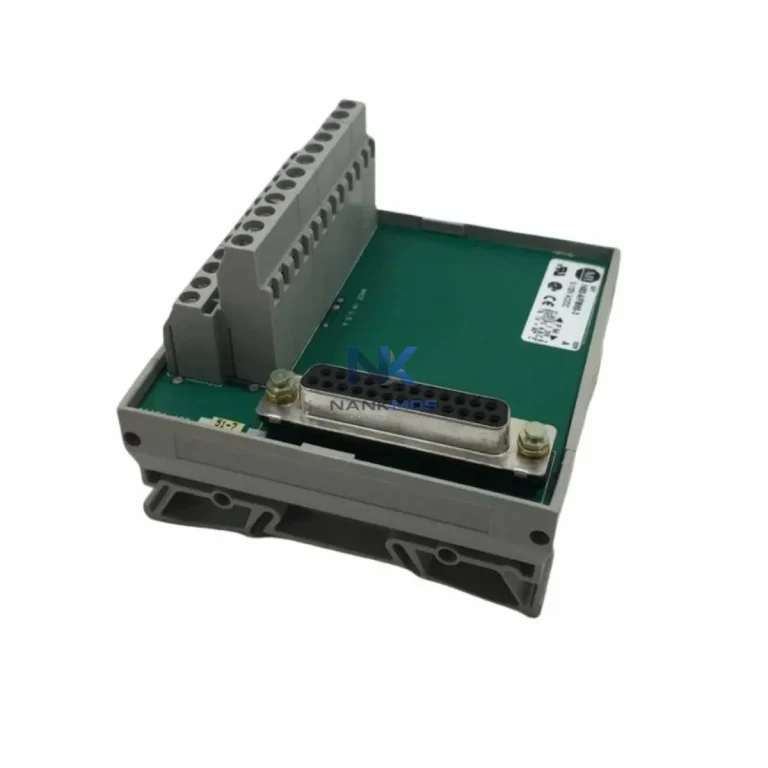
Terminal block wiring to the 1771-IA/C is typically managed through 1492-IFM (Interface Module) wiring systems, which provide pre-wired, labeled terminal strips that reduce installation time and wiring errors in high-density I/O cabinets. Combined with the 1771-WB Wiring Arm, field wiring can be disconnected from the module without disturbing individual wire terminations — a significant advantage during module replacement and preventive maintenance cycles.
Power Generation & Utilities: In thermal and hydroelectric power plants, the 1771-IA/C monitors 120V AC status signals from circuit breaker auxiliary contacts, motor run/stop feedback, and protective relay trip outputs. Its optical isolation prevents ground faults in high-voltage switchgear environments from propagating into the PLC-5 control system, maintaining control integrity during fault conditions.
Petrochemical & Refinery Process Control: Refinery control systems rely on the 1771-IA/C to acquire discrete status from solenoid valve position switches, pressure switch contacts, and emergency shutdown (ESD) relay outputs. The module's compatibility with the 1771 chassis ecosystem allows it to coexist with analog input modules such as the 1771-IFE in mixed-signal I/O racks, supporting both discrete and continuous process variable monitoring within a single chassis.
Water & Wastewater Treatment: Municipal water treatment facilities use the 1771-IA/C to monitor pump run status, float switch levels, and UV disinfection system interlocks. The module's 16-point density reduces chassis slot consumption in space-constrained control panels, while its robust input filtering eliminates false triggering from pump motor inrush transients on shared 120V AC distribution circuits.
Mining & Mineral Processing: Conveyor belt control systems in mining operations depend on the 1771-IA/C to monitor belt alignment switches, pull-cord emergency stops, and chute blockage detectors. The module's wide operating temperature range and vibration tolerance make it suitable for installation in control rooms adjacent to crushing and screening equipment.
Marine & Offshore Propulsion Systems: Vessel automation systems incorporating PLC-5 platforms use the 1771-IA/C to monitor engine room status signals, bilge pump operation, and fire detection system outputs. Its compatibility with the 1771 Remote I/O architecture allows distributed installation across multiple machinery spaces while maintaining centralized control from the bridge automation system.
Packaging & Material Handling: High-speed packaging lines use the 1771-IA/C to acquire discrete signals from photoelectric sensors, label detection switches, and reject gate position feedback. The module's deterministic scan-time integration with the PLC-5 processor ensures that packaging line throughput is not compromised by I/O latency.
Q1: Is the 1771-IA/C compatible with all PLC-5 processor variants and 1771 chassis sizes?The 1771-IA/C is compatible with all PLC-5 processor families — including PLC-5/11, PLC-5/20, PLC-5/30, PLC-5/40, and PLC-5/60 — when installed in any standard 1771 I/O chassis (4-slot, 8-slot, 12-slot, or 16-slot configurations). Module keying must be configured to match the chassis slot assignment defined in the PLC-5 I/O configuration table. For remote chassis applications, the 1771-ASB adapter must be configured with the correct starting I/O group address to ensure correct image table mapping.
Q2: How does the 1771-IA/C support long-term maintenance and module replacement in legacy PLC-5 systems?The 1771-IA/C's hardware keying system prevents incorrect module substitution during maintenance, reducing the risk of mis-wiring in high-density I/O cabinets. When used with 1492-IFM interface modules and 1771-WB wiring arms, field wiring remains connected to the terminal strip during module removal — eliminating the need to re-terminate individual wires during replacement. All units supplied by NANKMOS are pre-shipment tested against original Allen-Bradley specifications and covered by a 12-Month Warranty, ensuring post-installation reliability and minimizing unplanned downtime in critical process applications.
Q3: Can the 1771-IA/C be integrated into a modern Contextual Integration or SCADA architecture alongside legacy PLC-5 systems?Yes. Through the 1785-KA5 Communication Adapter or third-party OPC-DA/OPC-UA servers connected to the PLC-5 via Data Highway Plus, the discrete input data acquired by the 1771-IA/C can be published to modern SCADA platforms, historian databases, and cloud-based analytics systems. This Contextual Integration approach allows legacy 1771 I/O infrastructure to contribute to Industry 4.0 data workflows without requiring a full control system migration — preserving capital investment while extending the operational value of existing PLC-5 architectures.
Functional Inspection100% tested on professional platforms to ensure stable performance.
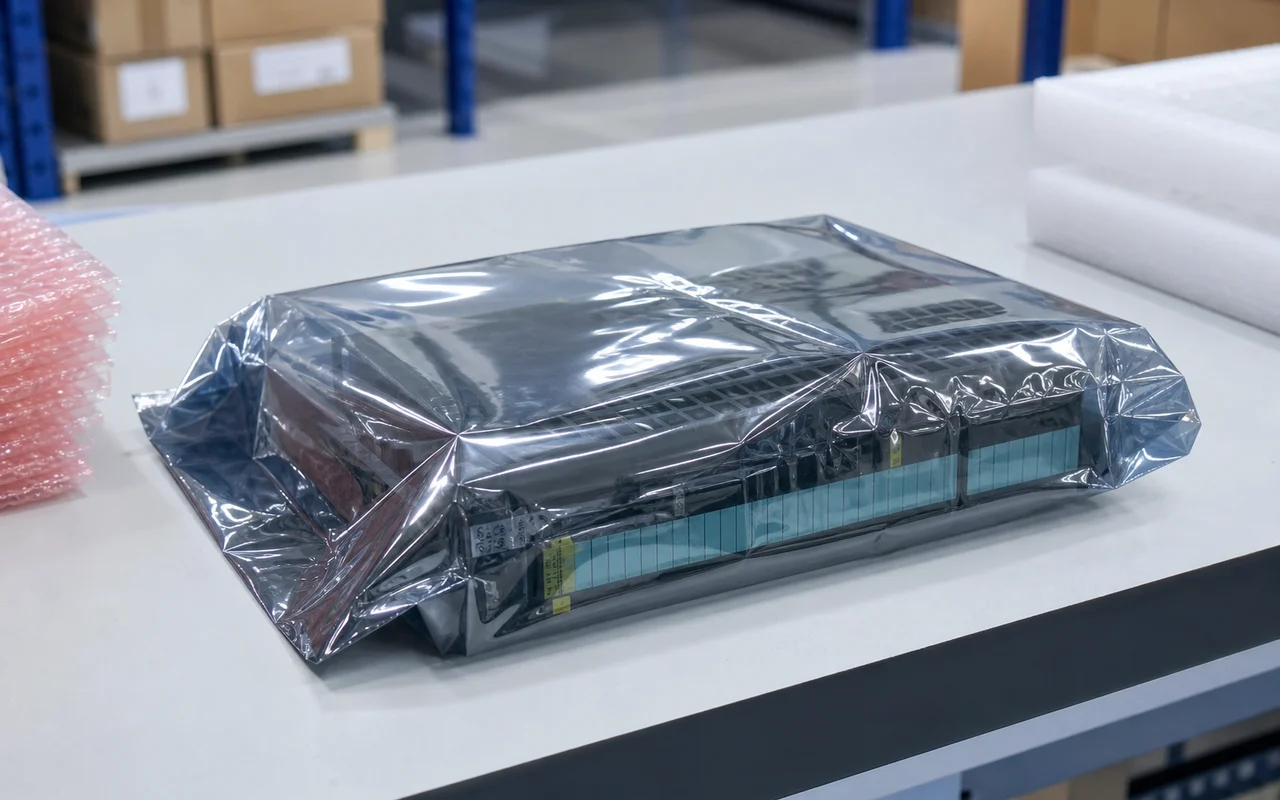 Anti-static Packaging
Modules are packed in anti-static bags to prevent electrostatic damage.
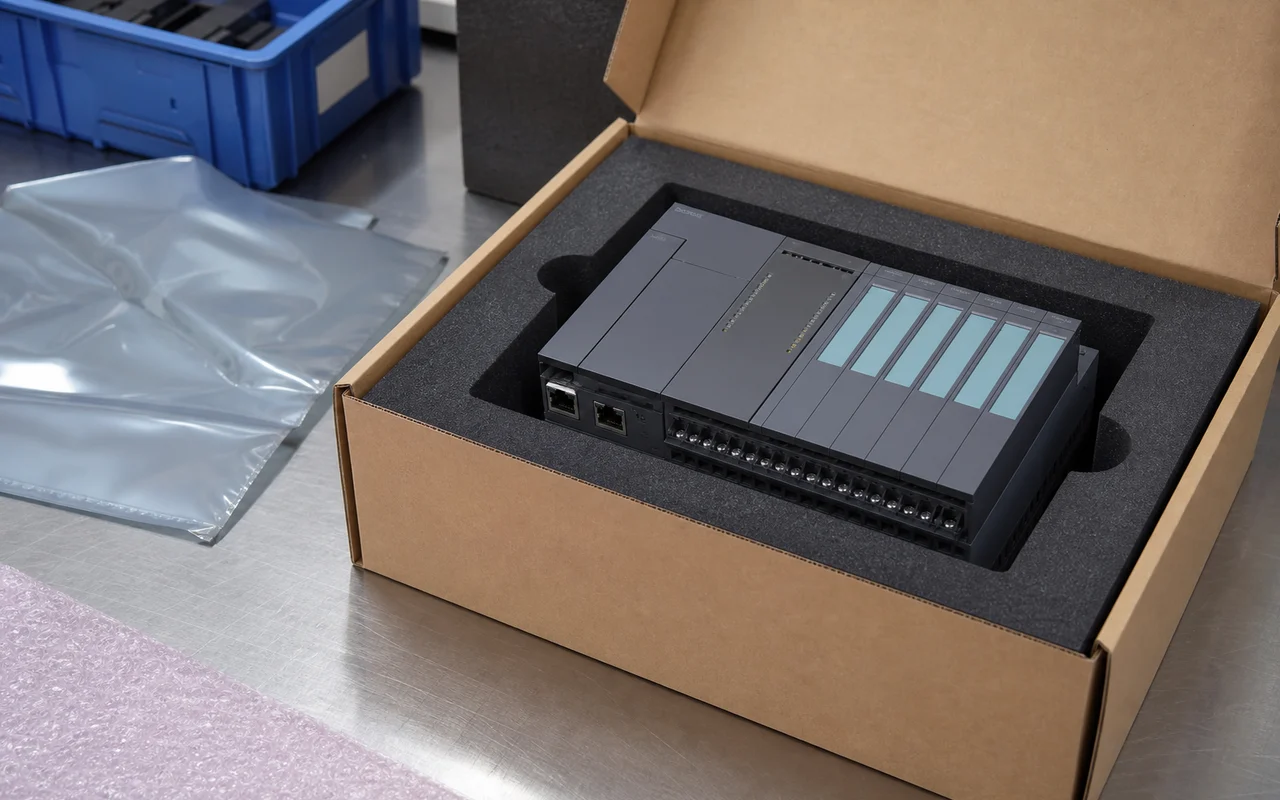 Secure Export Packing
Cushion protection and strong cartons ensure safe transportation.
 Worldwide Shipping
Global logistics network supports air, sea and express delivery.
 Documentation Check
Part number, revision and compatibility verified before shipment.
 After-sales Support
Professional technical support to help resolve your issues.