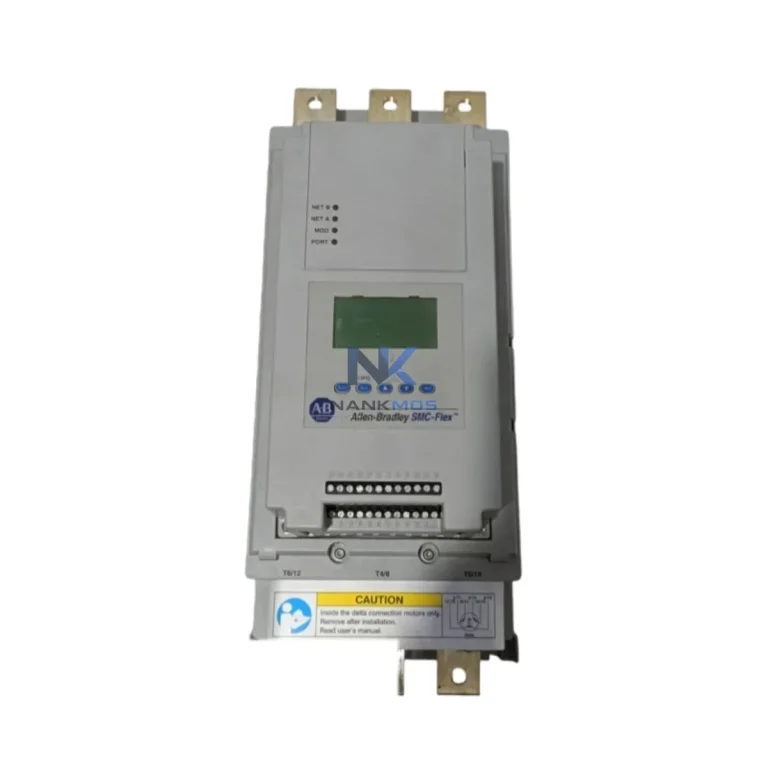
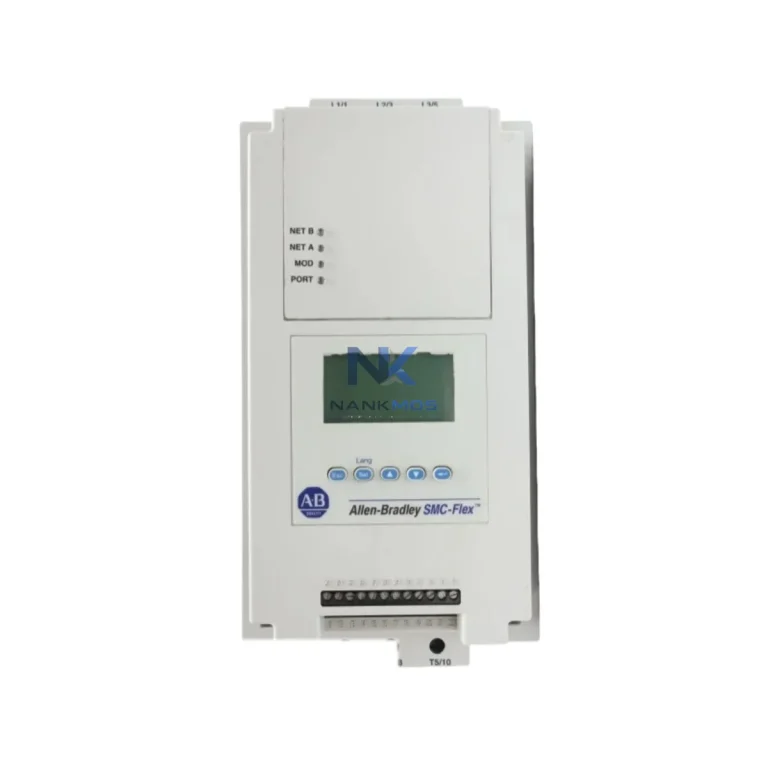
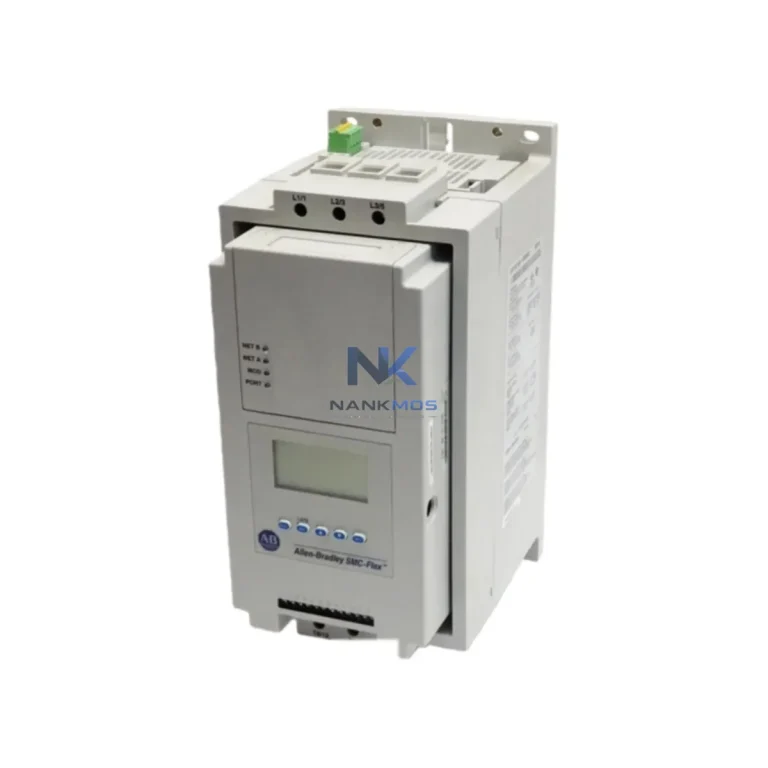
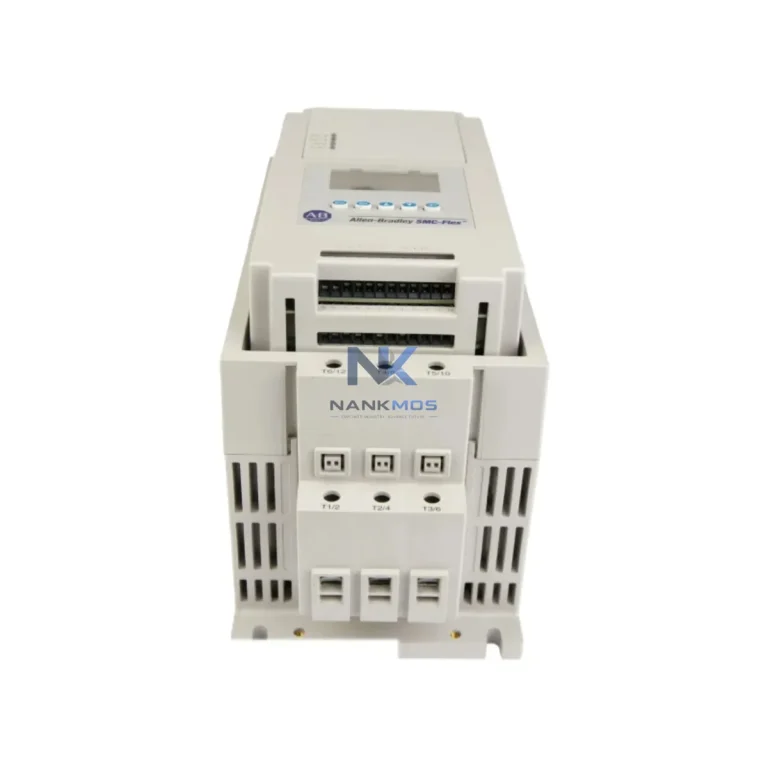
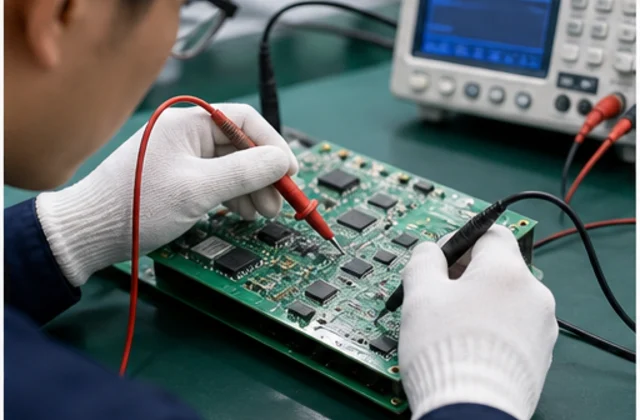
 Functional Inspection
100% tested on professional platforms to ensure stable performance.
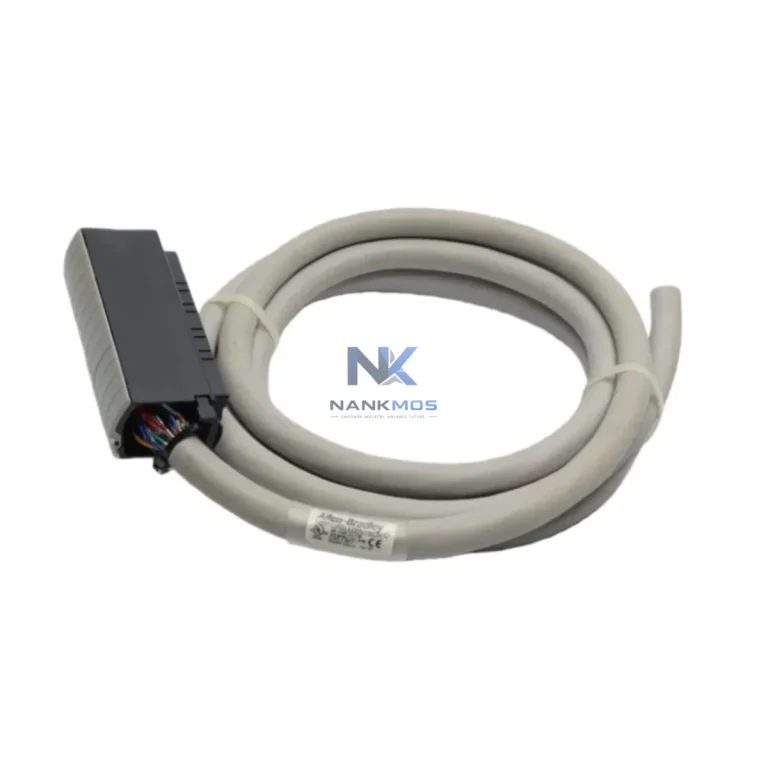
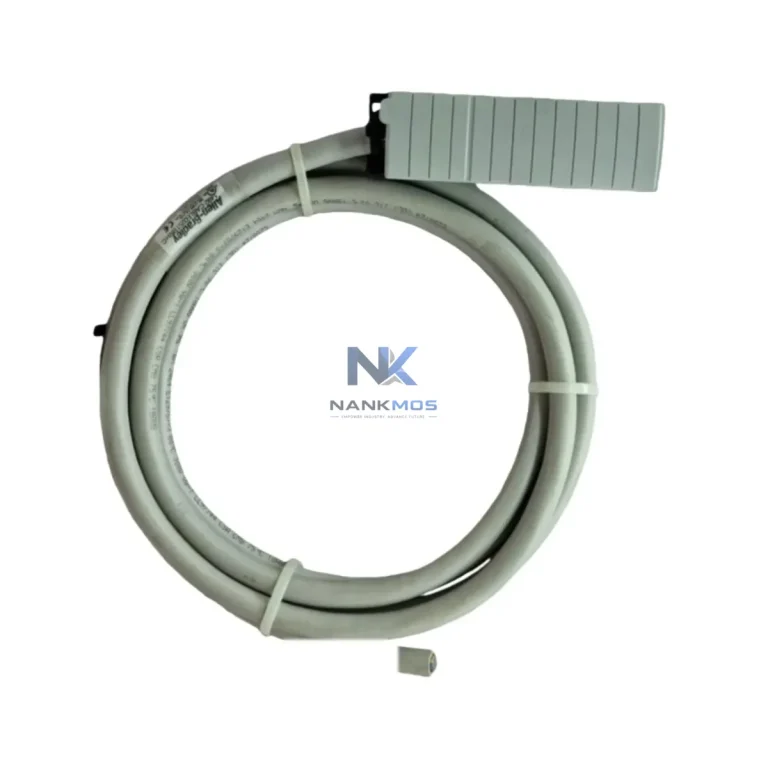
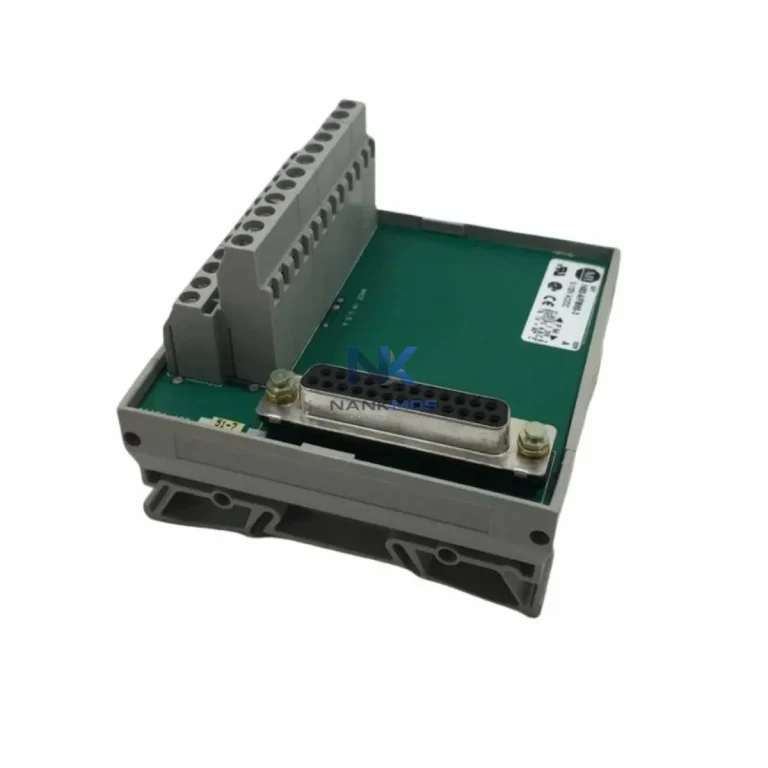
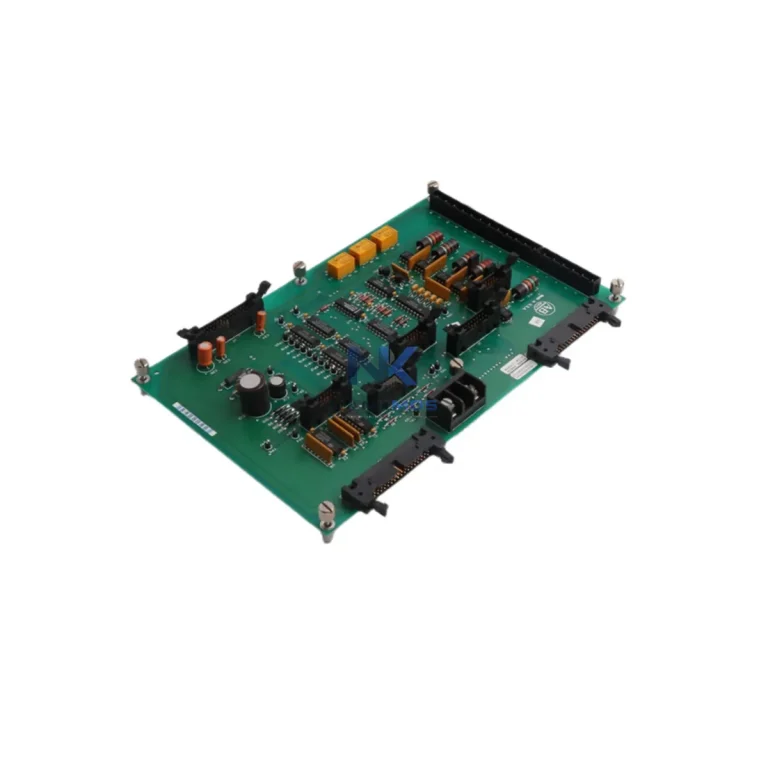
Allen-Bradley 1771-IM is a NANKMOS industrial automation product record Listed under PLC-5 series and Business & Industrial > Automation, Control & Flow Devices > Programmable Logic Controllers. Confirm condition, availability, lead time, compatibility and documentation by email inquiry.
Brand names are used for identification only.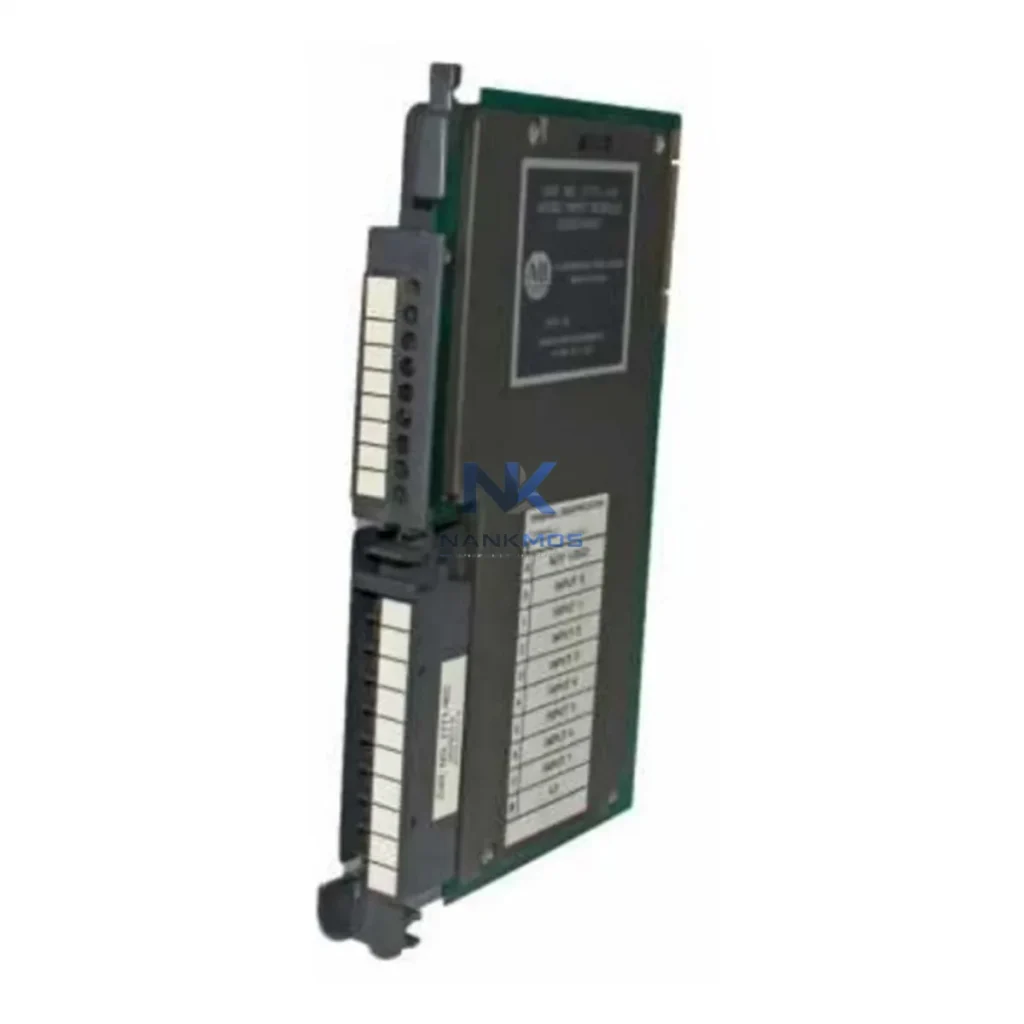
Allen-Bradley 1771-IM is a NANKMOS industrial automation product record Listed under PLC-5 series and Business & Industrial > Automation, Control & Flow Devices > Programmable Logic Controllers. Confirm condition, availability, lead time, compatibility and documentation by email inquiry.
| Manufacturer | Allen-Bradley |
|---|---|
| Application | Controller Processing & System Control |
| Part Number / Model | 1771-IM |
| Compatible System | PLC-5 |
| Series | PLC-5 |
| Condition Options | To Confirm |
| Module Type | Controller / CPU Module |
| Warranty | 12 Months |
| Packaging | Anti-static Bag / Secure Box |
| Shipping Methods | DHL / FedEx / UPS / Air / Sea |
| Availability | To Confirm |
| Lead Time | To Confirm |
| Documentation | Part number and revision checked before quote |
The Allen-Bradley 1771-IM is a 120 VAC digital input module engineered for the 1771 I/O chassis within the PLC-5 control platform. Designed to capture real-time field signals from AC-powered sensors, limit switches, push buttons, and proximity devices, the 1771-IM serves as a critical data acquisition node in energy-aware production environments. By delivering accurate, low-latency signal conditioning directly to the PLC-5 processor, this module enables precise load management decisions, reduces unnecessary actuator cycling, and supports the kind of deterministic control logic that underpins modern energy optimization strategies across discrete manufacturing, water treatment, and process industries.
In smart production lines where every watt counts, the 1771-IM contributes to a leaner energy profile by ensuring that the PLC-5 receives clean, debounced AC input signals without false triggers. False triggers cause unplanned motor starts, unnecessary conveyor activations, and wasted compressed air — all of which inflate energy consumption and accelerate mechanical wear. The 1771-IM's optical isolation and hardware filtering eliminate these inefficiencies at the signal level, before they propagate into the control loop.
The 1771-IM does not operate in isolation — it is one node in a tightly integrated control architecture where every component influences overall energy efficiency. In a typical PLC-5 system, the 1771-IM shares the 1771 I/O chassis with output modules such as the Allen-Bradley 1771-OA (120 VAC output module) and analog modules like the 1771-IFE (analog input module), which together handle both digital field signals and continuous process variables. The PLC-5 processor — for example, a 1785-L40B or 1785-L60B — reads the 1771-IM's input data every scan cycle and uses it to execute energy-conscious ladder logic: shutting down idle conveyors, staging motor starts to avoid peak demand spikes, and enabling load-shedding routines during high-tariff periods.
On the drive side, the PLC-5 outputs derived from 1771-IM signals are frequently routed to Allen-Bradley PowerFlex 40 or PowerFlex 70 variable frequency drives, which regulate motor speed in proportion to actual process demand rather than running at fixed full speed. This VFD integration — triggered by clean AC input signals from the 1771-IM — is one of the most impactful energy-saving strategies available in legacy PLC-5 environments, often reducing motor energy consumption by 20–40% on variable-torque loads such as pumps and fans.
For power quality monitoring, the 1771-IM works alongside Allen-Bradley PowerMonitor 500 or PowerMonitor 1000 units connected via the Data Highway Plus (DH+) network. These power monitoring devices provide real-time kW, kVAR, and power factor data to the PLC-5, enabling the controller to correlate input signal states from the 1771-IM with actual energy draw — a prerequisite for building effective demand response and load management programs. Communication between the PLC-5 and upstream SCADA or energy management systems is handled through the 1785-KA5 DH+ communication adapter or 1771-KGM gateway modules, ensuring that 1771-IM field data flows seamlessly into plant-wide energy dashboards.
On the HMI layer, operators interact with PLC-5 systems through Allen-Bradley PanelView 550 or PanelView 600 terminals, where energy KPIs derived from 1771-IM input states — such as equipment run-hours, cycle counts, and idle-time ratios — are displayed in real time. This visibility empowers operators to make informed decisions about load scheduling and preventive maintenance, further reducing unplanned downtime and its associated energy waste.
In high-throughput production environments, the 1771-IM plays a foundational role in stabilizing line throughput and reducing energy waste at the machine level. By providing the PLC-5 with reliable, noise-immune AC input signals, the module ensures that control decisions — motor starts, conveyor indexing, pneumatic valve actuation — are based on accurate field conditions rather than electrical noise artifacts. This accuracy directly reduces the number of unnecessary actuator operations per shift, lowering both energy consumption and mechanical wear on downstream equipment.
The module's contribution to predictive maintenance is equally significant. Because the 1771-IM captures input signal transitions with consistent timing, the PLC-5 can log equipment cycle counts, detect abnormal dwell times, and flag sensors that are beginning to degrade — all without additional hardware. This data-driven approach to maintenance scheduling prevents the energy spikes associated with emergency repairs and unplanned restarts, which typically consume 3–5× more energy than planned production cycles due to cold-start motor inrush and system re-initialization overhead.
For factories operating under ISO 50001 energy management frameworks or pursuing carbon reduction targets, the 1771-IM provides the granular, machine-level input data needed to build accurate energy consumption models. When integrated with a SCADA system via DH+ or ControlNet, the time-stamped input records from the 1771-IM can be correlated with energy meter readings to identify which production states — idle, running, changeover — consume the most power, enabling targeted efficiency improvements that reduce overall facility energy intensity.
Stock availability is maintained to support both planned upgrades and emergency replacement scenarios. Each 1771-IM unit undergoes functional testing prior to shipment, verifying input threshold voltages, optical isolation integrity, and backplane communication — ensuring that replacement modules restore production at full efficiency without commissioning delays.
Q1: How does the 1771-IM contribute to energy savings in a PLC-5 system? The 1771-IM eliminates false input triggers through optical isolation and hardware filtering, preventing unnecessary motor starts, conveyor activations, and valve operations. In systems where the PLC-5 controls VFDs such as the PowerFlex 40 or PowerFlex 70, clean input signals from the 1771-IM ensure that speed references are adjusted only when genuine process conditions change — avoiding the energy waste of reactive, noise-driven control responses.
Q2: Is the 1771-IM compatible with all PLC-5 processors and 1771 chassis configurations? Yes. The 1771-IM is compatible with the full range of PLC-5 processors (5/10 through 5/80) and installs in any standard 1771 I/O chassis slot. It occupies a single double-width slot and draws ≤ 3.5 W from the chassis backplane, making it suitable for both compact and expanded chassis configurations without exceeding typical power budgets.
Q3: What is the recommended replacement or upgrade path for aging 1771-IM modules? For direct replacement, a tested 1771-IM from verified stock is the lowest-risk option, preserving existing PLC-5 programs and I/O addressing without modification. For facilities planning a broader modernization, the 1771-IM can be migrated to the Allen-Bradley 1756-IA16 (ControlLogix 120 VAC input module) as part of a phased PLC-5 to ControlLogix migration, with I/O mapping handled through Rockwell's Migration Toolkit.
Q4: What testing and warranty coverage is provided with each unit? Every 1771-IM shipped by NANKMOS undergoes pre-shipment functional testing covering input voltage thresholds, optical isolation verification, and backplane communication integrity. All units are covered by a 12-Month Warranty from the date of shipment. In the event of a warranty claim, replacement units are dispatched from in-stock inventory to minimize production downtime.
Functional Inspection100% tested on professional platforms to ensure stable performance.
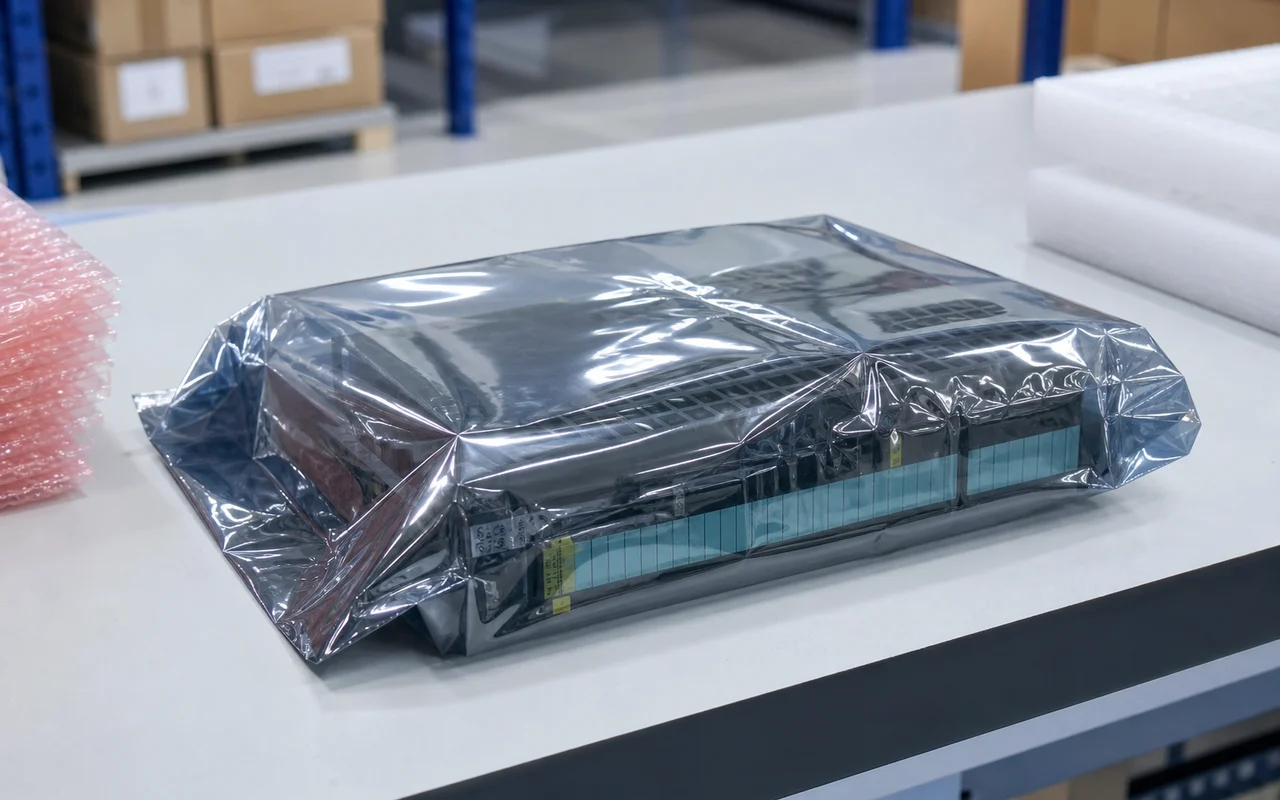 Anti-static Packaging
Modules are packed in anti-static bags to prevent electrostatic damage.
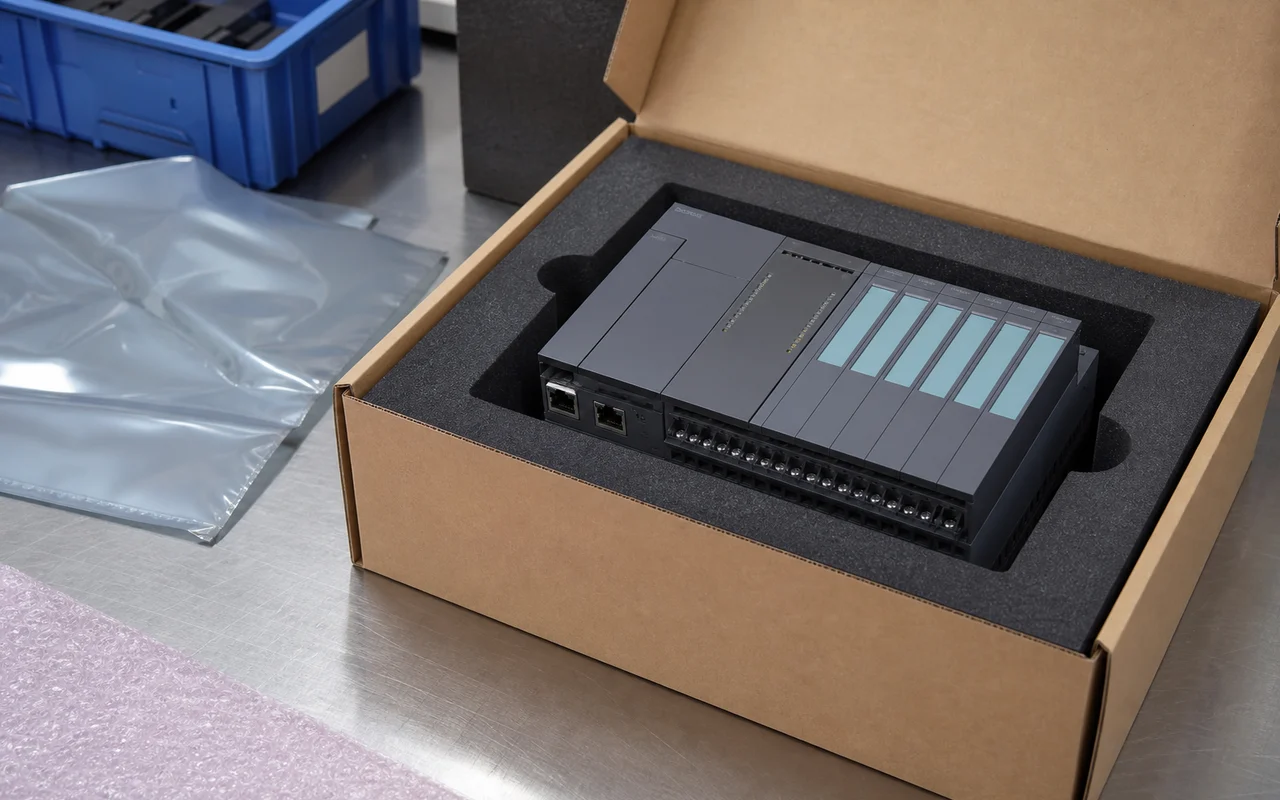 Secure Export Packing
Cushion protection and strong cartons ensure safe transportation.
 Worldwide Shipping
Global logistics network supports air, sea and express delivery.
 Documentation Check
Part number, revision and compatibility verified before shipment.
 After-sales Support
Professional technical support to help resolve your issues.