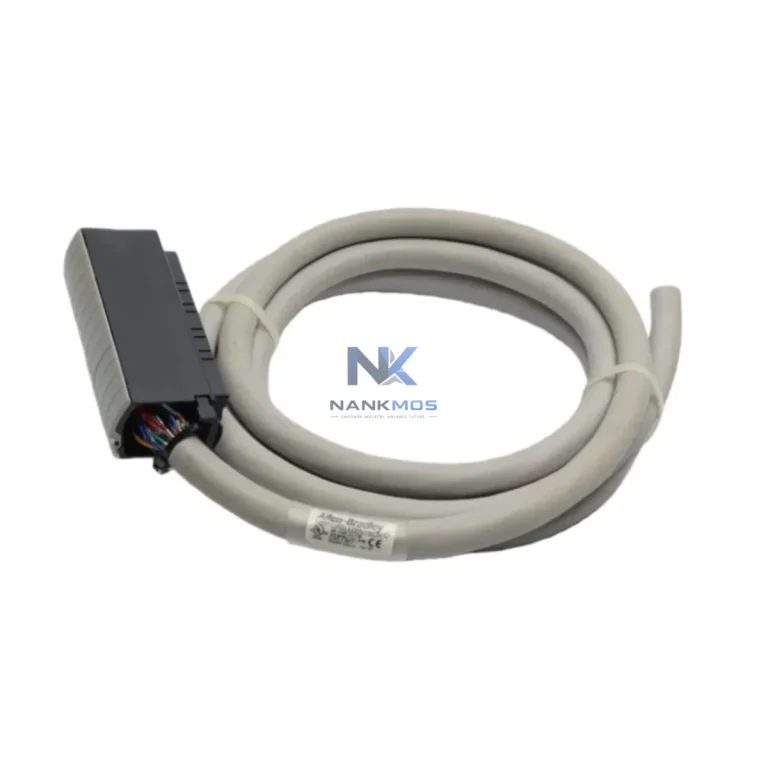
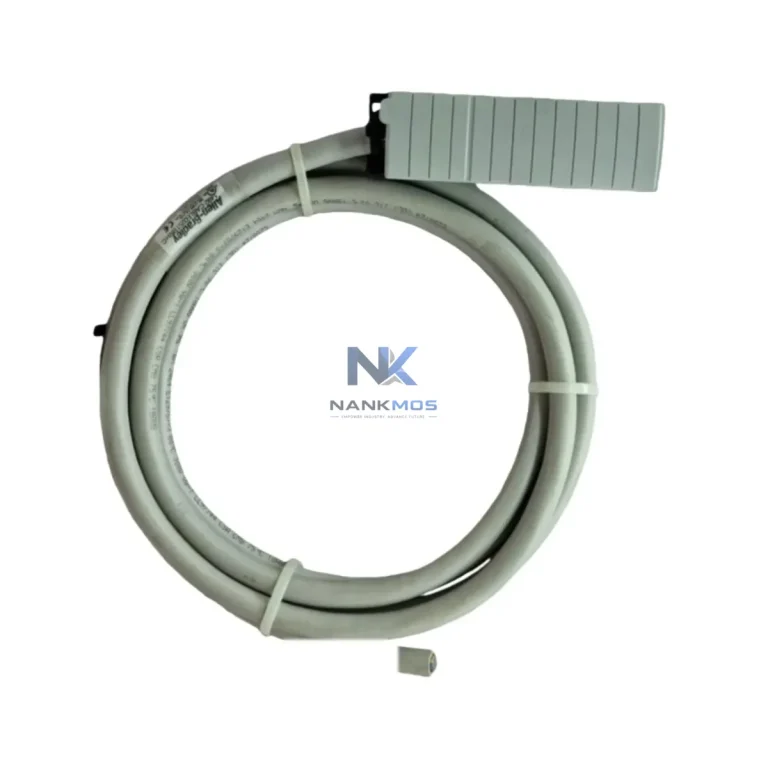
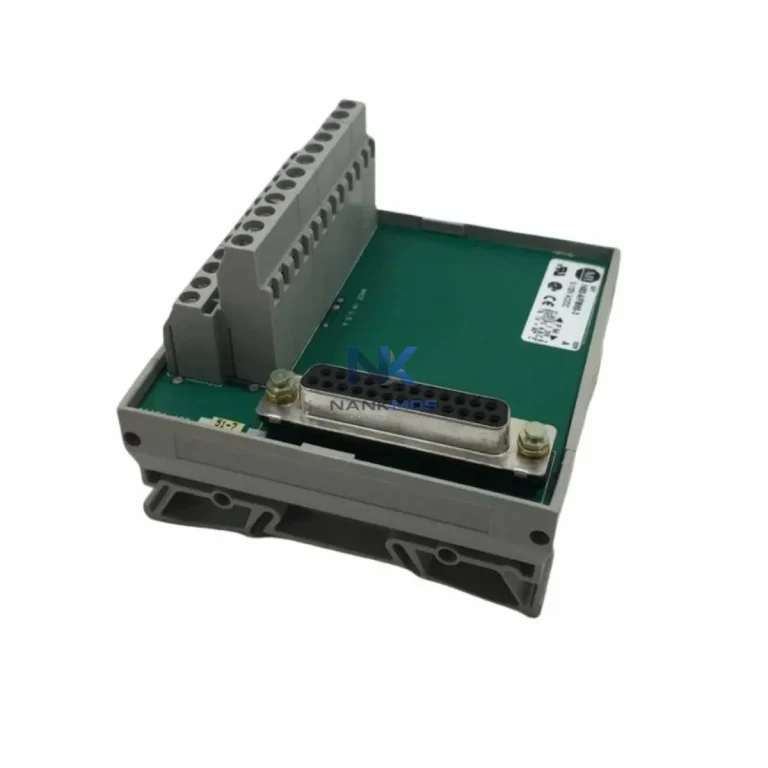
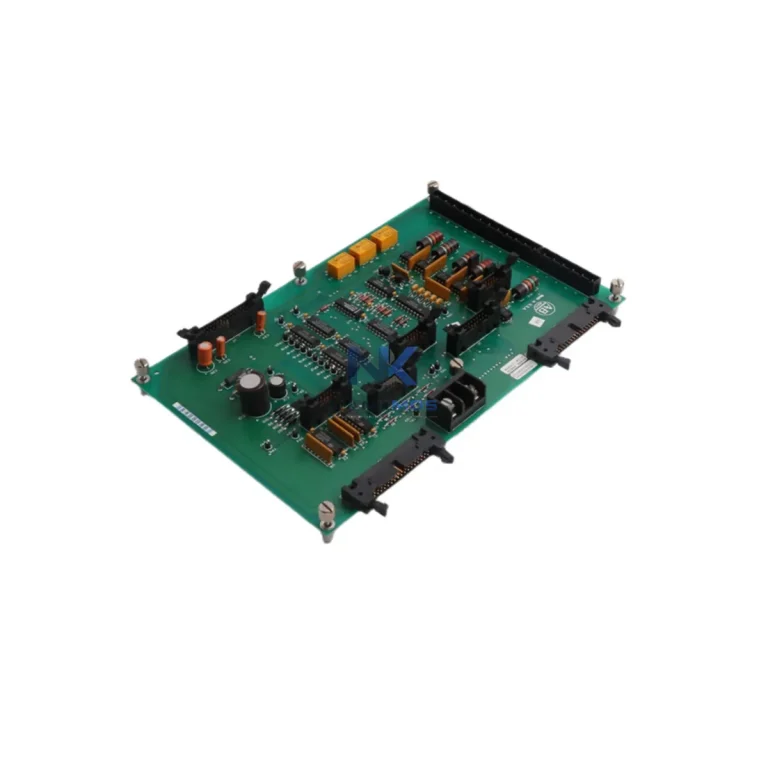
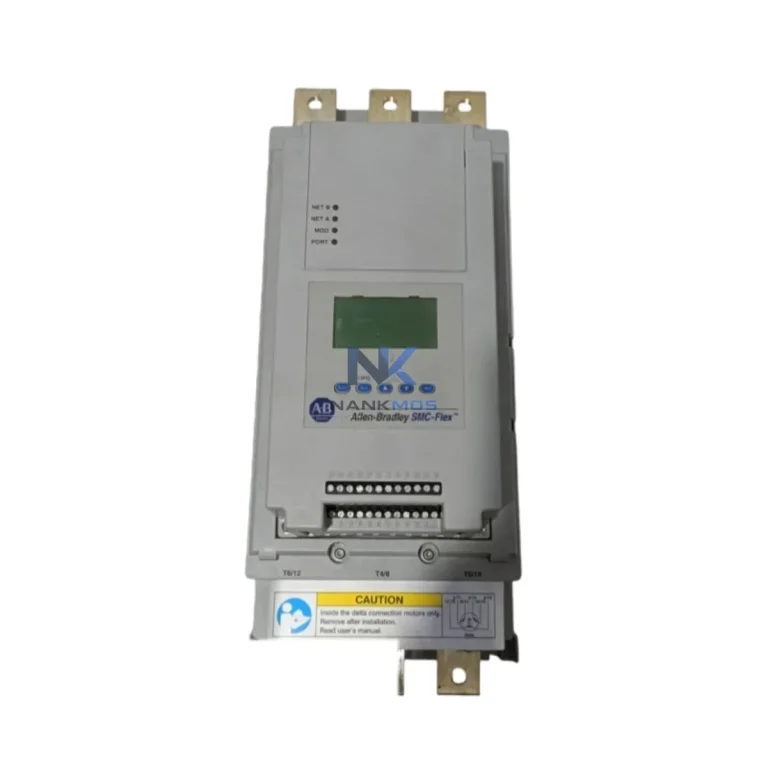
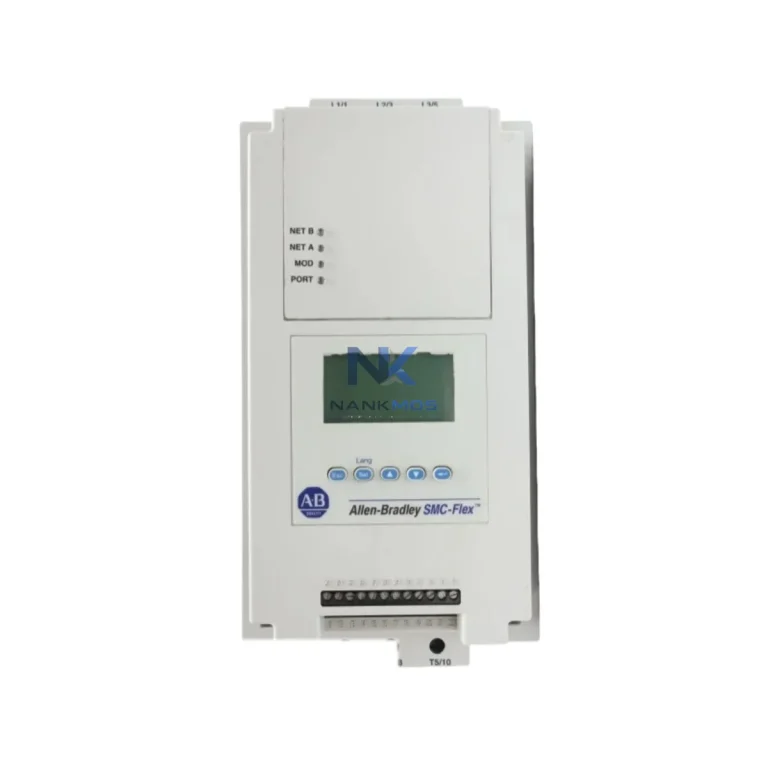
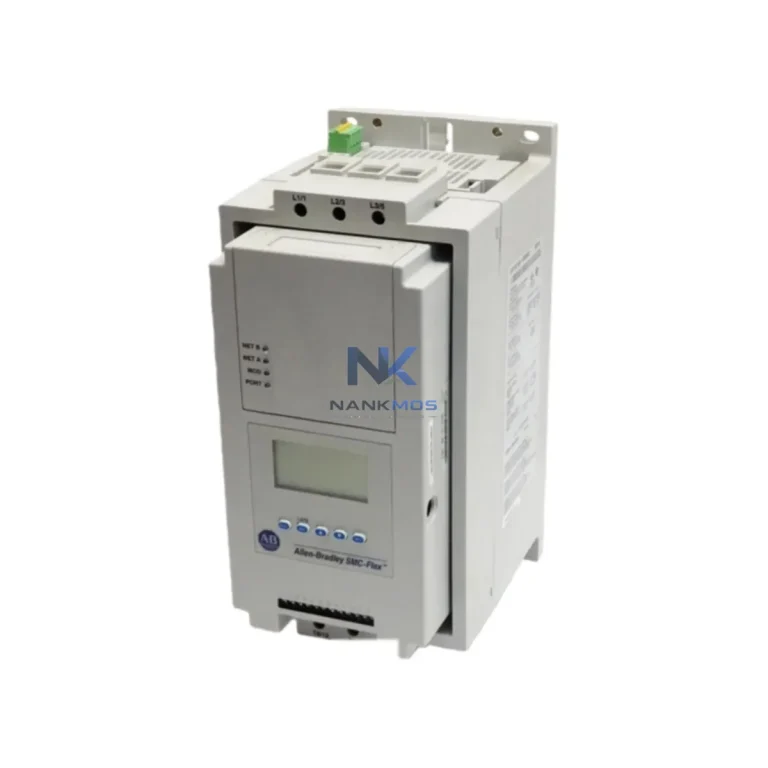
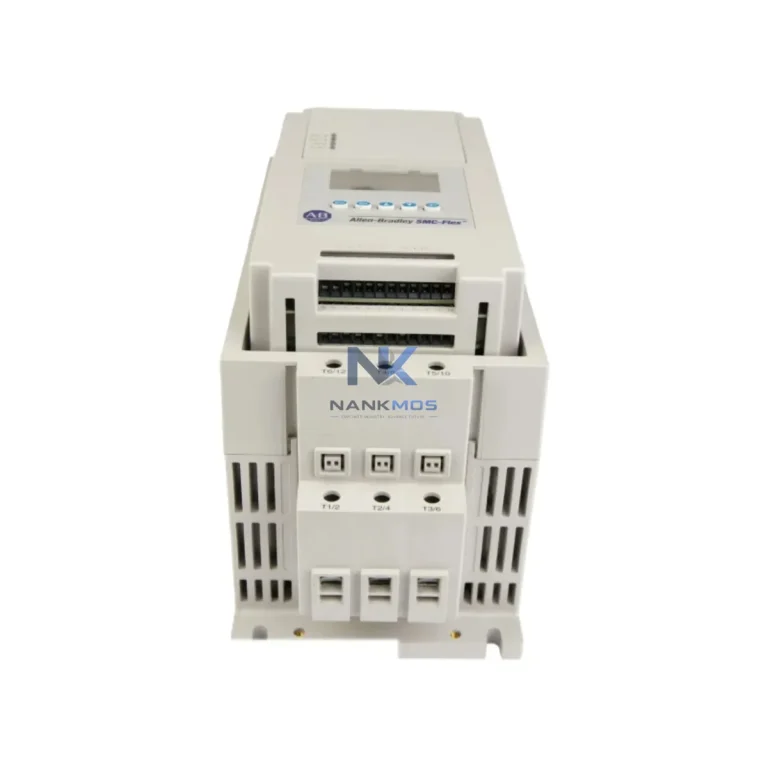
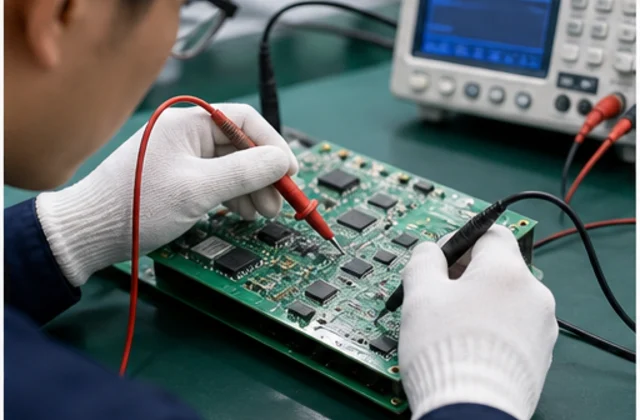
 Functional Inspection
100% tested on professional platforms to ensure stable performance.
Allen-Bradley 1771-OWNA is a NANKMOS industrial automation product record Listed under PLC-5 series and Business & Industrial > Automation, Control & Flow Devices > Programmable Logic Controllers. Confirm condition, availability, lead time, compatibility and documentation by email inquiry.
Brand names are used for identification only.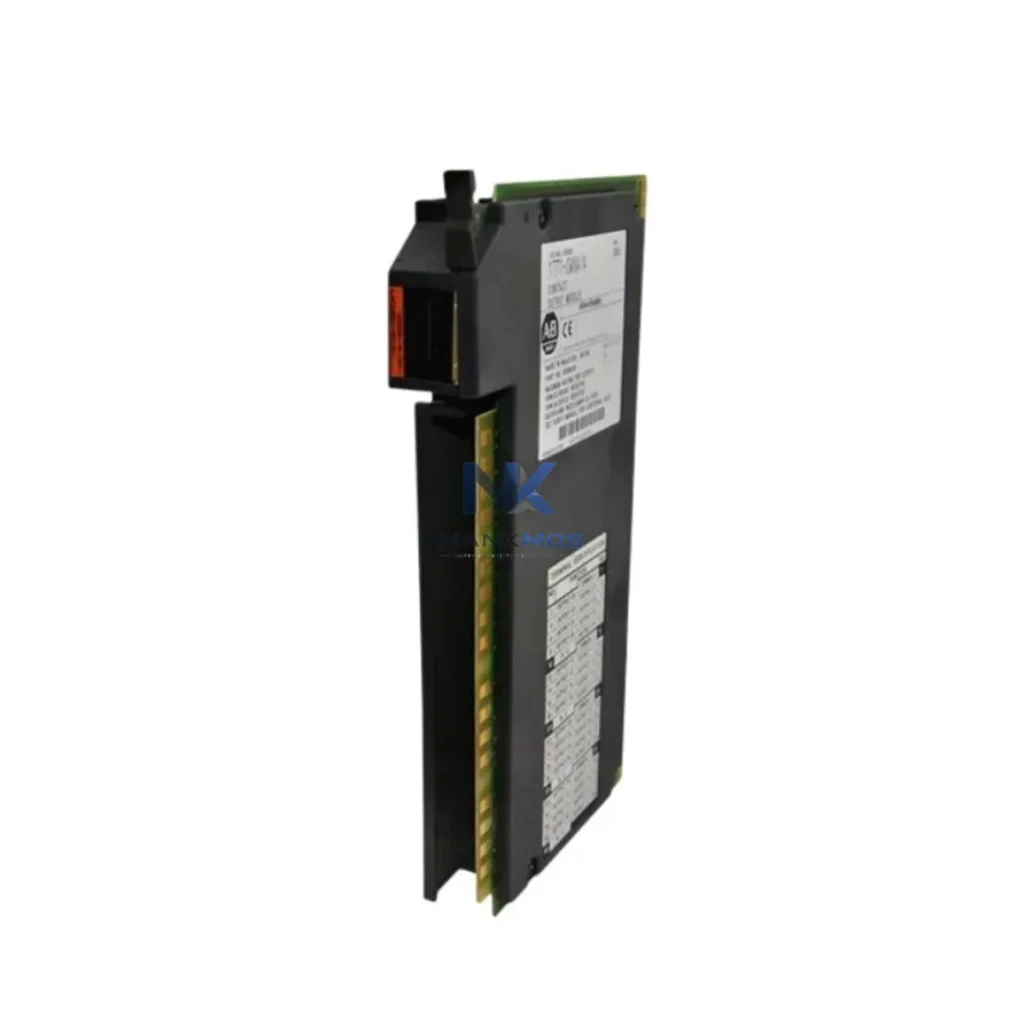
Allen-Bradley 1771-OWNA is a NANKMOS industrial automation product record Listed under PLC-5 series and Business & Industrial > Automation, Control & Flow Devices > Programmable Logic Controllers. Confirm condition, availability, lead time, compatibility and documentation by email inquiry.
| Manufacturer | Allen-Bradley |
|---|---|
| Application | Controller Processing & System Control |
| Part Number / Model | 1771-OWNA |
| Compatible System | PLC-5 |
| Series | PLC-5 |
| Condition Options | To Confirm |
| Module Type | Controller / CPU Module |
| Warranty | 12 Months |
| Packaging | Anti-static Bag / Secure Box |
| Shipping Methods | DHL / FedEx / UPS / Air / Sea |
| Availability | To Confirm |
| Lead Time | To Confirm |
| Documentation | Part number and revision checked before quote |
The Allen-Bradley 1771-OWNA is a relay-type digital output module engineered for the PLC-5 family within the 1771 I/O chassis architecture. Designed to bridge field-level actuators and the PLC control layer, the 1771-OWNA delivers reliable, noise-immune switching across demanding industrial environments — from discrete manufacturing lines to process automation cells. As smart factories evolve toward fully connected, data-transparent operations, the 1771-OWNA remains a proven node in the digital output chain, enabling real-time command execution, remote diagnostics, and seamless integration with SCADA and HMI supervisory systems.
In a connected factory data flow, the 1771-OWNA sits at the execution edge of the control architecture. Sensor signals are acquired by analog and digital input modules — such as the 1771-IFE analog input module or the 1771-IBD DC input module — and processed by the PLC-5 processor. The processor issues output commands through the 1771 backplane, and the 1771-OWNA translates those digital commands into relay contact closures that drive motors, solenoids, contactors, and indicator panels. This deterministic signal path ensures sub-millisecond command latency from PLC logic to field device actuation.
The 1771-OWNA integrates into a layered smart factory architecture that spans from field devices to enterprise-level data systems. At the field level, sensors and actuators connect to the 1771 I/O chassis. Input signals — from proximity sensors, pressure transmitters, or flow meters — are read by input modules such as the 1771-IFE or 1771-IAD, processed by the PLC-5/40 or PLC-5/80 processor, and output commands are dispatched through the 1771-OWNA relay contacts to drive downstream equipment.
The PLC-5 processor communicates upstream via ControlNet or Data Highway Plus (DH+) to SCADA servers running FactoryTalk View SE or Wonderware System Platform. This network path enables real-time visualization of output states, alarm management, and remote command override from the control room. For sites requiring Ethernet connectivity, a 1756-ENBT ControlLogix Ethernet/IP bridge or a 1785-ENET PLC-5 Ethernet module can extend the data path to plant-wide MES and ERP systems.
In multi-zone production environments, the 1771-OWNA chassis can be deployed as a remote I/O drop connected to the PLC-5 via a 1771-ASB remote I/O adapter. This topology allows a single PLC-5 processor to manage output modules distributed across multiple production cells — reducing wiring costs while maintaining centralized control and diagnostics. The remote I/O network supports scan rates compatible with high-speed conveyor and packaging line applications.
Edge gateway devices — such as the Moxa MGate MB3170 or a Kepware KEPServerEX OPC-DA/UA server — can bridge the 1771 backplane data to modern IIoT platforms, enabling cloud-based dashboards, predictive maintenance analytics, and digital twin integration. This positions the 1771-OWNA not as a legacy endpoint, but as a live data source within a hybrid automation architecture that spans both classic PLC infrastructure and Industry 4.0 connectivity layers.
For drive and motion control integration, the 1771-OWNA relay outputs are commonly used to issue run/stop commands to PowerFlex 700 or PowerFlex 4M variable frequency drives, with drive status feedback returned via analog input modules. This closed-loop command-feedback path supports energy-efficient motor management and enables SCADA-level visibility into drive operating states, fault codes, and runtime hours.
Protocol Fragmentation: Many brownfield sites run mixed I/O architectures — 1771 chassis alongside newer 1756 ControlLogix or 1769 CompactLogix systems. The 1771-OWNA operates natively within the 1771 backplane protocol, and protocol bridging via a 1785-KA5 DH+ interface or a ControlNet bridge module allows seamless coexistence with newer Rockwell platforms. This eliminates the need for full system replacement while extending the operational life of proven PLC-5 infrastructure.
Data Silos and Production Transparency: Without proper output state monitoring, relay actuation events are invisible to SCADA and MES layers. By mapping 1771-OWNA output bits to FactoryTalk Historian or an OPC-UA data aggregator, every relay switching event becomes a timestamped data point — enabling production counting, cycle time analysis, and OEE calculation at the machine level.
Remote Monitoring and Alarm Tracking: The 1771-OWNA supports output status readback through the PLC-5 output image table, allowing SCADA systems to detect relay state mismatches — a key indicator of field wiring faults, coil failures, or load overcurrent conditions. Alarm thresholds configured in RSLogix 5 or FactoryTalk Alarms and Events provide automated fault notification to maintenance teams, reducing mean time to repair (MTTR).
System Expansion: The 1771 chassis architecture supports up to 16 I/O slots per chassis, with multiple chassis linkable via remote I/O. Adding 1771-OWNA modules to an existing chassis requires no processor firmware changes — plug-in expansion is supported within the existing I/O map, making capacity scaling straightforward for growing production lines.
Q1: What communication protocols does the 1771-OWNA support for SCADA integration? The 1771-OWNA communicates via the 1771 parallel I/O backplane. SCADA integration is achieved through the PLC-5 processor's network ports — ControlNet, DH+, or Ethernet (via 1785-ENET) — using OPC-DA/UA servers such as RSLinx Classic or KEPServerEX to expose output states to FactoryTalk View, Wonderware, or Ignition SCADA platforms.
Q2: How is network stability ensured in remote I/O deployments? When deployed as a remote I/O drop via the 1771-ASB adapter, the 1771-OWNA operates on a deterministic remote I/O scan cycle managed by the PLC-5 processor. Network stability is maintained through shielded remote I/O cable, proper termination resistors, and redundant power supplies. Scan cycle integrity is monitored by the processor's I/O fault detection logic, which triggers alarms on communication loss.
Q3: Can the 1771-OWNA be integrated with modern edge gateways for IIoT applications? Yes. By connecting a KEPServerEX OPC-UA server or a Moxa MGate protocol gateway to the PLC-5 DH+ or Ethernet port, the 1771-OWNA output states can be published to MQTT brokers, Azure IoT Hub, or AWS IoT Core. This enables real-time output monitoring, remote diagnostics, and predictive maintenance analytics without modifying the existing PLC-5 control program.
Q4: What does the 12-month warranty cover, and how is pre-shipment testing conducted? Every 1771-OWNA unit supplied by NANKMOS is subject to pre-shipment functional testing — including relay coil actuation, contact continuity verification, and backplane communication check. The 12-month warranty covers manufacturing defects and functional failures under normal operating conditions. Units are shipped with test documentation, and our technical team provides remote commissioning support to ensure successful integration into your control system.
Functional Inspection100% tested on professional platforms to ensure stable performance.
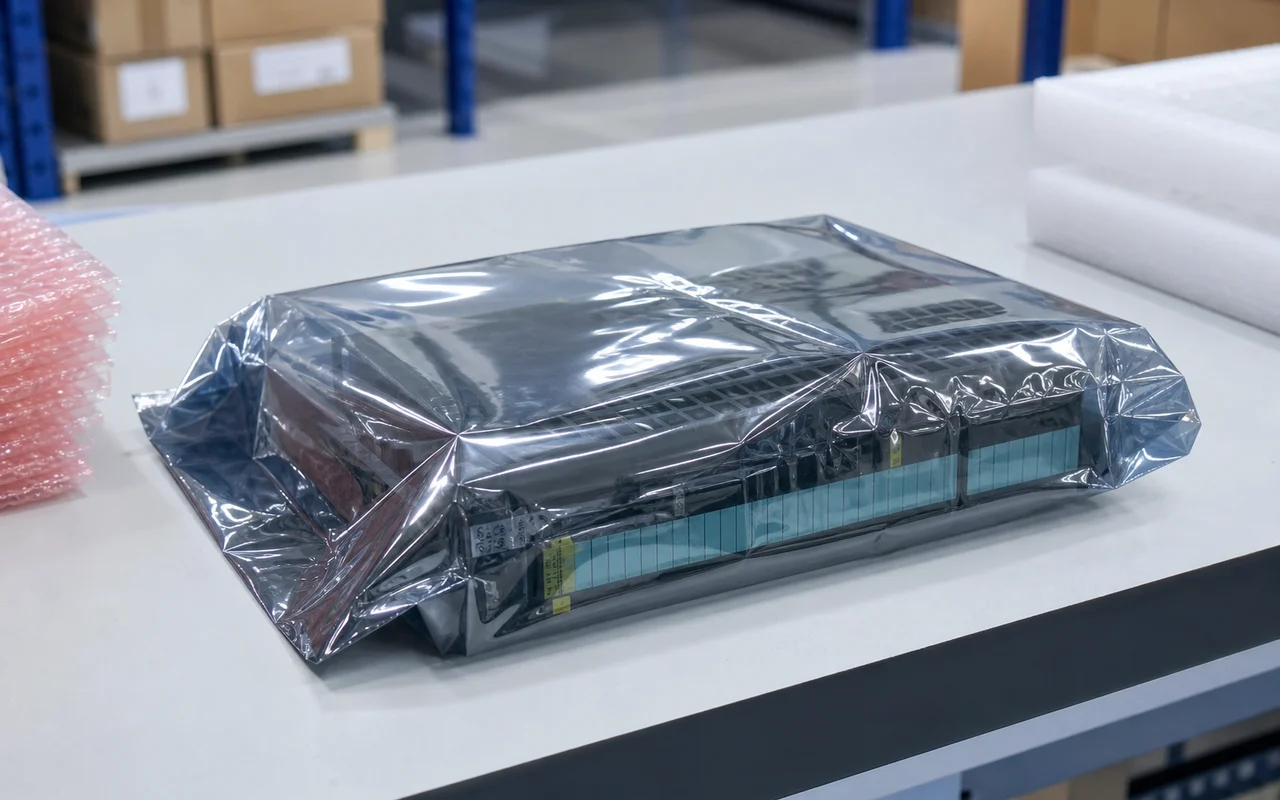 Anti-static Packaging
Modules are packed in anti-static bags to prevent electrostatic damage.
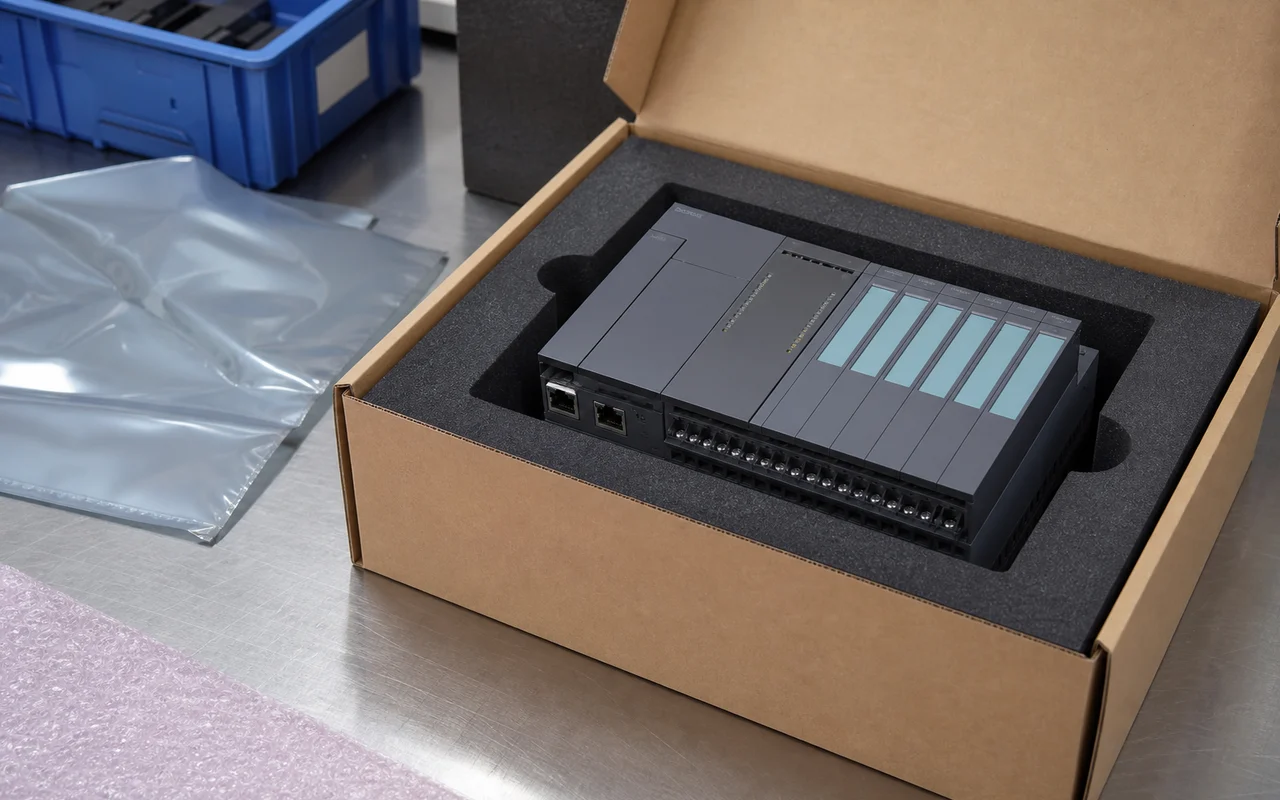 Secure Export Packing
Cushion protection and strong cartons ensure safe transportation.
 Worldwide Shipping
Global logistics network supports air, sea and express delivery.
 Documentation Check
Part number, revision and compatibility verified before shipment.
 After-sales Support
Professional technical support to help resolve your issues.