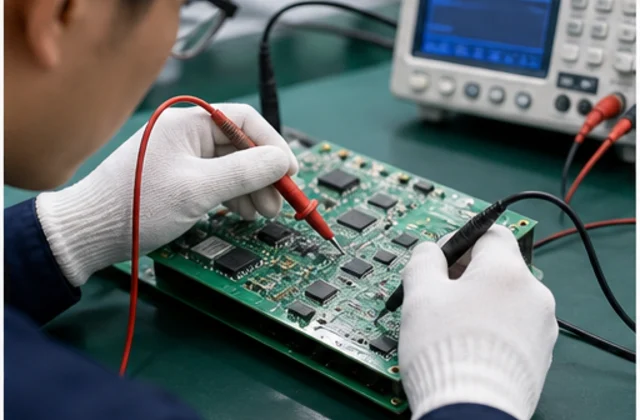
 Functional Inspection
100% tested on professional platforms to ensure stable performance.
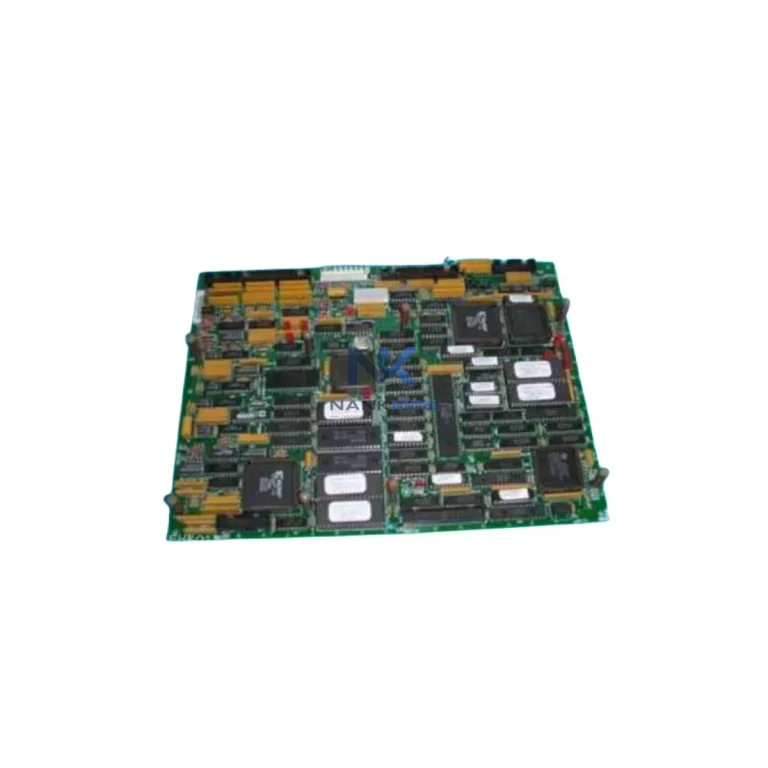
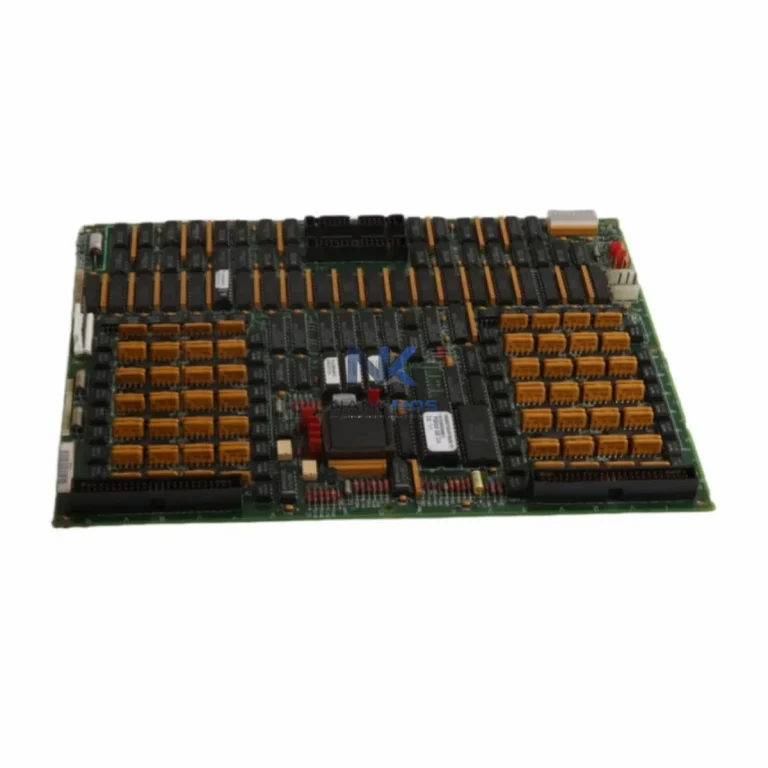
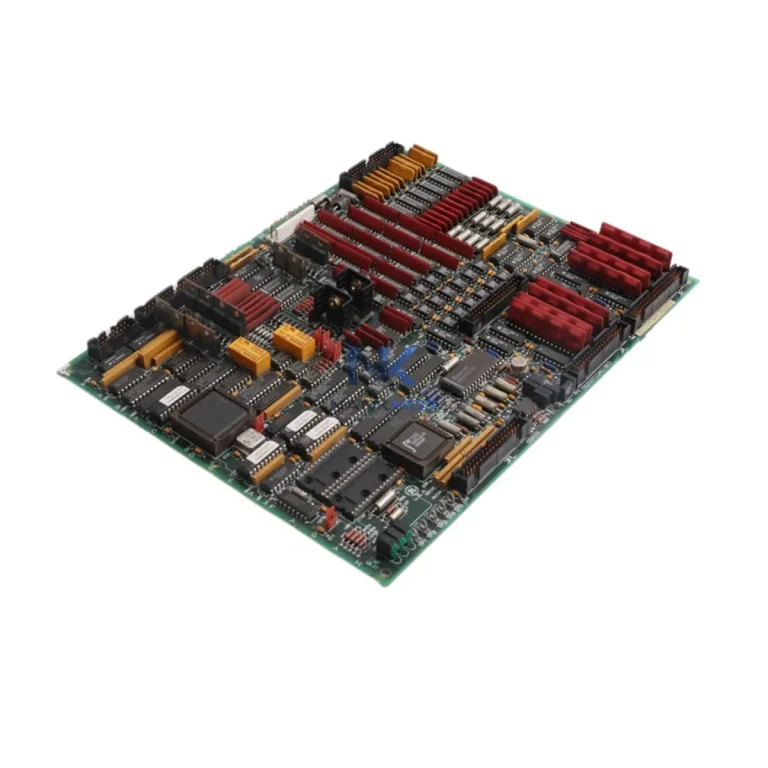
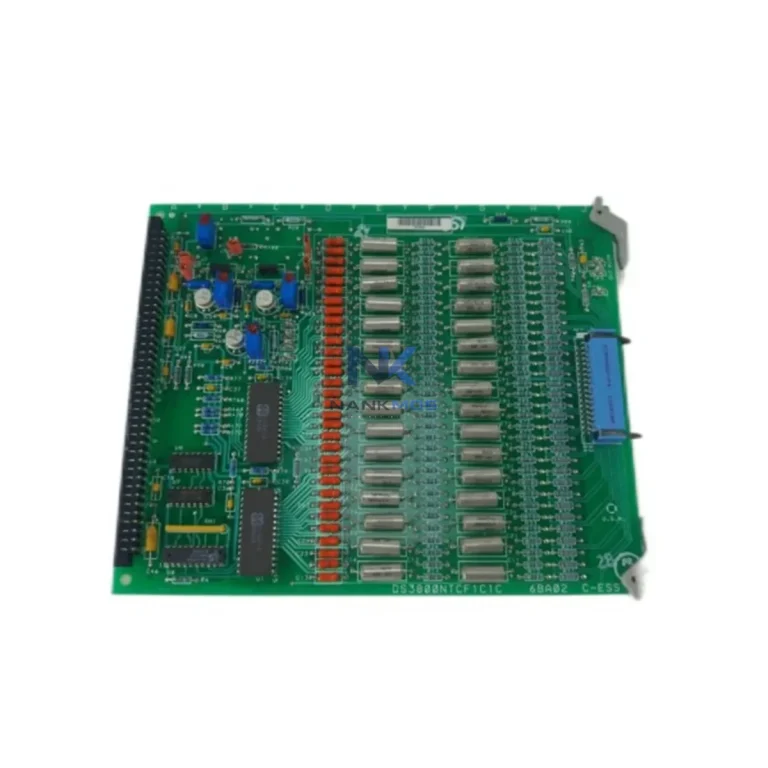
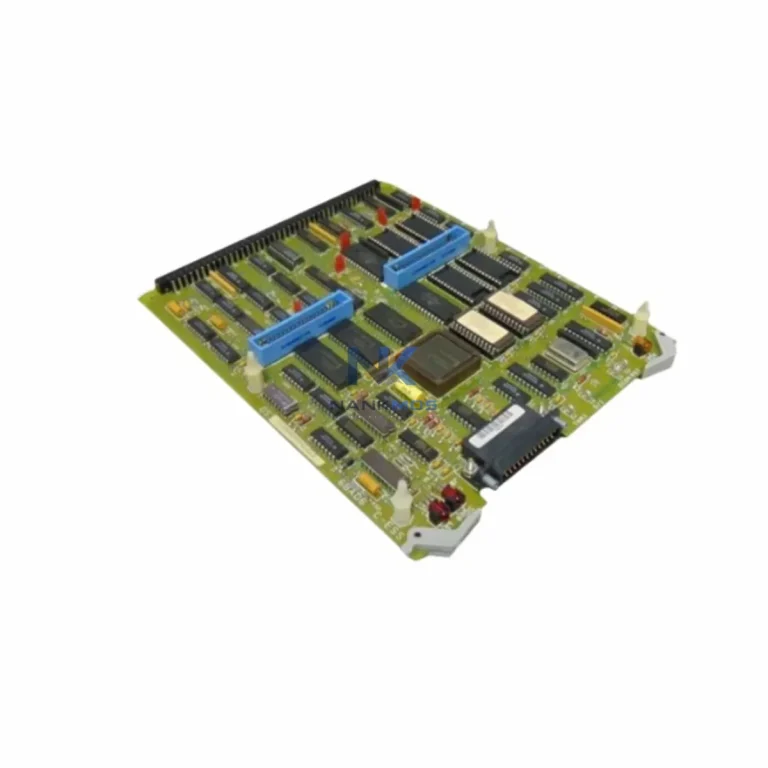
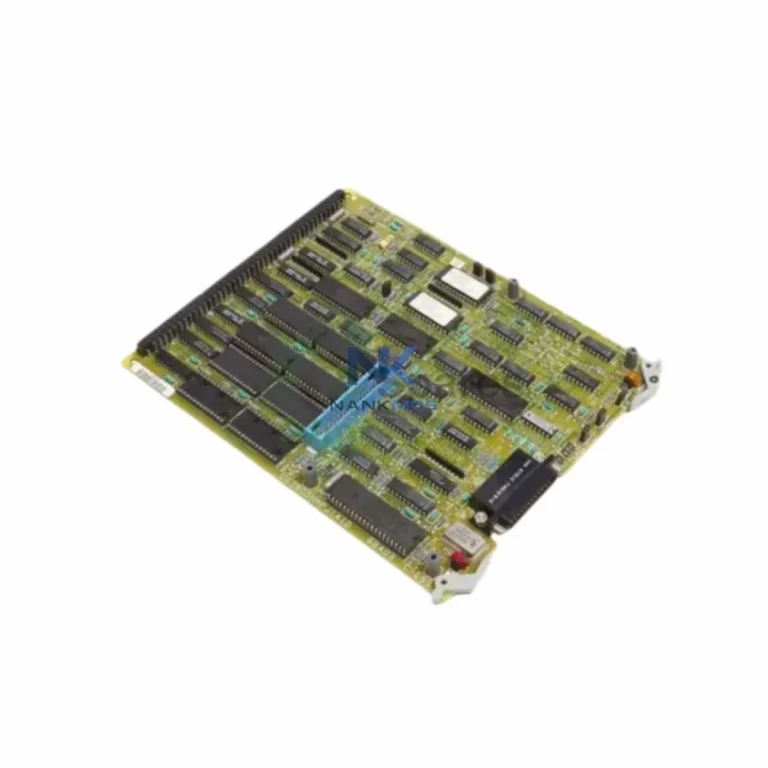
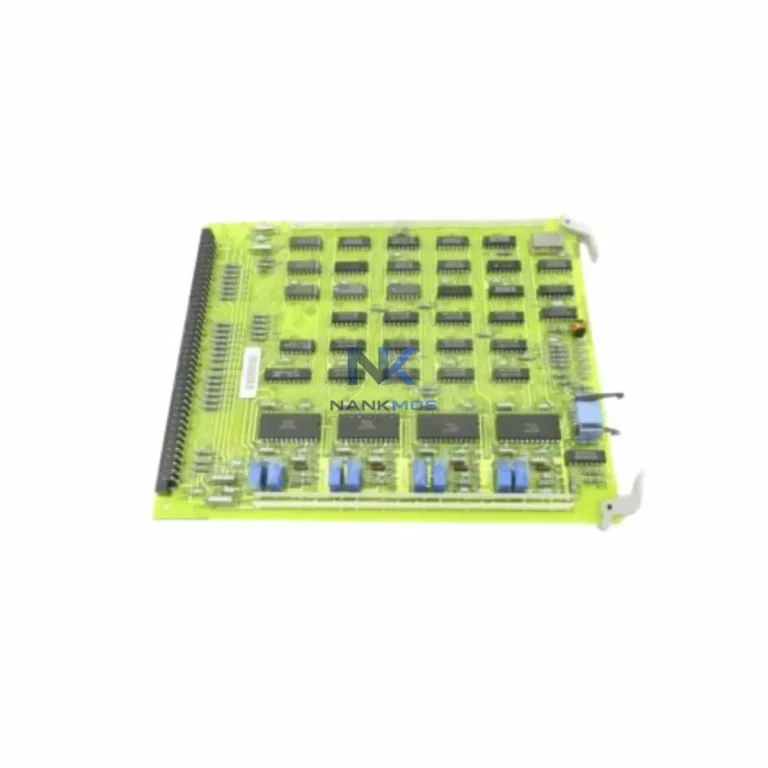
GE DS200SLCCG4AF is a NANKMOS industrial automation product record Listed under Mark VI series and Business & Industrial > Automation, Control & Flow Devices > Programmable Logic Controllers. Confirm condition, availability, lead time, compatibility and documentation by email inquiry.
Brand names are used for identification only.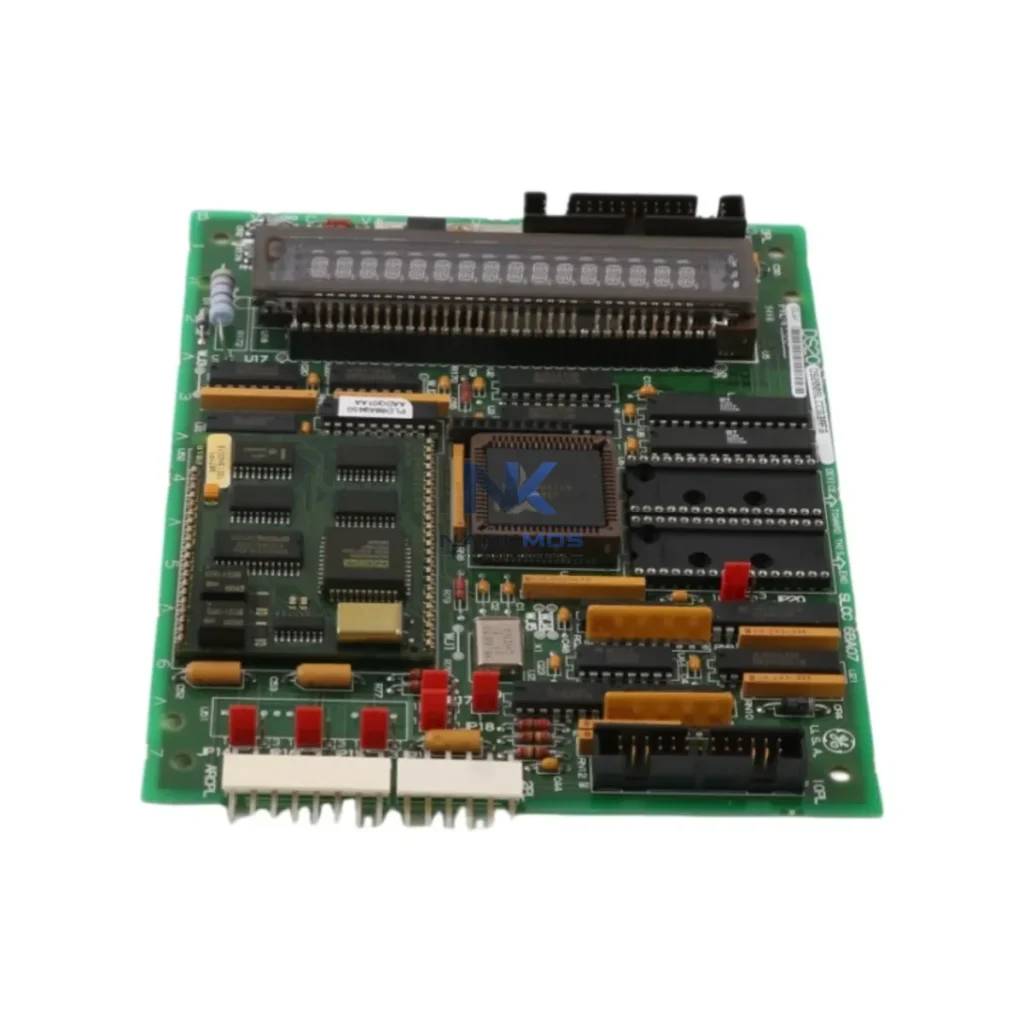
GE DS200SLCCG4AF is a NANKMOS industrial automation product record Listed under Mark VI series and Business & Industrial > Automation, Control & Flow Devices > Programmable Logic Controllers. Confirm condition, availability, lead time, compatibility and documentation by email inquiry.
| Manufacturer | GE |
|---|---|
| Application | Turbine & Condition Monitoring |
| Part Number / Model | DS200SLCCG4AF |
| Compatible System | Mark VI |
| Series | Mark VI |
| Condition Options | To Confirm |
| Module Type | Monitoring Module |
| Warranty | 12 Months |
| Packaging | Anti-static Bag / Secure Box |
| Shipping Methods | DHL / FedEx / UPS / Air / Sea |
| Availability | To Confirm |
| Lead Time | To Confirm |
| Documentation | Part number and revision checked before quote |
The GE DS200SLCCG4AF is a Sequence Logic Control Card (SLCC) designed for deployment within the GE Mark VI turbine control platform — one of the most widely adopted distributed control architectures in gas turbine, steam turbine, and combined-cycle power generation facilities worldwide. Understanding its role requires viewing it not as a standalone component, but as a critical node within a multi-layer control architecture where every board, backplane, and communication path contributes to system-wide reliability and operational continuity.
At the control layer, the DS200SLCCG4AF works in close coordination with the DS200VCMIG2AEB (VCMI — VME Communication and Memory Interface) board, which manages inter-controller messaging and memory arbitration across the Mark VI rack. The SLCC executes the sequence logic programs that govern turbine startup, load ramp, trip response, and shutdown sequences — logic that must be deterministic, fault-tolerant, and synchronized with the broader control platform. In Triple Modular Redundant (TMR) configurations, three SLCC boards operate in parallel vote-comparison mode, ensuring that no single-point failure can interrupt turbine operation.
At the I/O layer, the DS200SLCCG4AF interfaces with dedicated I/O boards such as the DS200IOCAG1A (IOCA — I/O Controller A) and DS200DSPCH1A (DSPCH — Digital Signal Processor), which handle analog input conditioning, digital output switching, and thermocouple signal processing. The SLCC coordinates the timing and sequencing of I/O scan cycles, ensuring that field signals from temperature sensors, pressure transmitters, speed pickups, and flame detectors are processed within the deterministic scan window required for turbine protection logic.
At the communication layer, the DS200SLCCG4AF participates in the GE IONet architecture — a high-speed, deterministic Ethernet-based network that links all Mark VI controllers, I/O boards, and HMI workstations. Alongside the DS200TCQAG1BHF (TCQA — Turbine Control Quad Analog) and DS200TCEAG1BHF (TCEA — Turbine Control Ethernet Adapter) boards, the SLCC ensures that control data, diagnostic messages, and alarm states are propagated across the IONet backbone with minimal latency. This communication architecture supports both simplex and redundant IONet topologies, providing the flexibility needed for critical power generation applications.
At the power layer, the Mark VI rack housing the DS200SLCCG4AF is supplied by dedicated power distribution boards such as the DS200VPBLG1AEE (VPBL — VME Power Board), which provides regulated 5 VDC and 24 VDC rails to all installed modules. Proper power sequencing and rail stability are prerequisites for reliable SLCC operation, and the VPBL's built-in power monitoring functions provide early warning of supply degradation before it can affect control logic execution.
At the HMI layer, the DS200SLCCG4AF's sequence logic outputs are visualized through GE's Mark VI HMI Workstation running ToolboxST software, which provides real-time trending, alarm management, and sequence-of-events (SOE) recording. Operators can monitor SLCC execution states, review logic block outputs, and initiate manual overrides directly from the HMI — a capability that is essential during commissioning, load testing, and post-trip analysis.
At the protection layer, the SLCC works alongside the DS200TBTCH1A (TBTC — Turbine Backup Trip Controller) to provide independent overspeed protection and emergency trip logic. This layered protection architecture ensures that even if the primary SLCC experiences a fault, the backup trip controller can execute a safe turbine shutdown without relying on the main control path — a critical requirement for compliance with IEC 61511 and NFPA 85 safety standards.
At the maintenance layer, the DS200SLCCG4AF supports hot-swap replacement in TMR configurations, allowing maintenance teams to replace a faulted SLCC board without shutting down the turbine. This capability, combined with the board's built-in self-diagnostics and LED fault indicators, significantly reduces mean time to repair (MTTR) and supports the predictive maintenance strategies increasingly adopted in modern power generation facilities. Complementary maintenance tools include the DS200TCDAG1AHF (TCDA — Turbine Control Diagnostic Adapter), which provides enhanced diagnostic access to SLCC internal states during troubleshooting.
The DS200SLCCG4AF is deployed across a broad spectrum of industrial power generation and process control environments. In gas turbine power plants, it governs the complete turbine lifecycle from cold start through full-load operation, managing fuel valve sequencing, compressor inlet guide vane control, and combustion dynamics monitoring. In steam turbine applications, the SLCC coordinates steam admission valve control, extraction pressure regulation, and turbine protection interlocks in both condensing and back-pressure configurations.
In combined-cycle power plants, the DS200SLCCG4AF operates within integrated Mark VI control architectures that simultaneously manage gas turbines, heat recovery steam generators (HRSGs), and steam turbines — requiring precise inter-system sequencing and communication to optimize plant efficiency and grid response capability. In petrochemical and refinery applications, the SLCC is deployed in compressor train control systems where turbine-driven centrifugal compressors require high-reliability control with fast trip response times to protect against surge and mechanical damage.
In offshore oil and gas platforms, the DS200SLCCG4AF's robust design and TMR redundancy capability make it suitable for safety-critical turbine control applications where maintenance access is limited and unplanned shutdowns carry significant operational and safety consequences. In industrial cogeneration facilities, the SLCC manages the complex sequencing required for parallel operation with utility grids, including synchronization logic, load sharing control, and islanding protection.
Q1: Is the DS200SLCCG4AF compatible with both TMR and Simplex Mark VI configurations, and what are the architectural implications of each? Yes. The DS200SLCCG4AF is designed for deployment in both Triple Modular Redundant (TMR) and Simplex Mark VI rack configurations. In TMR systems, three SLCC boards operate simultaneously in a vote-comparison architecture, providing fault tolerance against single-board failures without process interruption — the preferred configuration for critical turbine applications where unplanned shutdowns are unacceptable. In Simplex configurations, a single SLCC board handles all sequence logic execution, which is appropriate for less critical applications or where cost constraints apply. The choice between TMR and Simplex architectures should be driven by the turbine's criticality rating, applicable safety standards (IEC 61511, API 670), and the operator's risk tolerance for unplanned outages.
Q2: What commissioning and diagnostic tools are required to integrate the DS200SLCCG4AF into an existing Mark VI control system? Successful integration of the DS200SLCCG4AF requires GE's ToolboxST software for logic download, configuration verification, and I/O calibration. During commissioning, engineers should perform a full IONet communication check to verify that the SLCC is correctly recognized by the Mark VI controller network, followed by a logic verification test to confirm that all sequence programs execute correctly against the turbine's control specification. The DS200TCDAG1AHF diagnostic adapter can be used to access SLCC internal diagnostic registers during troubleshooting. All replacement boards supplied by NANKMOS are pre-tested against GE functional specifications and include a 12-Month Warranty covering logic execution faults, communication failures, and hardware defects — reducing commissioning risk and providing long-term operational assurance.
Q3: How does NANKMOS ensure long-term inventory availability and supply continuity for the DS200SLCCG4AF? NANKMOS maintains dedicated inventory of the DS200SLCCG4AF and related Mark VI DS200 series boards to support both planned maintenance programs and emergency replacement requirements. All units undergo pre-shipment functional testing, including power-on verification, communication interface checks, and logic execution validation, before dispatch. Our 12-Month Warranty provides coverage against functional defects identified after installation, and our technical team is available to support integration questions, compatibility verification, and system architecture consultation. For urgent requirements, expedited shipping options are available to minimize turbine downtime. Contact us at [email protected] or +86 18359268345 to confirm availability and request a quotation.
Functional Inspection100% tested on professional platforms to ensure stable performance.
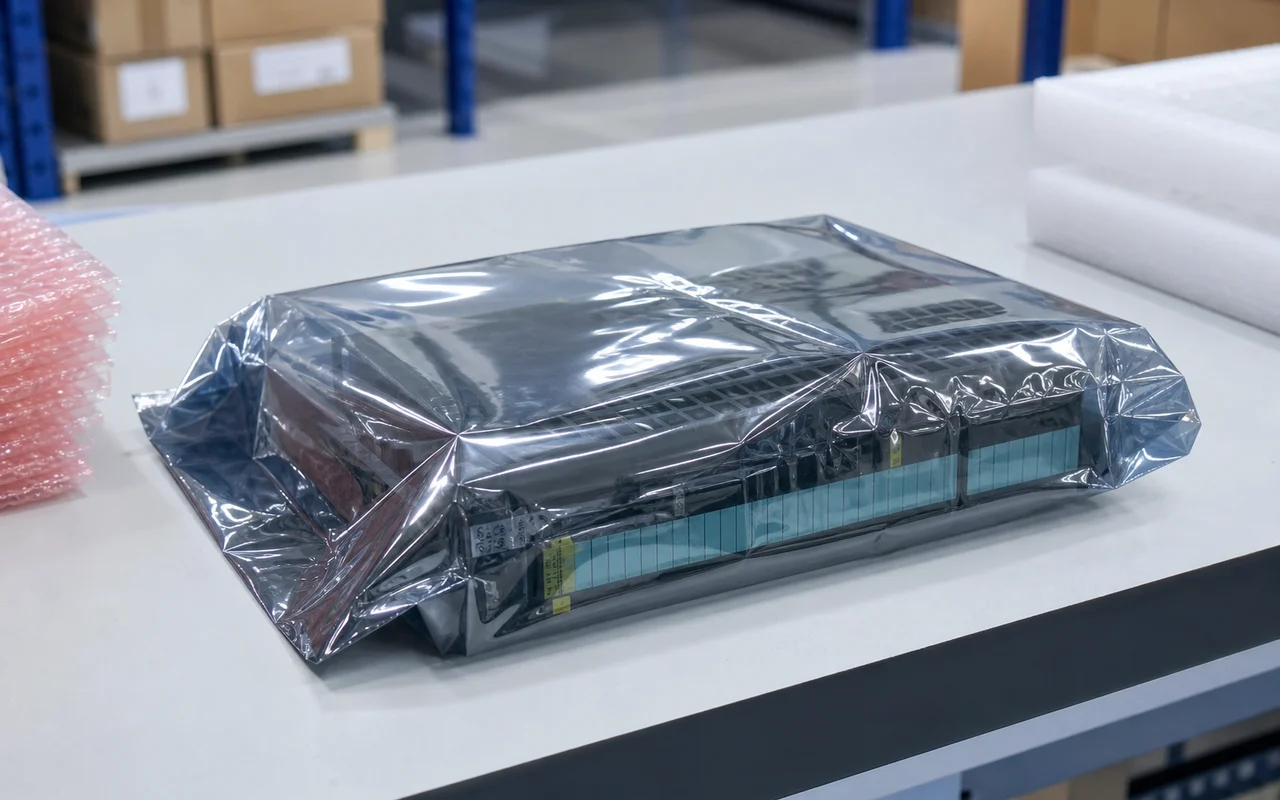 Anti-static Packaging
Modules are packed in anti-static bags to prevent electrostatic damage.
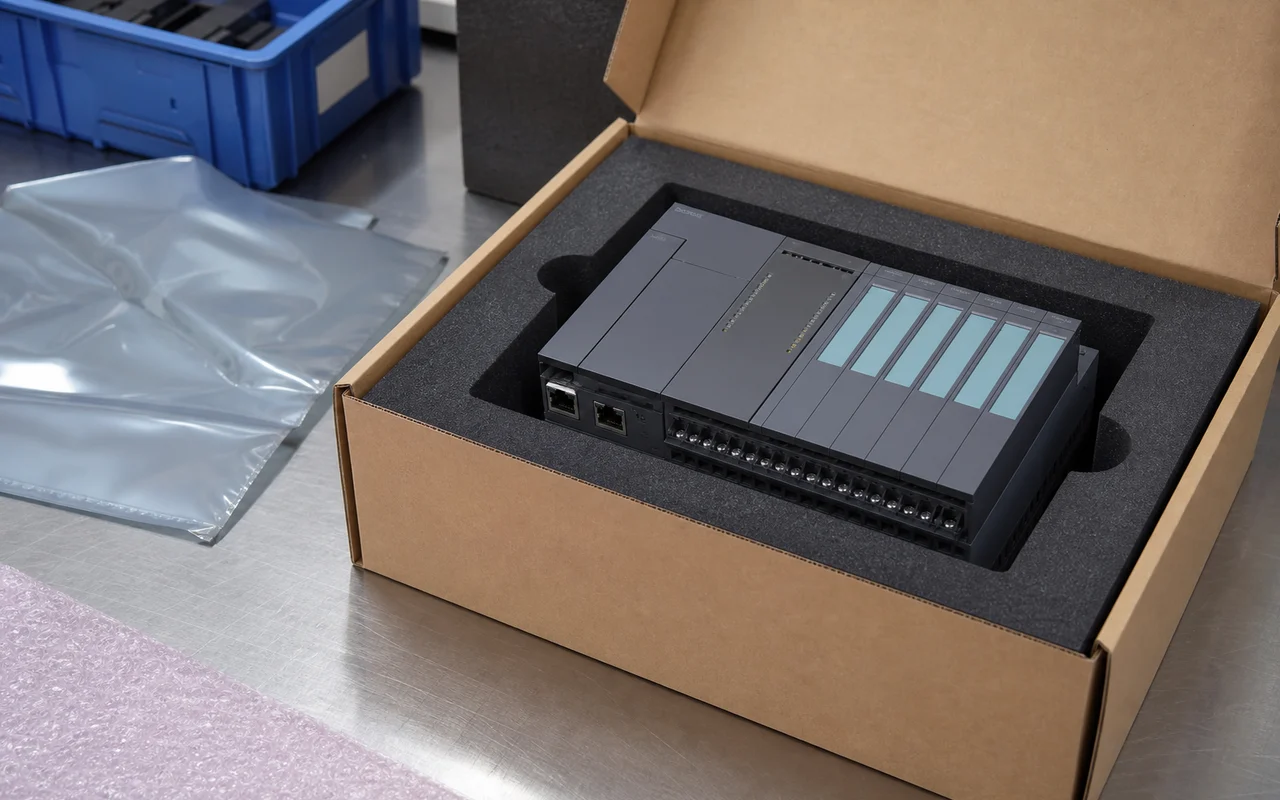 Secure Export Packing
Cushion protection and strong cartons ensure safe transportation.
 Worldwide Shipping
Global logistics network supports air, sea and express delivery.
 Documentation Check
Part number, revision and compatibility verified before shipment.
 After-sales Support
Professional technical support to help resolve your issues.