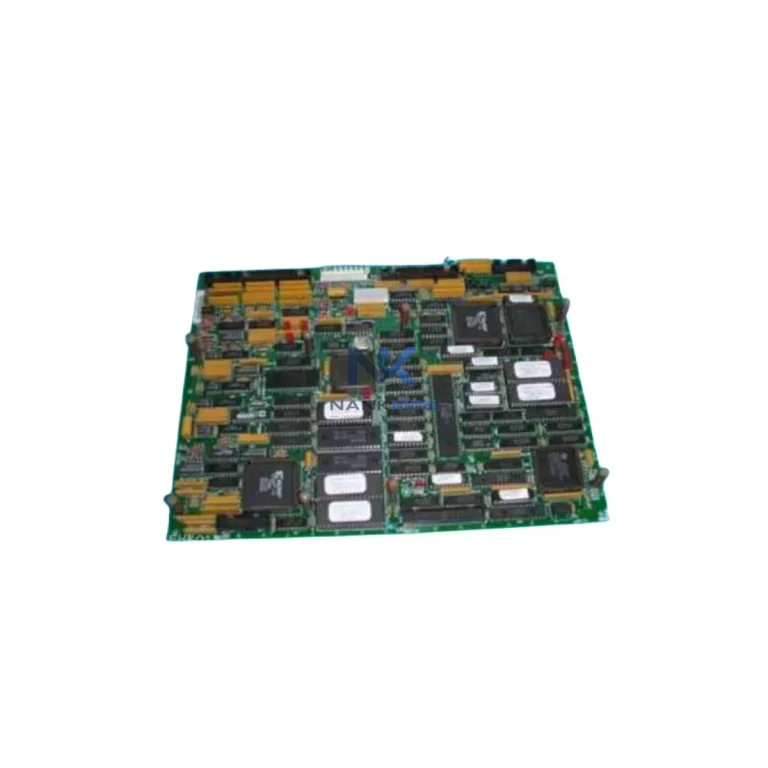
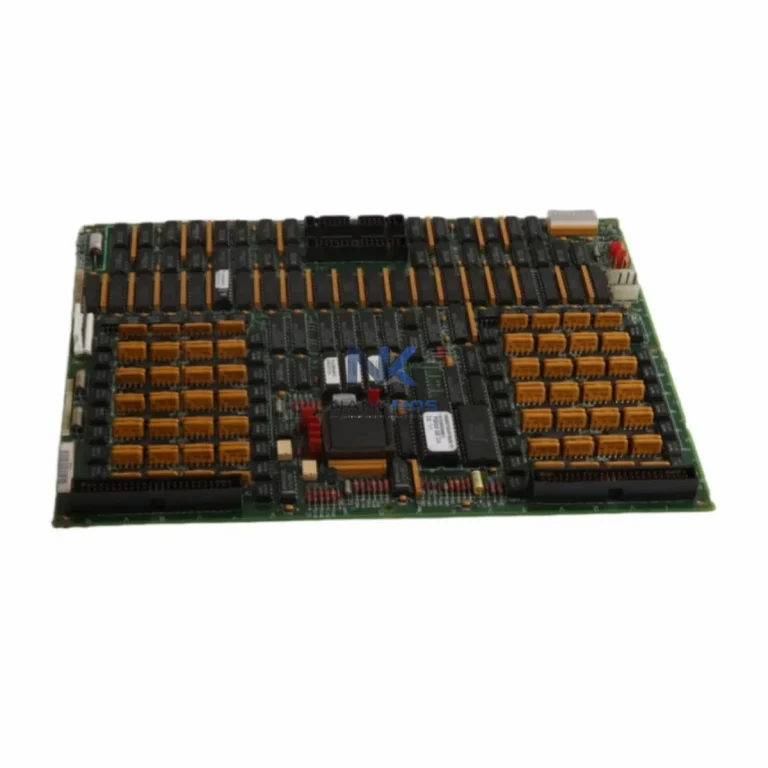
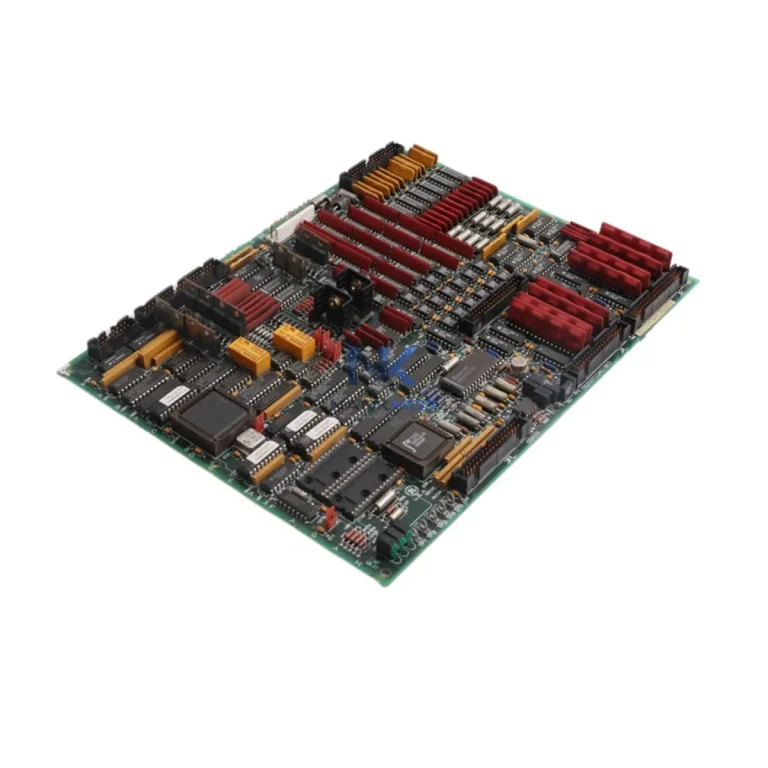
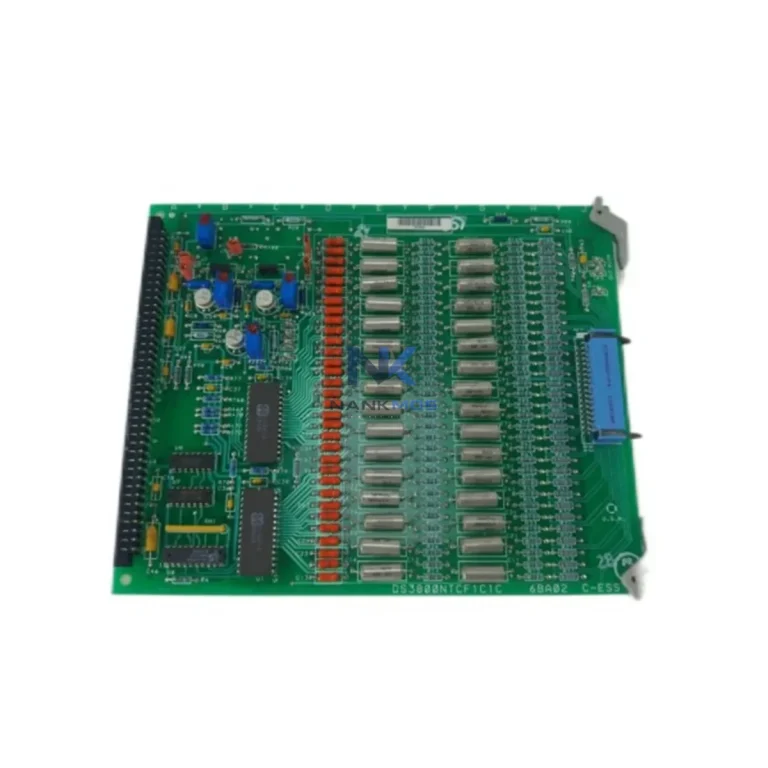
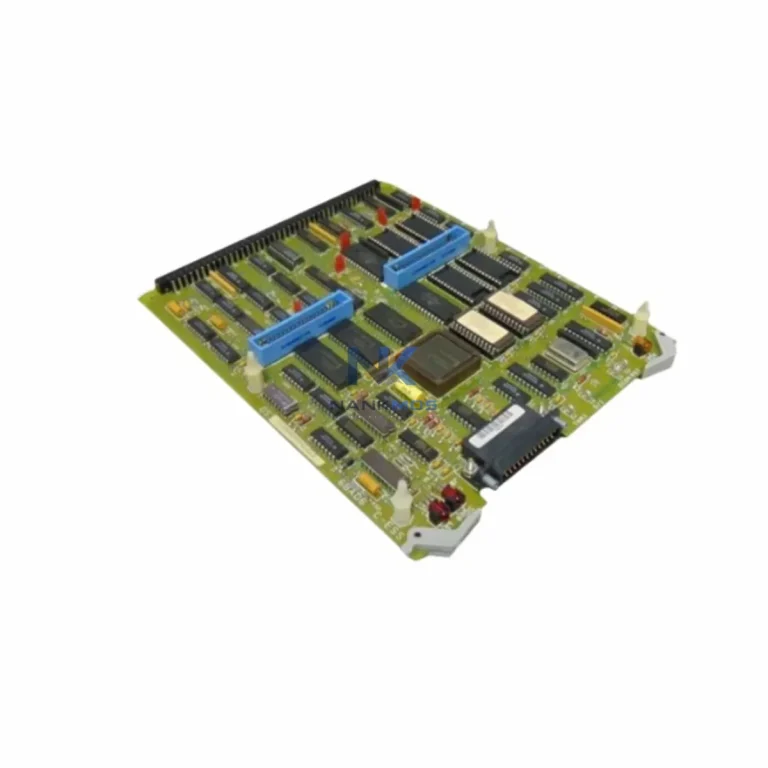
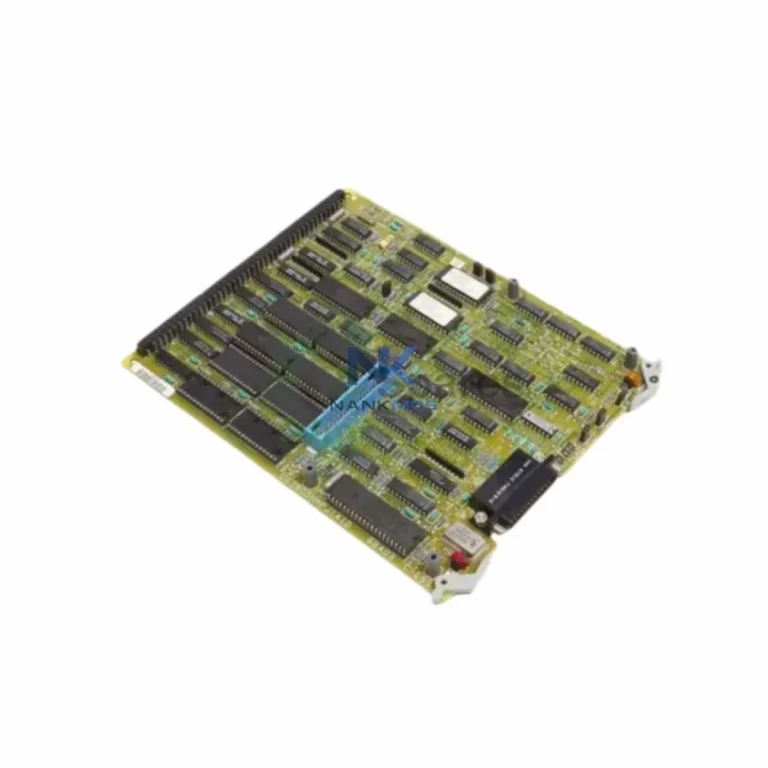
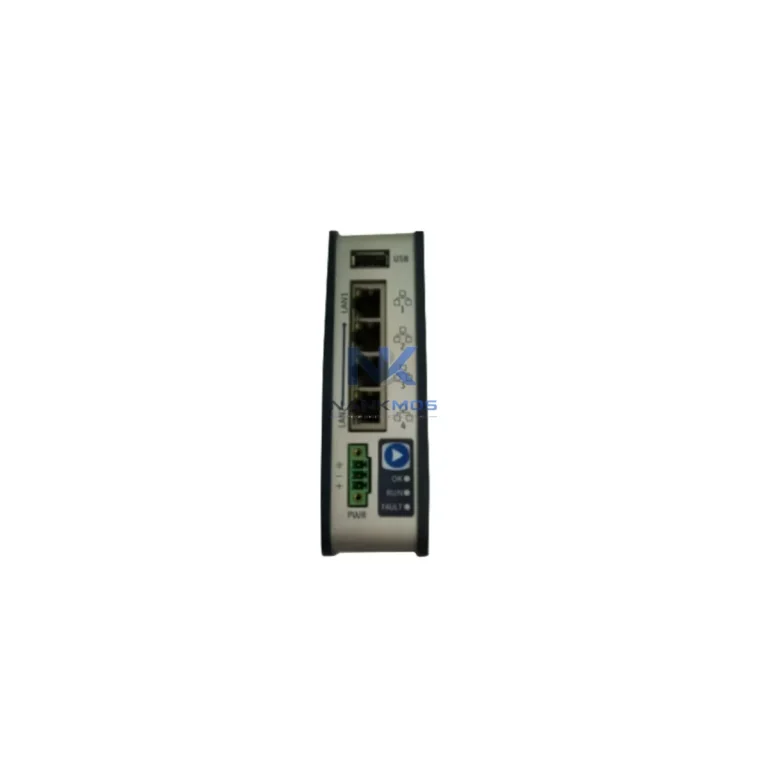
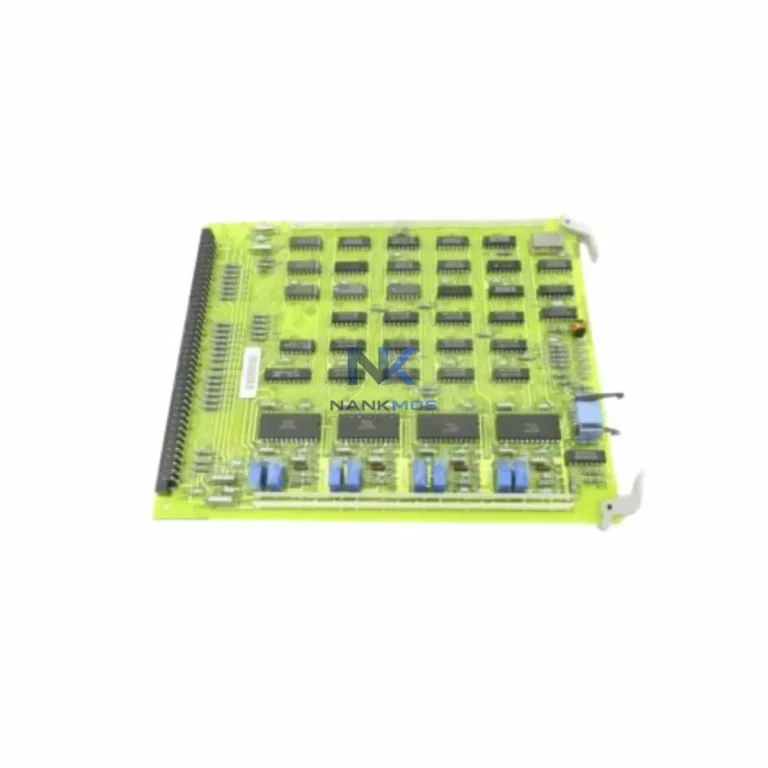
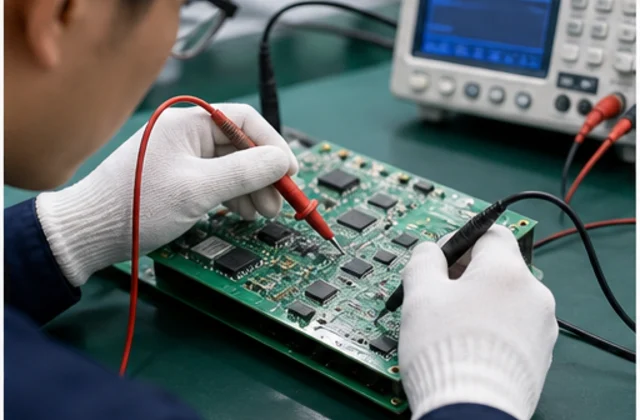
 Functional Inspection
100% tested on professional platforms to ensure stable performance.
GE IS200DSFCG1ADB is a NANKMOS industrial automation product record Listed under Mark VI series and Business & Industrial > Automation, Control & Flow Devices > Programmable Logic Controllers. Confirm condition, availability, lead time, compatibility and documentation by email inquiry.
Brand names are used for identification only.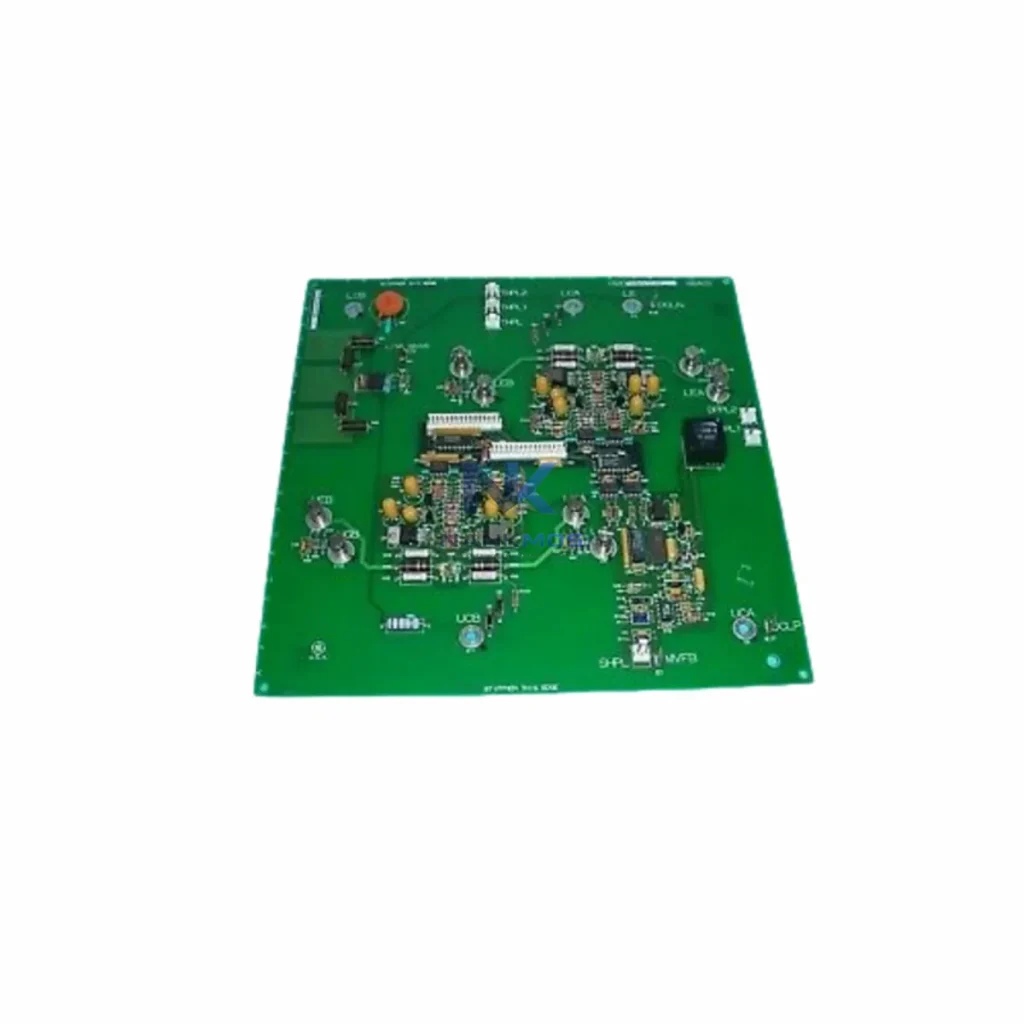
GE IS200DSFCG1ADB is a NANKMOS industrial automation product record Listed under Mark VI series and Business & Industrial > Automation, Control & Flow Devices > Programmable Logic Controllers. Confirm condition, availability, lead time, compatibility and documentation by email inquiry.
| Manufacturer | GE |
|---|---|
| Application | Controller Processing & System Control |
| Part Number / Model | IS200DSFCG1ADB |
| Compatible System | Mark VI |
| Series | Mark VI |
| Condition Options | To Confirm |
| Module Type | Controller / CPU Module |
| Warranty | 12 Months |
| Packaging | Anti-static Bag / Secure Box |
| Shipping Methods | DHL / FedEx / UPS / Air / Sea |
| Availability | To Confirm |
| Lead Time | To Confirm |
| Documentation | Part number and revision checked before quote |
The GE IS200DSFCG1ADB is a high-performance PCB module engineered for the GE Mark VI turbine control platform, purpose-built to deliver precise energy control, stable load management, and optimized production-line throughput in demanding industrial environments. As factories and power generation facilities push toward leaner energy profiles and higher equipment utilization, the IS200DSFCG1ADB serves as a critical signal-processing and control interface that bridges turbine operational data with the broader automation ecosystem — reducing unnecessary energy draw, minimizing thermal load, and sustaining consistent production cadence.
Sourced directly from verified industrial supply channels, every IS200DSFCG1ADB unit undergoes full functional testing prior to shipment, is backed by a 12-Month Warranty, and is available from in-stock inventory for rapid global deployment.
In a fully integrated Mark VI turbine control architecture, the IS200DSFCG1ADB does not operate in isolation — it functions as part of a tightly coordinated control fabric that spans multiple hardware layers. At the controller level, the GE IS215UCVEH2A VME controller card manages the primary execution environment, coordinating scan cycles and I/O arbitration across all installed modules. The IS200DSFCG1ADB interfaces directly with this controller to relay real-time process signals, enabling the turbine management system to make energy-aware decisions at millisecond resolution.
On the drive and motor control side, the IS200DSFCG1ADB works in concert with GE EX2100 excitation control systems and GE Mark VI IGBT gate driver boards to regulate generator field current and rotor excitation levels. By maintaining precise excitation control, the system avoids reactive power waste and keeps power factor within optimal bounds — directly reducing energy losses across the generator bus. When paired with GE IS200VTURH1BDB turbine protection modules, the IS200DSFCG1ADB contributes to a coordinated over-speed and load-trip strategy that prevents energy spikes during fault conditions.
For power monitoring and energy metering, the IS200DSFCG1ADB integrates with GE IS200EPCTG1A power conversion modules and external power quality analyzers connected via the Mark VI I/O bus. These instruments capture real-time kW, kVAR, and harmonic distortion data, feeding the SCADA layer — typically a GE iFIX or Wonderware System Platform HMI/SCADA environment — with actionable energy telemetry. Operators can then implement demand-response strategies, curtail non-essential loads during peak tariff windows, and schedule maintenance during low-production intervals to maximize equipment utilization.
Communication between the IS200DSFCG1ADB and upstream control systems is handled through the Mark VI's native IONET and ARCNET communication backbones, with optional gateway modules enabling Modbus TCP or OPC-UA bridging to plant-level MES and ERP platforms. This connectivity ensures that energy consumption data captured at the turbine control level is visible across the entire production network — from the DCS operator station to the energy management dashboard.
At the field device layer, the IS200DSFCG1ADB receives inputs from thermocouple input modules such as the GE IS200TTURH1CBB, exhaust temperature sensors, and vibration probes. These signals are processed to detect thermal anomalies and mechanical stress patterns before they escalate into unplanned shutdowns — a key pillar of predictive maintenance strategy. By acting on early warning data, plant operators can schedule corrective actions during planned outages rather than reacting to emergency trips, which are among the most energy-intensive and costly events in turbine operations.
The GE IS200DSFCG1ADB contributes to factory and power plant energy optimization across three primary dimensions: load stabilization, thermal burden reduction, and production cadence consistency.
Load Stabilization: By providing accurate, low-latency signal feedback to the Mark VI controller, the IS200DSFCG1ADB enables the turbine control system to modulate fuel flow and generator output in tight alignment with actual load demand. This eliminates the over-generation that commonly occurs when control feedback is delayed or inaccurate — a direct source of fuel waste and excess thermal output. In combined-cycle plants, this precision translates to measurable reductions in heat rate (BTU/kWh), improving overall plant efficiency.
Thermal Burden Reduction: The IS200DSFCG1ADB's low-power PCB design minimizes self-heating within the Mark VI control cabinet. In high-density control panel installations where multiple modules operate in parallel, cumulative heat generation can force HVAC systems to work harder, adding indirect energy costs. Modules engineered for low thermal dissipation — like the IS200DSFCG1ADB — reduce this secondary energy burden and extend the service life of adjacent components by keeping operating temperatures within optimal ranges.
Production Cadence Consistency: Unplanned turbine trips caused by control module failures are among the most disruptive events in power generation and process industries. Each unplanned shutdown triggers a cold-start or warm-start restart sequence that consumes significantly more fuel and time than steady-state operation. By maintaining a reliable, tested IS200DSFCG1ADB in service — supported by in-stock spare availability — plant operators can minimize mean time to repair (MTTR) and sustain the production cadence that energy efficiency targets depend on.
Across all three dimensions, the IS200DSFCG1ADB supports the broader goal of predictive maintenance: using real-time sensor data, historical fault logs, and condition monitoring to anticipate failures before they occur. When integrated with a SCADA-connected condition monitoring platform, the module's operational data contributes to machine learning models that predict remaining useful life (RUL) for turbine components — enabling maintenance teams to act on data rather than schedules.
Q1: How does the IS200DSFCG1ADB contribute to energy savings in a Mark VI turbine control system? The IS200DSFCG1ADB provides high-accuracy signal processing that enables the Mark VI controller to maintain tight load-following control. This reduces over-generation, minimizes fuel waste, and keeps the turbine operating at its most efficient point on the heat-rate curve. When combined with excitation control modules and power monitoring instrumentation, the system delivers measurable improvements in plant heat rate and auxiliary power consumption.
Q2: Is the IS200DSFCG1ADB compatible with both Mark VI and Mark VIe platforms? The IS200DSFCG1ADB is designed for the GE Mark VI turbine control platform. Compatibility with Mark VIe configurations should be verified against your specific system revision and backplane architecture. Our technical team can assist with cross-reference validation prior to order placement to ensure the correct module is selected for your control system revision.
Q3: What is the recommended replacement and testing process for this module? All IS200DSFCG1ADB units supplied by NANKMOS are functionally tested prior to shipment using Mark VI-compatible test bench procedures. Upon receipt, it is recommended to perform a bench verification test before installation. Replacement should follow GE Mark VI maintenance procedures: power down the affected I/O rack, remove the faulty module, install the replacement, and perform a system diagnostic scan via the Mark VI toolbox software to confirm signal integrity before returning the turbine to service.
Q4: What warranty and supply terms apply to this module? Every IS200DSFCG1ADB is covered by a 12-Month Warranty from the date of shipment. Units are held in in-stock inventory and are available for immediate dispatch to global destinations. For volume orders, lead time and pricing can be confirmed within one business day. Warranty claims are handled directly through NANKMOS with a streamlined RMA process to minimize downtime impact.
Functional Inspection100% tested on professional platforms to ensure stable performance.
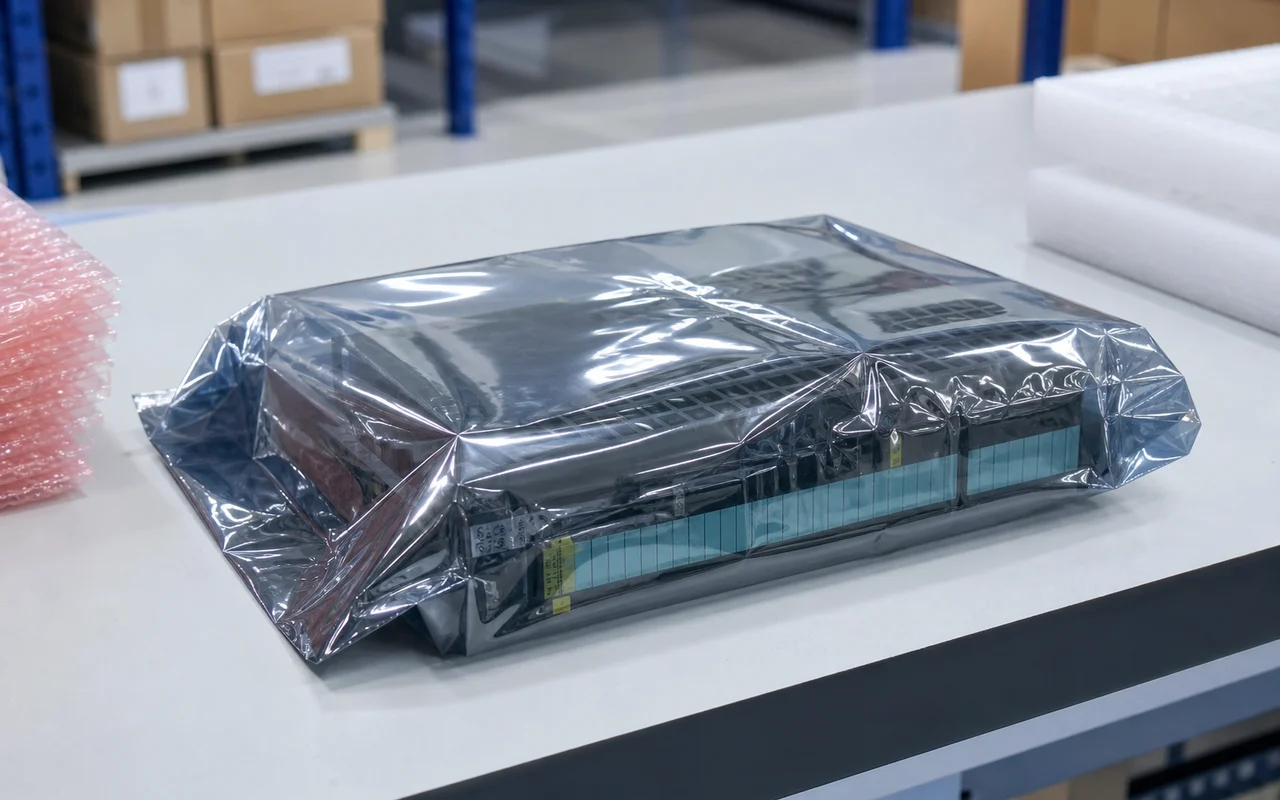 Anti-static Packaging
Modules are packed in anti-static bags to prevent electrostatic damage.
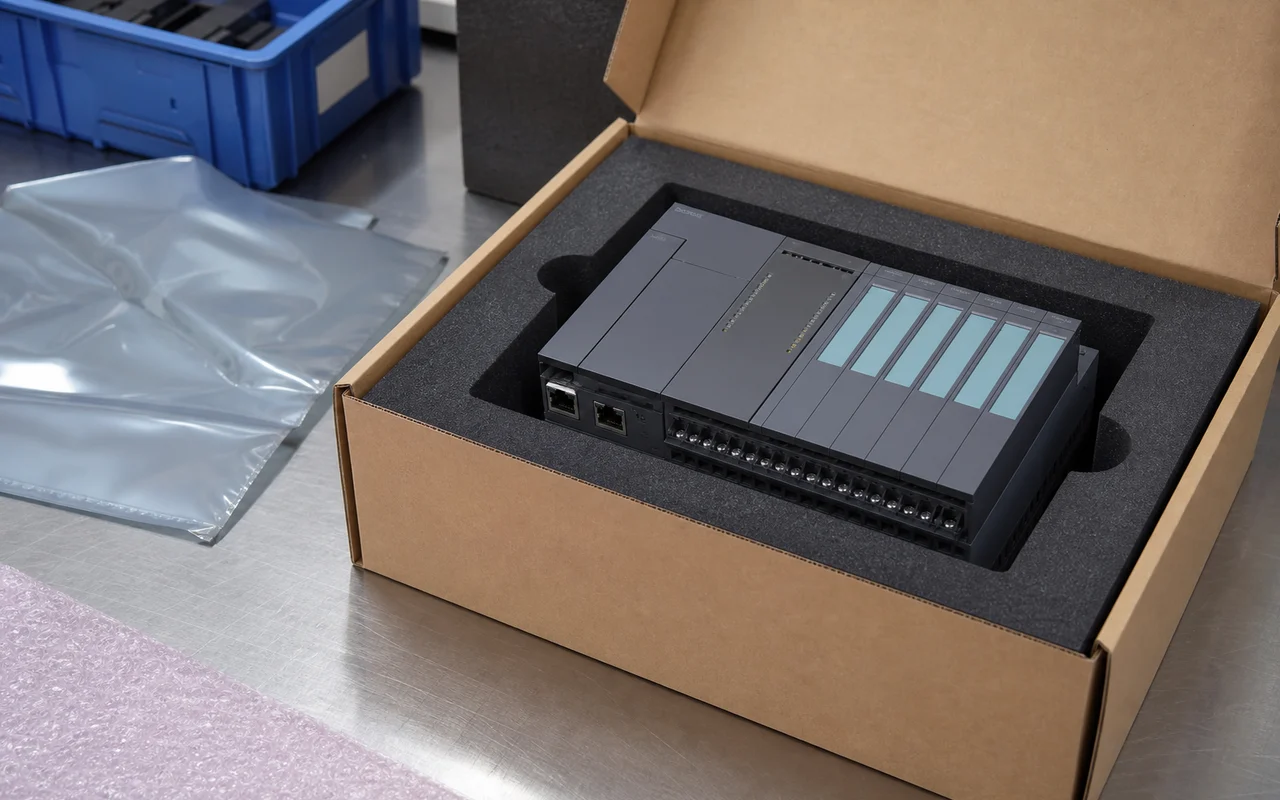 Secure Export Packing
Cushion protection and strong cartons ensure safe transportation.
 Worldwide Shipping
Global logistics network supports air, sea and express delivery.
 Documentation Check
Part number, revision and compatibility verified before shipment.
 After-sales Support
Professional technical support to help resolve your issues.