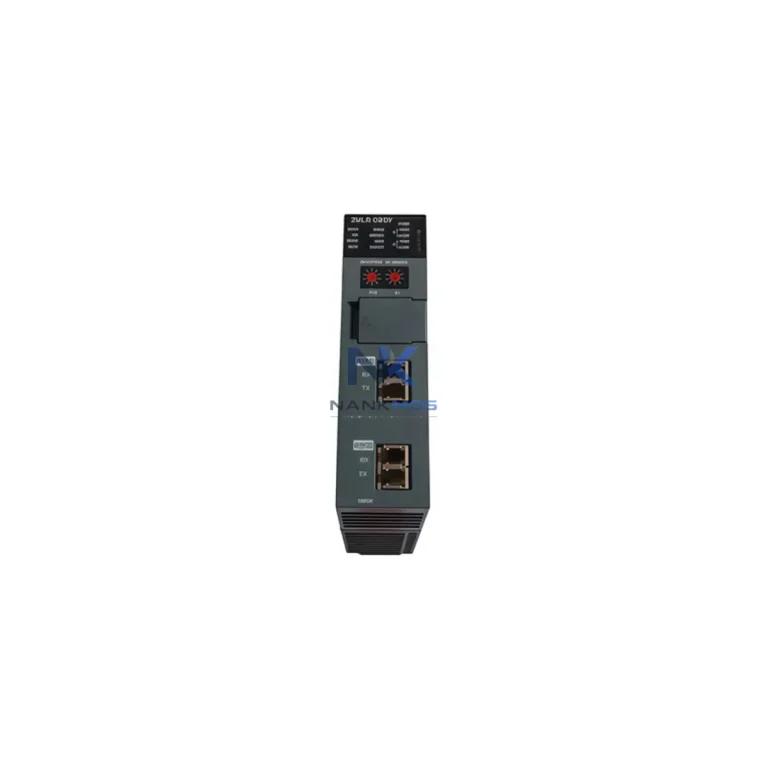
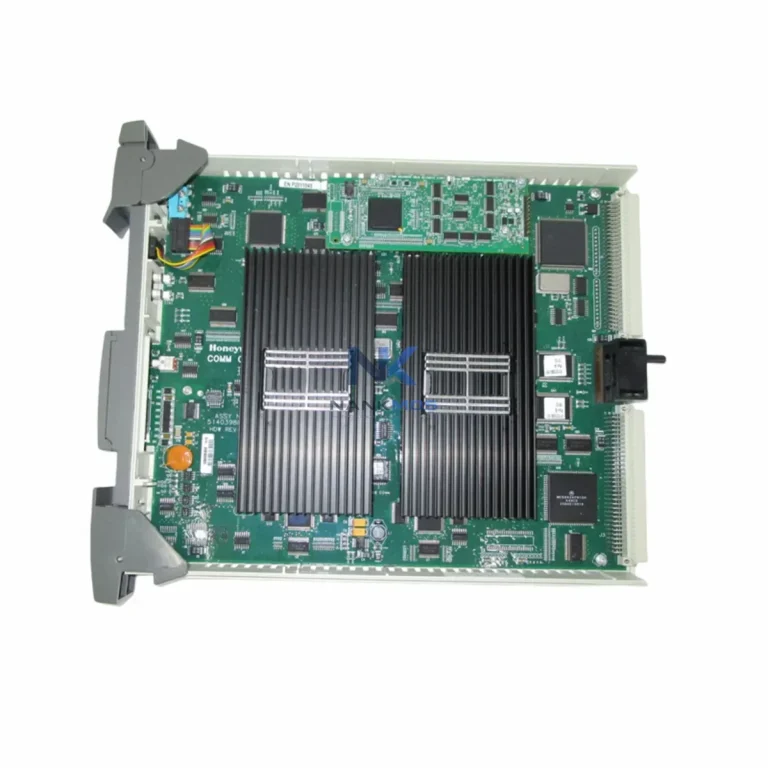
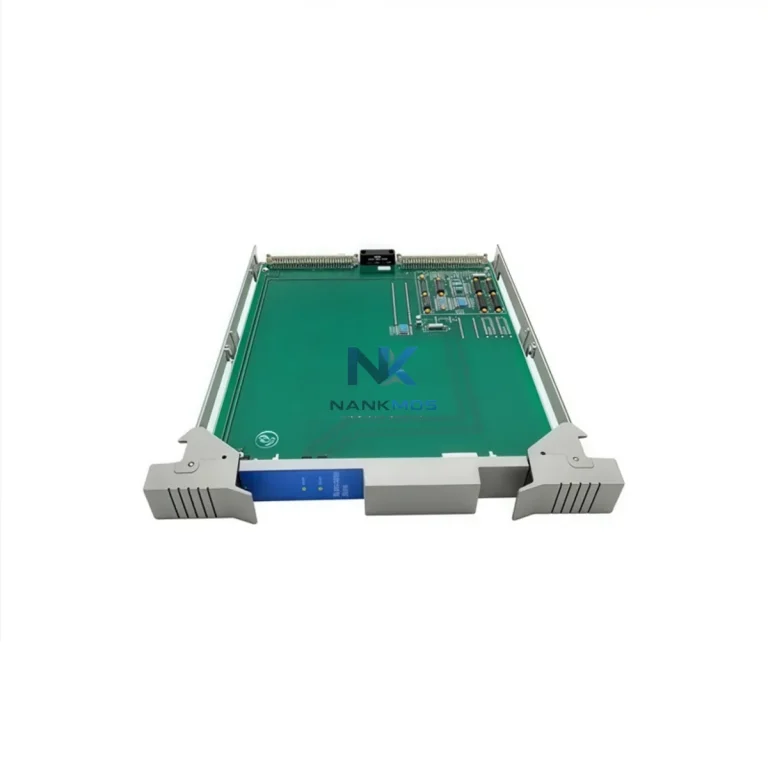
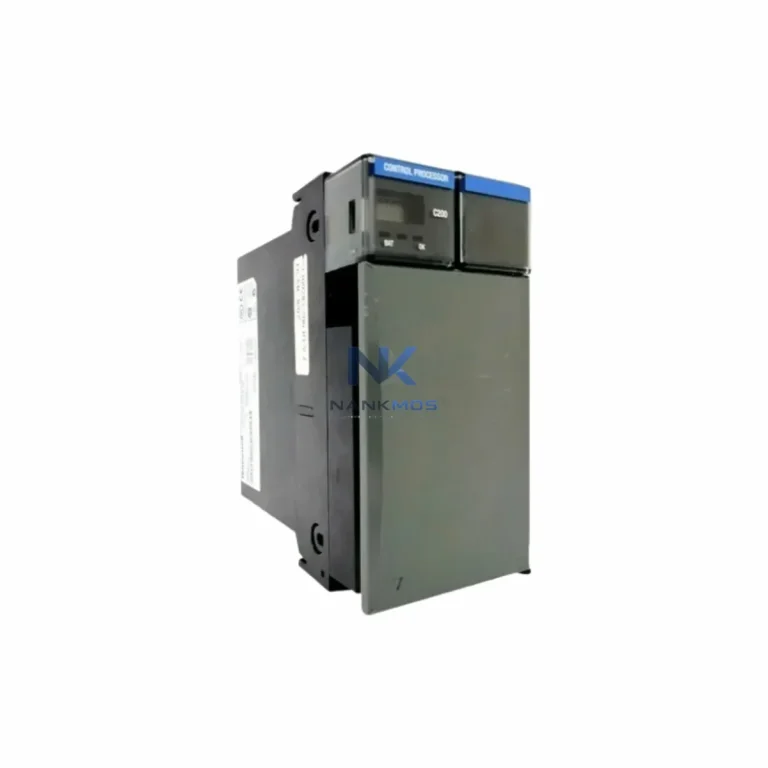
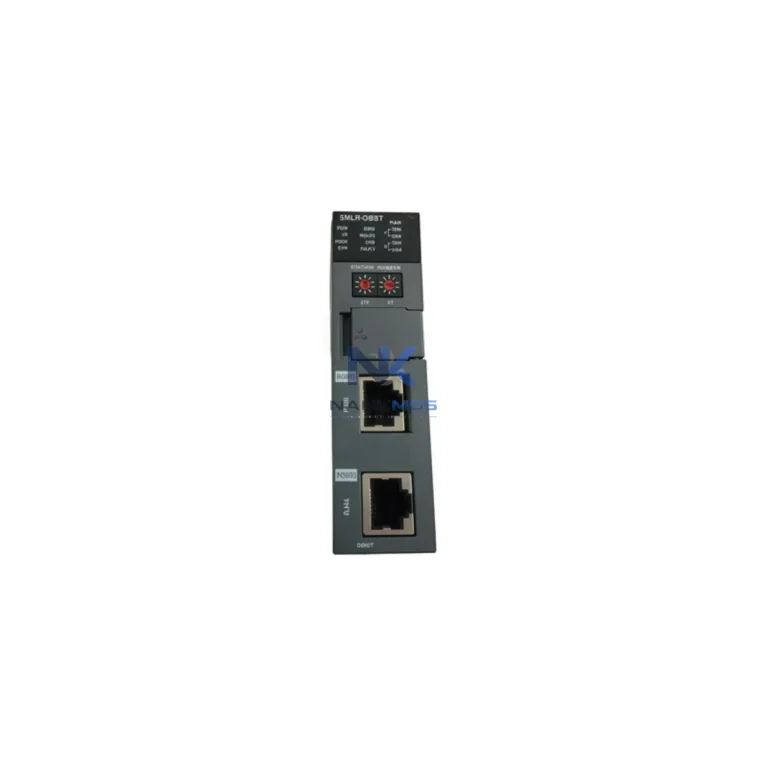
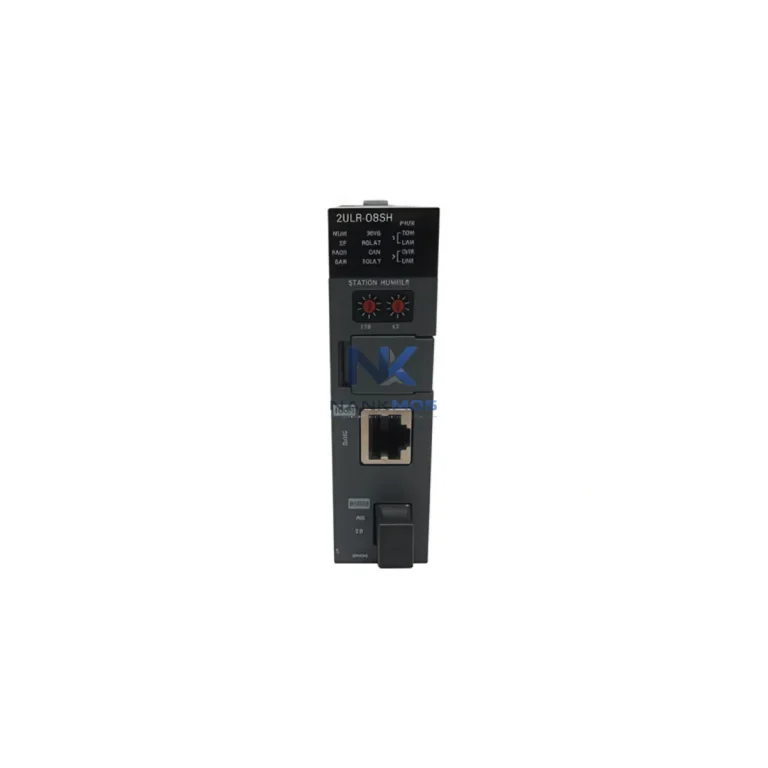
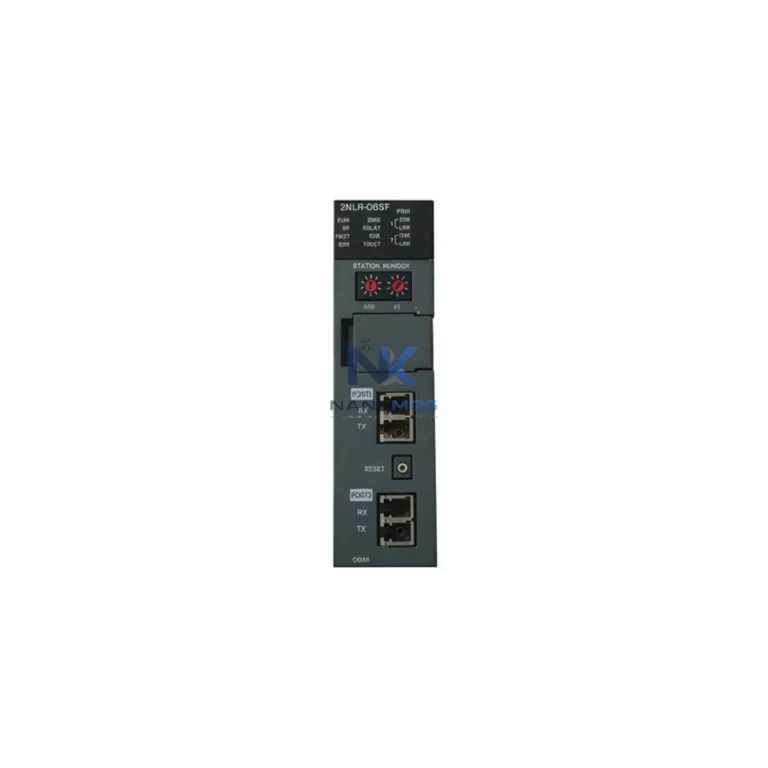
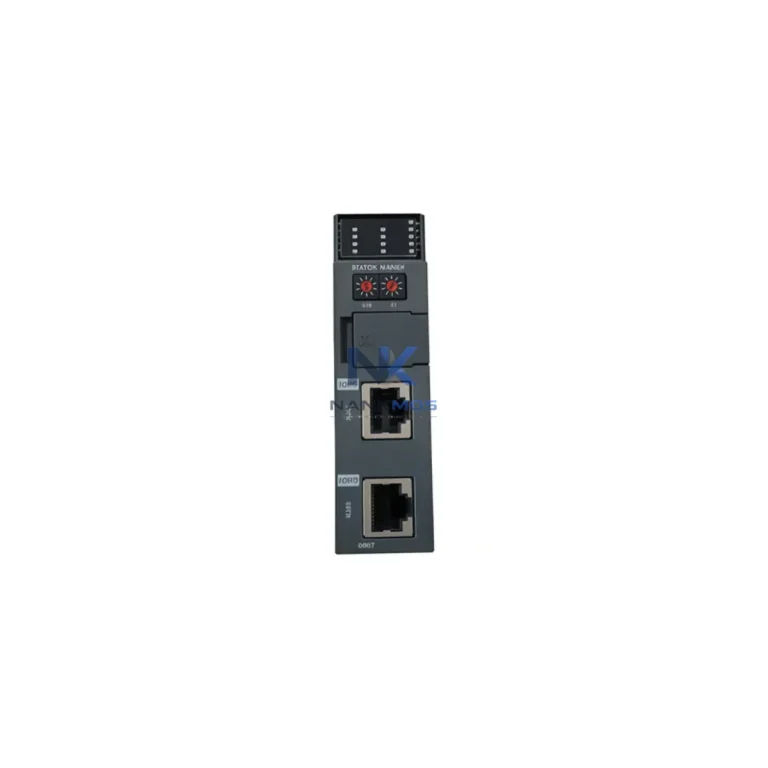
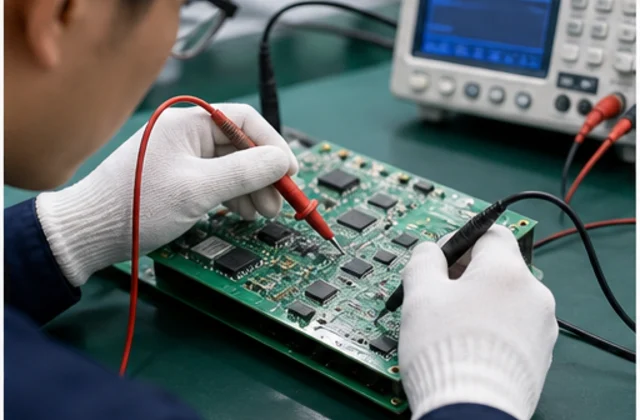
 Functional Inspection
100% tested on professional platforms to ensure stable performance.
Honeywell 10001/A/1 is a NANKMOS industrial automation product record Listed under TDC 3000 series and Drives. Confirm condition, availability, lead time, compatibility and documentation by email inquiry.
Brand names are used for identification only.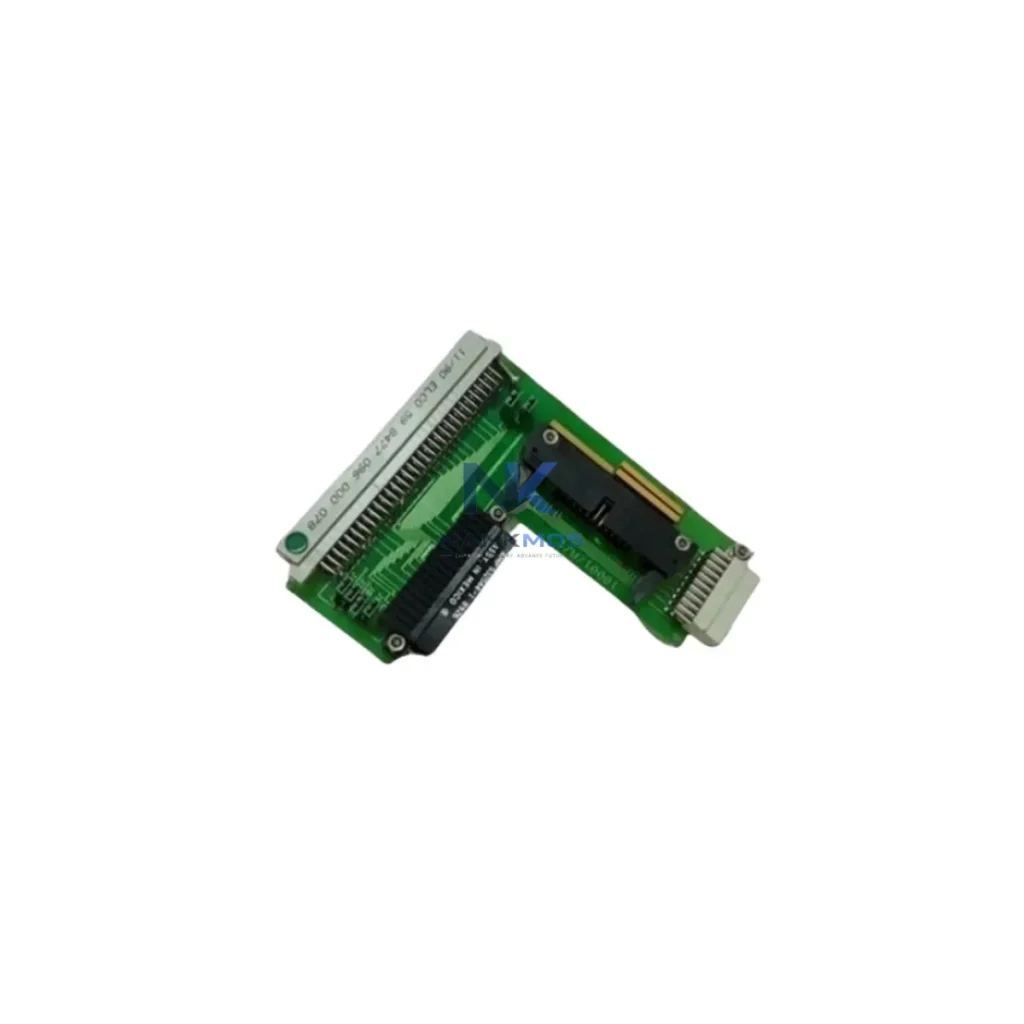
Honeywell 10001/A/1 is a NANKMOS industrial automation product record Listed under TDC 3000 series and Drives. Confirm condition, availability, lead time, compatibility and documentation by email inquiry.
| Manufacturer | Honeywell |
|---|---|
| Application | Motion Control & Drive System |
| Part Number / Model | 10001/A/1 |
| Compatible System | TDC 3000 |
| Series | TDC 3000 |
| Condition Options | To Confirm |
| Module Type | Servo / Drive Module |
| Warranty | 12 Months |
| Packaging | Anti-static Bag / Secure Box |
| Shipping Methods | DHL / FedEx / UPS / Air / Sea |
| Availability | To Confirm |
| Lead Time | To Confirm |
| Documentation | Part number and revision checked before quote |
The Honeywell 10001/A/1 Bus Driver is a foundational signal-layer component within the TDC 3000 Distributed Control System, engineered to sustain bus integrity across multi-node control architectures operating in continuous-process and batch-manufacturing environments. Its role is not limited to signal amplification — it is a system-coherence enabler that directly determines the reliability of data exchange between every module on the shared control bus.
In a fully deployed TDC 3000 architecture, the 10001/A/1 operates in close coordination with the Honeywell HPM (High-Performance Process Manager), which serves as the primary process control node managing regulatory, sequential, and advanced control strategies. The HPM depends on stable, low-latency bus communication to execute scan cycles without data collision or signal degradation — a dependency that the 10001/A/1 directly supports by maintaining bus drive strength across extended cable runs and multi-drop topologies.
At the I/O layer, field signal modules such as the Honeywell FTA (Field Termination Assembly) series and analog input/output cards interface with the HPM through the UCN or LCN backbone. Any bus signal attenuation at this layer introduces scan delays, false reads, or module dropouts. The 10001/A/1 eliminates this risk by providing consistent drive current to all downstream nodes, ensuring that I/O modules including thermocouple input cards, 4–20 mA analog output modules, and discrete I/O assemblies maintain synchronous communication with the process manager.
The communication layer of the TDC 3000 platform relies on the Local Control Network (LCN) as its primary data highway. Components such as the Honeywell NIM (Network Interface Module) and the AM (Application Module) depend on this highway for historian data upload, operator command routing, and alarm management. The 10001/A/1 sustains the electrical conditions necessary for these high-priority data transactions to occur without packet loss or arbitration failure, particularly in architectures where the LCN spans multiple cabinets or plant areas.
Power supply integrity is equally critical. The Honeywell TDC 3000 power supply modules — including redundant 24 VDC rail assemblies — must deliver stable voltage to the bus driver and all connected modules. In redundant power configurations, the 10001/A/1 continues to operate seamlessly during power supply switchover events, maintaining bus drive continuity without requiring a system restart or manual intervention.
At the HMI layer, Honeywell GUS (Global User Station) and US (Universal Station) operator consoles rely on real-time process data delivered through the LCN. The 10001/A/1 ensures that the data pipeline between field I/O, process managers, and operator displays remains uninterrupted, supporting alarm response times and process visualization accuracy that are critical in high-consequence environments such as refinery distillation units, power plant boiler controls, and chemical reactor management systems.
For redundancy-critical applications, the 10001/A/1 is typically deployed in paired configurations alongside redundant HPM nodes and dual-path LCN cabling. This architecture ensures that a single bus driver failure does not result in a process upset. The module's design supports hot-standby topologies where the secondary bus driver assumes full drive responsibility within milliseconds of a primary fault, maintaining system availability in SIL-rated and high-uptime process environments.
Diagnostic efficiency is enhanced by the module's compatibility with Honeywell's system-level fault reporting tools. Maintenance engineers can identify bus signal degradation, drive current anomalies, or module communication errors through the TDC 3000 system console without requiring physical inspection of the cabinet. This capability reduces mean time to repair (MTTR) and supports predictive maintenance workflows in facilities operating under ISO 55000 asset management frameworks.
All units supplied are fully tested against TDC 3000 bus electrical specifications prior to dispatch. Each 10001/A/1 is covered by a 12-Month Warranty encompassing hardware integrity, bus drive performance, and signal output conformance. Inventory is maintained in-stock for immediate dispatch, supporting both planned maintenance schedules and emergency replacement requirements.
The Honeywell 10001/A/1 Bus Driver is deployed across a broad spectrum of continuous-process and discrete-manufacturing industries where TDC 3000 remains the installed control platform of record.
In petroleum refining and petrochemical processing, the module sustains bus communication between HPM nodes managing crude distillation, catalytic cracking, and hydrotreatment units. Signal integrity at the bus layer is non-negotiable in these environments, where a communication fault can trigger emergency shutdowns or safety system activations.
In power generation — including coal-fired, gas turbine, and combined-cycle plants — the 10001/A/1 supports boiler management systems, turbine control loops, and grid synchronization sequences. The module's ability to maintain bus drive under high-EMI cabinet conditions makes it well-suited for generator hall and switchgear room installations.
Water and wastewater treatment facilities operating TDC 3000 for pump sequencing, chemical dosing, and filtration control rely on the bus driver to maintain communication between distributed I/O nodes across geographically separated pump stations and treatment basins.
In mining and mineral processing, the module supports conveyor control, crusher management, and flotation cell automation where TDC 3000 systems manage high-tonnage continuous operations. Bus reliability directly impacts throughput and safety interlock response.
Marine and offshore platform automation systems using TDC 3000 for ballast control, cargo management, and engine room automation benefit from the 10001/A/1's robust bus drive performance in vibration-prone and humidity-variable environments.
Q1: Is the Honeywell 10001/A/1 compatible with both LCN and UCN bus topologies in TDC 3000 systems?A: The 10001/A/1 is designed for use within the TDC 3000 bus architecture and is compatible with the system's standard backplane and coaxial bus configurations. For specific topology confirmation — LCN versus UCN deployment — engineers should verify against the installed system's network configuration documentation and Honeywell TDC 3000 hardware compatibility matrices. All units supplied are tested to bus electrical specifications prior to dispatch.
Q2: Can the 10001/A/1 be installed in a redundant bus driver configuration, and what is the switchover behavior?A: Yes. The TDC 3000 architecture supports redundant bus driver deployment. In a dual-driver configuration, the secondary unit assumes bus drive responsibility automatically upon detection of a primary driver fault, with switchover occurring within the system's defined fault response window. This configuration is recommended for SIL-rated applications and high-availability process environments. Consult your TDC 3000 system architecture documentation for slot assignment and redundancy configuration procedures.
Q3: What does the 12-Month Warranty cover, and what is the typical lead time for replacement units?A: The 12-Month Warranty covers hardware defects, bus drive signal integrity, and electrical output conformance under normal operating conditions. Units exhibiting performance degradation within the warranty period are eligible for replacement or repair. Inventory is maintained in-stock for immediate dispatch, with standard lead times of 1–3 business days for stocked units. For urgent replacement requirements in active process environments, expedited dispatch is available — contact the sales team directly to confirm current stock status and shipping options.
Functional Inspection100% tested on professional platforms to ensure stable performance.
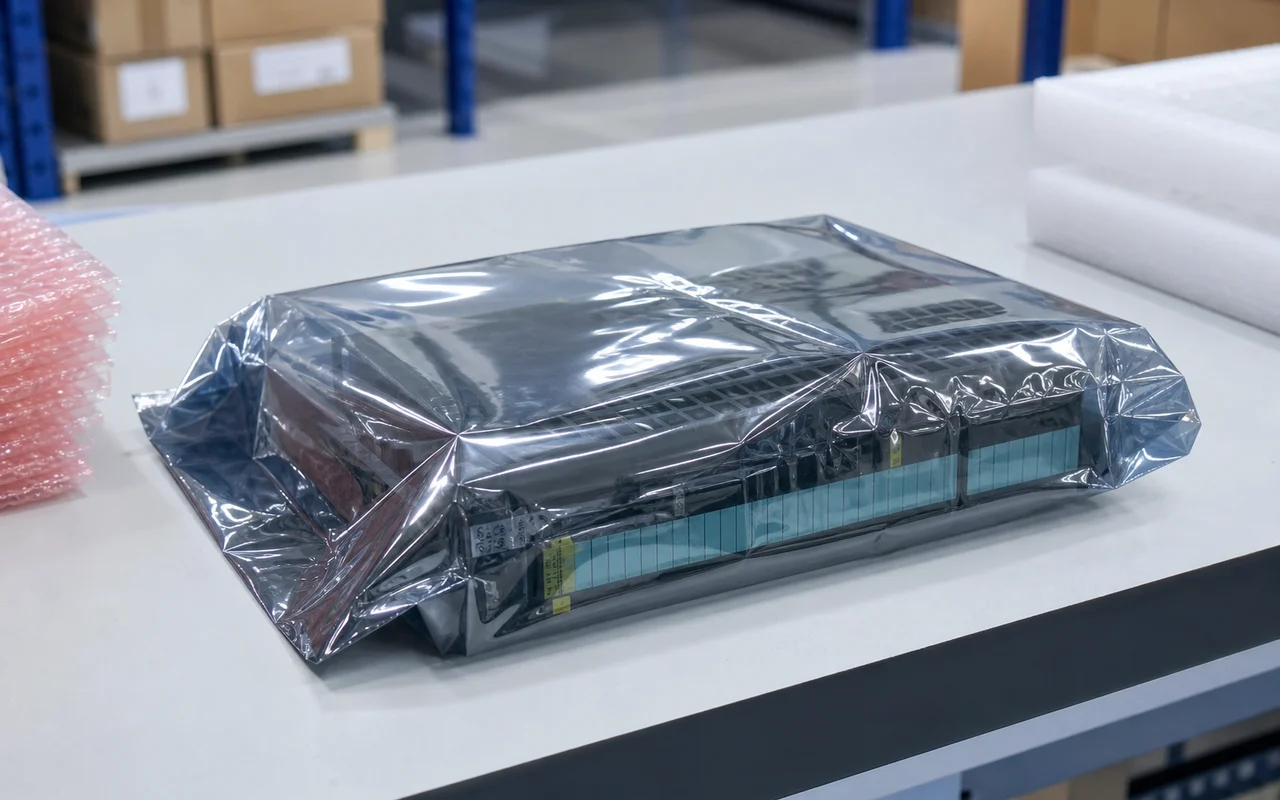 Anti-static Packaging
Modules are packed in anti-static bags to prevent electrostatic damage.
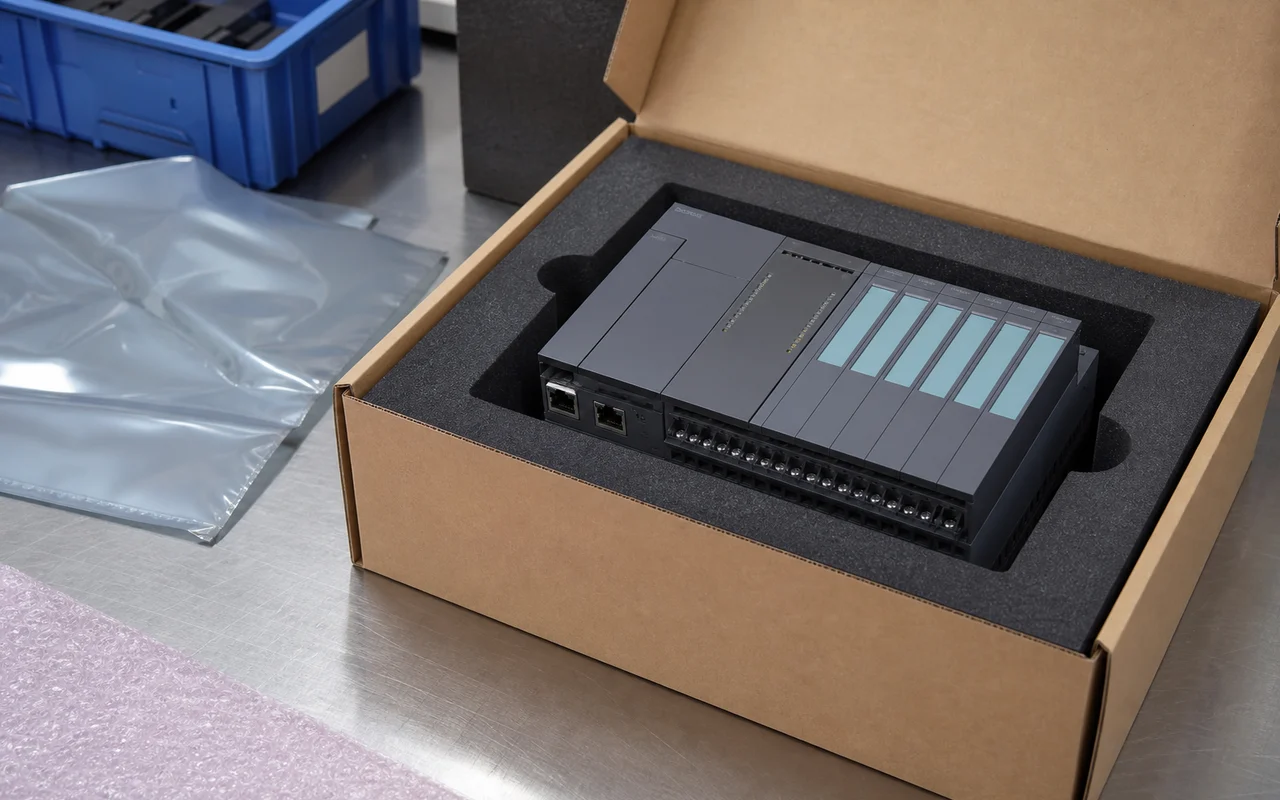 Secure Export Packing
Cushion protection and strong cartons ensure safe transportation.
 Worldwide Shipping
Global logistics network supports air, sea and express delivery.
 Documentation Check
Part number, revision and compatibility verified before shipment.
 After-sales Support
Professional technical support to help resolve your issues.