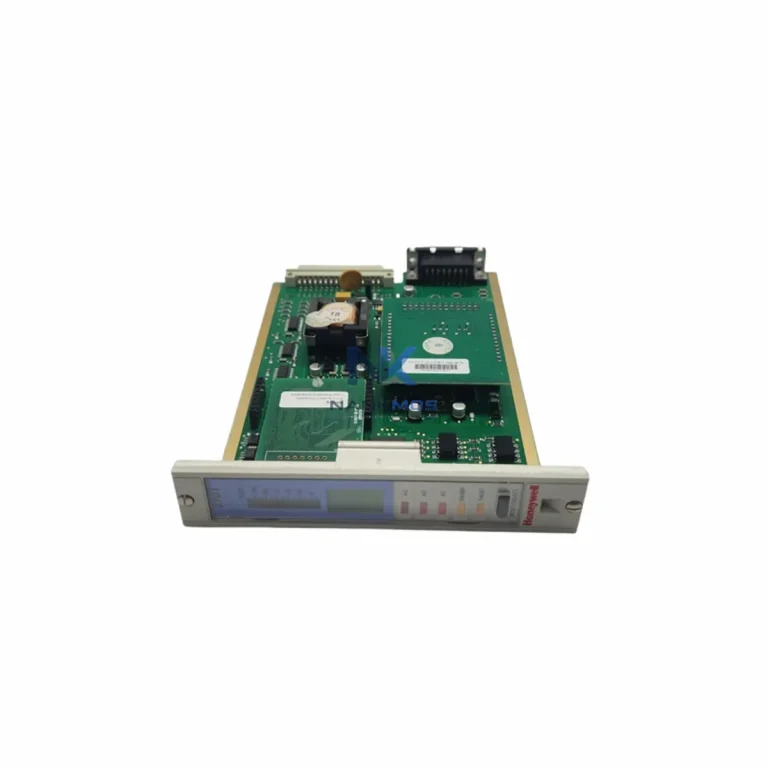
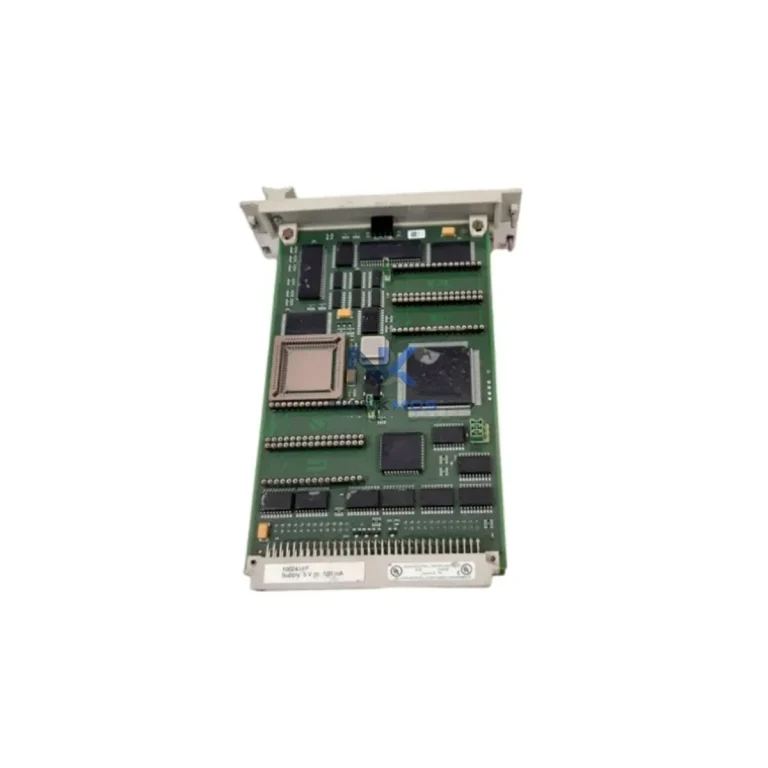
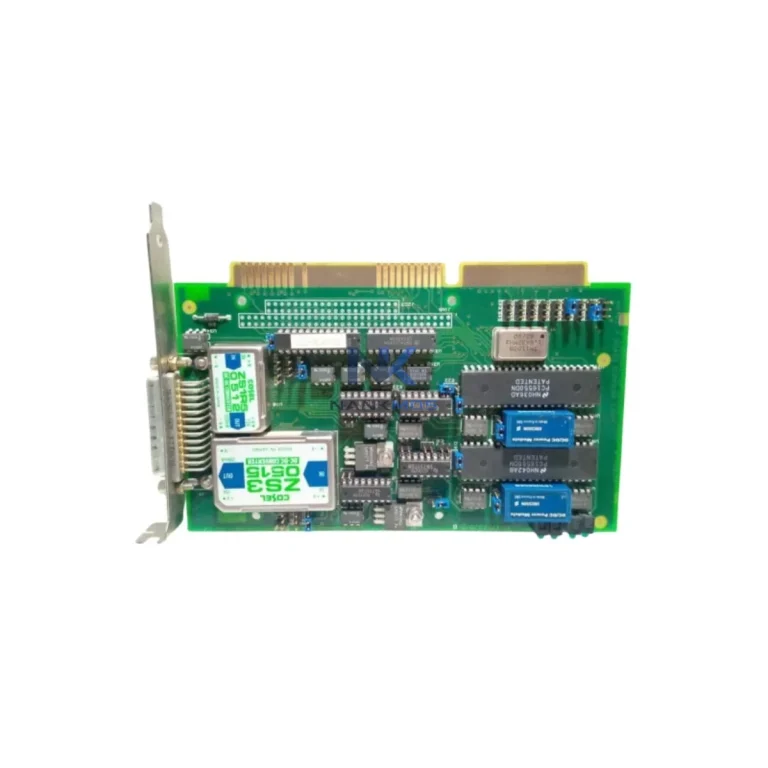
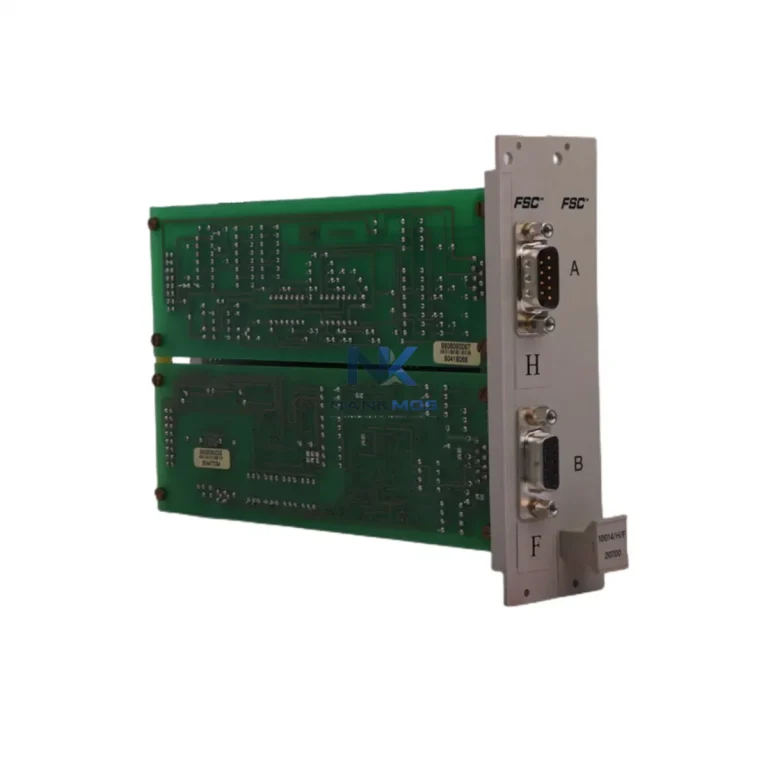
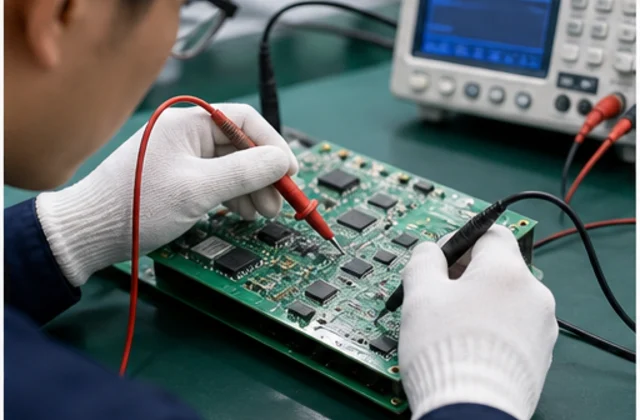
 Functional Inspection
100% tested on professional platforms to ensure stable performance.
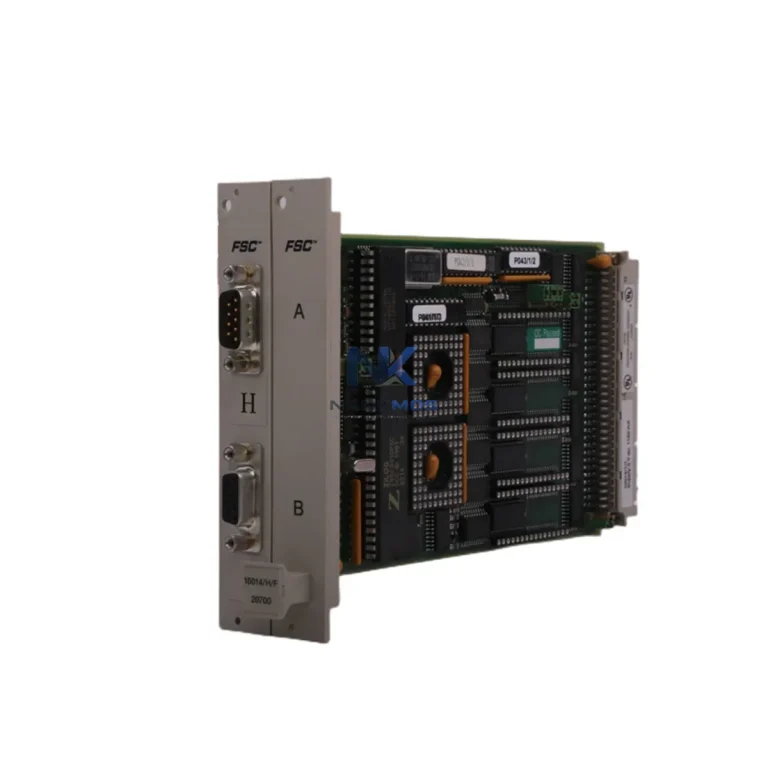
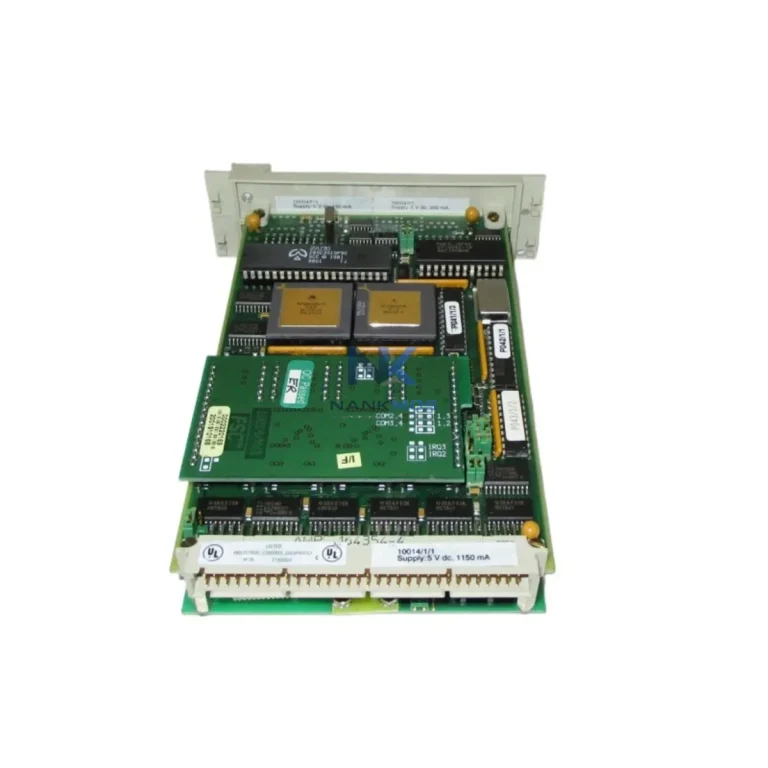
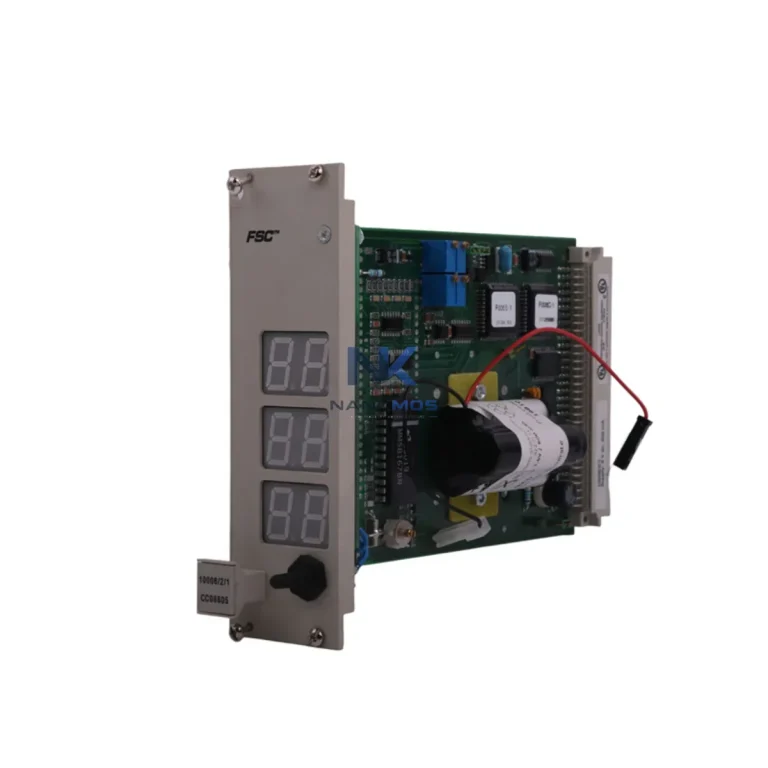
Honeywell 10008/2/U is a NANKMOS industrial automation product record Listed under TDC 3000 series and Business & Industrial > Automation, Control & Flow Devices > Programmable Logic Controllers. Confirm condition, availability, lead time, compatibility and documentation by email inquiry.
Brand names are used for identification only.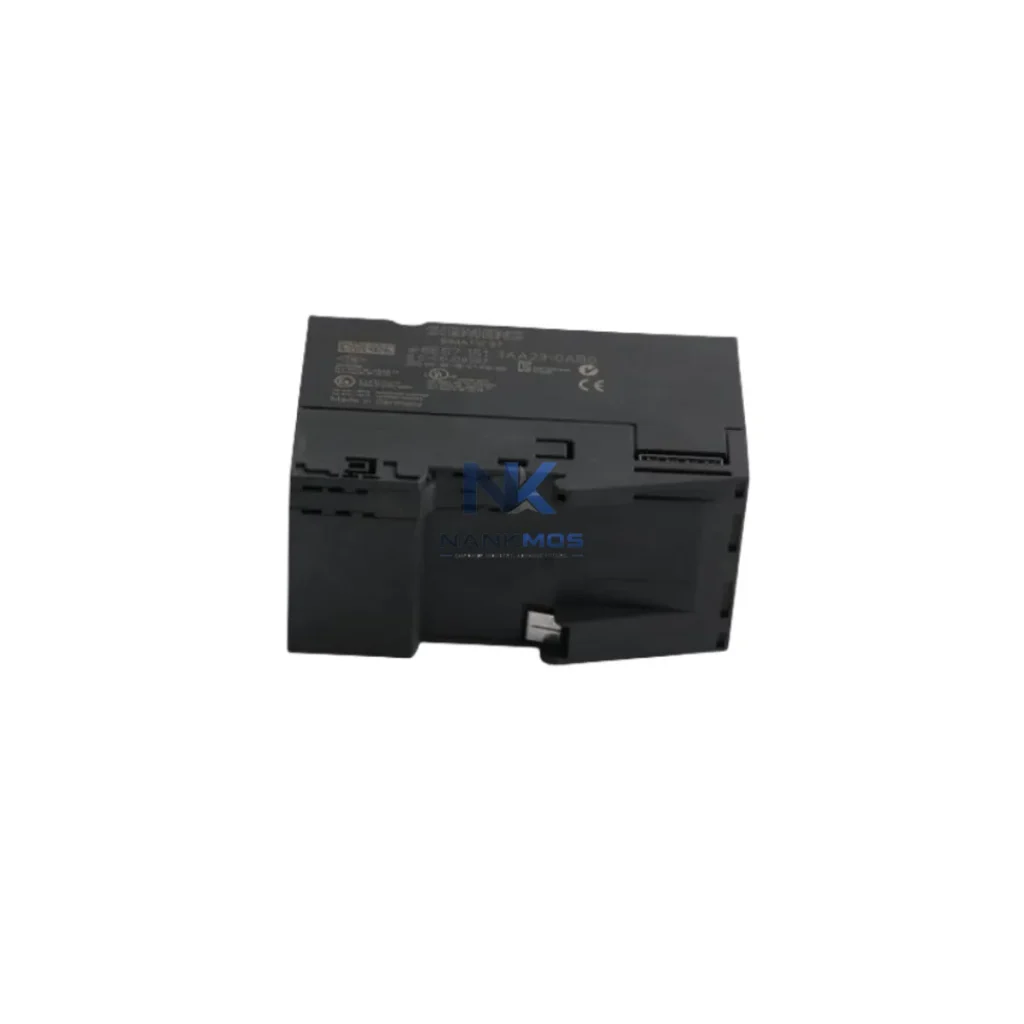
Honeywell 10008/2/U is a NANKMOS industrial automation product record Listed under TDC 3000 series and Business & Industrial > Automation, Control & Flow Devices > Programmable Logic Controllers. Confirm condition, availability, lead time, compatibility and documentation by email inquiry.
| Manufacturer | Honeywell |
|---|---|
| Application | Controller Processing & System Control |
| Part Number / Model | 10008/2/U |
| Compatible System | TDC 3000 |
| Series | TDC 3000 |
| Condition Options | none_detected |
| Module Type | Controller / CPU Module |
| Warranty | 12 Months |
| Packaging | Anti-static Bag / Secure Box |
| Shipping Methods | DHL / FedEx / UPS / Air / Sea |
| Availability | To Confirm |
| Lead Time | To Confirm |
| Documentation | Part number and revision checked before quote |
The Honeywell 10008/2/U is a high-reliability communication module engineered for the TDC 3000 Distributed Control System platform — one of the most widely deployed process automation architectures in refining, petrochemical, power generation, and continuous manufacturing environments. Designed to serve as a critical data bridge between field devices and supervisory control layers, the 10008/2/U enables real-time process visibility, coordinated load management, and measurable reductions in energy consumption across complex production lines.
In modern industrial facilities, communication latency and data fragmentation are among the leading causes of energy inefficiency. When field instruments, actuators, and control nodes cannot exchange status information reliably, control loops operate with degraded feedback, motors run beyond their optimal duty cycles, and drives compensate with excess power draw. The Honeywell 10008/2/U eliminates these gaps by maintaining stable, low-latency data pathways between the TDC 3000 Highway Gateway Module (HGM), Local Control Networks (LCN), and process-level I/O subsystems — ensuring that every energy-consuming device in the loop receives accurate, timely commands.
Each unit is sourced from verified inventory channels, subjected to full pre-shipment functional testing, and backed by a 12-month warranty covering operational defects under normal industrial service conditions.
The Honeywell 10008/2/U operates at the intersection of process control and energy management. In a fully integrated TDC 3000 environment, this module works in concert with the Honeywell HPM (High-Performance Process Manager) to execute regulatory and advanced control strategies that directly govern energy-intensive field devices. When the HPM issues a setpoint change to a control valve or a variable-speed pump, the 10008/2/U ensures that command reaches the field node without retransmission delays — eliminating the wasted energy cycles that occur when drives hunt for a stable operating point.
On the drive side, the module's reliable LCN communication supports coordinated operation with variable frequency drives (VFDs) connected through UCN-linked I/O subsystems. By delivering consistent process variable feedback to the control layer, the 10008/2/U allows VFDs to maintain optimal speed profiles rather than defaulting to maximum output — a direct contributor to motor energy savings of 20–40% in pump and fan applications.
Integration with Honeywell AM (Application Module) nodes enables plant-wide energy accounting. The AM aggregates real-time data from power monitoring instruments — including flow transmitters, pressure sensors, and energy meters connected via Honeywell PM I/O (Process Manager I/O) cards — and uses that data to calculate specific energy consumption per unit of production output. The 10008/2/U's role in maintaining data integrity across this network is foundational to accurate energy KPI reporting.
For facilities running Honeywell's Plant Supervisory Control or third-party SCADA systems via OPC or DDE gateways, the 10008/2/U supports the upstream data aggregation that feeds energy dashboards and demand-response algorithms. When integrated with Honeywell's Universal Station (US) or GUS (Global User Station) HMI consoles, operators gain real-time visibility into load distribution across production units — enabling manual or automated load shedding during peak tariff periods.
The module also plays a supporting role in Honeywell's Fault Tolerant Ethernet (FTE) and redundant LCN architectures, where communication continuity directly prevents unplanned shutdowns. Unplanned stops in continuous process plants carry significant energy penalties: restarting a cracking furnace or a large compressor train consumes multiples of normal steady-state energy. By maintaining communication redundancy, the 10008/2/U reduces the frequency and duration of these high-energy restart events.
Field-level sensors — including Honeywell SmartLine pressure and temperature transmitters — feed their measurements through UCN-connected I/O into the LCN via this communication module. The accuracy and timeliness of that sensor data determines how precisely the control system can minimize energy input while maintaining product quality targets. A degraded or failed communication module introduces measurement latency that forces conservative (energy-wasteful) control margins; the 10008/2/U eliminates that risk.
Continuous process plants — refineries, chemical complexes, power stations, and large-scale manufacturing facilities — operate under constant pressure to reduce specific energy consumption (SEC) without compromising throughput or product quality. The Honeywell 10008/2/U contributes to this objective across several dimensions.
Reduced Control Loop Dead Time: Every millisecond of communication latency in a regulatory control loop translates to controller detuning — wider proportional bands, longer integral times, and larger process variable excursions. These excursions mean that temperature, pressure, and flow are allowed to deviate further from setpoint before correction, which in turn means that heating and cooling systems, compressors, and pumps work harder than necessary. The 10008/2/U's reliable LCN throughput keeps dead time minimal, allowing tighter tuning and lower energy consumption per unit of controlled output.
Motor and Drive Efficiency: In applications where the TDC 3000 system governs large motor-driven loads — boiler feed pumps, cooling water pumps, air compressors, and extruder drives — the quality of the communication link between the process manager and the drive control interface directly affects energy efficiency. Stable, low-error communication from the 10008/2/U allows the HPM to implement advanced control strategies such as cascade control, feedforward compensation, and model-predictive setpoint optimization, all of which reduce the energy demanded from rotating equipment.
Thermal Load Reduction: Control cabinets housing TDC 3000 modules generate heat proportional to their power draw and processing load. A module that operates within its design envelope — as the 10008/2/U does when properly maintained and tested — contributes a predictable, low thermal load to the cabinet. Replacing a degraded or failed module with a tested 10008/2/U unit restores the cabinet's thermal balance, reducing the duty cycle of cabinet cooling systems and lowering overall facility HVAC energy consumption.
Production Line Rhythm Stability: In batch and semi-continuous processes, communication failures between the DCS and field devices cause production rhythm disruptions — missed batch transitions, delayed valve sequencing, and uncoordinated equipment starts. Each disruption introduces energy waste in the form of idle heating, unnecessary agitation, and off-spec product that must be reprocessed. The 10008/2/U's role in maintaining communication continuity directly supports stable production cadence and the energy efficiency that comes with it.
Predictive Maintenance Enablement: When the TDC 3000 system has access to complete, uninterrupted process data — made possible by a fully functional 10008/2/U — advanced diagnostic and predictive maintenance applications can identify developing equipment faults before they cause failures. Early detection of pump cavitation, heat exchanger fouling, or compressor surge allows maintenance teams to intervene during planned windows rather than emergency shutdowns, avoiding the energy-intensive restart sequences that follow unplanned outages.
NANKMOS maintains ready inventory of the Honeywell 10008/2/U to support both planned maintenance schedules and emergency replacement requirements. All units ship with documentation of pre-shipment test results and are covered by a 12-month warranty from the date of delivery.
Q1: How does the Honeywell 10008/2/U contribute to measurable energy savings in a TDC 3000 plant? The module maintains low-latency, high-integrity communication across the Local Control Network, enabling tighter regulatory control tuning. Tighter control reduces process variable excursions, which in turn reduces the energy demanded from heating, cooling, pumping, and compression systems. Plants that restore degraded communication infrastructure typically report 3–8% reductions in specific energy consumption within the affected process units.
Q2: Is the 10008/2/U compatible with both early and later TDC 3000 system revisions? The 10008/2/U is designed for the Honeywell TDC 3000 platform and is compatible across the primary LCN-based system generations, including configurations using HPM, AM, LM, and UCN gateway nodes. For specific firmware revision compatibility questions, contact NANKMOS technical support with your system's current software release information.
Q3: What does the pre-shipment test cover, and how does it relate to the 12-month warranty? Each 10008/2/U unit undergoes a full functional test prior to shipment, verifying communication interface integrity, power draw within specification, and absence of fault codes under simulated operating conditions. Units that pass this test are shipped with a 12-month warranty covering operational defects. Units that exhibit any anomaly during testing are quarantined and not shipped. This process ensures that every delivered unit is ready for immediate installation and reliable service.
Q4: What is the recommended replacement strategy for aging TDC 3000 communication modules? For plants operating TDC 3000 systems beyond their original design life, a proactive spare-holding strategy is recommended: maintain at least one tested 10008/2/U in local inventory for each critical communication node. This eliminates lead-time risk during emergency replacements and allows scheduled swap-outs during planned turnarounds rather than forced outages. NANKMOS can support blanket order arrangements for facilities requiring multiple units across a maintenance cycle.
Functional Inspection100% tested on professional platforms to ensure stable performance.
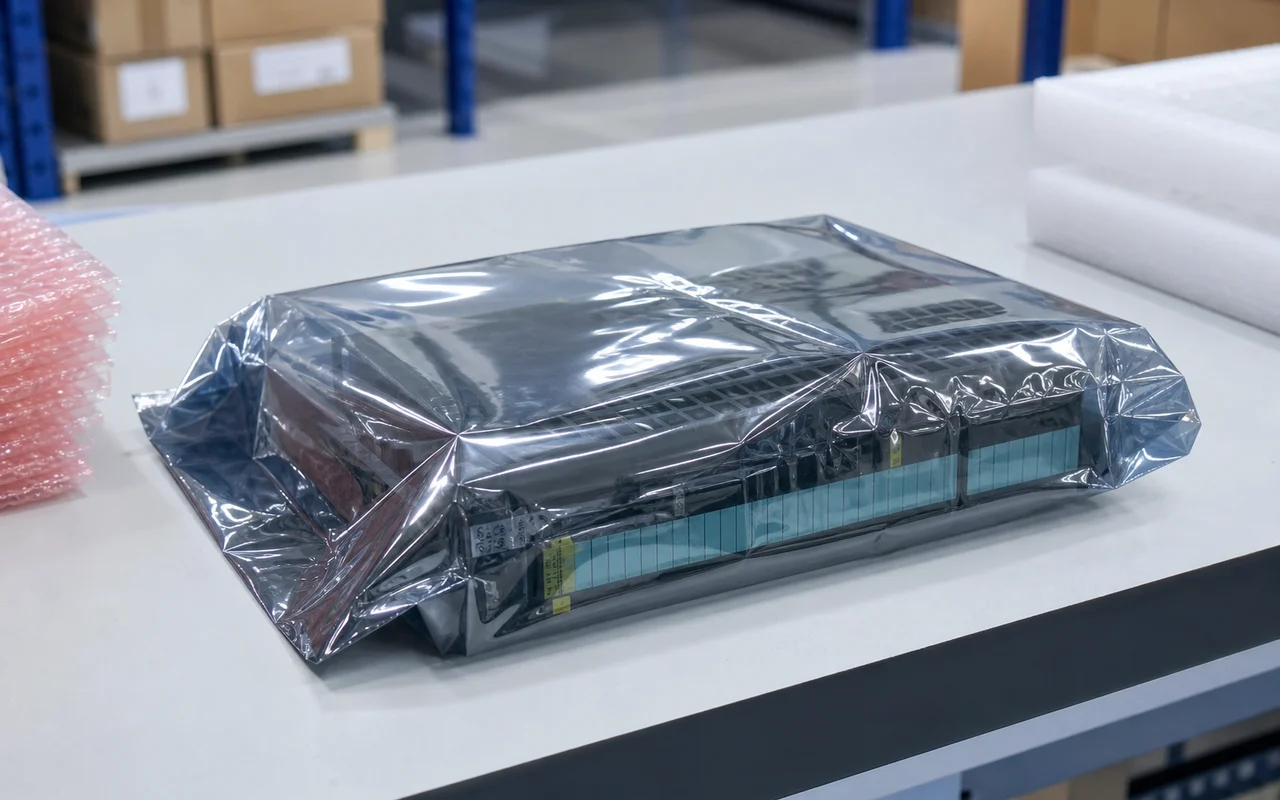 Anti-static Packaging
Modules are packed in anti-static bags to prevent electrostatic damage.
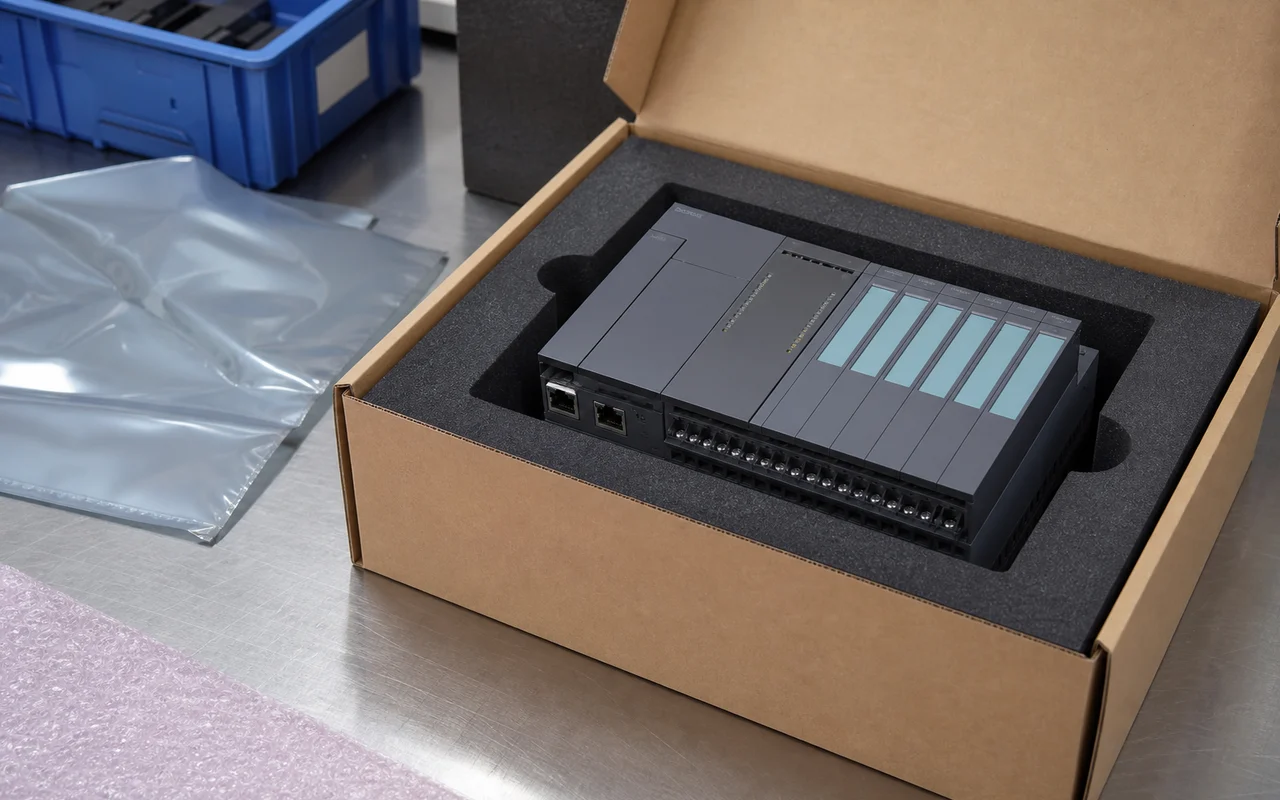 Secure Export Packing
Cushion protection and strong cartons ensure safe transportation.
 Worldwide Shipping
Global logistics network supports air, sea and express delivery.
 Documentation Check
Part number, revision and compatibility verified before shipment.
 After-sales Support
Professional technical support to help resolve your issues.