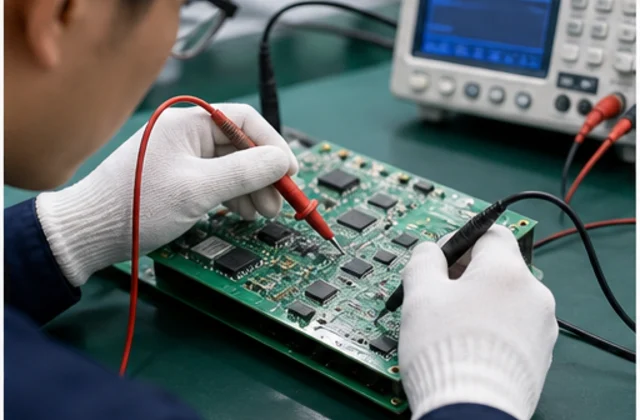
 Functional Inspection
100% tested on professional platforms to ensure stable performance.
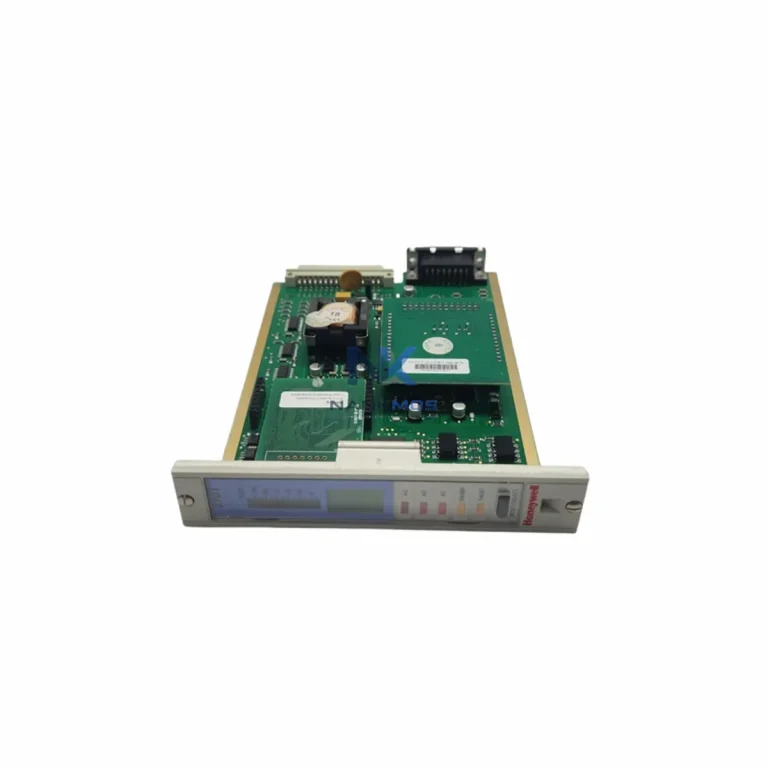
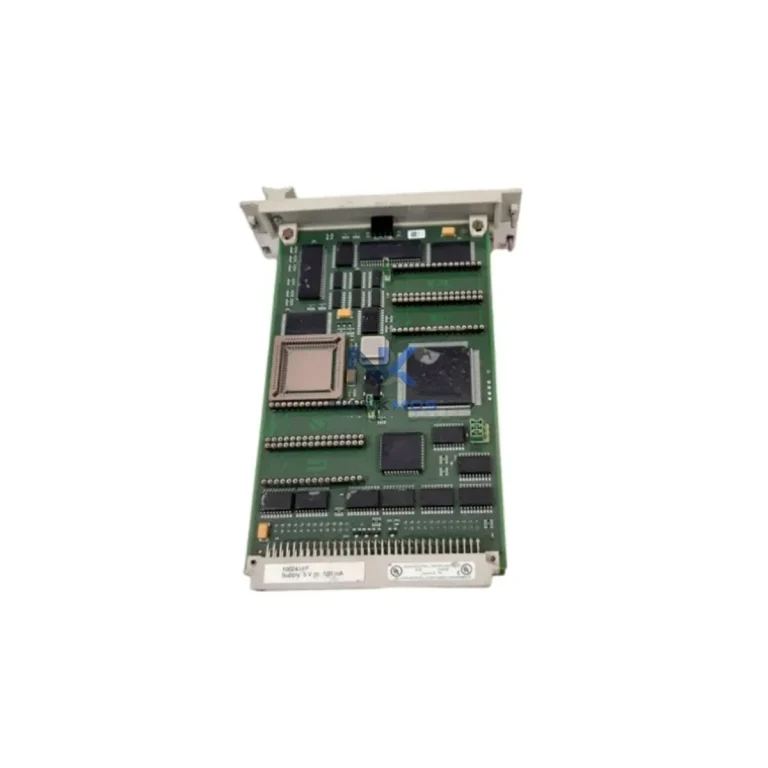
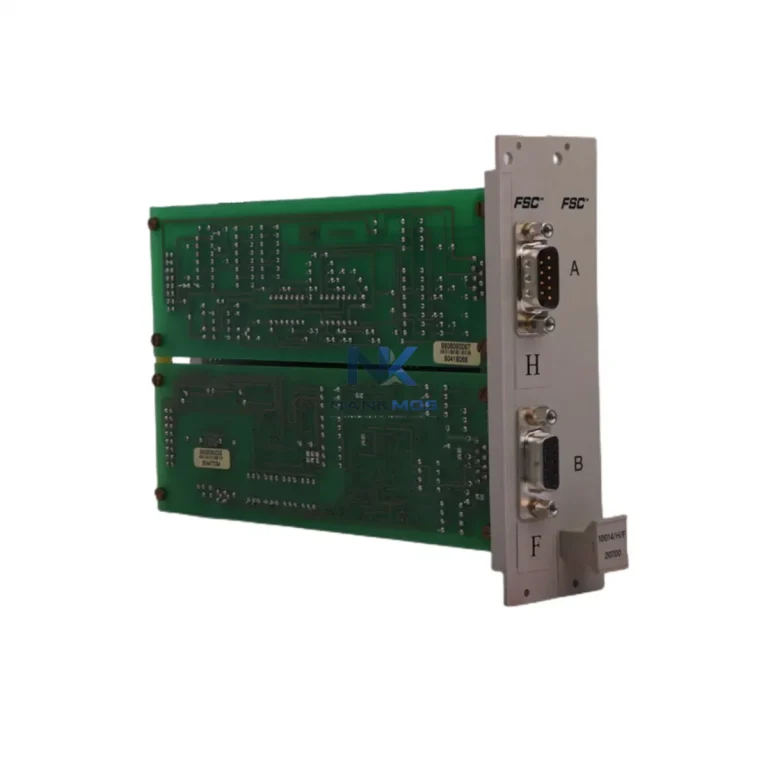
Honeywell 10014/1/1 is a NANKMOS industrial automation product record Listed under TDC 3000 series and Business & Industrial > Automation, Control & Flow Devices > Programmable Logic Controllers. Confirm condition, availability, lead time, compatibility and documentation by email inquiry.
Brand names are used for identification only.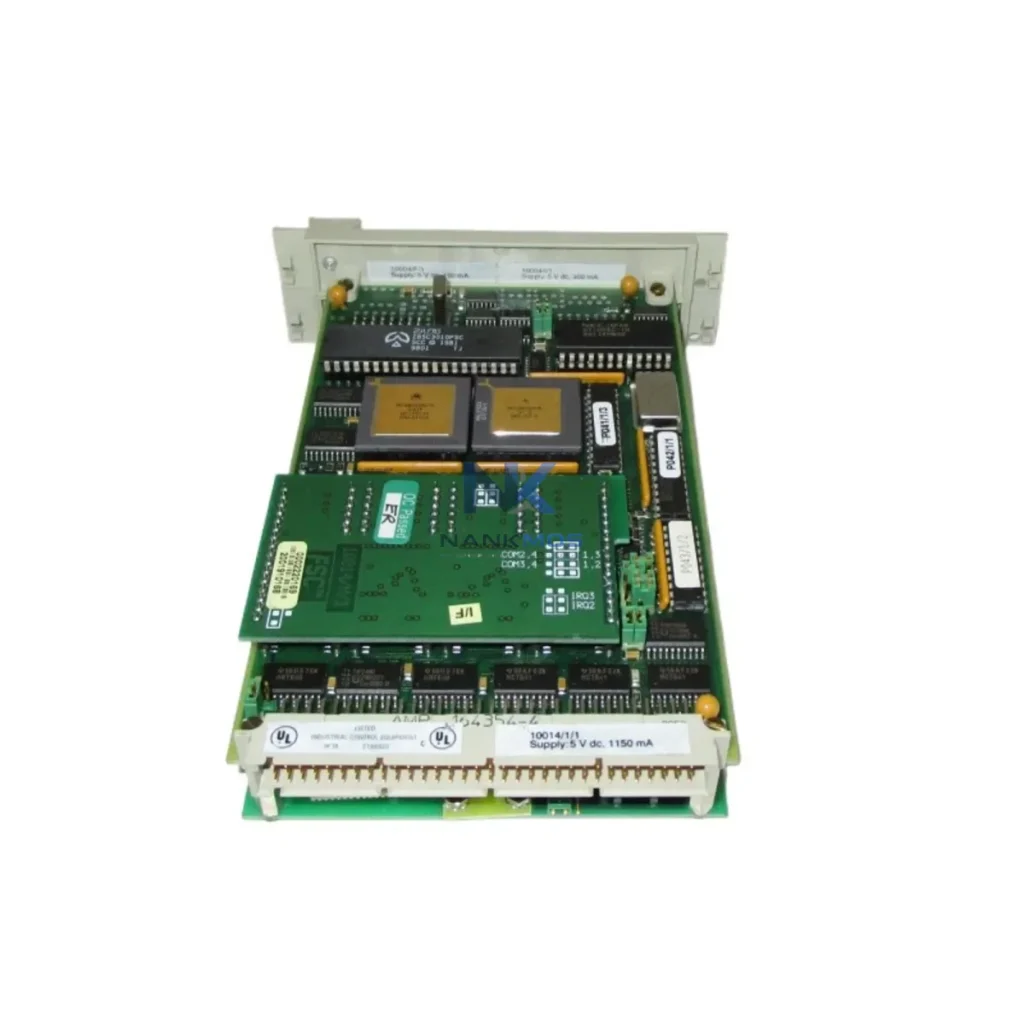
Honeywell 10014/1/1 is a NANKMOS industrial automation product record Listed under TDC 3000 series and Business & Industrial > Automation, Control & Flow Devices > Programmable Logic Controllers. Confirm condition, availability, lead time, compatibility and documentation by email inquiry.
| Manufacturer | Honeywell |
|---|---|
| Application | Controller Processing & System Control |
| Part Number / Model | 10014/1/1 |
| Compatible System | TDC 3000 |
| Series | TDC 3000 |
| Condition Options | To Confirm |
| Module Type | Controller / CPU Module |
| Warranty | 12 Months |
| Packaging | Anti-static Bag / Secure Box |
| Shipping Methods | DHL / FedEx / UPS / Air / Sea |
| Availability | To Confirm |
| Lead Time | To Confirm |
| Documentation | Part number and revision checked before quote |
The Honeywell 10014/1/1 is a Dual Port Module engineered for the TDC 3000 Distributed Control System (DCS), one of Honeywell's most established process automation platforms. Designed to serve as a high-reliability communication bridge within the TDC 3000 architecture, this module enables stable, low-latency data exchange between field devices and supervisory control layers — a foundational requirement for any energy-aware production environment.
In modern industrial facilities where energy costs represent a significant share of operating expenditure, the ability to monitor, regulate, and respond to real-time load conditions is no longer optional. The 10014/1/1 plays a direct role in this ecosystem by ensuring that control signals, process feedback, and energy-state data flow without interruption between the DCS core and connected subsystems. When communication integrity is maintained, energy management systems can act on accurate data — reducing unnecessary motor run time, preventing overcurrent events, and enabling coordinated load shedding during peak demand periods.
NANKMOS supplies the Honeywell 10014/1/1 from verified inventory, fully tested prior to dispatch, and backed by a 12-month warranty. Each unit undergoes functional verification to confirm port integrity, signal continuity, and compatibility with TDC 3000 system configurations before shipment.
The Honeywell 10014/1/1 does not operate in isolation — its value is realized through tight integration with the broader automation and energy management stack. In a typical TDC 3000 deployment, this module serves as the communication backbone connecting the DCS controller to field-level devices and supervisory systems. When paired with Honeywell TDC 3000 Highway Gateway Modules, it enables cross-network data routing that supports centralized energy monitoring without adding latency to control loops.
On the drive side, facilities running Honeywell variable frequency drives (VFDs) or third-party inverter systems benefit from the 10014/1/1's ability to relay speed reference and load feedback signals with high fidelity. This is particularly relevant in motor-intensive applications — pump stations, compressor banks, conveyor systems — where even marginal improvements in drive coordination translate to measurable reductions in kWh consumption per production cycle.
For servo-driven axes integrated into the TDC 3000 environment, the module supports the communication pathways that allow servo drive controllers to receive updated motion profiles based on real-time production demand. Rather than running at fixed speeds regardless of load, servo systems can adapt dynamically — reducing heat generation, extending motor service life, and lowering peak current draw during acceleration phases.
Power monitoring is another critical integration point. When Honeywell power measurement modules or third-party energy meters feed consumption data back through the TDC 3000 network, the 10014/1/1 ensures that this data reaches the SCADA layer without packet loss or timing errors. Accurate power data is the prerequisite for any meaningful demand-response strategy, and the dual-port architecture of this module provides the redundancy needed to maintain data integrity even under network stress conditions.
At the I/O level, the module interfaces with TDC 3000 I/O Link modules and remote I/O assemblies to aggregate discrete and analog signals from field sensors — temperature transmitters, pressure transducers, flow meters — that inform energy optimization decisions. A temperature spike detected at a motor terminal, for example, can trigger a load reduction command through the same communication path that the 10014/1/1 supports, preventing thermal runaway and the associated energy waste of unplanned shutdowns.
HMI integration is equally important. Operators working with Honeywell Experion PKS HMI stations or legacy TDC 3000 operator consoles rely on the communication infrastructure that modules like the 10014/1/1 maintain. Real-time visibility into energy consumption, equipment status, and alarm states allows operators to make informed decisions about load scheduling, shift-based demand management, and preventive maintenance timing.
Finally, for facilities running SCADA platforms such as Honeywell Uniformance or third-party systems via OPC-DA/OPC-UA bridges, the 10014/1/1 provides the stable, low-overhead communication link that keeps historian data current and control commands responsive — both essential for closed-loop energy management at scale.
Production line energy efficiency is not achieved through a single device — it is the cumulative result of reliable communication, accurate sensing, and responsive control. The Honeywell 10014/1/1 contributes to this outcome by ensuring that the TDC 3000 DCS can maintain continuous, high-integrity communication with every energy-relevant subsystem on the plant floor.
One of the most direct energy benefits of a well-functioning dual-port communication module is the elimination of communication-induced control delays. When a DCS controller cannot reliably receive feedback from field devices due to a degraded communication module, it defaults to conservative, energy-inefficient operating modes — running motors at fixed speeds, holding valves in safe positions, and disabling demand-response routines. The 10014/1/1, with its dual-port redundancy, eliminates this failure mode, allowing the control system to operate in its most efficient, feedback-driven configuration at all times.
Thermal load management is another area where communication reliability has a direct energy impact. Industrial facilities generate significant heat from motors, drives, and power conversion equipment. When the DCS can accurately monitor thermal conditions through connected sensors and respond with coordinated load adjustments — reducing drive output, cycling standby equipment, or activating cooling systems at optimal thresholds — the overall thermal load on the facility decreases. This reduces HVAC energy consumption and extends the service life of heat-sensitive components.
Production line throughput optimization also benefits from stable DCS communication. When the 10014/1/1 ensures that production rate data, equipment status signals, and quality feedback reach the control system without delay, the DCS can fine-tune line speed, conveyor pacing, and batch timing to minimize idle energy consumption between production cycles. Over a full operating shift, these micro-optimizations accumulate into significant energy savings.
Predictive maintenance is the final pillar of energy optimization that the 10014/1/1 supports. By maintaining reliable data pathways for vibration sensors, current monitors, and thermal imaging systems, the module enables the DCS to detect early signs of equipment degradation — bearing wear, insulation breakdown, drive imbalance — before they result in unplanned downtime. Planned maintenance is always more energy-efficient than emergency repair: it avoids the energy cost of restart sequences, production catch-up runs, and the elevated power draw of equipment operating in a degraded state.
Q1: How does the Honeywell 10014/1/1 contribute to energy savings in a TDC 3000 system? The 10014/1/1 maintains reliable, low-latency communication between the DCS controller and field devices, enabling the control system to operate in feedback-driven, demand-responsive modes rather than fixed, energy-inefficient defaults. Stable communication is the prerequisite for any energy optimization strategy — without it, the DCS cannot act on real-time load data.
Q2: Is the 10014/1/1 compatible with modern SCADA and energy management platforms? Yes. The module is designed for the TDC 3000 DCS architecture, which supports integration with SCADA platforms via standard gateway modules and OPC communication bridges. It is compatible with Honeywell Experion PKS environments and can interface with third-party energy management systems through appropriate protocol converters.
Q3: What is the recommended replacement process, and how quickly can a unit be dispatched? NANKMOS maintains verified stock of the Honeywell 10014/1/1 and can dispatch same-day or next-business-day upon order confirmation. Each unit is tested prior to shipment. For critical replacement scenarios, contact our team directly to confirm lead time and arrange expedited logistics.
Q4: What warranty coverage is provided, and what does it include? Every Honeywell 10014/1/1 supplied by NANKMOS is covered by a 12-month warranty from the date of dispatch. This covers functional defects identified under normal operating conditions. Pre-shipment testing documentation is available upon request, and our technical team can assist with installation verification and compatibility confirmation for your specific TDC 3000 configuration.
Functional Inspection100% tested on professional platforms to ensure stable performance.
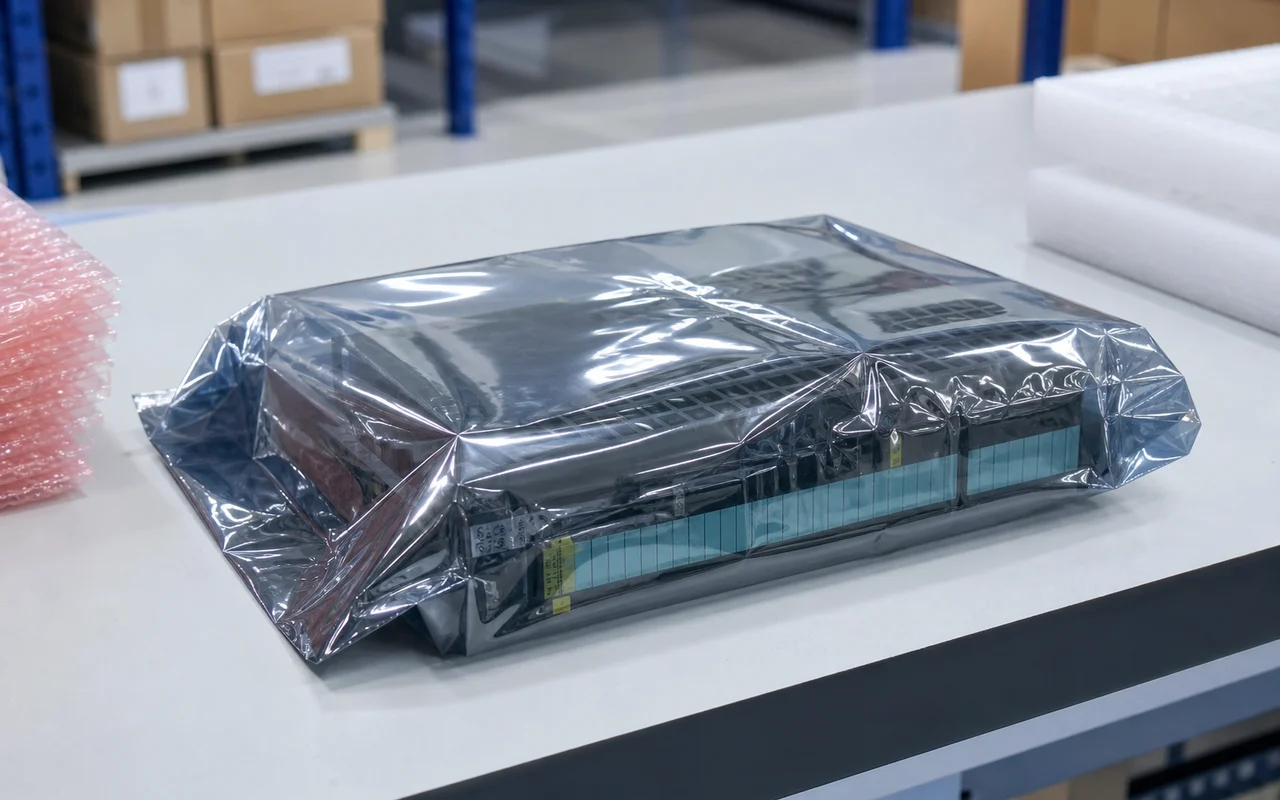 Anti-static Packaging
Modules are packed in anti-static bags to prevent electrostatic damage.
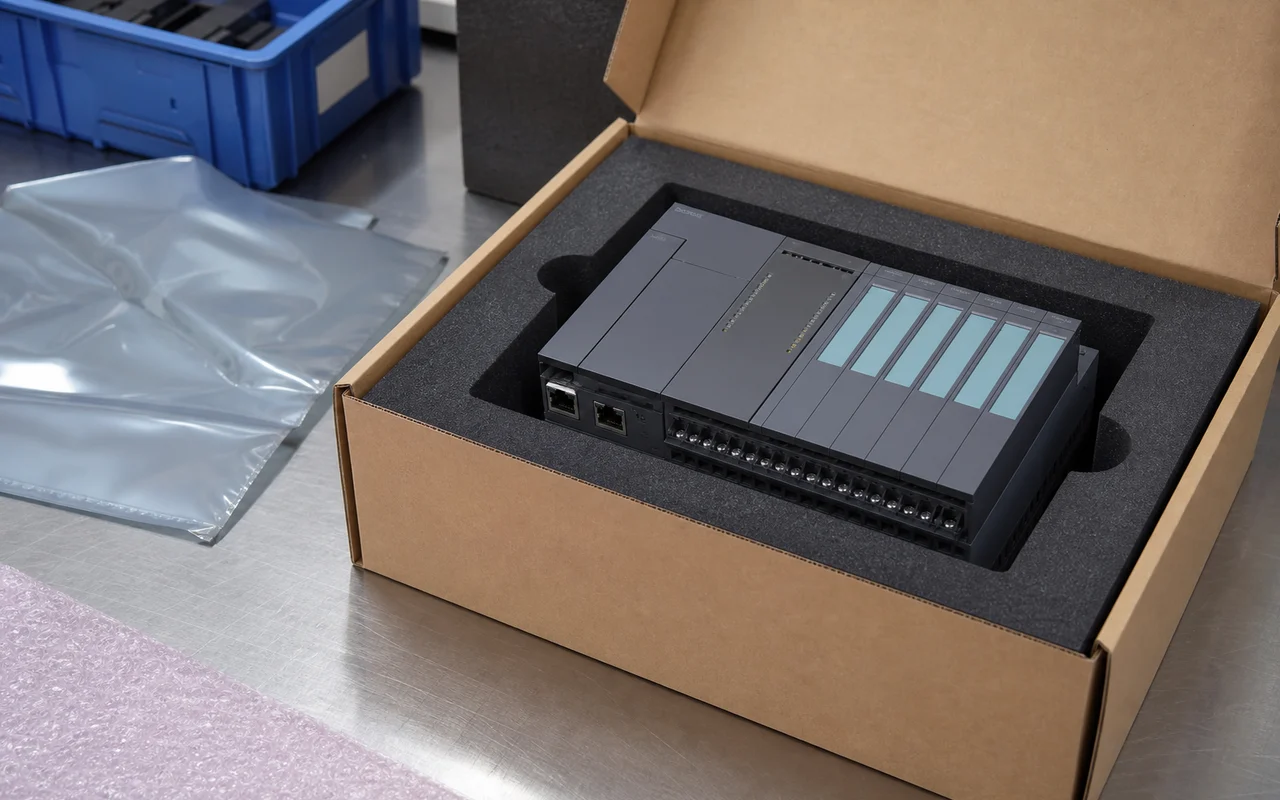 Secure Export Packing
Cushion protection and strong cartons ensure safe transportation.
 Worldwide Shipping
Global logistics network supports air, sea and express delivery.
 Documentation Check
Part number, revision and compatibility verified before shipment.
 After-sales Support
Professional technical support to help resolve your issues.