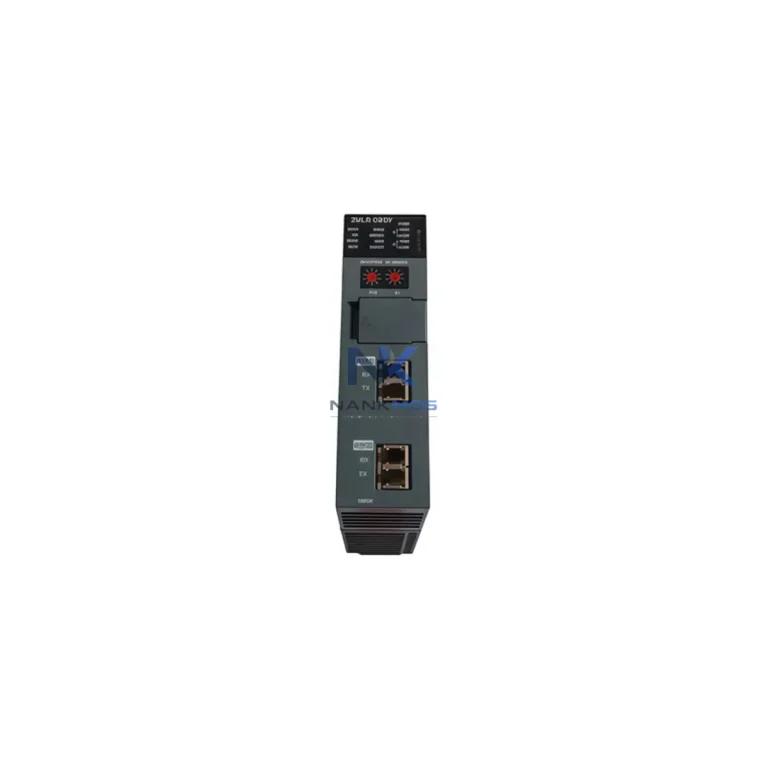
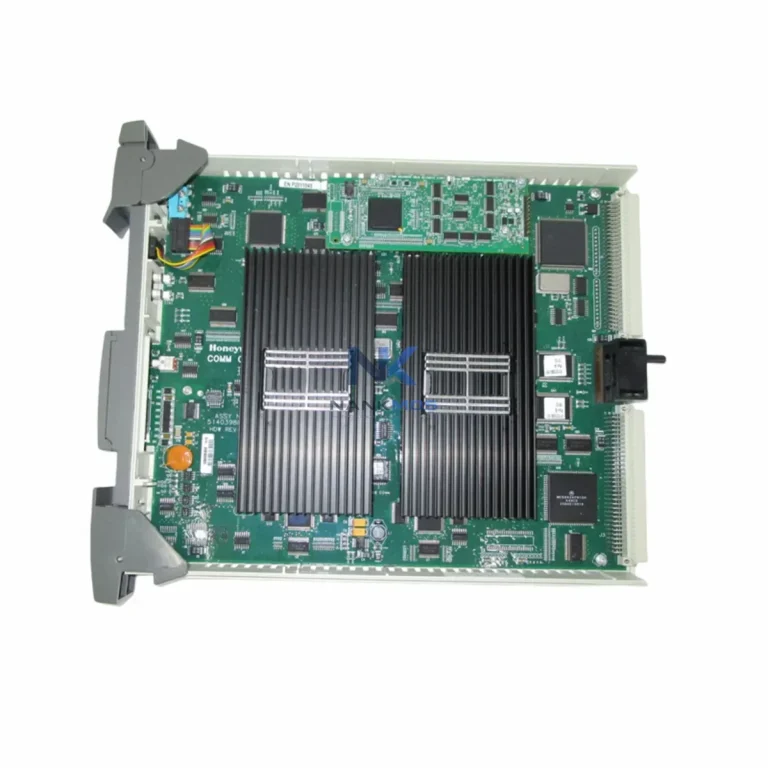
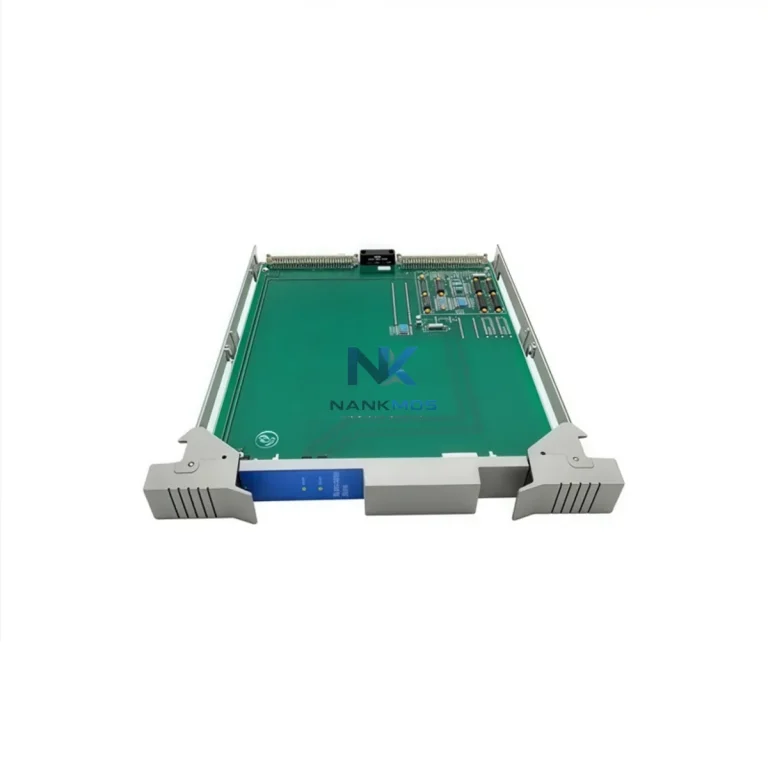
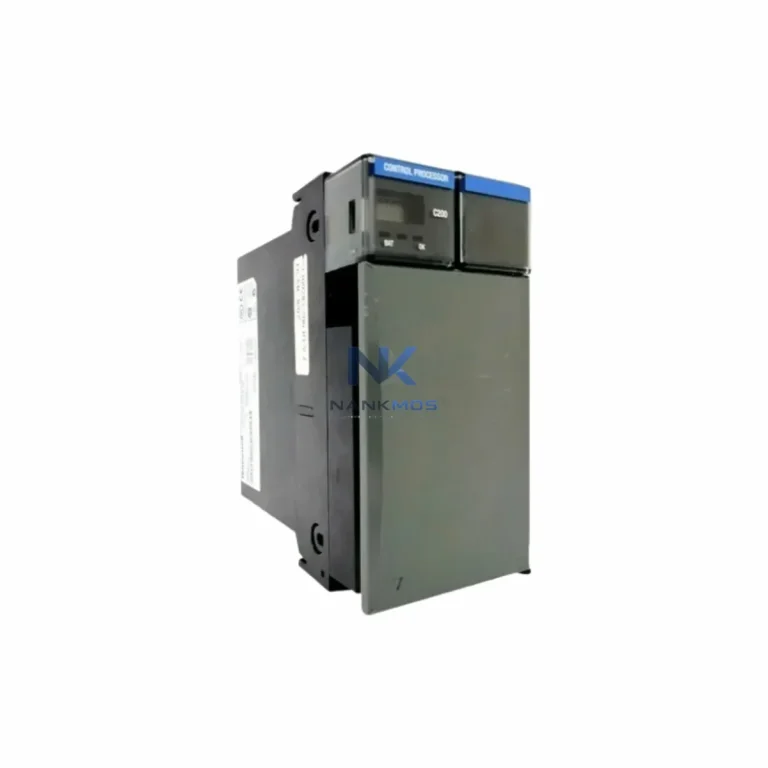
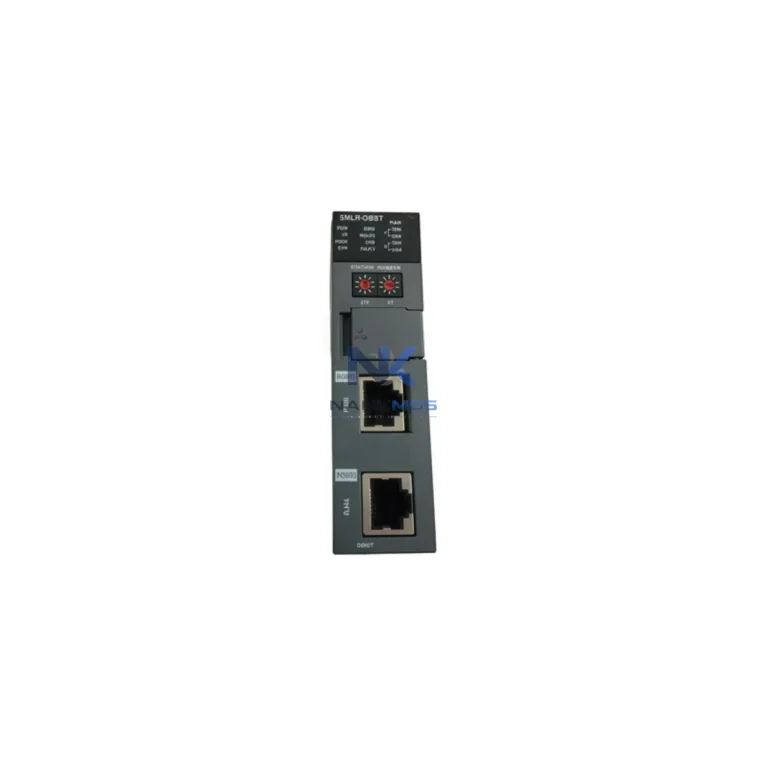
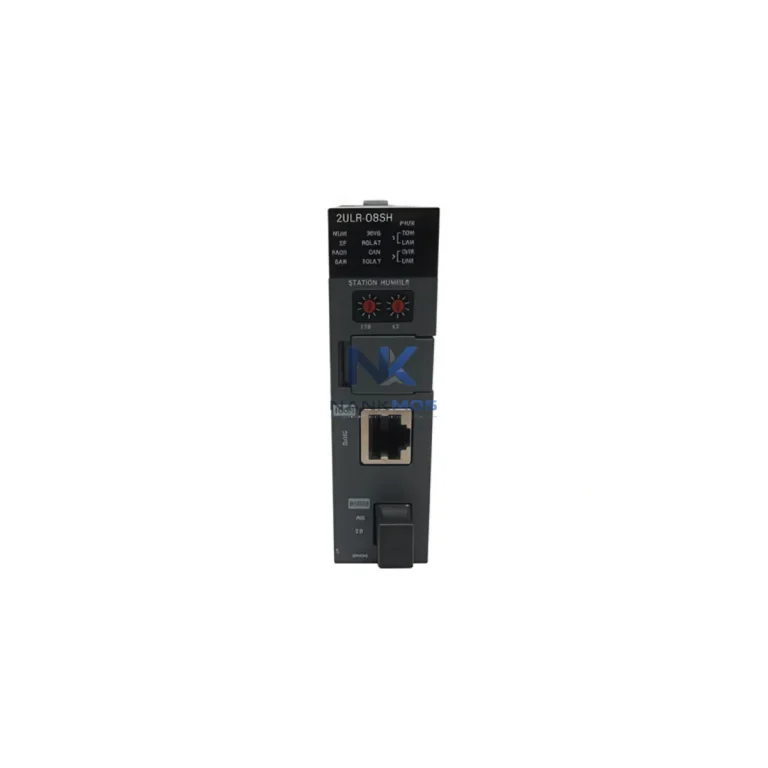
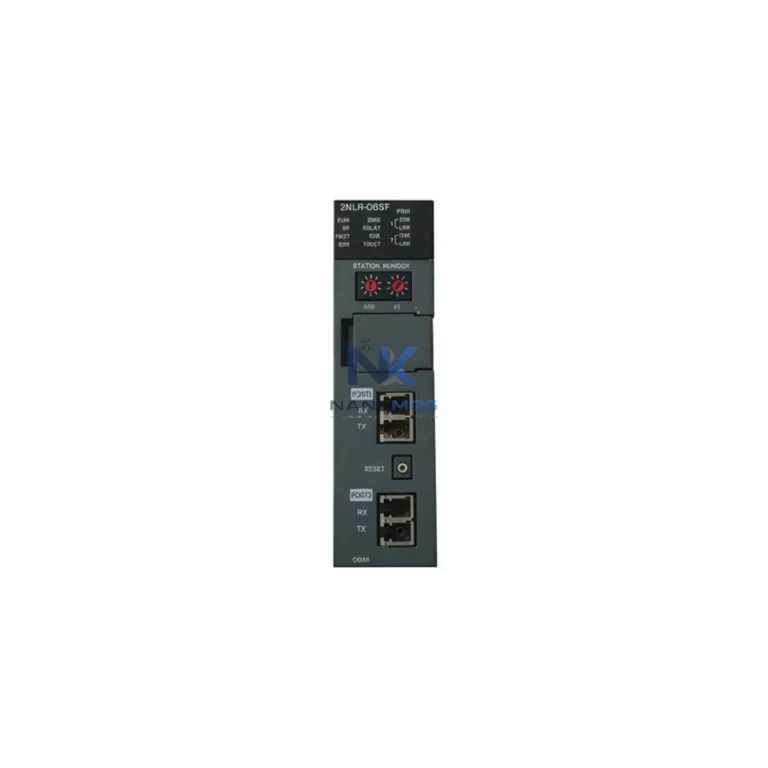
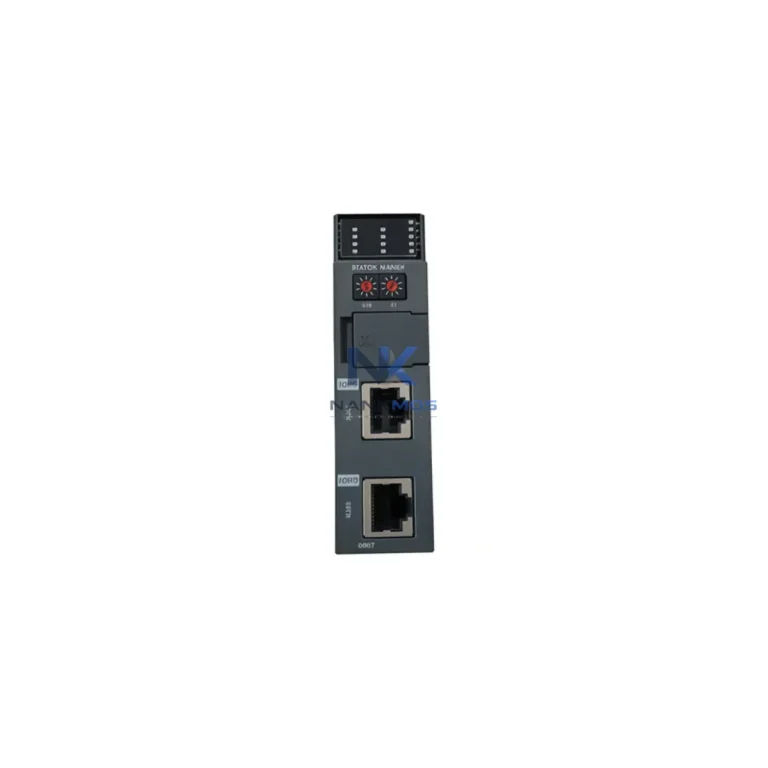
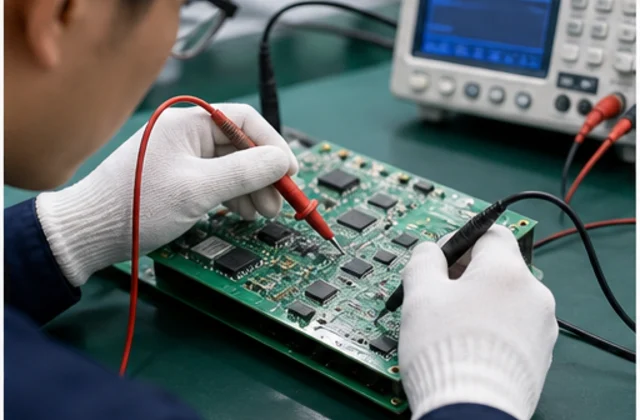
 Functional Inspection
100% tested on professional platforms to ensure stable performance.
Honeywell 10100/2/1 is a NANKMOS industrial automation product record Listed under TDC 3000 series and Drives. Confirm condition, availability, lead time, compatibility and documentation by email inquiry.
Brand names are used for identification only.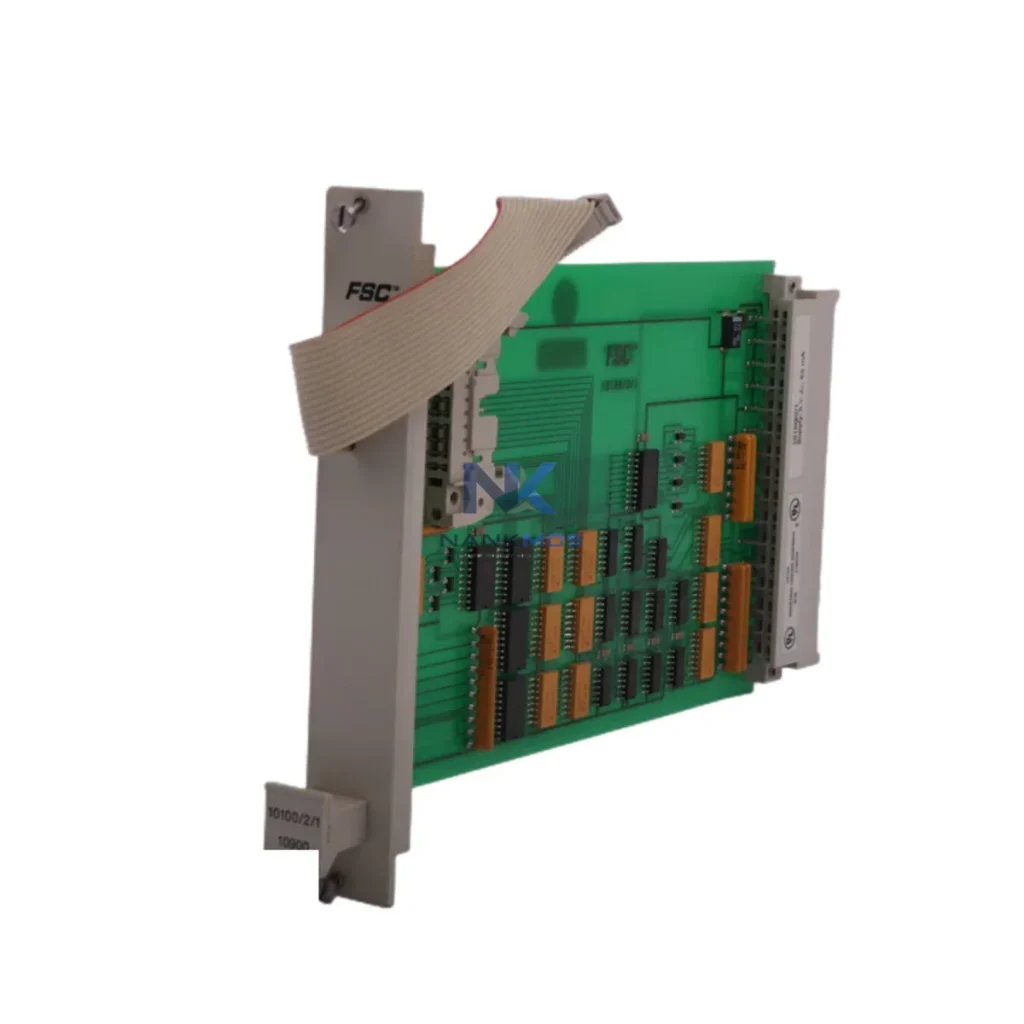
Honeywell 10100/2/1 is a NANKMOS industrial automation product record Listed under TDC 3000 series and Drives. Confirm condition, availability, lead time, compatibility and documentation by email inquiry.
| Manufacturer | Honeywell |
|---|---|
| Application | Industrial Network & Bus Termination |
| Part Number / Model | 10100/2/1 |
| Compatible System | TDC 3000 |
| Series | TDC 3000 |
| Condition Options | To Confirm |
| Module Type | Bus / Network Interface Module |
| Warranty | 12 Months |
| Packaging | Anti-static Bag / Secure Box |
| Shipping Methods | DHL / FedEx / UPS / Air / Sea |
| Availability | To Confirm |
| Lead Time | To Confirm |
| Documentation | Part number and revision checked before quote |
The Honeywell 10100/2/1 is a precision-engineered Bus Driver Module designed for the TDC 3000 Distributed Control System (DCS) — one of the most widely deployed process automation platforms in refining, petrochemical, power generation, and continuous manufacturing environments. At its core, this module serves as the physical and logical backbone of the Universal Control Network (UCN) and Local Control Network (LCN), enabling deterministic, high-integrity data transmission between field devices, controllers, and supervisory systems across the plant floor.
In modern smart factory architectures, the integrity of the data link layer is non-negotiable. The 10100/2/1 ensures that every signal — from field-level sensors and transmitters through to the Honeywell HPM (High-Performance Process Manager) and upstream SCADA or historian platforms — travels with minimal latency and maximum reliability. Whether your facility runs a legacy TDC 3000 backbone or is integrating it into a hybrid IIoT architecture, this bus driver module is the critical enabler of continuous, uninterrupted data flow.
Understanding how the Honeywell 10100/2/1 fits into a connected factory data architecture requires tracing the full signal path — from the physical process layer to the enterprise data layer.
At the field level, process variables are captured by instruments such as pressure transmitters, flow meters, thermocouples, and level sensors. These signals are wired into Honeywell HPM Field Termination Assemblies (FTAs) and processed by the High-Performance Process Manager (HPM), which executes control logic and passes real-time data onto the UCN. The 10100/2/1 Bus Driver Module is the physical interface that drives this UCN segment — amplifying, conditioning, and transmitting data packets between all nodes on the network, including Honeywell Application Modules (AM), History Modules (HM), and Network Interface Modules (NIM).
From the UCN, data flows upward through the LCN (Local Control Network) — the plant-wide supervisory backbone — where it becomes accessible to Honeywell Universal Stations (US) and Global User Stations (GUS) running operator interface and alarm management functions. At this layer, operators gain real-time visibility into process trends, loop performance, and equipment status across the entire facility.
For facilities integrating TDC 3000 with modern IIoT infrastructure, the data path continues through Honeywell NIMs (Network Interface Modules) or third-party OPC DA/UA gateways — such as those from the Kepware or Matrikon families — which bridge the proprietary Honeywell network to standard Ethernet/IP or Modbus TCP environments. From there, data reaches SCADA platforms (including Wonderware, iFIX, or Ignition), process historians (such as OSIsoft PI or Honeywell PHD), and ultimately enterprise MES or ERP systems for production reporting and KPI dashboards.
In remote monitoring scenarios, edge gateways installed at the substation or control room level collect UCN/LCN data and forward it over secure industrial VPN tunnels to cloud-based or on-premise monitoring platforms. This enables remote diagnostics, predictive maintenance alerts, and real-time alarm forwarding — all without interrupting the live control loop. The 10100/2/1 ensures that the foundational data link supporting this entire chain remains stable, deterministic, and fault-tolerant.
For facilities running parallel automation stacks — such as Siemens S7 PLCs, Allen-Bradley ControlLogix systems, or Mitsubishi MELSEC controllers alongside the TDC 3000 — protocol conversion modules and industrial managed switches (such as those from the Hirschmann or Moxa families) are typically deployed to bridge network segments. The 10100/2/1 ensures the Honeywell side of this multi-vendor architecture maintains its native UCN integrity, preventing data loss or timing errors that could compromise control loop performance.
Many industrial facilities operating legacy DCS platforms face a common set of challenges: protocol fragmentation, data silos, limited remote visibility, and difficulty scaling their network infrastructure without disrupting live production. The Honeywell 10100/2/1 directly addresses several of these pain points.
Protocol Fragmentation: In multi-vendor environments, different controllers and field devices speak different protocols — Modbus RTU, PROFIBUS DP, HART, Foundation Fieldbus, or proprietary formats. The TDC 3000 UCN is a closed, deterministic network that guarantees timing integrity for critical control loops. By maintaining a healthy UCN bus with a properly functioning 10100/2/1, engineers can isolate the high-integrity control layer from the noisier, more variable Ethernet-based layers above it — reducing the risk of protocol-induced timing jitter affecting process control.
Data Silos: When bus driver modules degrade or fail, entire UCN segments can drop offline, creating blind spots in the SCADA historian and breaking alarm chains. Replacing a faulty bus driver with a verified 10100/2/1 restores full data visibility across the affected segment, eliminating the data gaps that lead to missed alarms, incomplete production records, and compliance reporting failures.
Remote Monitoring and Diagnostics: With a stable UCN backbone, remote diagnostic tools can poll controller health, loop performance, and I/O status in real time. Facilities using Honeywell's Experion PKS migration path or third-party remote access solutions benefit directly from a reliable bus driver that keeps all UCN nodes communicating without interruption.
Production Line Transparency: A functioning 10100/2/1 ensures that every HPM, AM, and NIM on the UCN segment contributes its data to the plant historian and SCADA dashboard — giving production managers the real-time KPIs and trend data they need to optimize throughput, reduce downtime, and respond to process deviations before they escalate.
Alarm Tracking and System Expansion: As facilities add new UCN nodes — additional HPMs, remote I/O racks, or gateway modules — the bus driver must support the increased network load without signal degradation. The 10100/2/1 is rated for the full TDC 3000 UCN segment specification, making it a reliable foundation for network expansion projects.
Q1: What communication protocols does the Honeywell 10100/2/1 support? The 10100/2/1 is designed specifically for the Honeywell UCN (Universal Control Network) and LCN (Local Control Network) — the proprietary, deterministic bus architectures used in TDC 3000 DCS installations. It does not natively support open protocols such as Modbus or PROFIBUS, but it operates as the physical bus driver that enables all UCN-connected modules — including HPMs, NIMs, AMs, and HMs — to communicate reliably. Integration with open-protocol networks is achieved through Honeywell NIMs or third-party OPC gateways at the supervisory layer.
Q2: How does this module support remote diagnostics and SCADA integration? By maintaining a stable UCN segment, the 10100/2/1 ensures that all controller and I/O data is continuously available to upstream systems. SCADA platforms connected via Honeywell NIMs or OPC servers can poll real-time process values, alarm states, and controller health metrics without interruption. This supports remote diagnostics workflows where engineers monitor plant performance from a central control room or off-site location, reducing the need for on-site intervention during routine checks.
Q3: Is the Honeywell 10100/2/1 compatible with network expansion and system upgrades? Yes. The 10100/2/1 is rated for the full TDC 3000 UCN segment specification and supports the addition of new UCN nodes — including additional HPMs, remote I/O modules, and gateway devices — without requiring network reconfiguration. For facilities planning a phased migration to Honeywell Experion PKS or a hybrid IIoT architecture, maintaining a healthy UCN bus with a verified bus driver module is a prerequisite for a stable transition.
Q4: What quality assurance and warranty coverage does NANKMOS provide for this module? All Honeywell 10100/2/1 modules supplied by NANKMOS undergo pre-shipment functional testing to verify bus driver integrity and network communication performance. Each unit is covered by a 12-month warranty from the date of shipment, covering manufacturing defects and functional failures under normal operating conditions. In-stock units are available for immediate dispatch with global shipping support. For RFQ, lead time confirmation, or technical pre-sales consultation, contact us at [email protected] or +86 18359268345.
Functional Inspection100% tested on professional platforms to ensure stable performance.
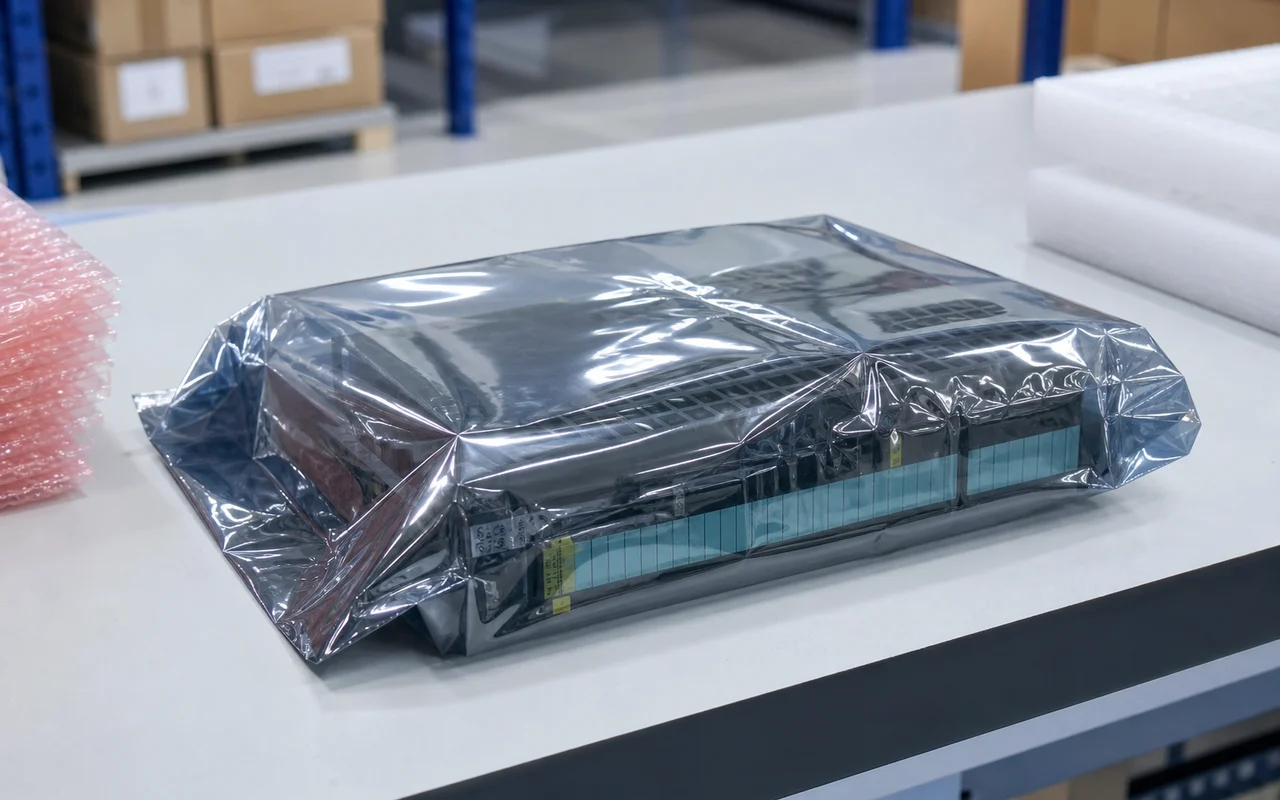 Anti-static Packaging
Modules are packed in anti-static bags to prevent electrostatic damage.
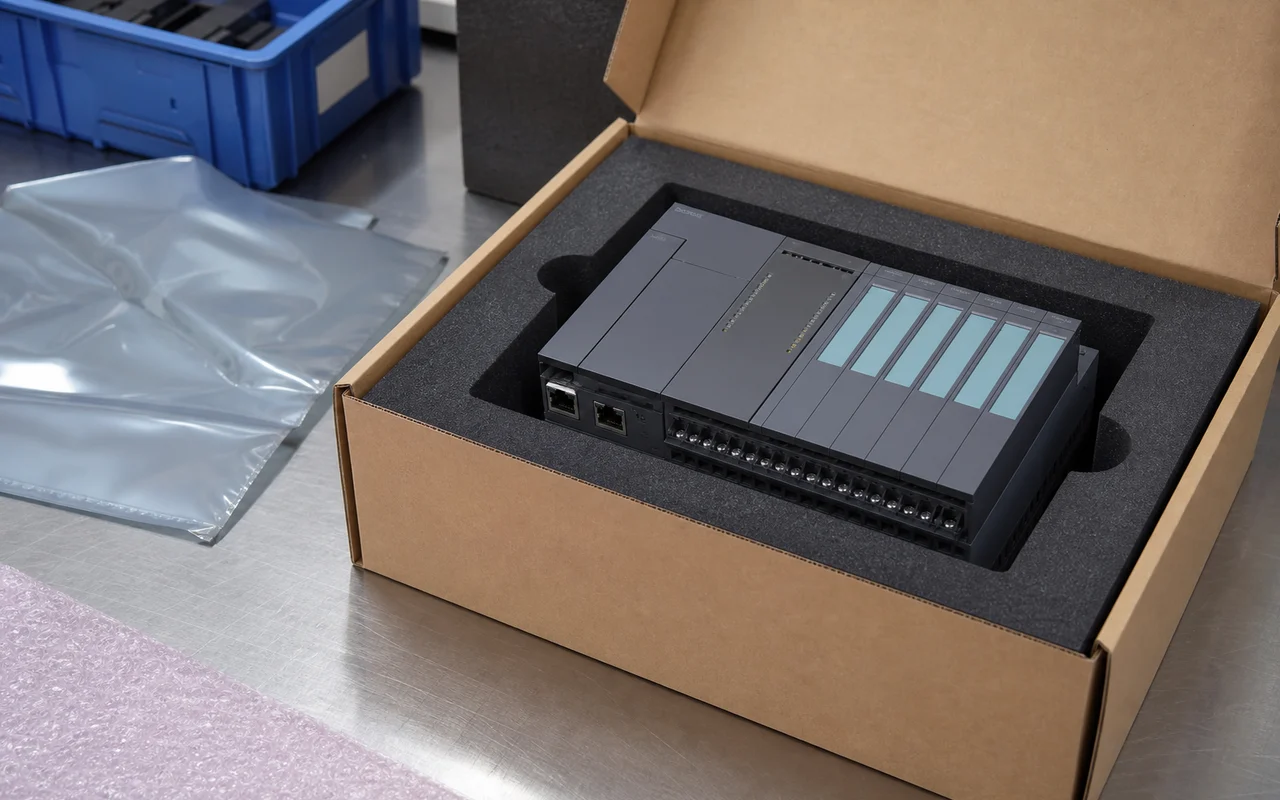 Secure Export Packing
Cushion protection and strong cartons ensure safe transportation.
 Worldwide Shipping
Global logistics network supports air, sea and express delivery.
 Documentation Check
Part number, revision and compatibility verified before shipment.
 After-sales Support
Professional technical support to help resolve your issues.