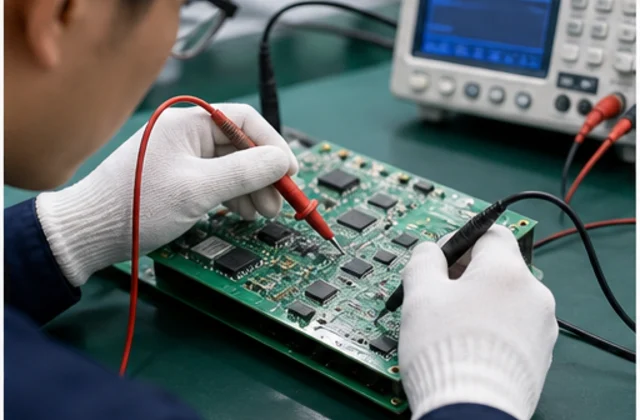
 Functional Inspection
100% tested on professional platforms to ensure stable performance.
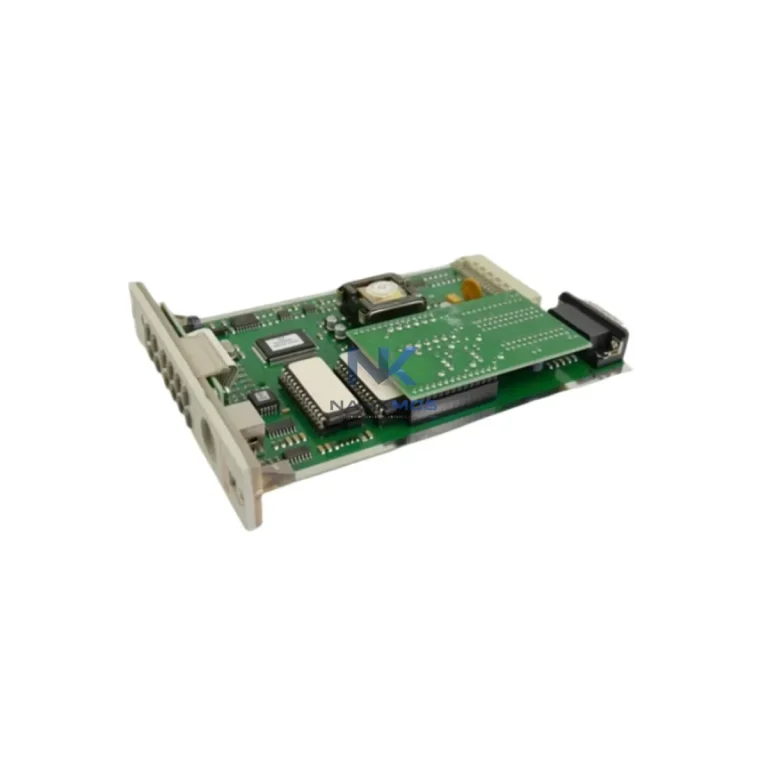
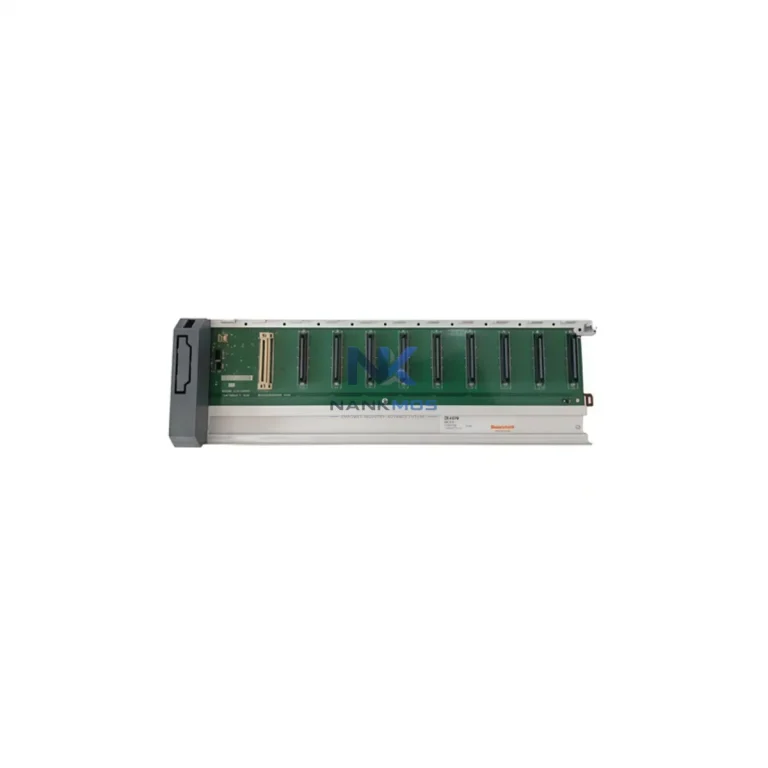
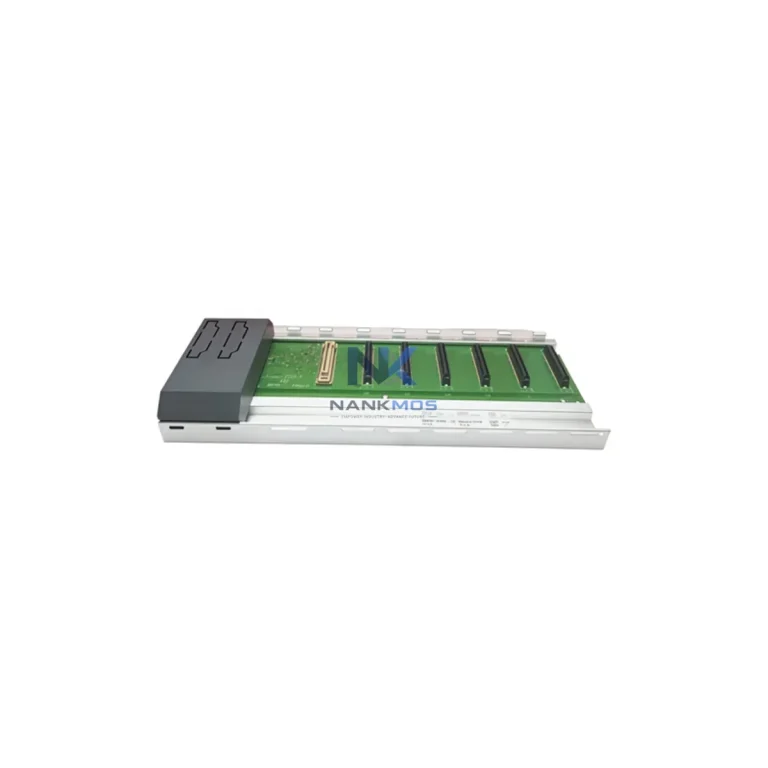
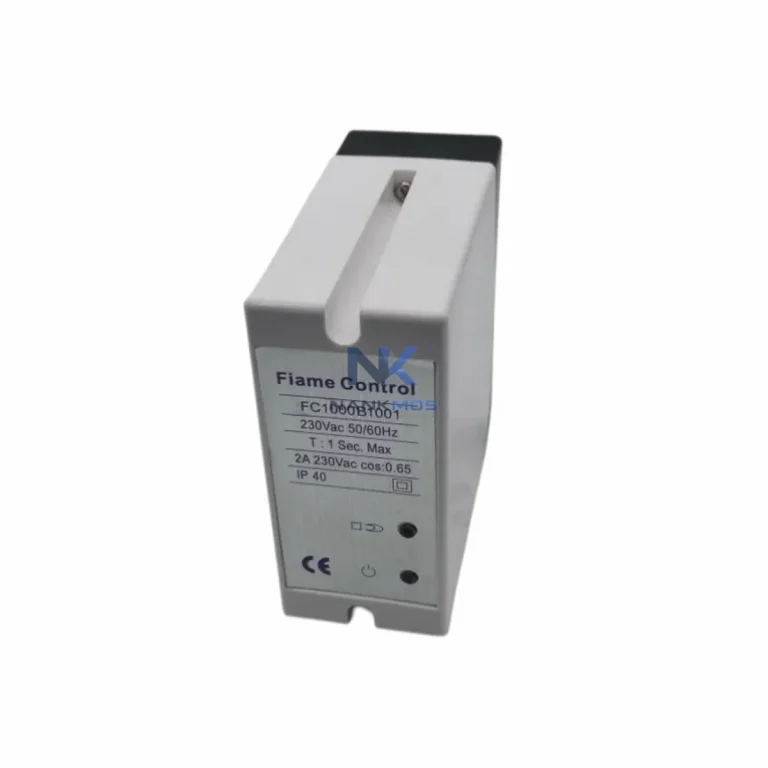
Honeywell FS-TSGAS-1624 is a NANKMOS industrial automation product record Listed under FSC series and Business & Industrial > Automation, Control & Flow Devices. Confirm condition, availability, lead time, compatibility and documentation by email inquiry.
Brand names are used for identification only.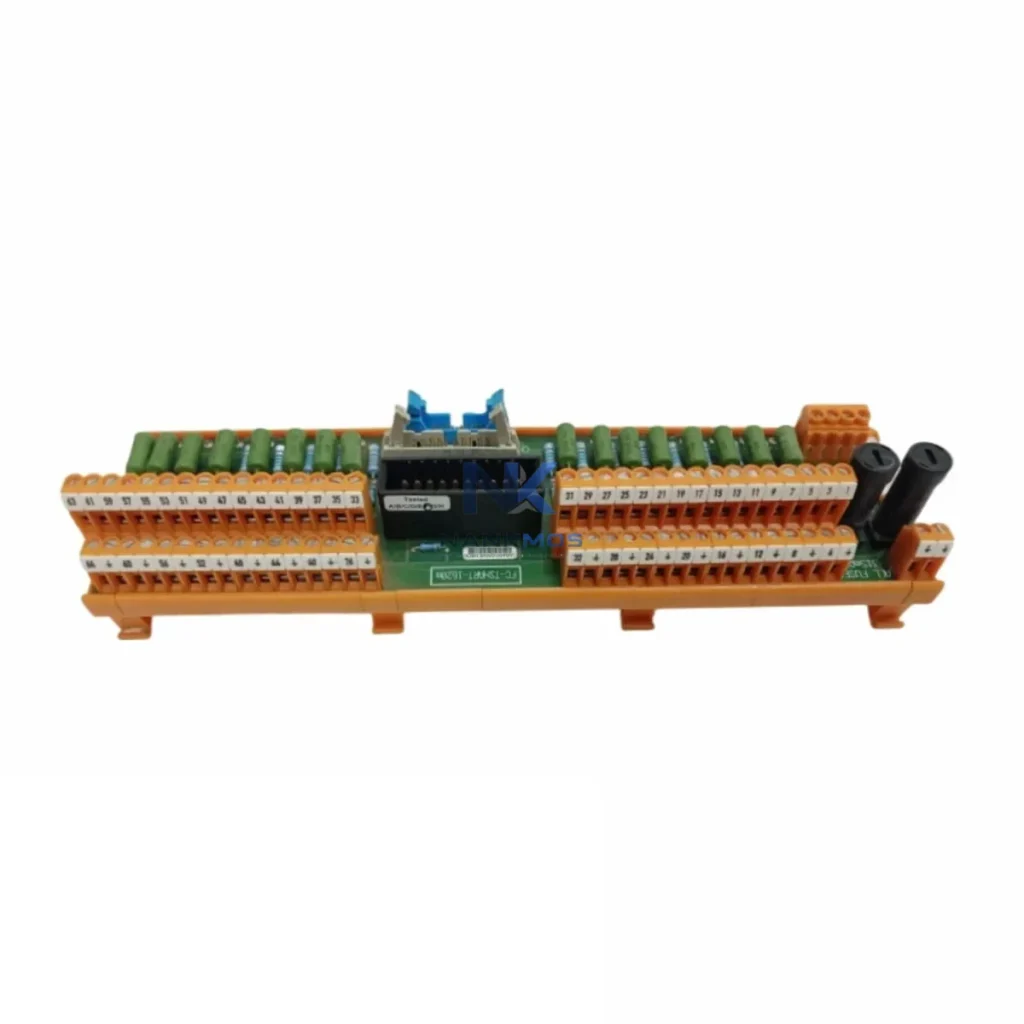
Honeywell FS-TSGAS-1624 is a NANKMOS industrial automation product record Listed under FSC series and Business & Industrial > Automation, Control & Flow Devices. Confirm condition, availability, lead time, compatibility and documentation by email inquiry.
| Manufacturer | Honeywell |
|---|---|
| Application | Industrial Automation Maintenance |
| Part Number / Model | FS-TSGAS-1624 |
| Compatible System | FSC |
| Series | FSC |
| Condition Options | To Confirm |
| Module Type | Automation, Control & Flow Devices |
| Warranty | 12 Months |
| Packaging | Anti-static Bag / Secure Box |
| Shipping Methods | DHL / FedEx / UPS / Air / Sea |
| Availability | To Confirm |
| Lead Time | To Confirm |
| Documentation | Part number and revision checked before quote |
The Honeywell FS-TSGAS-1624 is a system-ready flame detector engineered for seamless deployment within the Honeywell FSC (Fail-Safe Controller) safety architecture. Designed to meet the rigorous demands of SIL 2/3-rated process safety systems, this detector delivers reliable ultraviolet/infrared (UV/IR) flame sensing with deterministic response times, making it a cornerstone component in fire and gas (F&G) safety layers across oil and gas, petrochemical, power generation, and heavy industrial environments. Every unit ships with a 12-Month Warranty and is pre-tested for Contextual Integration into existing FSC-based control cabinets.
The FS-TSGAS-1624 does not operate in isolation — it functions as a critical node within a layered, redundant safety instrumented system (SIS). In a typical FSC-based architecture, the detector interfaces directly with the Honeywell FSC Central Processing Unit (CPU) via dedicated F&G I/O modules, ensuring that flame events are processed within the safety execution cycle without latency introduced by standard DCS polling. The FSC CPU's dual-channel redundancy architecture guarantees that a single-point failure in the processing layer does not compromise the integrity of the flame detection loop.
On the power layer, the FS-TSGAS-1624 is typically energized through Honeywell FSC Power Supply Modules (PS-24VDC), which provide regulated, monitored 24 V DC with automatic switchover to redundant supply rails. This eliminates power-induced nuisance trips and ensures continuous detector availability during planned maintenance windows. For installations requiring extended cable runs to remote detector heads, Zener barrier assemblies or galvanic isolators (such as the MTL5041 or P+F KFD2-STC4-Ex1 series) are inserted between the FSC I/O card and the field device to maintain intrinsic safety compliance in Zone 1 hazardous areas.
At the I/O layer, the FS-TSGAS-1624 connects to Honeywell FSC Analog Input Modules (AI-8) for 4–20 mA signal acquisition and to FSC Digital Input Modules (DI-16) for discrete alarm relay monitoring. These modules reside on the FSC backplane, which supports hot-swap replacement without de-energizing adjacent channels — a critical feature for continuous-process facilities that cannot tolerate unplanned shutdowns. The backplane's built-in diagnostics continuously verify channel integrity, flagging open-circuit, short-circuit, or out-of-range conditions to the FSC engineering workstation in real time.
For facilities integrating fire and gas data into a broader plant-wide DCS, the FSC communicates upstream via Honeywell Experion PKS or third-party SCADA platforms through Modbus TCP/IP or PROFIBUS DP gateway modules. This allows operators at the central control room HMI — typically a Honeywell HMIWeb Display Builder or equivalent SCADA workstation — to visualize flame detector status, alarm history, and self-test results without leaving the unified operator interface. The FS-TSGAS-1624's built-in self-test output further simplifies compliance with IEC 61511 proof-test interval requirements by enabling automated, scheduled lamp-test cycles triggered directly from the FSC logic.
In redundant F&G architectures, two or three FS-TSGAS-1624 units are deployed in a voting configuration (2oo3 or 1oo2D) managed by the FSC's configurable cause-and-effect matrix. This voting logic, combined with Honeywell FSC Safety Relay Output Modules (RO-8), drives final elements such as deluge valves, foam suppression systems, or emergency shutdown (ESD) actuators. The relay output modules are wired to solenoid valve terminal blocks and monitored for coil continuity, ensuring that the entire protection chain — from flame detection to suppression actuation — is diagnostically covered end-to-end.
Oil & Gas Upstream / Offshore Platforms: The FS-TSGAS-1624 is widely deployed on offshore production platforms where hydrocarbon jet fires and pool fires represent the primary hazard scenarios. Mounted at wellhead areas, compressor modules, and gas turbine enclosures, the detector's IP67 rating and ATEX Zone 1 certification ensure reliable operation in salt-laden, high-humidity marine environments. The FSC architecture's 1oo2D voting logic prevents spurious ESD activations that could disrupt production, while maintaining the required SIL 2 risk reduction factor demanded by offshore safety cases.
Petrochemical & Refinery Process Units: In fluid catalytic cracking (FCC) units, hydrocracker reactors, and LPG storage terminals, the FS-TSGAS-1624 provides continuous flame surveillance across high-temperature, high-pressure process boundaries. Integration with the plant's Honeywell Experion PKS DCS via the FSC gateway enables unified alarm management, reducing operator cognitive load during upset conditions. The detector's configurable sensitivity thresholds allow site engineers to tune false-alarm rejection for environments with high background infrared radiation from hot process equipment.
Power Generation & Gas Turbine Applications: Gas turbine enclosures present one of the most demanding flame detection environments due to high turbulence, elevated ambient temperatures, and the need for sub-second response to prevent catastrophic turbine damage. The FS-TSGAS-1624's fast response time (<3 s) and wide-angle detection cone make it suitable for multi-point coverage of turbine compartments. Paired with FSC turbine protection logic and fuel shutoff solenoids, the system provides a complete, certified protection loop from detection to fuel isolation.
Water Treatment & Municipal Utilities: While flame detection is less common in water treatment, the FS-TSGAS-1624 finds application in on-site chlorine generation facilities, biogas digester buildings, and chemical dosing rooms where flammable gas accumulation poses a fire risk. The FSC's modular I/O architecture allows flame detection channels to coexist with process control I/O on the same backplane, reducing panel footprint and wiring complexity in space-constrained utility buildings.
Mining & Metals Processing: In underground mining operations and surface smelting facilities, the FS-TSGAS-1624 monitors conveyor belt drives, transformer rooms, and fuel storage areas. The detector's robust aluminum housing withstands the mechanical vibration and dust ingress common in mining environments, while the FSC's self-diagnostic architecture ensures that detector health is continuously verified — a requirement under many national mining safety regulations.
Q1: Is the FS-TSGAS-1624 directly compatible with the Honeywell FSC backplane without additional signal conditioning? Yes. The FS-TSGAS-1624 is designed for direct connection to Honeywell FSC Analog Input (AI-8) and Digital Input (DI-16) modules via standard 4–20 mA and discrete relay interfaces. No additional signal conditioning is required for installations within the FSC's rated cable distance. For runs exceeding 500 m or installations in Zone 0/Zone 1 hazardous areas, Zener barriers or certified galvanic isolators should be inserted per the FSC system engineering manual. All wiring configurations should be validated against the FSC I/O module's input impedance specifications before commissioning.
Q2: How does the 2oo3 voting configuration affect proof-test intervals and SIL verification for this detector? In a 2oo3 voting architecture, the FSC's cause-and-effect matrix requires at least two of three FS-TSGAS-1624 detectors to confirm a flame event before triggering the ESD output. This configuration improves spurious trip rate (STR) performance while maintaining the required SIL 2 probability of failure on demand (PFD). Proof-test intervals are typically set at 12 months for SIL 2 compliance, aligned with the detector's built-in lamp-test capability. NANKMOS supplies FS-TSGAS-1624 units with full factory acceptance test (FAT) documentation to support SIL verification dossiers and functional safety assessments (FSA).
Q3: What is the lead time and warranty coverage for the FS-TSGAS-1624, and does NANKMOS provide post-sale technical support? NANKMOS maintains ready stock of the FS-TSGAS-1624 with standard lead times of 3–7 business days for global express shipment. Every unit is covered by a 12-Month Warranty from the date of dispatch, covering manufacturing defects and functional failures under normal operating conditions. Pre-shipment testing includes power-on verification, output signal calibration check, and self-test function validation. Post-sale technical support is available via [email protected] or +86 18359268345, including assistance with FSC integration, I/O module mapping, and proof-test procedure documentation.
Functional Inspection100% tested on professional platforms to ensure stable performance.
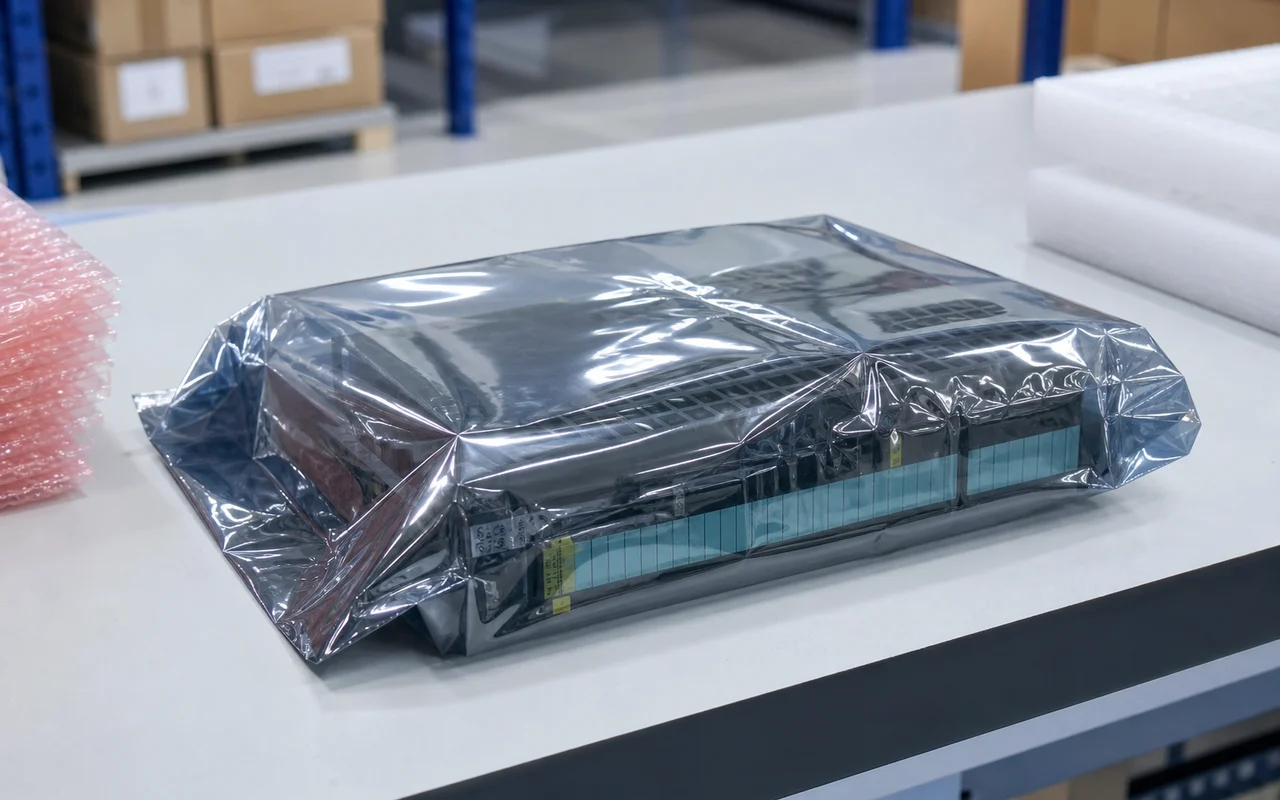 Anti-static Packaging
Modules are packed in anti-static bags to prevent electrostatic damage.
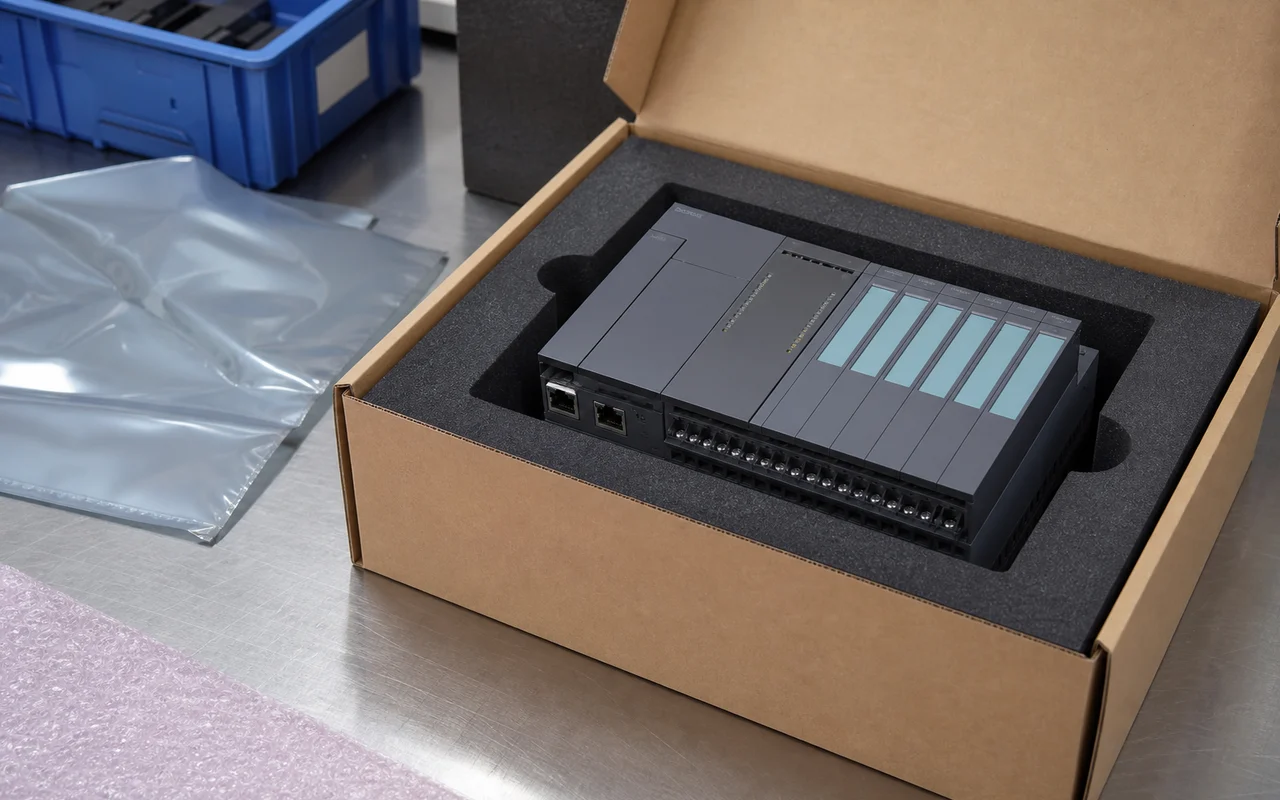 Secure Export Packing
Cushion protection and strong cartons ensure safe transportation.
 Worldwide Shipping
Global logistics network supports air, sea and express delivery.
 Documentation Check
Part number, revision and compatibility verified before shipment.
 After-sales Support
Professional technical support to help resolve your issues.