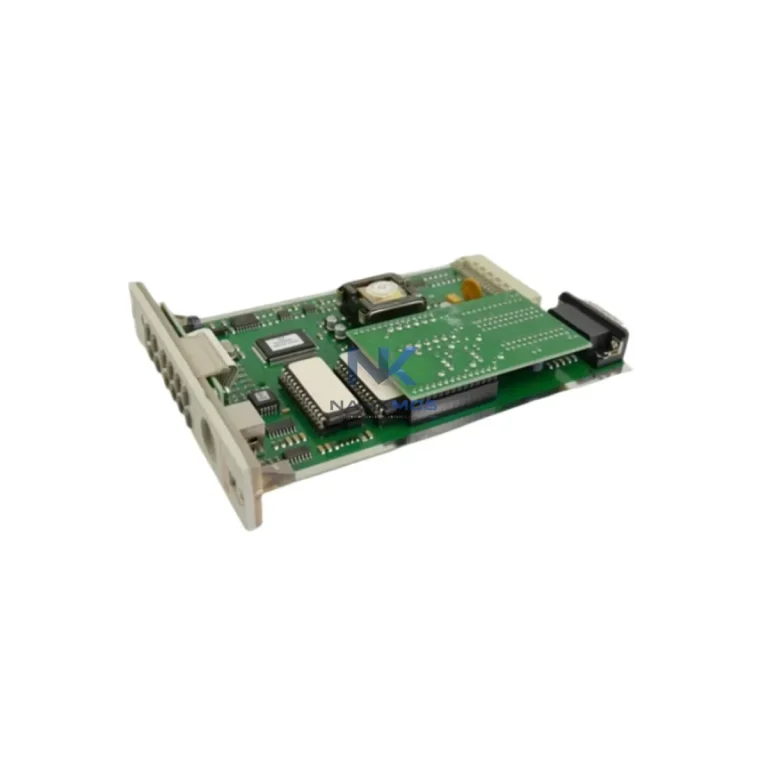
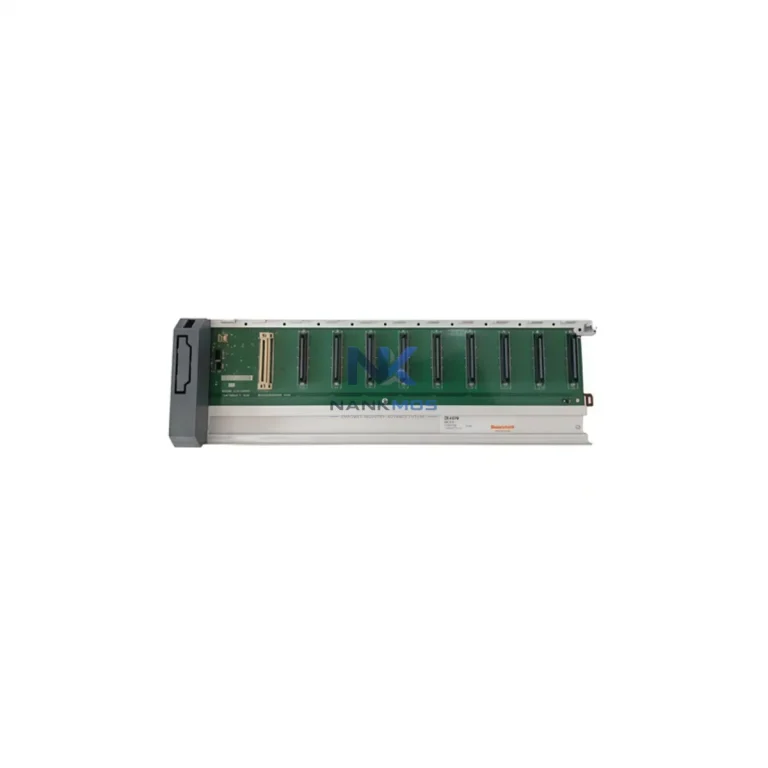
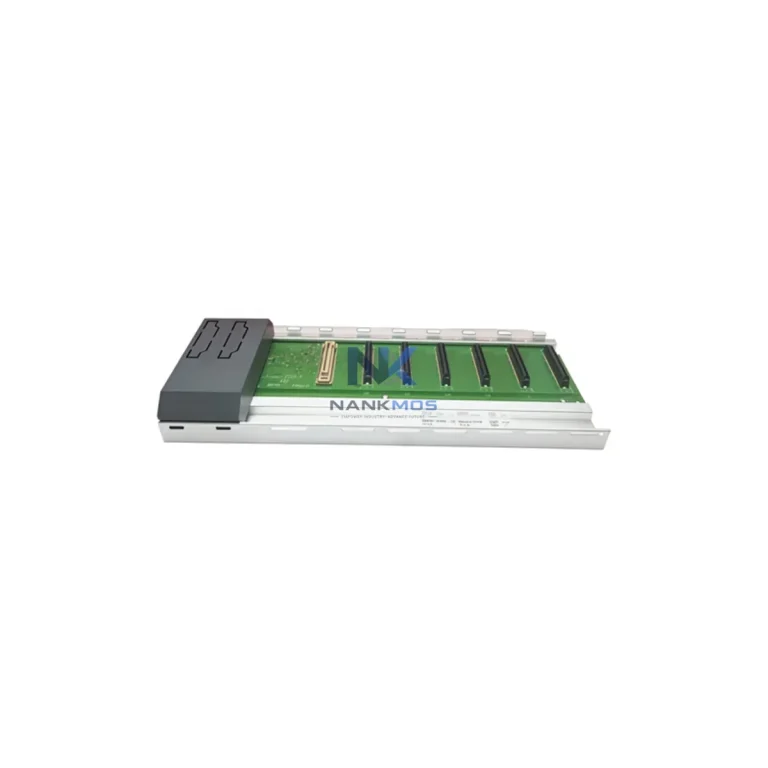
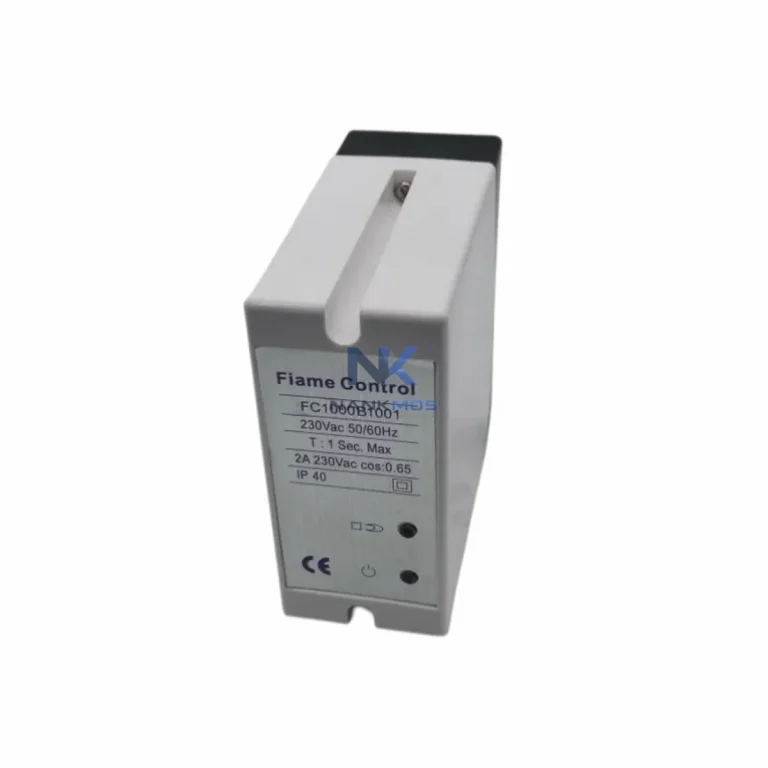
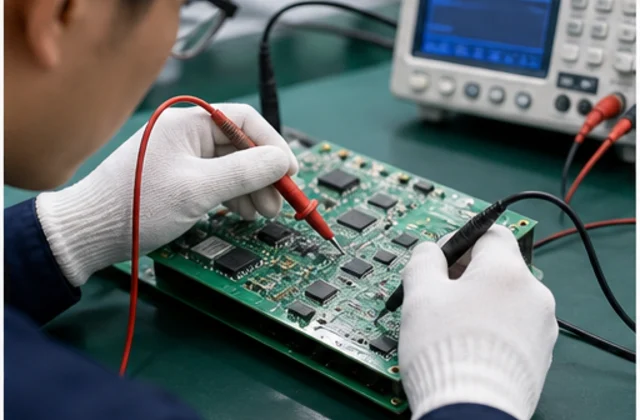
 Functional Inspection
100% tested on professional platforms to ensure stable performance.
Honeywell MC-ELMMS1 is a NANKMOS industrial automation product record Listed under MC- series and Business & Industrial > Automation, Control & Flow Devices. Confirm condition, availability, lead time, compatibility and documentation by email inquiry.
Brand names are used for identification only.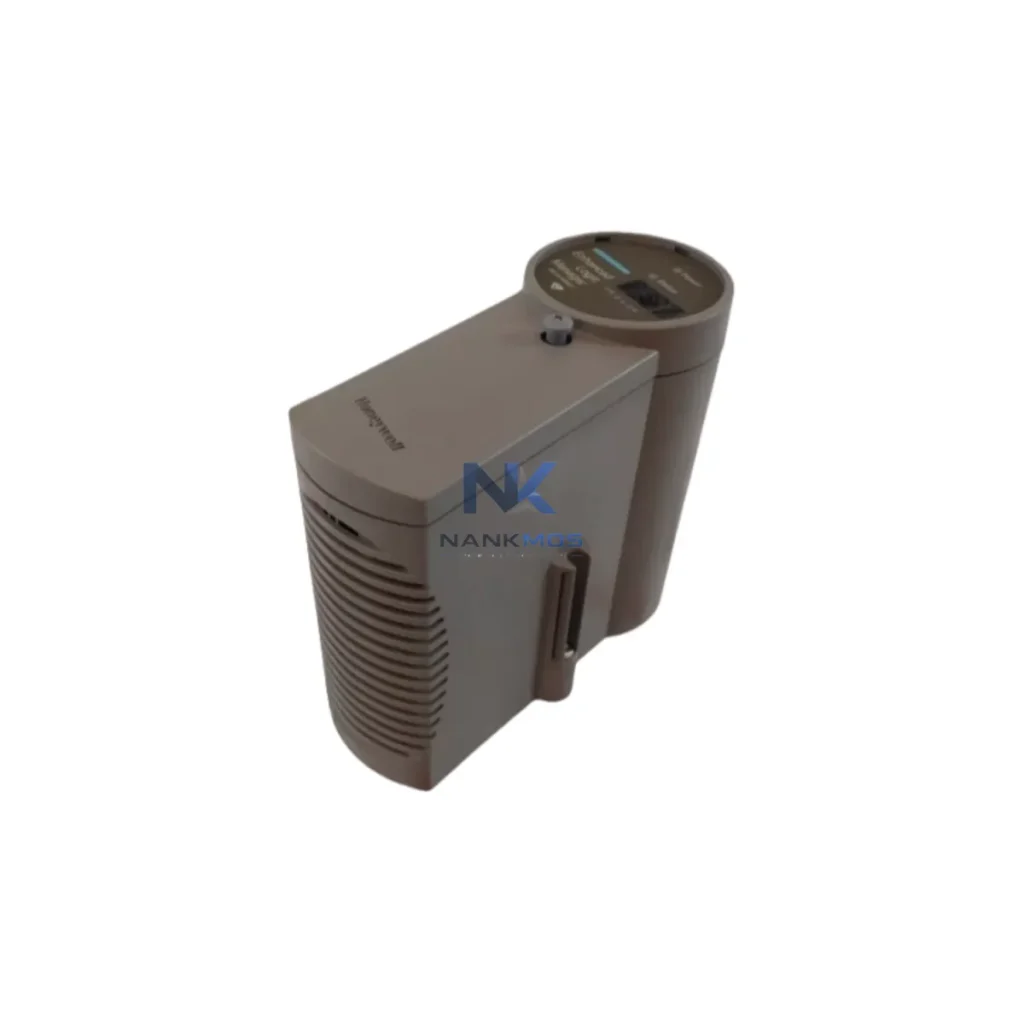
Honeywell MC-ELMMS1 is a NANKMOS industrial automation product record Listed under MC- series and Business & Industrial > Automation, Control & Flow Devices. Confirm condition, availability, lead time, compatibility and documentation by email inquiry.
| Manufacturer | Honeywell |
|---|---|
| Application | Industrial Automation Maintenance |
| Part Number / Model | MC-ELMMS1 |
| Compatible System | MC- |
| Series | MC- |
| Condition Options | To Confirm |
| Module Type | Automation, Control & Flow Devices |
| Warranty | 12 Months |
| Packaging | Anti-static Bag / Secure Box |
| Shipping Methods | DHL / FedEx / UPS / Air / Sea |
| Availability | To Confirm |
| Lead Time | To Confirm |
| Documentation | Part number and revision checked before quote |
The Honeywell MC-ELMMS1 is a high-performance Logic Manager module engineered for the TDC 3000 Distributed Control System platform. Designed to serve as the decision-making core of energy-aware automation architectures, the MC-ELMMS1 executes ladder logic, function block programs, and sequential control routines that directly govern motor start/stop sequences, load-shedding strategies, and drive coordination across continuous and batch production environments. In power generation, petrochemical refining, oil & gas processing, and water treatment facilities, this module plays a central role in reducing idle-state energy consumption, eliminating unnecessary motor run-time, and synchronizing equipment cycles to match actual production demand rather than fixed schedules.
Unlike generic PLCs, the MC-ELMMS1 is natively integrated into the Honeywell TDC 3000 architecture, communicating over the Local Control Network (LCN) and Universal Control Network (UCN) to exchange real-time process variables with upstream and downstream control nodes. This tight integration enables sub-second response to load fluctuations, allowing the module to issue corrective commands to variable frequency drives (VFDs), soft starters, and motor control centers before thermal or electrical stress accumulates. The result is measurable reduction in peak demand charges, lower heat dissipation across the control cabinet, and extended mean time between failures (MTBF) for rotating equipment.
The MC-ELMMS1 Logic Manager operates as the supervisory control layer between field instrumentation and high-power drive systems. In a typical energy-optimized plant architecture, the module receives analog and digital feedback from Honeywell STT350 Smart Temperature Transmitters and ST 3000 Series pressure transmitters, using this data to calculate real-time thermal load and process demand. Based on these inputs, the MC-ELMMS1 issues coordinated commands to Honeywell UCN-connected Variable Frequency Drive (VFD) interface modules, adjusting motor speed references to match actual flow or pressure setpoints rather than running at fixed full-speed operation.
Within the TDC 3000 cabinet, the MC-ELMMS1 works alongside the Honeywell HPM (High-Performance Process Manager) to share process data across the LCN backbone. The HPM handles continuous regulatory control loops — PID for flow, level, and temperature — while the MC-ELMMS1 manages discrete sequencing: pump start permissives, compressor load steps, and motor interlock logic. This division of labor ensures that neither module is burdened with tasks outside its design envelope, preserving scan-cycle integrity and minimizing control latency.
For operator visibility, the MC-ELMMS1 surfaces its logic states and alarm conditions to Honeywell GUS (Global User Station) HMI consoles, where operators can monitor motor run-hours, interlock status, and energy consumption trends in real time. Simultaneously, the module's UCN data is accessible to Honeywell PHD (Process Historian Database) for long-term energy trending, enabling engineering teams to identify inefficient operating windows and optimize shift-based load profiles. Integration with Honeywell AM (Application Module) nodes further extends the MC-ELMMS1's reach into advanced control strategies such as model predictive control (MPC) for compressor trains and boiler load optimization.
At the I/O level, the MC-ELMMS1 interfaces with Honeywell PM I/O (Process Manager Input/Output) cards to read motor current feedback, breaker status, and valve position signals. These inputs feed directly into the module's energy management logic, enabling automatic load-shedding sequences when total plant demand approaches contractual peak thresholds. The module can also communicate status data upstream to SCADA systems via OPC-DA/OPC-UA gateway servers connected to the TDC 3000 LCN, providing enterprise-level energy dashboards with actionable KPIs for plant managers.
In continuous process industries, unplanned downtime and inefficient motor operation are the two largest contributors to avoidable energy waste. The Honeywell MC-ELMMS1 addresses both through deterministic logic execution and tight integration with the TDC 3000 control hierarchy. By enforcing structured start/stop sequences — including pre-lube permissives, ramp-rate limits, and cool-down timers — the module prevents thermal shock to motors and mechanical seals, directly reducing maintenance frequency and the energy cost of emergency restarts.
Load management is further enhanced through the MC-ELMMS1's ability to implement demand-response logic: when power monitoring signals indicate that plant consumption is approaching a peak demand window, the module automatically staggers non-critical motor starts, defers batch initiation, and reduces auxiliary system speeds via VFD setpoint adjustments. This strategy can reduce peak demand charges by 8–15% in facilities with multiple large motor loads, without impacting primary production throughput.
Production line rhythm — or takt time — is stabilized by the MC-ELMMS1's sequential control capabilities. Conveyor systems, packaging lines, and transfer stations can be synchronized to run only when upstream buffers are ready, eliminating the energy waste of running empty conveyors or idle agitators. The module's fast scan cycle (typically <100 ms) ensures that equipment state changes are detected and acted upon before mechanical stress or energy waste accumulates.
Predictive maintenance integration is achieved by logging motor run-hours, start counts, and fault events through the TDC 3000 historian. Engineering teams can set threshold-based alerts within the MC-ELMMS1 logic to flag motors approaching service intervals, enabling planned maintenance during scheduled shutdowns rather than reactive repairs during production. This approach improves overall equipment effectiveness (OEE) and reduces the energy penalty associated with degraded or misaligned rotating equipment.
Every MC-ELMMS1 unit shipped by NANKMOS is pre-shipment tested against Honeywell factory acceptance criteria, verifying logic execution, network communication, and I/O response before dispatch. Units are supplied with a 12-month warranty covering manufacturing defects and functional failures under normal operating conditions, with in-stock availability ensuring minimal lead time for critical plant maintenance and upgrade projects.
Q1: What energy-saving benefits does the MC-ELMMS1 provide in a TDC 3000 plant? The MC-ELMMS1 reduces energy waste by enforcing demand-aware motor sequencing, implementing load-shedding logic during peak demand windows, and eliminating unnecessary idle-state motor operation. In multi-motor facilities, coordinated start/stop logic can reduce peak demand charges and lower overall kWh consumption per production unit.
Q2: Is the MC-ELMMS1 compatible with modern SCADA and energy management systems? Yes. The MC-ELMMS1 operates natively within the TDC 3000 LCN/UCN architecture and can expose process data to OPC-DA and OPC-UA gateway servers, enabling integration with modern SCADA platforms, MES systems, and enterprise energy management dashboards without requiring hardware modifications.
Q3: Can the MC-ELMMS1 replace a failed Logic Manager in an existing TDC 3000 system? Yes. The MC-ELMMS1 is a direct replacement module for compatible TDC 3000 Logic Manager slots. NANKMOS recommends verifying the firmware revision and UCN node configuration before installation. All units are pre-shipment tested and supplied with documentation to support drop-in replacement with minimal downtime.
Q4: What is the warranty and lead time for the MC-ELMMS1? All MC-ELMMS1 units are covered by a 12-month warranty from the date of shipment. Units are held in stock and dispatched after pre-shipment functional testing, typically within 2–5 business days. Expedited shipping is available for critical plant maintenance requirements.
Functional Inspection100% tested on professional platforms to ensure stable performance.
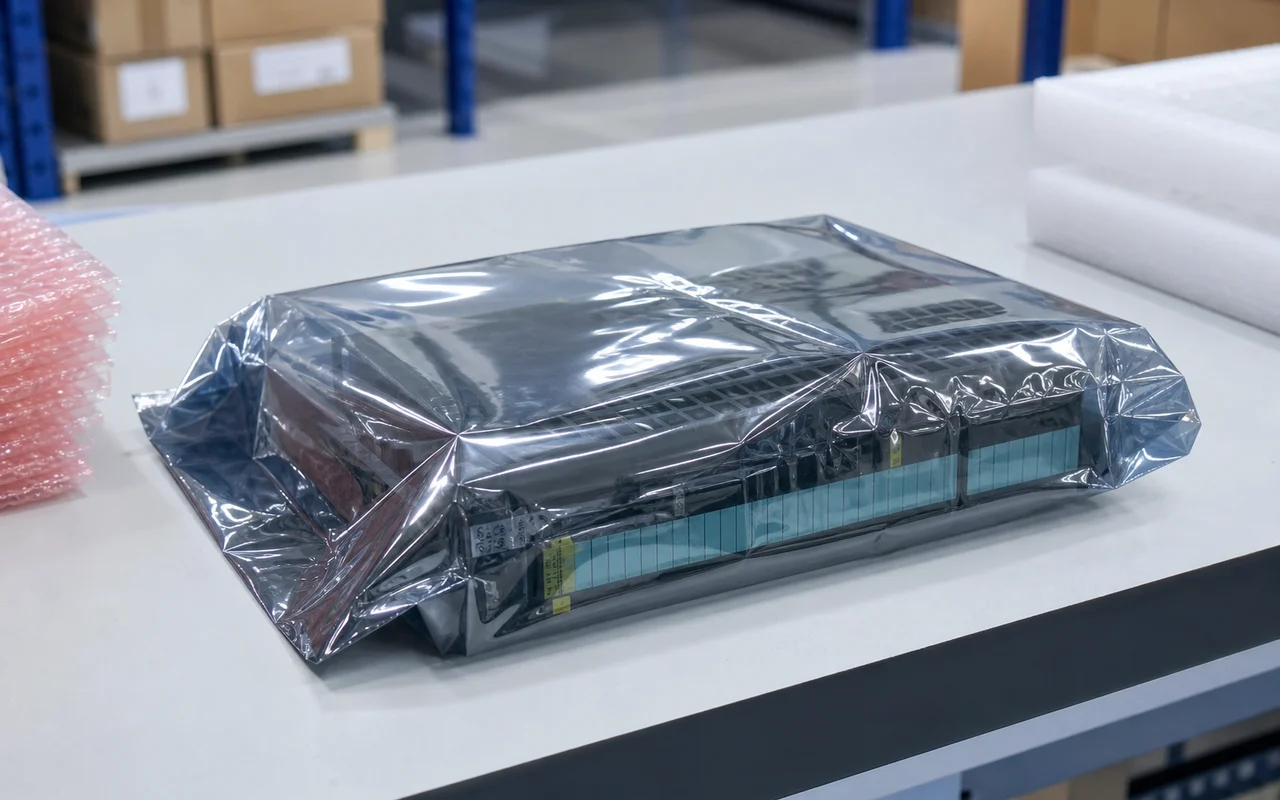 Anti-static Packaging
Modules are packed in anti-static bags to prevent electrostatic damage.
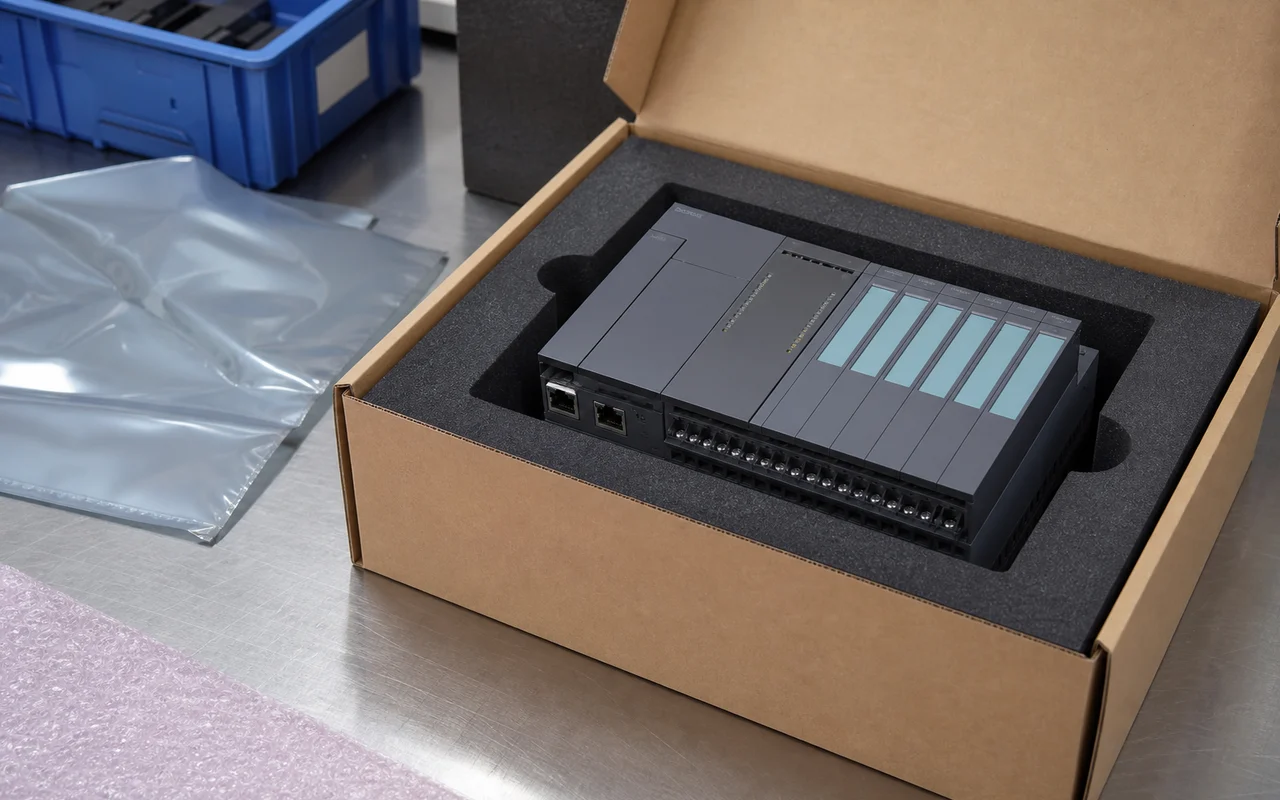 Secure Export Packing
Cushion protection and strong cartons ensure safe transportation.
 Worldwide Shipping
Global logistics network supports air, sea and express delivery.
 Documentation Check
Part number, revision and compatibility verified before shipment.
 After-sales Support
Professional technical support to help resolve your issues.