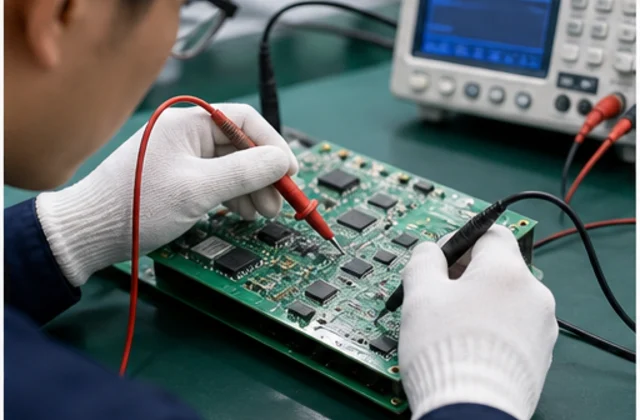
 Functional Inspection
100% tested on professional platforms to ensure stable performance.
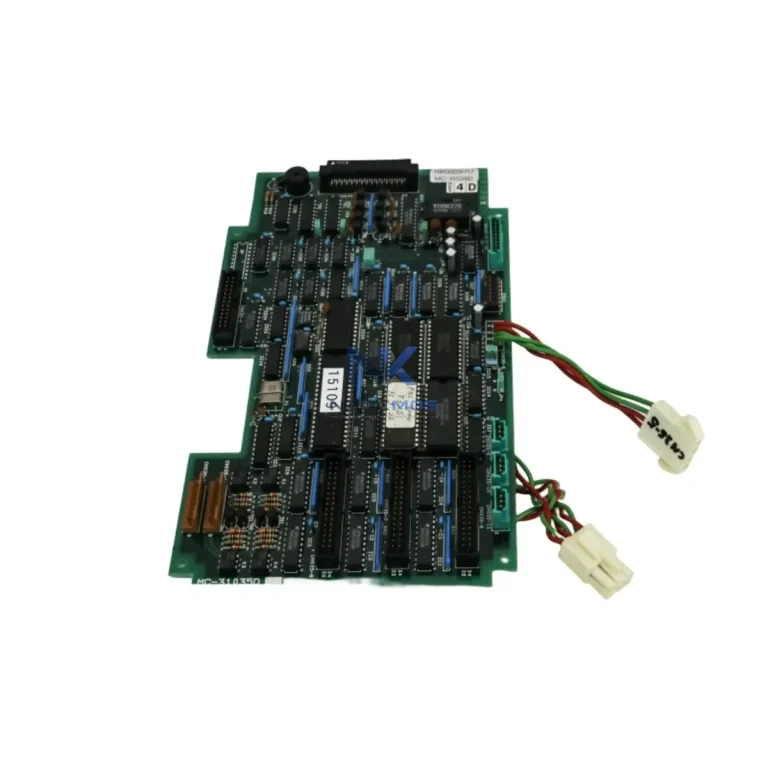
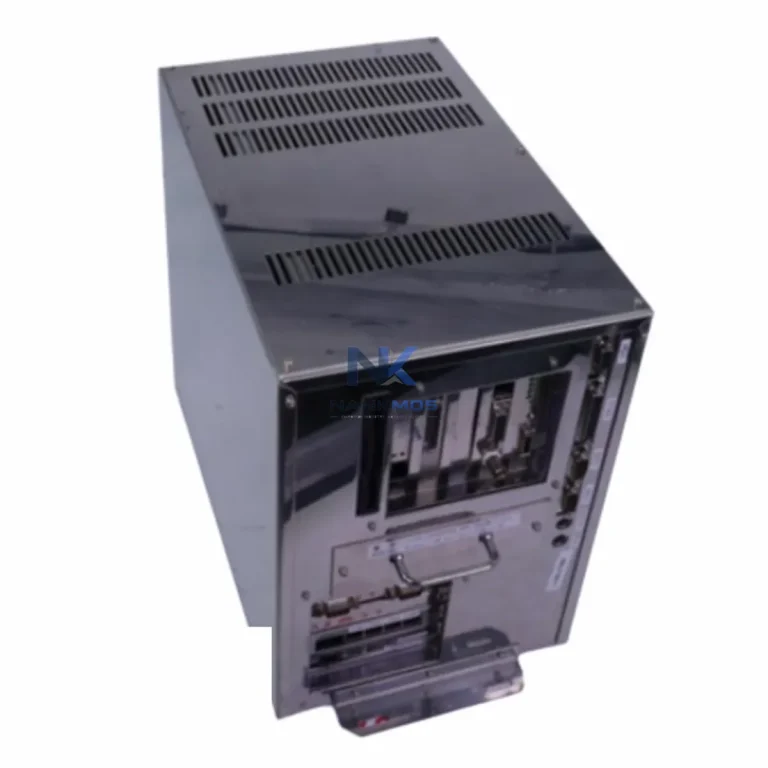
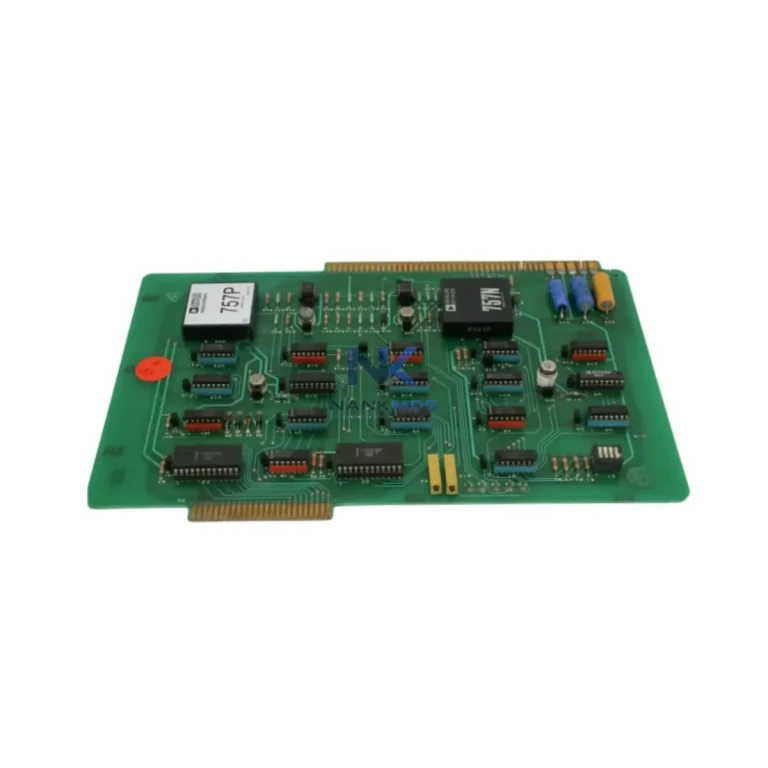
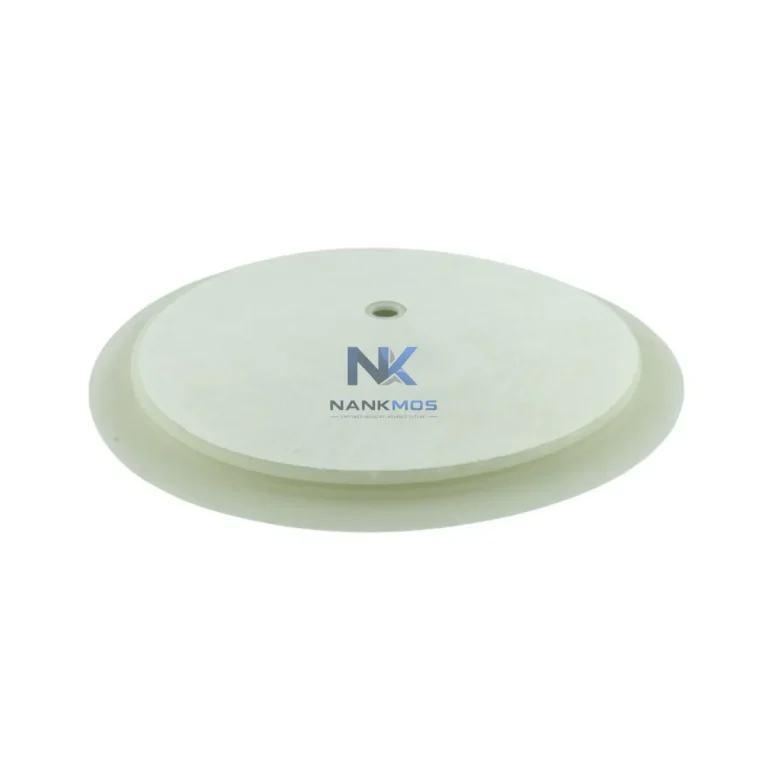
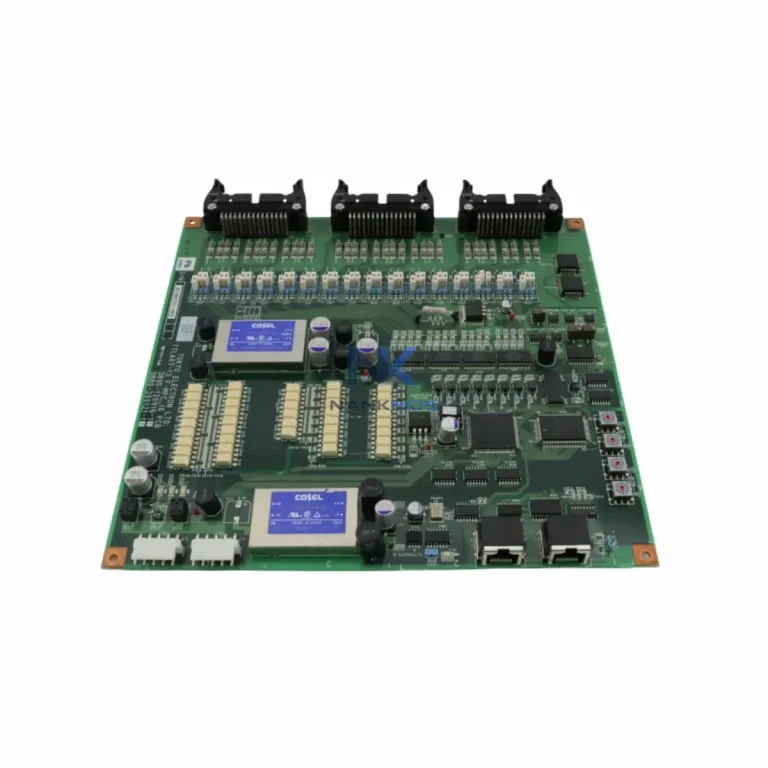
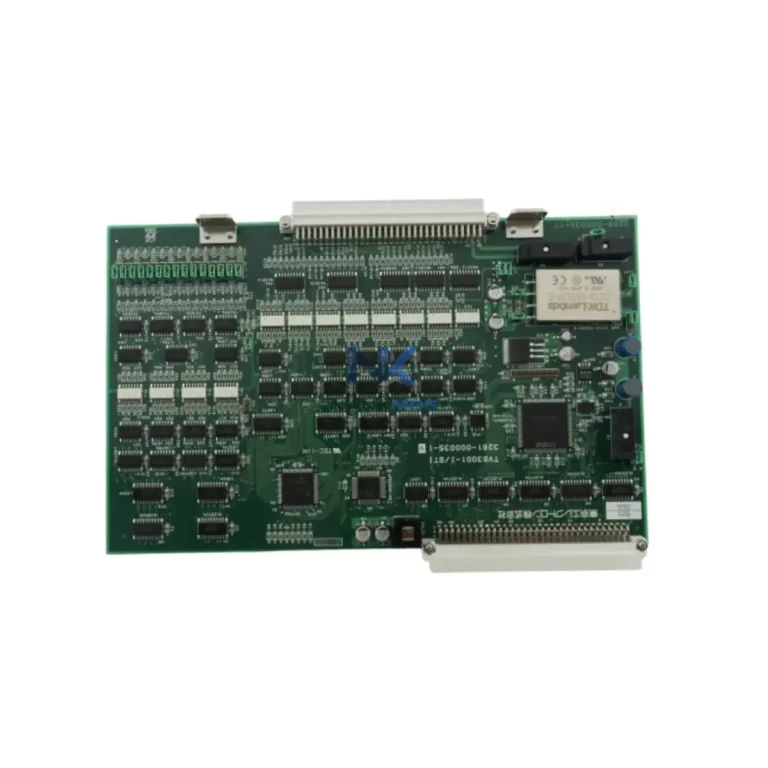
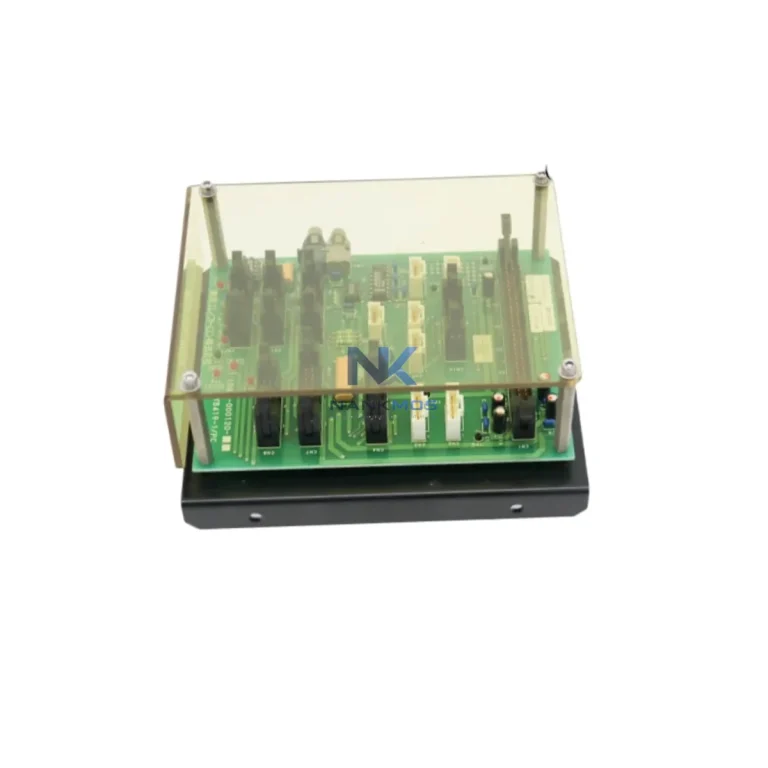
Tokyo Electron (TEL) 5085-404901-11 12INCH 2910-202413-12 404200XRMPD2H14 7-249717 is a NANKMOS industrial automation product record Listed under Other series series and Business & Industrial > Automation, Control & Flow Devices > Programmable Logic Controllers. Confirm condition, availability, lead time, compatibility and documentation by email inquiry.
Brand names are used for identification only.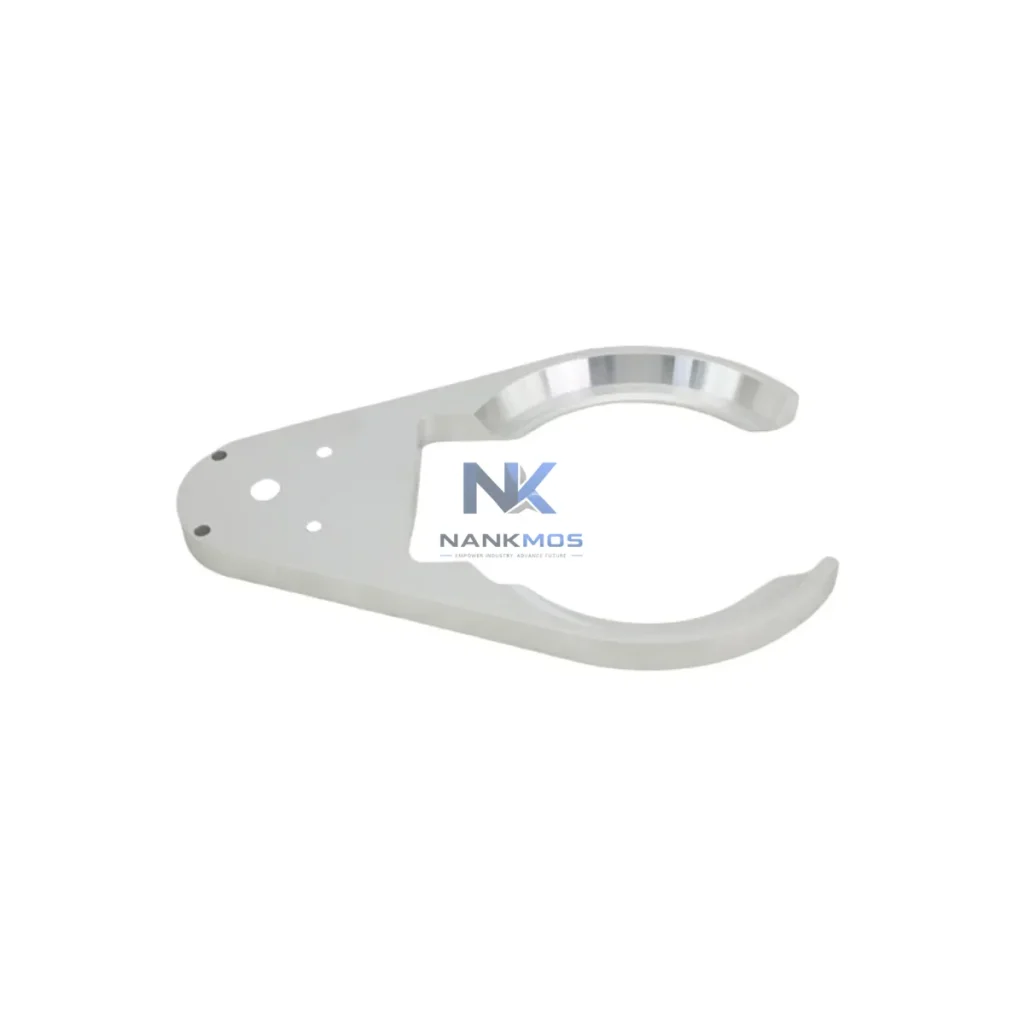
Tokyo Electron (TEL) 5085-404901-11 12INCH 2910-202413-12 404200XRMPD2H14 7-249717 is a NANKMOS industrial automation product record Listed under Other series series and Business & Industrial > Automation, Control & Flow Devices > Programmable Logic Controllers. Confirm condition, availability, lead time, compatibility and documentation by email inquiry.
| Manufacturer | Tokyo Electron (TEL) |
|---|---|
| Application | Controller Processing & System Control |
| Part Number / Model | 5085-404901-11 12INCH 2910-202413-12 404200XRMPD2H14 7-249717 |
| Compatible System | Confirmed by inquiry |
| Condition Options | To Confirm |
| Module Type | Controller / CPU Module |
| Warranty | 12 Months |
| Packaging | Anti-static Bag / Secure Box |
| Shipping Methods | DHL / FedEx / UPS / Air / Sea |
| Availability | To Confirm |
| Lead Time | To Confirm |
| Documentation | Part number and revision checked before quote |
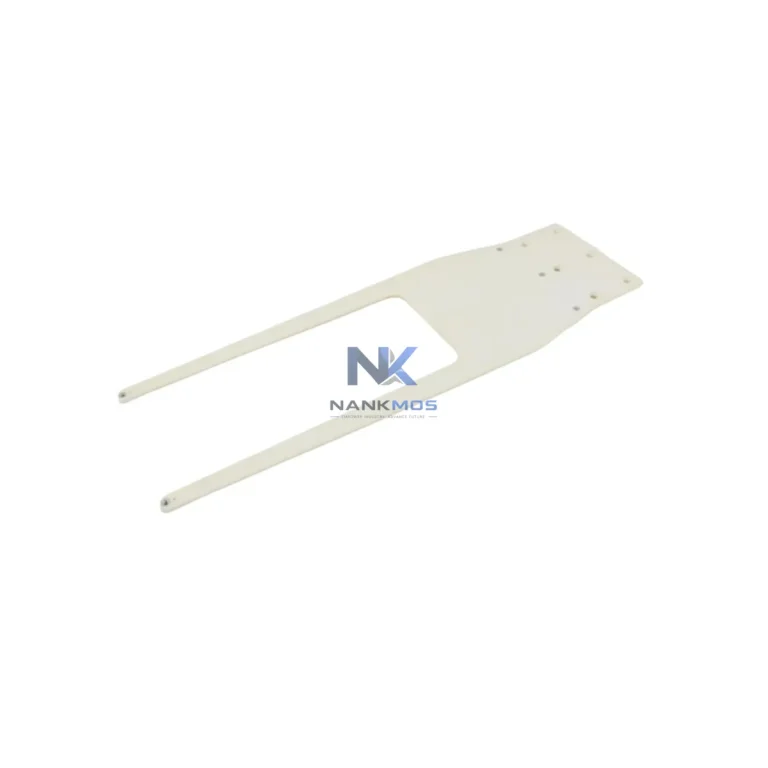
The TEL 5085-404901-11 (12INCH PRA ASSY, cross-reference: 2910-202413-12 / 404200XRMPD2H14 / 7-249717) is a precision-engineered Process Robot Assembly designed for seamless integration within the Tokyo Electron LITHIUS dielectric etch platform. As a core mechanical and electromechanical subsystem, this PRA module governs wafer transfer sequencing, end-effector positioning, and inter-chamber handoff — functions that are foundational to throughput consistency, process repeatability, and system uptime in high-volume semiconductor manufacturing environments.
In the context of the LITHIUS architecture, the PRA does not operate in isolation. It is the kinematic backbone that connects the load-lock, transfer chamber, and process chambers into a unified, synchronized workflow. Its role spans the mechanical layer, the motion control layer, and the diagnostic layer simultaneously — making it one of the most architecturally significant components in the etch system stack.
The TEL 5085-404901-11 PRA Assembly achieves its full performance potential only when deployed within a correctly configured LITHIUS system stack. At the control layer, the PRA interfaces with the TEL system motion controller, receiving positional commands and returning encoder feedback that governs blade extension, retraction, and rotation with sub-millimeter repeatability. This tight coupling with the motion control subsystem ensures that wafer placement accuracy is maintained across thousands of transfer cycles without drift or recalibration.
At the I/O layer, the PRA communicates wafer presence, blade position, and fault states through the system's distributed I/O bus. Components such as the TEL LITHIUS Transfer Chamber I/O Module and associated sensor signal conditioning boards aggregate these signals and relay them to the system controller, enabling real-time process interlocking and alarm management. The integrity of this signal chain is critical — any latency or noise in the I/O layer directly impacts wafer handling safety and process yield.
The power layer supplying the PRA servo drives and end-effector heaters must be sized and filtered to TEL specifications. The TEL LITHIUS DC Power Distribution Unit and associated servo amplifier modules provide the regulated, noise-isolated power rails that the PRA's motion axes require. Voltage ripple or ground loop interference at this layer can manifest as positional jitter or unexpected fault trips, making power layer integrity a prerequisite for stable PRA operation.
At the communication layer, the LITHIUS platform employs a proprietary internal motion bus alongside SECS/GEM for host-level integration. The PRA's motion controller node participates in this bus topology, and its firmware must be version-matched to the system's TEL LITHIUS Main Controller Board to ensure command-response timing is within specification. Mismatched firmware versions are a common root cause of intermittent transfer errors in field deployments.
The HMI layer — typically the TEL LITHIUS Operator Console — provides the engineer interface for PRA diagnostics, manual jog operations, and transfer recipe management. During commissioning, the HMI is used to execute the PRA's teach procedure, establishing the precise positional offsets for each chamber slot. This teach data is stored in the system controller and must be backed up before any PRA replacement or maintenance event.
At the execution layer, the PRA works in concert with the TEL LITHIUS Load-Lock Assembly and the Process Chamber Gate Valve Actuators to execute the full wafer transfer sequence. Timing coordination between the gate valve open/close cycle and the PRA blade extension is managed by the system controller's sequence engine — any mechanical wear in the gate valve actuators or PRA blade guides will introduce timing variance that accumulates into yield loss over time.
The protection layer includes the PRA's built-in collision detection logic, wafer drop sensors, and the system-level interlock matrix managed by the TEL LITHIUS Safety PLC. These protection mechanisms ensure that a blade position fault or wafer slip event triggers an immediate controlled stop rather than a catastrophic wafer break or chamber contamination event. Regular verification of these interlocks is a mandatory element of the system's preventive maintenance schedule.
Finally, at the maintenance layer, the 5085-404901-11 is designed for modular replacement within the LITHIUS transfer chamber. The assembly's mechanical interfaces are standardized to TEL's field replacement specifications, allowing a trained FSE to complete a swap within a planned maintenance window. Paired with the TEL LITHIUS Diagnostic Software Package, post-replacement verification — including teach confirmation, speed ramp testing, and wafer presence sensor calibration — can be completed systematically before returning the system to production.
The TEL 5085-404901-11 PRA Assembly is deployed across a range of high-demand semiconductor manufacturing environments where process consistency and system uptime are non-negotiable:
Logic and Memory Fab (High-Volume Manufacturing): In 300mm logic and DRAM fabs running continuous etch campaigns, the PRA's transfer repeatability directly impacts within-wafer uniformity. Any positional drift in the PRA's blade placement translates into etch depth variation across the wafer, making PRA mechanical integrity a yield-critical parameter. Facilities running 24/7 operations typically maintain a qualified spare PRA on-site to minimize unplanned downtime.
Advanced Packaging and 3D Integration: As advanced packaging processes migrate to etch-based via formation and surface preparation, the LITHIUS platform — and by extension the PRA — is increasingly deployed in packaging fabs alongside traditional front-end-of-line tools. The PRA's ability to handle ultra-thin wafers and bonded wafer stacks without mechanical stress is a key selection criterion in these applications.
Compound Semiconductor and Power Device Manufacturing: GaN, SiC, and other compound semiconductor processes running on adapted LITHIUS configurations require the PRA to handle substrates with different thermal and mechanical properties than standard silicon. The 5085-404901-11's end-effector design accommodates these substrate types within the standard LITHIUS transfer chamber envelope.
R&D and Pilot Line Environments: In university research fabs and IDM pilot lines, the LITHIUS system is often operated in a more flexible recipe mode with frequent process changes. In these environments, the PRA's teach procedure is executed more frequently, and the mechanical wear rate on blade guides and bearings is higher than in high-volume production. Maintaining a documented PRA service history is particularly important in these settings to anticipate replacement intervals before unplanned failures occur.
Q1: Is the TEL 5085-404901-11 directly interchangeable with other LITHIUS PRA variants, and what verification steps are required after installation? The 5085-404901-11 is a system-matched assembly for specific LITHIUS configurations. Before installation, confirm that the part number and revision level match the system's BOM. After installation, the full PRA teach procedure must be executed via the TEL LITHIUS Operator Console to re-establish positional offsets for all chamber slots. Wafer presence sensor calibration and a minimum of 10 dry-run transfer cycles should be completed before returning the system to production. Firmware version compatibility between the PRA motion controller node and the LITHIUS Main Controller Board must also be verified.
Q2: What are the key indicators that the PRA requires replacement rather than repair, and how does the 12-Month Warranty apply? Primary replacement indicators include: persistent positional repeatability errors that cannot be resolved by re-teaching, mechanical play in the blade extension/retraction mechanism exceeding TEL's specified tolerance, encoder feedback anomalies that persist after cable and connector inspection, and wafer drop events attributable to end-effector wear. NANKMOS supplies the 5085-404901-11 with a 12-Month Warranty covering manufacturing defects and premature failure under normal operating conditions. All units undergo pre-shipment functional testing and are shipped with test documentation. Warranty claims are processed through [email protected] with supporting fault logs and installation records.
Q3: What is the typical lead time and inventory availability for the TEL 5085-404901-11, and how should procurement teams plan for long-term supply continuity? NANKMOS maintains strategic inventory of the 5085-404901-11 to support both planned maintenance cycles and emergency replacement scenarios. Lead times vary by regional demand and are confirmed at the time of inquiry. For fabs running continuous production, NANKMOS recommends establishing a consignment or blanket order arrangement to ensure a qualified spare is available on-site at all times. Procurement teams should also register cross-reference part numbers (2910-202413-12, 404200XRMPD2H14, 7-249717) in their ERP systems to avoid duplicate sourcing from multiple vendors. Contact [email protected] or +86 18359268345 for current stock status and volume pricing.
Functional Inspection100% tested on professional platforms to ensure stable performance.
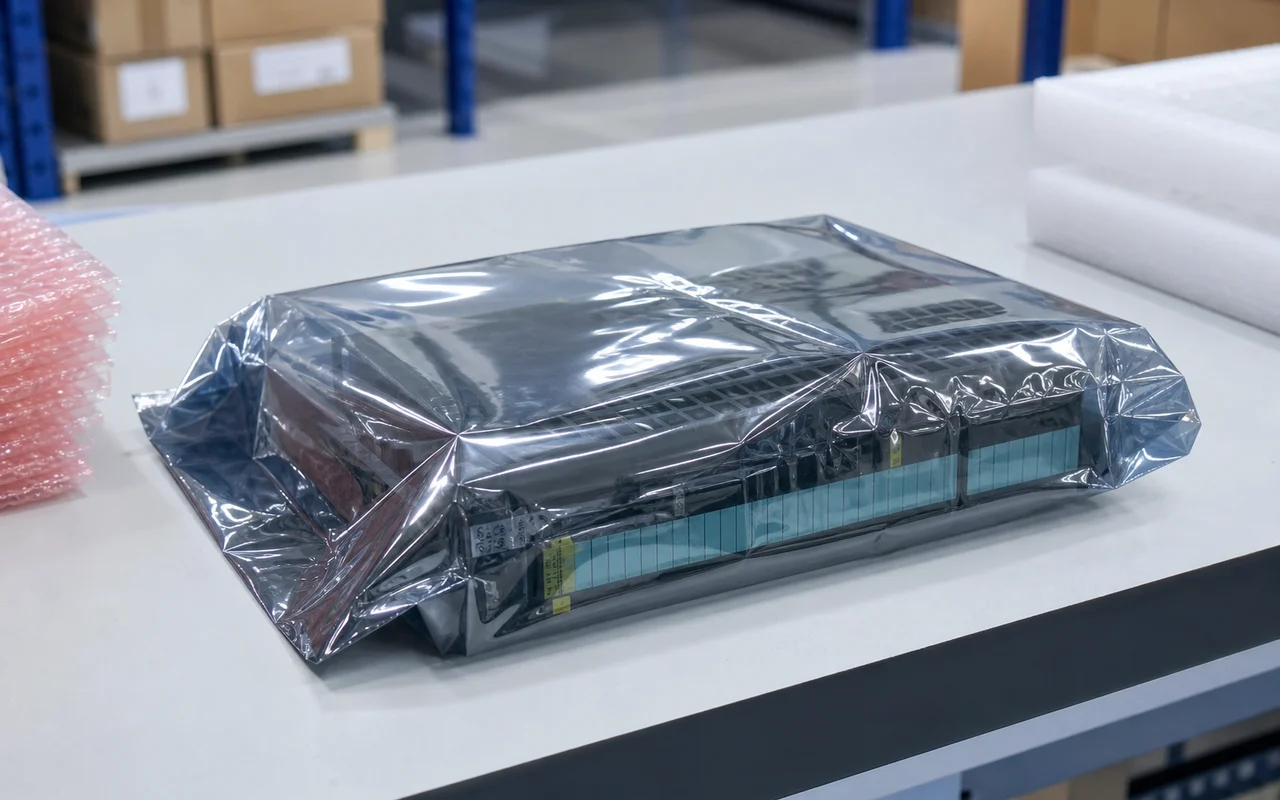 Anti-static Packaging
Modules are packed in anti-static bags to prevent electrostatic damage.
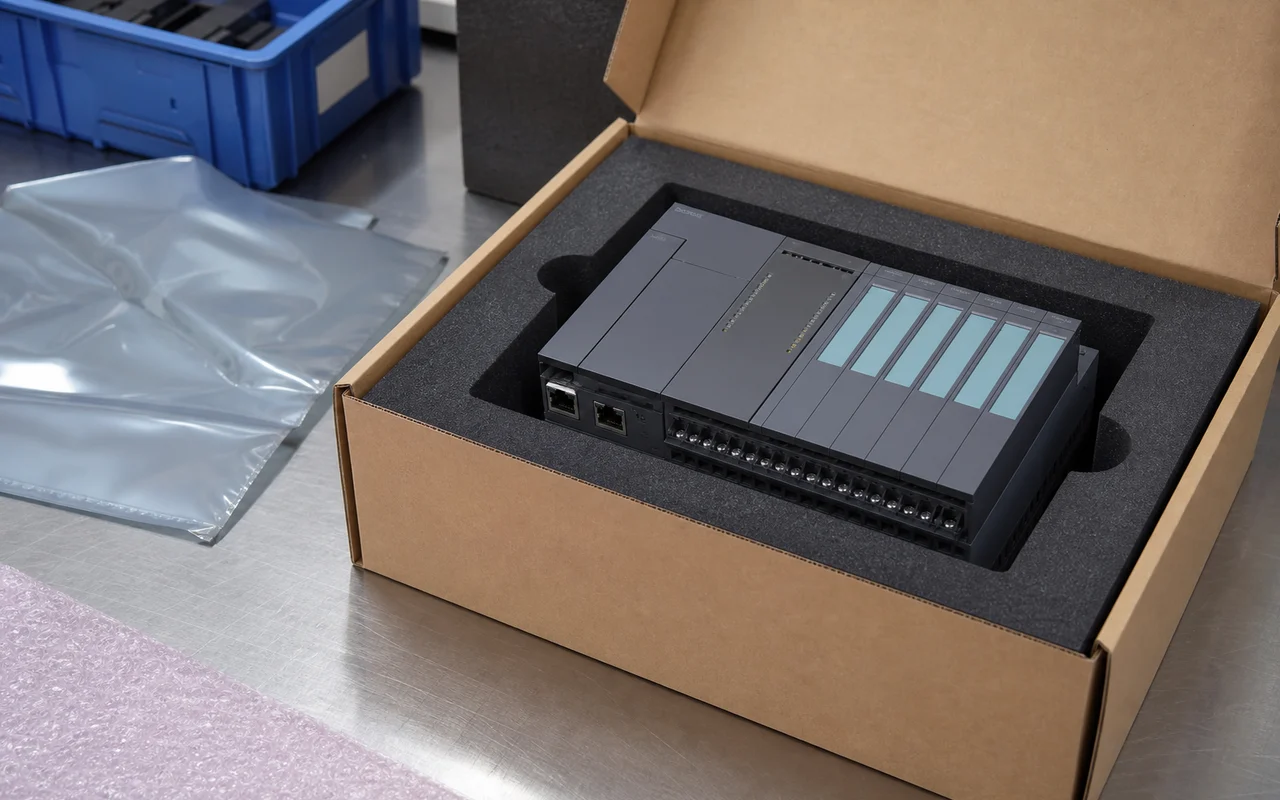 Secure Export Packing
Cushion protection and strong cartons ensure safe transportation.
 Worldwide Shipping
Global logistics network supports air, sea and express delivery.
 Documentation Check
Part number, revision and compatibility verified before shipment.
 After-sales Support
Professional technical support to help resolve your issues.