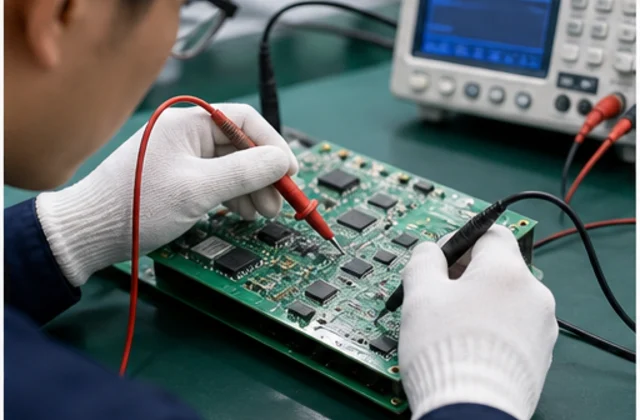
 Functional Inspection
100% tested on professional platforms to ensure stable performance.
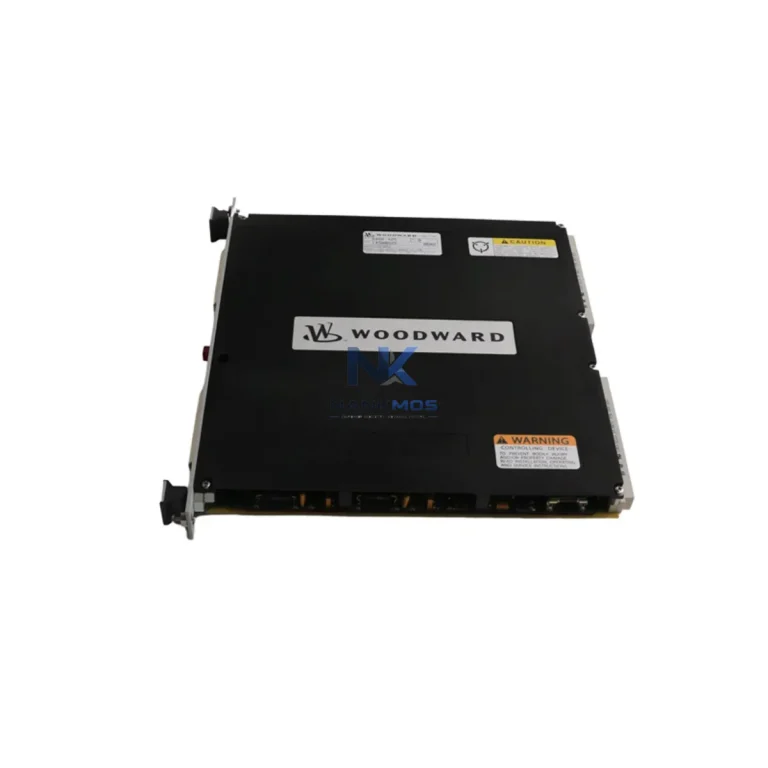
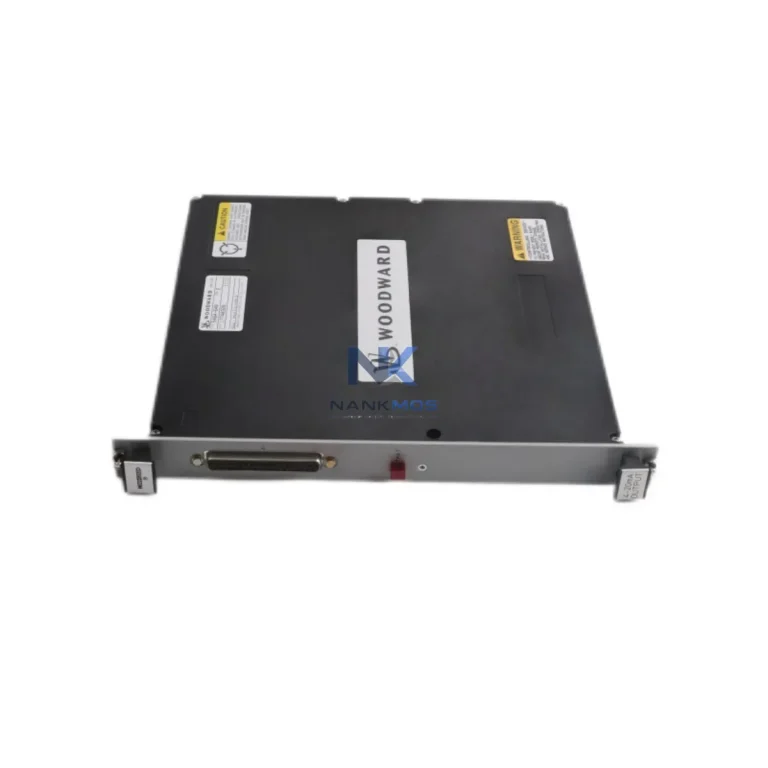
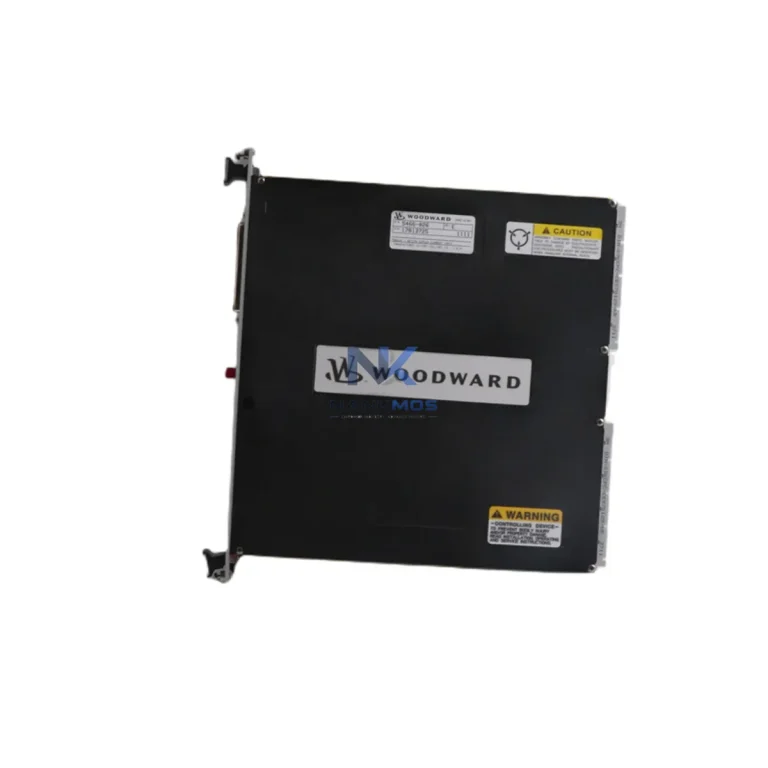
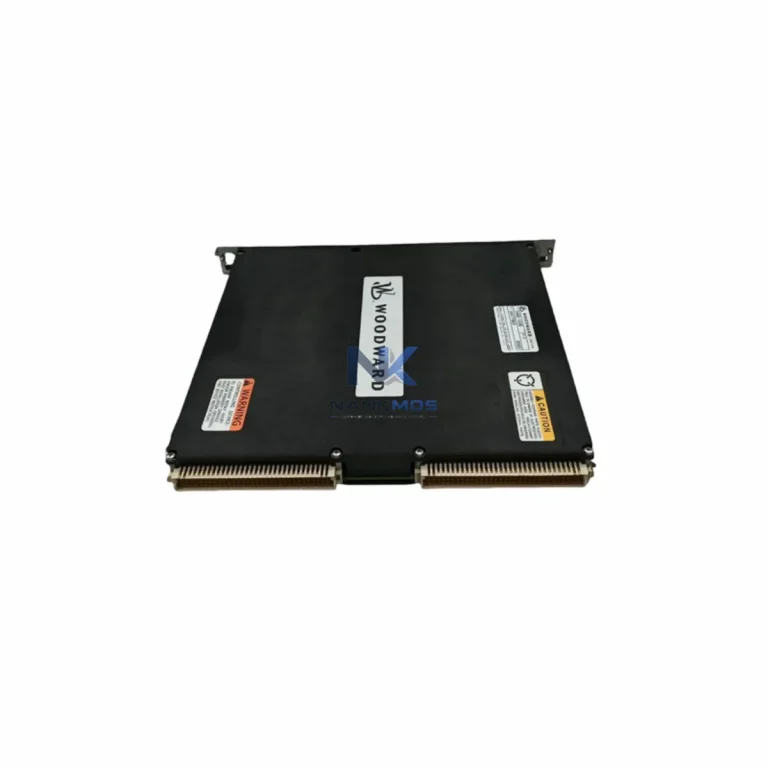
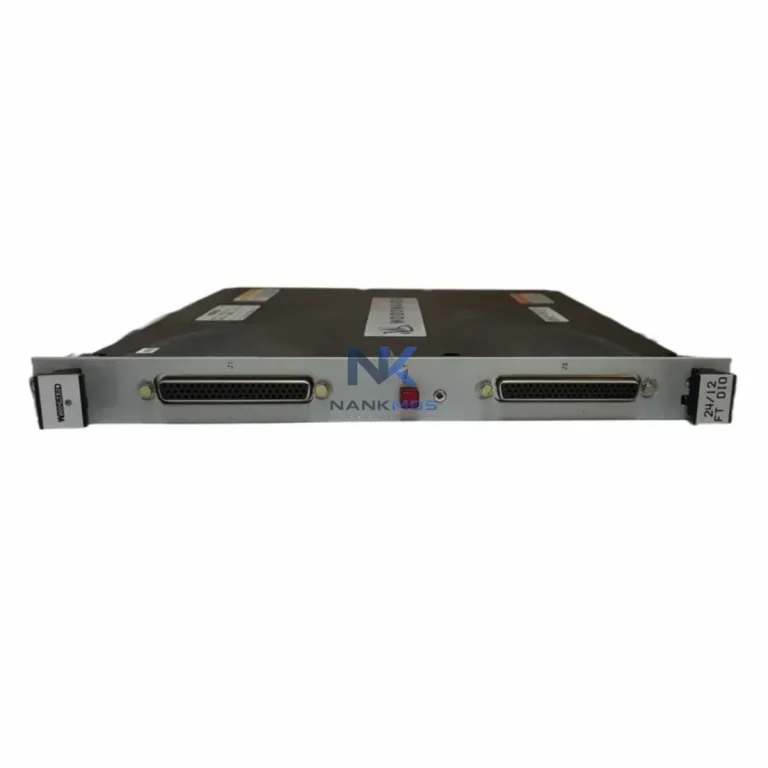
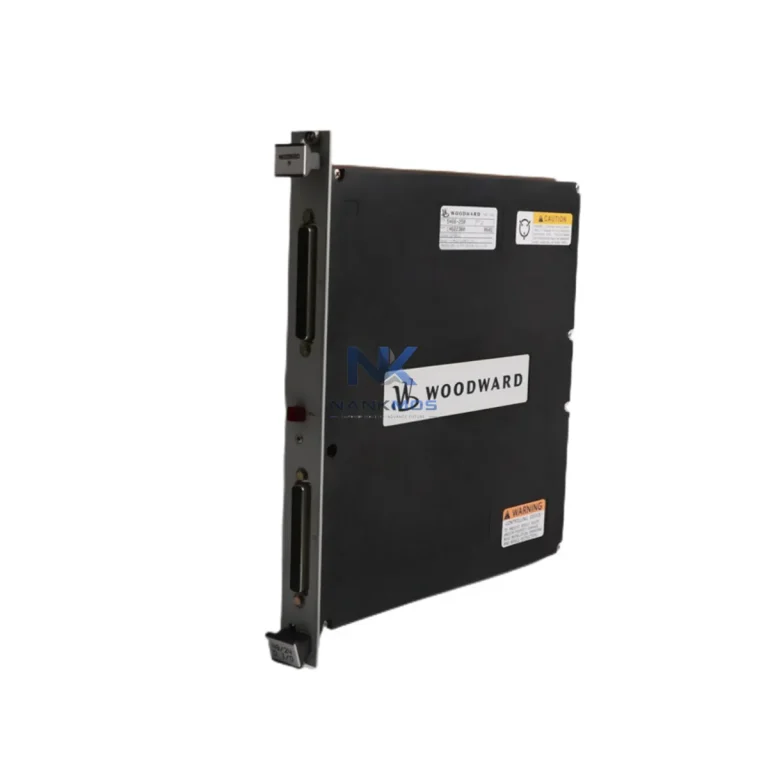
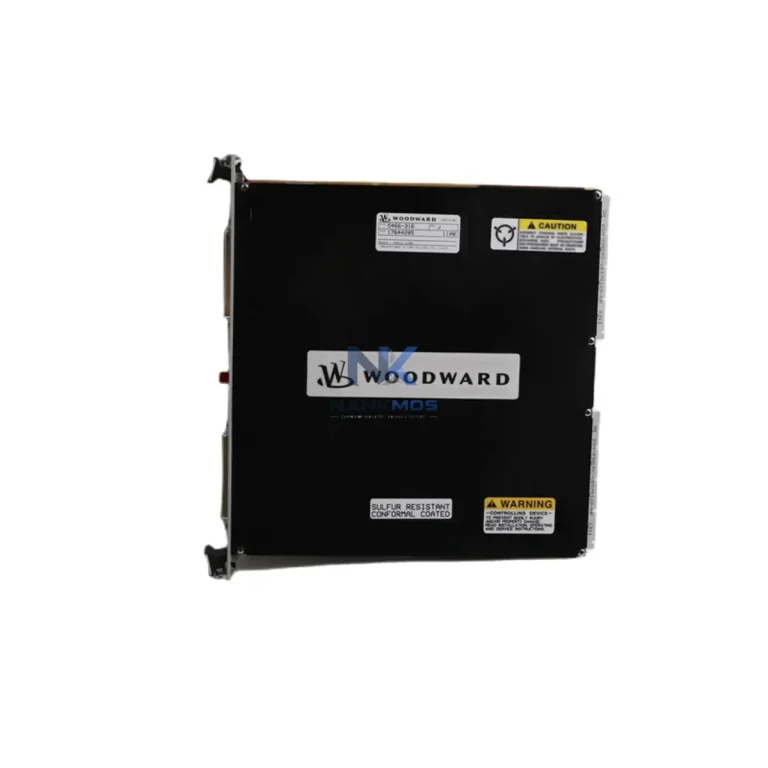
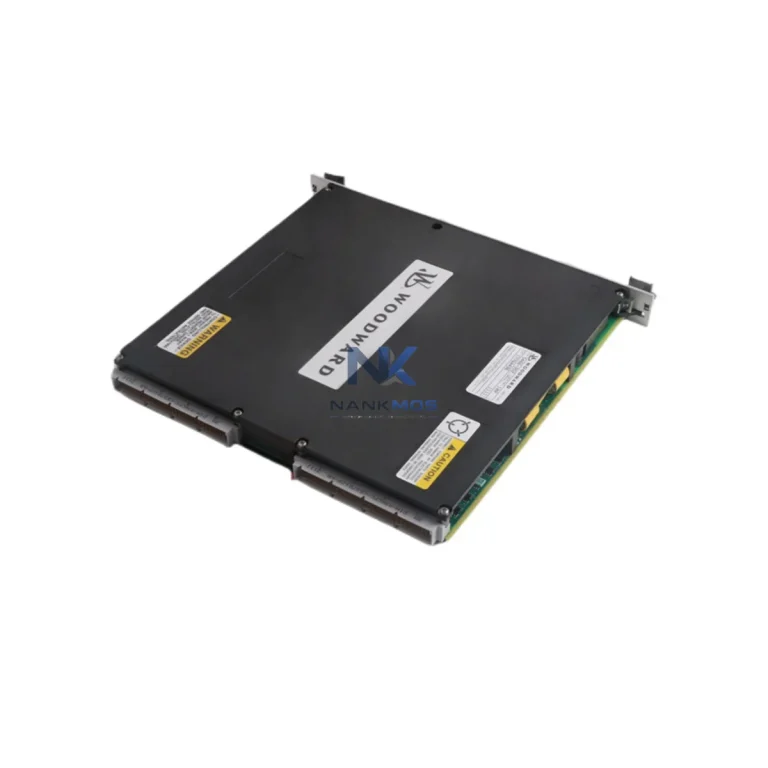
Woodward 5464-544 is a NANKMOS industrial automation product record Listed under Other series series and Business & Industrial > Automation, Control & Flow Devices > Programmable Logic Controllers. Confirm condition, availability, lead time, compatibility and documentation by email inquiry.
Brand names are used for identification only.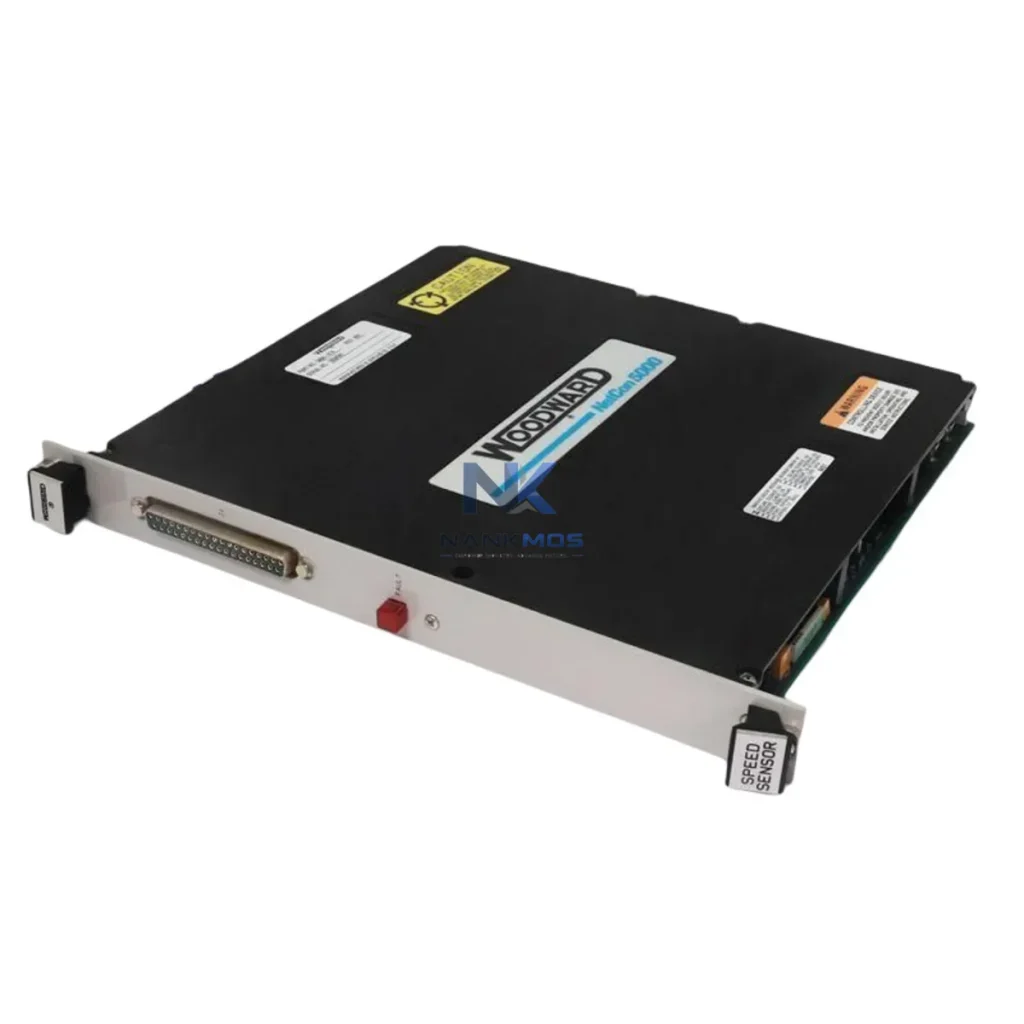
Woodward 5464-544 is a NANKMOS industrial automation product record Listed under Other series series and Business & Industrial > Automation, Control & Flow Devices > Programmable Logic Controllers. Confirm condition, availability, lead time, compatibility and documentation by email inquiry.
| Manufacturer | Woodward |
|---|---|
| Application | Controller Processing & System Control |
| Part Number / Model | 5464-544 |
| Compatible System | Confirmed by inquiry |
| Condition Options | To Confirm |
| Module Type | Controller / CPU Module |
| Warranty | 12 Months |
| Packaging | Anti-static Bag / Secure Box |
| Shipping Methods | DHL / FedEx / UPS / Air / Sea |
| Availability | To Confirm |
| Lead Time | To Confirm |
| Documentation | Part number and revision checked before quote |
The Woodward 5464-544 Remote Transceiver is a field-proven communication component engineered for deployment within the MicroNet distributed control platform. Designed to serve as the physical and logical bridge between the MicroNet controller backplane and remote I/O or field device networks, the 5464-544 ensures deterministic signal transmission, low-latency data exchange, and robust noise immunity across demanding industrial environments. Its role within the control architecture extends far beyond simple signal relay — it is a structural enabler of system coherence, redundancy integrity, and long-term maintainability across multi-node turbine and process control installations.
In modern industrial automation, the reliability of a control system is only as strong as its communication backbone. The Woodward 5464-544 addresses this directly by providing a hardened transceiver interface that maintains signal fidelity between the MicroNet CPU module and distributed I/O assemblies, even under conditions of electrical interference, ground potential variation, or extended cable runs. This makes it particularly valuable in gas turbine control panels, compressor skids, and power generation facilities where signal degradation can translate directly into unplanned downtime or unsafe operating conditions.
From a system architecture perspective, the 5464-544 operates at the communication layer, interfacing with the MicroNet backplane and supporting the structured data flow that underpins closed-loop control. When paired with the MicroNet CPU — such as the 5464-386 or 5464-748 processor modules — the transceiver ensures that scan cycle integrity is preserved across all connected I/O nodes. This is critical in applications where the control system must simultaneously manage fuel metering, speed governing, temperature protection, and load sharing across multiple turbine units.
The 5464-544 is also compatible with MicroNet expansion racks and remote terminal units, allowing engineers to extend the control architecture without introducing communication bottlenecks. In installations where the main control cabinet is physically separated from field junction boxes or remote I/O panels, the transceiver maintains the electrical isolation and signal conditioning necessary to prevent ground loops and common-mode interference from corrupting process data. This capability directly supports modular deployment strategies, where control cabinets are staged across a facility and interconnected via shielded twisted-pair or fiber-optic media.
Within the broader MicroNet ecosystem, the 5464-544 works in close coordination with power supply modules such as the 5464-395 or 5464-396, which provide the regulated DC rails required for stable transceiver operation. Voltage stability at the communication layer is non-negotiable — even minor fluctuations can introduce jitter or packet loss that degrades control loop performance. The power supply and transceiver together form the electrical foundation upon which all higher-level control functions depend.
For system integrators working with Woodward's MicroNet platform, the 5464-544 also plays a role in redundancy architecture. In dual-redundant configurations, where two MicroNet controllers operate in hot-standby mode, the transceiver must maintain synchronization between the active and standby channels. This requires precise timing and deterministic latency characteristics — both of which the 5464-544 is designed to deliver. Redundancy modules such as the 5464-618 or 5464-619 rely on the transceiver layer to arbitrate switchover events without disrupting the field I/O scan cycle.
Diagnostic efficiency is another area where the 5464-544 contributes meaningfully to system operations. By maintaining a clean communication path between the CPU and I/O modules, it enables the MicroNet platform's built-in diagnostics to accurately identify faults at the module level rather than attributing communication errors to field wiring or sensor failures. This reduces mean time to repair (MTTR) during troubleshooting and allows maintenance teams to isolate issues with greater confidence. When used alongside Woodward's GAP (Graphical Application Programmer) software environment, the transceiver's communication health can be monitored in real time, supporting predictive maintenance strategies.
The 5464-544 is also relevant in retrofit and upgrade scenarios, where aging DCS or relay-based control systems are being modernized with MicroNet architecture. In these projects, the transceiver serves as the interface point between legacy field wiring and the new control platform, often eliminating the need for complete rewiring of field instrumentation. This reduces project cost and commissioning time while preserving the investment in existing field infrastructure. Components such as terminal modules, signal isolators, and marshalling panels are typically retained and connected through the transceiver layer during phased migration projects.
From a long-term maintenance perspective, the availability of the 5464-544 as a stocked, tested replacement module is a significant operational advantage. Control systems in power generation, oil and gas, and petrochemical facilities are expected to operate continuously for decades, and the ability to source a verified replacement module on short notice is essential for maintaining uptime commitments. Each unit supplied by NANKMOS undergoes functional verification prior to shipment, ensuring that the module performs to Woodward's original specification upon installation.
The 5464-544 is suitable for installation in standard 19-inch rack enclosures and MicroNet-compatible backplane assemblies. It operates across a wide industrial temperature range and is designed to meet the vibration and EMC requirements typical of turbine control and heavy industrial environments. Whether deployed in a new installation, a system expansion, or a like-for-like replacement, the 5464-544 delivers the communication reliability that MicroNet-based control architectures depend on.
The Woodward 5464-544 is most effective when considered as part of a complete MicroNet control architecture rather than as a standalone component. In a fully integrated turbine or compressor control system, the transceiver operates alongside a structured set of modules that collectively manage every layer of the automation hierarchy.
At the control layer, the MicroNet CPU modules — including the 5464-386 and 5464-748 — execute the application logic and issue commands to field devices via the communication backbone that the 5464-544 supports. The CPU's scan cycle depends on deterministic communication latency, which the transceiver is specifically designed to maintain even under high I/O load conditions.
Power integrity is managed by dedicated supply modules such as the 5464-395 and 5464-396, which deliver regulated DC power to the backplane. Stable power at the communication layer is a prerequisite for reliable transceiver operation, and these modules are typically specified alongside the 5464-544 in new installations and replacement projects.
At the I/O layer, analog input modules such as the 5464-532 and digital output modules in the MicroNet I/O family connect to field sensors, actuators, and protective relays. The 5464-544 transceiver ensures that data from these modules reaches the CPU with minimal latency and without signal corruption, which is essential for closed-loop control of fuel valves, inlet guide vanes, and speed governors.
Redundancy is managed through dedicated modules such as the 5464-618 redundancy controller, which coordinates switchover between active and standby CPU channels. The transceiver layer must maintain communication continuity during switchover events, and the 5464-544 is designed to support this requirement without introducing additional latency or data loss.
For facilities that integrate MicroNet with plant-level SCADA or DCS systems, communication gateways and protocol converters — including Modbus RTU/TCP and OPC-compatible interfaces — are used to bridge the MicroNet network with supervisory platforms. The 5464-544 supports this integration by maintaining a stable and noise-free communication path at the field level, ensuring that data presented to the SCADA layer accurately reflects real-time process conditions.
HMI panels connected to the MicroNet platform, including Woodward's own operator interface terminals, rely on the communication infrastructure that the 5464-544 supports to display real-time process data, alarm states, and diagnostic information. In facilities where operators monitor multiple turbine units from a central control room, the reliability of the transceiver layer directly affects the quality and timeliness of the information available to operations personnel.
The Woodward 5464-544 Remote Transceiver is deployed across a wide range of heavy industrial applications where the MicroNet platform is used for turbine, compressor, and process control.
In power generation facilities, including gas turbine power plants and combined-cycle installations, the 5464-544 supports the communication infrastructure that connects the MicroNet controller to fuel metering valves, inlet guide vane actuators, exhaust temperature sensors, and protective relay systems. The transceiver's noise immunity and electrical isolation are particularly valuable in generator step-up transformer bays, where high electromagnetic interference levels can disrupt unprotected communication links.
In oil and gas processing facilities, including offshore platforms and onshore compression stations, the 5464-544 is used in MicroNet-based compressor control panels where the controller must manage suction and discharge pressure, anti-surge control, and vibration monitoring simultaneously. The transceiver's ability to maintain deterministic communication across extended cable runs is essential in these installations, where the control cabinet may be located in a classified area remote from the field instrumentation.
In petrochemical and refinery applications, the 5464-544 supports MicroNet deployments in fired heater control, rotating equipment protection, and utility system automation. These applications require high availability and fast fault detection, both of which depend on the communication reliability that the transceiver provides.
In marine and shipboard applications, Woodward MicroNet systems are used for main engine control, auxiliary machinery management, and power management systems. The 5464-544's vibration tolerance and wide operating temperature range make it suitable for shipboard control cabinets, where environmental conditions are more demanding than in land-based installations.
In water treatment and pumping stations, MicroNet-based control systems manage pump sequencing, flow control, and chemical dosing. The 5464-544 supports the communication layer in these applications, ensuring that the controller receives accurate process data from flow meters, level sensors, and pressure transmitters distributed across the facility.
Q1: Is the Woodward 5464-544 a direct drop-in replacement for an existing MicroNet transceiver module?Yes. The 5464-544 is designed as a form-fit-function replacement for the original Woodward MicroNet remote transceiver. It installs directly into the existing backplane slot without requiring firmware changes, wiring modifications, or reconfiguration of the MicroNet application software. Prior to shipment, each unit is functionally tested to verify communication performance and compatibility with the MicroNet platform. Commissioning typically involves inserting the module, confirming communication status via the MicroNet diagnostic interface, and verifying I/O scan integrity — a process that can be completed during a planned maintenance window without extended downtime.
Q2: Can the 5464-544 be used in a dual-redundant MicroNet architecture, and how does it behave during a controller switchover?Yes. The 5464-544 is compatible with dual-redundant MicroNet configurations. In these architectures, the transceiver maintains the communication path between the active CPU channel and the remote I/O nodes. During a switchover event — whether triggered by a CPU fault, a manual test, or a scheduled maintenance action — the transceiver layer continues to service the I/O scan cycle without interruption, provided that the redundancy module (such as the 5464-618) is correctly configured and the switchover logic is properly tuned. The 5464-544's deterministic latency characteristics ensure that the standby CPU channel receives accurate I/O data prior to assuming control, which is essential for bumpless transfer in closed-loop applications.
Q3: What warranty and supply assurance does NANKMOS provide for the Woodward 5464-544?NANKMOS provides a 12-Month Warranty on the Woodward 5464-544, covering functional performance under normal operating conditions. Each unit is individually tested prior to shipment to verify communication integrity and compatibility with the MicroNet platform. NANKMOS maintains stock of the 5464-544 to support urgent replacement requirements, with expedited shipping available for facilities facing unplanned downtime. For long-term supply planning, NANKMOS can provide availability forecasts and support blanket order arrangements for customers managing multi-site MicroNet installations. For procurement inquiries, contact [email protected] or call +86 18359268345.
Functional Inspection100% tested on professional platforms to ensure stable performance.
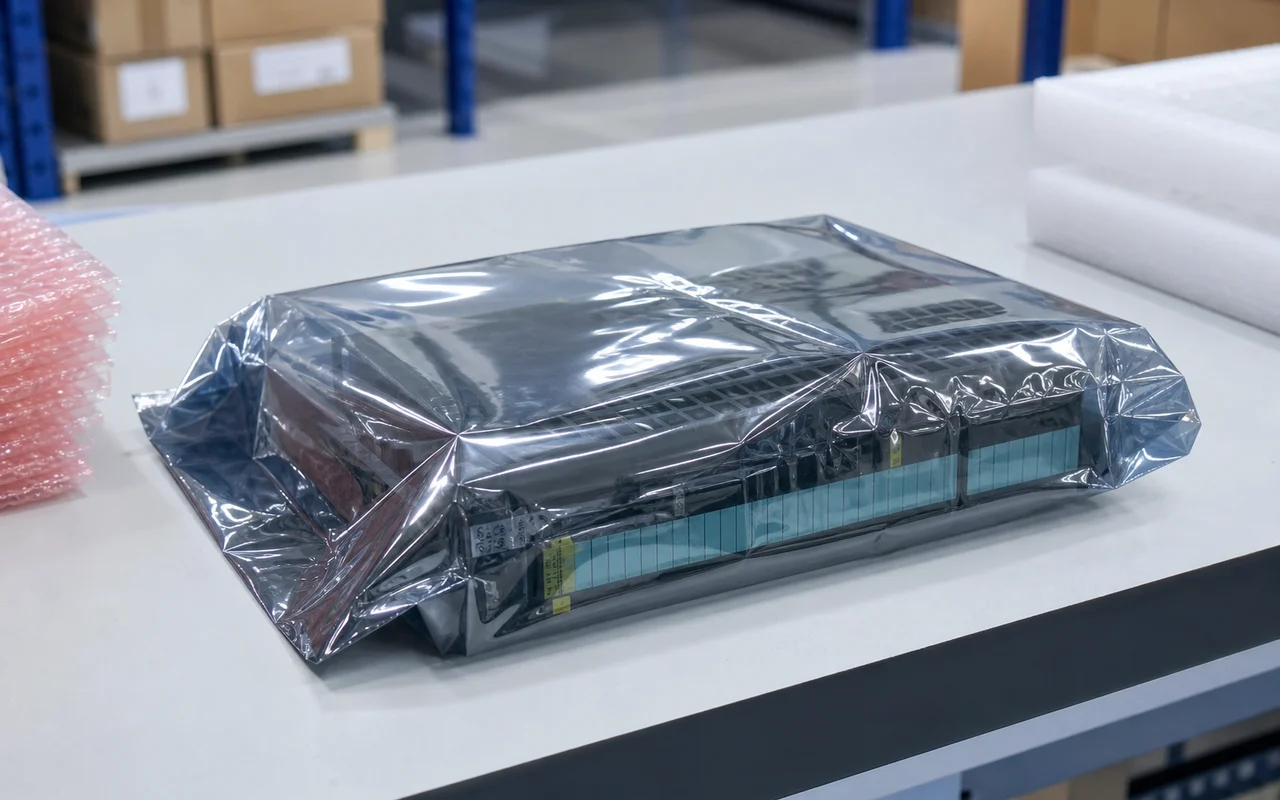 Anti-static Packaging
Modules are packed in anti-static bags to prevent electrostatic damage.
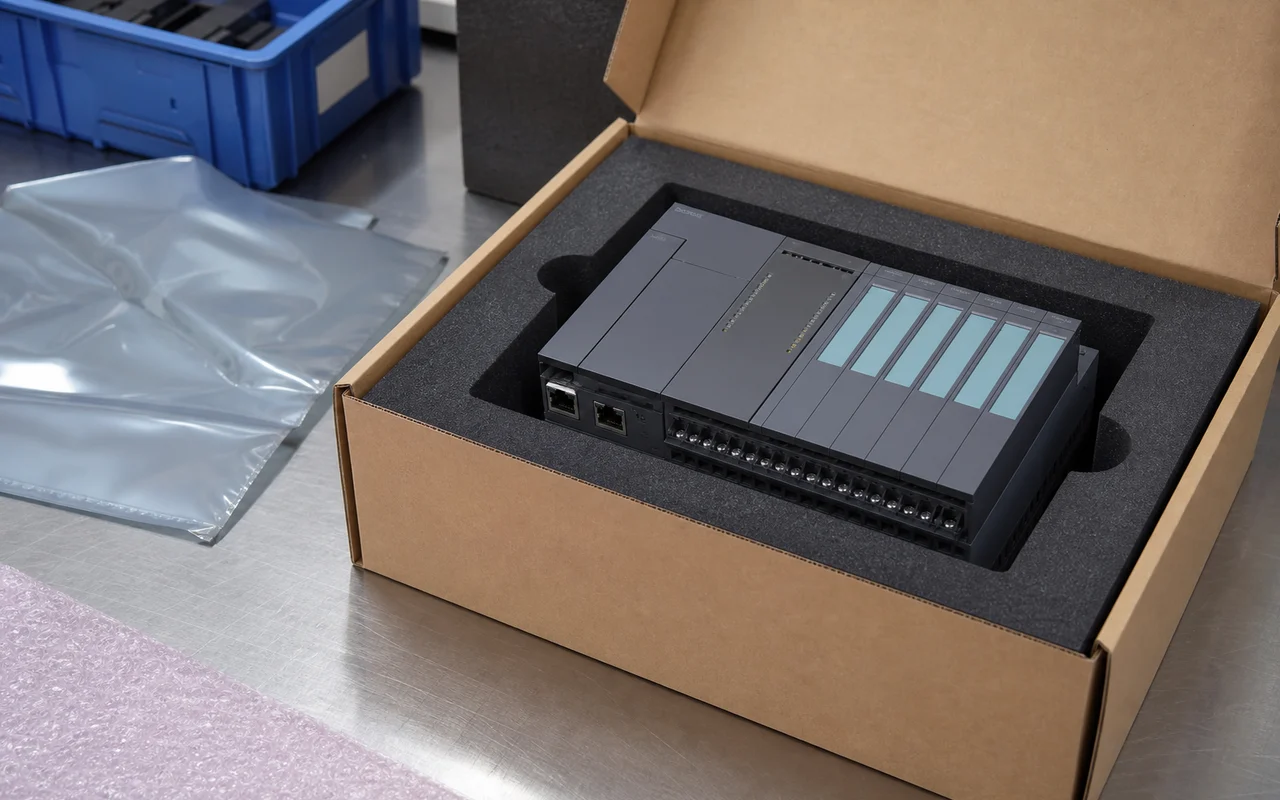 Secure Export Packing
Cushion protection and strong cartons ensure safe transportation.
 Worldwide Shipping
Global logistics network supports air, sea and express delivery.
 Documentation Check
Part number, revision and compatibility verified before shipment.
 After-sales Support
Professional technical support to help resolve your issues.