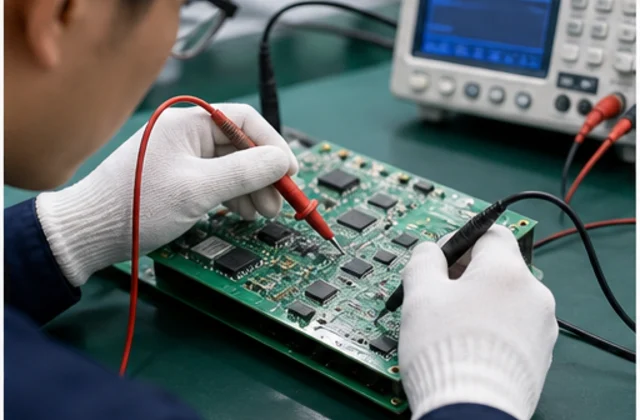
 Functional Inspection
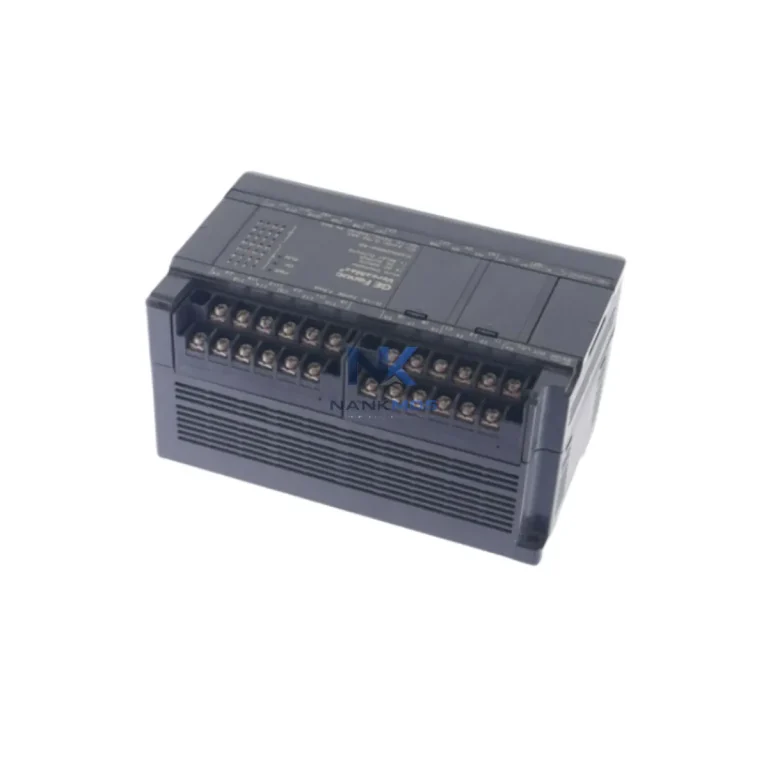
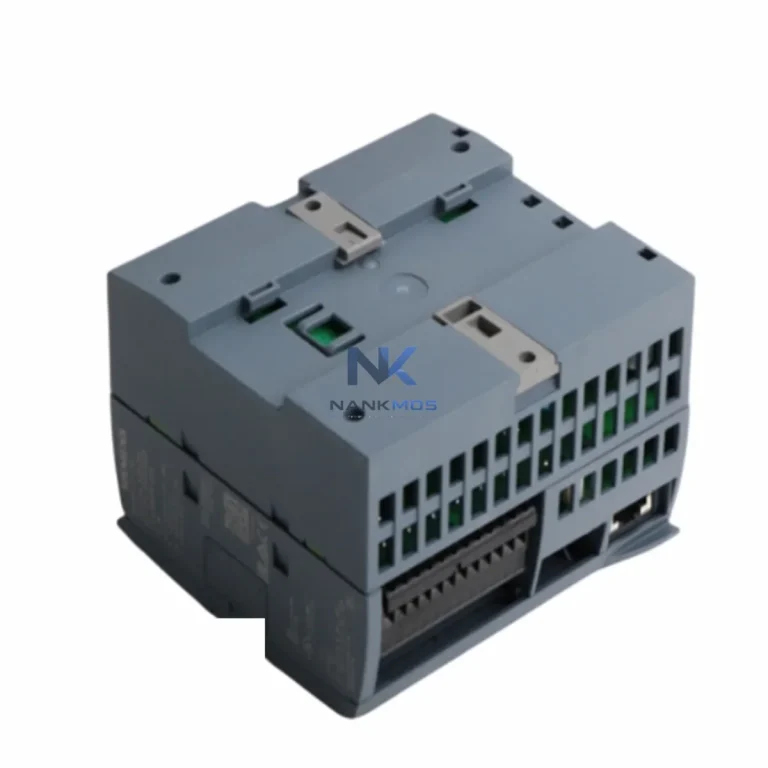
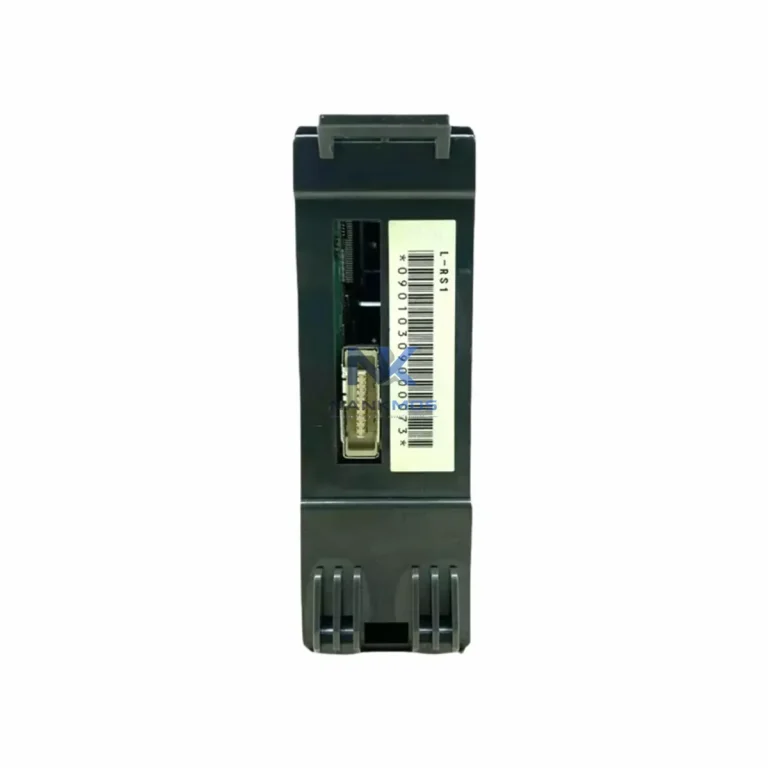
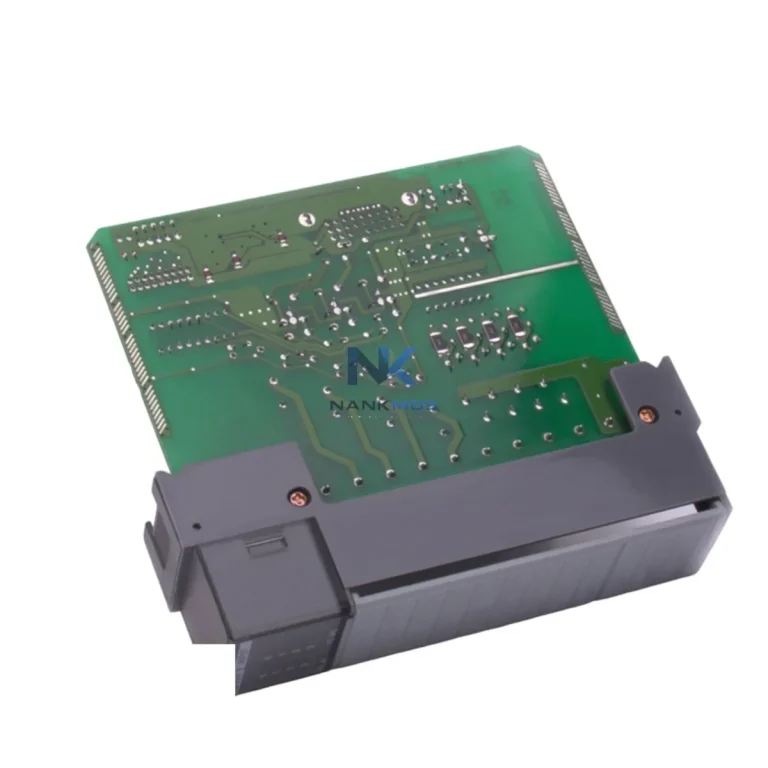
100% tested on professional platforms to ensure stable performance.
LAUER 920.100.2 is a NANKMOS industrial automation product record. Confirm condition, availability, lead time, compatibility and documentation by email inquiry.
Brand names are used for identification only.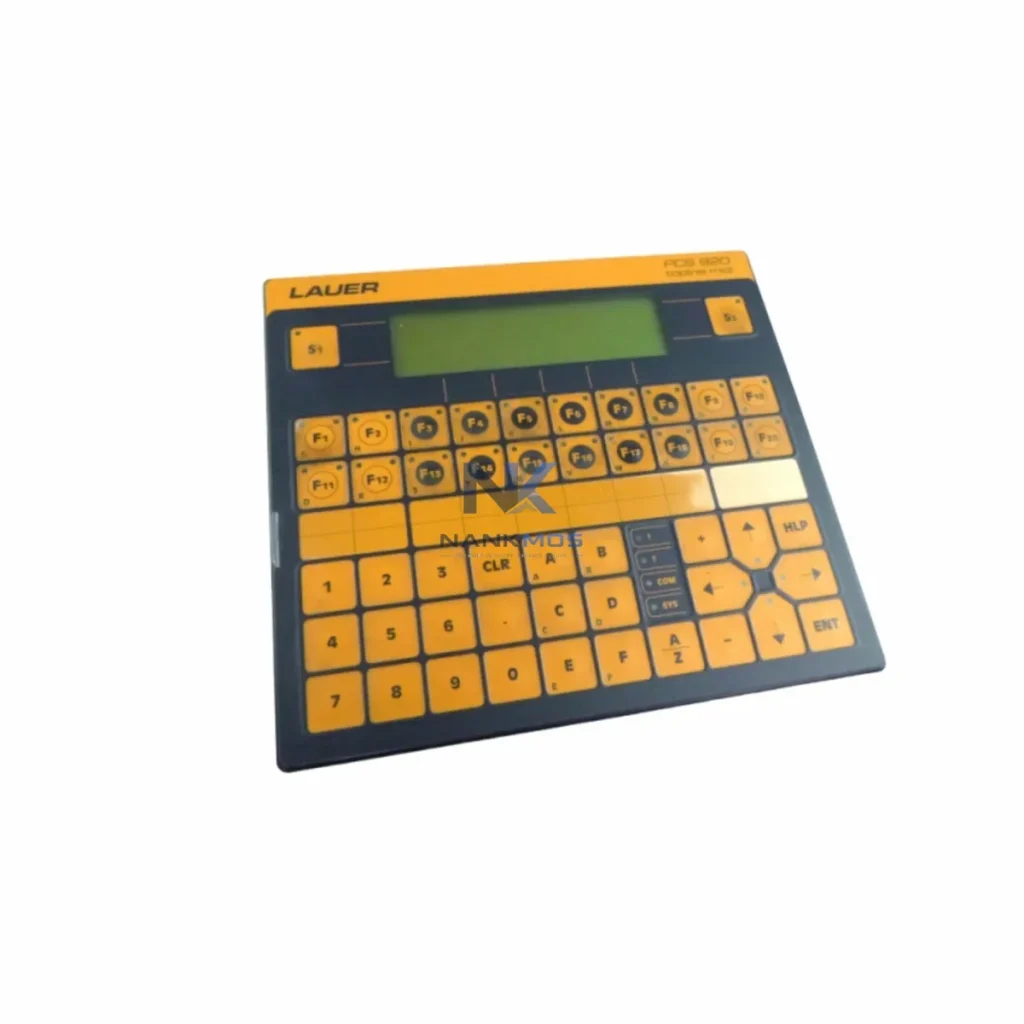
LAUER 920.100.2 is a NANKMOS industrial automation product record. Confirm condition, availability, lead time, compatibility and documentation by email inquiry.
| Manufacturer | LAUER |
|---|---|
| Application | Industrial Automation Maintenance |
| Part Number / Model | 920.100.2 |
| Compatible System | Confirmed by inquiry |
| Condition Options | To Confirm |
| Module Type | HMI Panels |
| Warranty | 12 Months |
| Packaging | Anti-static Bag / Secure Box |
| Shipping Methods | DHL / FedEx / UPS / Air / Sea |
| Availability | To Confirm |
| Lead Time | To Confirm |
| Documentation | Part number and revision checked before quote |
The LAUER 920.100.2 is a purpose-engineered HMI Operator Panel designed for seamless integration within the PCS 900 control architecture. As a critical node in the HMI layer of modern industrial automation systems, the 920.100.2 delivers reliable operator interaction, real-time process visualization, and deterministic command execution across multi-tier control environments. Whether deployed in discrete manufacturing, process industries, or utility infrastructure, this panel provides the contextual integration necessary to maintain system coherence from the field device level through to the supervisory control layer.
NANKMOS supplies the LAUER 920.100.2 with a verified 12-Month Warranty, full pre-shipment functional testing, and confirmed global inventory availability — ensuring your project timelines and maintenance schedules are protected from supply chain disruption.
The LAUER 920.100.2 does not operate in isolation — it functions as the operator-facing interface within a layered automation architecture where every module contributes to system-wide coherence. In a typical PCS 900 deployment, the 920.100.2 interfaces directly with the central processing unit of the PCS 900 controller, receiving process data and transmitting operator commands through a deterministic communication channel. This tight coupling between the HMI layer and the control layer eliminates latency ambiguity and ensures that operator inputs are reflected in real-time across the control loop.
At the control layer, the PCS 900 CPU module manages program execution, I/O scanning, and communication arbitration. The 920.100.2 panel connects to this CPU via the platform's native serial or fieldbus interface, enabling synchronized data exchange without requiring additional protocol converters or gateway devices. This direct integration reduces wiring complexity, minimizes potential failure points, and simplifies commissioning — particularly in retrofit scenarios where panel space and cable routing are constrained.
The I/O layer beneath the CPU typically comprises LAUER digital input modules, digital output modules, and analog signal acquisition cards. These modules feed real-time process values — temperatures, pressures, flow rates, valve positions — into the CPU, which then renders them on the 920.100.2 display for operator review. When an operator issues a setpoint change or initiates a sequence command through the 920.100.2 keypad, the instruction propagates back through the CPU to the relevant output module and ultimately to the field actuator, completing the control loop with full traceability.
At the communication layer, the PCS 900 architecture supports integration with higher-level SCADA systems and distributed control networks. The 920.100.2 panel, as the local HMI node, provides a critical fallback interface in the event of network disruption — allowing operators to maintain local control and monitoring without dependency on remote supervisory systems. This local autonomy is a key redundancy feature in process-critical applications such as chemical dosing, boiler control, and compressor management.
Power supply integrity is foundational to HMI reliability. The 920.100.2 is typically powered from a dedicated 24VDC rail within the control cabinet, isolated from the field device power supply to prevent noise coupling. LAUER power supply units within the PCS 900 ecosystem are designed to maintain stable output under load transients, ensuring that the HMI panel remains operational during motor starts, solenoid switching, and other inductive load events that generate voltage spikes on shared power rails.
In multi-panel installations, the 920.100.2 can be deployed alongside LAUER remote I/O expansion modules, enabling distributed operator stations across large process areas. This modular expansion capability is particularly valuable in water treatment facilities, mining conveyor systems, and packaging lines where operator workstations must be positioned at multiple points along the production flow. Each remote panel maintains its own local display and keypad functionality while sharing a common data backbone with the central PCS 900 CPU.
Terminal modules and marshalling components within the control cabinet provide the physical connection infrastructure between the 920.100.2 and the broader system. Proper terminal block selection — including surge-protected and fused terminal variants — ensures signal integrity between the HMI panel, the CPU, and field instrumentation. In high-vibration environments such as marine vessels or mobile mining equipment, spring-clamp terminal blocks are preferred over screw-type to maintain connection reliability over the equipment lifecycle.
For applications requiring enhanced diagnostic capability, the 920.100.2 can display fault codes, alarm histories, and module status information generated by the PCS 900 CPU. This on-panel diagnostics function reduces mean time to repair (MTTR) by enabling maintenance technicians to identify fault sources without requiring a laptop or external programming device. In conjunction with LAUER diagnostic software tools, the panel supports structured troubleshooting workflows that align with IEC 62443 maintenance best practices.
Manufacturing & Discrete Automation: In automotive component assembly lines and electronics manufacturing facilities, the LAUER 920.100.2 serves as the primary operator interface for machine cell controllers. Operators use the panel to initiate production cycles, monitor cycle times, acknowledge alarms, and adjust process parameters without interrupting the production sequence. The panel's robust keypad design withstands repeated use in high-cycle environments, maintaining reliable input registration over extended operational periods.
Power Generation & Utilities: In power plant auxiliary systems — including cooling water circuits, fuel handling systems, and compressed air networks — the 920.100.2 provides local operator control at the equipment level. This local HMI capability is essential during plant startup and shutdown sequences where operators must monitor multiple parameters simultaneously and respond to process deviations in real time. The panel's compatibility with the PCS 900 architecture ensures that local control actions are logged and visible at the plant-level DCS for audit and compliance purposes.
Petrochemical & Process Industries: In refinery and chemical plant applications, the 920.100.2 is deployed in hazardous area control panels (with appropriate enclosure ratings) to provide operator access to process control functions. The panel's deterministic communication with the PCS 900 CPU ensures that operator commands are executed within defined response time windows, meeting the functional safety requirements of SIL-rated control loops in collaboration with safety relay modules and emergency shutdown systems.
Water & Wastewater Treatment: Municipal water treatment facilities rely on the 920.100.2 for local control of pump stations, dosing systems, and filtration sequences. The panel's ability to display real-time process values — flow rates, chemical concentrations, tank levels — enables operators to make informed adjustments without requiring remote SCADA access. In remote pump stations with limited connectivity, the local HMI function of the 920.100.2 provides autonomous operational capability.
Mining & Metallurgy: In ore processing plants and smelting facilities, the 920.100.2 is integrated into conveyor control panels, crusher control systems, and furnace management stations. The panel's industrial-grade construction withstands the dust, vibration, and temperature extremes characteristic of mining environments, while its straightforward operator interface reduces training requirements for shift operators working in high-turnover operational contexts.
Q1: Is the LAUER 920.100.2 compatible with existing PCS 900 installations, and can it replace an older HMI panel without reprogramming the CPU? The 920.100.2 is designed as a native component of the PCS 900 platform, maintaining hardware and communication compatibility with the PCS 900 CPU and I/O modules. In most replacement scenarios, the panel can be substituted for an equivalent unit without requiring CPU program modifications, provided the communication parameters and panel configuration settings are preserved. NANKMOS recommends verifying the firmware revision of the existing CPU before installation to confirm full compatibility. Our technical team can assist with pre-installation compatibility assessment as part of the 12-Month Warranty support service.
Q2: What are the long-term maintenance and spare parts considerations for the LAUER 920.100.2 in a critical process application? For critical process applications, NANKMOS recommends maintaining at least one spare 920.100.2 unit in local inventory to minimize downtime risk in the event of panel failure. The 920.100.2 is a mature platform component with established supply chain availability through NANKMOS's global sourcing network. Each unit supplied by NANKMOS undergoes full pre-shipment functional testing and is covered by a 12-Month Warranty, providing a defined support window for newly installed spares. Long-term maintenance planning should also include periodic inspection of the panel's keypad membrane, display elements, and communication connectors, as these are the primary wear components in high-cycle installations.
Q3: Can the LAUER 920.100.2 be integrated into a redundant control architecture, and how does it behave during a CPU failover event? In redundant PCS 900 architectures where dual CPUs are deployed for high-availability applications, the 920.100.2 panel maintains its display and input functions during a CPU failover event, with the active CPU taking over communication with the panel transparently. The switchover time is determined by the redundancy configuration of the PCS 900 CPU pair and the communication watchdog settings. For applications where uninterrupted HMI availability is a functional requirement, NANKMOS recommends consulting the PCS 900 system architecture documentation and engaging our technical support team to validate the redundancy configuration prior to commissioning.
Functional Inspection100% tested on professional platforms to ensure stable performance.
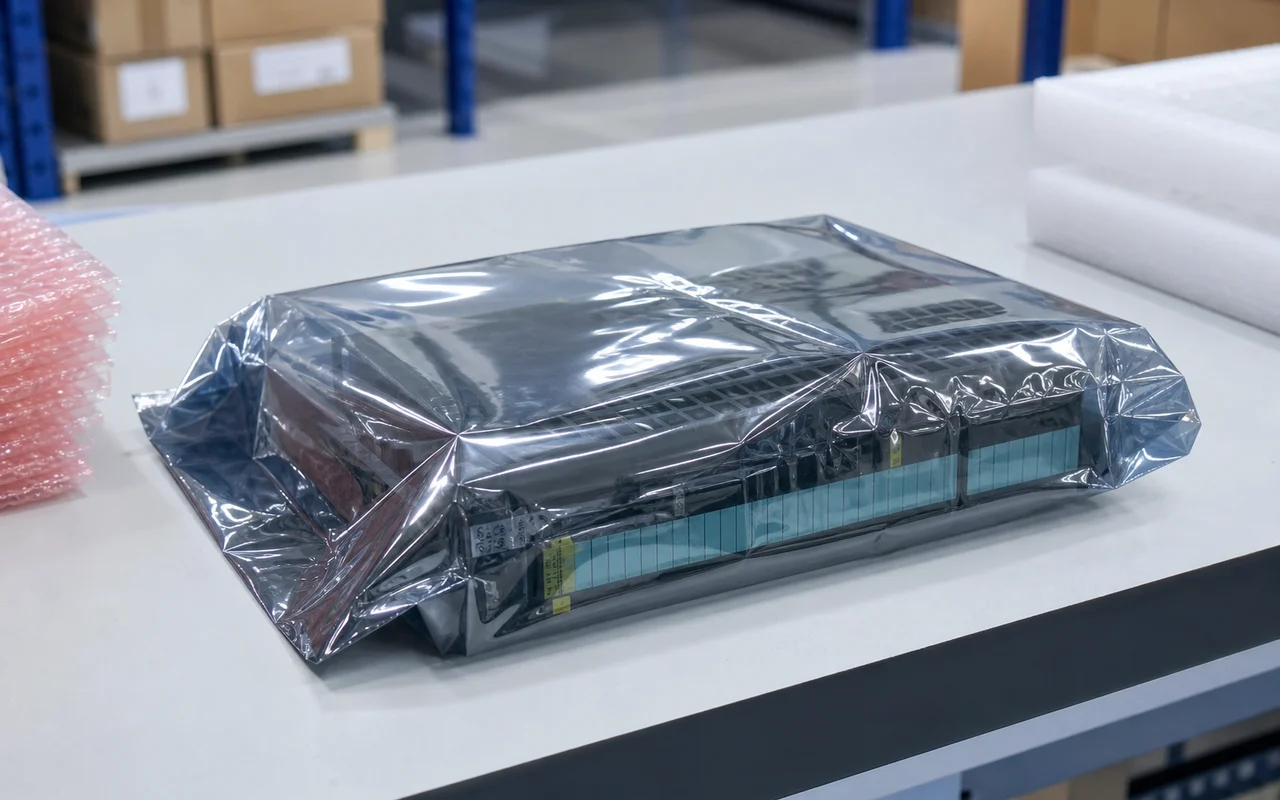 Anti-static Packaging
Modules are packed in anti-static bags to prevent electrostatic damage.
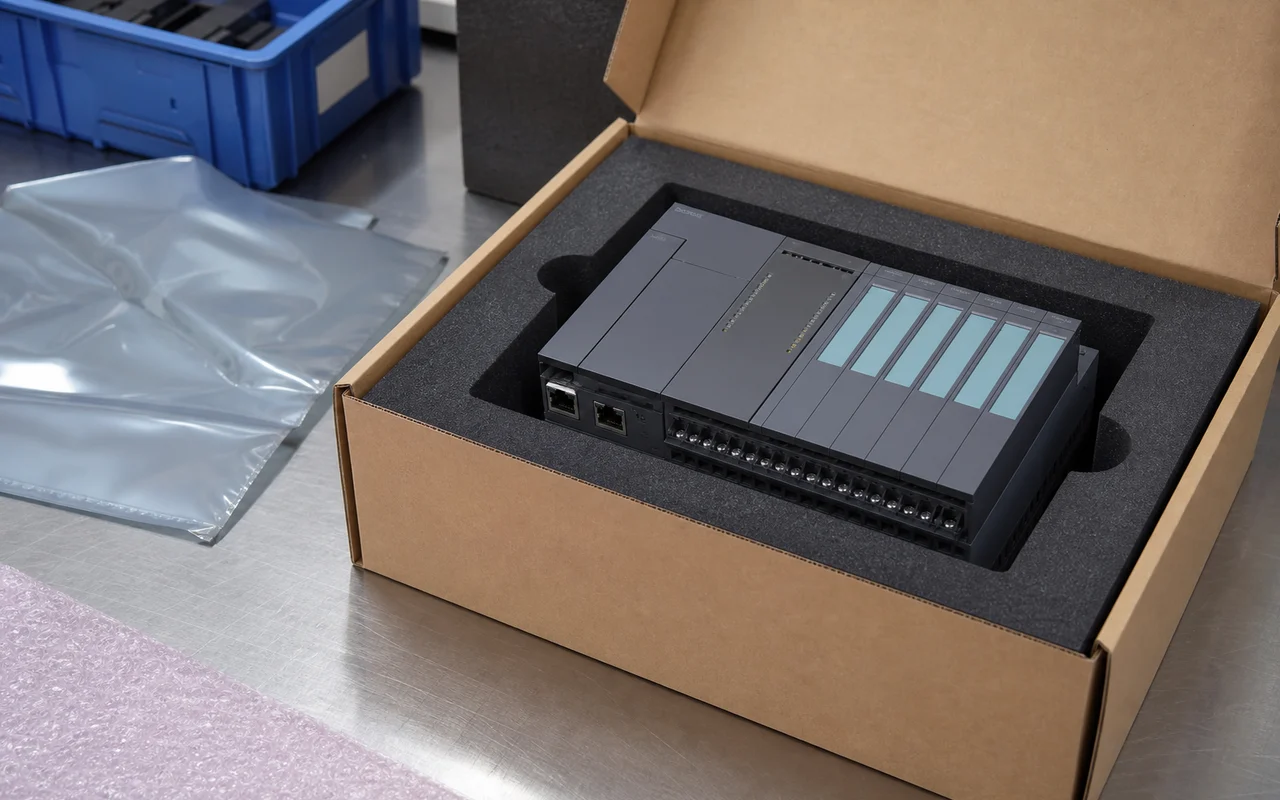 Secure Export Packing
Cushion protection and strong cartons ensure safe transportation.
 Worldwide Shipping
Global logistics network supports air, sea and express delivery.
 Documentation Check
Part number, revision and compatibility verified before shipment.
 After-sales Support
Professional technical support to help resolve your issues.