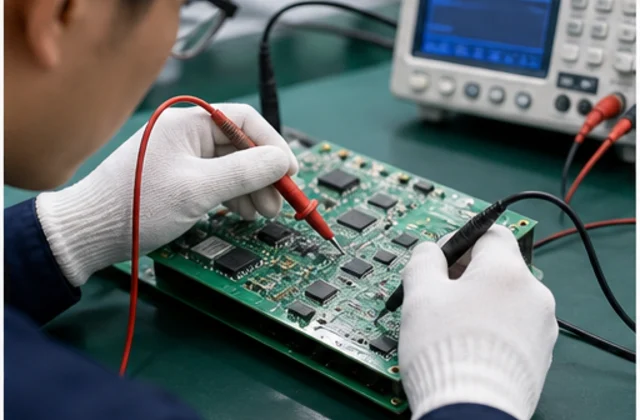
 Functional Inspection
100% tested on professional platforms to ensure stable performance.
TOKYO ELECTRON E2B023/ECU E2B023-11/ECUM is a NANKMOS industrial automation product record Listed under Other series series and Business & Industrial > Automation, Control & Flow Devices > Programmable Logic Controllers. Confirm condition, availability, lead time, compatibility and documentation by email inquiry.
Brand names are used for identification only.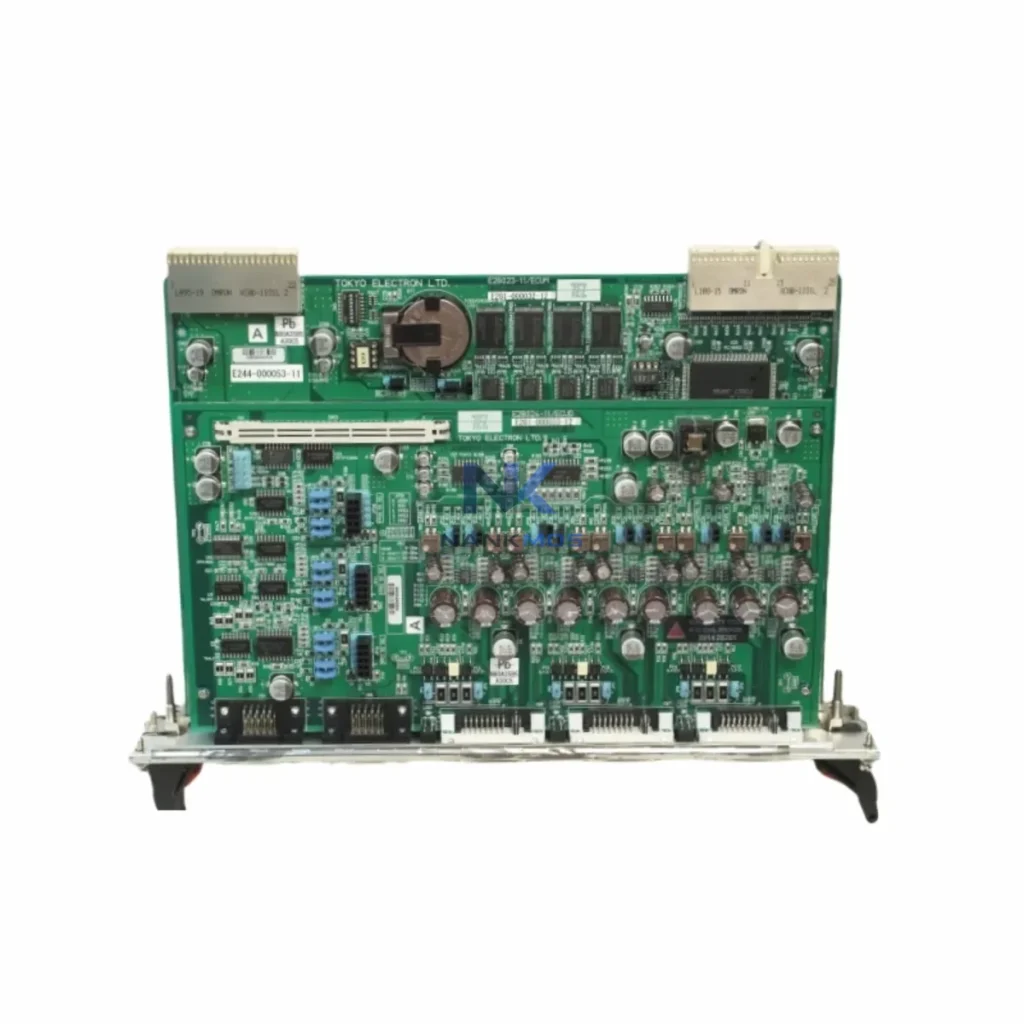
TOKYO ELECTRON E2B023/ECU E2B023-11/ECUM is a NANKMOS industrial automation product record Listed under Other series series and Business & Industrial > Automation, Control & Flow Devices > Programmable Logic Controllers. Confirm condition, availability, lead time, compatibility and documentation by email inquiry.
| Manufacturer | TOKYO ELECTRON |
|---|---|
| Application | Controller Processing & System Control |
| Part Number / Model | E2B023/ECU E2B023-11/ECUM |
| Compatible System | Confirmed by inquiry |
| Condition Options | To Confirm |
| Module Type | Controller / CPU Module |
| Warranty | 12 Months |
| Packaging | Anti-static Bag / Secure Box |
| Shipping Methods | DHL / FedEx / UPS / Air / Sea |
| Availability | To Confirm |
| Lead Time | To Confirm |
| Documentation | Part number and revision checked before quote |
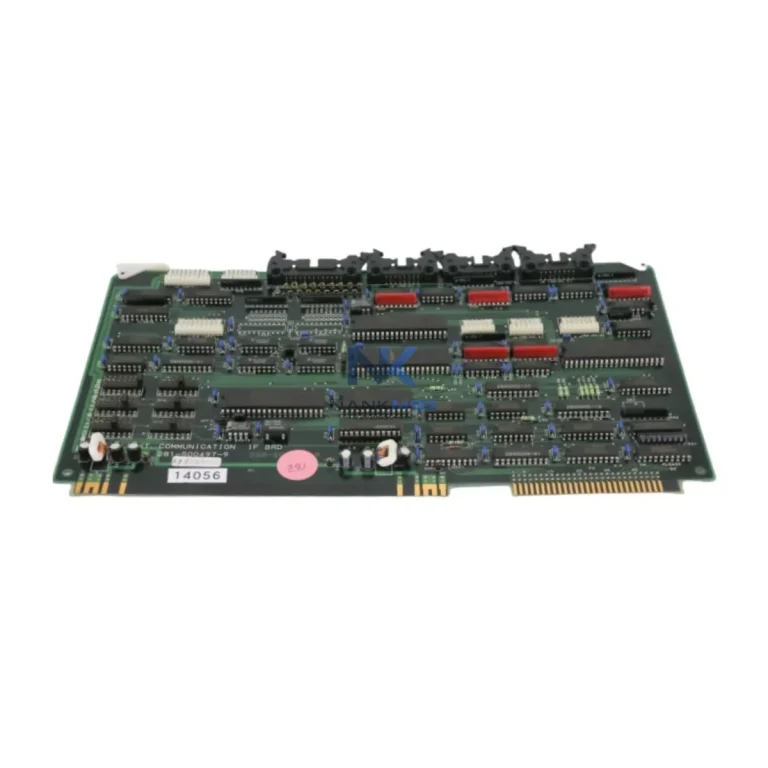
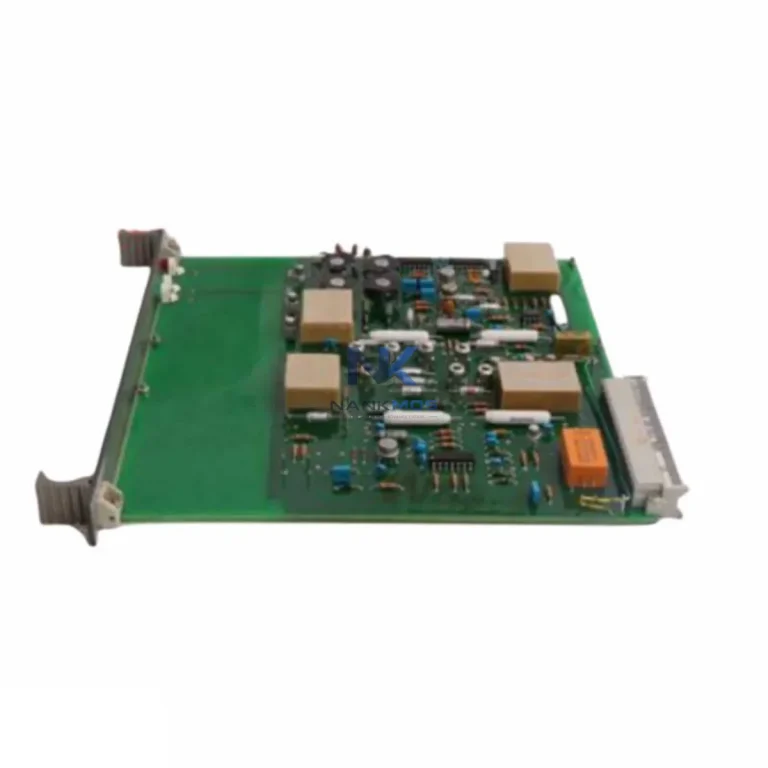
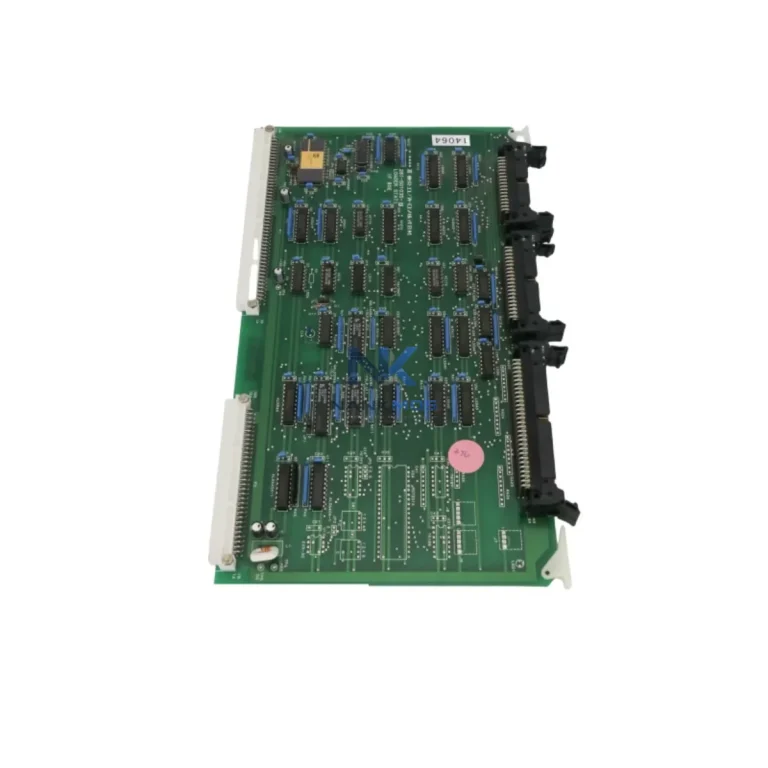
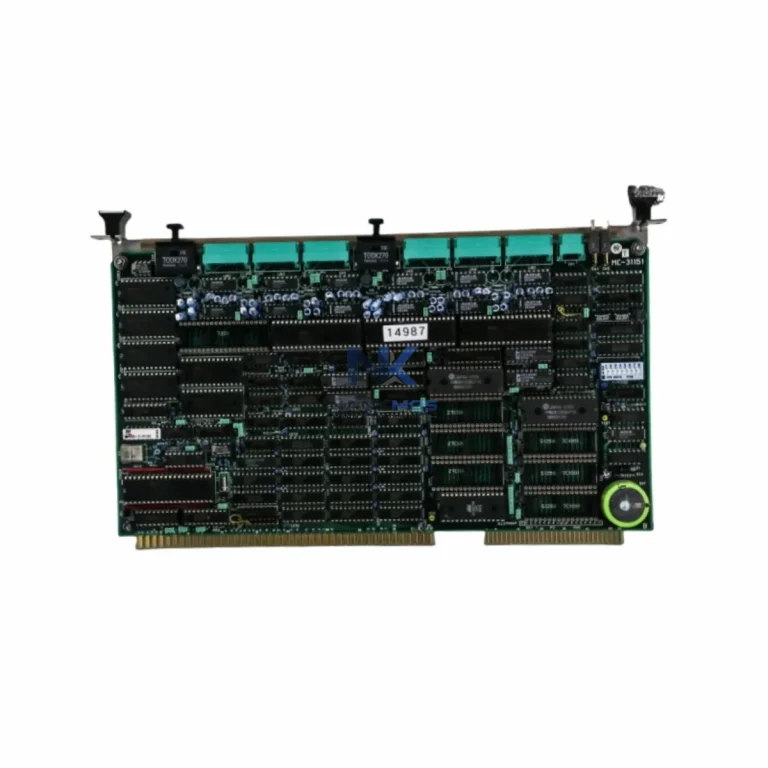
The Tokyo Electron ECU E2B023-11 (SKU: E2B023/ECU E2B023-11/ECUM) is a purpose-engineered PCB control board designed to serve as a core execution unit within TEL semiconductor process equipment control architectures. As a system-matched component, the ECU E2B023-11 is not simply a replacement board — it is a precision-integrated module that sustains the signal integrity, command sequencing, and inter-layer communication that define reliable, high-throughput semiconductor manufacturing environments. Whether deployed in etch, CVD, diffusion, or clean track systems, this controller maintains the architectural coherence that Tokyo Electron equipment demands across its full operational lifecycle.
At NANKMOS, every ECU E2B023-11 unit is sourced through verified industrial supply channels, subjected to pre-shipment functional testing, and backed by a 12-Month Warranty. Our global inventory infrastructure ensures rapid dispatch to fabs and OEM service teams across Asia, Europe, and North America.
The ECU E2B023-11 functions as the central command execution node within the TEL equipment control hierarchy. Its role becomes fully apparent only when viewed in the context of the surrounding automation platform — a layered architecture where each module contributes to system-wide stability, throughput, and maintainability.
At the control layer, the ECU E2B023-11 works in close coordination with the TEL main CPU board and system controller modules to receive, decode, and execute process recipes. The board interfaces directly with the equipment's backplane, where it exchanges command and status signals with adjacent I/O expansion boards such as the TEL DIO board series and analog I/O modules that manage sensor feedback from process chambers. This tight coupling between the ECU and the I/O layer ensures that process parameters — temperature setpoints, pressure thresholds, gas flow commands — are translated into precise actuator signals without latency or signal degradation.
At the communication layer, the ECU E2B023-11 supports the internal bus topology of TEL systems, enabling deterministic data exchange between the control board and upstream host interfaces. In multi-tool fab environments, this communication integrity is essential for coordinating the ECU with TEL host interface controllers and SECS/GEM communication modules that link the equipment to the fab MES. Consistent bus timing maintained by the ECU board prevents recipe execution errors that could otherwise propagate across a cluster tool configuration.
The power layer feeding the ECU E2B023-11 typically includes a TEL DC power supply unit and associated power distribution board mounted within the same equipment cabinet. Stable, clean DC rails are critical for the ECU's logic circuits, and any power rail instability — whether from aging capacitors in the PSU or loose backplane connectors — will manifest as intermittent faults or unexpected resets at the ECU level. Pairing the ECU E2B023-11 replacement with a concurrent inspection of the power supply chain is a standard engineering practice that reduces repeat service calls.
At the HMI layer, the ECU E2B023-11 supports operator interaction by relaying process state data to the TEL operator panel or touch-screen HMI terminal. Alarm states, interlock conditions, and recipe progress indicators are all dependent on accurate status reporting from the ECU board. When the ECU is functioning correctly, operators receive real-time, reliable feedback; a degraded ECU board, by contrast, can produce misleading alarm states that complicate fault diagnosis.
The execution layer — comprising TEL valve driver boards, heater control modules, and RF match network controllers — receives its command signals downstream from the ECU. The E2B023-11's output signal integrity directly determines whether valves open on schedule, heaters ramp at the correct rate, and RF power is applied within process window tolerances. In CVD and etch applications, millisecond-level command timing from the ECU is the difference between in-spec film deposition and process excursion.
For redundancy and protection, TEL architectures in high-availability fab environments may incorporate watchdog circuits and interlock relay boards that monitor ECU heartbeat signals. The ECU E2B023-11, when operating within specification, continuously asserts these watchdog signals, keeping the equipment in a safe run state. Loss of the watchdog assertion — typically the first symptom of ECU board failure — triggers an equipment interlock that halts processing and protects both the wafer and the chamber hardware.
From a maintenance and diagnostics perspective, the ECU E2B023-11 is a key reference point during fault isolation. TEL service engineers use the ECU's LED status indicators and diagnostic register outputs to distinguish between software faults, communication errors, and hardware failures. Stocking a verified spare ECU E2B023-11 — pre-tested and warranty-backed — dramatically reduces mean time to repair (MTTR) in the event of an unplanned equipment outage, supporting the fab's overall equipment effectiveness (OEE) targets.
Semiconductor Manufacturing (Primary Application): The ECU E2B023-11 is purpose-built for Tokyo Electron semiconductor process equipment, including etch systems, CVD reactors, diffusion furnaces, and clean track coating/developing systems. In these environments, the ECU board manages the precise sequencing of process steps — gas injection, temperature ramp, pressure control, and wafer handling — that define yield and throughput. Fabs operating TEL Trias, Tactras, or Clean Track ACT systems rely on the ECU architecture to maintain process repeatability across thousands of wafer runs.
Flat Panel Display (FPD) Manufacturing: TEL equipment is also widely deployed in FPD production lines for OLED and LCD substrate processing. The ECU E2B023-11 supports the same control architecture in these larger-format process tools, where substrate handling precision and process uniformity are equally critical. Display fabs maintaining TEL Lithius or Cellesta systems benefit from the same ECU platform reliability.
Advanced Packaging and Wafer-Level Processing: In advanced packaging lines — including fan-out wafer-level packaging (FOWLP) and through-silicon via (TSV) processing — TEL equipment plays an increasingly central role. The ECU E2B023-11 supports the control demands of these high-mix, high-precision environments, where recipe flexibility and signal stability are paramount.
Research and Pilot Line Environments: University research fabs and pilot production lines operating TEL equipment benefit from the availability of verified ECU E2B023-11 spares. In these environments, equipment uptime is often constrained by the availability of qualified spare parts rather than process knowledge, making a pre-tested, warranty-backed ECU board a high-value inventory asset.
Q1: Is the ECU E2B023-11 compatible with all TEL equipment models that use the ECU control platform? The ECU E2B023-11 is designed for specific TEL equipment configurations within the ECU architecture family. Compatibility depends on the equipment model, software revision, and backplane configuration. We recommend confirming the exact part number against your equipment's BOM or service manual before ordering. Our technical team can assist with cross-referencing if you provide your equipment model and serial number.
Q2: What pre-shipment testing is performed on the ECU E2B023-11, and how does the 12-Month Warranty work? Every ECU E2B023-11 unit shipped by NANKMOS undergoes pre-shipment functional verification, including power-on testing, bus communication checks, and visual inspection for component-level defects. The 12-Month Warranty covers manufacturing defects and functional failures under normal operating conditions from the date of shipment. Warranty claims are processed through our technical support team at [email protected], with replacement or repair turnaround coordinated to minimize your equipment downtime.
Q3: How should the ECU E2B023-11 be installed and what are the key commissioning steps? Installation of the ECU E2B023-11 must be performed by qualified TEL-trained service engineers following the equipment's official service documentation. Key steps include: (1) full equipment power-down and lockout/tagout; (2) ESD precautions throughout handling and installation; (3) secure backplane connector seating verified before power-up; (4) post-installation diagnostic routine execution via the TEL service terminal to confirm ECU communication and I/O status; (5) process recipe validation run before returning the equipment to production. Contact our support team for guidance on sourcing TEL service documentation if required.
Functional Inspection100% tested on professional platforms to ensure stable performance.
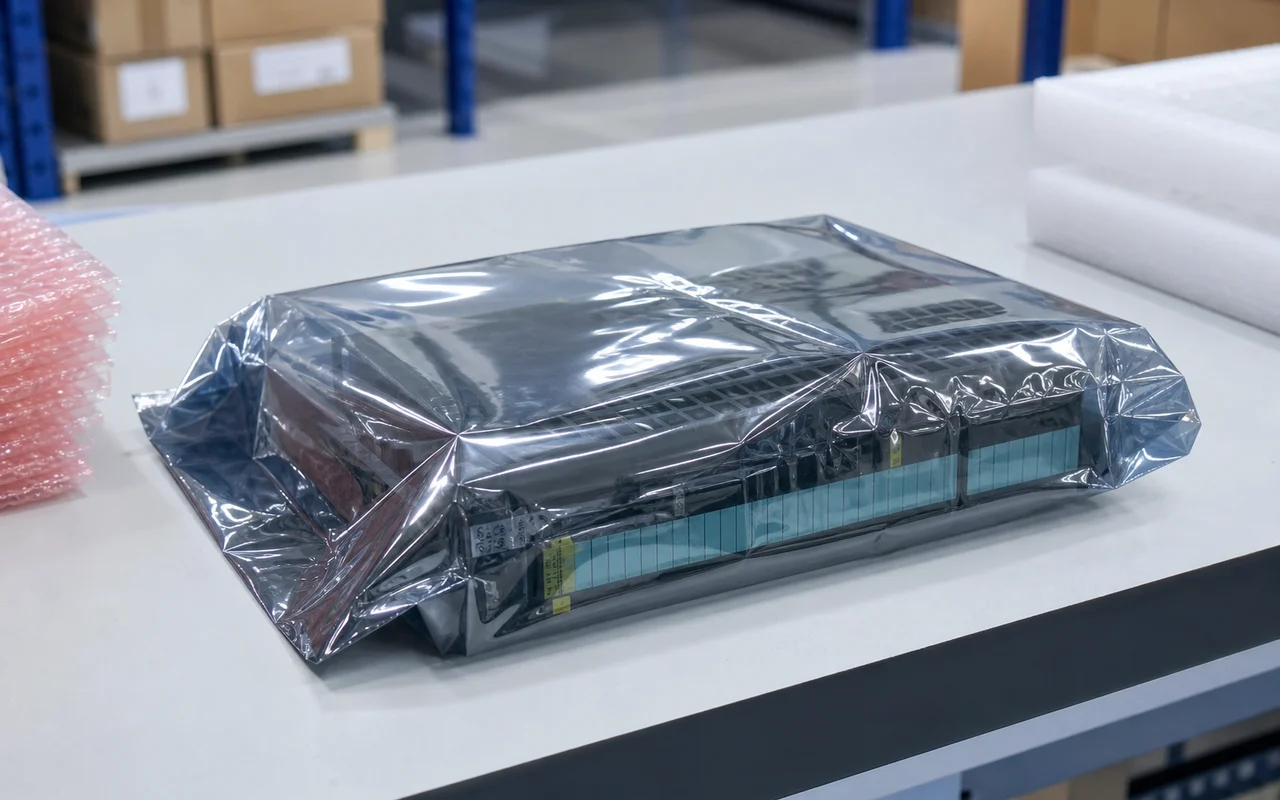 Anti-static Packaging
Modules are packed in anti-static bags to prevent electrostatic damage.
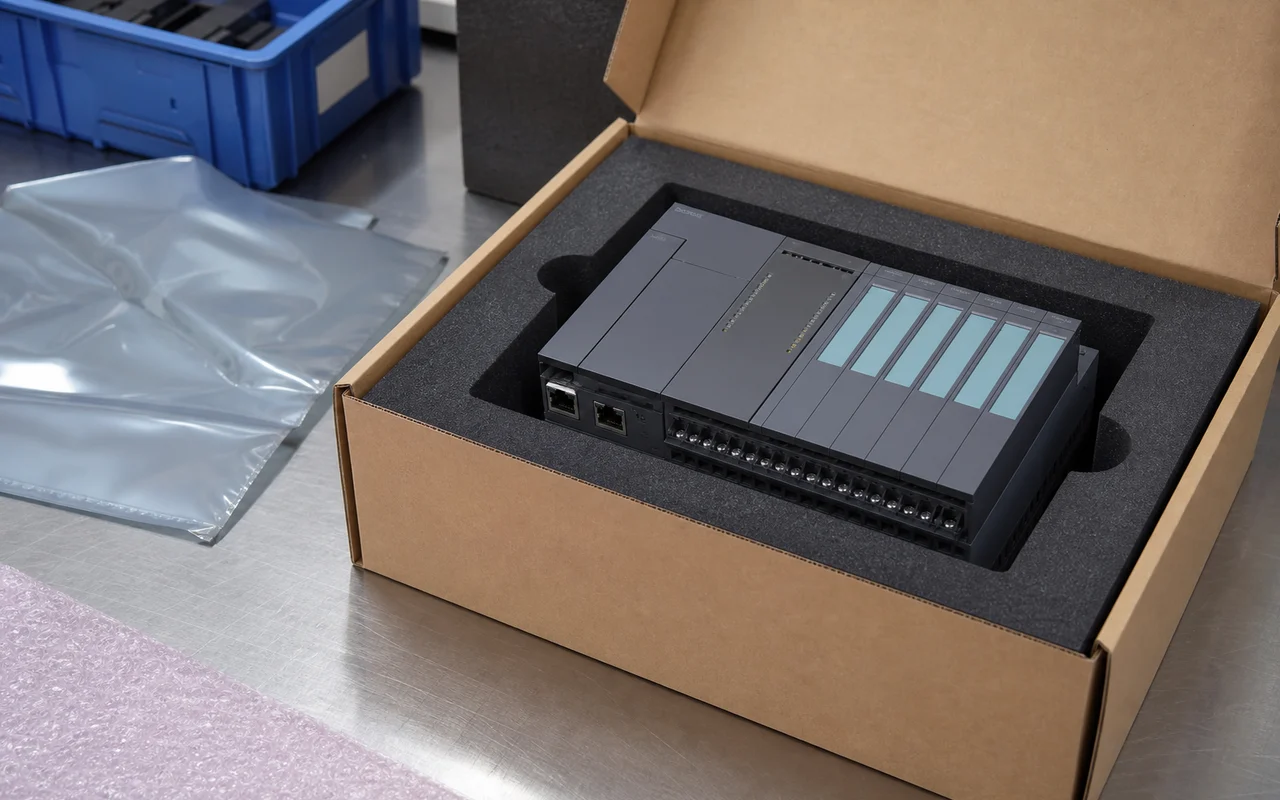 Secure Export Packing
Cushion protection and strong cartons ensure safe transportation.
 Worldwide Shipping
Global logistics network supports air, sea and express delivery.
 Documentation Check
Part number, revision and compatibility verified before shipment.
 After-sales Support
Professional technical support to help resolve your issues.