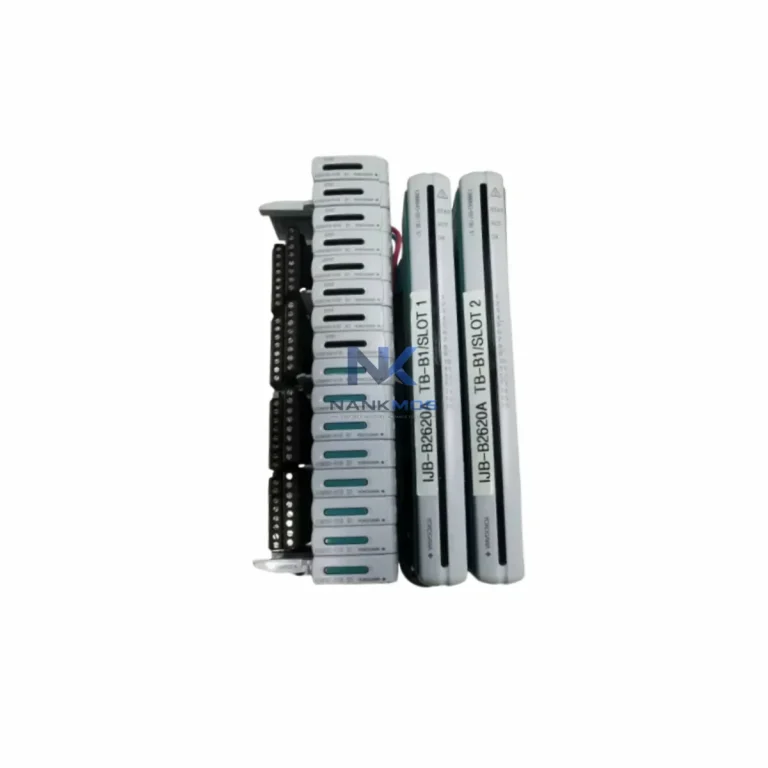
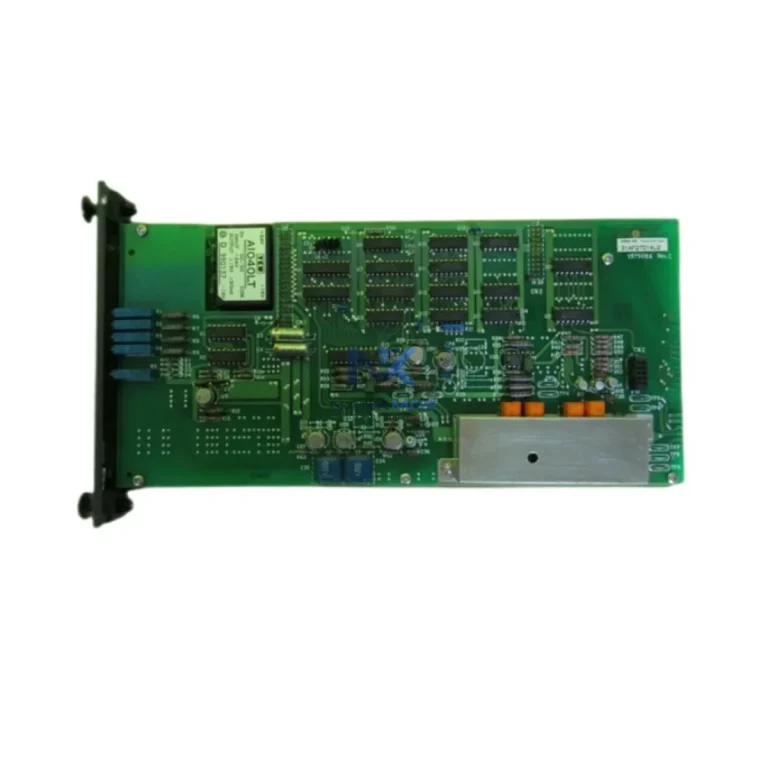
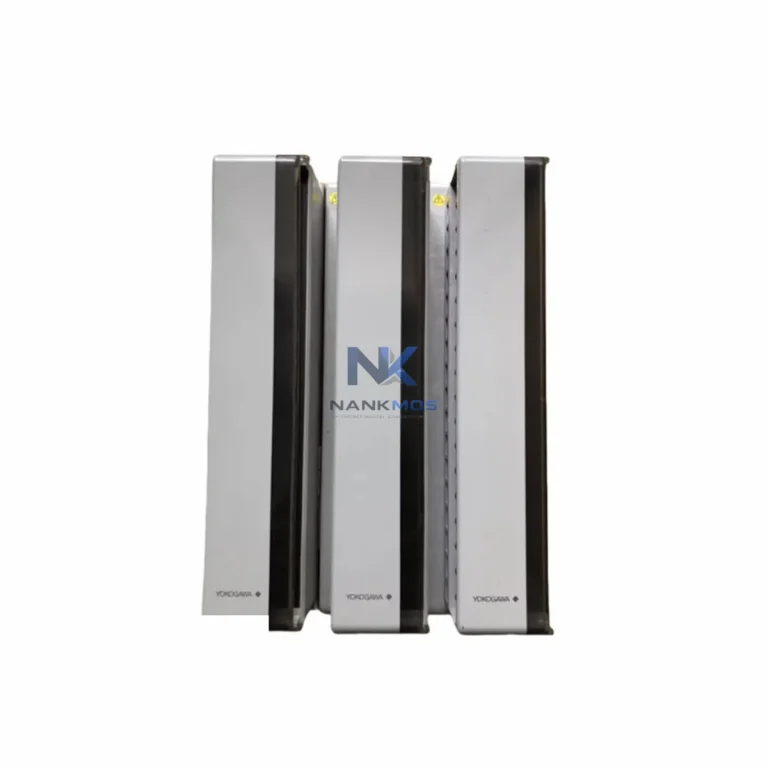
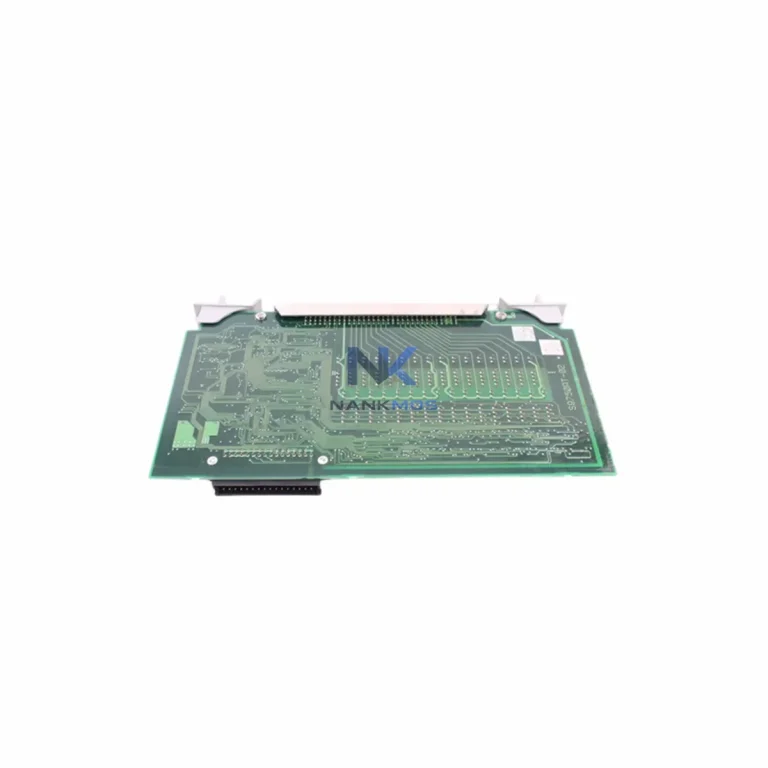
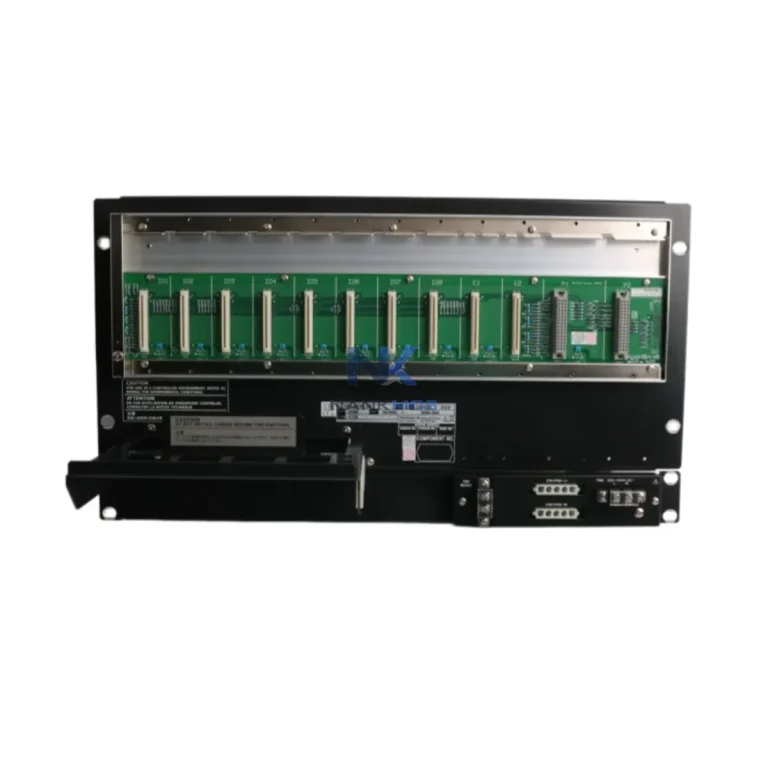
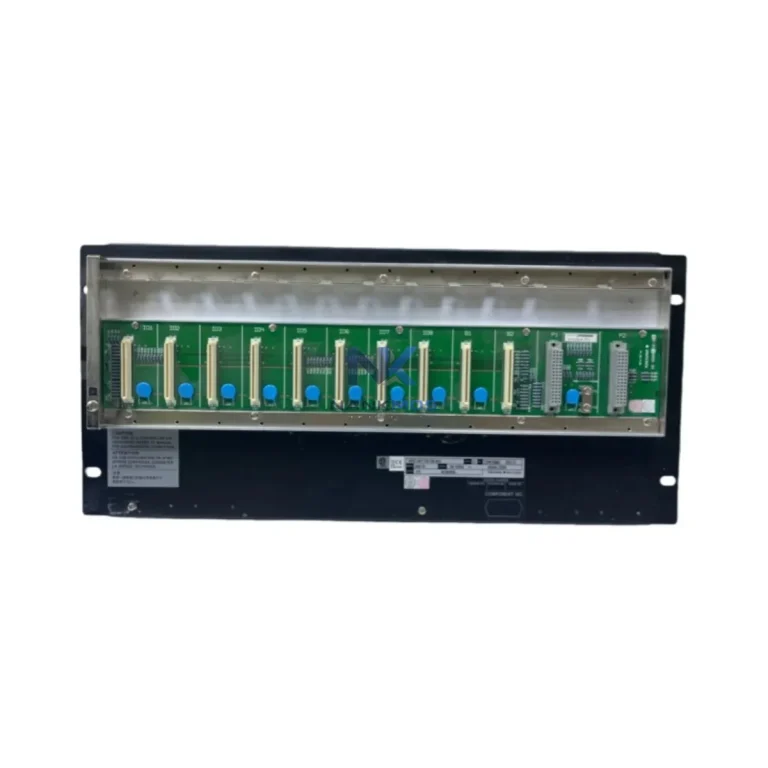
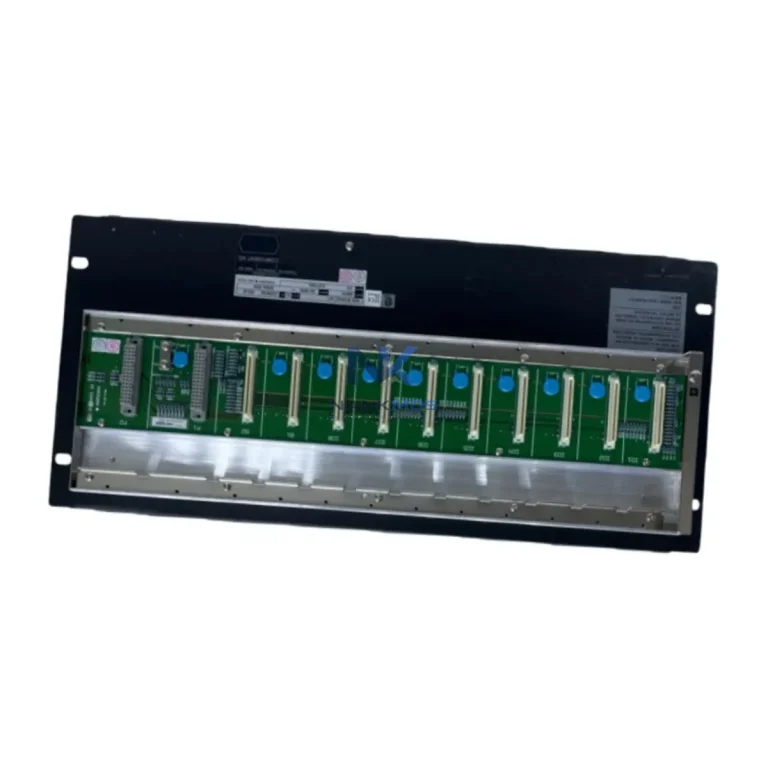
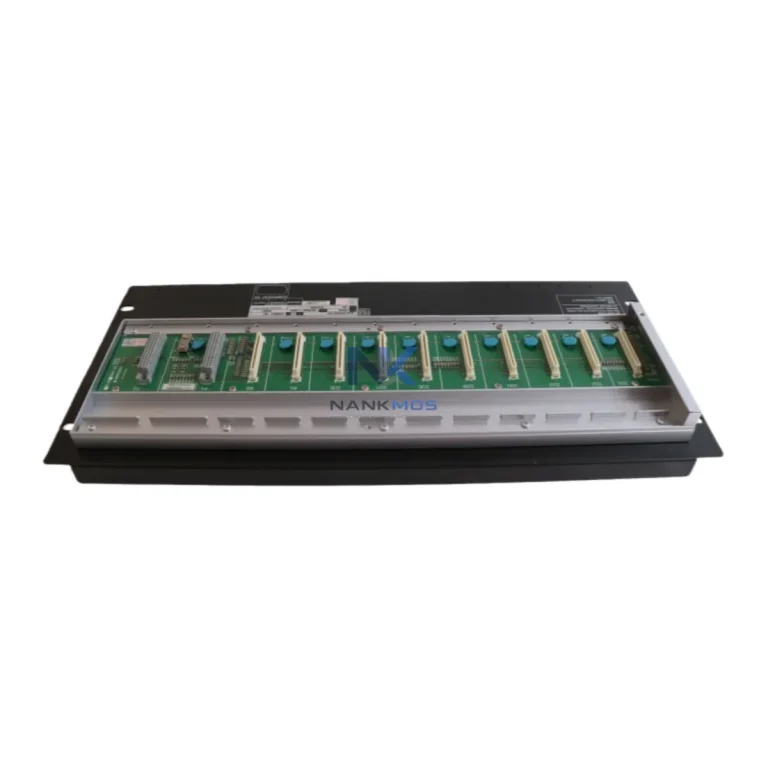
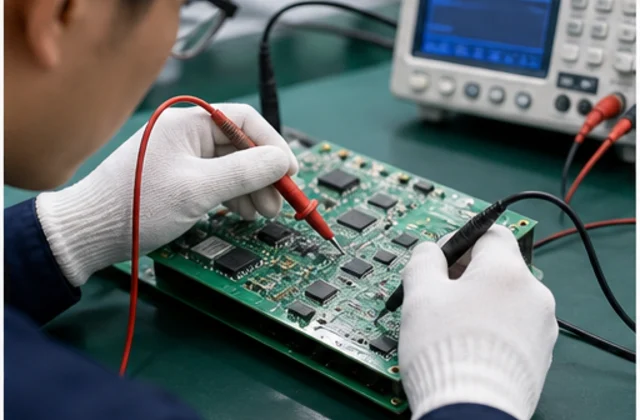
 Functional Inspection
100% tested on professional platforms to ensure stable performance.
Yokogawa EB501-10 S2 is a NANKMOS industrial automation product record Listed under STARDOM series and Business & Industrial > Automation, Control & Flow Devices. Confirm condition, availability, lead time, compatibility and documentation by email inquiry.
Brand names are used for identification only.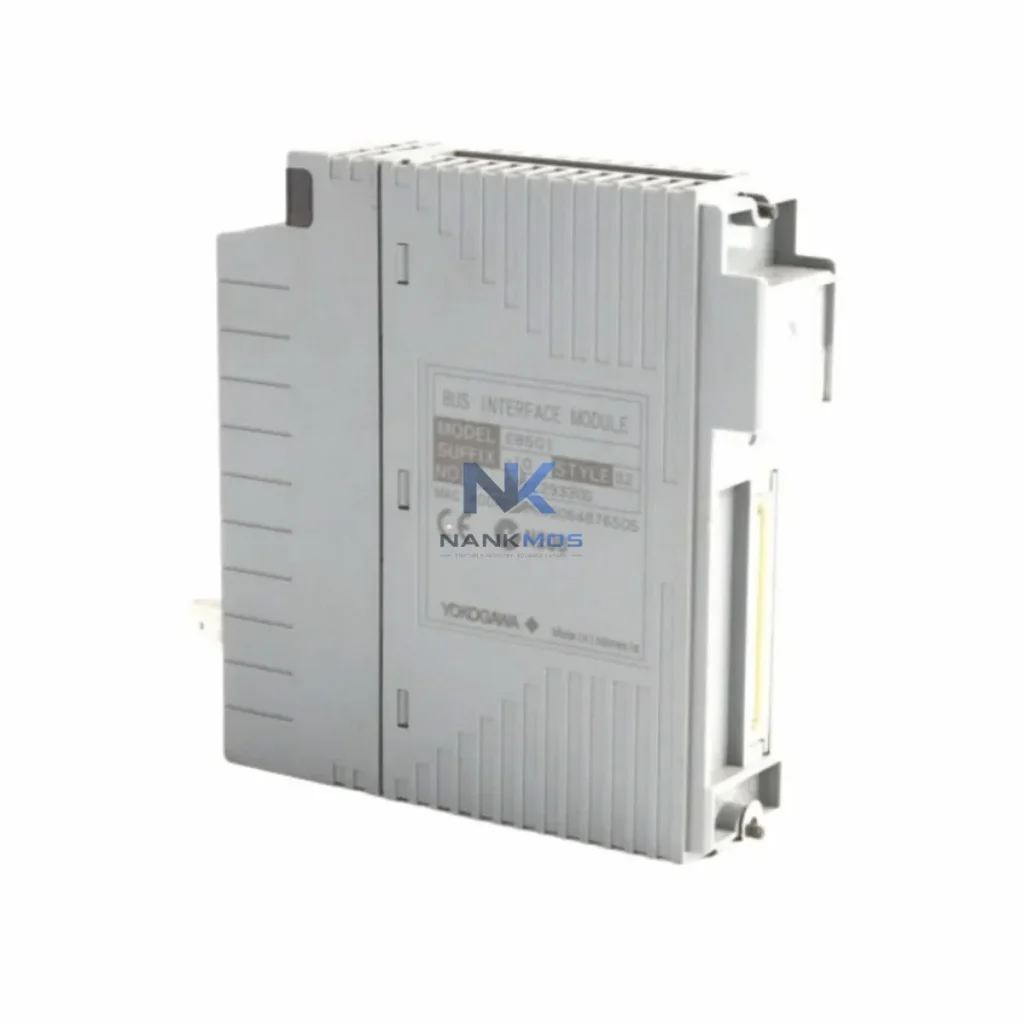
Yokogawa EB501-10 S2 is a NANKMOS industrial automation product record Listed under STARDOM series and Business & Industrial > Automation, Control & Flow Devices. Confirm condition, availability, lead time, compatibility and documentation by email inquiry.
| Manufacturer | Yokogawa |
|---|---|
| Application | Industrial Network & Bus Termination |
| Part Number / Model | EB501-10 S2 |
| Compatible System | STARDOM |
| Series | STARDOM |
| Condition Options | To Confirm |
| Module Type | Bus / Network Interface Module |
| Warranty | 12 Months |
| Packaging | Anti-static Bag / Secure Box |
| Shipping Methods | DHL / FedEx / UPS / Air / Sea |
| Availability | To Confirm |
| Lead Time | To Confirm |
| Documentation | Part number and revision checked before quote |
The Yokogawa EB501-10/S2 is a high-performance Bus Interface Module engineered for the STARDOM FCN/FCJ autonomous controller platform, delivering seamless industrial data connectivity across multi-protocol field networks. In modern smart factory environments, the ability to bridge field-level devices with supervisory control systems is no longer optional — it is the backbone of operational transparency. The EB501-10/S2 fulfills this role by acting as a protocol-aware gateway that aggregates real-time signals from sensors, actuators, remote I/O nodes, and variable frequency drives, then transmits structured data upward to SCADA platforms, HMI terminals, and enterprise MES layers without latency or data loss.
Designed for demanding process industries including oil and gas, chemical processing, water treatment, power generation, and discrete manufacturing, the EB501-10/S2 supports the full STARDOM FCN/FCJ communication architecture. It enables the STARDOM controller to interface with field bus segments carrying Modbus RTU/TCP, PROFIBUS DP, and DeviceNet traffic, consolidating heterogeneous device data into a unified, time-stamped data stream. This capability is critical for facilities operating mixed-vendor automation environments where legacy PLCs, third-party remote I/O modules, and modern edge gateways must coexist on the same network backbone.
From the moment a field signal is captured — whether from a pressure transmitter, a flow meter, or a motor drive — the EB501-10/S2 ensures that data traverses the automation hierarchy with integrity. Signal acquisition at the field bus level feeds directly into the STARDOM FCN controller's processing engine, where logic execution, alarm evaluation, and setpoint management occur in real time. The processed data is then forwarded via Ethernet to upstream SCADA systems such as Yokogawa FAST/TOOLS or third-party platforms, enabling operators to monitor plant status, acknowledge alarms, and initiate remote control actions from centralized HMI workstations.
The EB501-10/S2 sits at the intersection of field instrumentation and supervisory control, making it a pivotal component in any connected factory data architecture. In a typical deployment, field sensors — including Yokogawa EJA-series differential pressure transmitters and YTA-series temperature transmitters — feed analog and digital signals into remote I/O modules mounted in junction boxes across the plant floor. These I/O nodes communicate over PROFIBUS DP segments, with the EB501-10/S2 serving as the PROFIBUS master interface on the STARDOM FCN controller, polling each slave device on a deterministic scan cycle.
Variable frequency drives managing pump motors and compressor units — such as Yokogawa VariFlex or third-party drives with PROFIBUS DP adapters — are integrated into the same bus segment, allowing the STARDOM controller to issue speed reference commands and read back actual frequency, current, and fault status in real time. This bidirectional data flow eliminates the need for separate hardwired analog loops for drive feedback, reducing wiring complexity and improving diagnostic resolution.
On the Ethernet side, the STARDOM FCN controller equipped with the EB501-10/S2 connects to the plant LAN via the FCN's built-in Ethernet port, enabling Modbus TCP/IP communication with upstream SCADA servers. Yokogawa FAST/TOOLS SCADA nodes poll the controller at configurable intervals, retrieving process values, alarm states, and historical trend data for display on operator HMI screens. In parallel, OPC-UA-capable edge gateways — such as those from the Yokogawa OpreX Edge series — can subscribe to the same data namespace, forwarding selected KPIs to cloud-based analytics platforms for predictive maintenance and energy optimization dashboards.
For facilities requiring network redundancy, the EB501-10/S2 supports ring topology configurations on the field bus segment, ensuring that a single cable fault does not interrupt data acquisition from critical measurement points. Industrial Ethernet switches with managed VLAN support segment the plant network, isolating control traffic from general IT traffic and maintaining deterministic communication latency below 10 ms for time-critical control loops. The STARDOM FCN's modular backplane also accommodates additional communication modules — such as the EB401 Ethernet interface or the CP461 CPU module — allowing the system to scale as new production lines or remote substations are added to the network.
Many industrial facilities operate with fragmented automation architectures where legacy PLCs, proprietary field buses, and modern Ethernet-based systems coexist without a unified data integration layer. The result is data silos: process values trapped in isolated controllers that cannot be accessed by SCADA operators, maintenance engineers, or production managers without manual data extraction. The EB501-10/S2 directly addresses this challenge by providing a multi-protocol bridge that normalizes data from heterogeneous field devices into a single, coherent data model accessible to any Modbus TCP or OPC-compatible supervisory system.
Remote monitoring is another persistent challenge in geographically distributed plants — pipeline stations, water pumping substations, and offshore platforms where on-site personnel are limited. The EB501-10/S2, integrated within the STARDOM FCN autonomous controller, supports standalone operation with local logic execution, meaning the controller continues to manage field devices and log data even when the SCADA communication link is temporarily interrupted. Once connectivity is restored, buffered data is synchronized to the historian, ensuring no measurement gaps in the process record.
Alarm management and fault traceability are significantly improved when all field devices report through a unified bus interface. With the EB501-10/S2 aggregating PROFIBUS and Modbus device diagnostics, the STARDOM controller can generate structured alarm messages that include device identity, fault code, and timestamp — information that is forwarded to the SCADA alarm management system for operator notification and maintenance dispatch. This level of alarm granularity reduces mean time to repair (MTTR) by enabling maintenance teams to identify the exact failed component before arriving on site.
System expansion is simplified by the EB501-10/S2's modular design. Adding new field devices — additional remote I/O stations, new sensor nodes, or supplementary drive units — requires only configuration changes in the STARDOM engineering tool, without hardware modifications to the existing bus interface. This scalability supports phased plant expansions and technology upgrades without production downtime.
Q1: What communication protocols does the Yokogawa EB501-10/S2 support, and is it compatible with third-party PLCs? The EB501-10/S2 supports Modbus RTU, Modbus TCP/IP, PROFIBUS DP, and DeviceNet, making it compatible with a wide range of third-party PLCs, remote I/O systems, and field devices that implement these standard protocols. It is designed primarily for the STARDOM FCN/FCJ platform but can exchange Modbus TCP data with any Modbus-compliant master or slave device on the network.
Q2: How does the EB501-10/S2 ensure network stability and minimize communication latency in real-time control applications? The module uses deterministic cyclic polling on PROFIBUS DP segments with configurable bus cycle times, ensuring consistent scan rates for all connected field devices. On the Ethernet side, Modbus TCP communication is handled by the STARDOM FCN's dedicated network stack, which prioritizes control traffic. Combined with managed industrial Ethernet switches and VLAN segmentation, end-to-end latency for control-critical data is maintained well below 10 ms under normal operating conditions.
Q3: Can the EB501-10/S2 support remote diagnostics and SCADA integration without continuous network connectivity? Yes. The STARDOM FCN autonomous controller operates independently of the SCADA communication link, executing local control logic and buffering process data during network interruptions. Diagnostic data from PROFIBUS and Modbus devices is stored locally and synchronized to the SCADA historian once connectivity is restored. This autonomous operation capability makes the EB501-10/S2 ideal for remote unmanned stations and distributed monitoring applications.
Q4: What warranty and pre-shipment testing does the EB501-10/S2 include? Every Yokogawa EB501-10/S2 unit supplied by NANKMOS includes a 12-Month Warranty covering manufacturing defects and functional failures under normal operating conditions. Each unit undergoes functional verification and communication protocol testing before shipment to ensure it meets Yokogawa's published specifications. In-stock units are available for immediate dispatch with full documentation support.
Functional Inspection100% tested on professional platforms to ensure stable performance.
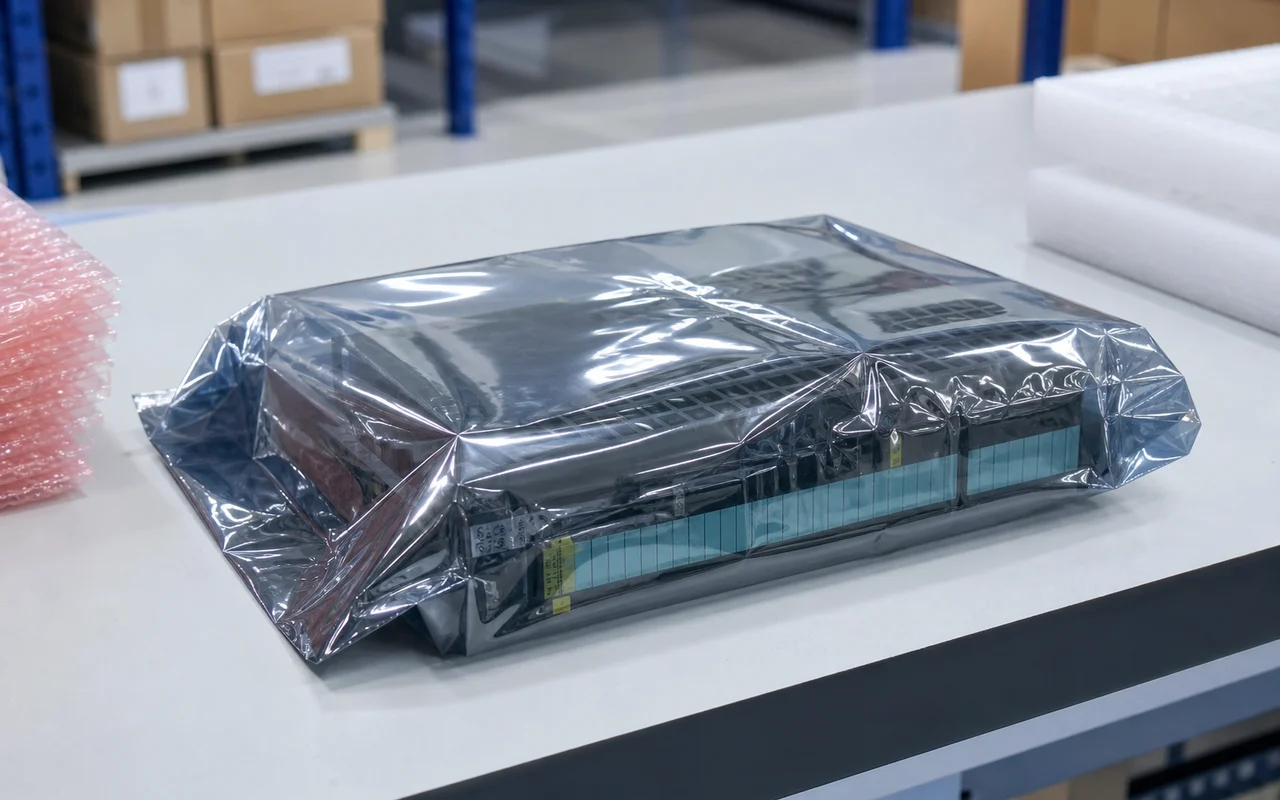 Anti-static Packaging
Modules are packed in anti-static bags to prevent electrostatic damage.
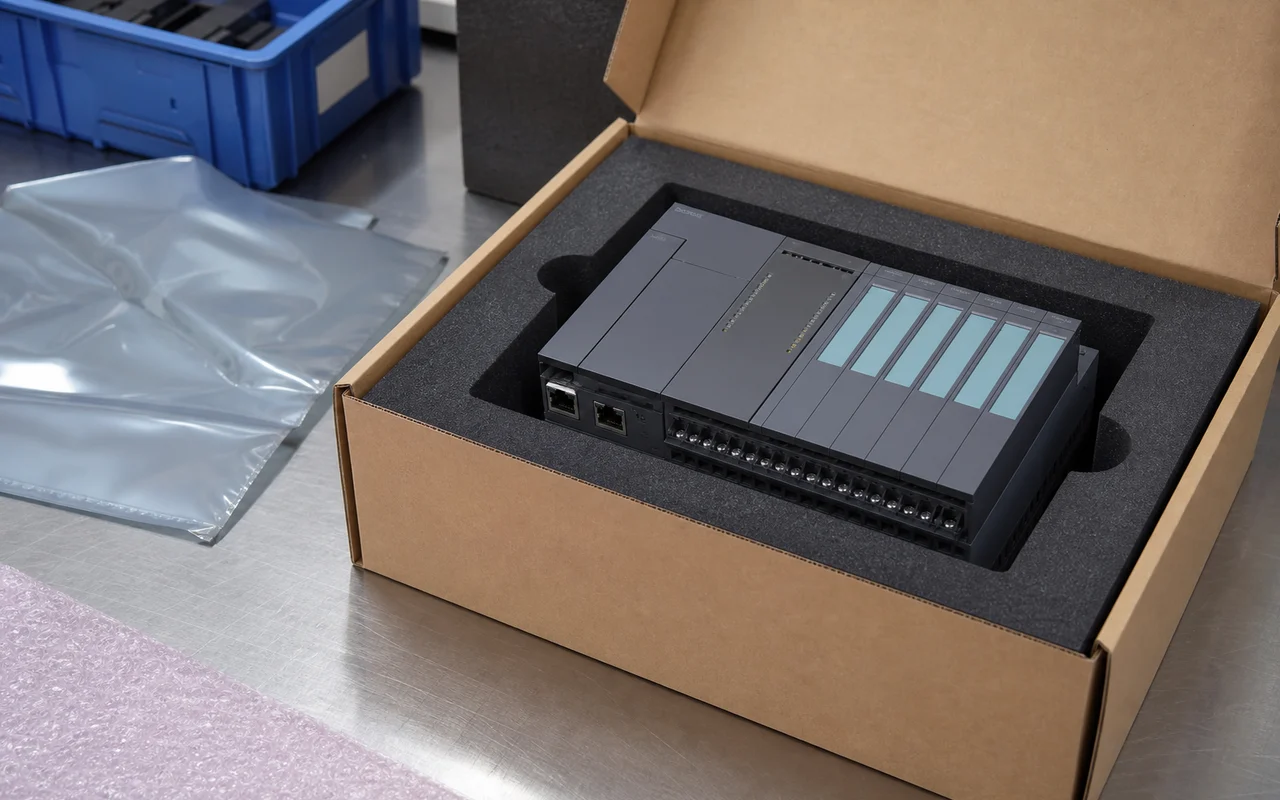 Secure Export Packing
Cushion protection and strong cartons ensure safe transportation.
 Worldwide Shipping
Global logistics network supports air, sea and express delivery.
 Documentation Check
Part number, revision and compatibility verified before shipment.
 After-sales Support
Professional technical support to help resolve your issues.