Functional Inspection
100% tested on professional platforms to ensure stable performance.
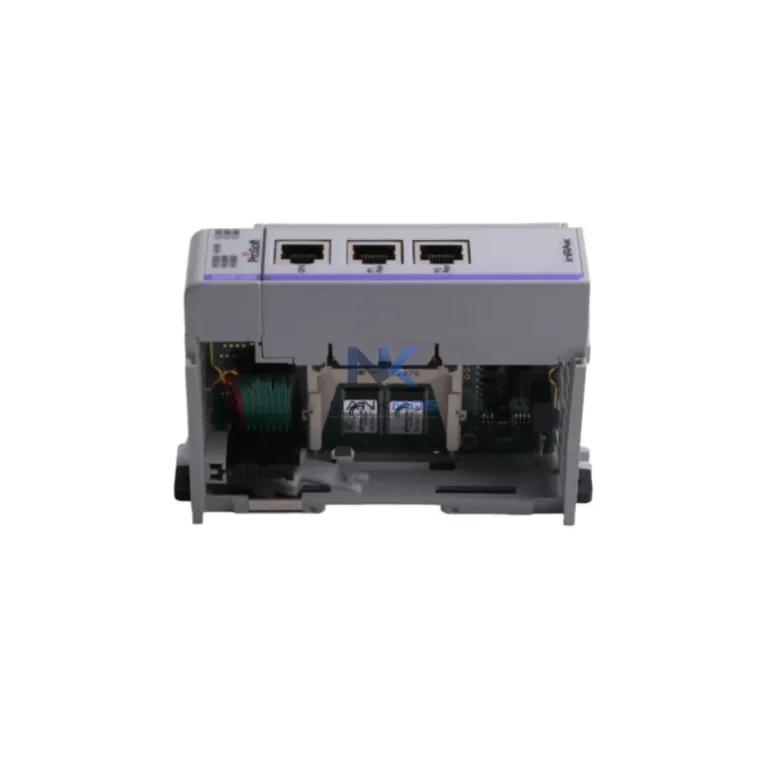
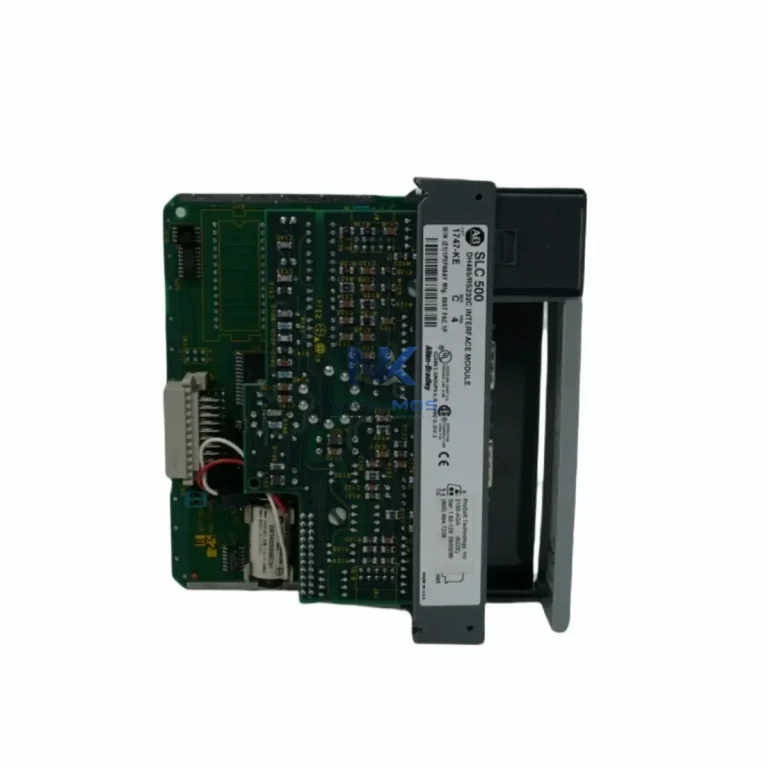
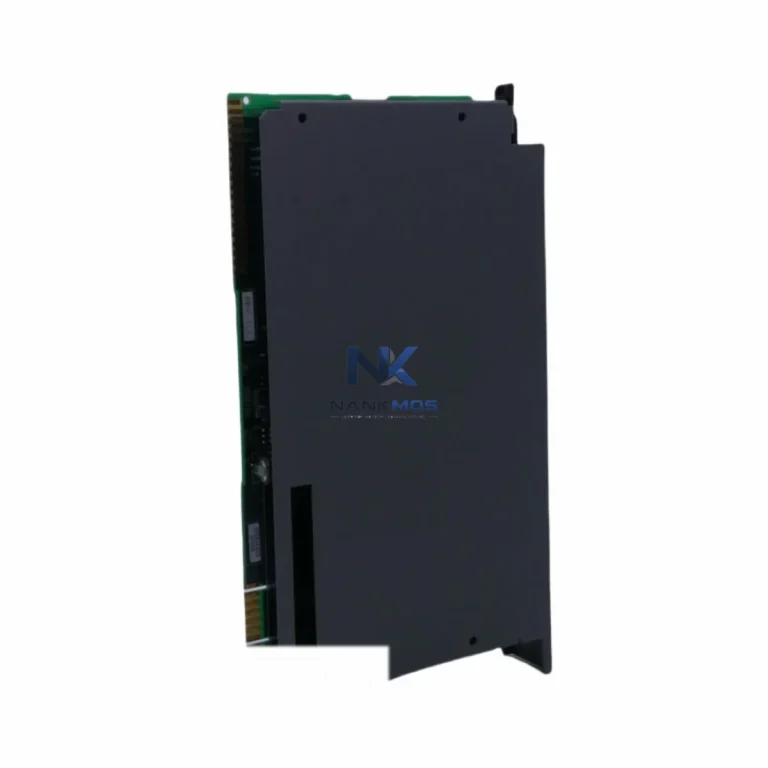
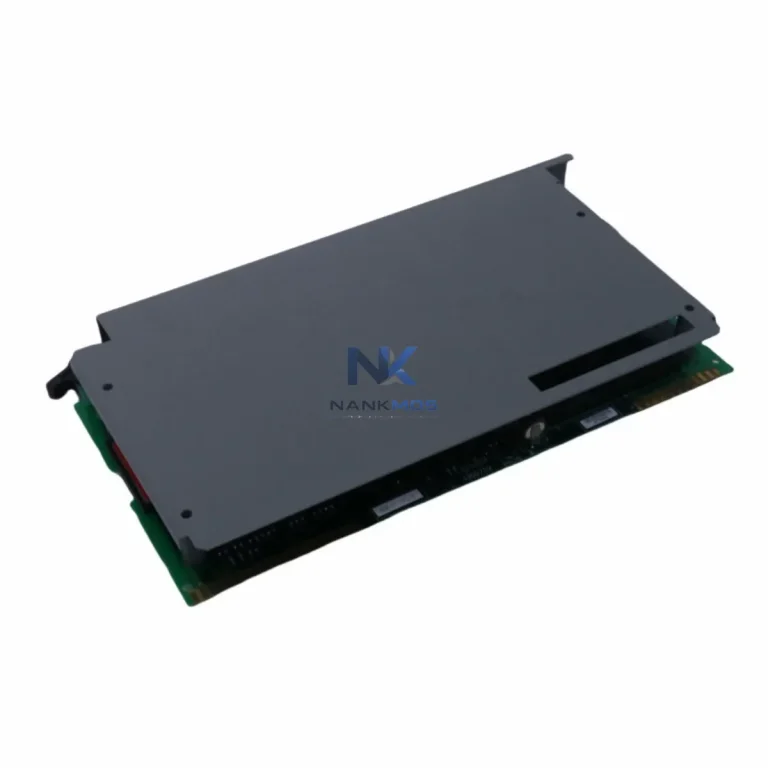
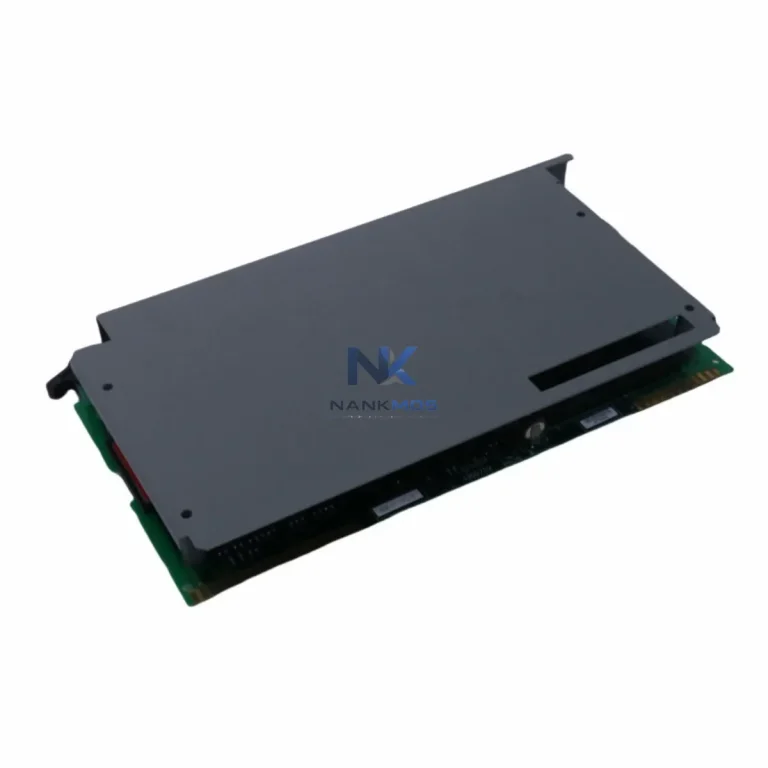
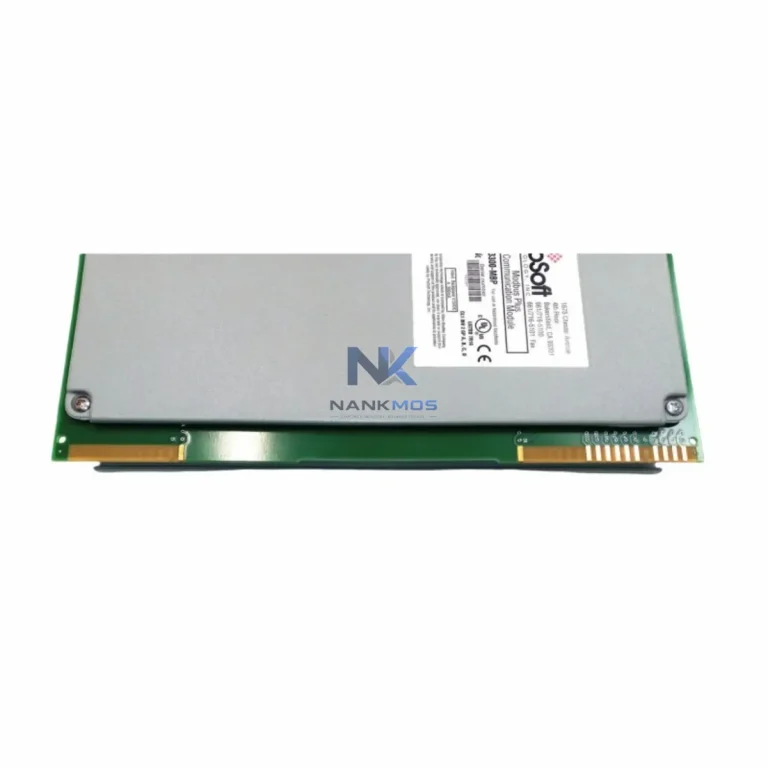
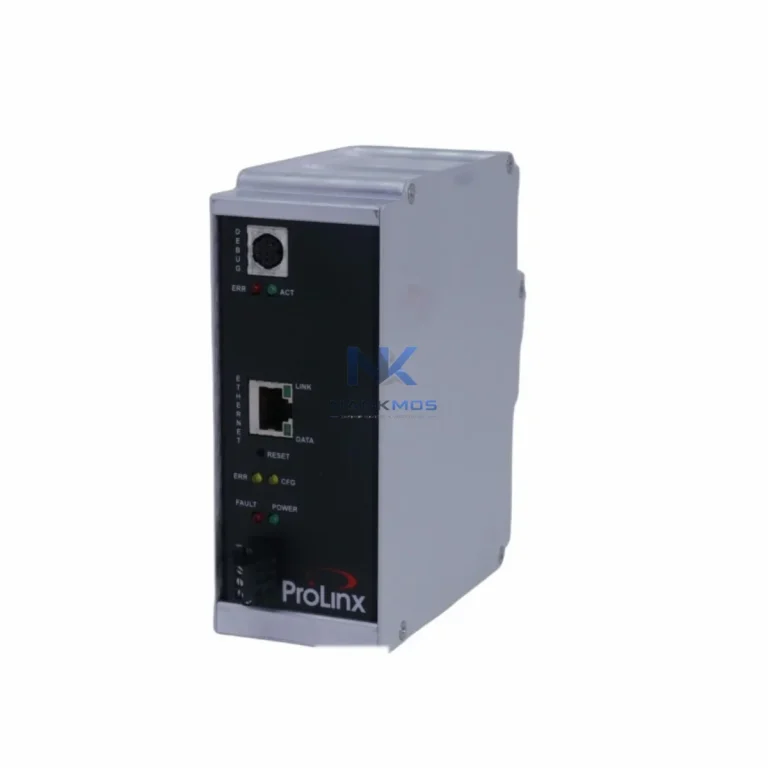
ProSoft Technology MVI71-AFC is a NANKMOS industrial automation product record Listed under Other series series and Business & Industrial > Automation, Control & Flow Devices > Programmable Logic Controllers. Confirm condition, availability, lead time, compatibility and documentation by email inquiry.
Brand names are used for identification only.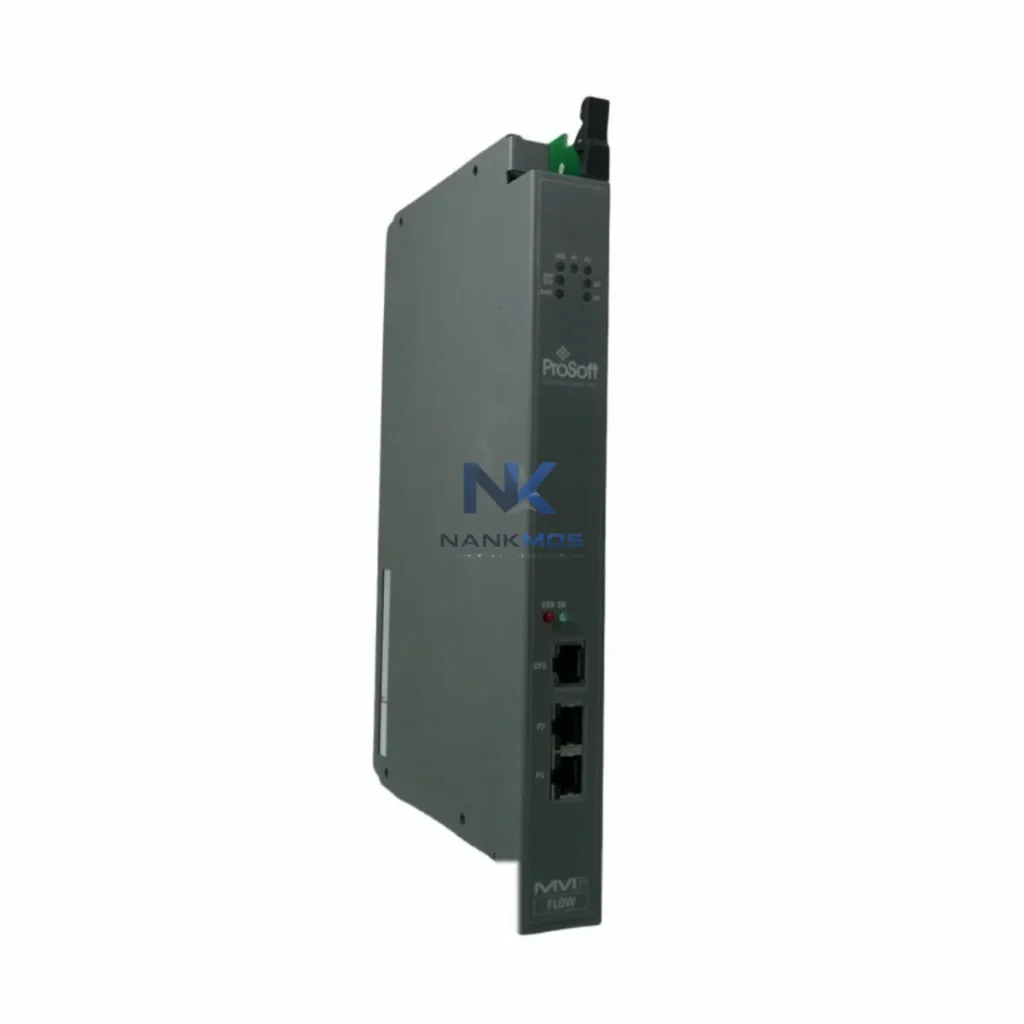
ProSoft Technology MVI71-AFC is a NANKMOS industrial automation product record Listed under Other series series and Business & Industrial > Automation, Control & Flow Devices > Programmable Logic Controllers. Confirm condition, availability, lead time, compatibility and documentation by email inquiry.
| Manufacturer | ProSoft Technology |
|---|---|
| Application | Controller Processing & System Control |
| Part Number / Model | MVI71-AFC |
| Compatible System | Confirmed by inquiry |
| Condition Options | To Confirm |
| Module Type | Controller / CPU Module |
| Warranty | 12 Months |
| Packaging | Anti-static Bag / Secure Box |
| Shipping Methods | DHL / FedEx / UPS / Air / Sea |
| Availability | To Confirm |
| Lead Time | To Confirm |
| Documentation | Part number and revision checked before quote |
The ProSoft MVI71-AFC is a purpose-engineered Advanced Function Communication (AFC) module designed for seamless integration within the MVI71 rack-based control architecture. As a critical node in the Allen-Bradley SLC 500 platform ecosystem, the MVI71-AFC delivers deterministic serial communication, robust signal handling, and modular expandability that modern industrial automation systems demand. Whether deployed in a greenfield installation or integrated into an existing distributed control architecture, this module provides the communication backbone that ties together control layers, I/O subsystems, field devices, and supervisory systems into a coherent, high-performance automation platform.
The MVI71-AFC does not operate in isolation — its true value emerges when viewed as a functional layer within a complete, multi-tier automation architecture. In a typical SLC 500-based control system, the MVI71-AFC occupies the communication layer, bridging the gap between the SLC 5/05 or SLC 5/04 processor and field-level instrumentation, meters, drives, and remote I/O nodes.
At the control layer, the Allen-Bradley SLC 5/05 processor (1747-L553) serves as the primary CPU, executing ladder logic and managing data table operations. The MVI71-AFC interfaces directly with this processor via the SLC 500 backplane, exchanging data through M0 and M1 file structures without consuming scan time on the main processor bus. This architecture ensures that serial communication tasks — polling field devices, aggregating meter data, or relaying commands to variable frequency drives — do not degrade the deterministic scan cycle of the main control program.
At the I/O layer, the 1746-IB16 digital input module and 1746-OB16 digital output module handle discrete field signals, while the 1746-NI4 analog input module processes 4–20 mA and 0–10 V signals from transmitters and sensors. The MVI71-AFC complements these I/O modules by handling serial data streams that cannot be processed through standard analog or digital I/O channels — such as HART pass-through data, Modbus RTU meter readings, or DNP3 outstation polling in power distribution applications.
At the communication layer, the MVI71-AFC works alongside the MVI71-MNET (Modbus TCP/IP gateway) and the MVI71-PDPMV1 (PROFIBUS DP master/slave module) to create a multi-protocol communication fabric. This allows a single SLC 500 rack to simultaneously manage legacy serial field devices, Ethernet-connected SCADA systems, and PROFIBUS DP networks — a configuration common in water treatment plants, chemical processing facilities, and power substations undergoing phased modernization.
At the power layer, the 1746-P4 power supply provides stable 5 VDC and 24 VDC rails to the SLC 500 rack, ensuring that the MVI71-AFC and co-resident I/O modules receive clean, regulated power even under high-load conditions. For applications requiring redundant power, a secondary 1746-P2 power supply can be configured in a hot-standby arrangement, eliminating single points of failure in the power distribution architecture.
At the HMI layer, a PanelView Plus 700 or PanelView Plus 1000 terminal connects via Ethernet to the SLC 5/05 processor, providing operators with real-time visibility into process variables collected and aggregated by the MVI71-AFC from serial field devices. This closed-loop data path — from field instrument to MVI71-AFC to SLC processor to HMI — ensures that operators always have accurate, up-to-date process information without requiring additional data concentrators or middleware servers.
At the protection layer, the 1747-SCNR scanner module and surge protection devices installed on RS-485 serial lines safeguard the MVI71-AFC's communication ports from transient voltage spikes common in industrial environments with variable frequency drives, large motor starters, and high-voltage switching equipment. Proper grounding of the RS-485 shield at a single point, combined with the MVI71-AFC's built-in optical isolation on serial ports, provides a robust defense against common-mode noise and ground loop interference.
At the maintenance layer, ProSoft's ProSoft Configuration Builder (PCB) software provides a unified configuration and diagnostic environment for the MVI71-AFC. Engineers can monitor port statistics, view raw serial data streams, adjust polling rates, and modify protocol parameters without taking the system offline — a critical capability for continuous-process industries where unplanned downtime carries significant operational and financial consequences.
Manufacturing & Discrete Production Lines: In automotive assembly and electronics manufacturing, the MVI71-AFC enables SLC 500 controllers to communicate with barcode readers, torque controllers, and vision systems via RS-232 serial interfaces. Its configurable protocol engine supports custom ASCII framing, allowing integration with legacy test equipment and proprietary machine interfaces that predate modern fieldbus standards.
Power Distribution & Electrical Substations: The MVI71-AFC's DNP3 protocol support makes it a natural fit for power utility SCADA systems, where it polls protective relays, energy meters, and RTUs at remote substations. Its ability to handle unsolicited response messaging from DNP3 outstations reduces polling overhead and improves event reporting latency — critical for fault detection and grid stability monitoring.
Petrochemical & Refinery Process Control: In hazardous area applications, the MVI71-AFC communicates with intrinsically safe field transmitters via RS-485 Modbus RTU, aggregating flow, pressure, temperature, and level data from distributed measurement points across a process unit. Its deterministic polling architecture ensures that critical process variables are updated within defined scan intervals, supporting safe operating envelope monitoring and alarm management systems.
Water & Wastewater Treatment: Municipal water treatment facilities use the MVI71-AFC to integrate chlorine analyzers, turbidity meters, pH sensors, and flow totalizers — many of which communicate via proprietary serial protocols — into a unified SLC 500-based SCADA architecture. The module's dual-port design allows simultaneous polling of multiple instrument buses, reducing the number of communication modules required per rack and simplifying cabinet layout.
Mining & Mineral Processing: In conveyor control and crusher automation systems, the MVI71-AFC interfaces with weigh-belt feeders, belt scales, and variable speed drives via Modbus RTU, providing the SLC 500 controller with real-time throughput data for production optimization and load balancing across parallel processing lines.
Marine & Offshore Automation: Shipboard automation systems and offshore platform control architectures rely on the MVI71-AFC for serial communication between SLC 500 controllers and navigation instruments, engine management systems, and ballast control panels. Its wide operating temperature range and vibration tolerance make it suitable for the demanding mechanical environment of marine installations.
Q1: Is the MVI71-AFC compatible with both SLC 5/04 and SLC 5/05 processors, and does it support hot-swap replacement in a running system? The MVI71-AFC is fully compatible with all SLC 500 processors (SLC 5/01 through SLC 5/05) and occupies any standard I/O slot in a 1746 chassis. Hot-swap replacement is not supported on the SLC 500 platform — the rack must be powered down before removing or inserting the module. However, the MVI71-AFC's configuration is stored in the ProSoft Configuration Builder project file, allowing a replacement module to be configured and returned to service within minutes. NANKMOS maintains ready stock of MVI71-AFC units and can ship same-day for urgent replacement requirements, backed by a 12-Month Warranty on all supplied units.
Q2: How does the MVI71-AFC handle communication redundancy, and what happens if a serial port loses connectivity to a field device? The MVI71-AFC implements configurable error handling and timeout management for each serial port independently. When a polled device fails to respond within the configured timeout window, the module logs a communication error, sets a corresponding error bit in the M1 data file, and continues polling remaining devices on the scan list — preventing a single device failure from blocking communication with the entire instrument bus. For applications requiring full communication redundancy, the MVI71-AFC can be paired with a second module in a parallel rack slot, with the SLC 500 ladder program implementing switchover logic based on the error status bits. This architecture provides a cost-effective redundancy solution without requiring a full hot-standby PLC system.
Q3: What is the recommended commissioning procedure for the MVI71-AFC in a new installation, and how does NANKMOS support long-term spare parts availability? Commissioning the MVI71-AFC begins with configuring the module in ProSoft Configuration Builder, defining protocol parameters, polling lists, and data mapping for each serial port. The configuration file is then downloaded to the module via the RS-232 configuration port using a standard null-modem cable. After download, the module's LED indicators confirm port activity and communication status, allowing engineers to verify connectivity to each field device before going live. NANKMOS performs pre-shipment functional testing on all MVI71-AFC units, verifying serial port operation, backplane communication, and configuration integrity before dispatch. Our 12-Month Warranty covers all hardware defects identified during this period, and our inventory management program ensures long-term spare parts availability for MVI71 platform components — supporting your maintenance strategy for the full operational lifecycle of your control system.
Functional Inspection100% tested on professional platforms to ensure stable performance.
 Anti-static Packaging
Modules are packed in anti-static bags to prevent electrostatic damage.
 Secure Export Packing
Cushion protection and strong cartons ensure safe transportation.
 Worldwide Shipping
Global logistics network supports air, sea and express delivery.
 Documentation Check
Part number, revision and compatibility verified before shipment.
 After-sales Support
Professional technical support to help resolve your issues.