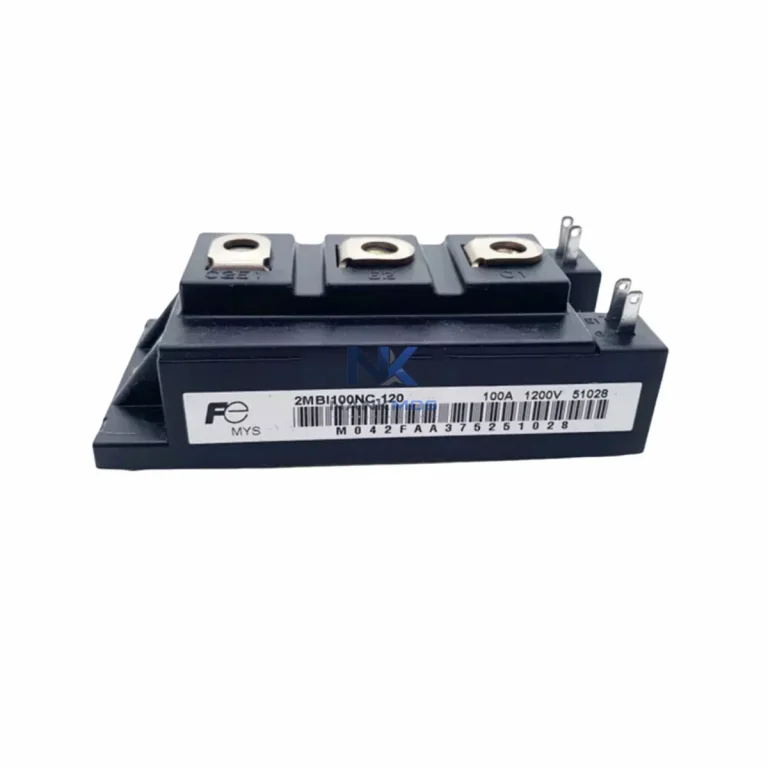
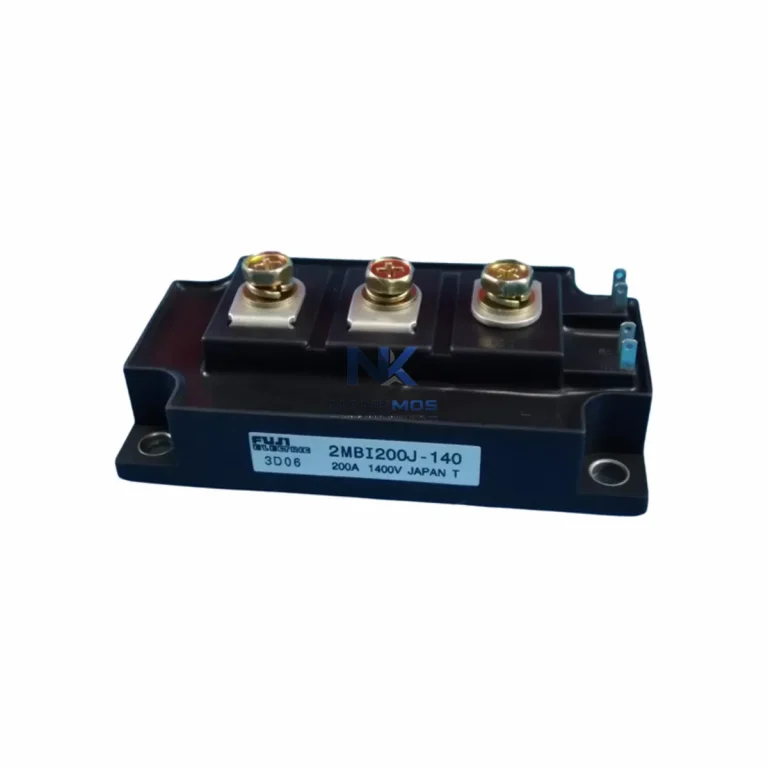
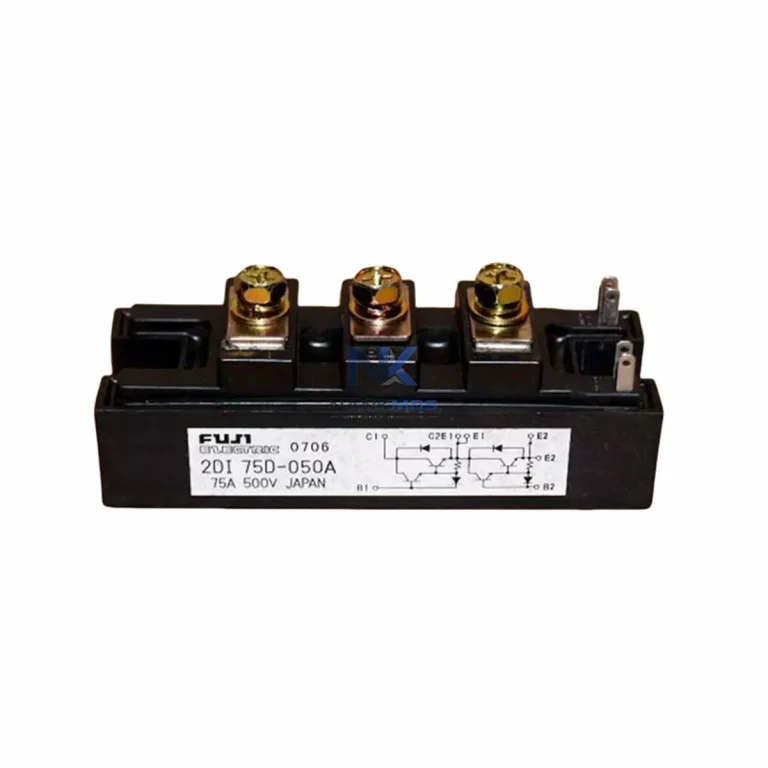
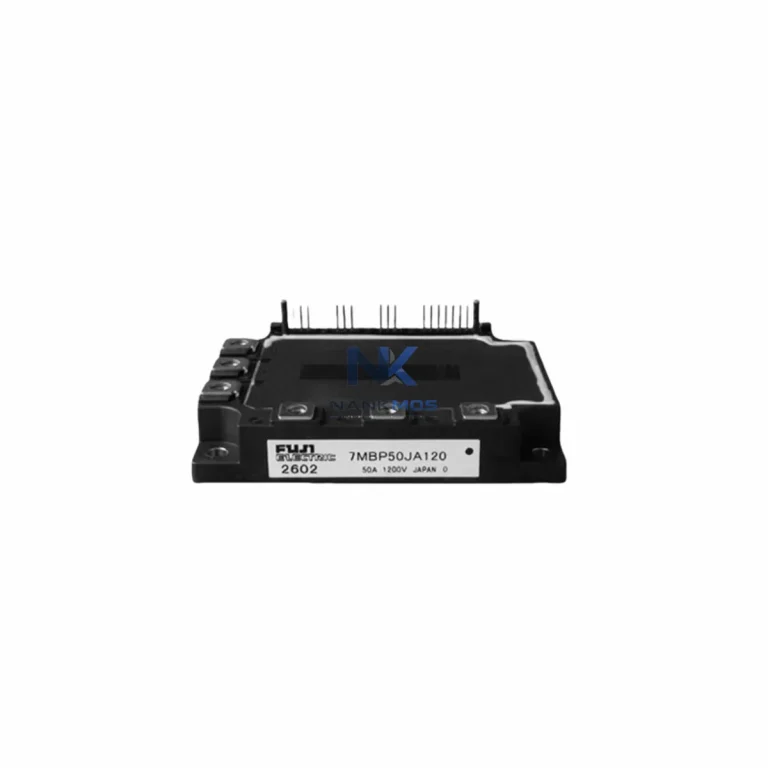
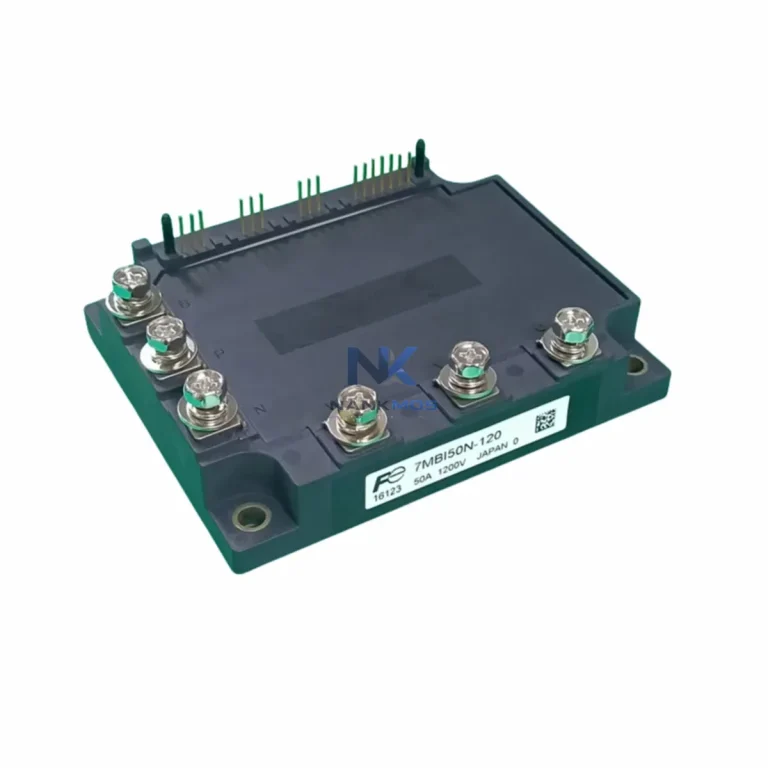
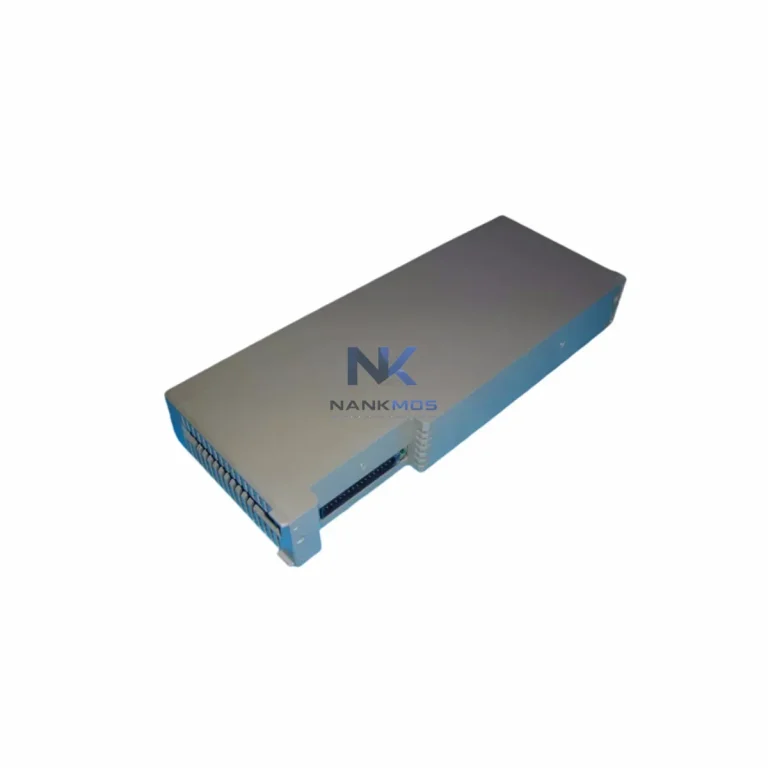
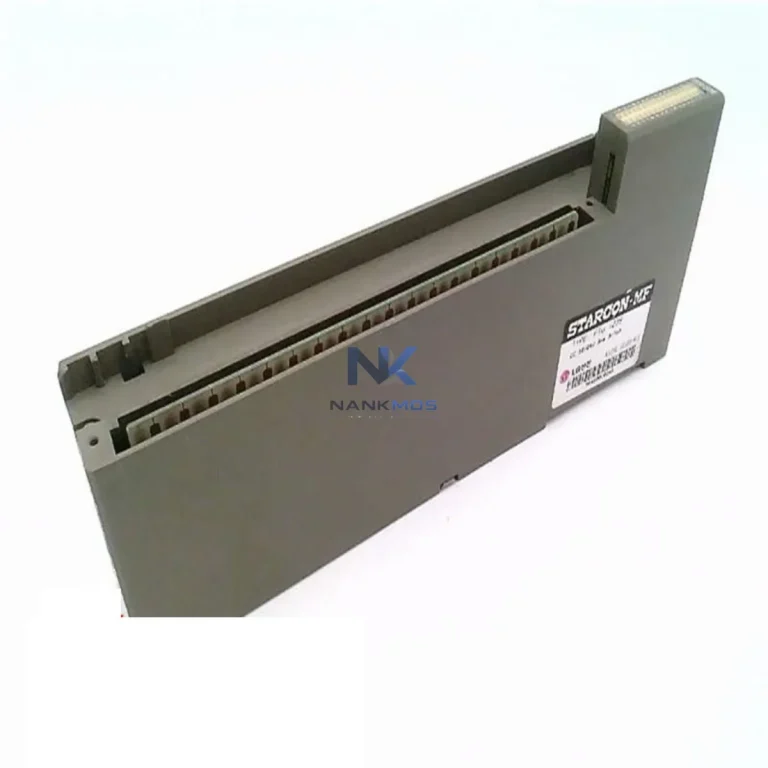
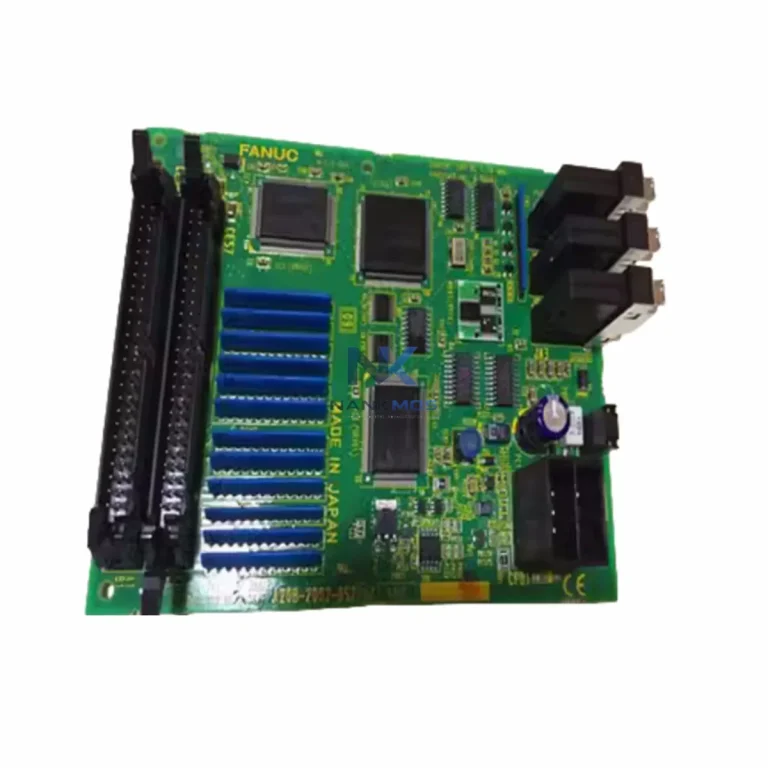
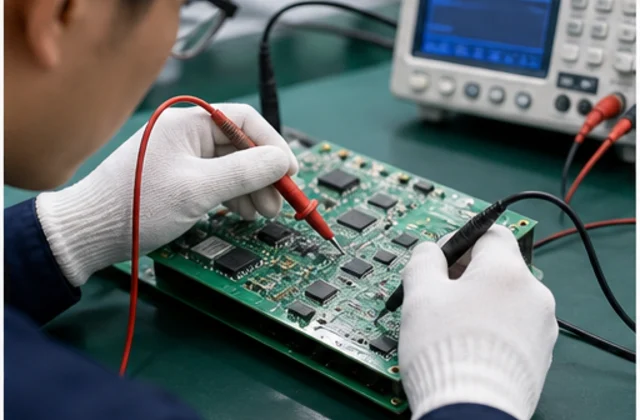
 Functional Inspection
100% tested on professional platforms to ensure stable performance.
Fuji Electric NB1-P56-AC is a NANKMOS industrial automation product record Listed under Other series series and Business & Industrial > Automation, Control & Flow Devices > Programmable Logic Controllers. Confirm condition, availability, lead time, compatibility and documentation by email inquiry.
Brand names are used for identification only.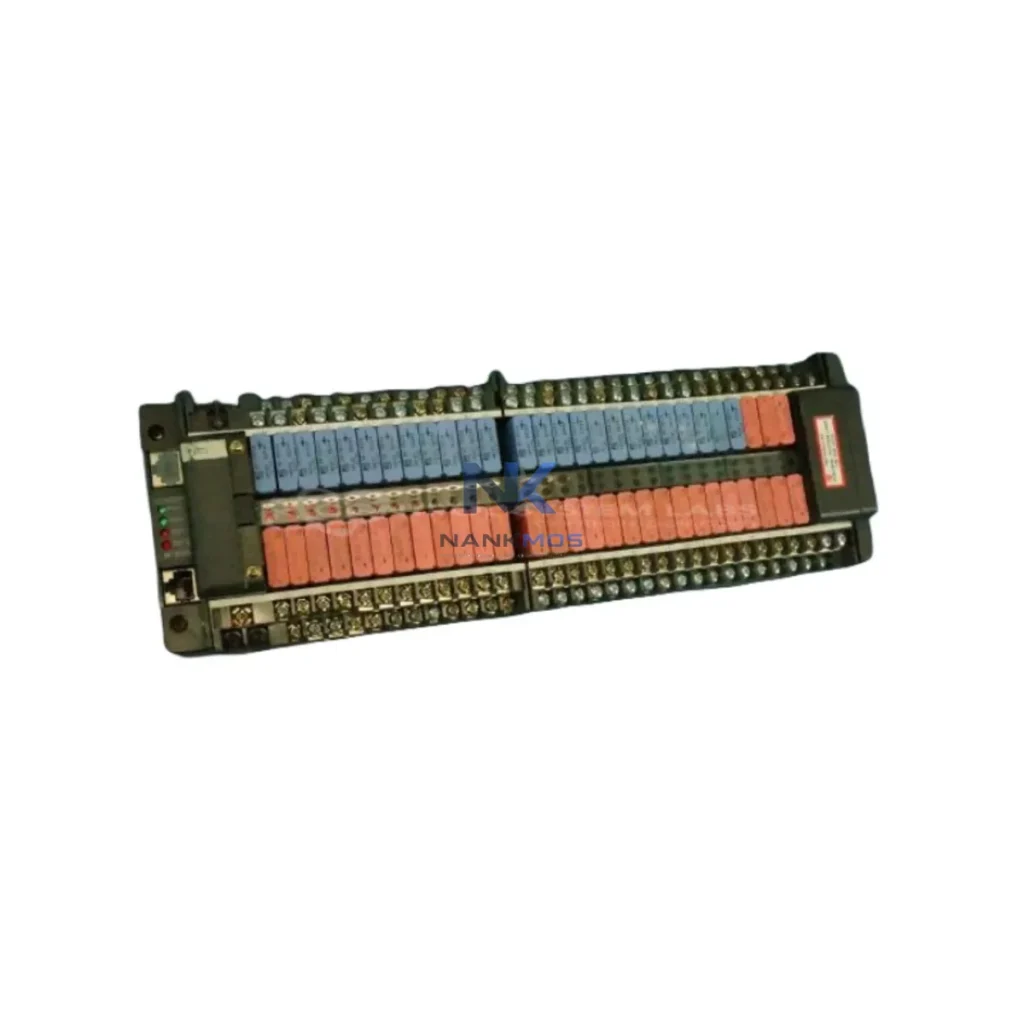
Fuji Electric NB1-P56-AC is a NANKMOS industrial automation product record Listed under Other series series and Business & Industrial > Automation, Control & Flow Devices > Programmable Logic Controllers. Confirm condition, availability, lead time, compatibility and documentation by email inquiry.
| Manufacturer | Fuji Electric |
|---|---|
| Application | Controller Processing & System Control |
| Part Number / Model | NB1-P56-AC |
| Compatible System | Confirmed by inquiry |
| Condition Options | To Confirm |
| Module Type | Controller / CPU Module |
| Warranty | 12 Months |
| Packaging | Anti-static Bag / Secure Box |
| Shipping Methods | DHL / FedEx / UPS / Air / Sea |
| Availability | To Confirm |
| Lead Time | To Confirm |
| Documentation | Part number and revision checked before quote |
The Fuji NB1-P56-AC is a high-performance industrial network interface and CPU gateway module engineered for the Fuji Electric NB Series PLC platform. Designed to serve as the central communication node in modern smart factory architectures, the NB1-P56-AC bridges field-level devices, control systems, and supervisory networks into a unified, real-time data ecosystem. Whether you are integrating legacy field instruments or deploying a new IIoT-ready production line, this module delivers the protocol flexibility, network stability, and diagnostic transparency that industrial automation engineers demand.
At its core, the NB1-P56-AC functions as the communication backbone between the NB Series CPU rack and upstream SCADA, MES, and HMI platforms. It supports multi-protocol communication, enabling seamless data exchange across heterogeneous automation environments where Modbus RTU/TCP, PROFIBUS DP, CC-Link, and Ethernet/IP coexist. This eliminates the data silos that commonly arise when legacy serial devices must communicate with modern Ethernet-based supervisory systems, making the NB1-P56-AC an essential component in any protocol conversion or network modernization project.
In a fully connected smart factory, the NB1-P56-AC sits at the intersection of the field layer and the control layer, orchestrating data flow across every tier of the automation hierarchy. At the field level, sensors, actuators, and transmitters feed raw process signals into the NB Series I/O modules — such as the NB1-PA08 analog input module and NB1-PD16 digital I/O module — which are then aggregated and processed by the NB Series CPU. The NB1-P56-AC network interface module takes this processed data and routes it upward through the plant network with deterministic timing and minimal latency.
For drive integration, the NB1-P56-AC communicates directly with Fuji Electric FRENIC series variable frequency drives over Modbus RTU or RS-485, enabling real-time speed feedback, torque monitoring, and fault status reporting without additional protocol converters. This tight integration between the NB Series PLC platform and Fuji's drive ecosystem reduces wiring complexity and accelerates commissioning on motor-intensive production lines such as conveyor systems, pump stations, and compressor banks.
At the supervisory level, the NB1-P56-AC establishes a reliable Ethernet/IP or Modbus TCP connection to Fuji Electric V9 series HMI panels and third-party SCADA platforms including Wonderware, Ignition, and Siemens WinCC. Operators gain live visibility into process variables, alarm states, and production KPIs directly on the HMI screen, while SCADA historians log time-stamped data for trend analysis and regulatory compliance. The module's support for acyclic messaging further enables on-demand parameter reads and writes from the SCADA layer without disrupting cyclic control loops.
For remote I/O expansion across large plant floors or geographically distributed sites, the NB1-P56-AC coordinates with Fuji Electric NB1 remote I/O adapters and third-party distributed I/O nodes over PROFIBUS DP or CC-Link, extending the NB Series control domain without requiring additional CPU hardware. This architecture is particularly valuable in automotive assembly, food and beverage processing, and water treatment facilities where I/O points are spread across hundreds of meters of plant floor.
Edge computing integration is equally straightforward. The NB1-P56-AC can serve as a data source for industrial edge gateways — such as Moxa MGate series or Advantech ADAM-3600 — which aggregate multi-vendor PLC data and push it to cloud analytics platforms via MQTT or OPC-UA. This enables predictive maintenance algorithms, energy consumption analytics, and OEE dashboards to operate on live production data without burdening the PLC CPU with cloud communication overhead.
Industrial network switches — including Moxa EDS series managed Ethernet switches — provide the Layer 2 infrastructure that connects the NB1-P56-AC to the plant backbone, ensuring VLAN segmentation, QoS prioritization, and redundant ring topologies (RSTP/MRP) that protect real-time control traffic from network congestion. Combined with Phoenix Contact QUINT series industrial power supplies providing stable 24 VDC rail power to the NB Series rack, the entire communication chain from sensor to cloud operates with the reliability and uptime that mission-critical production demands.
Protocol fragmentation is one of the most persistent challenges on legacy production lines. When older Modbus RTU field devices must coexist with newer Ethernet/IP controllers and cloud-connected MES systems, data gaps and manual transcription errors are inevitable. The NB1-P56-AC resolves this by acting as a native multi-protocol gateway within the NB Series rack, translating between serial and Ethernet protocols transparently and in real time — eliminating the need for standalone protocol converters that add cost, failure points, and maintenance overhead.
Data island elimination is achieved through the module's ability to simultaneously maintain cyclic data exchange with field devices while servicing acyclic read/write requests from SCADA and MES systems. Production managers gain a single, consistent view of machine status, batch parameters, and quality metrics across all connected assets, replacing fragmented spreadsheet-based reporting with live dashboard visualization.
Remote monitoring and diagnostics are enabled by the NB1-P56-AC's network-transparent architecture. Maintenance engineers can access PLC register values, I/O status, and communication diagnostics remotely through the SCADA or HMI layer without requiring physical access to the control panel. Alarm events are propagated in real time to operator workstations and mobile devices, reducing mean time to response (MTTR) and preventing unplanned downtime from escalating into extended production losses.
Production line transparency is further enhanced by the module's compatibility with OPC-UA server software running on industrial PCs or edge gateways. By exposing NB Series data objects as OPC-UA nodes, the NB1-P56-AC enables seamless integration with ERP systems, digital twin platforms, and AI-driven analytics engines — providing the data foundation for Industry 4.0 transformation without replacing existing PLC infrastructure.
System scalability is built into the NB Series architecture. As production capacity grows, additional NB1-P56-AC modules and I/O expansion racks can be added to the network without redesigning the control system, protecting the initial automation investment and enabling phased smart factory upgrades aligned with capital expenditure cycles.
Q1: What communication protocols does the Fuji NB1-P56-AC support, and is it compatible with third-party SCADA systems? The NB1-P56-AC supports Modbus RTU, Modbus TCP/IP, PROFIBUS DP, CC-Link, Ethernet/IP, RS-232C, and RS-485. It is compatible with all major SCADA platforms including Ignition, Wonderware InTouch, Siemens WinCC, and GE iFIX, as well as Fuji Electric V9 series HMI panels, via standard industrial Ethernet or serial interfaces.
Q2: How does the NB1-P56-AC handle communication latency in real-time control applications? The module uses deterministic cyclic communication to ensure that time-critical control data — such as drive speed references and I/O status — is exchanged within defined scan cycle windows. Acyclic messaging for SCADA reads and parameter writes is handled in background tasks, ensuring that supervisory traffic does not introduce jitter into the real-time control loop.
Q3: Can the NB1-P56-AC be used for remote diagnostics and predictive maintenance? Yes. The NB1-P56-AC exposes NB Series PLC diagnostics — including CPU status, communication error counters, and I/O fault flags — to connected SCADA and HMI systems in real time. When integrated with an edge gateway running OPC-UA or MQTT, this data can be forwarded to cloud analytics platforms for predictive maintenance modeling, energy benchmarking, and remote troubleshooting without on-site engineer visits.
Q4: What warranty and pre-shipment testing does NANKMOS provide for the NB1-P56-AC? All NB1-P56-AC units supplied by NANKMOS carry a 12-Month Warranty and undergo pre-shipment functional testing to verify communication port integrity, protocol handshake performance, and power-on self-test results. In-stock units are available for immediate dispatch, supporting urgent MRO replacement and new project commissioning timelines.
Functional Inspection100% tested on professional platforms to ensure stable performance.
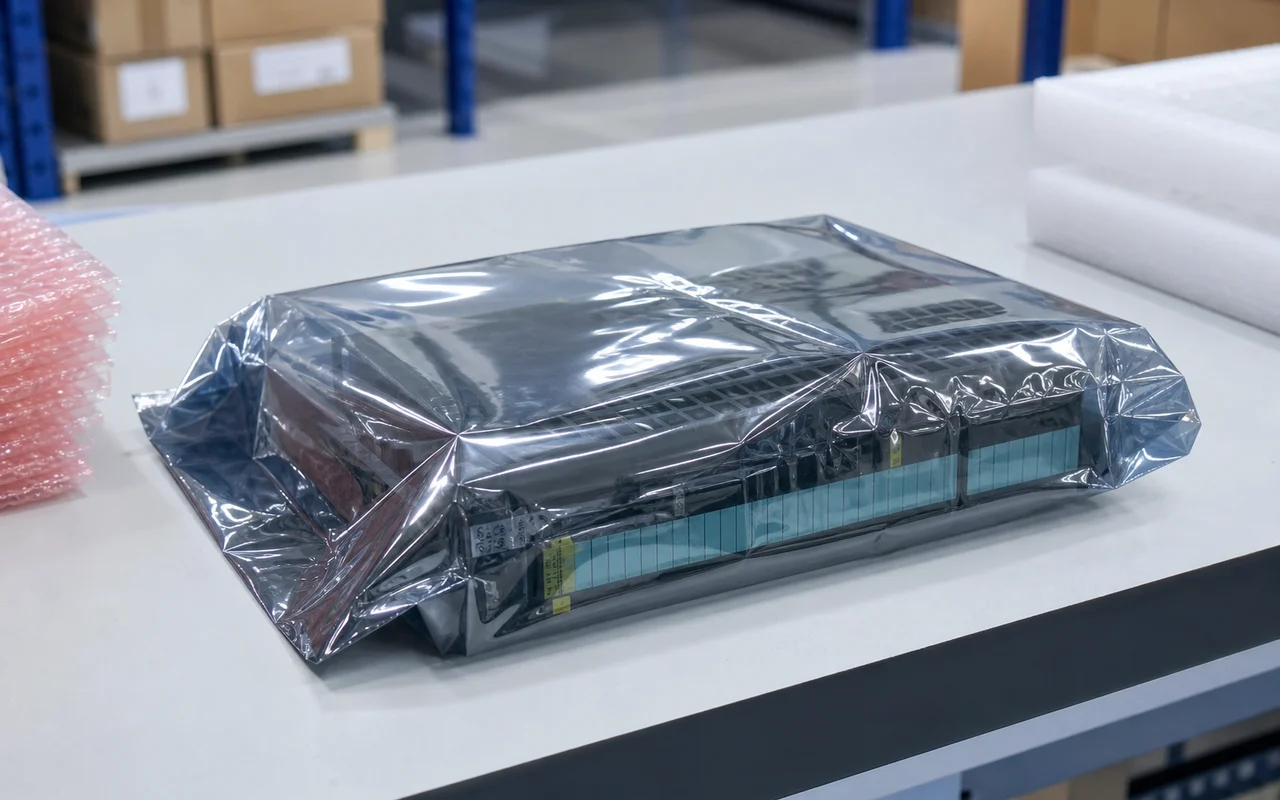 Anti-static Packaging
Modules are packed in anti-static bags to prevent electrostatic damage.
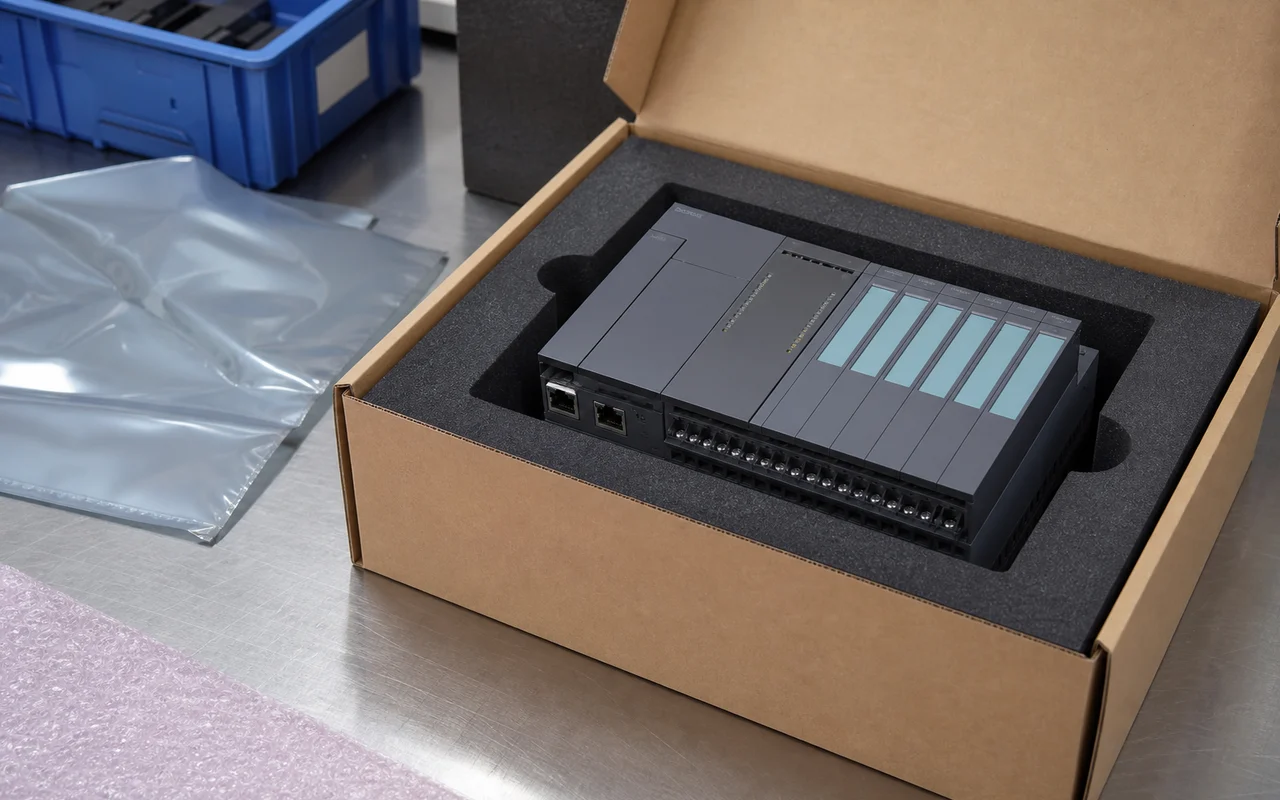 Secure Export Packing
Cushion protection and strong cartons ensure safe transportation.
 Worldwide Shipping
Global logistics network supports air, sea and express delivery.
 Documentation Check
Part number, revision and compatibility verified before shipment.
 After-sales Support
Professional technical support to help resolve your issues.