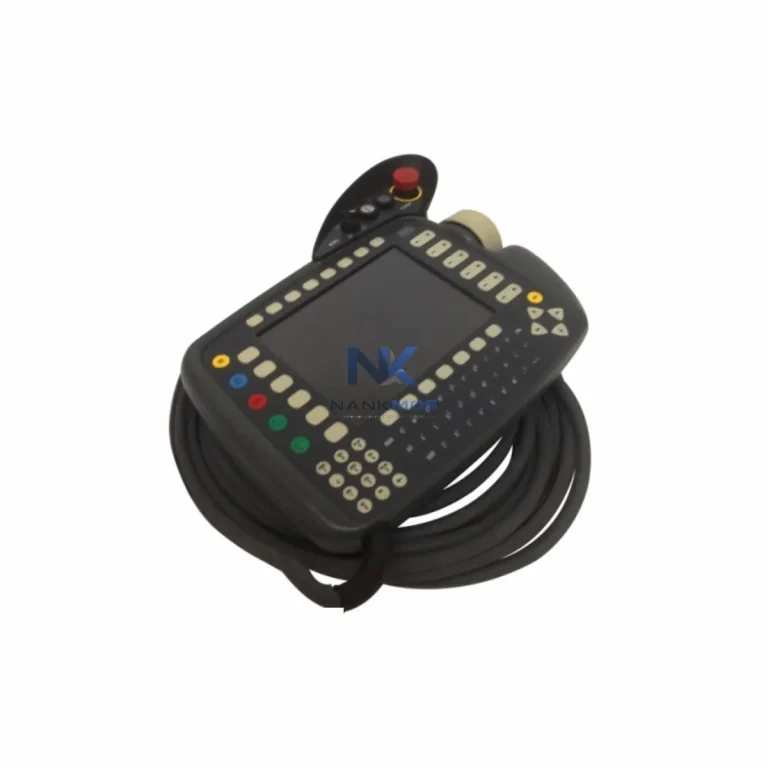
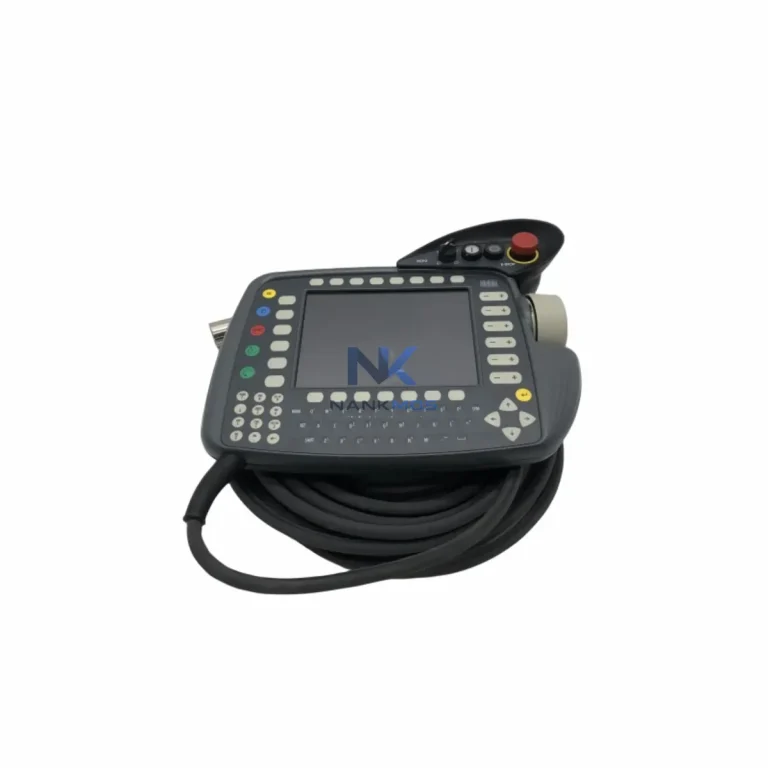
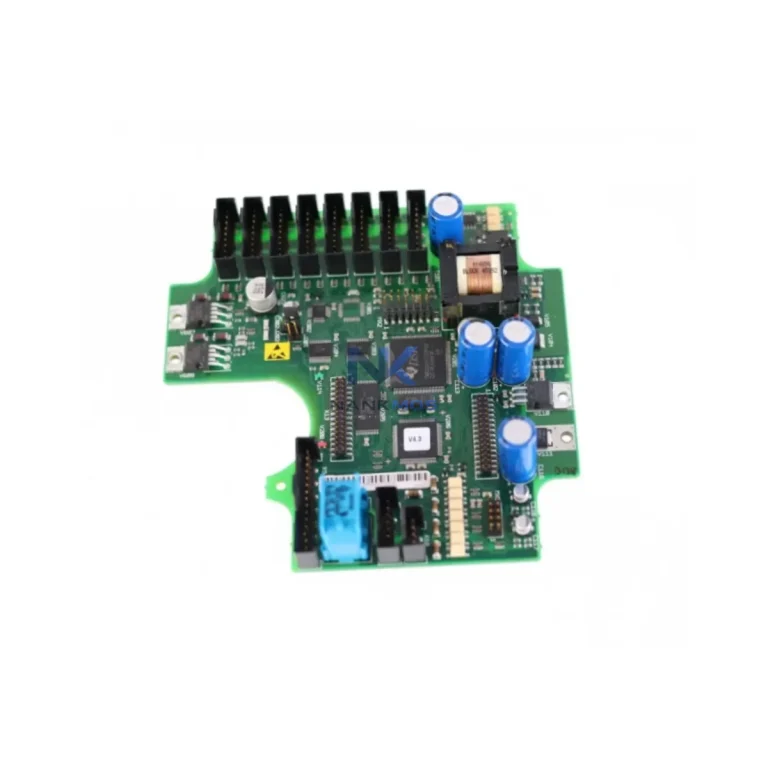
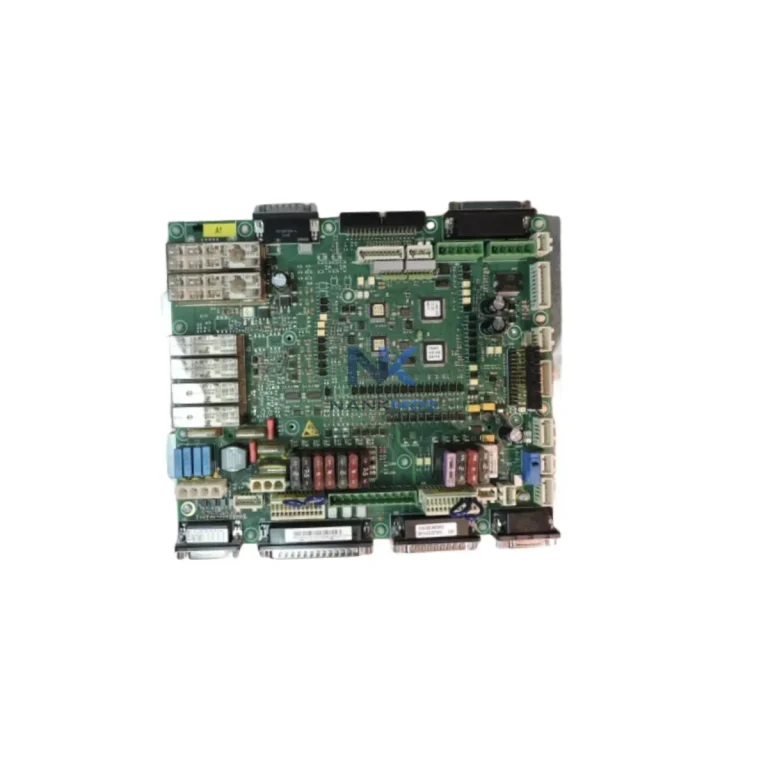
Functional Inspection
100% tested on professional platforms to ensure stable performance.
KUKA PH1003-2840 is a NANKMOS industrial automation product record Listed under Other series series and Business & Industrial > Automation, Control & Flow Devices > Programmable Logic Controllers. Confirm condition, availability, lead time, compatibility and documentation by email inquiry.
Brand names are used for identification only.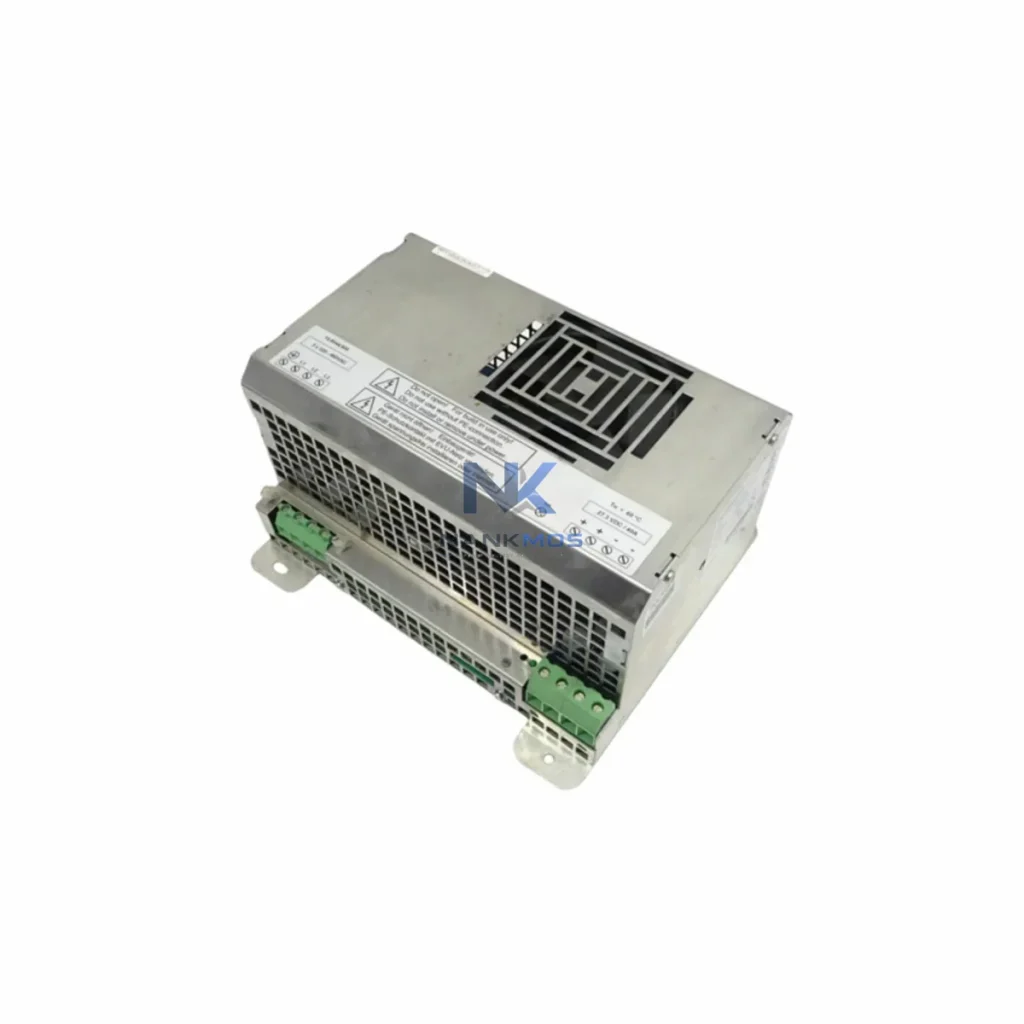
KUKA PH1003-2840 is a NANKMOS industrial automation product record Listed under Other series series and Business & Industrial > Automation, Control & Flow Devices > Programmable Logic Controllers. Confirm condition, availability, lead time, compatibility and documentation by email inquiry.
| Manufacturer | KUKA |
|---|---|
| Application | Control System Power Support |
| Part Number / Model | PH1003-2840 |
| Compatible System | Confirmed by inquiry |
| Condition Options | To Confirm |
| Module Type | Power Supply Module |
| Warranty | 12 Months |
| Packaging | Anti-static Bag / Secure Box |
| Shipping Methods | DHL / FedEx / UPS / Air / Sea |
| Availability | To Confirm |
| Lead Time | To Confirm |
| Documentation | Part number and revision checked before quote |
The KUKA PH1003-2840 is a precision-engineered power supply module designed for the KUKA KR C2 robot controller platform — one of the most widely deployed industrial robot control architectures in automotive, electronics, and heavy-manufacturing environments. As factories transition toward energy-aware automation, the PH1003-2840 plays a central role in stabilising DC bus voltage, managing inrush current, and ensuring that downstream servo drives and motion axes receive clean, regulated power at all times. Its contribution to energy control is not incidental — it is structural: by eliminating voltage fluctuation and reducing reactive power losses at the controller level, the PH1003-2840 directly reduces the thermal load on the entire KR C2 cabinet and extends the operational lifespan of connected components.
In smart production line deployments, energy efficiency begins at the power conditioning stage. The PH1003-2840 ensures that the KR C2 controller draws only the power it requires, avoiding the overconsumption spikes that occur when poorly regulated supplies compensate for instability. This translates into measurable reductions in kWh consumption per production cycle — a key metric for factories operating under ISO 50001 energy management frameworks or pursuing carbon-neutral manufacturing targets.
Every unit supplied by NANKMOS is sourced from verified industrial channels, subjected to full functional load testing prior to dispatch, and covered by a 12-month warranty. Stock is maintained on-hand for immediate shipment, minimising procurement lead times for maintenance and MRO teams.
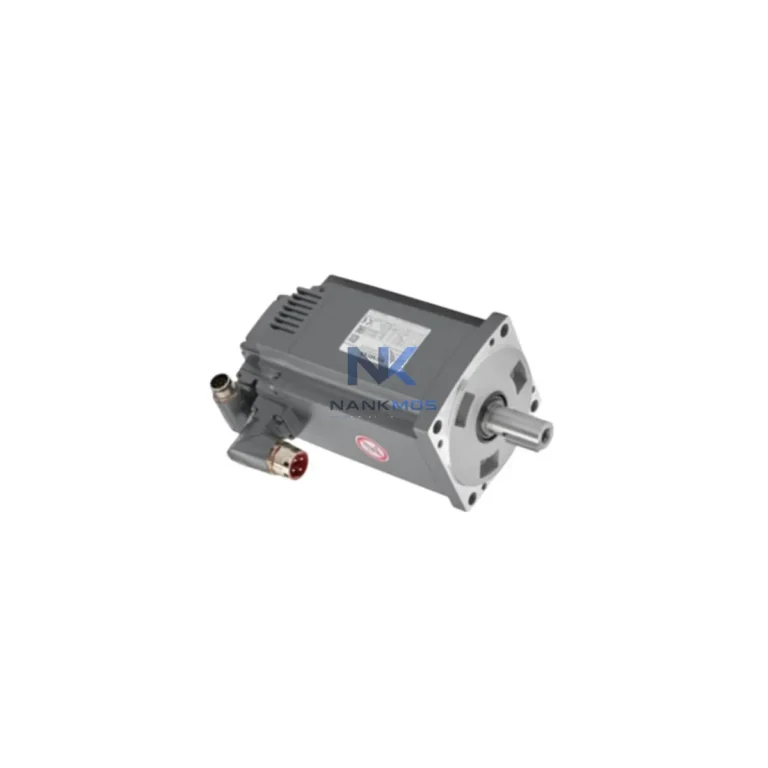
The PH1003-2840 does not operate in isolation. In a fully integrated KR C2 system, it works in concert with a layered set of automation components, each contributing to the overall energy profile of the production cell. The KUKA KSD 48/60 servo drive — the primary motion actuator in KR C2 configurations — depends on the PH1003-2840 for stable DC bus power. When the power supply delivers clean, regulated voltage, the KSD drive operates within its optimal efficiency band, reducing switching losses and minimising regenerative braking energy that would otherwise be dissipated as heat.
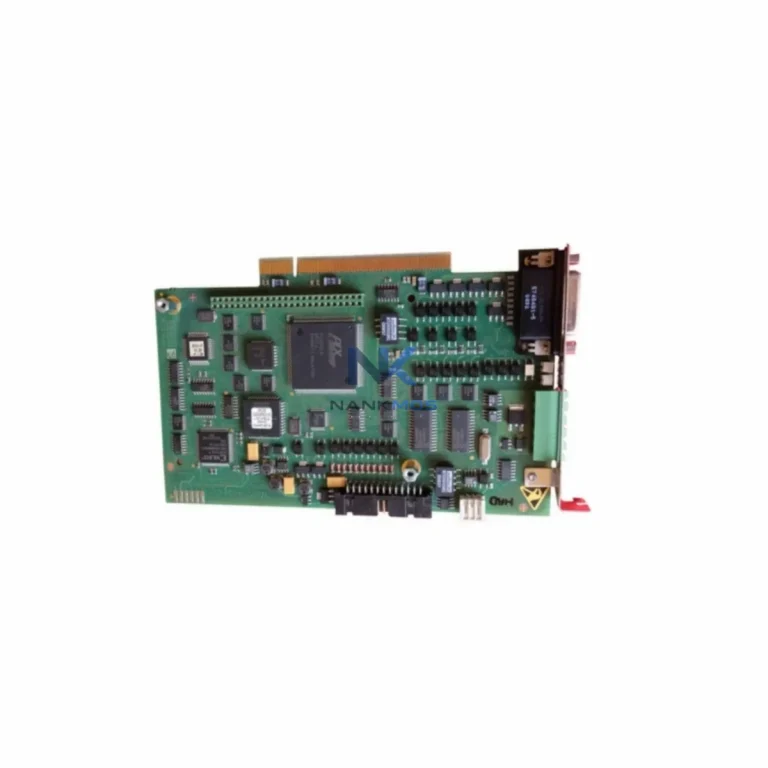
At the controller level, the KUKA KR C2 DSE-IBS C33 interface board manages real-time communication between the robot controller and the factory fieldbus — typically PROFIBUS-DP or DeviceNet. Stable power from the PH1003-2840 ensures that this communication layer remains synchronised, preventing the packet retransmissions and timeout errors that waste both processing cycles and energy. Similarly, the KUKA KPS 600 power supply unit, where deployed alongside the PH1003-2840 in larger multi-axis cabinets, benefits from coordinated load sharing that prevents any single supply from operating at peak thermal stress.
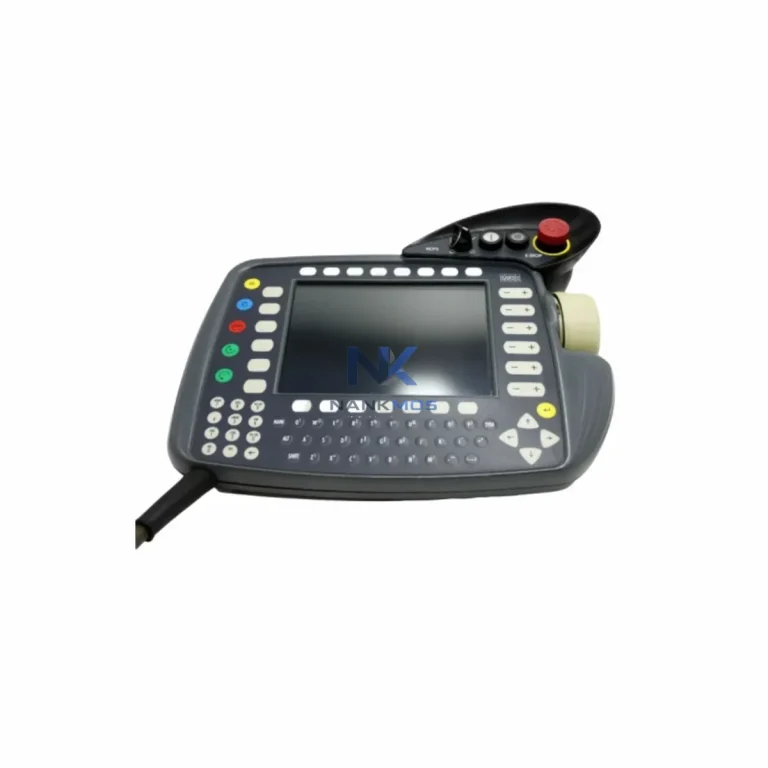
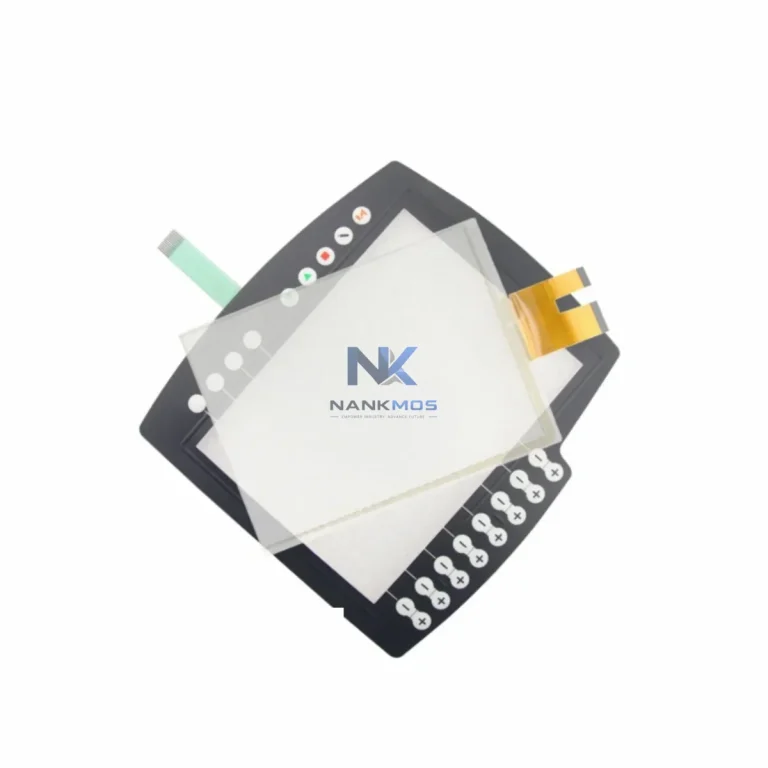
Beyond the robot controller itself, the PH1003-2840 supports integration with plant-level energy management infrastructure. Power monitoring modules — such as those from the Siemens SENTRON PAC series or equivalent industrial power analysers — can be connected upstream of the KR C2 cabinet to log real-time consumption data. This data feeds into SCADA systems running on platforms such as Siemens WinCC or Ignition, enabling energy managers to correlate robot cycle time with power draw and identify optimisation opportunities. The KUKA SmartPAD teach pendant provides the operator interface through which cycle parameters are adjusted, and when combined with accurate power data, allows production engineers to fine-tune motion profiles for energy efficiency without sacrificing throughput.
On the I/O side, KUKA KRC I/O modules handle digital and analogue signal exchange with peripheral equipment — conveyors, grippers, vision systems, and safety PLCs. Clean power from the PH1003-2840 ensures that I/O signal integrity is maintained, reducing false triggers and the associated unplanned stops that disrupt production rhythm and waste energy through repeated acceleration cycles. Integration with Siemens S7-300 or S7-1500 PLCs via PROFIBUS or PROFINET allows the robot cell to participate in plant-wide load-shedding strategies, where non-critical motion is deferred during peak demand windows.
For facilities deploying variable frequency drives (VFDs) on conveyor and pump systems adjacent to robot cells, the stable power environment created by the PH1003-2840 reduces the risk of harmonic interference that can degrade VFD performance and increase motor losses. Industrial HMI panels — whether KUKA-native or third-party units running on the same control network — display real-time status and energy metrics, giving operators the visibility needed to act on efficiency data in real time.
In high-throughput manufacturing environments, energy waste rarely comes from a single source. It accumulates across dozens of micro-inefficiencies: voltage sags that force drives to draw compensatory current, thermal shutdowns that trigger unplanned restarts, communication errors that stall motion sequences, and power supply failures that take entire robot cells offline during peak production windows. The KUKA PH1003-2840 addresses the foundational layer of this problem by ensuring that the KR C2 controller always has access to stable, correctly conditioned power.
When the power supply is functioning correctly, the KR C2 controller maintains its programmed cycle time with precision. Consistent cycle times are the backbone of production line takt — the rhythm at which parts move through the line. Any deviation caused by power instability introduces buffer time, reduces overall equipment effectiveness (OEE), and increases energy consumption per unit produced. By maintaining voltage stability, the PH1003-2840 protects takt integrity and supports the lean manufacturing principle of eliminating muda (waste) at the energy level.
Predictive maintenance strategies also benefit directly from a reliable power supply. When the PH1003-2840 is operating within specification, condition monitoring systems can establish accurate baseline power consumption profiles for the KR C2 cell. Deviations from this baseline — detected by upstream power analysers or SCADA trend logs — become meaningful early-warning indicators of mechanical wear in servo motors, bearing degradation in robot joints, or developing faults in drive modules. This predictive capability reduces unplanned downtime, which is consistently the highest-cost form of energy waste in automated production: a stopped line consumes auxiliary power (lighting, HVAC, compressed air) while producing nothing.
For maintenance and MRO procurement teams, the availability of tested, warranted replacement units such as the PH1003-2840 from NANKMOS stock means that mean time to repair (MTTR) is minimised. A robot cell that is back online within hours rather than days recovers its energy efficiency baseline faster and avoids the extended low-efficiency ramp-up periods that follow prolonged shutdowns. The 12-month warranty provides procurement confidence, and the pre-shipment load testing ensures that replacement units perform to specification from the first power-on.
Q1: How does the KUKA PH1003-2840 contribute to energy savings in a KR C2 robot cell?The PH1003-2840 regulates DC bus voltage and manages inrush current within the KR C2 controller cabinet. By delivering stable, clean power to servo drives and control electronics, it eliminates the compensatory current draw that occurs when voltage fluctuates — reducing overall kWh consumption per production cycle and lowering thermal dissipation across the cabinet.
Q2: Is the PH1003-2840 compatible with both standard KR C2 and KR C2 ed05 controller variants?Yes. The PH1003-2840 is designed for the KUKA KR C2 platform and is compatible with both the standard KR C2 and the KR C2 ed05 (extended design) variants. If you are integrating with a specific robot model or cabinet revision, our technical team can confirm compatibility based on your cabinet serial number and configuration.
Q3: What testing does NANKMOS perform before shipping the PH1003-2840?Every PH1003-2840 unit undergoes a full functional load test prior to dispatch. This includes verification of output voltage regulation, current limiting behaviour, and thermal performance under simulated operating conditions. Units that do not meet specification are not shipped. All units are covered by a 12-month warranty from the date of delivery.
Q4: Can the PH1003-2840 be integrated into a plant-wide energy monitoring system?Yes. While the PH1003-2840 itself does not include onboard energy metering, it operates within a KR C2 cabinet that can be monitored by upstream power analysers (e.g., Siemens SENTRON PAC series). Data from these analysers can be fed into SCADA platforms such as WinCC or Ignition for trend analysis, load profiling, and integration with ISO 50001-compliant energy management systems.
Functional Inspection100% tested on professional platforms to ensure stable performance.
 Anti-static Packaging
Modules are packed in anti-static bags to prevent electrostatic damage.
 Secure Export Packing
Cushion protection and strong cartons ensure safe transportation.
 Worldwide Shipping
Global logistics network supports air, sea and express delivery.
 Documentation Check
Part number, revision and compatibility verified before shipment.
 After-sales Support
Professional technical support to help resolve your issues.