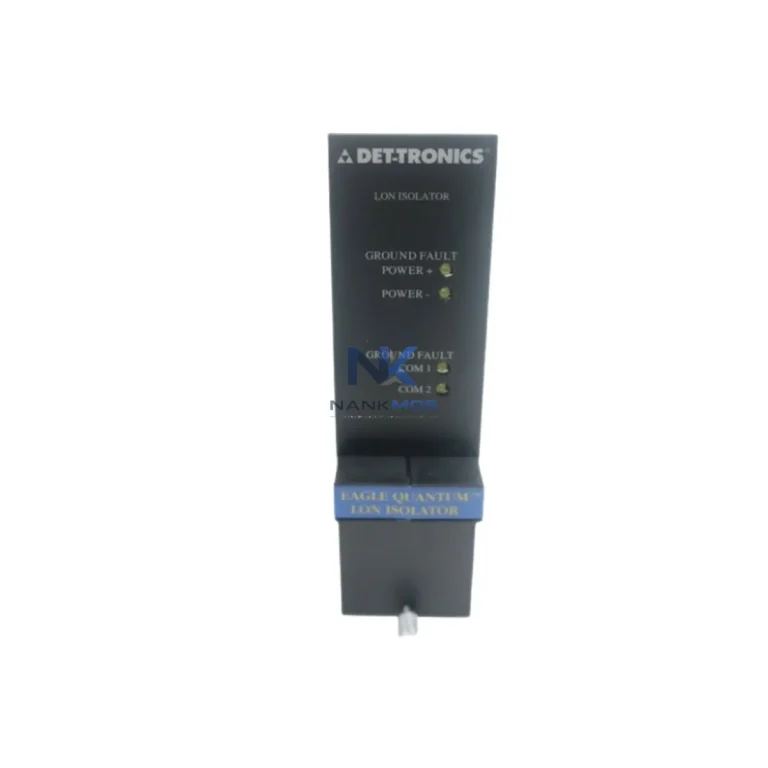
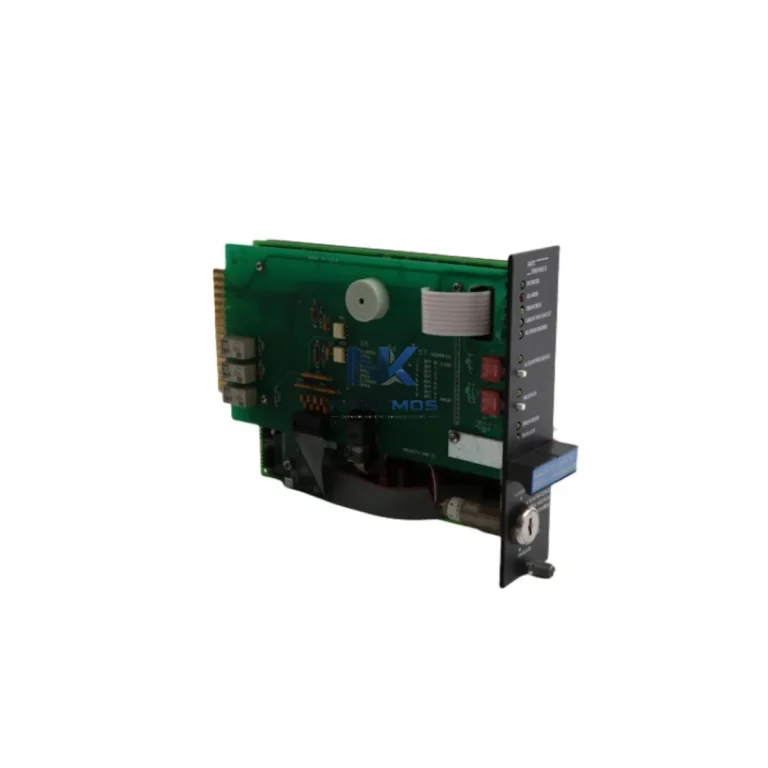
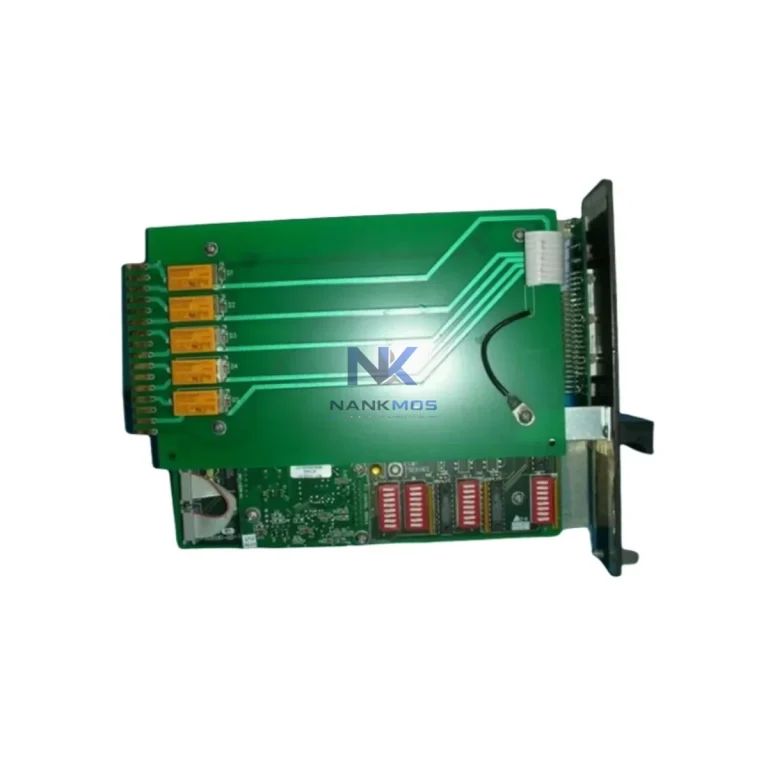
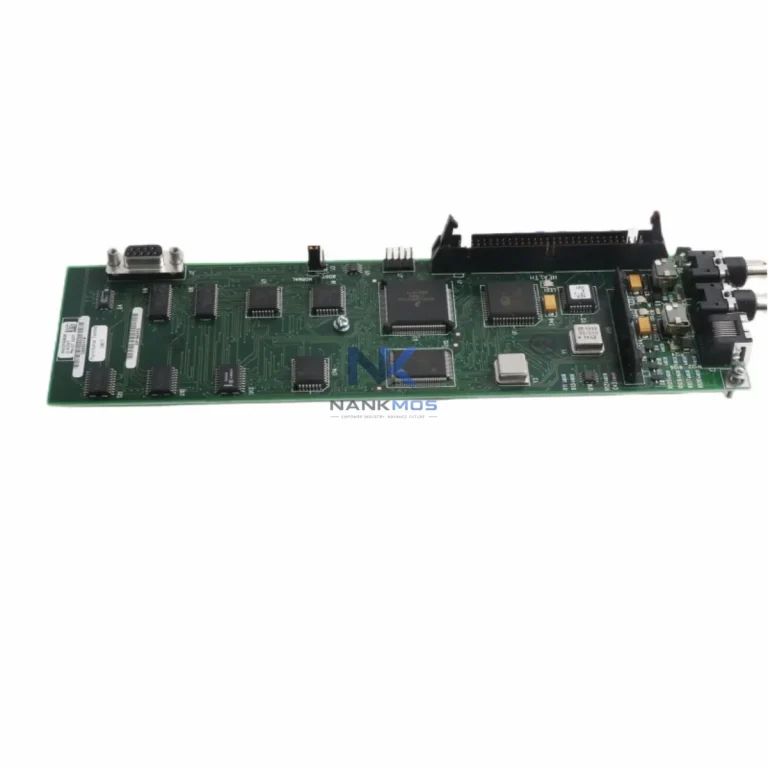
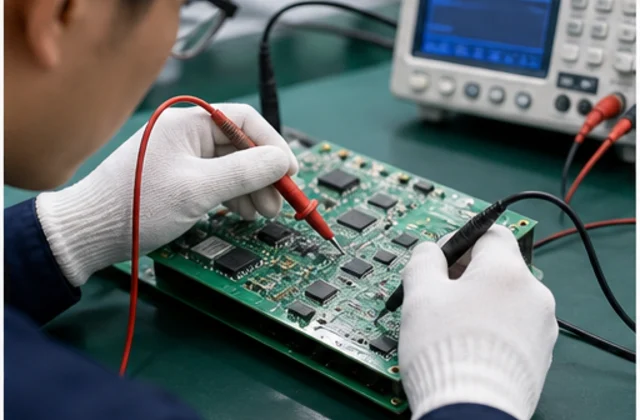
 Functional Inspection
100% tested on professional platforms to ensure stable performance.
DET-TRONICS PIR9400A3A1AW is a NANKMOS industrial automation product record Listed under Other series series and Business & Industrial > Automation, Control & Flow Devices. Confirm condition, availability, lead time, compatibility and documentation by email inquiry.
Brand names are used for identification only.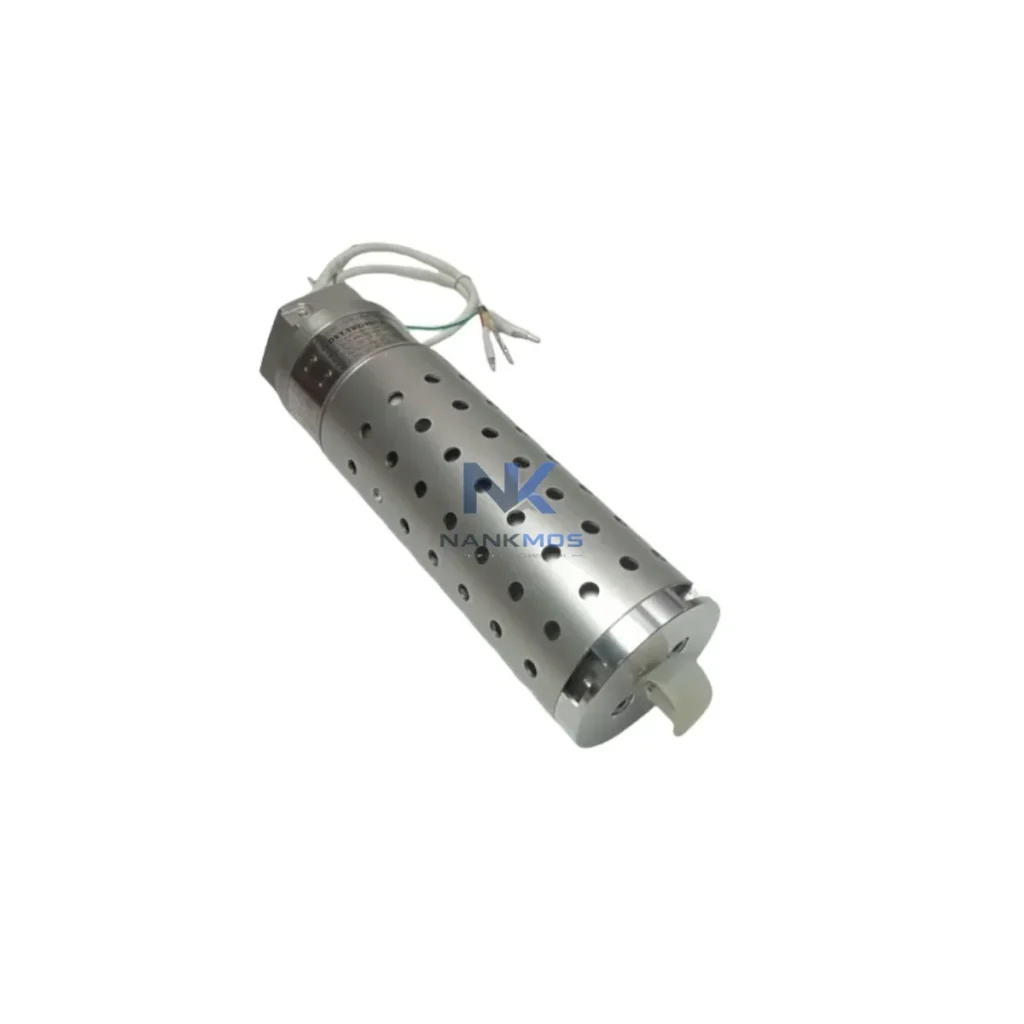
DET-TRONICS PIR9400A3A1AW is a NANKMOS industrial automation product record Listed under Other series series and Business & Industrial > Automation, Control & Flow Devices. Confirm condition, availability, lead time, compatibility and documentation by email inquiry.
| Manufacturer | DET-TRONICS |
|---|---|
| Application | Industrial Automation Maintenance |
| Part Number / Model | PIR9400A3A1AW |
| Compatible System | Confirmed by inquiry |
| Condition Options | To Confirm |
| Module Type | Automation, Control & Flow Devices |
| Warranty | 12 Months |
| Packaging | Anti-static Bag / Secure Box |
| Shipping Methods | DHL / FedEx / UPS / Air / Sea |
| Availability | To Confirm |
| Lead Time | To Confirm |
| Documentation | Part number and revision checked before quote |
The Det-Tronics PIR9400A3A1AW is a high-performance passive infrared (PIR) gas detector engineered for energy-conscious industrial environments. Designed to integrate seamlessly into smart production lines, this detector delivers continuous hydrocarbon gas monitoring while minimizing power draw and thermal load — two critical factors in modern energy management strategies. Whether deployed in petrochemical processing, offshore platforms, LNG terminals, or semiconductor fabrication facilities, the PIR9400A3A1AW provides reliable, low-maintenance gas detection that supports both safety compliance and operational energy efficiency.
Built on the proven PIR9400 series platform, the PIR9400A3A1AW uses passive infrared optical sensing technology to detect combustible hydrocarbon gases without consuming consumable electrochemical cells. This translates directly into lower lifecycle energy costs, reduced maintenance downtime, and a more predictable total cost of ownership — all essential metrics for facilities pursuing ISO 50001 energy management certification or lean manufacturing targets.
In a fully integrated smart factory or process plant, the PIR9400A3A1AW does not operate in isolation — it functions as a critical node within a broader energy-aware automation architecture. Its 4–20 mA analog output connects directly to safety PLCs such as the Rockwell Automation GuardLogix or Siemens S7-300F, enabling real-time gas concentration data to feed into the plant's safety instrumented system (SIS) without requiring additional signal conditioning modules. This direct integration reduces the number of intermediate components in the signal chain, lowering both energy consumption and potential failure points.
When paired with a Det-Tronics Eagle Quantum Premier (EQP) controller — the dedicated fire and gas controller in the PIR9400 ecosystem — the PIR9400A3A1AW enables zone-based alarm management that can trigger load-shedding sequences on variable frequency drives (VFDs) or motor control centers (MCCs) in the affected production zone. This means that in a gas detection event, the system can automatically reduce motor loads on conveyors, compressors, or ventilation fans, cutting energy draw precisely when it matters most for both safety and efficiency.
The detector's HART communication capability allows it to be polled by asset management software and power monitoring platforms without interrupting the primary 4–20 mA safety loop. Facilities using Emerson AMS Device Manager or similar HART-enabled asset management tools can retrieve diagnostic data — including optical path integrity, detector temperature, and signal gain — and feed this into a SCADA system for centralized energy and equipment health dashboards. This integration supports predictive maintenance workflows that prevent unplanned shutdowns, which are among the largest sources of wasted energy in continuous process industries.
For facilities deploying distributed I/O architectures, the PIR9400A3A1AW can interface with remote I/O modules such as the Pepperl+Fuchs KFD series or Turck BL20 gateway, transmitting gas detection signals over PROFIBUS DP or PROFINET to the main DCS or safety PLC. This eliminates long home-run cable runs, reducing both installation material costs and resistive line losses — a measurable contribution to the facility's overall electrical efficiency. HMI panels running on platforms such as Siemens WinCC or Wonderware InTouch can display real-time gas concentration trends alongside energy consumption KPIs, giving operators a unified view of safety and efficiency performance.
In hydrogen or syngas production environments, the PIR9400A3A1AW works alongside ultrasonic gas leak detectors and flame detectors within the Det-Tronics PointWatch Eclipse family to provide multi-layer hazard coverage. This layered detection strategy ensures that energy-intensive processes — electrolyzers, reformers, heat exchangers — are protected without over-triggering shutdowns that waste process energy through unnecessary purge cycles.
One of the most significant but often overlooked contributors to industrial energy waste is unplanned downtime caused by late or missed gas detection events. When a combustible gas leak goes undetected for even a short period, the resulting emergency shutdown, purge cycle, and restart sequence can consume several times the energy of normal steady-state operation. The PIR9400A3A1AW addresses this directly through its fast response time and high optical stability, which minimize both false alarms and missed detections — keeping production lines running at their designed energy-efficient operating points.
The PIR9400A3A1AW's self-diagnostic capability continuously monitors the optical path, detector temperature, and electronic integrity, reporting fault conditions via the 4–20 mA loop before they escalate into full detector failures. This predictive health monitoring allows maintenance teams to schedule replacements during planned shutdowns rather than emergency interventions, preserving production rhythm and avoiding the energy penalty of cold restarts on large process equipment such as compressors, furnaces, and distillation columns.
In facilities pursuing energy intensity reduction targets — measured in GJ per tonne of product — the PIR9400A3A1AW contributes by enabling tighter control of ventilation systems. Many industrial facilities over-ventilate hazardous areas as a conservative safety measure, consuming significant fan energy. With reliable, continuous gas monitoring from the PIR9400A3A1AW, ventilation control systems can operate on a demand-driven basis: increasing airflow only when gas concentrations rise above a threshold, and returning to minimum ventilation rates during normal operations. This demand-controlled ventilation (DCV) strategy, enabled by accurate gas detection, can reduce HVAC energy consumption in hazardous areas by 20–40% depending on facility layout and occupancy patterns.
For production lines with high equipment utilization targets — such as continuous chemical reactors or LNG liquefaction trains — the PIR9400A3A1AW supports overall equipment effectiveness (OEE) improvement by reducing the frequency and duration of safety-related production interruptions. Its drop-in compatibility with existing PIR9400 series installations means that upgrades can be completed during routine maintenance windows without requiring new conduit runs, junction boxes, or control system reconfigurations, minimizing the energy and labor cost of the upgrade itself.
All units are pre-tested and calibration-verified prior to shipment from our warehouse. In-stock inventory ensures short lead times for both planned projects and emergency replacement requirements, supporting facilities that cannot afford extended detector downtime in critical safety zones.
Q1: How does the PIR9400A3A1AW contribute to measurable energy savings on a production line? The PIR9400A3A1AW enables demand-controlled ventilation strategies by providing accurate, continuous gas concentration data. This allows facilities to reduce fan and HVAC energy consumption in hazardous areas during normal operations while maintaining full safety compliance. Additionally, its fast response and self-diagnostic capability reduce unplanned shutdowns, avoiding the high energy cost of emergency purge and restart cycles on large process equipment.
Q2: Is the PIR9400A3A1AW compatible with existing Det-Tronics PIR9400 series installations and third-party safety PLCs? Yes. The PIR9400A3A1AW is a direct drop-in replacement for earlier PIR9400 series detectors and maintains full compatibility with the Det-Tronics Eagle Quantum Premier (EQP) controller. Its standard 4–20 mA output with HART is compatible with safety PLCs from Rockwell Automation, Siemens, Honeywell, and ABB, as well as most DCS and SCADA platforms without requiring additional signal conditioning hardware.
Q3: What is the recommended replacement and testing procedure for the PIR9400A3A1AW? Det-Tronics recommends functional gas testing using a certified calibration gas mixture at the detector's specified LEL concentration at intervals defined by the facility's safety management system (typically 3–6 months). The PIR9400A3A1AW's self-diagnostic output provides continuous between-test health monitoring. All units supplied by NANKMOS are pre-tested and shipped with calibration verification documentation. Replacement can be completed without special tooling using the standard PIR9400 mounting hardware.
Q4: What warranty and supply assurance does NANKMOS provide for the PIR9400A3A1AW? All PIR9400A3A1AW units supplied by NANKMOS are covered by a 12-month warranty from the date of shipment, covering manufacturing defects and operational failures under normal use conditions. NANKMOS maintains in-stock inventory of the PIR9400A3A1AW to support both planned procurement and urgent replacement requirements, with expedited shipping available for critical safety applications. Contact our technical team for volume pricing, lead time confirmation, and application support.
Functional Inspection100% tested on professional platforms to ensure stable performance.
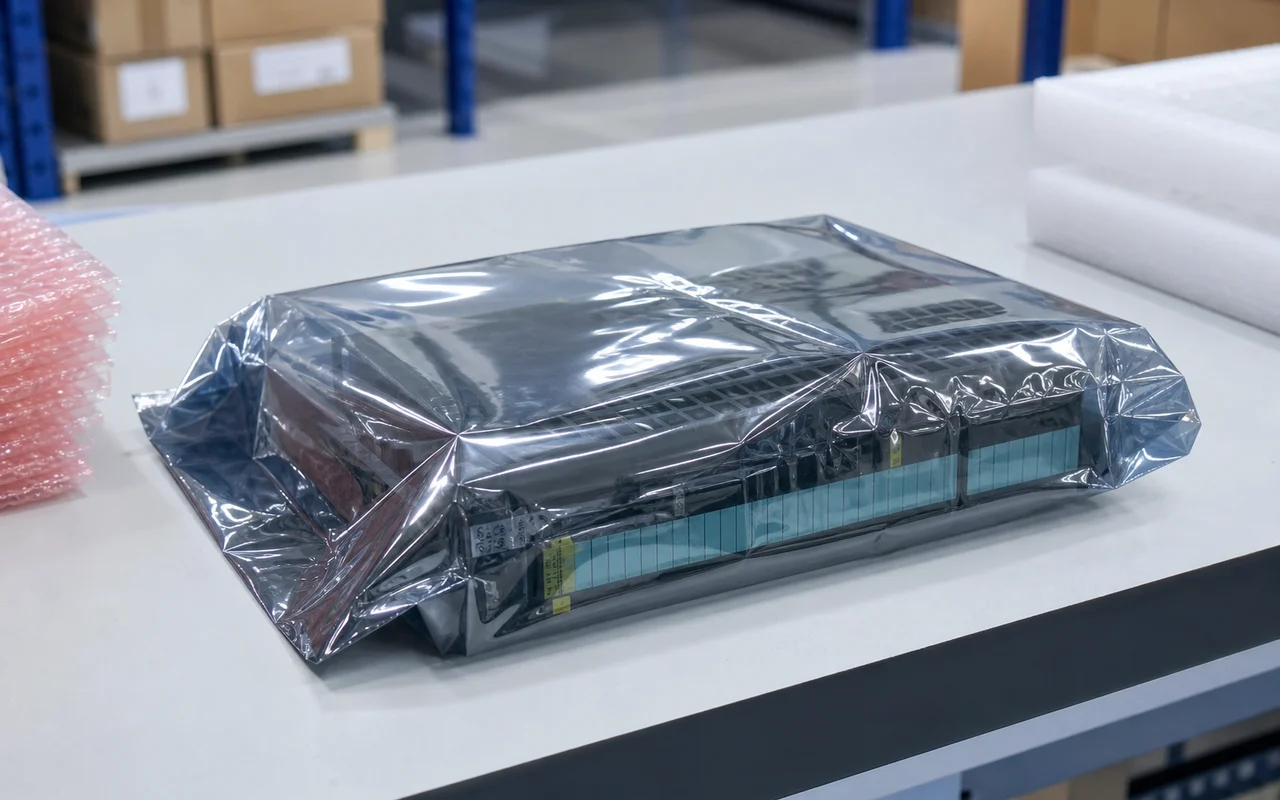 Anti-static Packaging
Modules are packed in anti-static bags to prevent electrostatic damage.
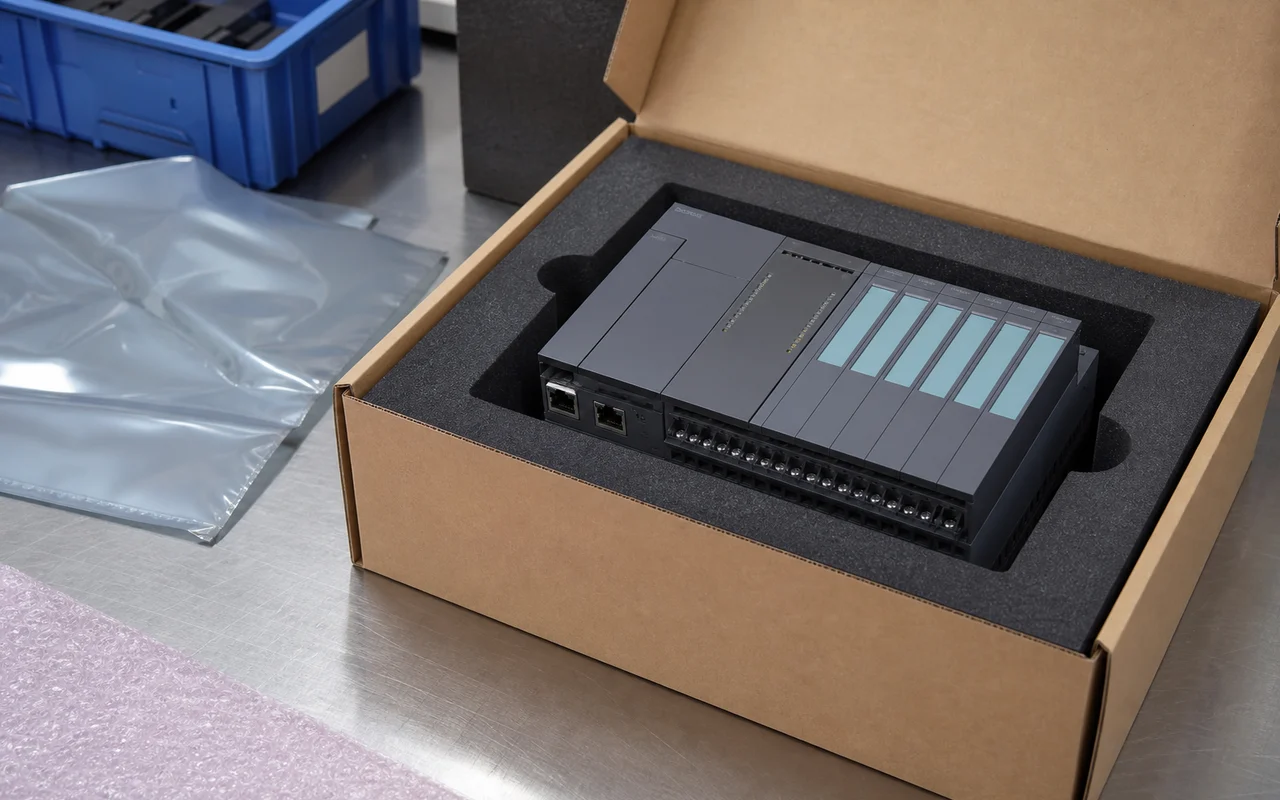 Secure Export Packing
Cushion protection and strong cartons ensure safe transportation.
 Worldwide Shipping
Global logistics network supports air, sea and express delivery.
 Documentation Check
Part number, revision and compatibility verified before shipment.
 After-sales Support
Professional technical support to help resolve your issues.