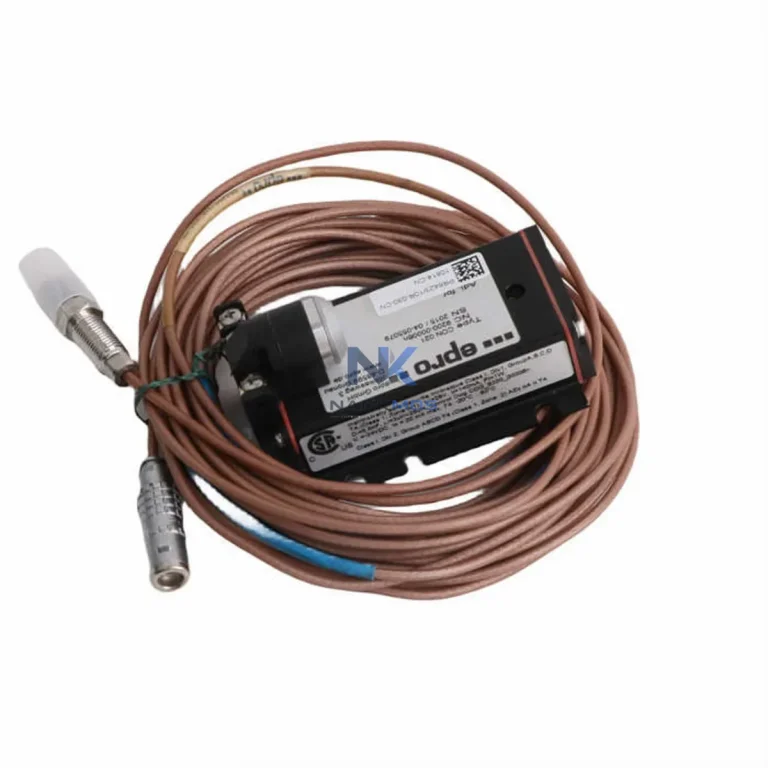
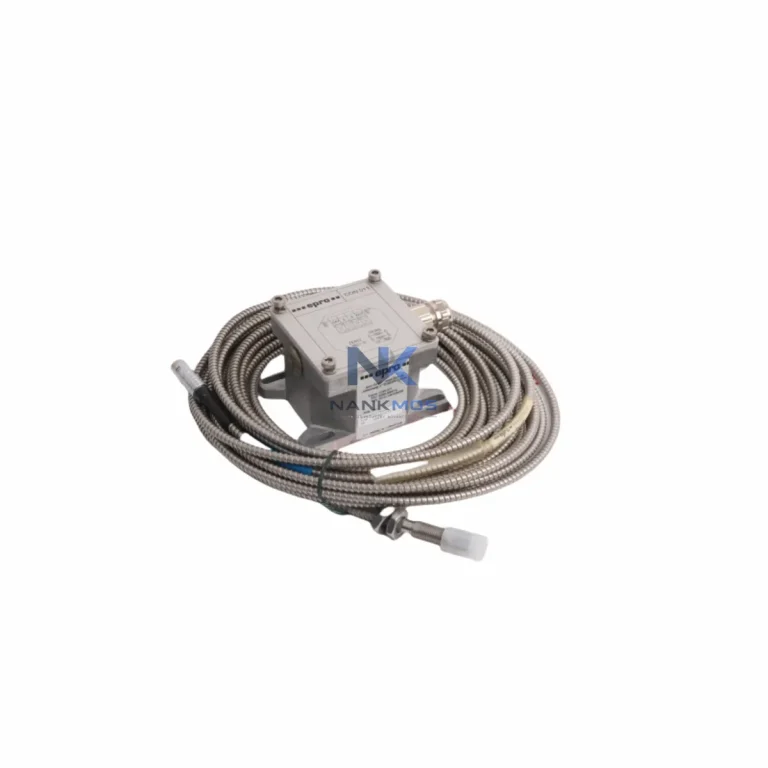
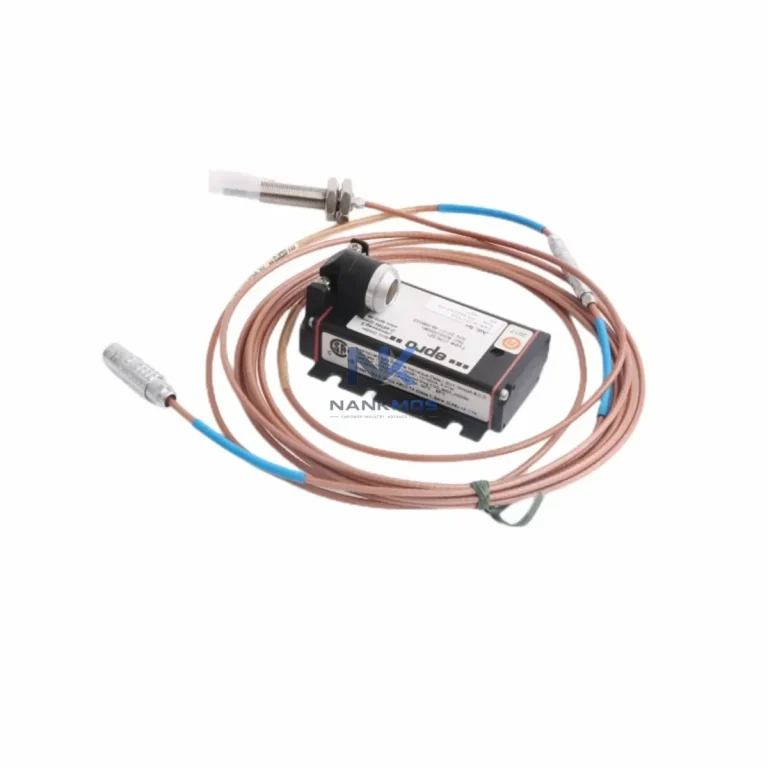
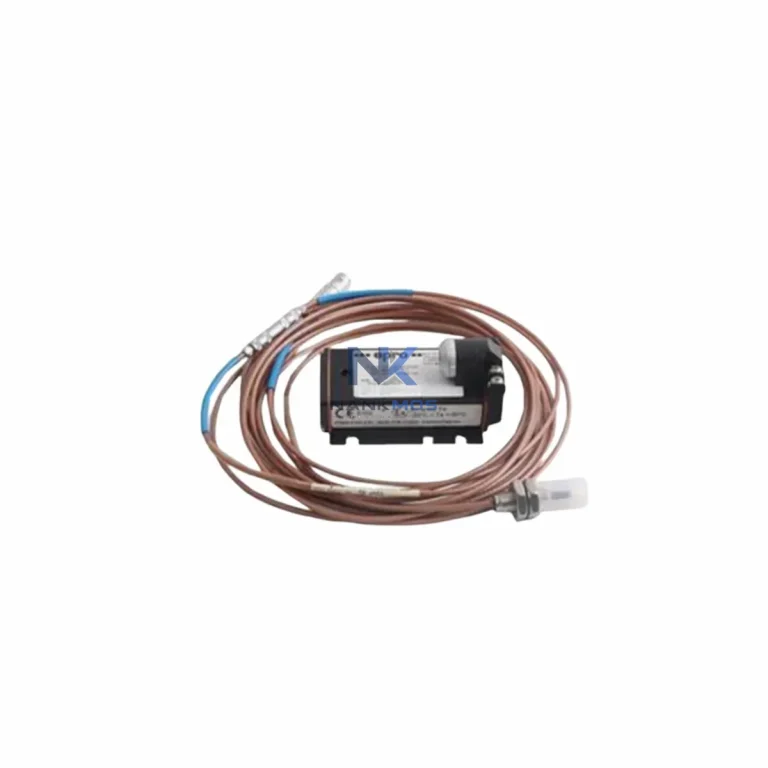
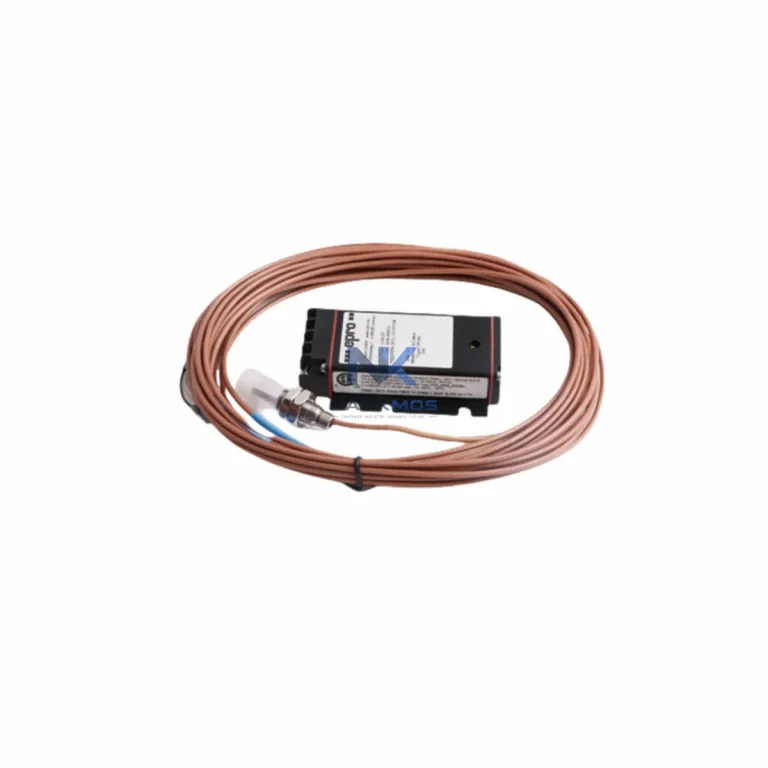
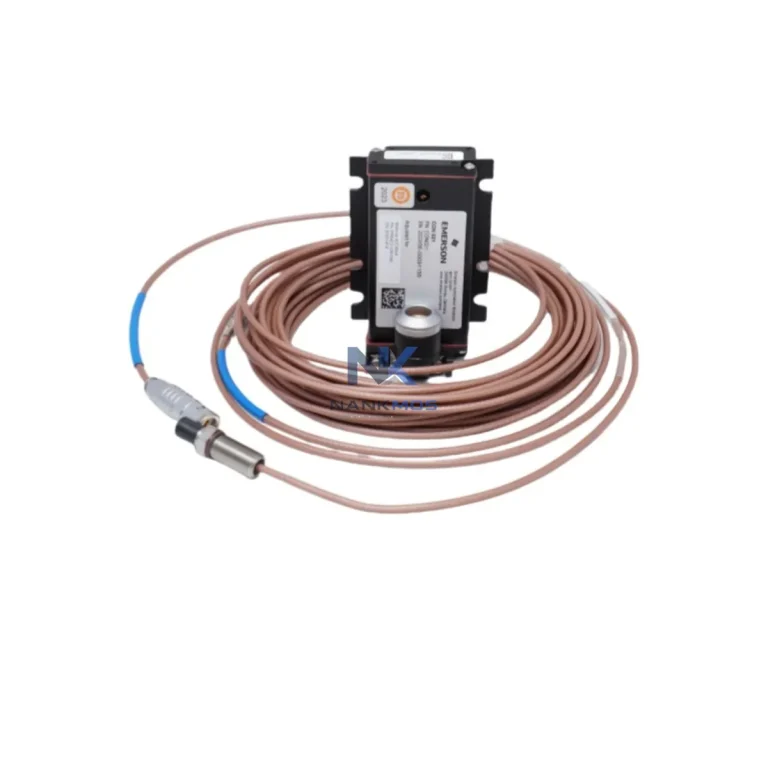
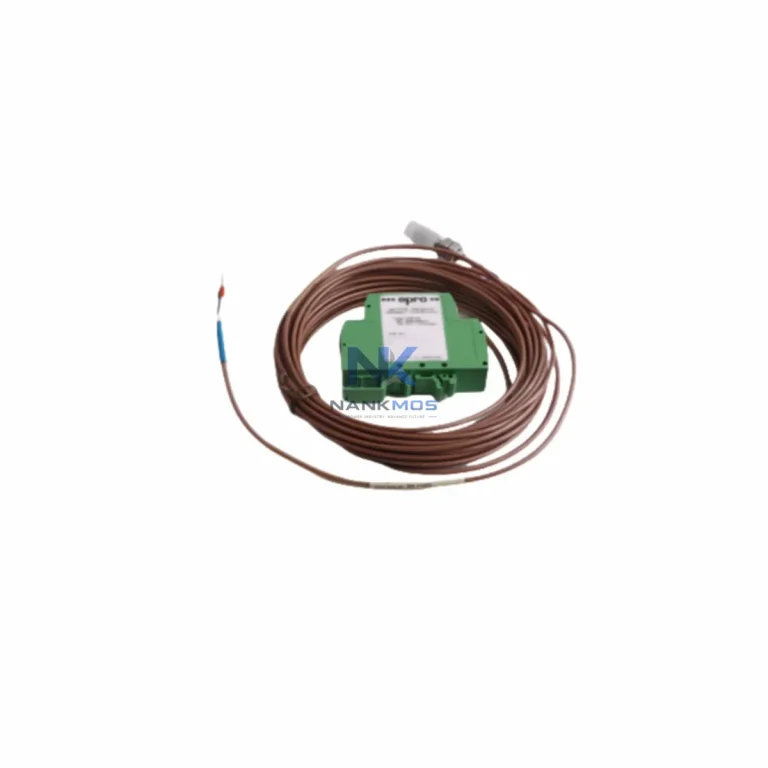
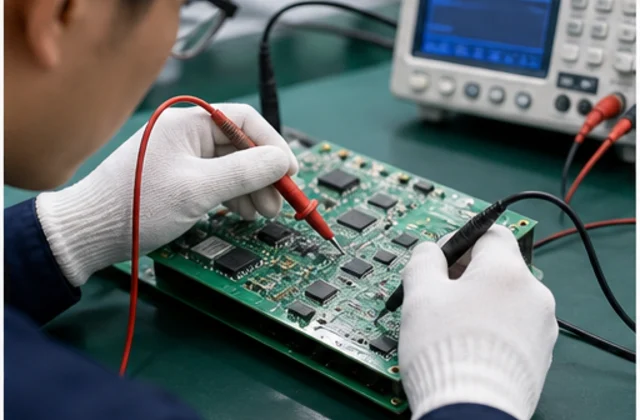
 Functional Inspection
100% tested on professional platforms to ensure stable performance.
EPRO PR6423/004-010 is a NANKMOS industrial automation product record Listed under Other series series and Sensors. Confirm condition, availability, lead time, compatibility and documentation by email inquiry.
Brand names are used for identification only.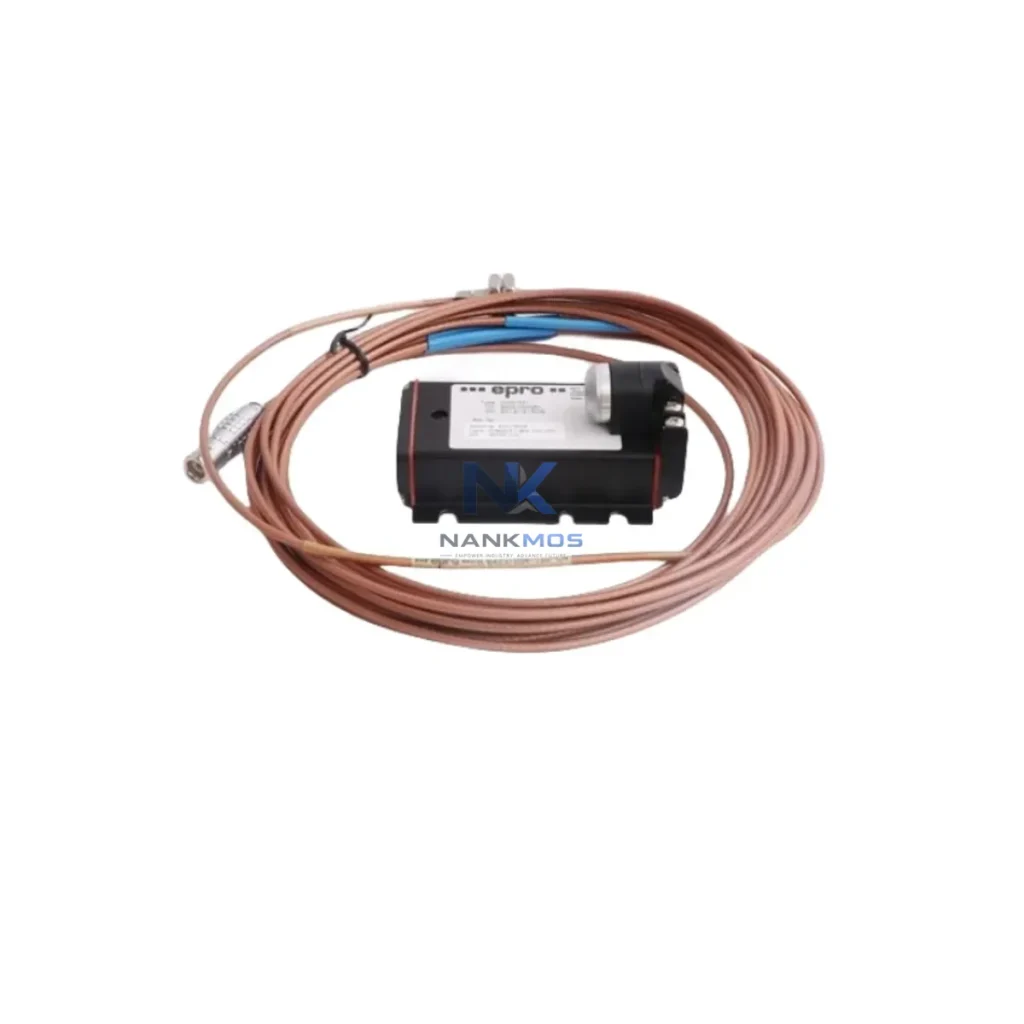
EPRO PR6423/004-010 is a NANKMOS industrial automation product record Listed under Other series series and Sensors. Confirm condition, availability, lead time, compatibility and documentation by email inquiry.
| Manufacturer | EPRO |
|---|---|
| Application | Turbine & Condition Monitoring |
| Part Number / Model | PR6423/004-010 |
| Compatible System | Confirmed by inquiry |
| Condition Options | To Confirm |
| Module Type | Monitoring Module |
| Warranty | 12 Months |
| Packaging | Anti-static Bag / Secure Box |
| Shipping Methods | DHL / FedEx / UPS / Air / Sea |
| Availability | To Confirm |
| Lead Time | To Confirm |
| Documentation | Part number and revision checked before quote |
The EPRO PR6423/004-010 is a high-precision eddy current proximity sensor engineered for continuous, non-contact displacement and vibration monitoring of rotating machinery in energy-intensive industrial environments. Designed to integrate seamlessly into modern smart factory architectures, this sensor delivers real-time shaft position and vibration data that enables proactive energy management, reduced thermal loading, and optimized production line throughput. With its robust German engineering heritage and proven field reliability, the PR6423/004-010 is a cornerstone component for facilities targeting measurable reductions in unplanned downtime and energy waste.
In a fully integrated smart production line, the EPRO PR6423/004-010 functions as the primary sensing node for rotating equipment health, feeding critical displacement and vibration signals into the broader energy and control ecosystem. When paired with the EPRO CON021 signal conditioner, raw eddy current signals are converted into clean 4–20 mA or voltage outputs compatible with virtually any industrial control platform.
These conditioned signals are ingested by Siemens S7-1500 PLCs or equivalent programmable logic controllers, where real-time vibration thresholds trigger automated load-shedding routines — preventing motors from running at full torque against a deteriorating bearing, which would otherwise spike energy consumption and accelerate wear. The PLC logic interfaces directly with ABB ACS880 variable frequency drives (VFDs) to modulate motor speed in response to vibration feedback, ensuring the drive operates within its optimal efficiency band rather than at fixed, energy-wasteful setpoints.
For facilities running Siemens SINAMICS S120 servo drive systems, the PR6423/004-010 provides the positional feedback layer that allows servo axes to compensate for thermal expansion in spindles and shafts — a common source of hidden energy loss in precision machining lines. Simultaneously, Schneider Electric PowerLogic PM8000 power monitoring modules correlate vibration event timestamps with energy consumption spikes, giving energy managers a clear causal map between mechanical degradation and wasted kilowatt-hours.
On the I/O layer, Phoenix Contact Axioline F I/O modules distribute sensor data across the control cabinet, while Siemens ET 200SP distributed I/O nodes extend monitoring reach to remote machine stations without adding significant wiring overhead. HMI visualization is handled by Weintek cMT Series panels or Siemens SIMATIC HMI TP1200 Comfort displays, where operators monitor real-time vibration trends, set energy-linked alarm thresholds, and review historical efficiency data — all from a single operator station.
For communication, the PR6423/004-010 ecosystem supports integration via PROFIBUS DP and PROFINET communication modules, enabling seamless data exchange with SCADA platforms such as Wonderware System Platform or Ignition by Inductive Automation. This connectivity ensures that vibration-derived energy insights are available enterprise-wide, supporting both real-time control decisions and long-term energy auditing workflows.
The fundamental value proposition of the EPRO PR6423/004-010 in an energy optimization context is its ability to convert invisible mechanical degradation into actionable energy data — before that degradation becomes a costly failure event.
Rotating machinery operating with misalignment, imbalance, or bearing wear consumes significantly more energy than the same equipment in good mechanical health. A motor driving a pump with a worn bearing may draw 8–15% more current than its nameplate rating, generating excess heat, stressing insulation, and shortening drive component life. The PR6423/004-010 detects these conditions at the micron level, enabling maintenance teams to intervene during scheduled windows rather than during unplanned emergency shutdowns that disrupt production rhythm and waste energy through cold-start cycles.
By integrating vibration data into the plant's energy management system (EMS), facilities can establish baseline vibration-to-energy consumption correlations for each monitored asset. Deviations from baseline trigger automated alerts, allowing engineers to prioritize maintenance on the machines contributing most to energy waste. This predictive maintenance posture — enabled by continuous eddy current monitoring — typically reduces unplanned downtime by 30–50% and delivers measurable reductions in per-unit energy consumption across the production line.
Thermal load management is another critical benefit. Machinery running in a degraded mechanical state generates excess heat that must be managed by HVAC and cooling systems — adding indirect energy costs. By keeping rotating equipment in optimal mechanical condition through continuous PR6423/004-010 monitoring, facilities reduce both direct motor energy consumption and the secondary cooling energy burden, improving overall plant energy efficiency.
Production line throughput stability — or takt time consistency — is equally improved. Vibration-induced micro-stoppages and speed fluctuations disrupt production rhythm, forcing downstream processes to buffer or idle, wasting energy in the process. Continuous shaft monitoring ensures that speed and position remain within specification, supporting stable, energy-efficient production cadence from shift start to shift end.
Every unit ships fully tested, with in-stock availability for immediate dispatch and backed by a 12-month warranty, ensuring your energy optimization investment is protected from day one.
Q1: How does the PR6423/004-010 contribute to measurable energy savings on a production line? By providing continuous, high-resolution shaft displacement and vibration data, the PR6423/004-010 enables early detection of mechanical faults that cause motors and drives to consume excess energy. Integrating this data with VFDs and PLCs allows automated speed and load adjustments that keep equipment operating at peak efficiency, reducing energy waste at the source rather than compensating for it downstream.
Q2: Is the PR6423/004-010 compatible with existing DCS and SCADA platforms? Yes. When used with the EPRO CON021 or CON041 signal conditioners, the sensor outputs standard 4–20 mA or voltage signals compatible with all major DCS platforms including Emerson DeltaV, Honeywell Experion, and ABB System 800xA, as well as SCADA systems running on PROFIBUS, PROFINET, or Modbus TCP/IP communication protocols.
Q3: Can the PR6423/004-010 replace other eddy current sensors currently installed on my machinery? The PR6423/004-010 is designed as a direct replacement for compatible EPRO PR6423 series sensors and is dimensionally and electrically compatible with Bently Nevada 3300 XL 8mm proximity sensor systems in many configurations. Always verify cable length, gap voltage, and target material compatibility before substitution. Our technical team can assist with cross-reference validation prior to installation.
Q4: What does the 12-month warranty cover, and how is stock availability managed? The 12-month warranty covers manufacturing defects and functional failures under normal operating conditions from the date of shipment. Units are held in stock and undergo pre-shipment functional testing to verify output linearity, sensitivity, and signal integrity before dispatch. In-stock units are available for immediate shipment, minimizing lead time impact on your maintenance and energy optimization schedules.
Functional Inspection100% tested on professional platforms to ensure stable performance.
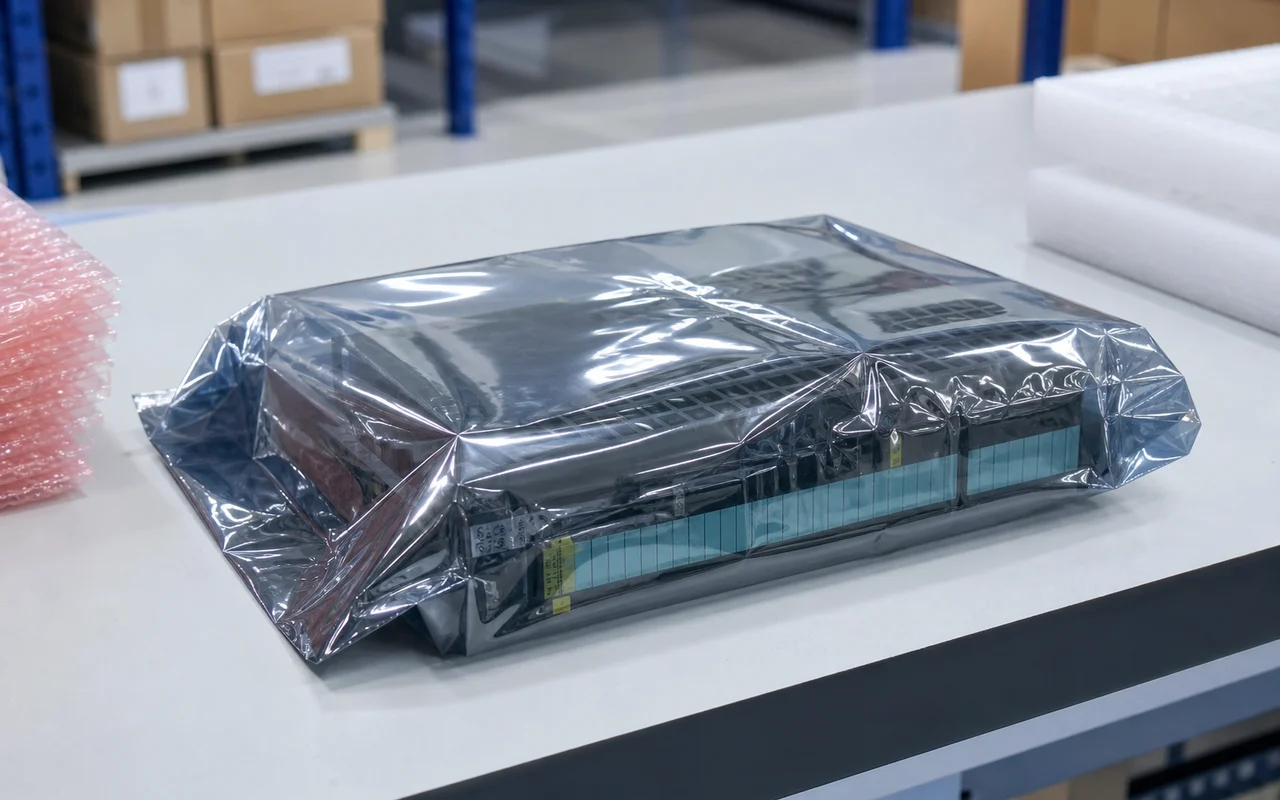 Anti-static Packaging
Modules are packed in anti-static bags to prevent electrostatic damage.
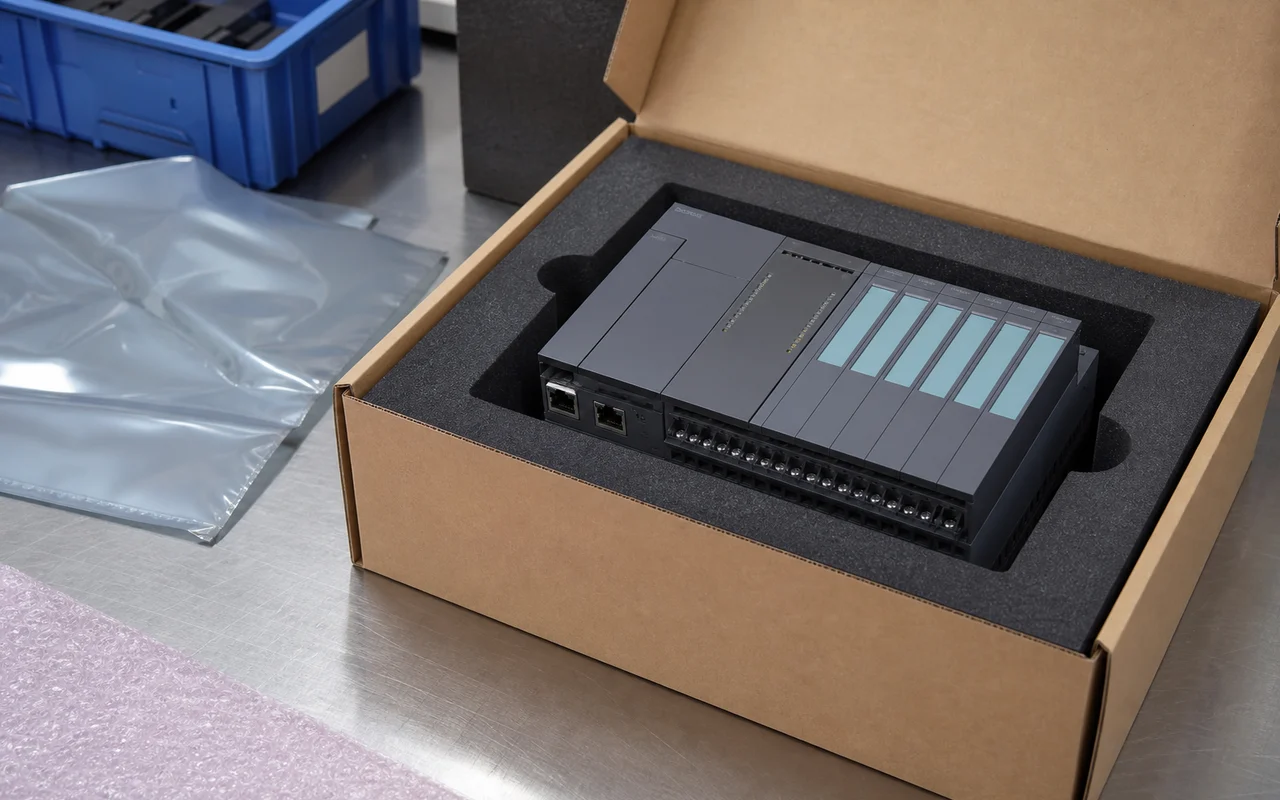 Secure Export Packing
Cushion protection and strong cartons ensure safe transportation.
 Worldwide Shipping
Global logistics network supports air, sea and express delivery.
 Documentation Check
Part number, revision and compatibility verified before shipment.
 After-sales Support
Professional technical support to help resolve your issues.