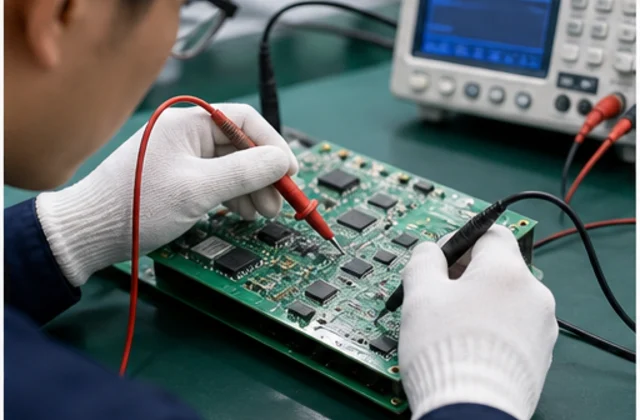
 Functional Inspection
100% tested on professional platforms to ensure stable performance.
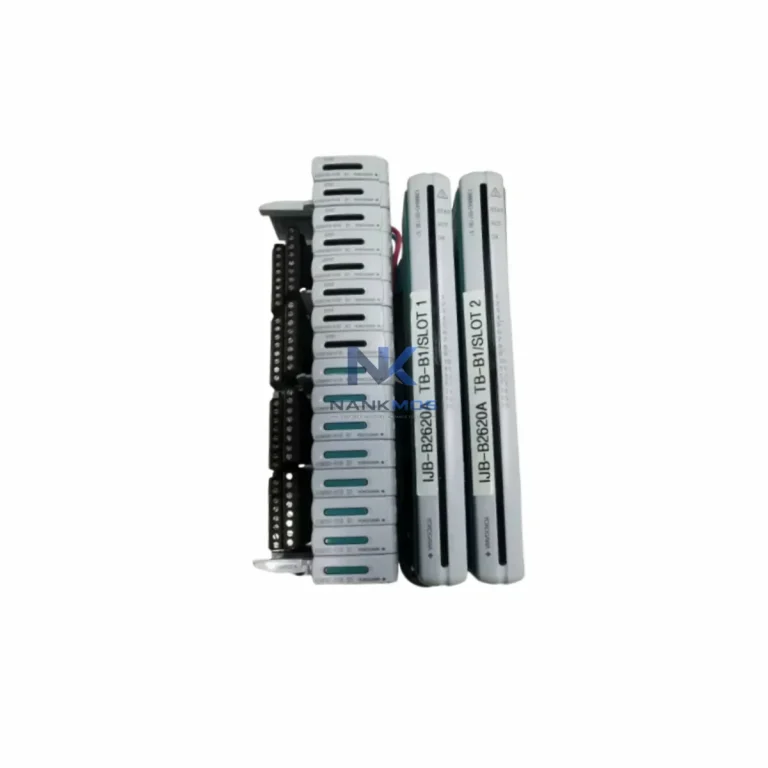
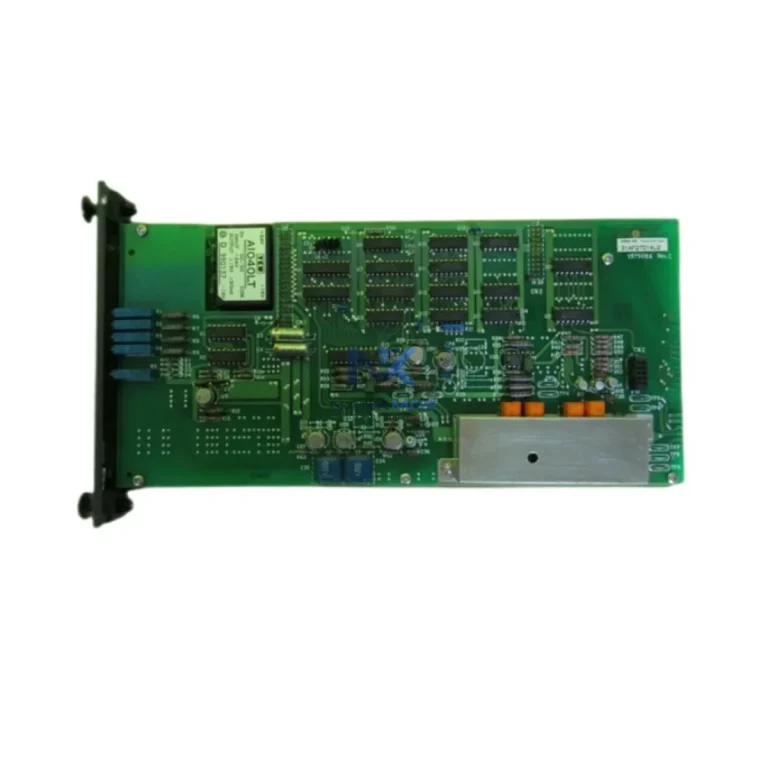
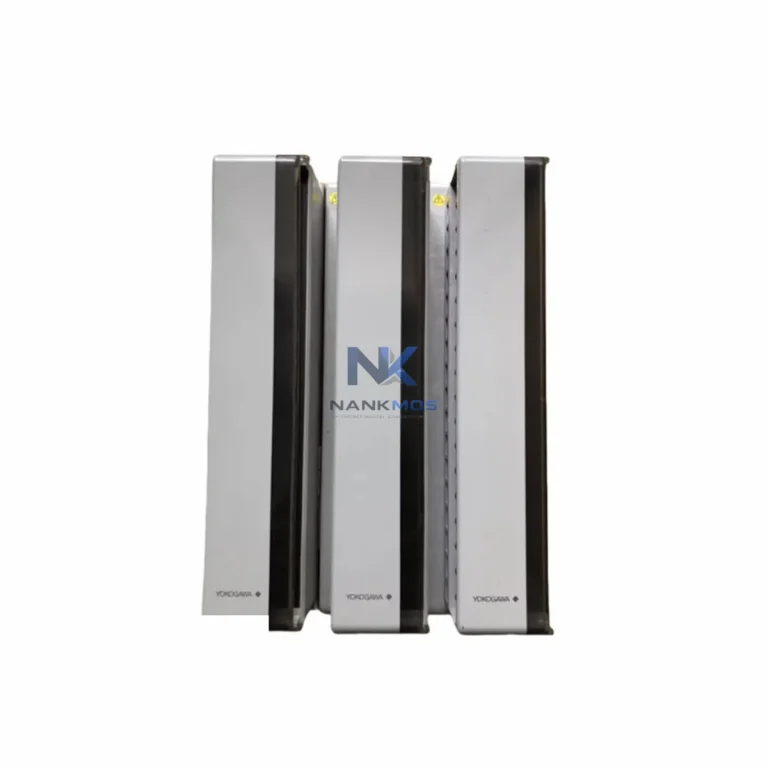
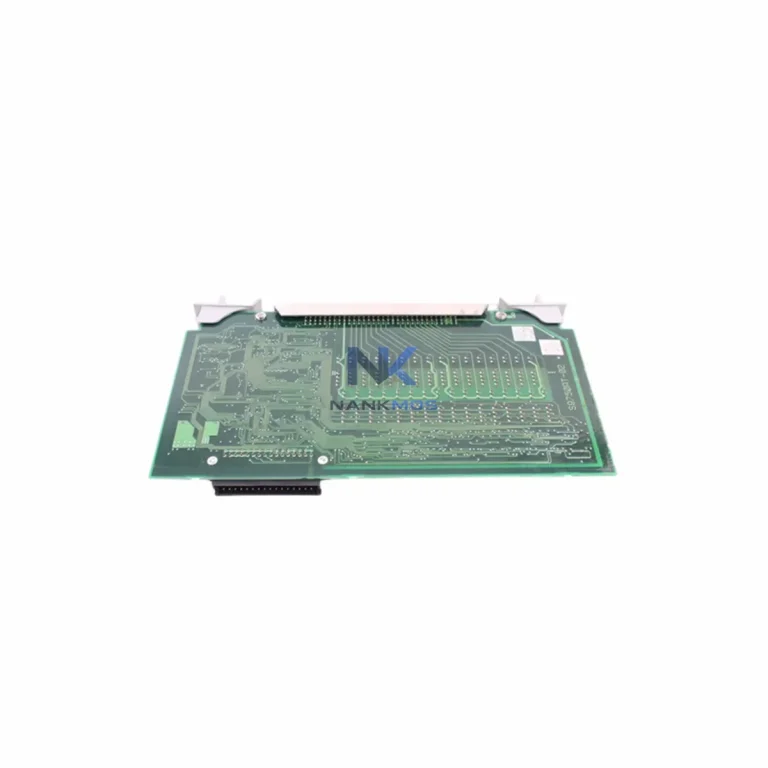
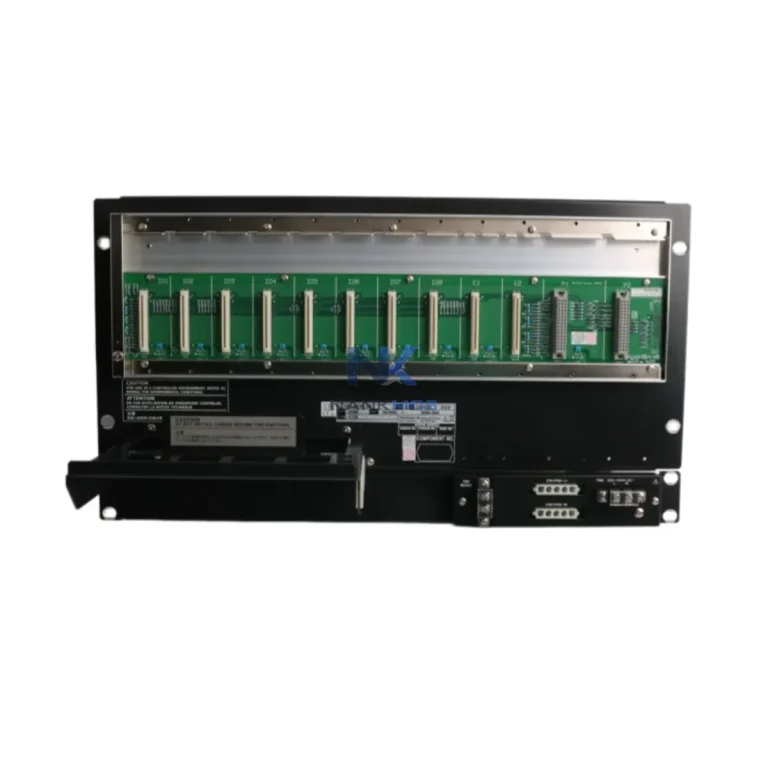
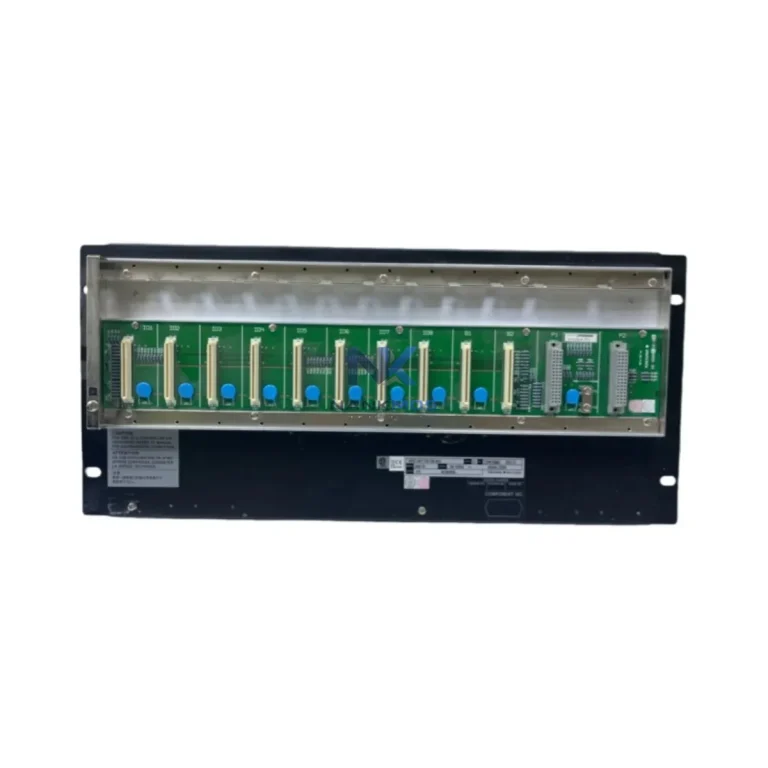
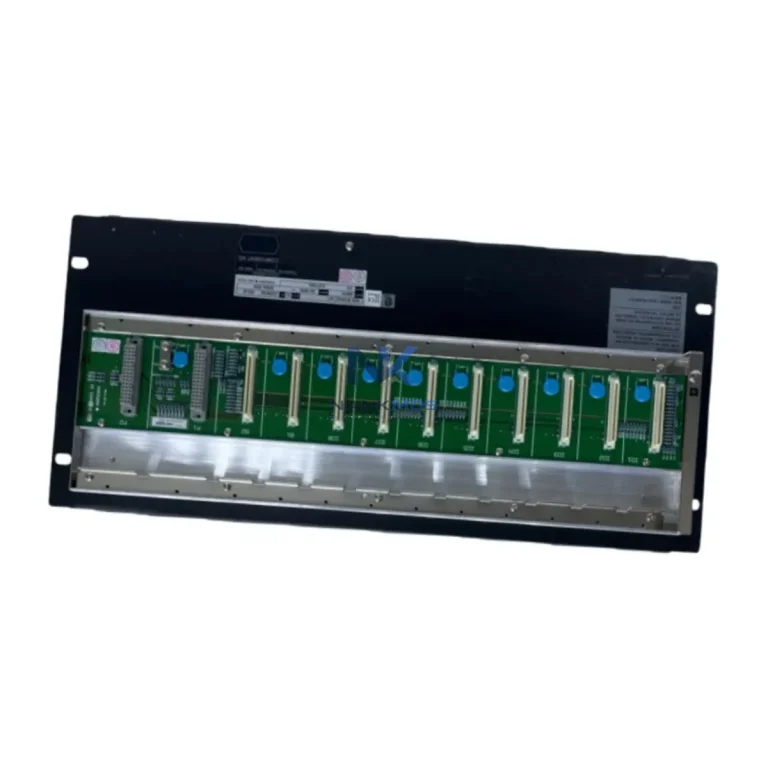
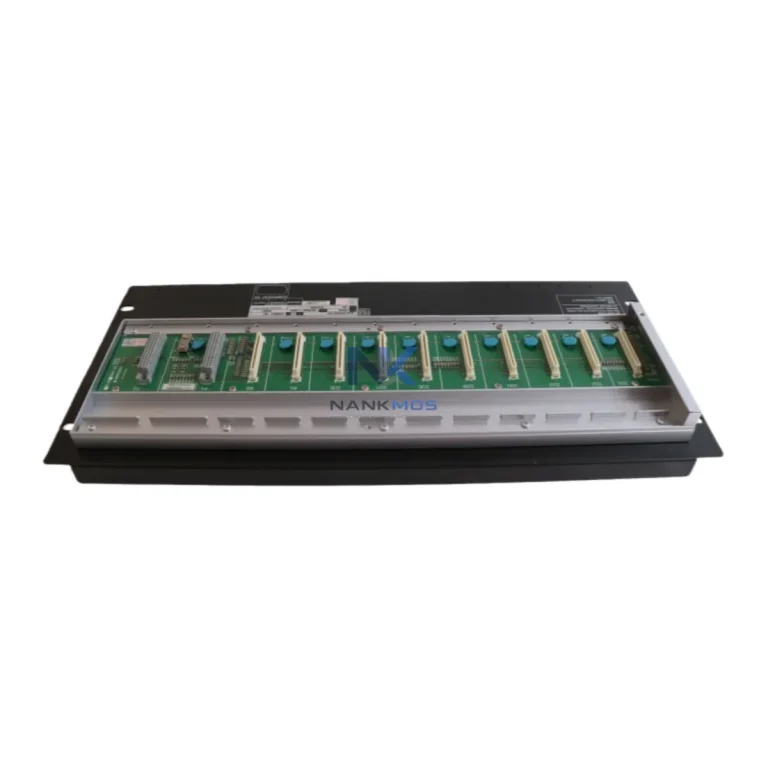
Yokogawa SCP461-E1 is a NANKMOS industrial automation product record Listed under STARDOM series and Business & Industrial > Automation, Control & Flow Devices. Confirm condition, availability, lead time, compatibility and documentation by email inquiry.
Brand names are used for identification only.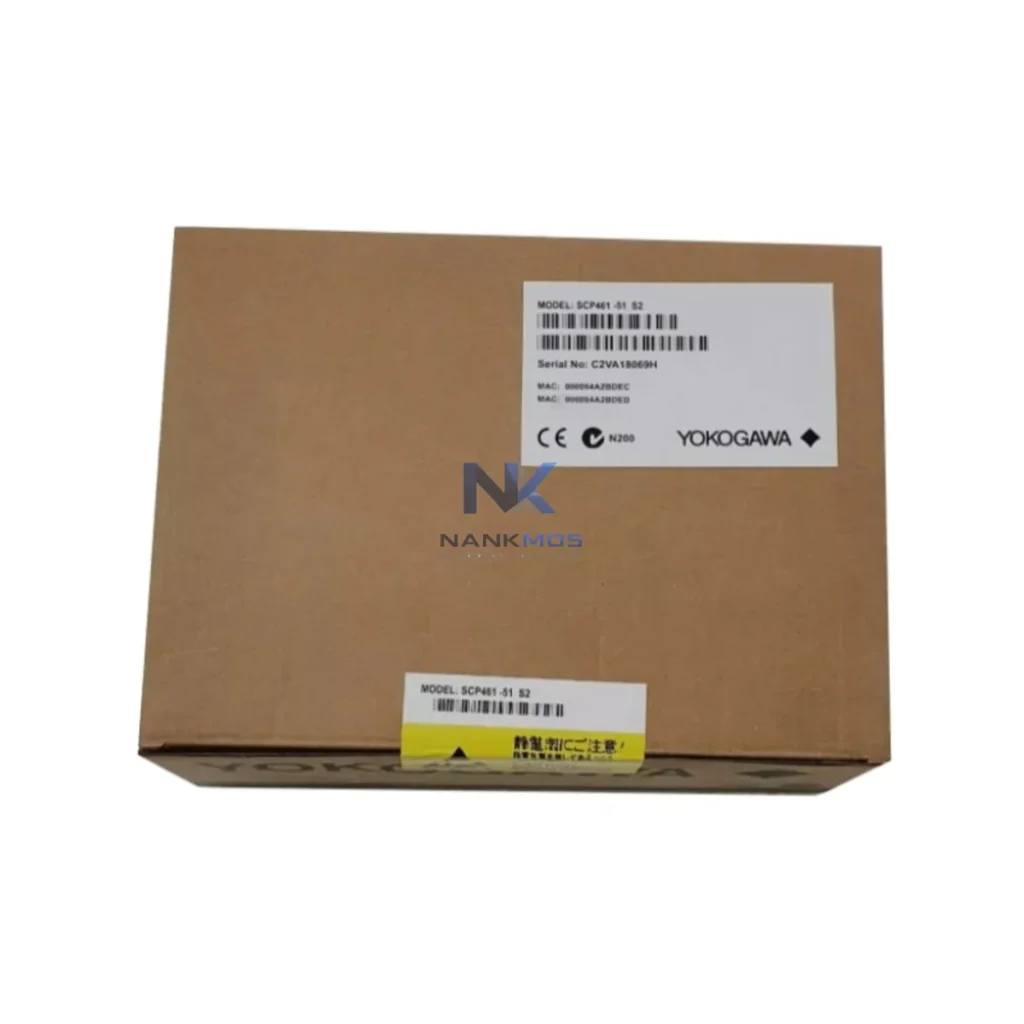
Yokogawa SCP461-E1 is a NANKMOS industrial automation product record Listed under STARDOM series and Business & Industrial > Automation, Control & Flow Devices. Confirm condition, availability, lead time, compatibility and documentation by email inquiry.
| Manufacturer | Yokogawa |
|---|---|
| Application | Industrial Network Communication |
| Part Number / Model | SCP461-E1 |
| Compatible System | STARDOM |
| Series | STARDOM |
| Condition Options | To Confirm |
| Module Type | Communication Module |
| Warranty | 12 Months |
| Packaging | Anti-static Bag / Secure Box |
| Shipping Methods | DHL / FedEx / UPS / Air / Sea |
| Availability | To Confirm |
| Lead Time | To Confirm |
| Documentation | Part number and revision checked before quote |
The YOKOGAWA SCP461-E1 is a high-performance industrial network interface module engineered for seamless data integration across the full smart factory data chain. Designed for deployment within YOKOGAWA's STARDOM network-based control system architecture, the SCP461-E1 bridges field-level instrumentation and upper-layer supervisory systems through robust Modbus RTU and RS-485 communication protocols. Whether connecting proximity sensors, pressure transmitters, or flow meters at the field level, or feeding structured process data into SCADA platforms, DCS controllers, and HMI visualization layers, the SCP461-E1 delivers deterministic, low-latency signal conversion that modern industrial automation demands.
In today's connected manufacturing environment, data continuity from sensor to cloud is no longer optional — it is the foundation of operational intelligence. The SCP461-E1 addresses this requirement by acting as a reliable protocol gateway between legacy analog instrumentation and modern digital control networks. Its RS-485 multi-drop topology supports up to 31 nodes on a single bus segment, enabling cost-effective expansion of monitoring points without additional wiring infrastructure. This makes it an ideal fit for power generation facilities, petrochemical plants, water treatment stations, and marine propulsion control rooms where distributed I/O density is critical.
The SCP461-E1 occupies a critical position in the industrial data flow hierarchy. At the field level, it interfaces directly with YOKOGAWA EJA-series differential pressure transmitters, YTA-series temperature transmitters, and third-party 4–20 mA analog sensors. These field instruments generate continuous process variables — pressure, temperature, flow, and level — that the SCP461-E1 digitizes and encodes into Modbus RTU frames for upstream transmission.
On the network layer, the RS-485 bus connects the SCP461-E1 to YOKOGAWA STARDOM FCN autonomous controllers, which serve as the primary PLC-class processing nodes in distributed control architectures. The FCN controller aggregates data from multiple SCP461-E1 modules across the RS-485 segment, executes control logic, and forwards structured datasets to the STARDOM FCJ remote I/O units deployed at satellite monitoring points. This multi-tier architecture ensures that even geographically dispersed process areas remain tightly integrated within a single coherent data fabric.
For SCADA and HMI integration, the SCP461-E1 data stream is consumed by YOKOGAWA FAST/TOOLS supervisory software, which provides real-time trending, alarm management, and historical data archiving. Operators at the control room HMI — whether running YOKOGAWA's own Exaquantum historian or a third-party platform such as Wonderware System Platform — receive live process values with sub-second update cycles. This latency performance is essential for rotating equipment protection applications, where delayed data can mask developing faults in compressors, turbines, and pump trains.
At the edge computing layer, the SCP461-E1 data can be aggregated by an industrial edge gateway running OPC-UA server software, translating Modbus RTU registers into OPC-UA nodes for consumption by MES and ERP systems. This Modbus-to-OPC-UA bridging eliminates the data silos that traditionally separate field control networks from enterprise IT infrastructure, enabling plant-wide KPI dashboards, energy consumption analytics, and predictive maintenance workflows powered by real process data. YOKOGAWA's own Exapilot procedural automation platform can further leverage this data stream to automate routine operator tasks and reduce human error in complex process sequences.
Industrial Ethernet switches — such as managed Layer 2 switches with PROFINET or EtherNet/IP uplink capability — can be deployed at the network aggregation layer to consolidate multiple RS-485 Modbus segments into a single fiber-optic backbone, extending the reach of the SCP461-E1 data network across large plant footprints without signal degradation. Variable frequency drives (VFDs) controlling pump and fan motors can also be integrated into the same Modbus network, allowing the SCP461-E1 to relay speed reference commands and fault status registers back to the SCADA layer for unified drive management.
Many industrial facilities operate with fragmented automation architectures — islands of control where PLCs, DCS subsystems, and standalone instruments each speak different protocols and store data in incompatible formats. The SCP461-E1 directly addresses this challenge by providing a standardized Modbus RTU interface that virtually any modern control system can read, regardless of vendor or vintage.
Protocol fragmentation is one of the most persistent barriers to plant-wide transparency. Legacy 4–20 mA loops carry process values but provide no diagnostic information, no timestamp, and no network identity. By converting these analog signals into addressable Modbus registers, the SCP461-E1 transforms dumb field instruments into network-visible data sources that SCADA systems can poll, log, and alarm on. This single capability eliminates entire categories of data gaps that previously required manual rounds, paper logs, or expensive DCS I/O card replacements.
Remote diagnostics become practical once field instruments are network-connected. Maintenance engineers can query the SCP461-E1 register map from the control room to verify signal integrity, check for out-of-range values, and confirm communication health — all without dispatching a technician to the field. This remote visibility is particularly valuable in hazardous areas such as offshore platforms, chemical reactors, and high-voltage switchgear rooms where physical access is restricted or time-consuming.
Production line transparency is another key benefit. When every sensor, transmitter, and actuator on a process line reports its status through a unified Modbus network, supervisors gain a real-time view of throughput, quality, and equipment health that was previously impossible without expensive DCS upgrades. Alarm rationalization becomes data-driven: instead of reacting to nuisance alarms, operators can trace alarm cascades back to their root cause using the timestamped event logs that the SCADA system builds from SCP461-E1 data streams.
System expansion is straightforward with the RS-485 multi-drop architecture. Adding a new monitoring point requires only a new field instrument, a short cable run to the nearest RS-485 bus segment, and a Modbus address assignment — no new I/O cards, no panel modifications, and no PLC program changes beyond a register map update. This scalability makes the SCP461-E1 a future-proof investment for facilities planning phased automation upgrades over multi-year capital programs.
Q1: What is the maximum communication distance for the SCP461-E1 RS-485 network? The RS-485 standard supports cable runs up to 1,200 meters at lower baud rates (e.g., 9600 bps). For longer distances or electrically noisy environments, RS-485 repeaters or fiber-optic media converters can extend the network reach without signal degradation. The SCP461-E1 is fully compatible with standard RS-485 repeater hardware.
Q2: Is the SCP461-E1 compatible with third-party SCADA platforms beyond YOKOGAWA FAST/TOOLS? Yes. Because the SCP461-E1 uses standard Modbus RTU protocol, it is natively compatible with any SCADA or HMI platform that supports Modbus — including Wonderware, iFIX, Citect, Ignition, and WinCC. No proprietary drivers or middleware are required, which simplifies integration into multi-vendor automation environments.
Q3: How is network stability ensured in high-noise industrial environments? The SCP461-E1 incorporates differential RS-485 signaling, which provides inherent common-mode noise rejection. For installations in particularly noisy environments — near variable frequency drives, large motors, or high-voltage switchgear — shielded twisted-pair cable with proper grounding at one end of the bus is recommended. Modbus RTU's CRC error checking ensures that corrupted frames are detected and retransmitted, maintaining data integrity even under adverse EMI conditions.
Q4: What warranty and pre-shipment testing does the SCP461-E1 include? Every SCP461-E1 unit supplied by NANKMOS is covered by a 12-Month Warranty and undergoes pre-shipment functional testing to verify communication integrity, signal conversion accuracy, and power supply performance before dispatch. In-stock units are available for immediate shipment, supporting urgent maintenance and project commissioning timelines.
Functional Inspection100% tested on professional platforms to ensure stable performance.
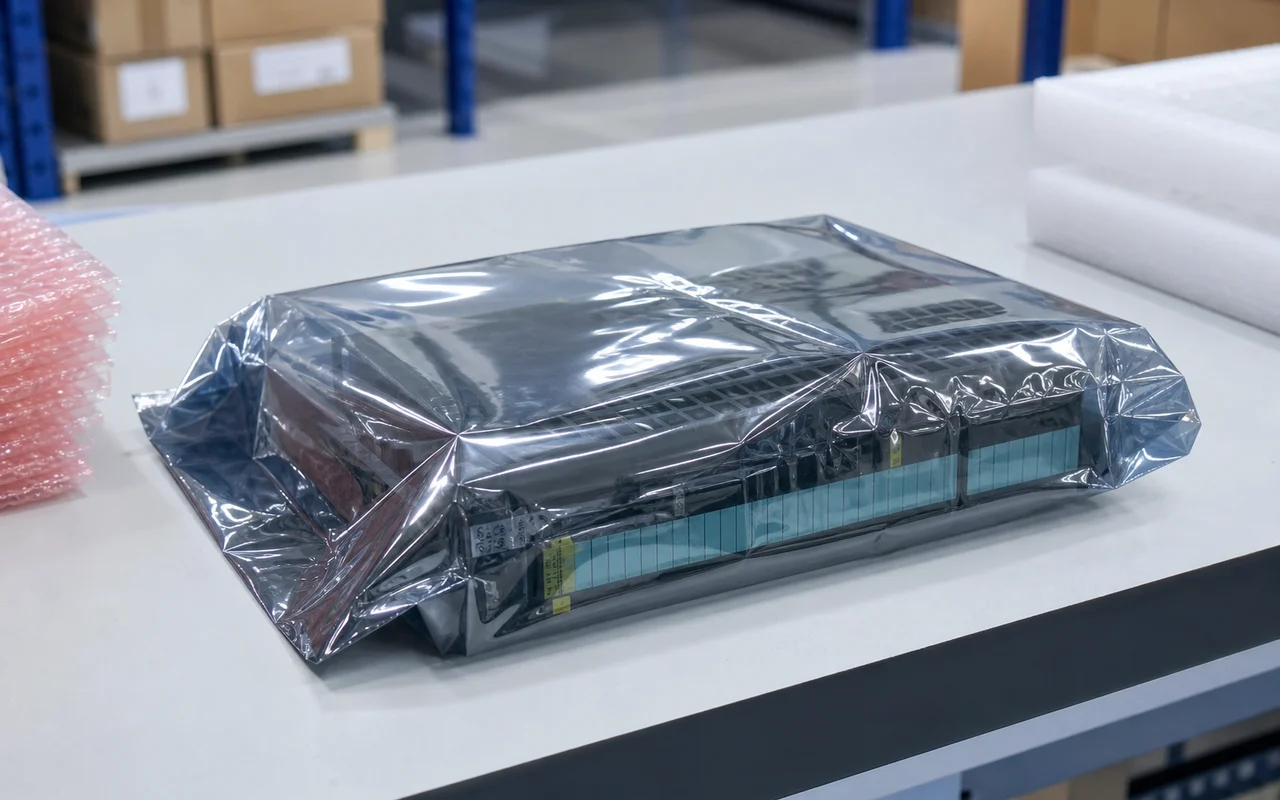 Anti-static Packaging
Modules are packed in anti-static bags to prevent electrostatic damage.
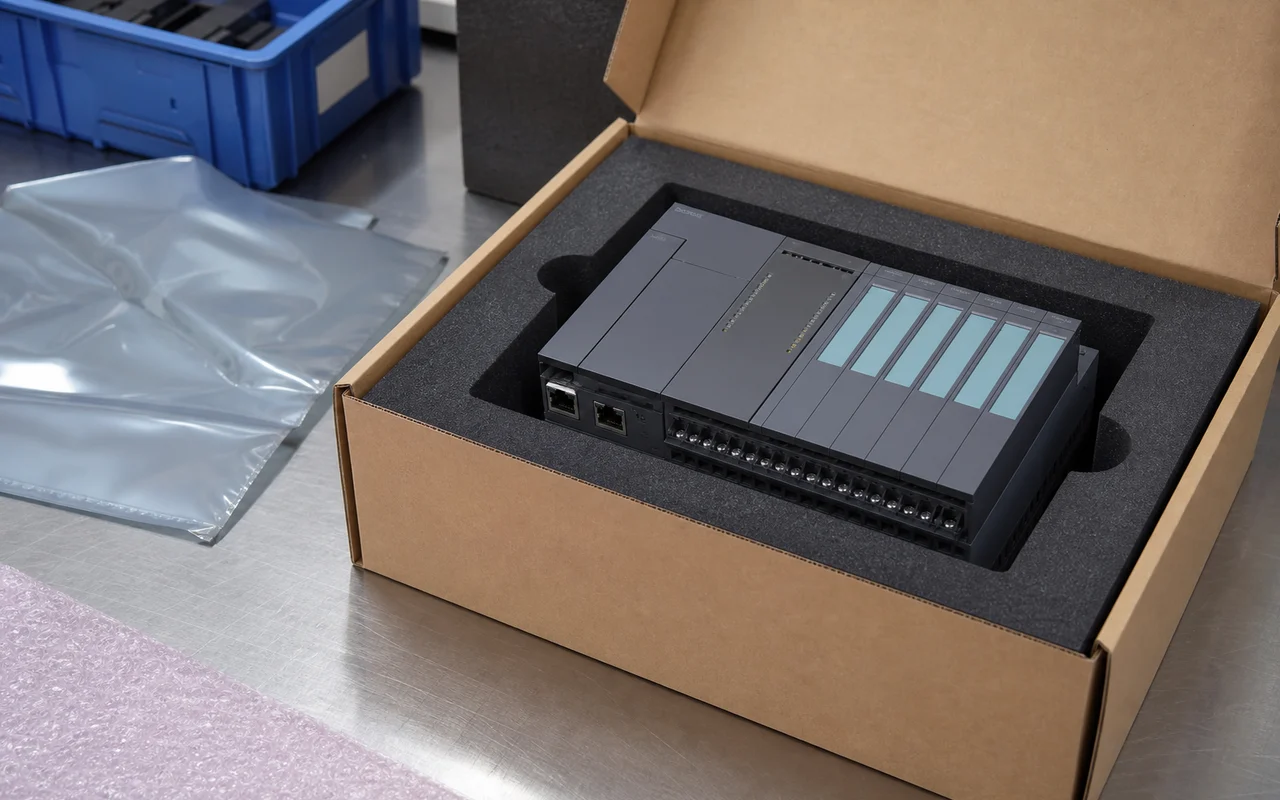 Secure Export Packing
Cushion protection and strong cartons ensure safe transportation.
 Worldwide Shipping
Global logistics network supports air, sea and express delivery.
 Documentation Check
Part number, revision and compatibility verified before shipment.
 After-sales Support
Professional technical support to help resolve your issues.