Functional Inspection
100% tested on professional platforms to ensure stable performance.
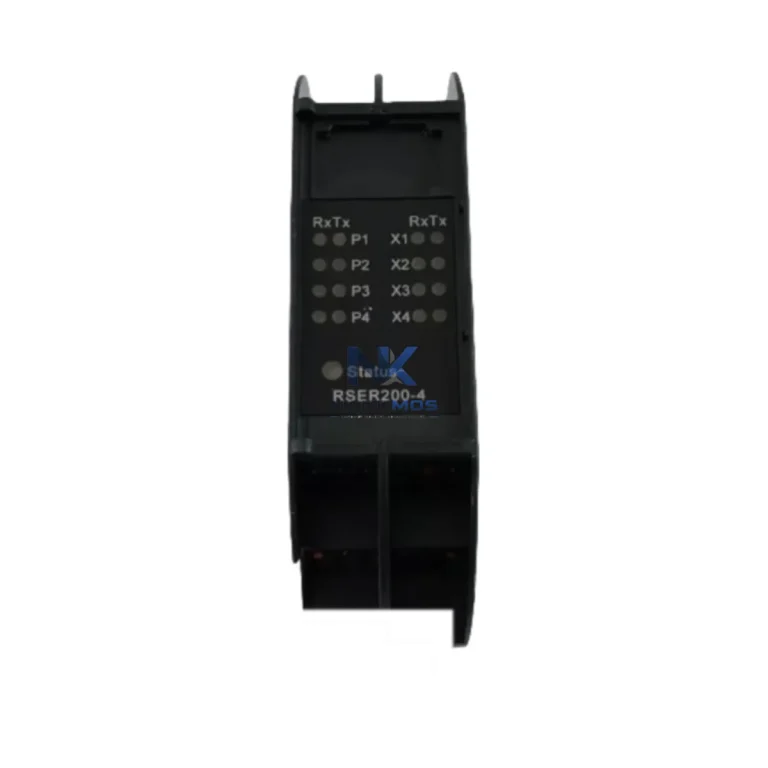
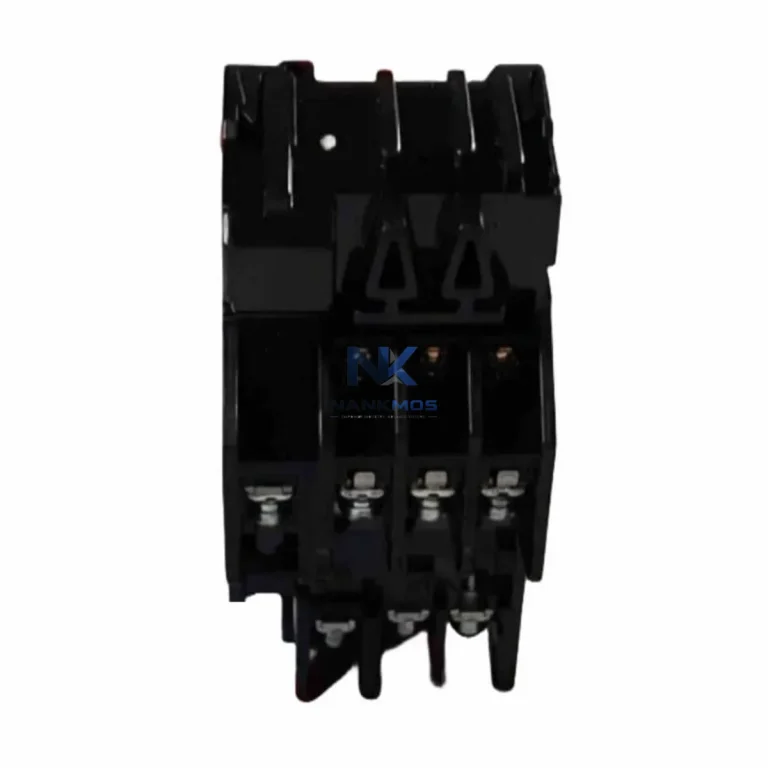
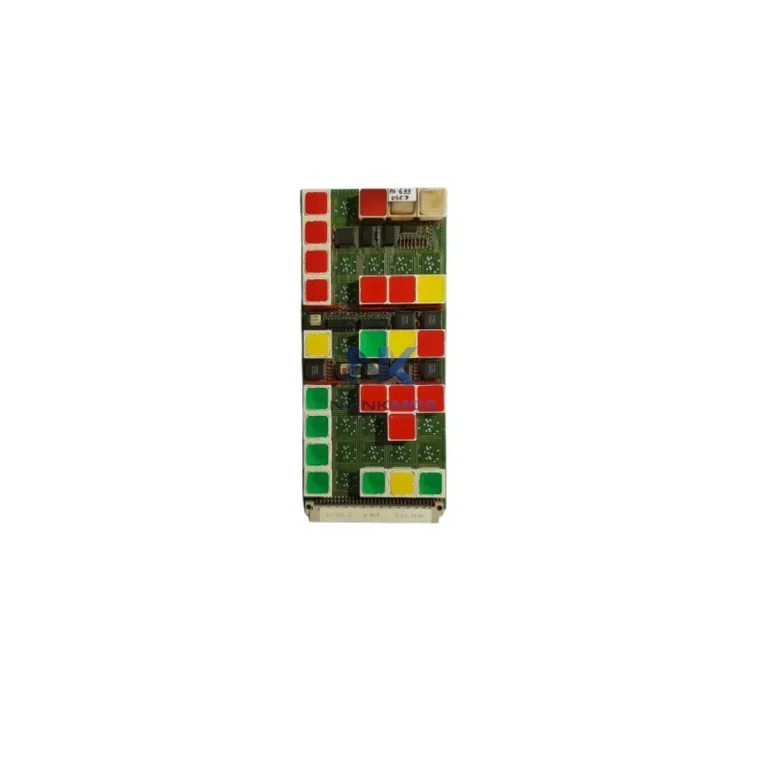
Kongsberg SPBUS-HUB is a NANKMOS industrial automation product record Listed under Other series series and Business & Industrial > Automation, Control & Flow Devices. Confirm condition, availability, lead time, compatibility and documentation by email inquiry.
Brand names are used for identification only.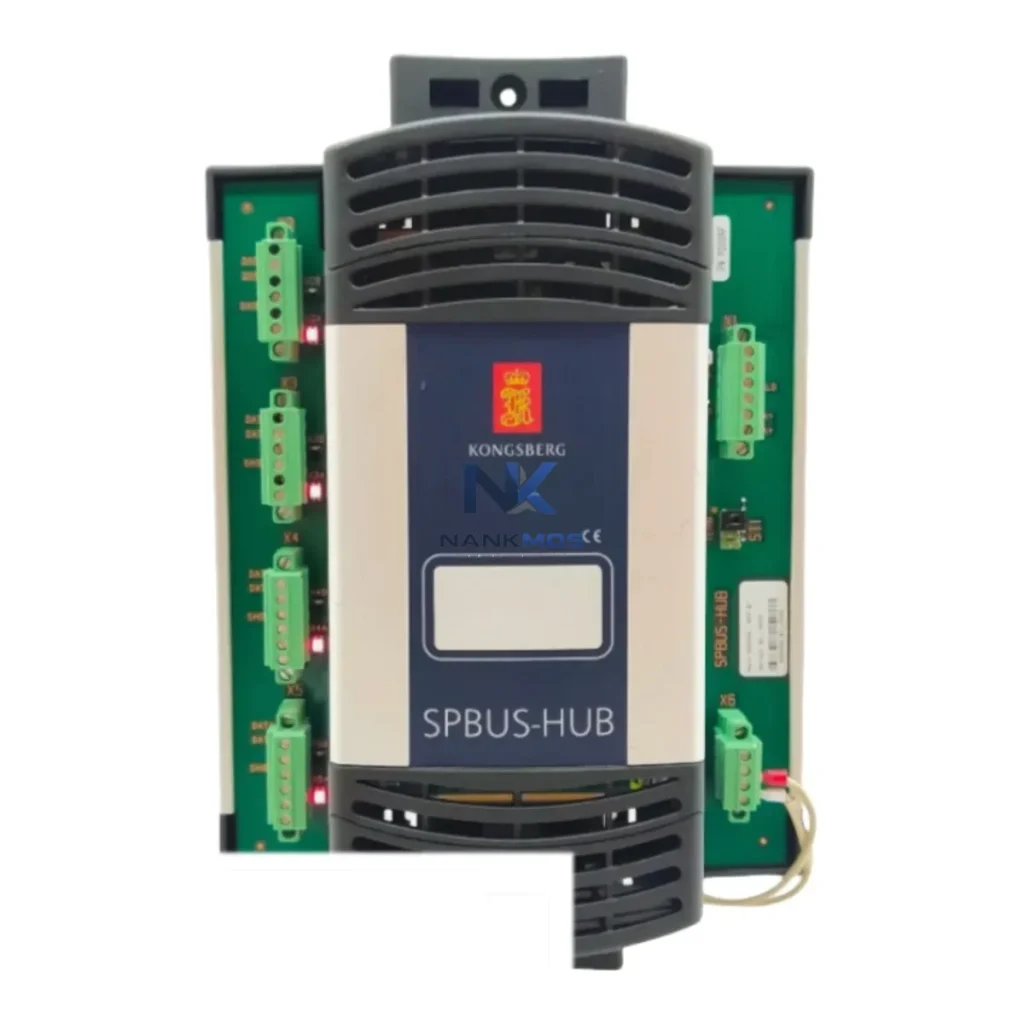
Kongsberg SPBUS-HUB is a NANKMOS industrial automation product record Listed under Other series series and Business & Industrial > Automation, Control & Flow Devices. Confirm condition, availability, lead time, compatibility and documentation by email inquiry.
| Manufacturer | Kongsberg |
|---|---|
| Application | Industrial Network & Bus Termination |
| Part Number / Model | SPBUS-HUB |
| Compatible System | Confirmed by inquiry |
| Condition Options | To Confirm |
| Module Type | Bus / Network Interface Module |
| Warranty | 12 Months |
| Packaging | Anti-static Bag / Secure Box |
| Shipping Methods | DHL / FedEx / UPS / Air / Sea |
| Availability | To Confirm |
| Lead Time | To Confirm |
| Documentation | Part number and revision checked before quote |
The KONGSBERG SPBUS-HUB (SKU: SPBUS-HUB) is a purpose-built SPBus communication hub engineered to serve as the central data backbone in modern industrial automation architectures. Designed for demanding environments in oil & gas, marine propulsion, power generation, and process manufacturing, the SPBUS-HUB enables seamless, deterministic data exchange across field devices, control systems, and supervisory platforms. By consolidating SPBus protocol traffic into a single managed network node, it eliminates data silos, reduces wiring complexity, and delivers the real-time visibility that smart factory operations demand.
In a connected factory, data must flow without interruption from the sensor level through to the enterprise layer. The SPBUS-HUB sits at the heart of this chain — aggregating signals from distributed field instruments, proximity transducers, vibration sensors, and remote I/O modules, then forwarding structured data packets to PLC controllers, HMI panels, SCADA gateways, and edge computing nodes. Its role is not merely passive switching; it actively manages bus arbitration, ensures collision-free transmission, and maintains network integrity even under high-cycle polling conditions typical of rotating equipment monitoring.
Pre-shipment tested and supplied with a 12-month warranty, the SPBUS-HUB is available from in-stock inventory, ensuring minimal lead times for maintenance replacements and new project deployments alike.
A typical smart factory deployment using the SPBUS-HUB begins at the field instrument layer. Proximity transducers and vibration sensors mounted on rotating machinery — such as compressors, turbines, and pumps — generate continuous analog and digital signals. These signals are conditioned by local signal conditioning modules and fed into the SPBus network via the SPBUS-HUB, which manages bus access and ensures orderly, collision-free data delivery.
Upstream, a Kongsberg PLC controller or distributed control system (DCS) node polls the SPBUS-HUB at configurable scan rates, retrieving process values, status flags, and diagnostic data in real time. The hub's deterministic communication model guarantees that critical alarm states — such as high vibration amplitude or bearing temperature exceedance — are transmitted within defined cycle times, enabling the control system to trigger protective shutdowns or operator alerts without delay.
For facilities running mixed-protocol environments, the SPBUS-HUB can interface with protocol conversion gateways that bridge SPBus data to Modbus TCP/IP or OPC-UA, making process values available to plant-wide SCADA platforms and historian databases. HMI panels connected to the SCADA layer can then display live trend data, alarm histories, and equipment health dashboards sourced directly from field devices networked through the SPBUS-HUB.
Remote I/O expansion modules distributed across the plant floor connect to the SPBus backbone managed by the SPBUS-HUB, extending the reach of the control network without additional cabling infrastructure. Edge gateway devices installed at the network boundary aggregate SPBus data and forward it to cloud-based analytics platforms or on-premise MES systems, enabling predictive maintenance workflows and production KPI tracking.
Industrial managed switches in the Ethernet backbone segment isolate SPBus traffic from general IT network load, preserving deterministic performance. Power for the hub and connected bus devices is typically supplied by DIN-rail industrial power supplies with redundant outputs, ensuring continuous operation during single-point power failures. Variable frequency drives (VFDs) controlling pump and fan motors also report operational parameters — speed reference, output current, fault codes — through the SPBus network, giving operators a unified view of both process and drive health within the same SCADA environment.
Many industrial sites operate with fragmented communication architectures — legacy serial devices on one segment, modern Ethernet-based controllers on another, and proprietary fieldbus nodes that cannot natively exchange data with supervisory systems. The SPBUS-HUB directly addresses these integration challenges by providing a managed, centralized hub for all SPBus-connected devices, eliminating the point-to-point wiring complexity that creates data blind spots.
Protocol unification: By consolidating all SPBus device traffic through a single hub, operators gain a consistent data model that upstream gateways and SCADA systems can query through a single interface, rather than polling dozens of individual device addresses independently.
Data island elimination: Field instruments that previously reported only to local indicators or standalone controllers can now contribute their measurements to the plant-wide data fabric, enabling cross-system correlation — for example, linking vibration amplitude trends from rotating equipment sensors with drive load data from VFDs to detect developing mechanical faults before failure.
Remote monitoring and diagnostics: With SPBus data accessible through the SCADA layer, maintenance engineers can perform remote diagnostics without physical site visits. Alarm acknowledgment, setpoint adjustment, and device health checks can be executed from the control room or via secure remote access terminals, reducing mean time to repair (MTTR) and minimizing unplanned downtime.
Production line transparency: Real-time data flowing through the SPBUS-HUB feeds dashboards that display OEE metrics, batch completion status, and equipment utilization rates, giving production managers the visibility needed to optimize throughput and respond proactively to process deviations.
Scalable network expansion: As production capacity grows, additional SPBus devices can be added to the network managed by the SPBUS-HUB without redesigning the communication architecture, protecting the initial infrastructure investment and reducing commissioning time for new equipment.
Q1: What communication protocol does the KONGSBERG SPBUS-HUB support, and is it compatible with standard industrial protocols like Modbus or OPC-UA? The SPBUS-HUB natively supports the Kongsberg SPBus proprietary serial fieldbus protocol, which is optimized for deterministic, real-time communication within Kongsberg automation systems. Integration with Modbus TCP/IP or OPC-UA environments is achieved through protocol conversion gateways positioned between the SPBus network and the Ethernet-based supervisory layer, enabling full SCADA and historian connectivity without replacing existing field devices.
Q2: How does the SPBUS-HUB ensure network stability and minimize communication latency in high-cycle polling environments? The SPBUS-HUB employs deterministic bus arbitration to manage device access, preventing collisions and ensuring that each connected node receives its allocated polling slot within the defined scan cycle. This architecture maintains consistent, low-latency data delivery even as the number of connected devices increases, making it suitable for time-critical applications such as rotating equipment protection and process safety systems.
Q3: Can the SPBUS-HUB support remote diagnostics and alarm management through a SCADA or HMI system? Yes. Data aggregated by the SPBUS-HUB is accessible to upstream SCADA and HMI platforms via the control system's data server or through a protocol gateway. This enables remote monitoring of device health, alarm state tracking, and diagnostic parameter retrieval without requiring physical access to field devices. Alarm events are transmitted in real time, supporting rapid fault identification and remote corrective action.
Q4: What warranty and pre-shipment testing does the SPBUS-HUB include? Every KONGSBERG SPBUS-HUB unit supplied by NANKMOS is covered by a 12-month warranty and undergoes pre-shipment functional testing to verify communication integrity, bus arbitration performance, and interface connectivity before dispatch. In-stock availability ensures fast delivery for both planned project deployments and urgent maintenance replacements.
Functional Inspection100% tested on professional platforms to ensure stable performance.
 Anti-static Packaging
Modules are packed in anti-static bags to prevent electrostatic damage.
 Secure Export Packing
Cushion protection and strong cartons ensure safe transportation.
 Worldwide Shipping
Global logistics network supports air, sea and express delivery.
 Documentation Check
Part number, revision and compatibility verified before shipment.
 After-sales Support
Professional technical support to help resolve your issues.