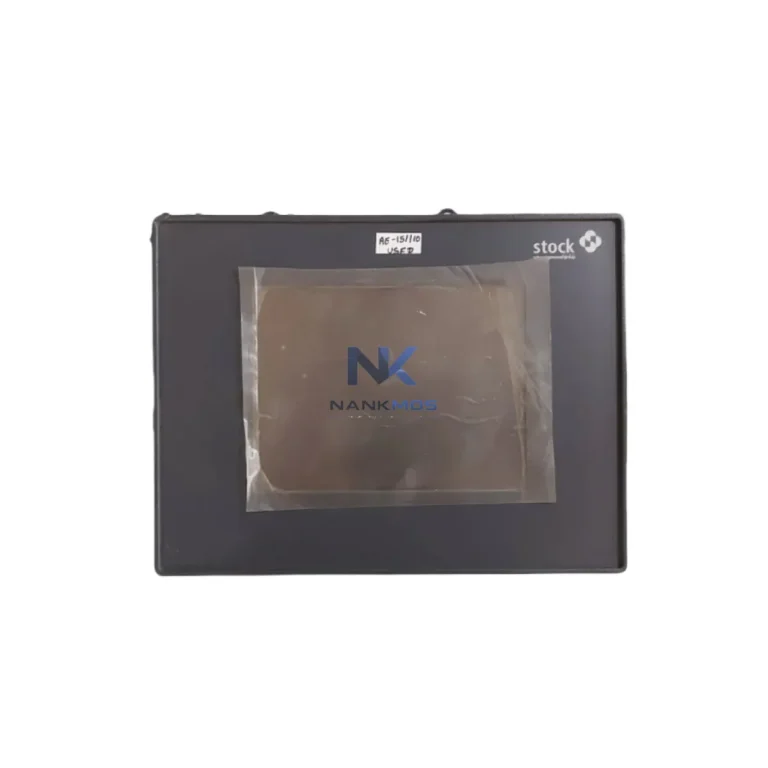
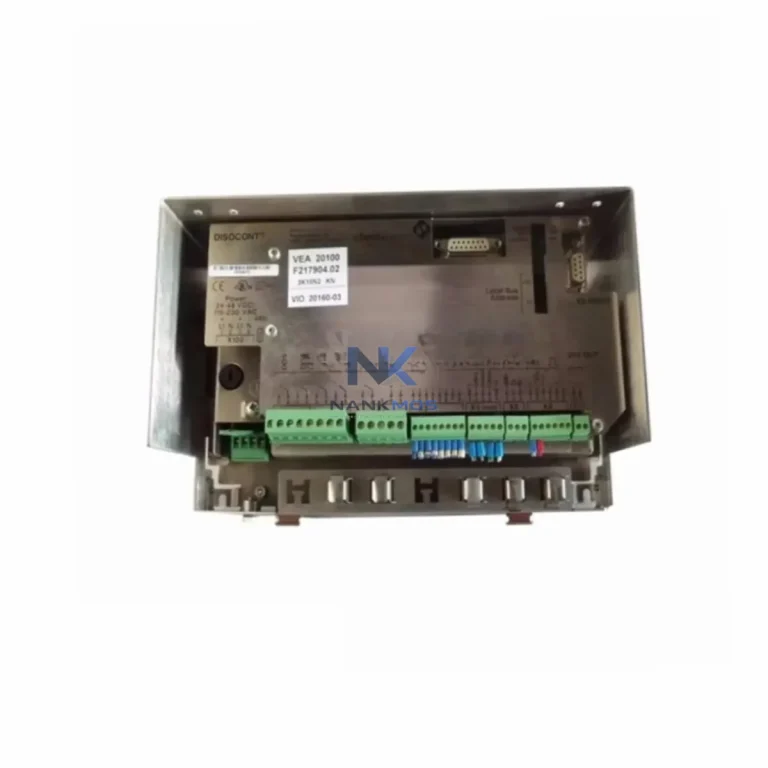
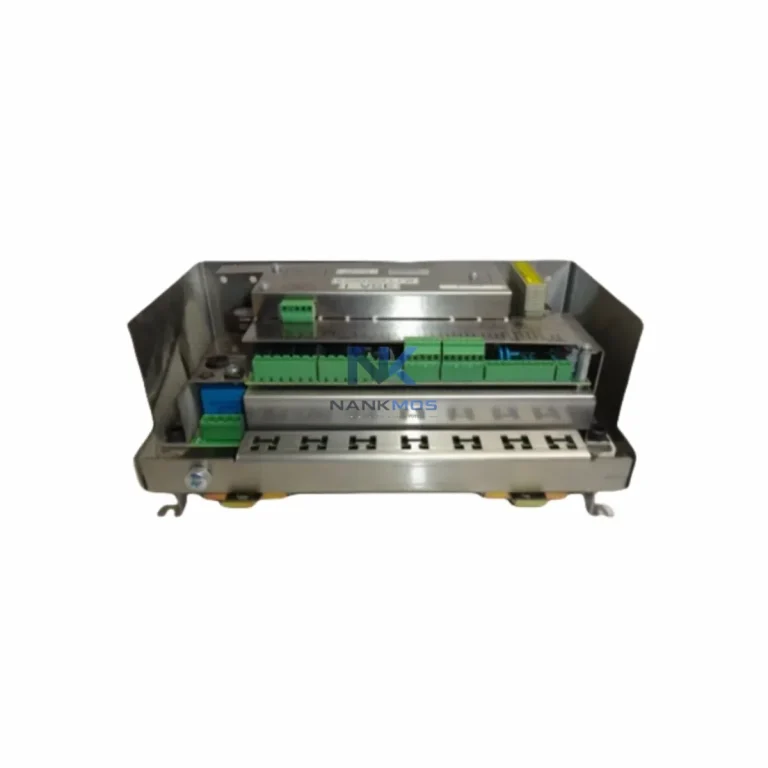
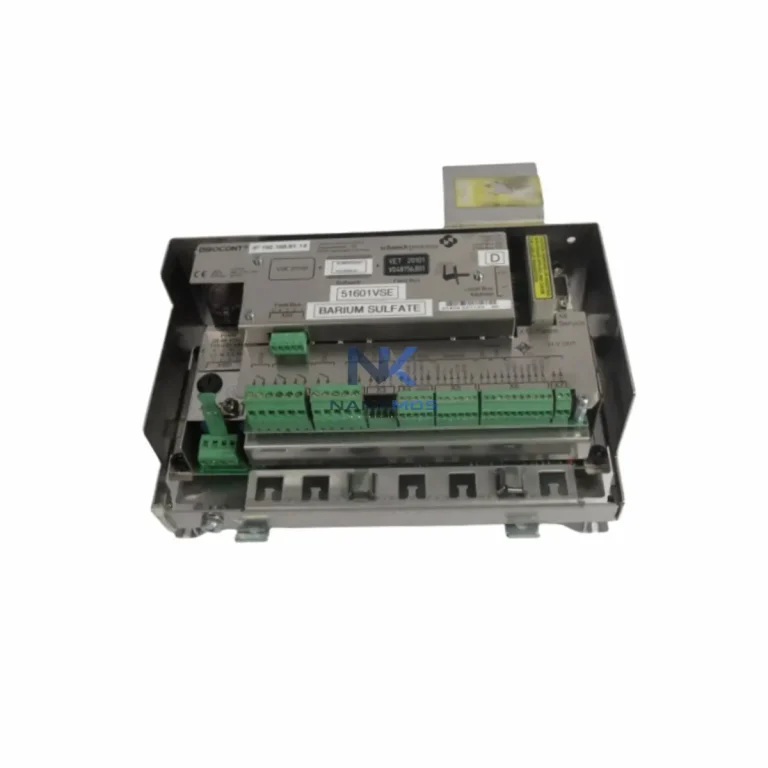
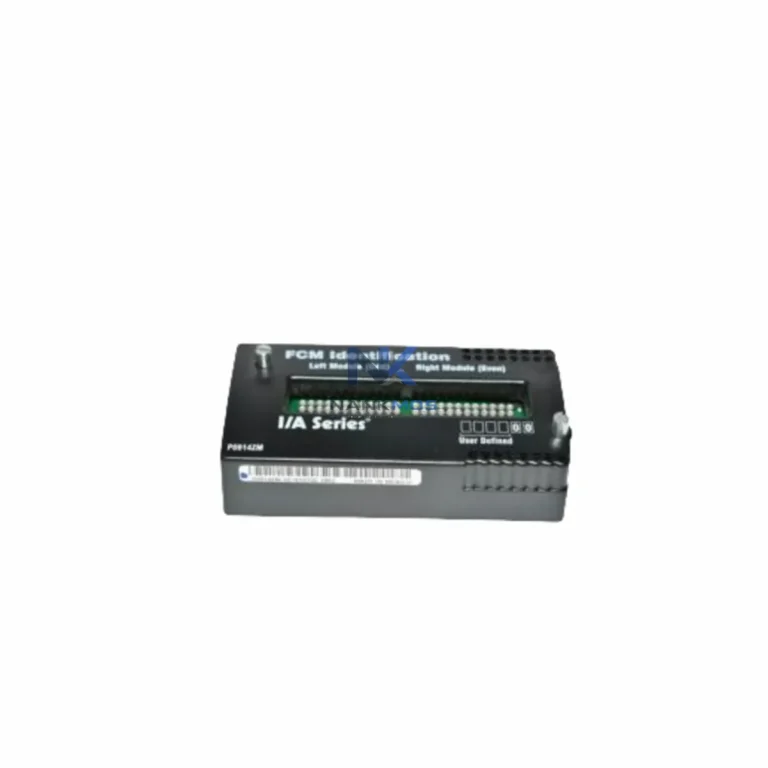
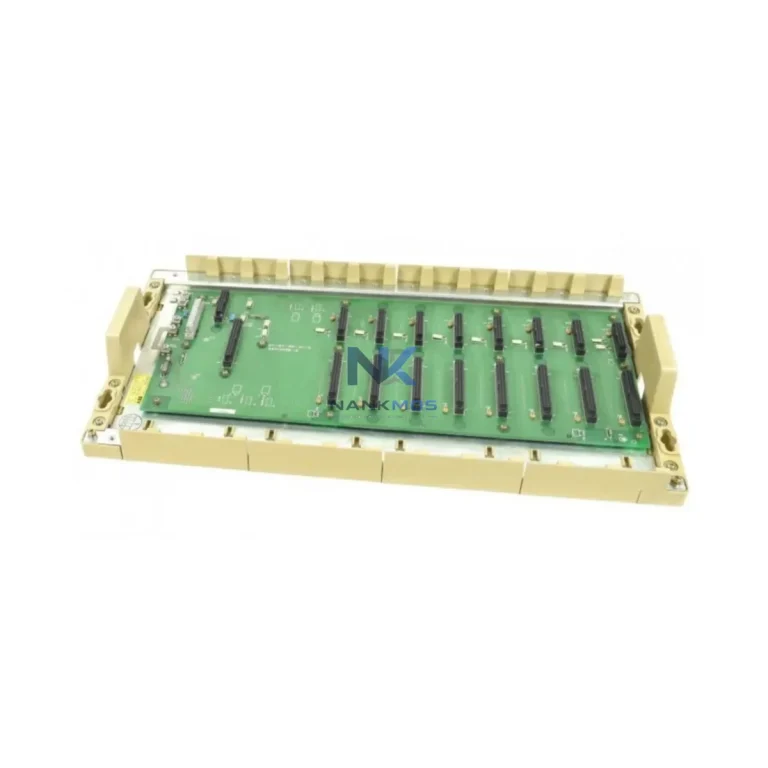
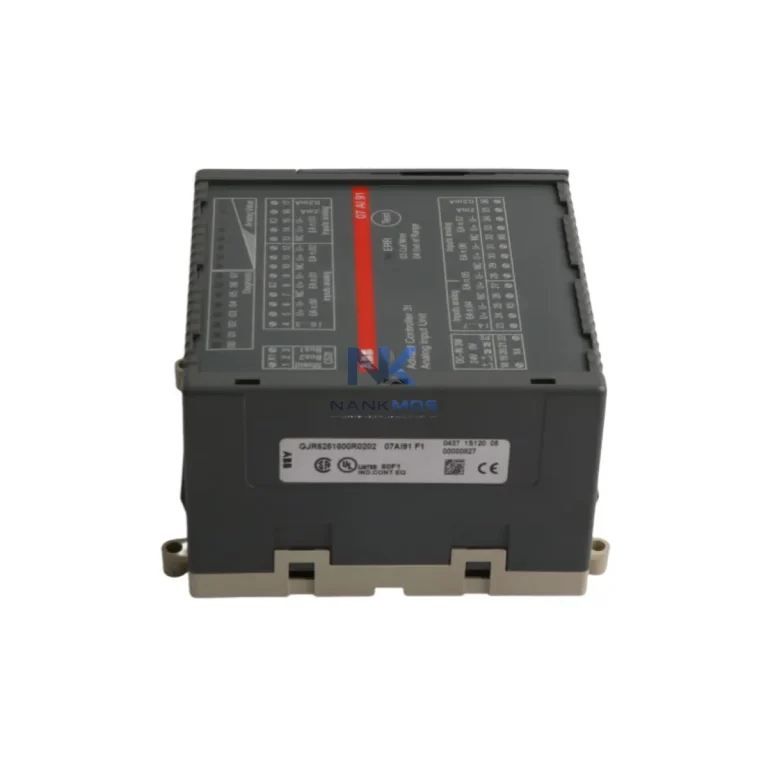
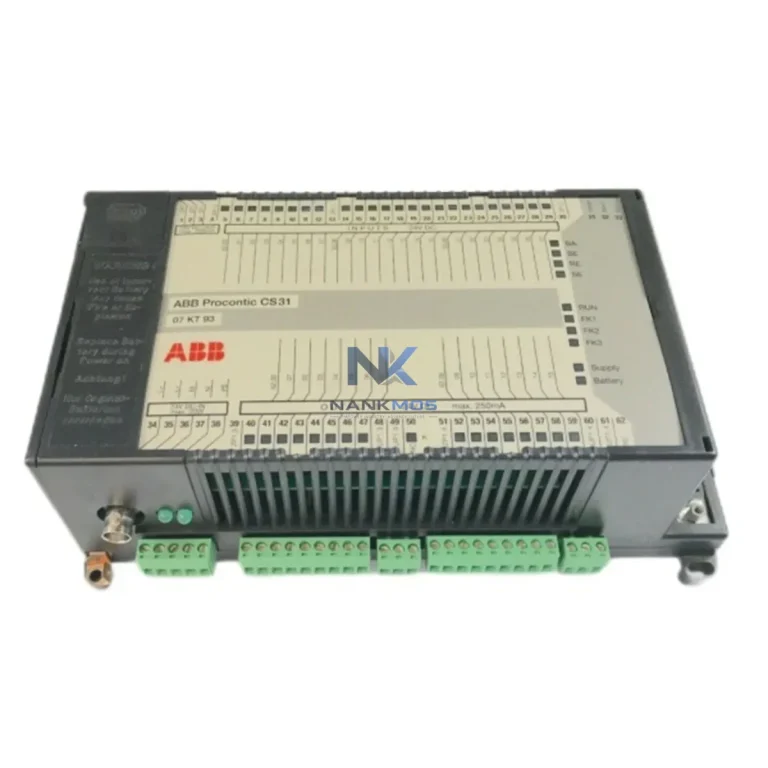
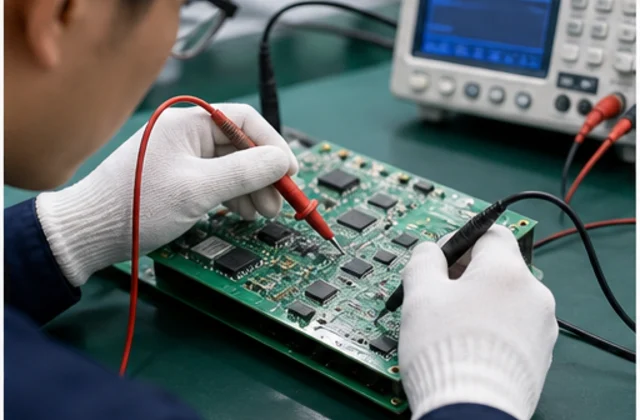
 Functional Inspection
100% tested on professional platforms to ensure stable performance.
Schenck VLB20105 V003048.B02 is a NANKMOS industrial automation product record Listed under Other series series and Business & Industrial > Automation, Control & Flow Devices > Programmable Logic Controllers. Confirm condition, availability, lead time, compatibility and documentation by email inquiry.
Brand names are used for identification only.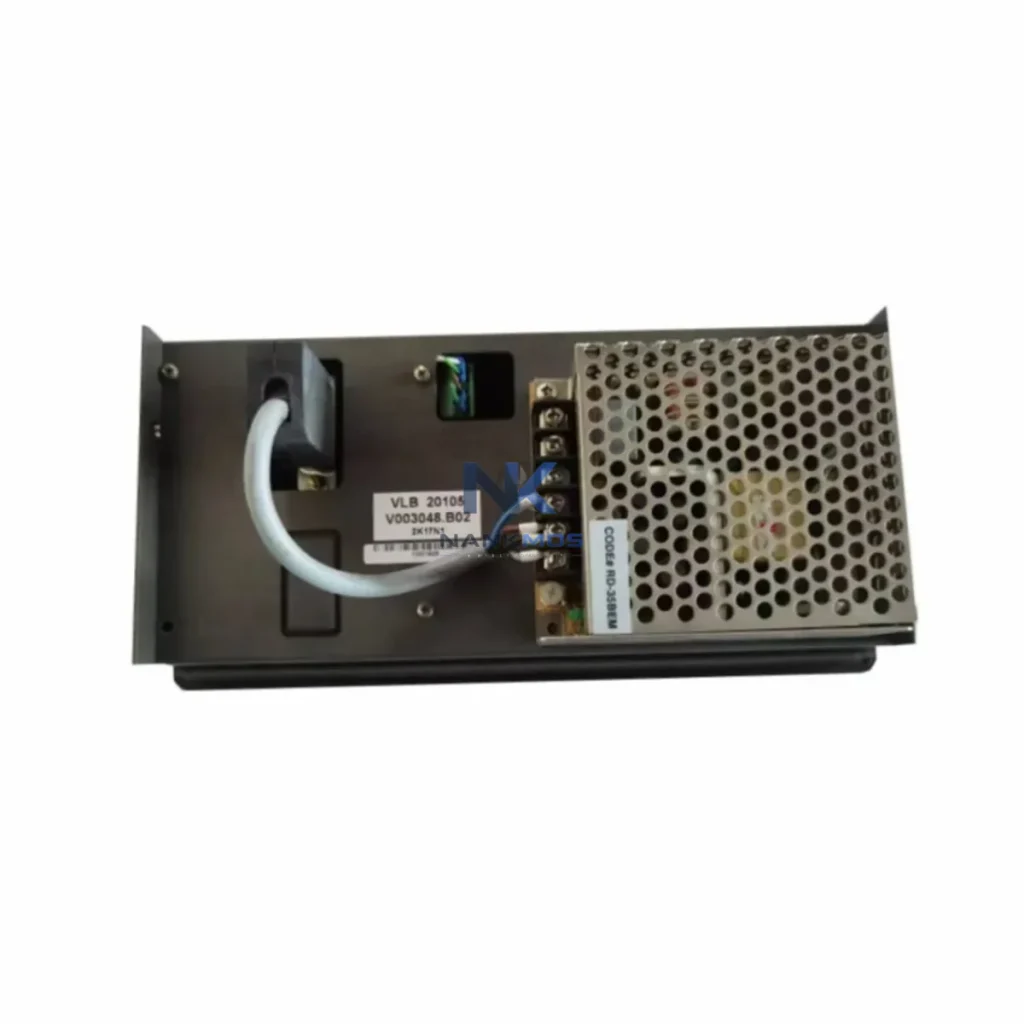
Schenck VLB20105 V003048.B02 is a NANKMOS industrial automation product record Listed under Other series series and Business & Industrial > Automation, Control & Flow Devices > Programmable Logic Controllers. Confirm condition, availability, lead time, compatibility and documentation by email inquiry.
| Manufacturer | Schenck |
|---|---|
| Application | Controller Processing & System Control |
| Part Number / Model | VLB20105 V003048.B02 |
| Compatible System | Confirmed by inquiry |
| Condition Options | To Confirm |
| Module Type | Controller / CPU Module |
| Warranty | 12 Months |
| Packaging | Anti-static Bag / Secure Box |
| Shipping Methods | DHL / FedEx / UPS / Air / Sea |
| Availability | To Confirm |
| Lead Time | To Confirm |
| Documentation | Part number and revision checked before quote |
The Schenck VLB20105 V003048.B02 is a precision energy-control balancing module engineered for high-demand industrial environments where vibration management, motor efficiency, and production line stability are critical to overall energy performance. Designed as a core component of Schenck's CAB (Computer-Aided Balancing) automation platform, this module delivers real-time dynamic balancing feedback that directly reduces mechanical stress, thermal load, and unnecessary energy consumption across rotating machinery systems.
In modern smart factories, unbalanced rotating equipment is one of the most overlooked sources of energy waste. Excess vibration forces motors and drives to compensate with additional torque, increasing current draw, accelerating bearing wear, and generating heat that burdens cooling systems. The VLB20105 V003048.B02 addresses this at the source — providing closed-loop balancing data that enables the control system to maintain optimal rotational equilibrium, reducing reactive energy demand and extending equipment service intervals.
The Schenck VLB20105 V003048.B02 integrates seamlessly into a layered industrial automation architecture. In a typical smart production line, it operates alongside a Schenck CAB 920 balancing controller, which processes the module's vibration signal output and issues correction commands to the drive system. The balancing data is fed into the plant's Siemens S7-1500 PLC via digital I/O, enabling the controller to adjust spindle speed references sent to a Siemens SINAMICS G120 variable frequency drive (VFD), ensuring the motor operates at its most energy-efficient operating point rather than compensating for mechanical imbalance with excess torque.
On the power monitoring side, a Schneider Electric PowerLogic PM5000 power measurement unit tracks real-time current, voltage, and power factor at the motor feeder level. When the VLB20105 V003048.B02 brings the rotor into balance, the PM5000 registers a measurable reduction in reactive power demand — a direct indicator of improved energy efficiency. This data is logged to the plant's SCADA system (such as Wonderware InTouch or Siemens WinCC), where energy KPIs are trended and reported for ISO 50001 compliance.
For servo-driven balancing rigs, the module pairs with a Bosch Rexroth IndraDrive Cs servo drive, where precise torque control during the balancing cycle minimizes energy spikes during acceleration and deceleration phases. The Beckhoff EL3702 analog input terminal captures the module's vibration sensor signals within an EtherCAT I/O network, delivering sub-millisecond data to the motion controller for real-time correction. An ifm electronic VSA001 vibration sensor mounted on the bearing housing works in tandem with the VLB20105 to provide continuous condition monitoring data, enabling predictive maintenance scheduling before imbalance-induced failures occur.
Communication between the balancing system and the plant MES is handled via PROFINET, with the Schenck CAB controller acting as a PROFINET device node. An HMS Anybus X-gateway bridges the balancing data to EtherNet/IP for integration with Allen-Bradley ControlLogix PLCs in mixed-protocol environments. The operator interface is managed through a Siemens SIMATIC HMI TP1200 Comfort Panel, where technicians monitor balancing quality grades, vibration amplitude trends, and energy consumption metrics in a unified dashboard.
Unbalanced rotating components are a persistent source of hidden energy loss in manufacturing. A rotor operating with even moderate imbalance forces the drive system to deliver excess torque to maintain target speed, increasing motor current draw by 5–15% depending on severity. Over a three-shift production schedule, this translates to significant additional energy cost and accelerated insulation degradation in the motor windings. The Schenck VLB20105 V003048.B02 eliminates this waste by providing the precise measurement data needed to correct imbalance at the source.
Beyond direct energy savings, the module contributes to production line rhythm stability. Vibration-induced micro-stoppages — where a machine briefly reduces speed or triggers a fault response — disrupt production cadence and force the drive system through repeated acceleration cycles, each consuming a burst of peak energy. By maintaining rotor balance within tight tolerance bands, the VLB20105 V003048.B02 reduces the frequency of these events, smoothing the production cycle and reducing peak demand charges on the facility's energy bill.
Thermal load management is another key benefit. Vibration generates heat in bearings, housings, and motor windings. Excess heat forces HVAC and cooling systems to work harder, adding indirect energy consumption. With the VLB20105 V003048.B02 maintaining mechanical equilibrium, bearing temperatures stabilize, cooling demand decreases, and the overall thermal budget of the production cell improves. This is particularly valuable in enclosed machining centers and cleanroom environments where temperature control is energy-intensive.
From a predictive maintenance perspective, the continuous vibration data stream from the VLB20105 V003048.B02 feeds into the plant's condition monitoring platform, enabling maintenance teams to schedule interventions during planned downtime rather than responding to unplanned failures. This eliminates the energy and productivity cost of emergency restarts, re-qualification runs, and scrap production associated with sudden equipment failures. The result is a measurable improvement in Overall Equipment Effectiveness (OEE) and a reduction in the energy intensity per unit produced.
Every unit of the Schenck VLB20105 V003048.B02 supplied by NANKMOS undergoes pre-shipment functional testing to verify signal output accuracy and module integrity before dispatch. Stock is maintained for immediate availability, supporting urgent production line requirements without extended lead times. All units are covered by a 12-month warranty, providing operational assurance for the full commissioning and initial production cycle.
Q1: How does the VLB20105 V003048.B02 contribute to measurable energy savings on the production line? By providing accurate real-time vibration and imbalance data, the module enables the drive system to operate at its optimal torque setpoint rather than compensating for mechanical imbalance. This reduces motor current draw, lowers reactive power demand, and decreases thermal load on both the motor and the drive — all of which translate to lower energy consumption per production cycle. Plants integrating this module into a closed-loop balancing system typically observe a 5–12% reduction in motor energy consumption for the affected equipment.
Q2: Is the VLB20105 V003048.B02 compatible with third-party PLCs and SCADA systems beyond the Schenck CAB platform? Yes. The module's signal outputs are compatible with standard analog and digital I/O interfaces, making it integrable with Siemens S7, Allen-Bradley ControlLogix, Mitsubishi MELSEC, and other major PLC platforms. SCADA integration is achieved via the CAB controller's communication interface, which supports PROFINET, Modbus TCP, and OPC-UA depending on the controller variant. For mixed-protocol environments, protocol gateways such as the HMS Anybus X-gateway provide seamless bridging.
Q3: What is the recommended replacement or upgrade path if the VLB20105 V003048.B02 is being substituted in an existing Schenck CAB system? The VLB20105 V003048.B02 is a direct replacement module within the Schenck VLB20000 series. Before substitution, verify the firmware version of the CAB controller to ensure compatibility with the B02 hardware revision. No mechanical modifications are required for standard CAB cabinet installations. NANKMOS technical support can assist with compatibility verification and commissioning guidance upon request.
Q4: What pre-shipment testing is performed, and what does the 12-month warranty cover? Every VLB20105 V003048.B02 unit undergoes functional verification testing prior to dispatch, confirming signal output accuracy, connector integrity, and module response within specification. The 12-month warranty covers manufacturing defects and functional failures under normal operating conditions from the date of delivery. Warranty claims are processed through NANKMOS with replacement or repair turnaround coordinated to minimize production downtime.
Functional Inspection100% tested on professional platforms to ensure stable performance.
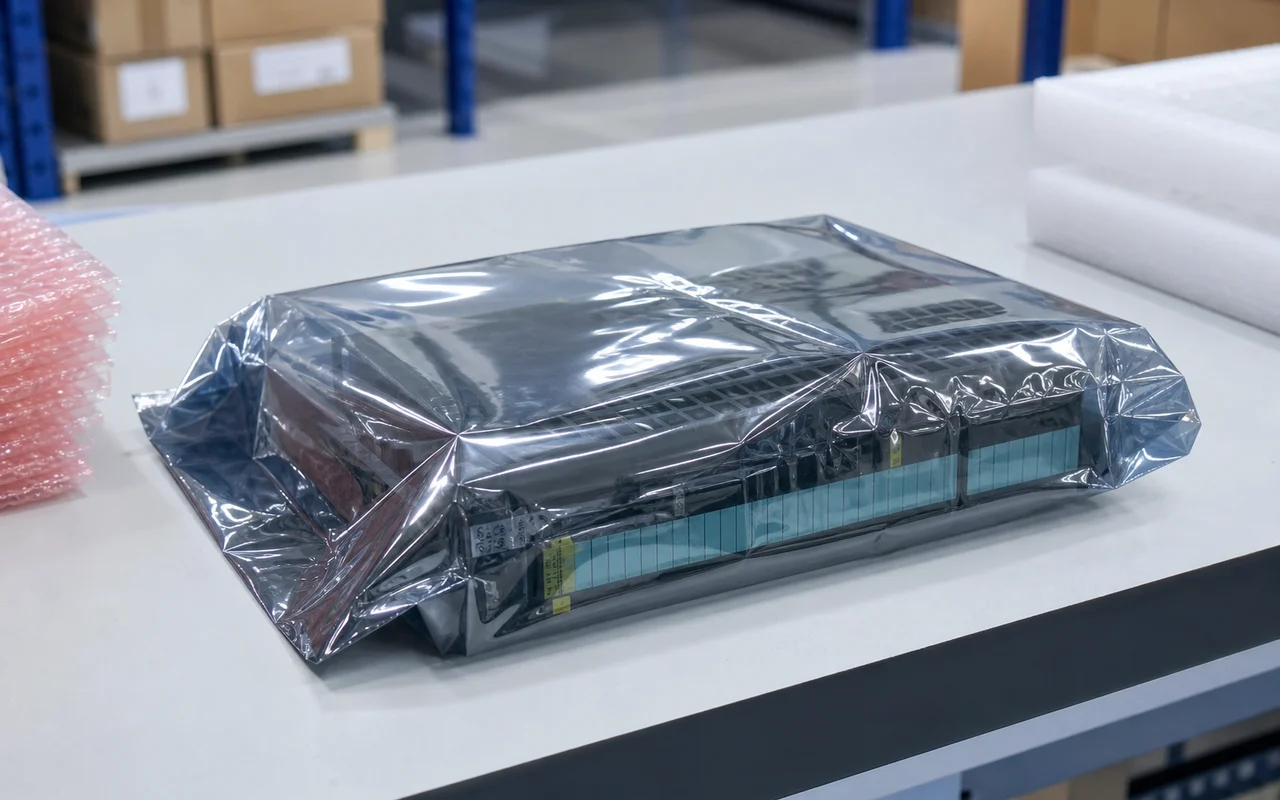 Anti-static Packaging
Modules are packed in anti-static bags to prevent electrostatic damage.
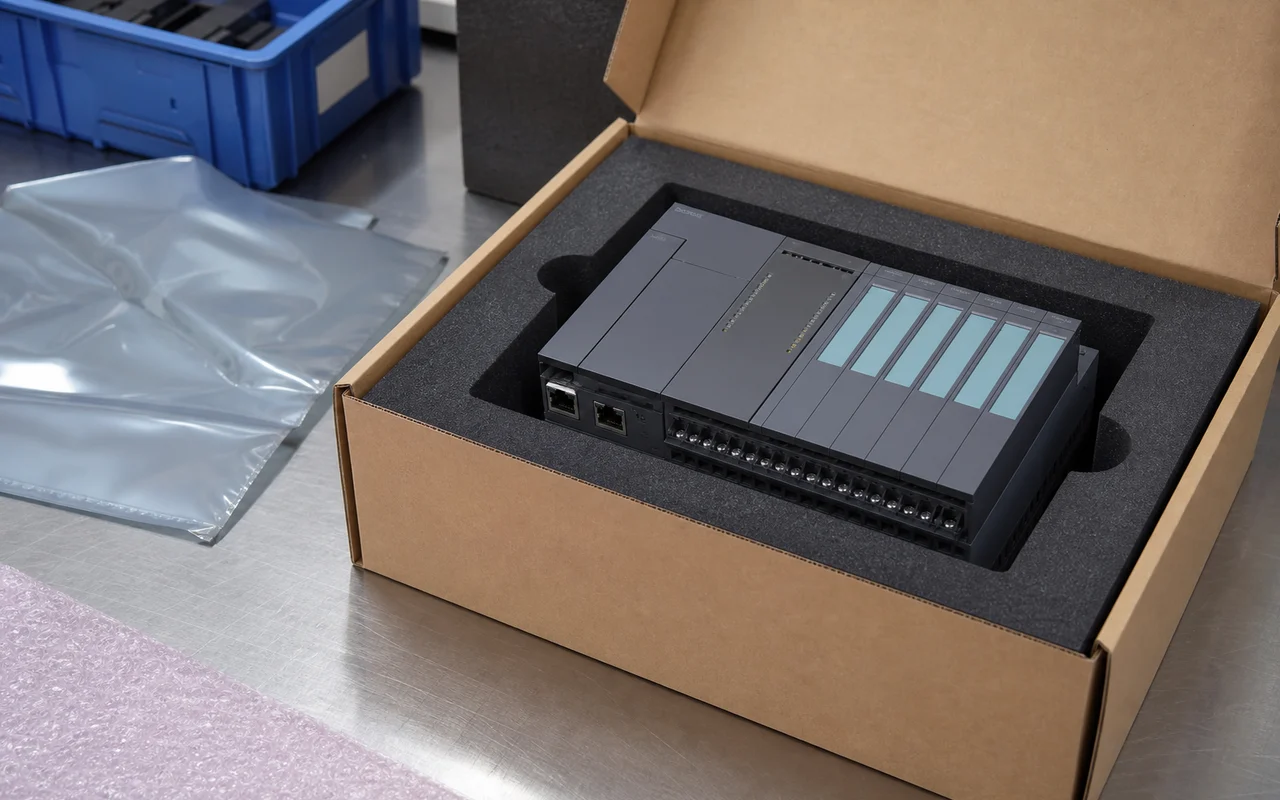 Secure Export Packing
Cushion protection and strong cartons ensure safe transportation.
 Worldwide Shipping
Global logistics network supports air, sea and express delivery.
 Documentation Check
Part number, revision and compatibility verified before shipment.
 After-sales Support
Professional technical support to help resolve your issues.