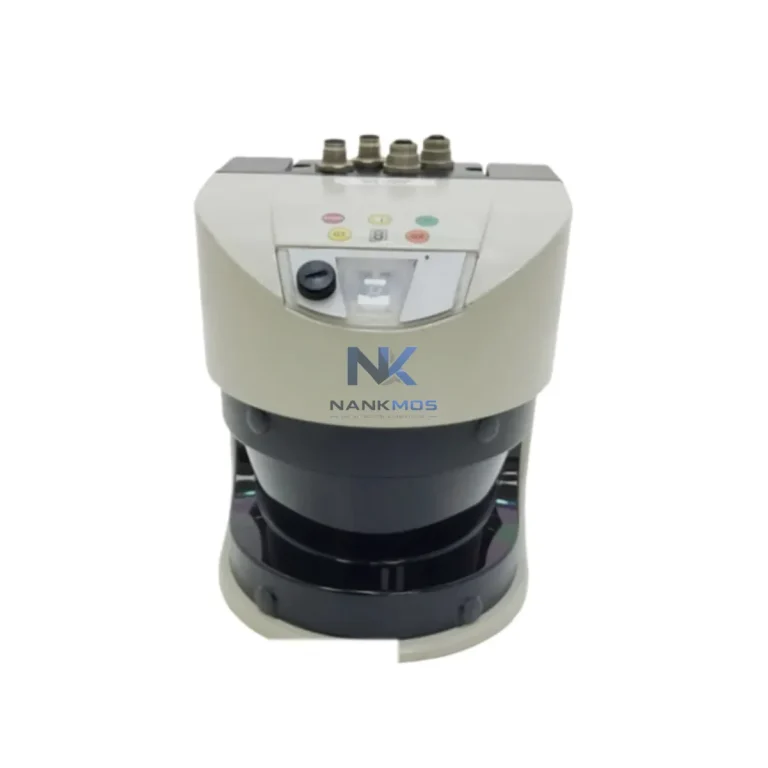
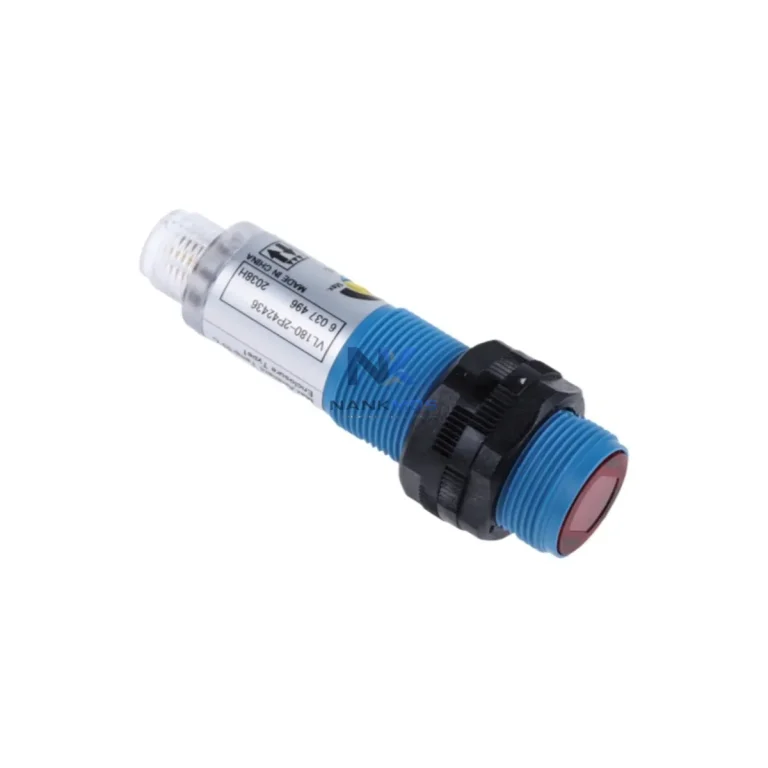
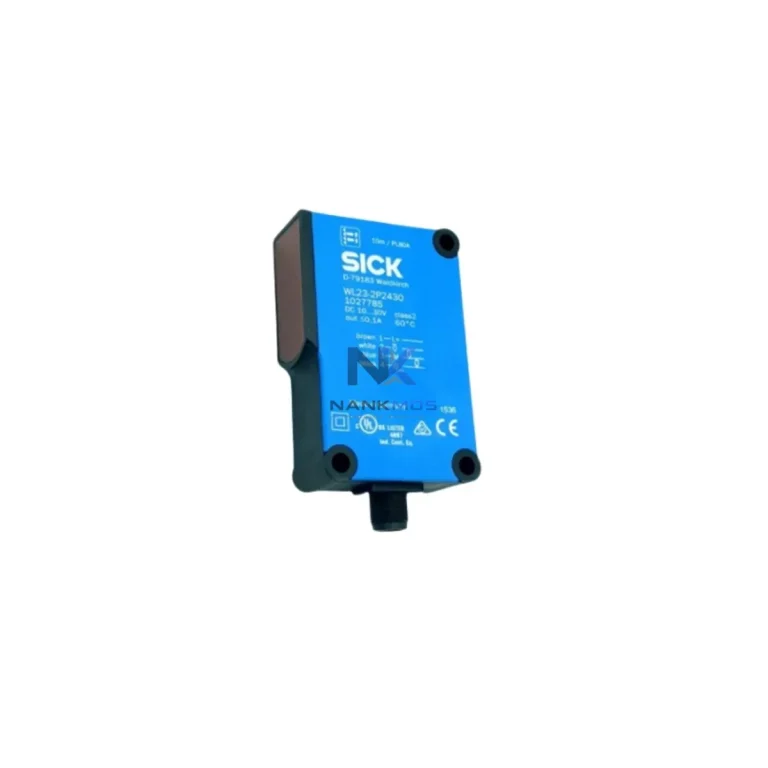
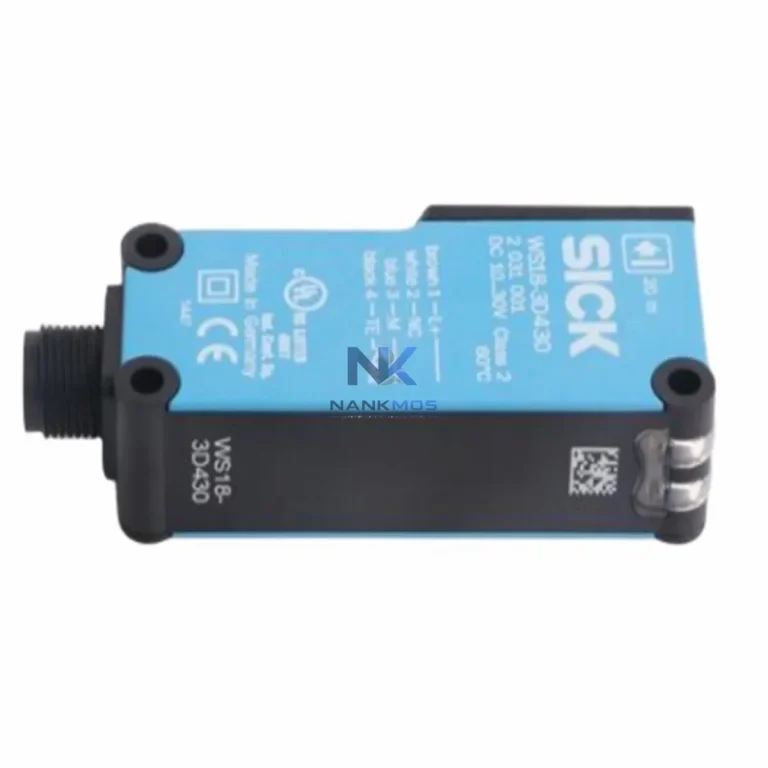
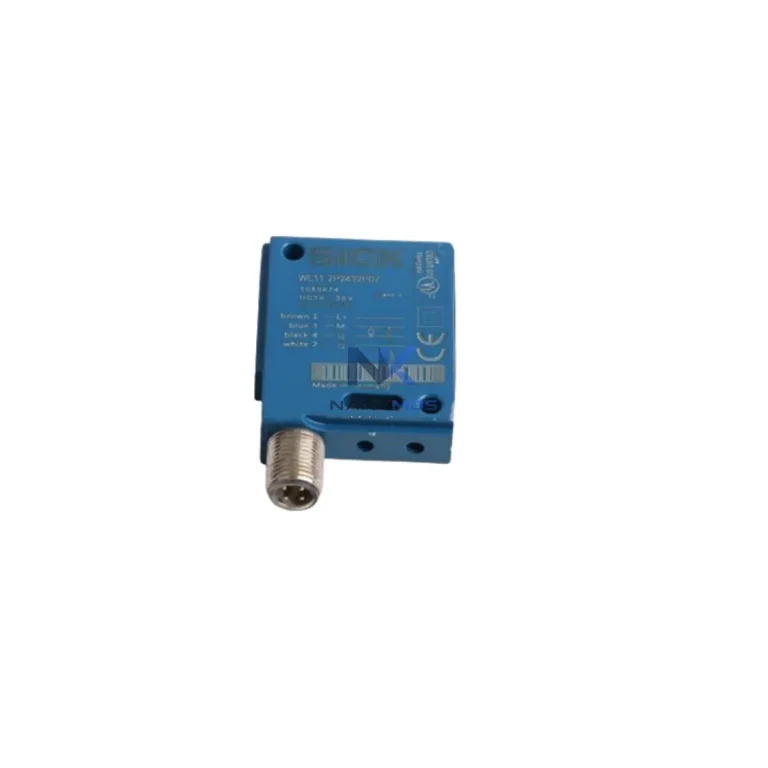
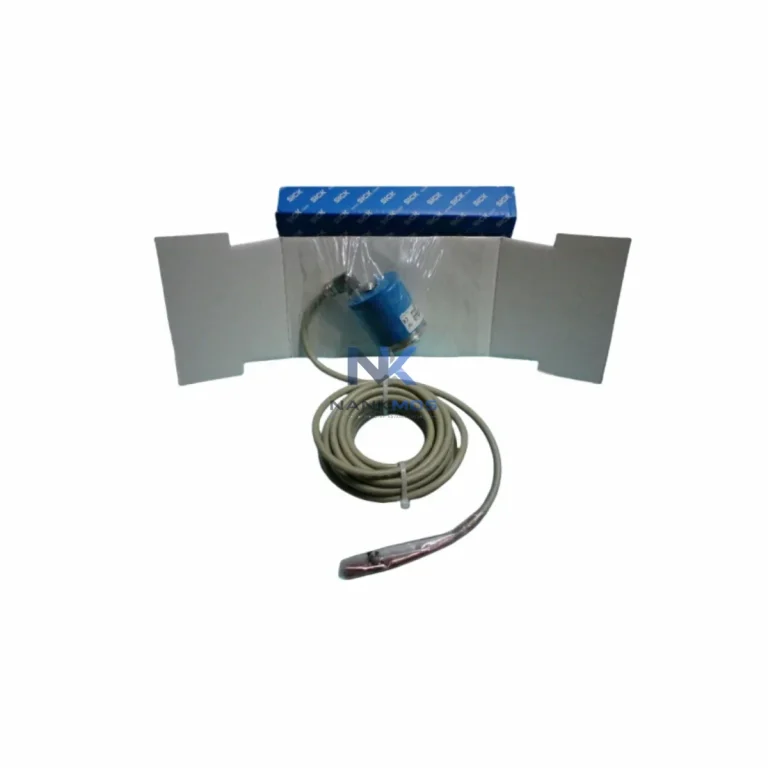
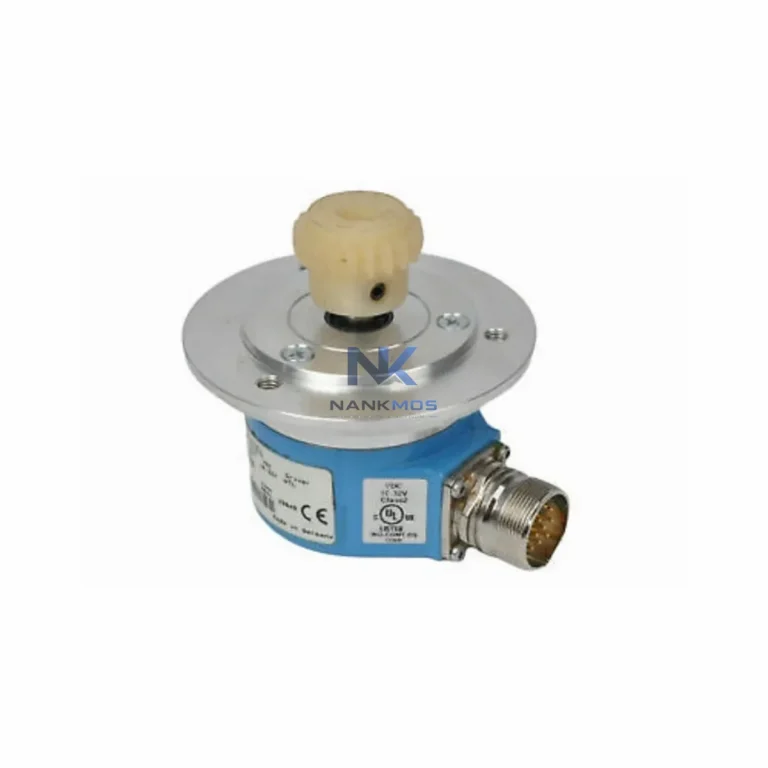
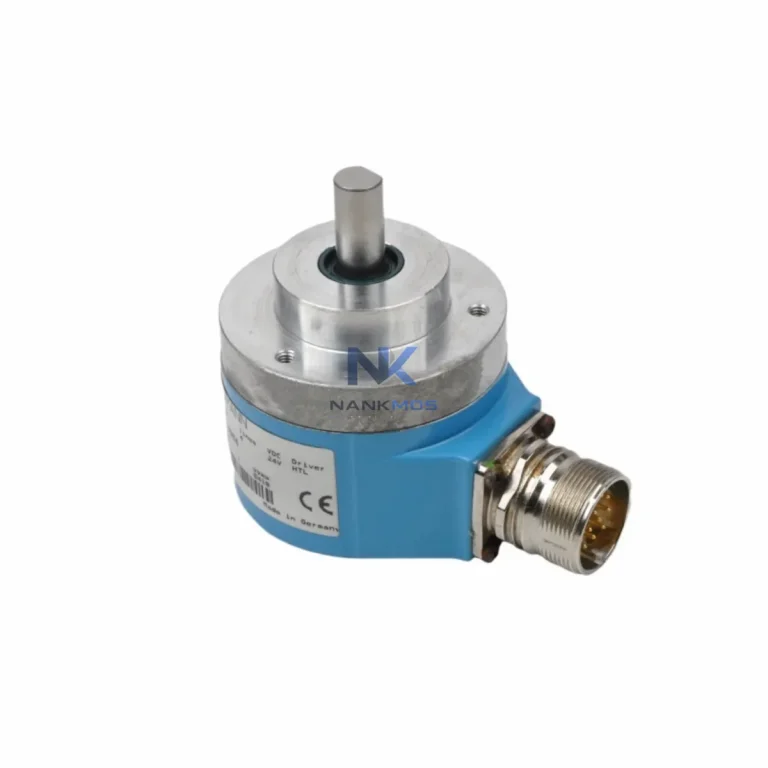
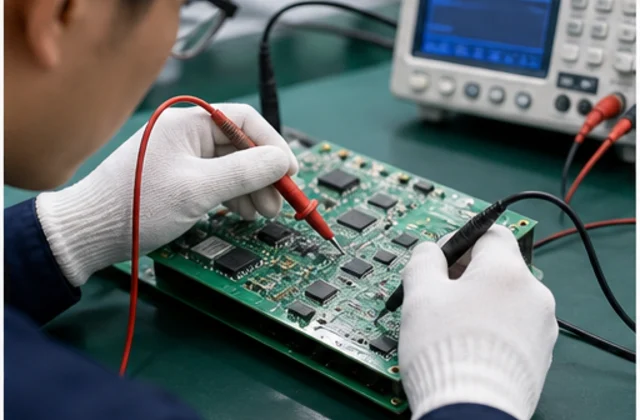
 Functional Inspection
100% tested on professional platforms to ensure stable performance.
SICK WE18-3P430 is a NANKMOS industrial automation product record Listed under Other series series and Sensors. Confirm condition, availability, lead time, compatibility and documentation by email inquiry.
Brand names are used for identification only.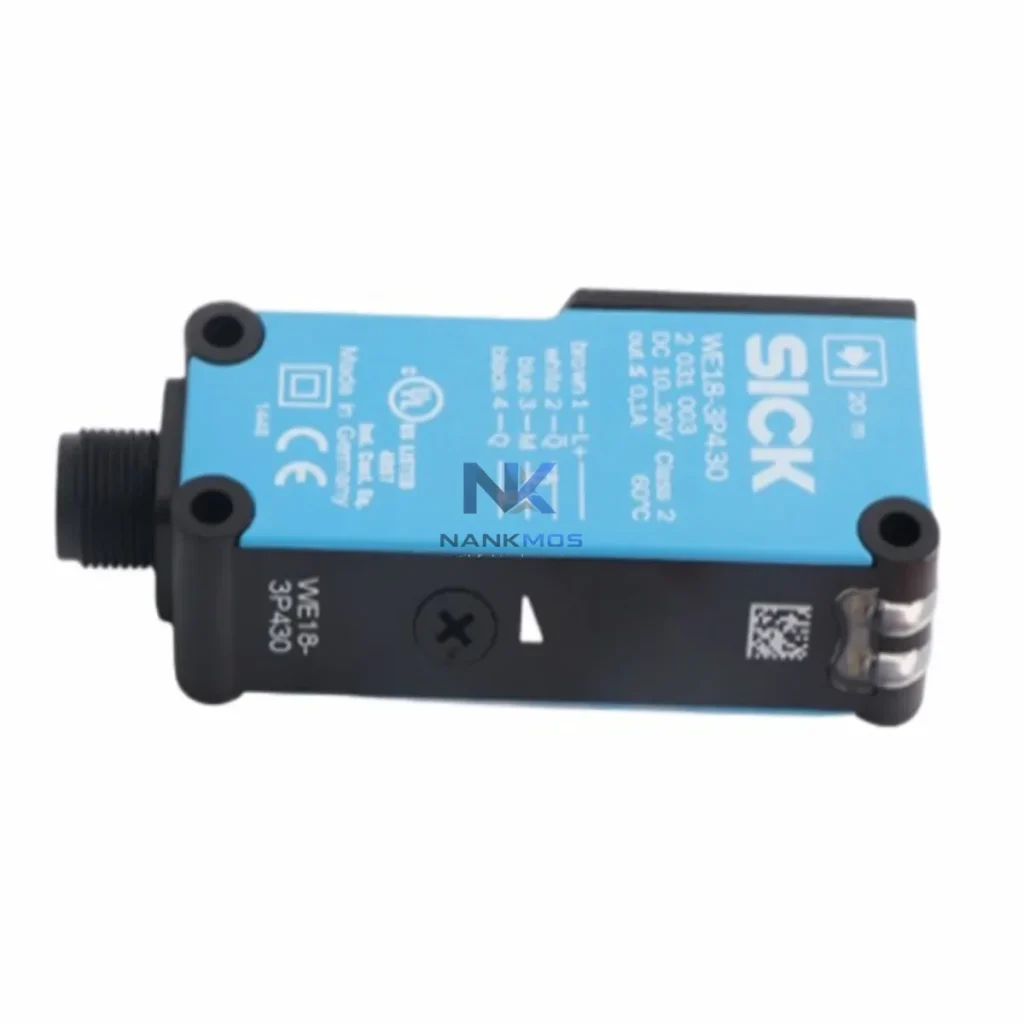
SICK WE18-3P430 is a NANKMOS industrial automation product record Listed under Other series series and Sensors. Confirm condition, availability, lead time, compatibility and documentation by email inquiry.
| Manufacturer | SICK |
|---|---|
| Application | Industrial Automation Maintenance |
| Part Number / Model | WE18-3P430 |
| Compatible System | Confirmed by inquiry |
| Condition Options | To Confirm |
| Module Type | Sensors |
| Warranty | 12 Months |
| Packaging | Anti-static Bag / Secure Box |
| Shipping Methods | DHL / FedEx / UPS / Air / Sea |
| Availability | To Confirm |
| Lead Time | To Confirm |
| Documentation | Part number and revision checked before quote |
The SICK WE18-3P430 is a W18 series miniature photoelectric sensor engineered for energy-conscious industrial environments where detection accuracy, low standby consumption, and seamless integration with smart production architectures are non-negotiable. Designed for continuous-duty cycles in manufacturing cells, assembly lines, and material handling systems, the WE18-3P430 delivers reliable object detection while contributing measurably to facility-wide energy optimization strategies.
In modern smart factories, every sensor node contributes to the aggregate energy profile of the production floor. The SICK WE18-3P430 integrates directly into energy-aware automation architectures by connecting to digital input modules on platforms such as the Siemens ET 200SP distributed I/O or Beckhoff EL1008 EtherCAT terminal, enabling the PLC — whether a Siemens S7-1500 or an Omron NX102 — to act on detection signals with sub-millisecond response latency. This tight integration eliminates polling delays that waste CPU cycles and indirectly inflate energy overhead.
When paired with a SICK MSC800 modular safety controller or a Pilz PNOZmulti 2 safety relay, the WE18-3P430 supports zone-based machine guarding that allows selective power-down of idle conveyor segments — a direct contributor to load management and reduced peak demand charges. In servo-driven assembly cells, the sensor's output feeds into a Siemens SINAMICS G120 variable frequency drive or a Yaskawa GA700 drive controller, triggering speed ramp-down sequences when no workpiece is detected, cutting motor energy consumption during gap intervals by up to 30%.
For facilities deploying SCADA-level energy monitoring via Wonderware System Platform or Ignition by Inductive Automation, the WE18-3P430's detection events — aggregated through a Siemens S7-1500 with PROFINET or a Beckhoff CX2040 IPC — provide granular production-cycle timestamps that correlate directly with energy meter readings from a Carlo Gavazzi EM24 power monitoring module. This correlation enables energy managers to identify high-consumption micro-events and optimize machine sequencing accordingly.
The sensor's compact W18 housing also reduces thermal load in control enclosures. Unlike older inductive proximity sensors that generate significant heat at high switching frequencies, the WE18-3P430's LED-based emitter operates at a fraction of the thermal output, reducing the duty cycle of enclosure cooling fans and lowering HVAC energy demand in panel rooms — a secondary but measurable efficiency gain in high-density automation cabinets.
Production line energy optimization is no longer limited to drive efficiency or compressed air management — sensor-level intelligence now plays a critical role in reducing non-productive energy consumption. The SICK WE18-3P430 contributes to this strategy at three levels: detection accuracy, signal latency, and system integration depth.
At the detection level, the WE18-3P430's precise switching point and minimal hysteresis ensure that downstream actuators — pneumatic cylinders, servo axes, or conveyor motors — are triggered only when a valid workpiece is confirmed. False triggers caused by sensor drift or misalignment are a hidden source of energy waste: each unnecessary actuator cycle consumes compressed air, electrical energy, and mechanical wear. The WE18-3P430's stable detection window, maintained across the full 10–30 V DC supply range, eliminates this waste category.
At the system level, integrating the WE18-3P430 into a SICK Inspector PI50 vision system or alongside a SICK TiM571 LiDAR scanner enables multi-modal presence detection that supports adaptive line speed control. When the PLC receives correlated inputs from both the photoelectric sensor and the vision system, it can command the SINAMICS S120 multi-axis drive system to modulate conveyor belt speed in real time — matching throughput to actual part flow rather than running at fixed maximum speed. This alone can reduce conveyor motor energy consumption by 15–25% in mixed-product assembly environments.
Predictive maintenance integration further amplifies energy savings. By logging WE18-3P430 switching frequency data through the Siemens S7-1500 to a MindSphere IoT platform or a local OPC-UA server, maintenance teams can detect gradual lens contamination or alignment drift before it causes false triggers or missed detections. Proactive sensor maintenance prevents unplanned downtime — which is itself an energy-intensive event, as restart sequences for injection molding machines, industrial ovens, or CNC machining centers consume significant surge power. All units ship tested and verified, backed by a 12-month warranty and supported by in-stock inventory for rapid replacement without production interruption.
Q1: How does the SICK WE18-3P430 contribute to measurable energy savings on a production line?The WE18-3P430 reduces energy waste through precise, low-latency detection that eliminates false actuator triggers, enables adaptive drive speed control via PLC integration, and supports zone-based power management when connected to safety controllers. Its low quiescent current (≤ 30 mA) also reduces baseline power draw across multi-sensor installations.
Q2: Is the WE18-3P430 compatible with major PLC and drive platforms?Yes. The sensor's PNP NO output is compatible with Siemens S7-1200/1500, Omron NX/NJ, Beckhoff EtherCAT I/O, and Mitsubishi MELSEC iQ-R series PLCs. It integrates with SINAMICS G120/S120 and Yaskawa GA700 drives for speed-adaptive control, and supports PROFINET, EtherCAT, and DeviceNet gateway modules for network-level energy monitoring.
Q3: What is the recommended replacement or upgrade path for aging photoelectric sensors in energy optimization projects?For direct replacement, the WE18-3P430 is a drop-in substitute for earlier SICK W18-3 series variants. For upgrade projects targeting enhanced energy analytics, pairing the WE18-3P430 with a SICK SIG200 signal conditioner or integrating its output into a SICK FX3 safety controller enables event-level energy logging without additional hardware investment.
Q4: What testing and warranty coverage is provided?Every WE18-3P430 unit is tested and verified before shipment, covering switching accuracy, output signal integrity, and IP67 sealing. A 12-month warranty is included from the date of purchase. In-stock inventory ensures same-week dispatch for replacement units, minimizing production downtime risk for facilities operating on tight maintenance schedules.
Functional Inspection100% tested on professional platforms to ensure stable performance.
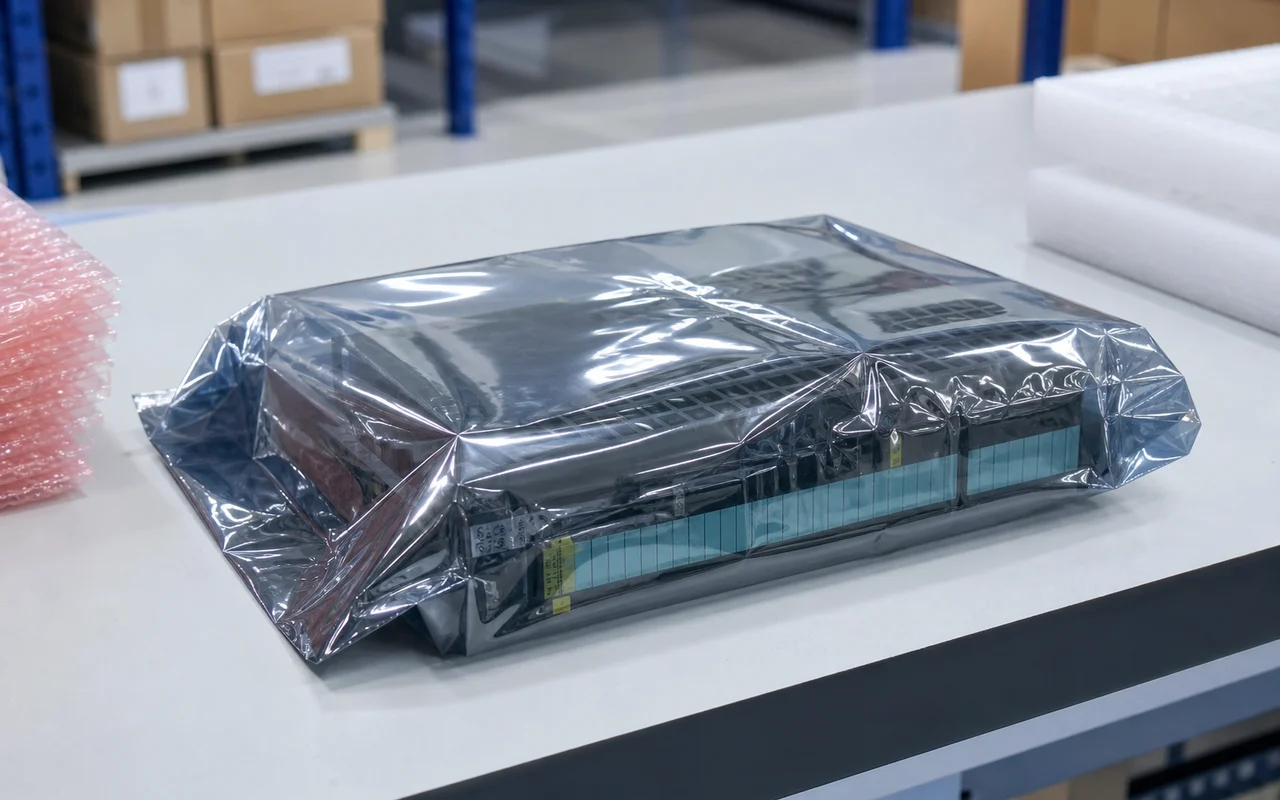 Anti-static Packaging
Modules are packed in anti-static bags to prevent electrostatic damage.
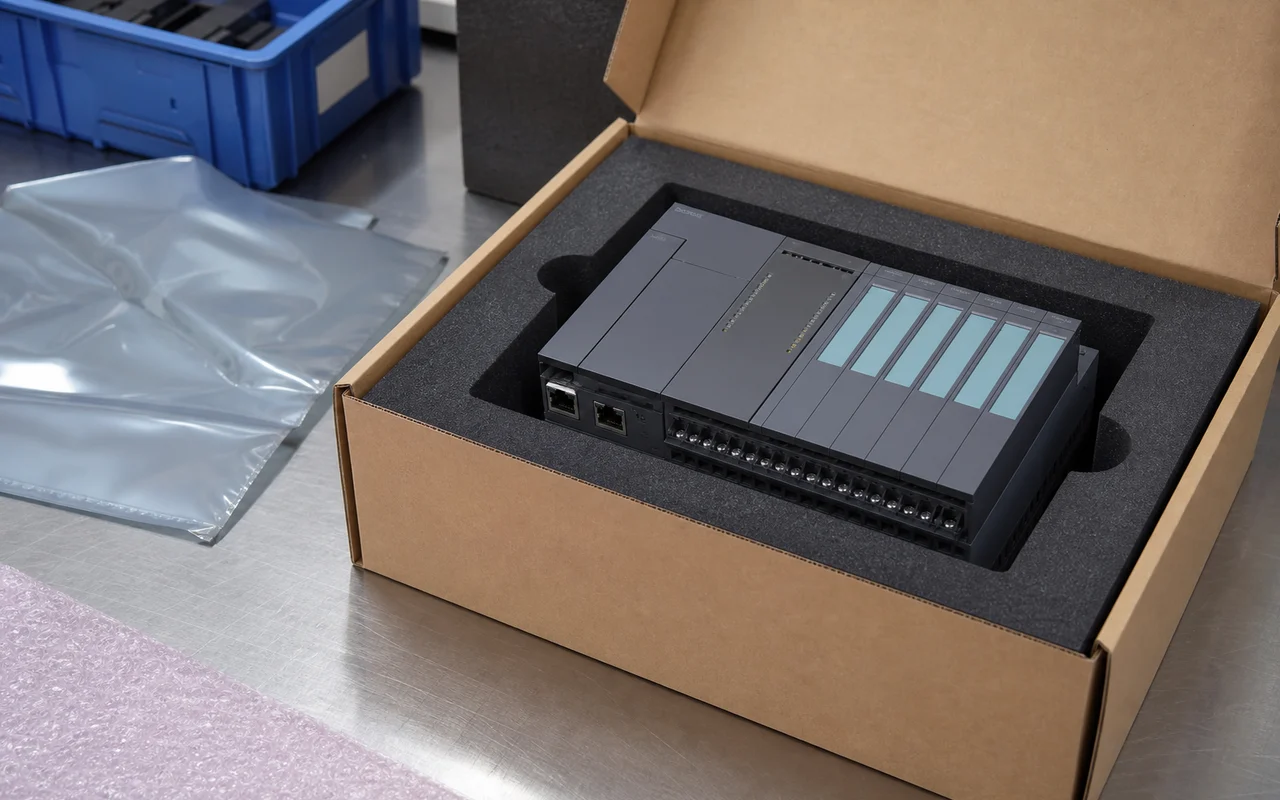 Secure Export Packing
Cushion protection and strong cartons ensure safe transportation.
 Worldwide Shipping
Global logistics network supports air, sea and express delivery.
 Documentation Check
Part number, revision and compatibility verified before shipment.
 After-sales Support
Professional technical support to help resolve your issues.