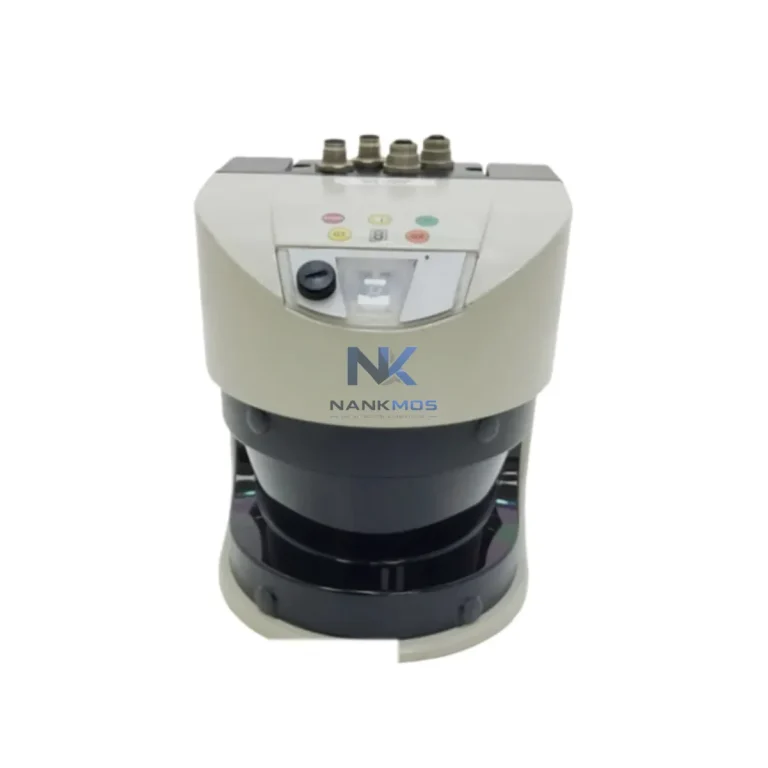
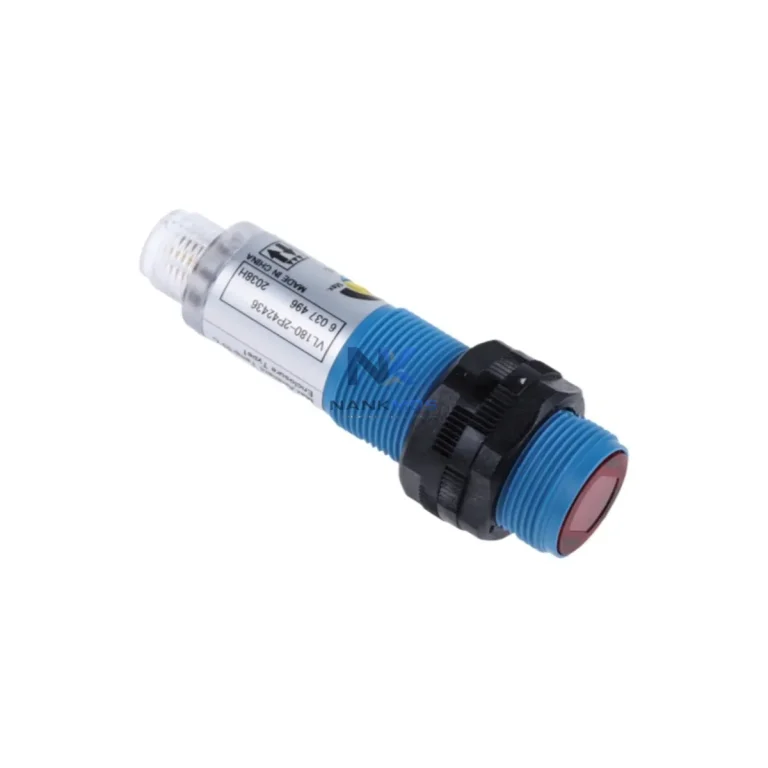
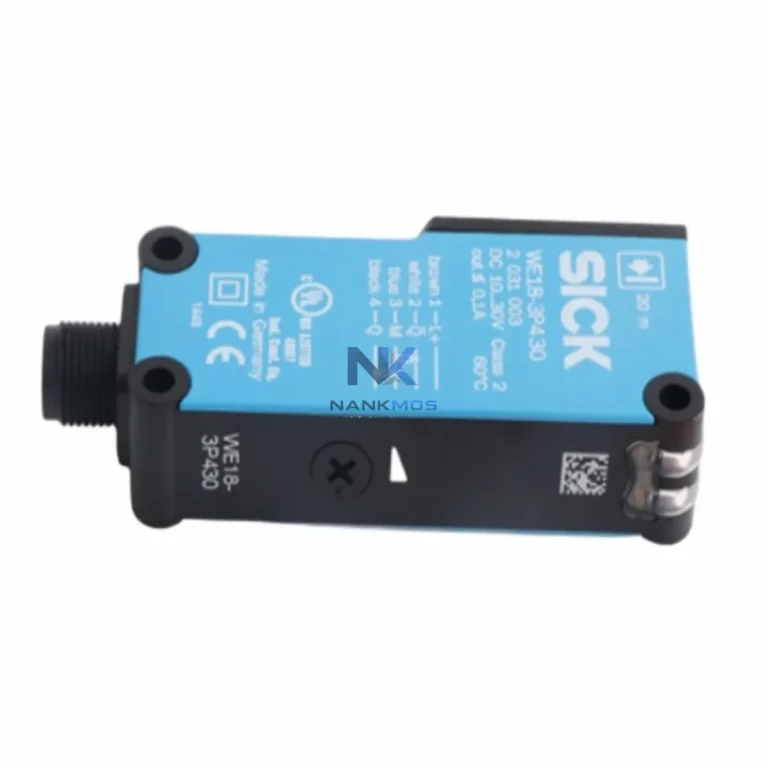
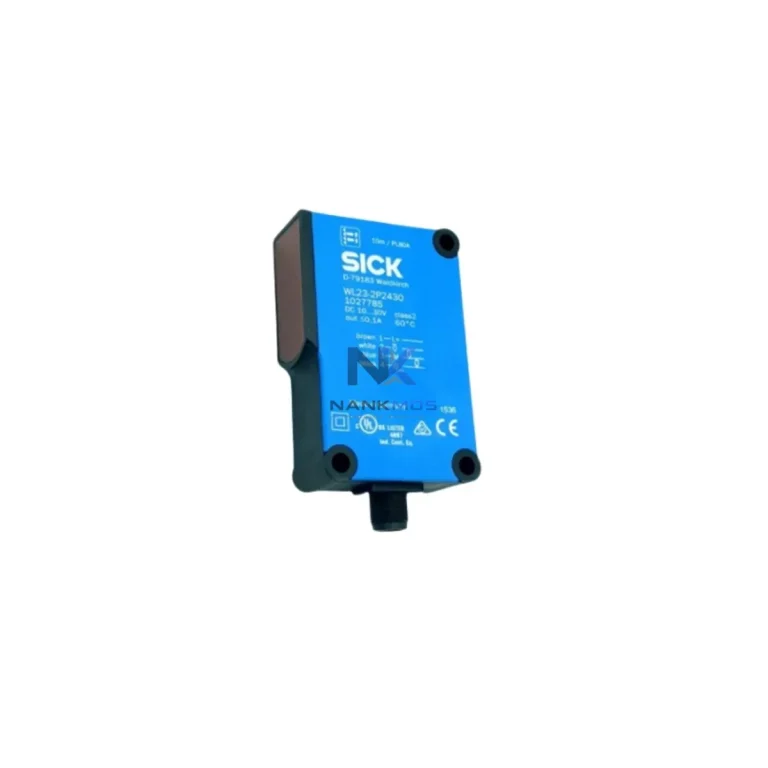
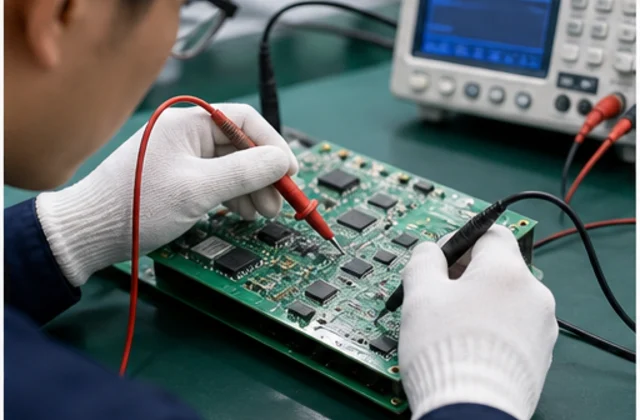
 Functional Inspection
100% tested on professional platforms to ensure stable performance.
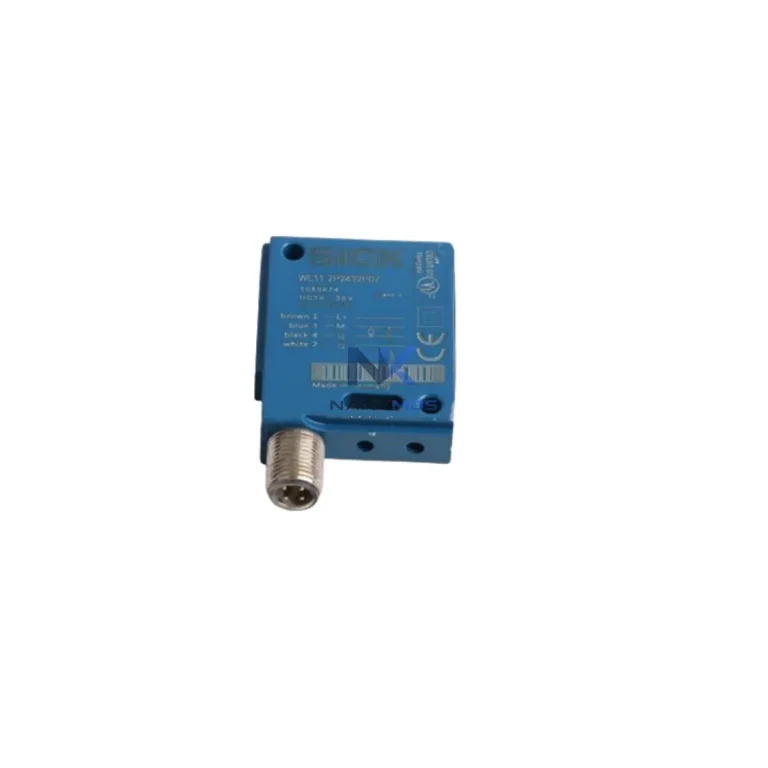
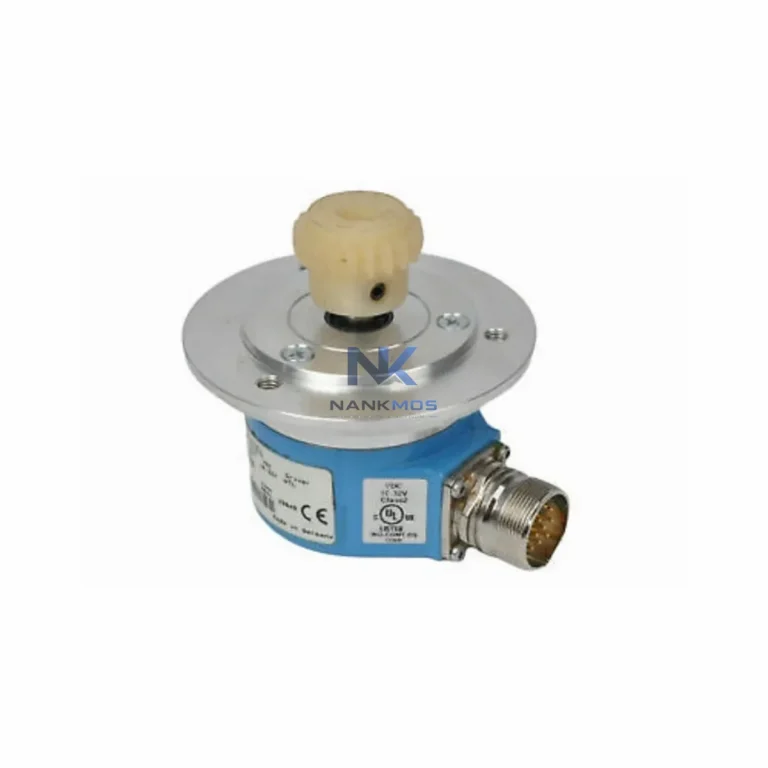
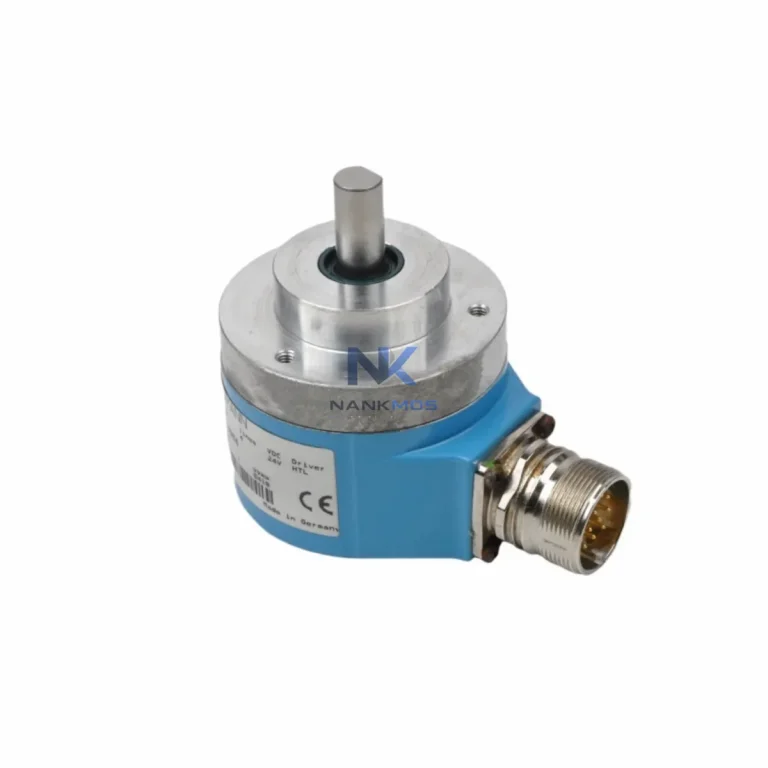
SICK WS18-3D430 is a NANKMOS industrial automation product record Listed under Other series series and Sensors. Confirm condition, availability, lead time, compatibility and documentation by email inquiry.
Brand names are used for identification only.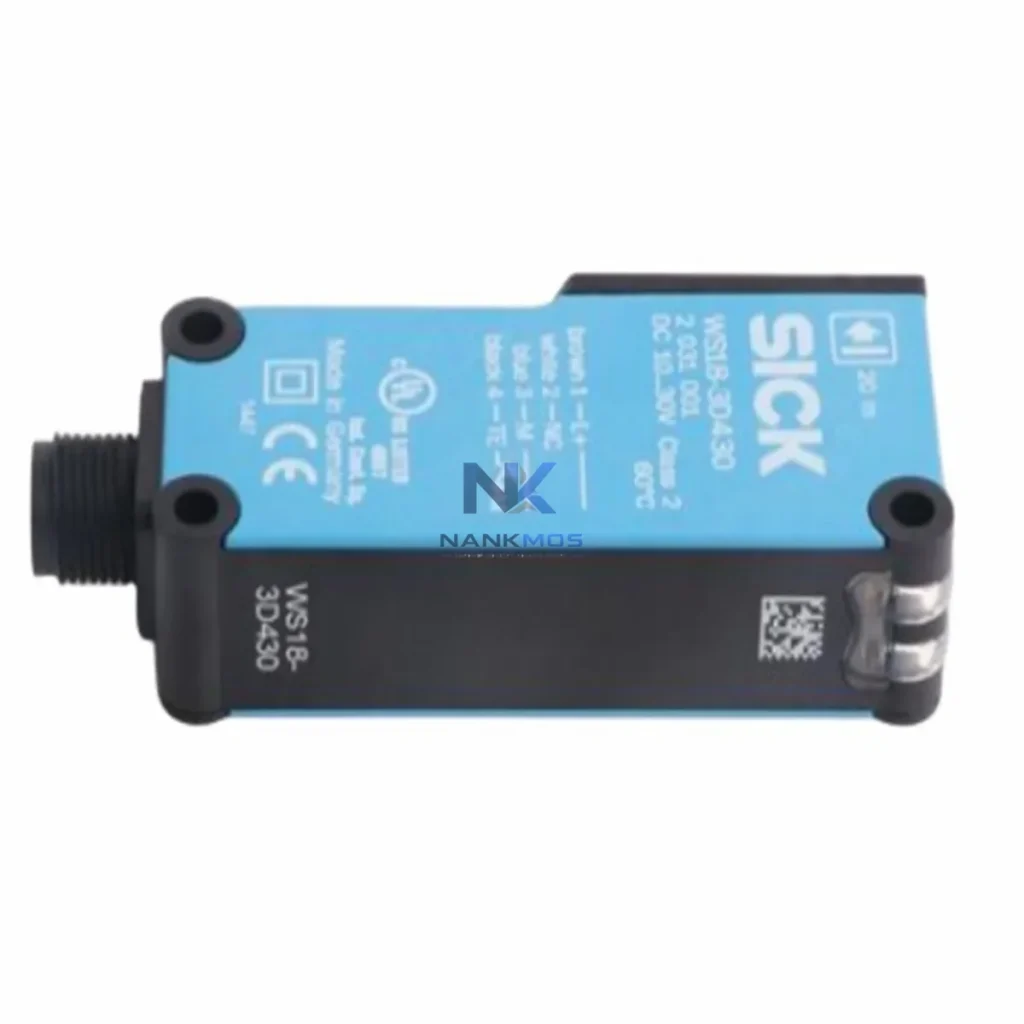
SICK WS18-3D430 is a NANKMOS industrial automation product record Listed under Other series series and Sensors. Confirm condition, availability, lead time, compatibility and documentation by email inquiry.
| Manufacturer | SICK |
|---|---|
| Application | Industrial Automation Maintenance |
| Part Number / Model | WS18-3D430 |
| Compatible System | Confirmed by inquiry |
| Condition Options | To Confirm |
| Module Type | Sensors |
| Warranty | 12 Months |
| Packaging | Anti-static Bag / Secure Box |
| Shipping Methods | DHL / FedEx / UPS / Air / Sea |
| Availability | To Confirm |
| Lead Time | To Confirm |
| Documentation | Part number and revision checked before quote |
The SICK WS18-3D430 is a compact W18 Series photoelectric sensor engineered for seamless integration into modern industrial data networks. With native IO-Link communication, a 430 mm sensing range, and IP67-rated protection, this sensor bridges the gap between field-level detection and upper-layer automation systems — delivering real-time process data directly into SCADA platforms, PLC controllers, and edge computing nodes. In smart factory environments where every millisecond of signal latency and every byte of diagnostic data matters, the WS18-3D430 provides the connectivity backbone that keeps production lines transparent, responsive, and continuously optimized.
In a fully connected smart factory, the WS18-3D430 acts as the first node in a multi-layer data chain. At the field level, the sensor detects object presence, distance, or part positioning and transmits structured process values and diagnostic parameters over IO-Link to an IO-Link Master — such as the SICK AL1300 or compatible third-party IO-Link Master modules. From the IO-Link Master, data is forwarded upstream via industrial Ethernet protocols including PROFINET or EtherNet/IP to a SICK S300 Safety Controller or a Siemens S7-1500 PLC CPU, where logic decisions are executed in real time.
Parallel to the control layer, process data is simultaneously routed to an industrial managed Ethernet switch — such as those in the SICK or Hirschmann families — ensuring deterministic, low-latency transmission across the plant network. A SICK SIM4000 IO-Link gateway or equivalent edge gateway aggregates sensor data streams from multiple WS18-3D430 units deployed across conveyor lines, robotic cells, and assembly stations, normalizing the data before forwarding it to a SCADA server or cloud-based MES platform.
At the visualization layer, operators interact with HMI panels — such as Siemens TP1200 Comfort or SICK InspectorP series vision systems — to monitor real-time object detection rates, sensor health status, and process throughput. Alarm thresholds configured in the SCADA system trigger immediate notifications when the WS18-3D430 reports signal degradation, contamination warnings, or out-of-range detection events — all delivered as structured IO-Link diagnostic data rather than simple binary fault signals.
For remote diagnostics, the WS18-3D430's IO-Link interface enables parameter read/write operations from the control room without physical access to the sensor. Maintenance engineers can remotely adjust sensitivity, switching hysteresis, and output logic through the IO-Link master's web interface or via a SICK SOPAS Engineering Tool connected over the plant network. This capability dramatically reduces mean time to repair (MTTR) and supports predictive maintenance workflows integrated with remote I/O modules such as the SICK FX3-XTIO or Turck BL20 series.
When the WS18-3D430 is deployed alongside SICK DFS60 encoders on servo-driven conveyor systems, the combined data stream — position feedback plus object detection — feeds directly into motion controllers and drive systems such as the SICK MSC800 motor feedback system or Siemens SINAMICS G120 variable frequency drives. This integration enables closed-loop speed regulation triggered by real-time object detection events, eliminating the need for separate PLC scan cycles and reducing system response latency to sub-millisecond levels.
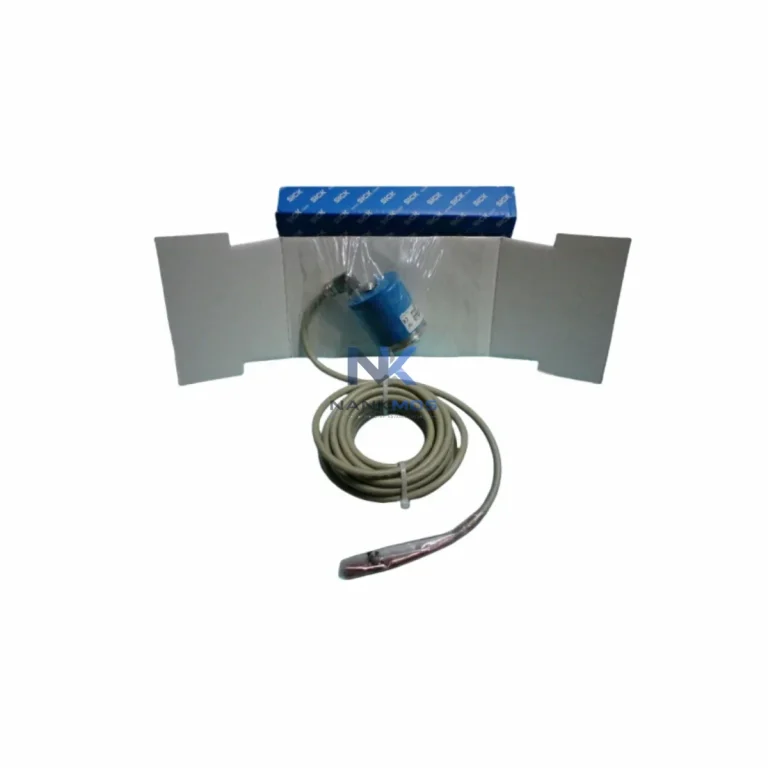
All units are shipped after full functional testing. In-stock inventory ensures rapid dispatch to support urgent project timelines, and every WS18-3D430 is covered by a 12-month warranty from the date of shipment.
Many automation sites still operate with legacy sensors that output only binary ON/OFF signals — providing no diagnostic data, no parameter transparency, and no remote configurability. When these sensors fail or drift, the only indication is a machine stoppage, and the only remedy is a physical site visit. The WS18-3D430 eliminates this data gap by replacing dumb binary outputs with a rich IO-Link data channel that continuously streams signal quality metrics, operating hours, temperature readings, and contamination alerts to the control system.
Protocol fragmentation is another common challenge: sensors on one part of the line may speak IO-Link, while PLCs upstream expect PROFINET, and the SCADA system consumes OPC-UA. The WS18-3D430 resolves this by connecting to an IO-Link Master gateway that handles protocol translation transparently — no custom middleware, no proprietary drivers. The sensor's standardized IO-Link Device Description (IODD) file ensures plug-and-play compatibility with any IO-Link Master from any vendor, dramatically simplifying system integration and reducing commissioning time.
For production line transparency, the WS18-3D430 supports cycle counting and object detection logging that feeds directly into OEE dashboards and MES reporting modules. Alarm tracking is fully automated: when detection reliability drops below a configured threshold, the sensor raises a process warning via IO-Link before a fault condition occurs — giving maintenance teams advance notice to schedule cleaning or replacement during planned downtime rather than emergency shutdowns. System expansion is equally straightforward: additional WS18-3D430 units can be added to any IO-Link Master port without network reconfiguration, supporting modular line extensions and rapid retooling for new product variants.
Q1: What is the communication latency of the WS18-3D430 over IO-Link? The WS18-3D430 operates at IO-Link COM2 speed (38.4 kBaud), with a minimum cycle time of approximately 2.3 ms. For time-critical applications, the sensor can be paired with a high-speed IO-Link Master configured for minimum cycle polling, ensuring detection events reach the PLC within one scan cycle.
Q2: Is the WS18-3D430 compatible with PROFINET and EtherNet/IP networks? The WS18-3D430 connects to PROFINET and EtherNet/IP networks via an IO-Link Master gateway — such as the SICK AL1300 or equivalent devices from Balluff, Turck, or ifm. The IO-Link Master handles protocol conversion transparently, and the sensor's IODD file enables automatic device recognition in TIA Portal, Studio 5000, and other engineering environments.
Q3: Can the WS18-3D430 be remotely diagnosed and reconfigured without stopping the line? Yes. IO-Link enables full parameter read/write access while the sensor is online and the machine is running. Using SICK SOPAS Engineering Tool or any IO-Link-capable asset management system, engineers can remotely adjust switching distance, output polarity, and response time, and retrieve diagnostic counters — all without physical access to the sensor or line stoppage.
Q4: What warranty and stock availability does NANKMOS provide for the WS18-3D430? NANKMOS stocks the WS18-3D430 and ships after full outgoing inspection and functional testing. Every unit is covered by a 12-month warranty from the date of shipment, covering manufacturing defects and functional failures under normal operating conditions. Expedited shipping is available for urgent project requirements.
Functional Inspection100% tested on professional platforms to ensure stable performance.
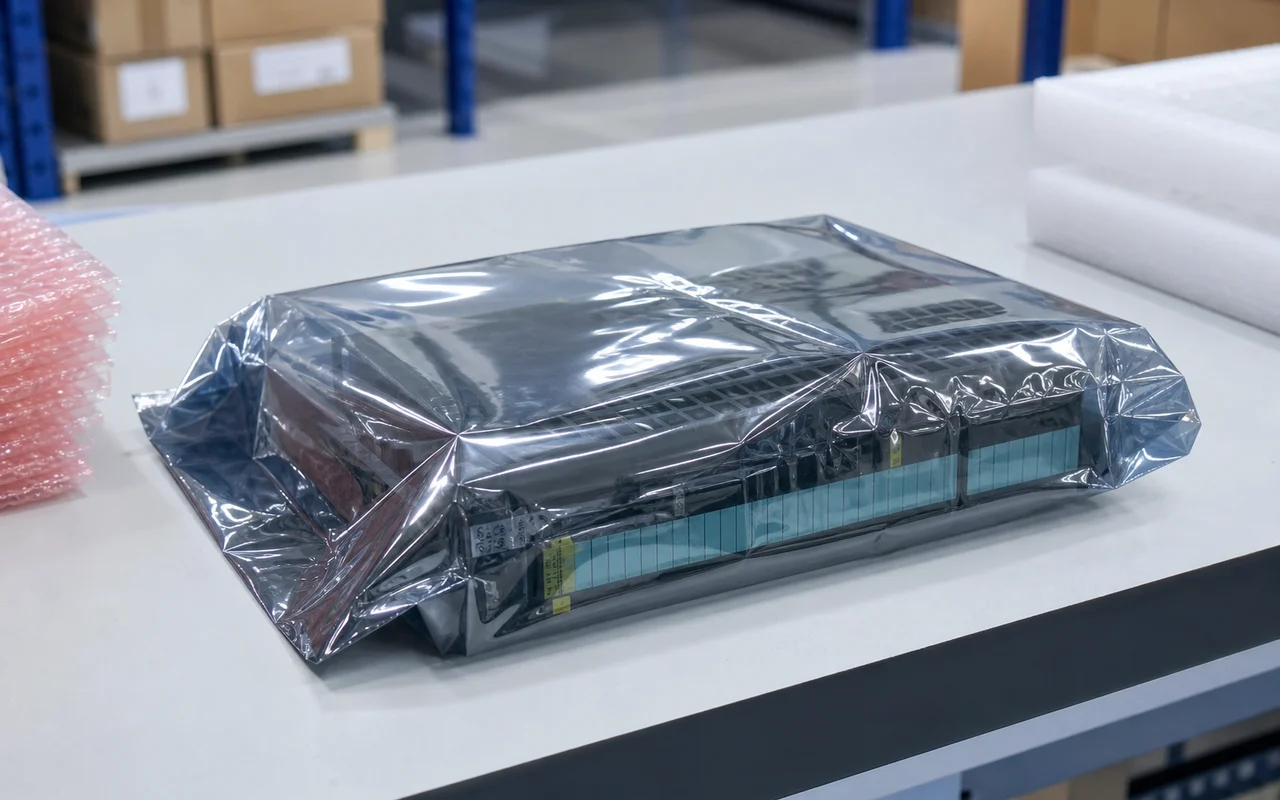 Anti-static Packaging
Modules are packed in anti-static bags to prevent electrostatic damage.
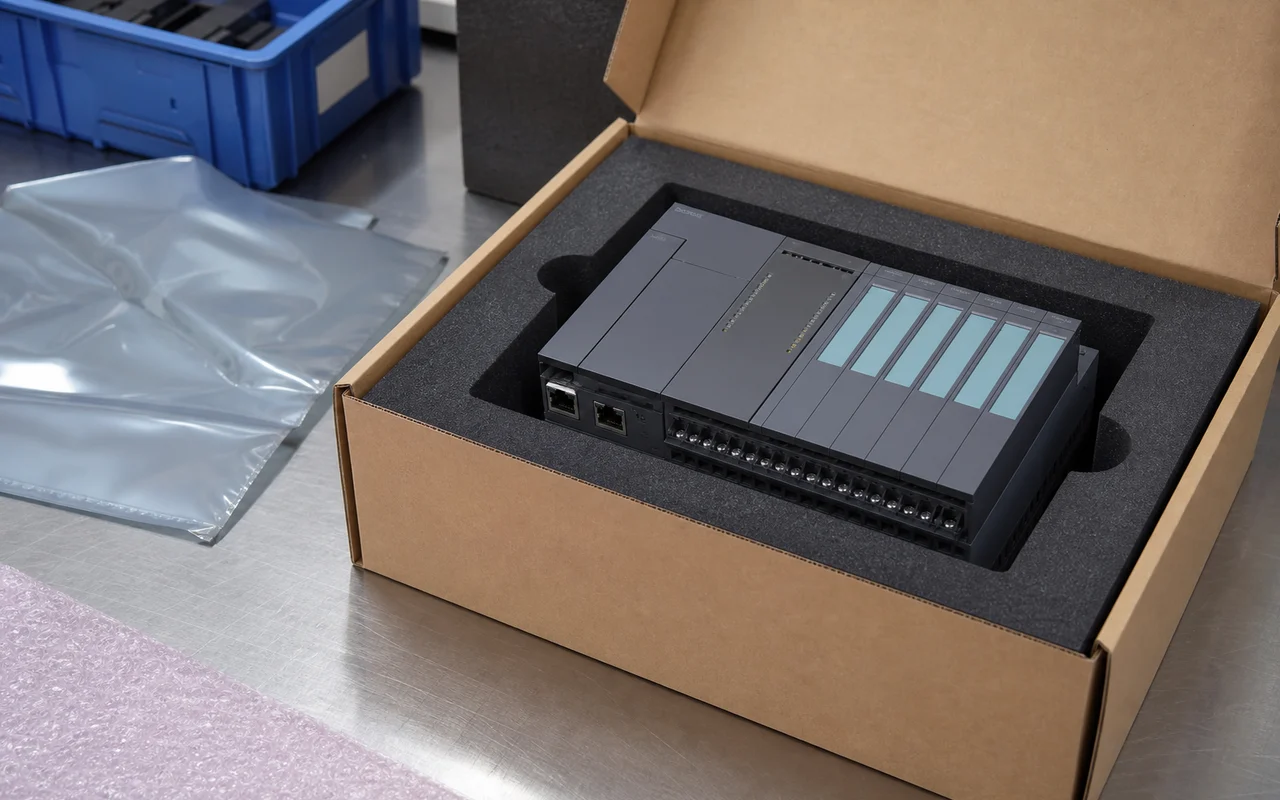 Secure Export Packing
Cushion protection and strong cartons ensure safe transportation.
 Worldwide Shipping
Global logistics network supports air, sea and express delivery.
 Documentation Check
Part number, revision and compatibility verified before shipment.
 After-sales Support
Professional technical support to help resolve your issues.