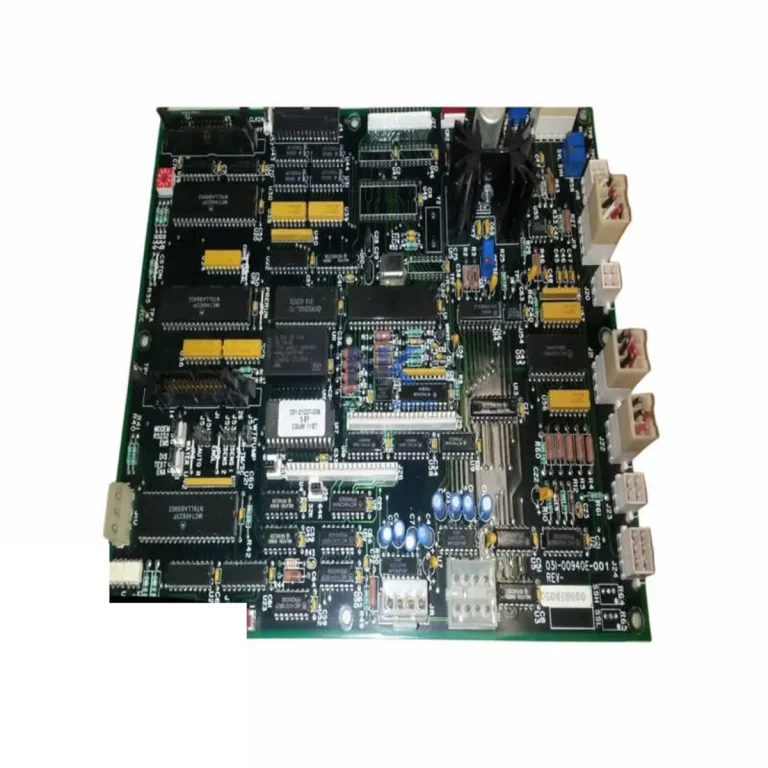
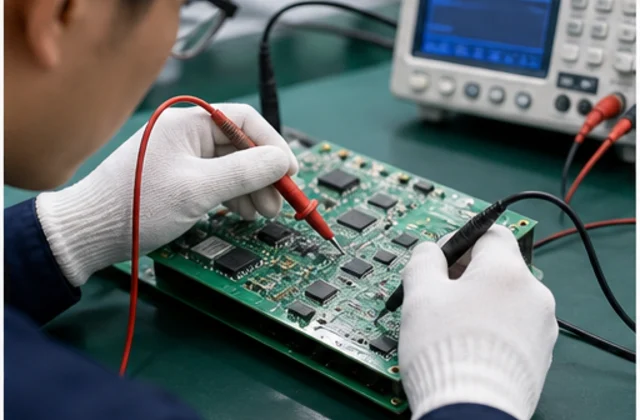
 Functional Inspection
100% tested on professional platforms to ensure stable performance.
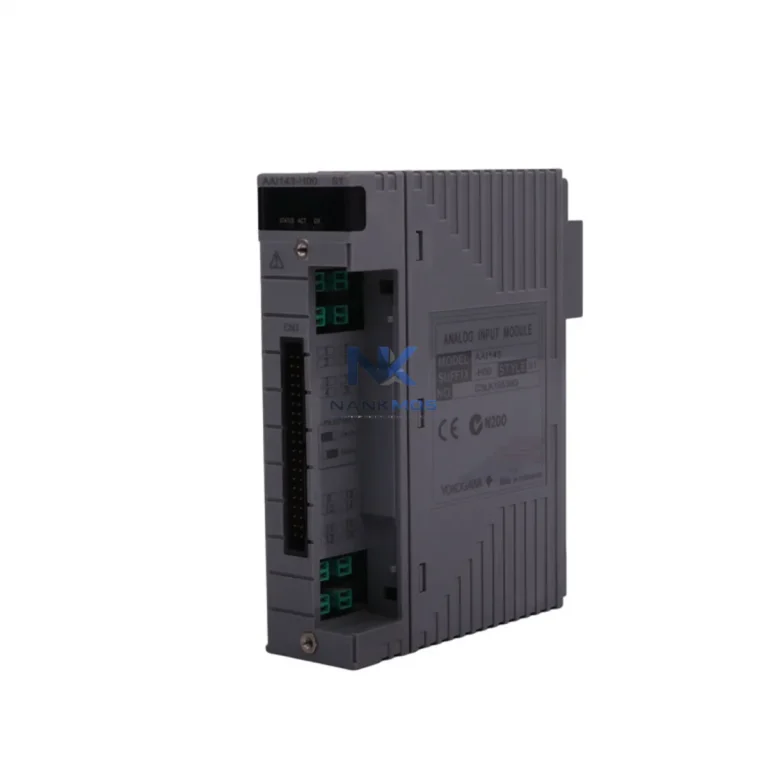
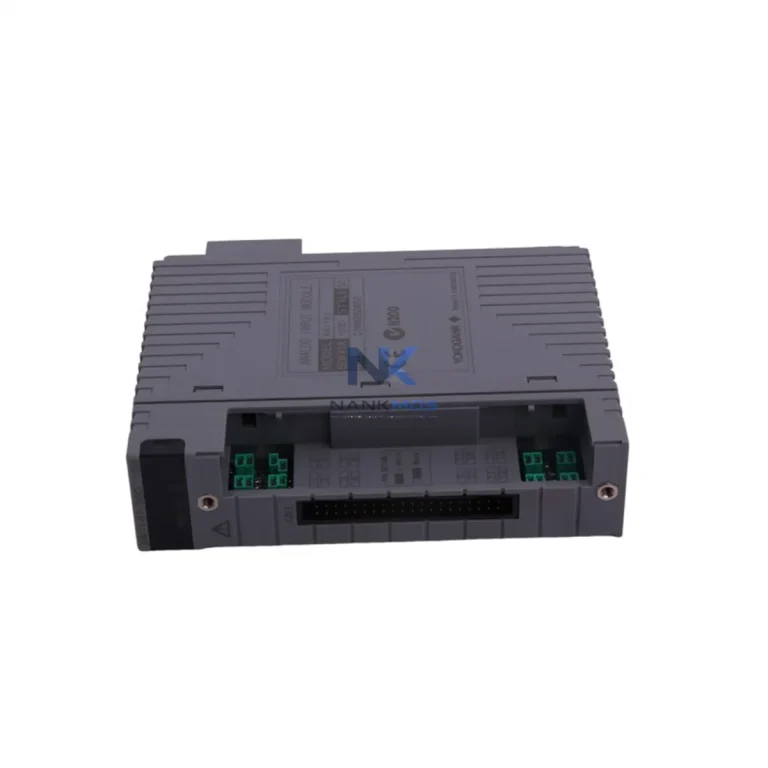
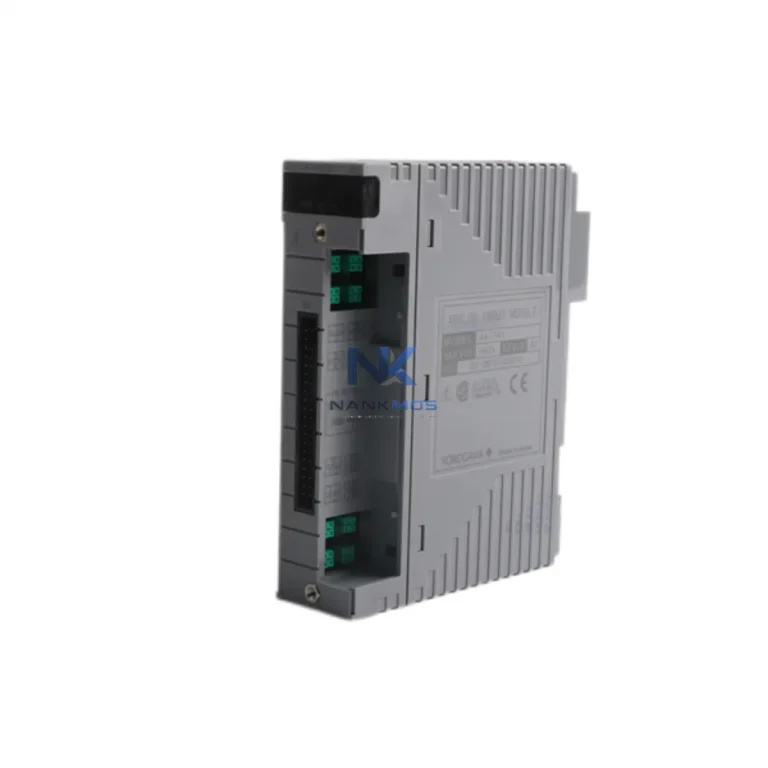
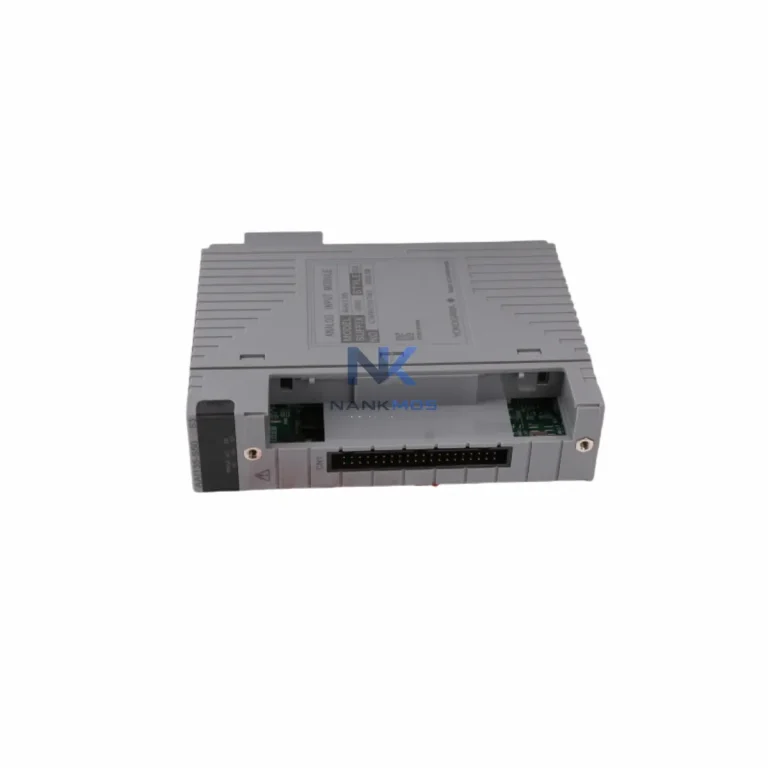
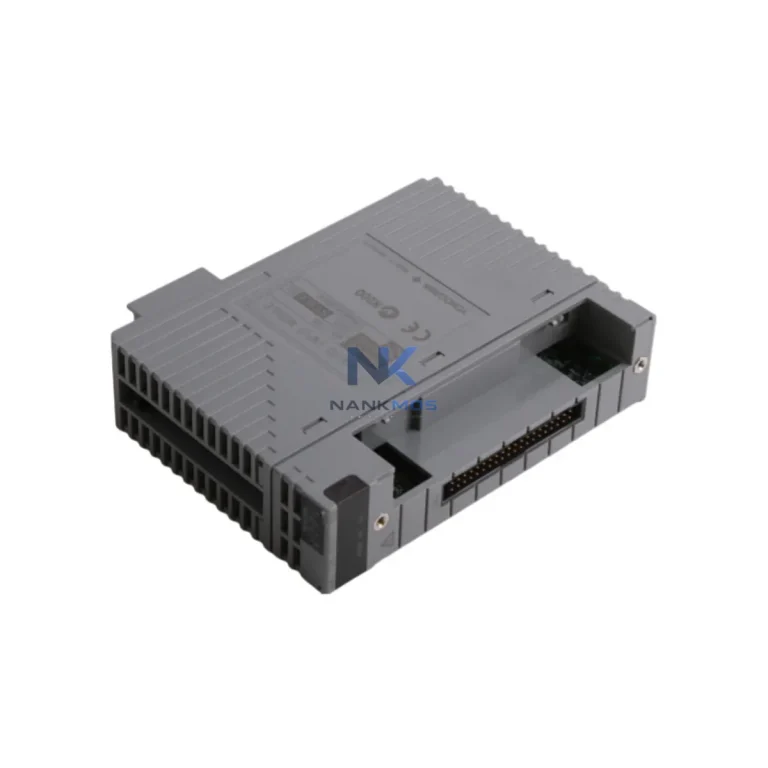
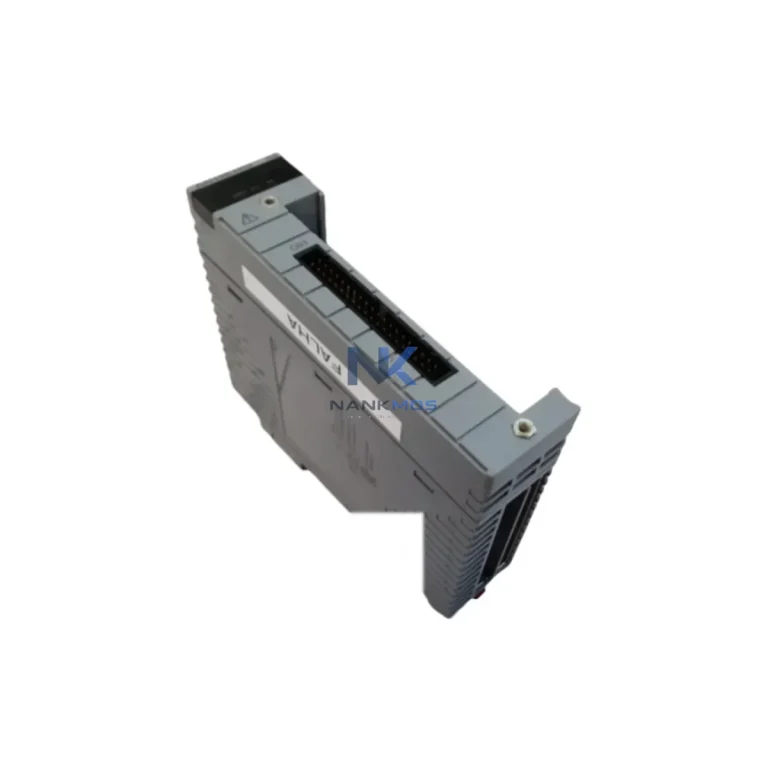
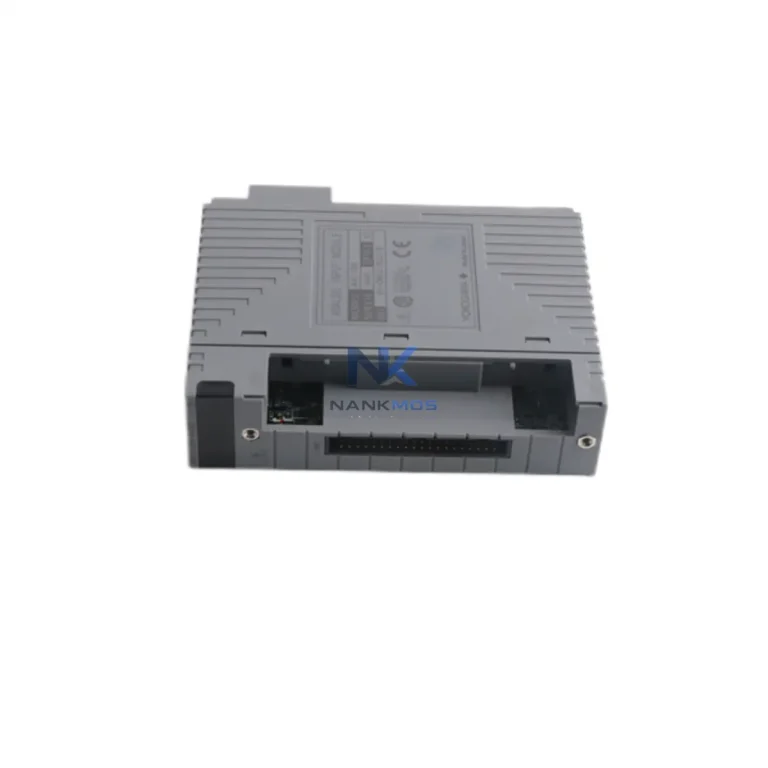
Yokogawa A2EE2A-T is a NANKMOS industrial automation product record Listed under CENTUM VP series and Business & Industrial > Automation, Control & Flow Devices > Programmable Logic Controllers. Confirm condition, availability, lead time, compatibility and documentation by email inquiry.
Brand names are used for identification only.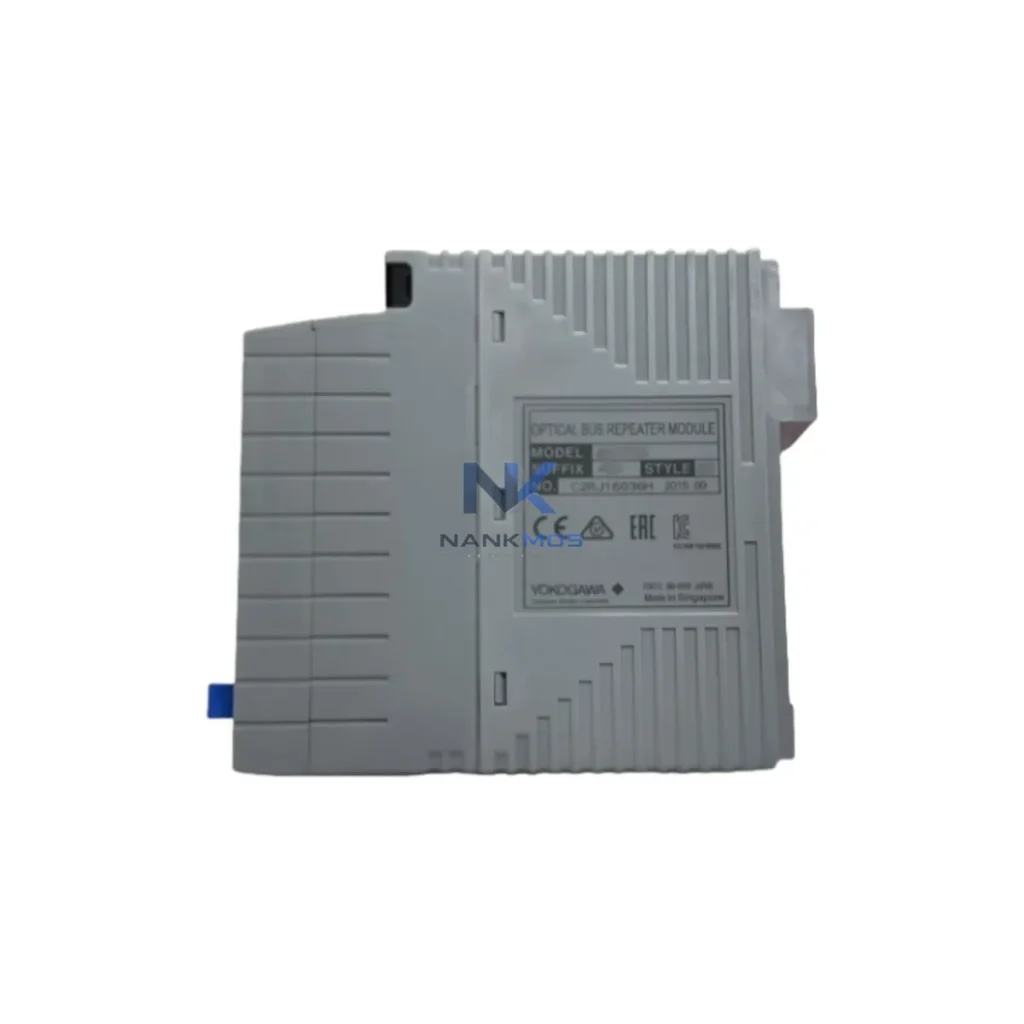
Yokogawa A2EE2A-T is a NANKMOS industrial automation product record Listed under CENTUM VP series and Business & Industrial > Automation, Control & Flow Devices > Programmable Logic Controllers. Confirm condition, availability, lead time, compatibility and documentation by email inquiry.
| Manufacturer | Yokogawa |
|---|---|
| Application | Controller Processing & System Control |
| Part Number / Model | A2EE2A-T |
| Compatible System | CENTUM VP |
| Series | CENTUM VP |
| Condition Options | To Confirm |
| Module Type | Controller / CPU Module |
| Warranty | 12 Months |
| Packaging | Anti-static Bag / Secure Box |
| Shipping Methods | DHL / FedEx / UPS / Air / Sea |
| Availability | To Confirm |
| Lead Time | To Confirm |
| Documentation | Part number and revision checked before quote |
The Yokogawa A2EE2A-T is a precision-engineered I/O Terminal Unit designed for integration within the CENTUM VP Distributed Control System (DCS) platform. Purpose-built for energy-intensive industrial environments — including power generation, petrochemical processing, oil & gas, water treatment, and marine propulsion — this terminal unit delivers reliable signal conditioning, low-power field I/O management, and seamless compatibility with Yokogawa's broader automation ecosystem. As factories and process plants push toward leaner energy profiles and smarter production rhythms, the A2EE2A-T plays a foundational role in reducing unnecessary power draw at the field device level while maintaining full process visibility and control integrity.
Engineered to operate within Yokogawa's CENTUM VP architecture, the A2EE2A-T interfaces directly with field instruments, actuators, and transmitters, converting analog and digital signals into structured data streams that feed upstream controllers, HMI stations, and SCADA systems. Its compact terminal design minimizes wiring complexity and cabinet heat load — two factors that directly contribute to reduced HVAC energy consumption in control rooms and marshalling cabinets. Every signal path is optimized for low-impedance, low-loss transmission, ensuring that field data arrives at the controller with minimal distortion and without requiring signal amplification that would otherwise add to the system's total power budget.
In a fully integrated smart production line, the Yokogawa A2EE2A-T does not operate in isolation — it functions as a critical node within a layered automation and energy management architecture. At the controller level, it connects to the Yokogawa CENTUM VP FCU (Field Control Unit), which orchestrates process logic and manages I/O polling cycles. Efficient polling and interrupt-driven I/O handling reduce unnecessary CPU cycles and associated power consumption at the controller level.
For motor-driven loads — pumps, compressors, fans, and conveyors — the A2EE2A-T provides the analog output signals that command variable frequency drives (VFDs) such as the Yaskawa A1000 or Siemens SINAMICS G120 series. By delivering clean, stable 4–20 mA or 1–5 V control signals, the terminal unit ensures that VFDs receive accurate speed references, preventing over-speed operation and the associated energy waste. Precise motor speed control via the A2EE2A-T can reduce motor energy consumption by 20–40% compared to fixed-speed operation in variable-load applications.
On the power monitoring side, the A2EE2A-T integrates with Yokogawa WT series power analyzers and third-party power quality meters via analog input channels, feeding real-time kW, kVAR, and power factor data into the CENTUM VP historian and energy management dashboards. This closed-loop visibility allows operators to identify energy anomalies — such as a motor drawing 15% above its baseline — and trigger corrective actions before they escalate into thermal failures or unplanned downtime.
At the field level, the A2EE2A-T interfaces with Yokogawa EJA series differential pressure transmitters and YTA series temperature transmitters, collecting process variables that inform energy-efficient setpoint management. When paired with the Yokogawa STARDOM FCN autonomous controller for edge processing, the terminal unit supports distributed energy optimization strategies that reduce round-trip latency between field measurement and control response — a key factor in maintaining tight production rhythms without energy-wasting overcorrection cycles.
Communication integration is handled through the CENTUM VP's built-in Modbus TCP/IP and FOUNDATION Fieldbus gateways, allowing the A2EE2A-T's I/O data to be consumed by OSIsoft PI or Ignition SCADA platforms for enterprise-level energy reporting. The Yokogawa Exaquantum plant information management system can aggregate this data alongside production throughput metrics, enabling energy-per-unit calculations that drive continuous improvement programs.
The Yokogawa A2EE2A-T contributes to production line energy optimization through three primary mechanisms: signal fidelity, thermal load reduction, and system integration density.
Signal Fidelity and Control Precision: Inaccurate field signals are a hidden source of energy waste. When a temperature transmitter signal drifts by even 1–2%, the control system may command a heating element or cooling pump to operate beyond its optimal setpoint, consuming excess energy to compensate for a measurement error rather than a real process deviation. The A2EE2A-T's precision terminal design maintains signal integrity across the full operating temperature range, ensuring that control decisions are based on accurate data — and that actuators, motors, and drives operate at their true optimal points.
Thermal Load Reduction: Every watt dissipated as heat inside a control cabinet must be removed by the cabinet's cooling system, which itself consumes energy. The A2EE2A-T's low-power terminal design minimizes self-heating, reducing the thermal burden on cabinet HVAC units. In large marshalling cabinets with dozens of terminal units, this cumulative reduction in heat generation can meaningfully lower cooling energy demand — particularly in hot climates or high-ambient-temperature plant environments.
System Integration Density: By consolidating multiple I/O channels into a compact terminal form factor, the A2EE2A-T reduces the total number of components required in a control panel. Fewer components mean fewer power supplies, fewer signal conditioners, and fewer potential failure points — all of which contribute to a leaner, more energy-efficient control architecture. This integration density also simplifies preventive maintenance schedules, reducing the frequency of planned shutdowns and the associated production losses.
For predictive maintenance programs, the A2EE2A-T's reliable signal transmission ensures that vibration, temperature, and pressure data from field instruments reaches the CENTUM VP historian without corruption. Clean historical data is the foundation of accurate predictive models — whether built on statistical baselines or machine learning algorithms — that identify equipment degradation before it causes energy-wasting inefficiency or unplanned failure.
All units are pre-shipment tested to verify channel integrity, signal accuracy, and communication handshake with CENTUM VP controllers before dispatch. This factory validation step eliminates the risk of commissioning delays caused by defective terminals — a common source of project cost overruns and schedule-driven energy waste during plant startup phases. Each A2EE2A-T is backed by a 12-month warranty, with in-stock availability ensuring rapid deployment for both new installations and emergency replacement scenarios.
Q1: How does the Yokogawa A2EE2A-T contribute to measurable energy savings on a production line? The A2EE2A-T improves energy efficiency by delivering high-fidelity I/O signals that enable precise control of motors, drives, and actuators. When VFDs and servo drives receive accurate analog references from the terminal unit, they operate at optimal speed and torque setpoints rather than compensating for signal noise with excess power. Additionally, its low self-heating design reduces cabinet cooling loads, contributing to system-level energy savings across the full control panel.
Q2: Is the A2EE2A-T compatible with third-party PLCs and SCADA systems beyond the CENTUM VP platform? The A2EE2A-T is natively designed for the Yokogawa CENTUM VP DCS architecture. Integration with third-party PLCs or SCADA platforms — such as Siemens S7, Allen-Bradley ControlLogix, or Ignition-based systems — is achievable through CENTUM VP's Modbus TCP/IP or OPC-UA gateway interfaces, which translate CENTUM VP I/O data into standard industrial protocols. Consult your system integrator to confirm gateway configuration requirements for your specific control platform.
Q3: What is the recommended replacement or upgrade path if the A2EE2A-T is being substituted in an existing CENTUM VP installation? For direct replacement in existing CENTUM VP installations, the A2EE2A-T is a drop-in compatible unit provided the I/O channel configuration and signal type assignments match the original installation. Before replacement, verify the channel count, signal types (analog input/output, digital input/output), and terminal wiring against the original engineering drawings. Pre-shipment testing on each unit ensures that the replacement terminal is fully functional before it reaches the site, minimizing commissioning time and production disruption.
Q4: What warranty and supply assurance does NANKMOS provide for the Yokogawa A2EE2A-T? NANKMOS provides a 12-month warranty on the Yokogawa A2EE2A-T, covering functional defects under normal operating conditions. Units are held in stock and dispatched promptly to support both planned procurement and emergency replacement requirements. Each unit undergoes functional pre-shipment testing before dispatch to verify signal integrity and system compatibility. For volume procurement or project-based supply scheduling, contact NANKMOS directly to discuss lead times and supply assurance arrangements.
Functional Inspection100% tested on professional platforms to ensure stable performance.
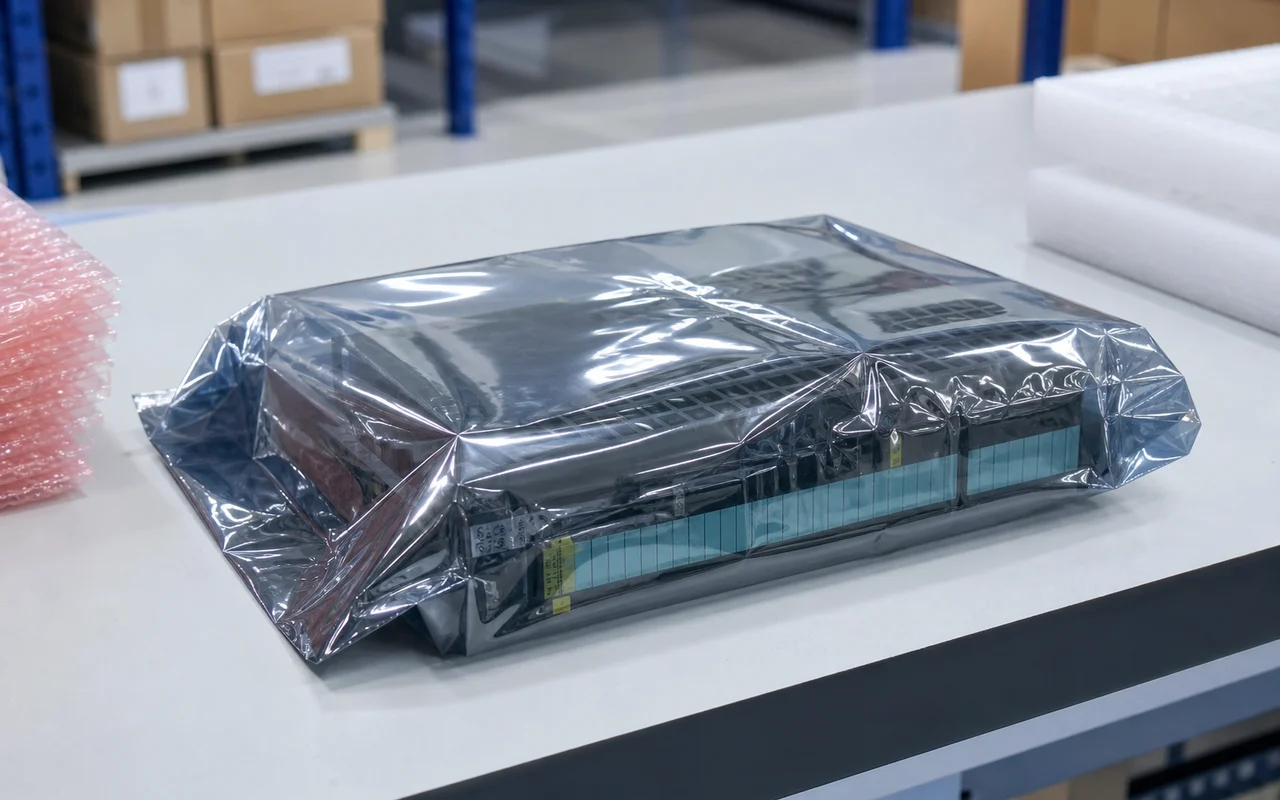 Anti-static Packaging
Modules are packed in anti-static bags to prevent electrostatic damage.
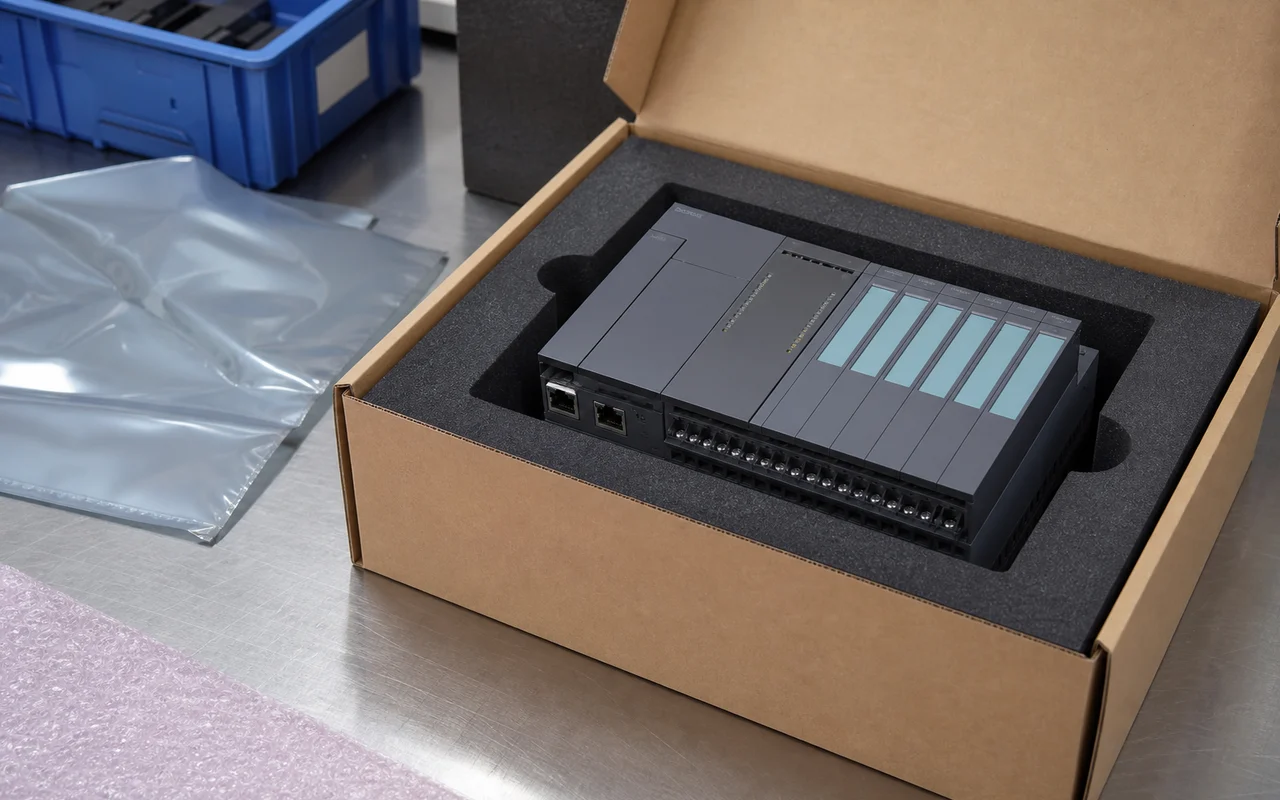 Secure Export Packing
Cushion protection and strong cartons ensure safe transportation.
 Worldwide Shipping
Global logistics network supports air, sea and express delivery.
 Documentation Check
Part number, revision and compatibility verified before shipment.
 After-sales Support
Professional technical support to help resolve your issues.