 Functional Inspection
100% tested on professional platforms to ensure stable performance.
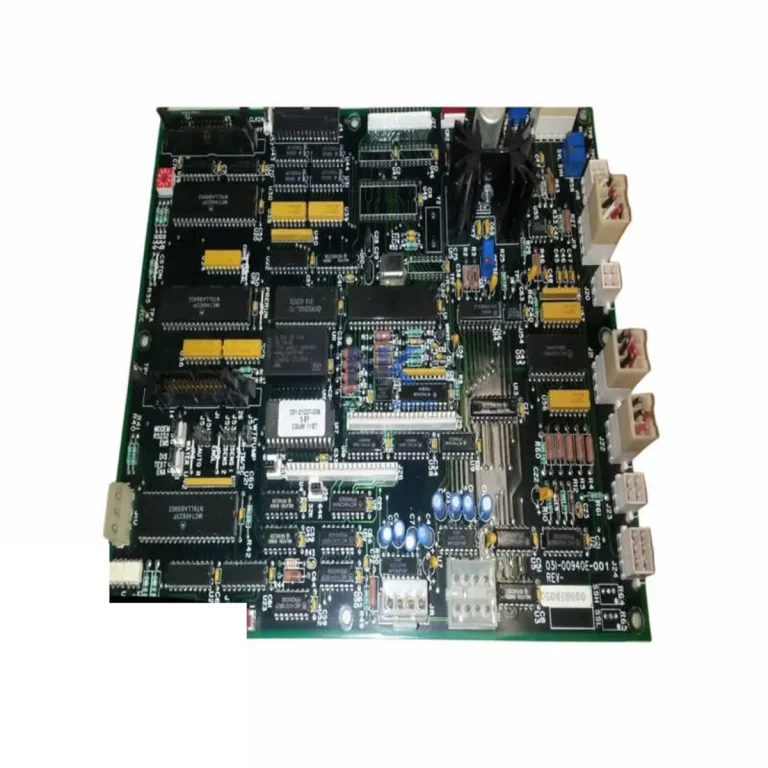
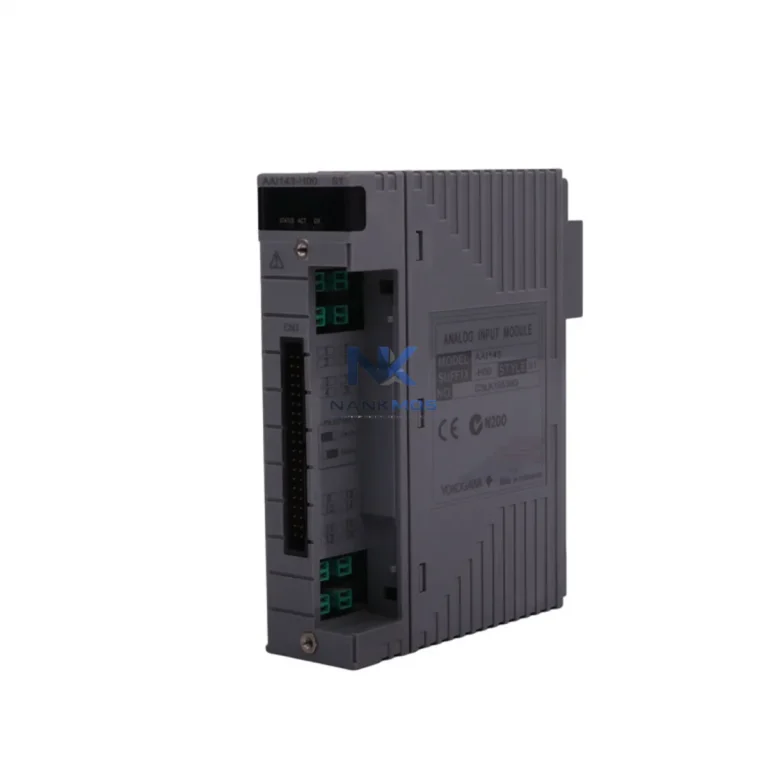
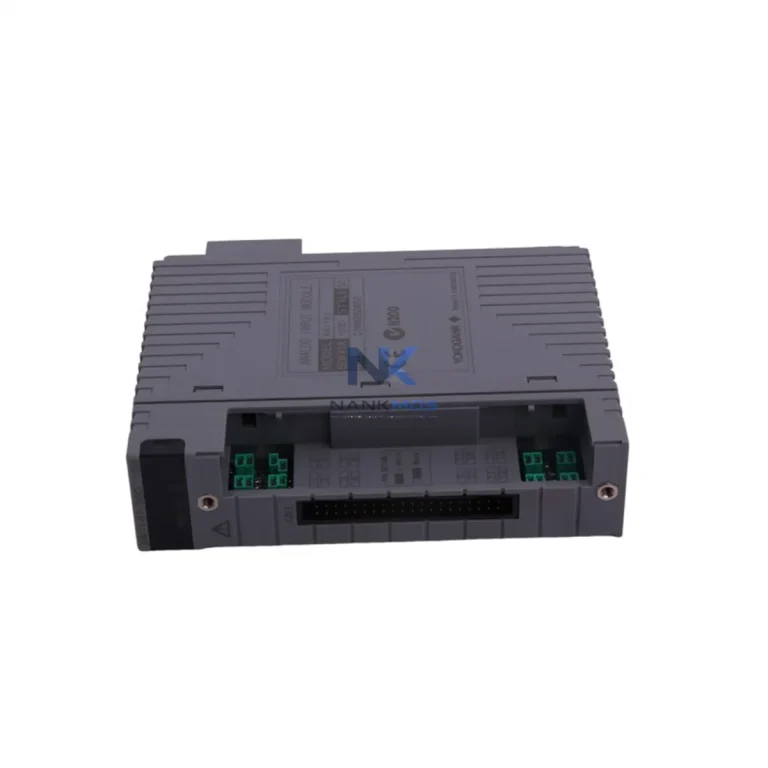
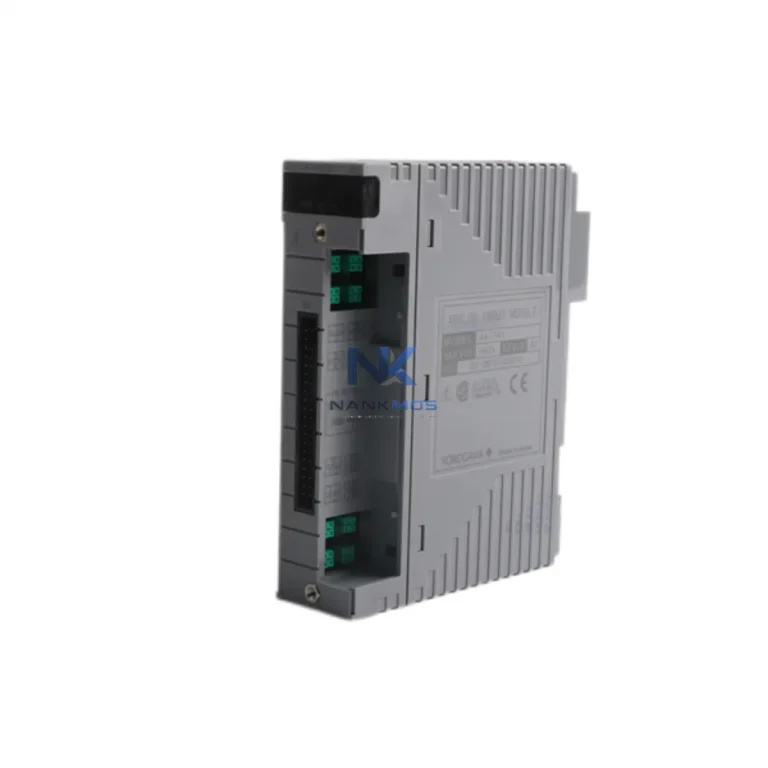
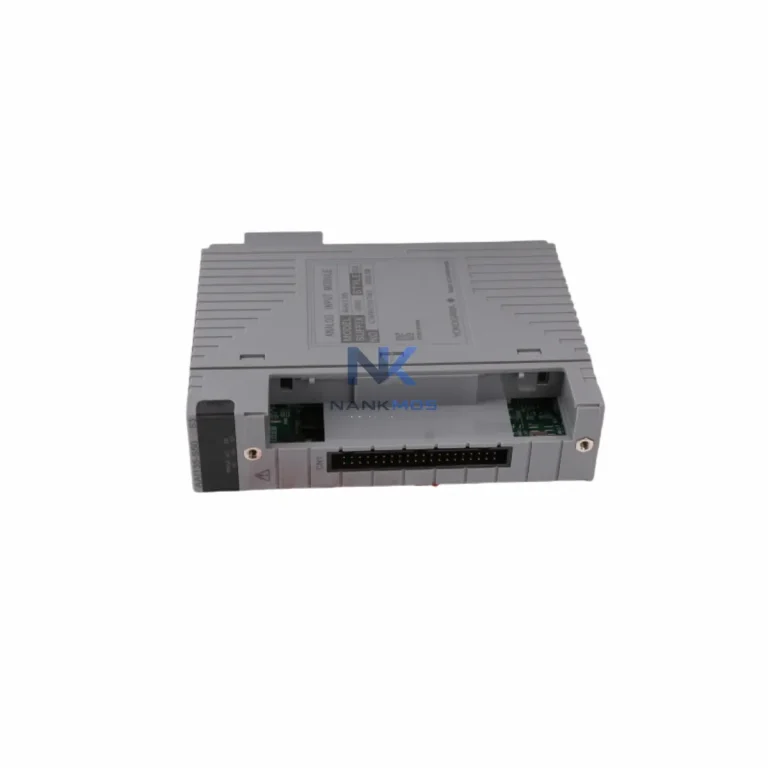
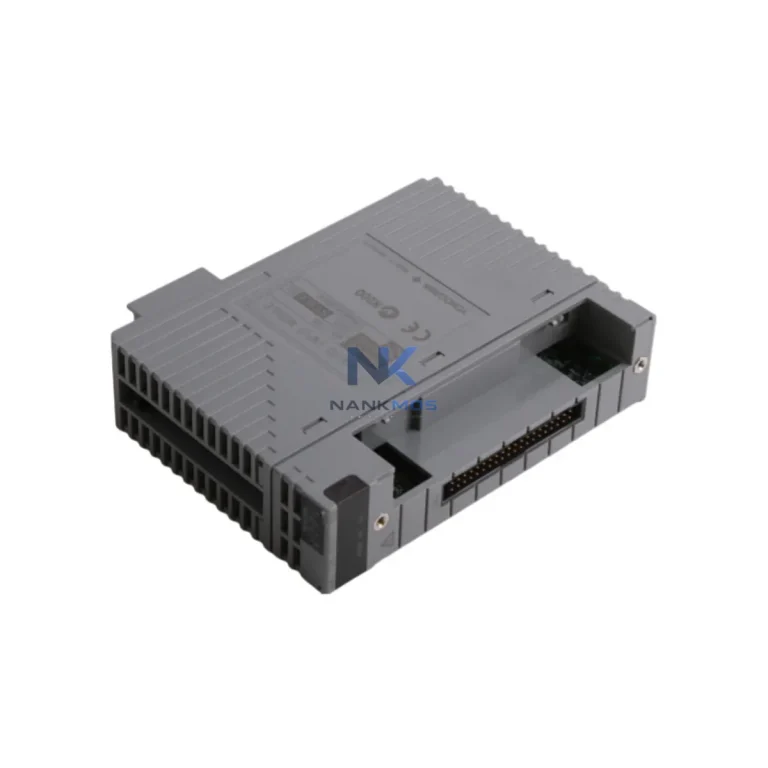
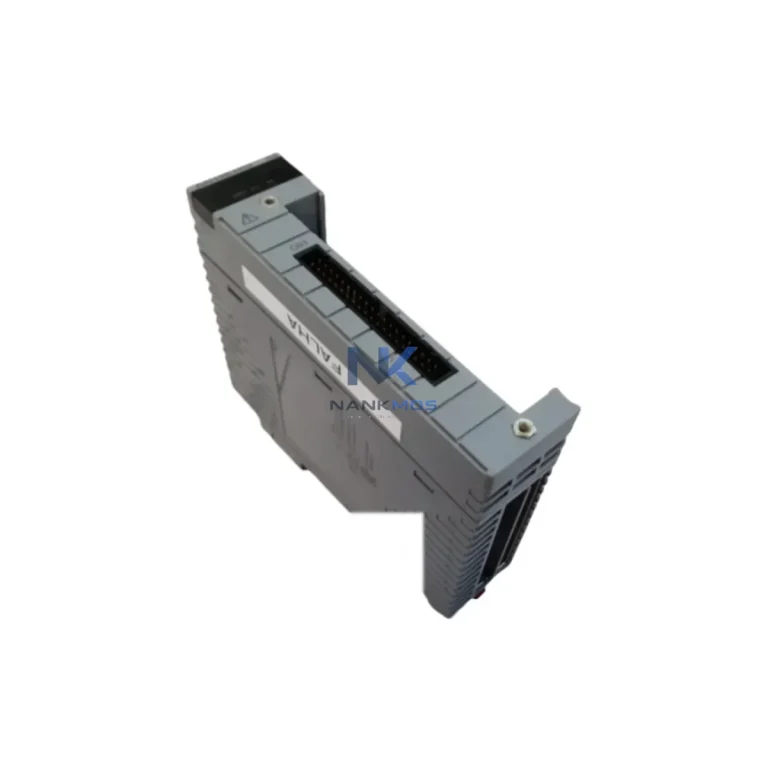
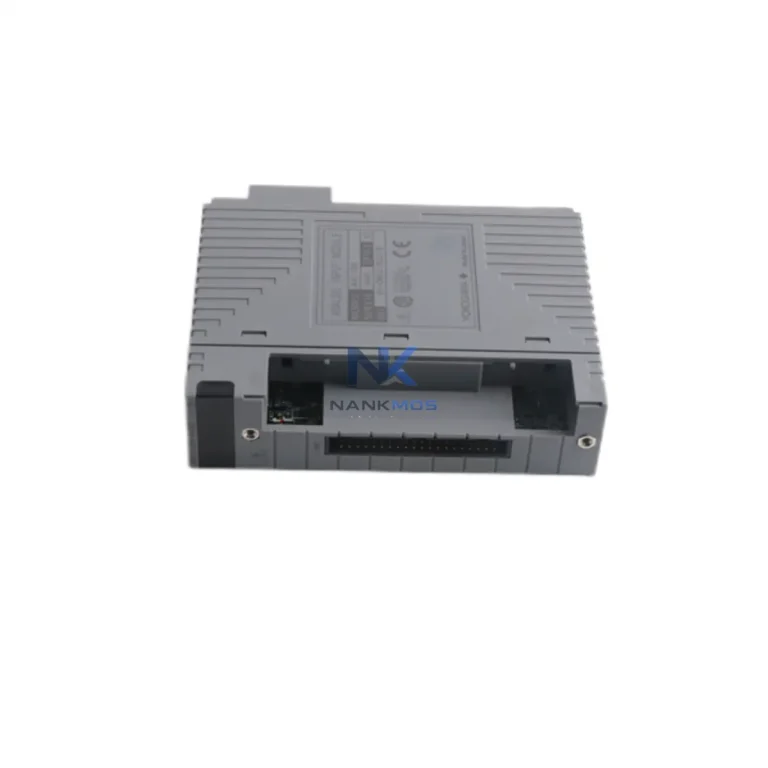
Yokogawa AAB841 is a NANKMOS industrial automation product record Listed under CENTUM VP series and Business & Industrial > Automation, Control & Flow Devices > Programmable Logic Controllers. Confirm condition, availability, lead time, compatibility and documentation by email inquiry.
Brand names are used for identification only.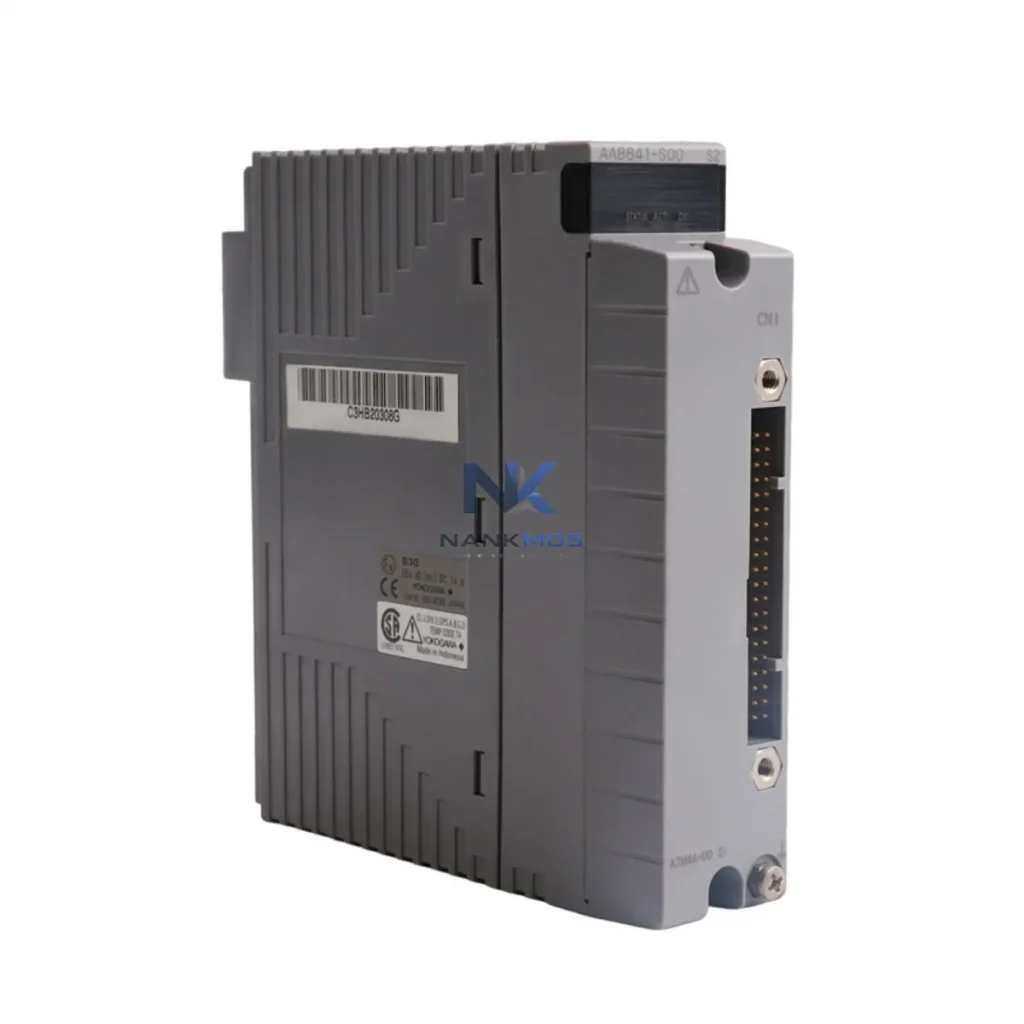
Yokogawa AAB841 is a NANKMOS industrial automation product record Listed under CENTUM VP series and Business & Industrial > Automation, Control & Flow Devices > Programmable Logic Controllers. Confirm condition, availability, lead time, compatibility and documentation by email inquiry.
| Manufacturer | Yokogawa |
|---|---|
| Application | Controller Processing & System Control |
| Part Number / Model | AAB841 |
| Compatible System | CENTUM VP |
| Series | CENTUM VP |
| Condition Options | To Confirm |
| Module Type | Controller / CPU Module |
| Warranty | 12 Months |
| Packaging | Anti-static Bag / Secure Box |
| Shipping Methods | DHL / FedEx / UPS / Air / Sea |
| Availability | To Confirm |
| Lead Time | To Confirm |
| Documentation | Part number and revision checked before quote |
The Yokogawa AAB841 is a high-precision analog input/output module engineered for the CENTUM VP and CENTUM CS distributed control system (DCS) platform. Designed to meet the rigorous demands of energy-intensive industrial environments — including oil refining, chemical processing, power generation, and water treatment — the AAB841 delivers stable, low-drift signal acquisition and output with minimal power dissipation. Its architecture supports continuous energy monitoring and load-aware control strategies, making it a foundational component in any smart production line seeking to reduce operational energy costs and improve equipment utilization rates.
As factories transition toward leaner, more data-driven operations, the AAB841 serves as a critical interface between field instrumentation and the plant-wide control layer. By accurately converting analog signals from pressure transmitters, flow meters, temperature sensors, and current transducers into digital values processed by the CENTUM VP controller, the module enables real-time visibility into energy consumption patterns across every production zone. This granular data feeds directly into energy management systems (EMS) and SCADA platforms, allowing operators to identify inefficiencies, schedule predictive maintenance, and fine-tune drive parameters without interrupting production rhythm.
The AAB841 is most effective when deployed as part of a tightly integrated automation architecture. Within a CENTUM VP field control station (FCS), the module works alongside the Yokogawa AFV10S Vnet/IP communication module to relay real-time analog data across the plant network with deterministic latency — a prerequisite for coordinated energy control across multiple production units. When paired with the Yokogawa ADV151 digital input module, operators gain simultaneous visibility into both analog process variables and discrete equipment states, enabling a complete picture of energy flow from motor start signals to drive feedback loops.
On the drive side, the AAB841's analog output channels interface directly with Yokogawa's Varispeed series variable frequency drives (VFDs) and compatible third-party inverters, transmitting speed reference signals that modulate motor RPM in response to real-time load demand. This closed-loop arrangement — where the DCS reads power consumption via a Yokogawa WT series power analyzer or equivalent power monitoring module, then adjusts drive setpoints through the AAB841 — is one of the most effective strategies for reducing motor energy waste in pump, fan, and compressor applications. Studies in process industries consistently show that even a 10–15% reduction in average motor speed can yield 25–40% energy savings due to the affinity laws governing centrifugal loads.
For servo-driven production lines, the AAB841 provides the analog reference interface between the CENTUM VP controller and servo amplifier units such as the Yokogawa SR1000 series, enabling precise torque and velocity profiling that minimizes acceleration energy spikes and reduces thermal stress on drive components. The module's low-noise signal conditioning also supports integration with Yokogawa EJA series differential pressure transmitters and YTA series temperature transmitters, ensuring that the energy data entering the control loop is accurate and free from interference — a critical factor when the DCS is making autonomous load-shedding decisions during peak demand periods.
At the supervisory level, the AAB841's data streams are aggregated by the Yokogawa FAST/TOOLS SCADA or Exaquantum plant information management system (PIMS), where historians log energy KPIs, generate efficiency reports, and trigger alerts when consumption deviates from baseline. This integration closes the loop between field-level signal acquisition and plant-wide energy governance, supporting ISO 50001 energy management compliance and continuous improvement programs.
In high-throughput manufacturing and process environments, unplanned downtime and energy waste are closely linked. Equipment that operates outside its optimal load range draws excess current, generates unnecessary heat, and degrades faster — all of which increase both energy costs and maintenance frequency. The Yokogawa AAB841 addresses this challenge by providing the analog signal infrastructure needed to implement model-based control strategies that keep every drive, heater, pump, and actuator operating within its efficiency envelope.
By continuously feeding accurate process measurements into the CENTUM VP's function block library — including PID controllers, ratio controllers, and cascade loops — the AAB841 enables the DCS to dynamically balance production throughput against energy consumption. During low-demand periods, the system can automatically reduce conveyor speeds, lower furnace setpoints, and trim compressor output, all coordinated through the analog output channels of the AAB841 without operator intervention. This autonomous load management capability is particularly valuable in batch processing plants where energy demand fluctuates significantly between production phases.
Thermal load management is another area where the AAB841 delivers measurable value. By monitoring heat exchanger inlet and outlet temperatures through connected YTA320 temperature transmitters and feeding this data to the DCS, the module enables predictive heat load balancing that prevents thermal runaway, reduces cooling energy requirements, and extends the service life of heat-sensitive components. Combined with the Yokogawa EJA110E differential pressure transmitter for flow measurement, the system can calculate real-time heat transfer efficiency and adjust process parameters to maintain optimal thermal performance across the production line.
From a maintenance perspective, the AAB841 supports predictive maintenance workflows by providing the high-resolution analog data needed to detect early signs of equipment degradation — rising motor current draw, declining pump efficiency, or increasing valve hysteresis — before they escalate into failures. This proactive approach reduces unplanned downtime, stabilizes production rhythm, and ensures that energy consumption remains predictable and within budget. Every AAB841 unit shipped by NANKMOS undergoes full functional testing and burn-in verification, and is backed by a 12-month warranty covering both parts and labor.
Q1: How does the Yokogawa AAB841 contribute to energy savings in a CENTUM VP DCS environment? The AAB841 provides the analog signal interface that allows the CENTUM VP controller to read real-time process variables — including flow, pressure, temperature, and power consumption — and adjust drive outputs accordingly. By enabling closed-loop energy control strategies such as demand-based motor speed regulation and load-shedding automation, the module helps facilities reduce energy consumption by 15–30% in typical pump and fan applications without compromising process performance.
Q2: Is the AAB841 compatible with third-party SCADA systems and energy management platforms? Yes. While the AAB841 is natively designed for the Yokogawa CENTUM VP and CENTUM CS 3000 platforms, its analog signal outputs can be routed through gateway modules to OPC-UA or Modbus-compatible SCADA systems, including Yokogawa FAST/TOOLS, Wonderware, and Ignition. This makes it suitable for hybrid automation environments where Yokogawa DCS coexists with third-party PLC or HMI infrastructure.
Q3: What is the recommended replacement or upgrade path for aging AAB841 modules? For facilities running CENTUM CS 3000 systems, the AAB841 is a direct replacement for earlier-generation analog I/O cards and is backward-compatible with existing wiring and marshalling configurations. For sites migrating to CENTUM VP R6 or later, Yokogawa's migration tools support seamless function block transfer, minimizing engineering time and production disruption during the upgrade.
Q4: What testing and warranty coverage does NANKMOS provide for the AAB841? Every AAB841 unit supplied by NANKMOS is tested for signal accuracy, channel isolation, and communication integrity prior to shipment. Units are shipped with full documentation and are covered by a 12-month warranty against manufacturing defects and functional failures. In-stock units are available for same-week dispatch, and expedited shipping options are available for urgent maintenance requirements.
Functional Inspection100% tested on professional platforms to ensure stable performance.
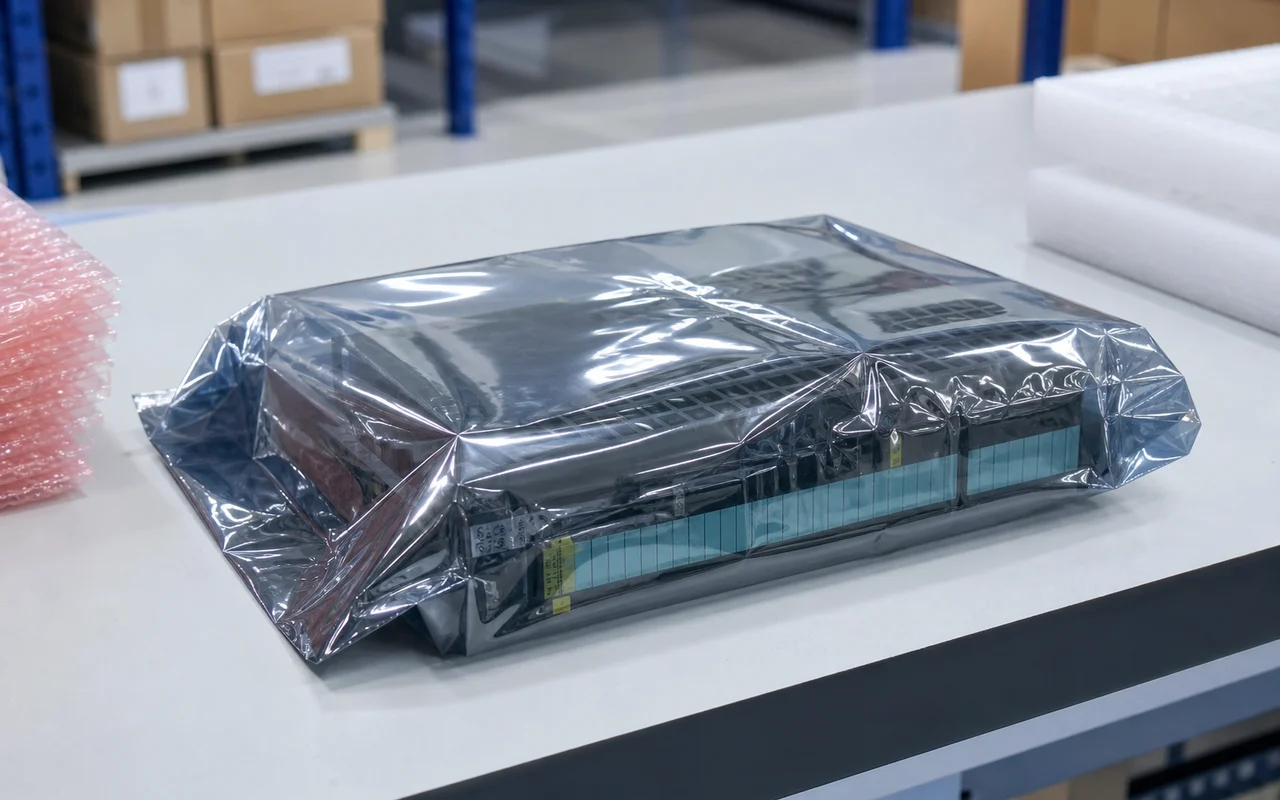 Anti-static Packaging
Modules are packed in anti-static bags to prevent electrostatic damage.
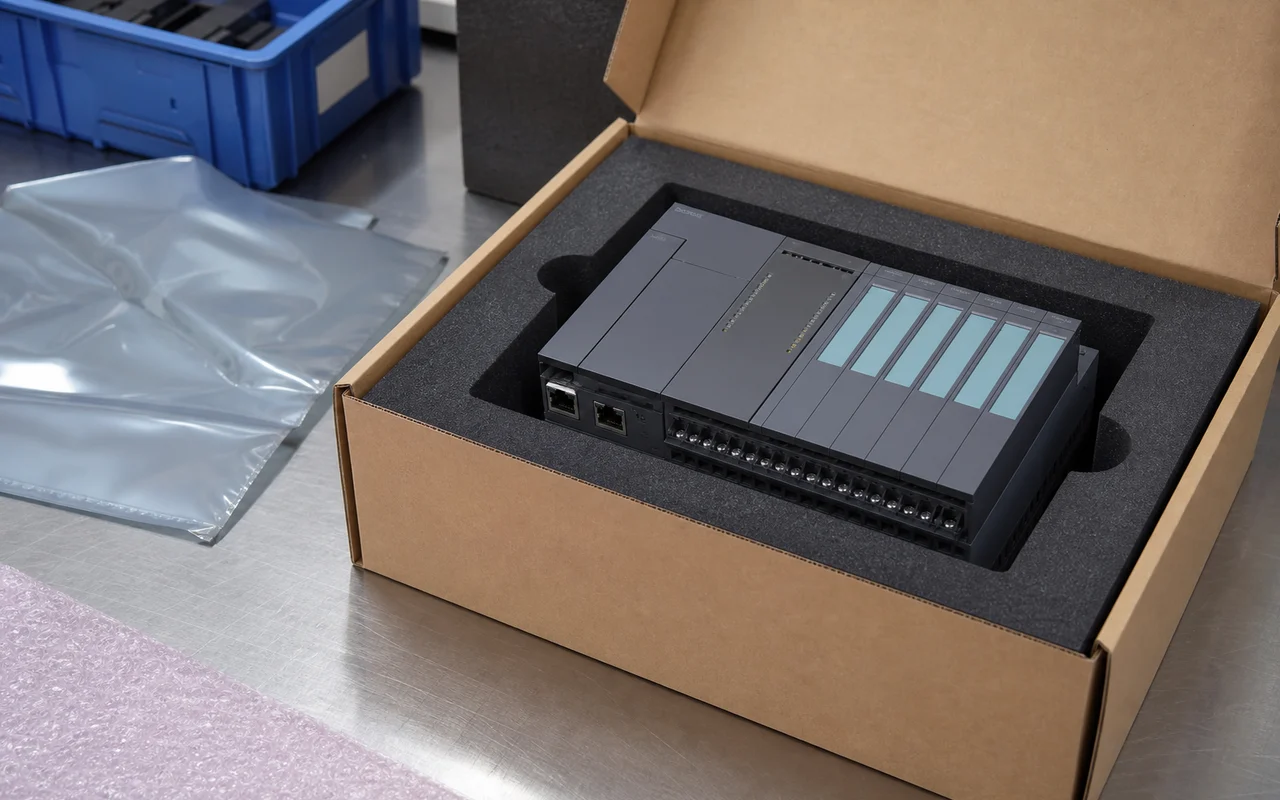 Secure Export Packing
Cushion protection and strong cartons ensure safe transportation.
 Worldwide Shipping
Global logistics network supports air, sea and express delivery.
 Documentation Check
Part number, revision and compatibility verified before shipment.
 After-sales Support
Professional technical support to help resolve your issues.