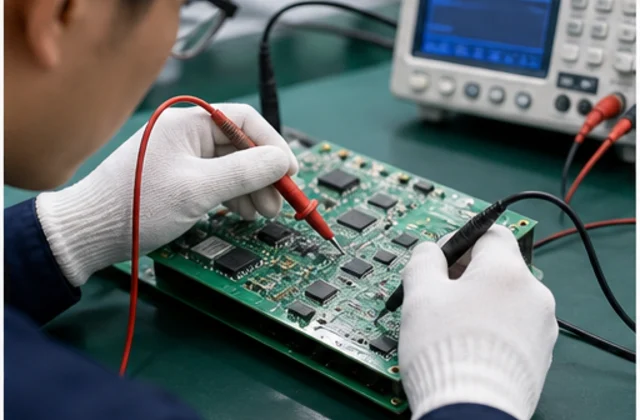
 Functional Inspection
100% tested on professional platforms to ensure stable performance.
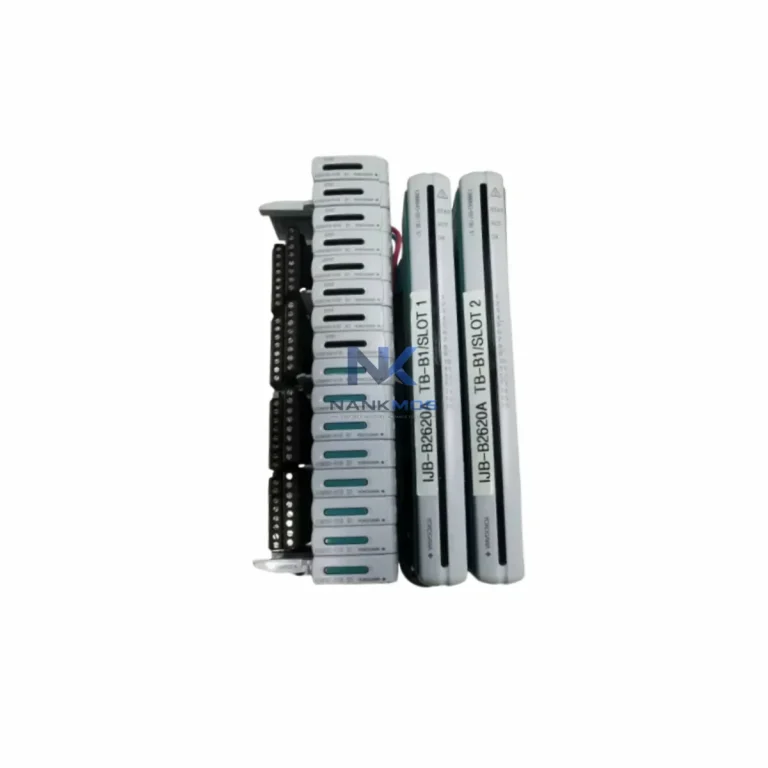
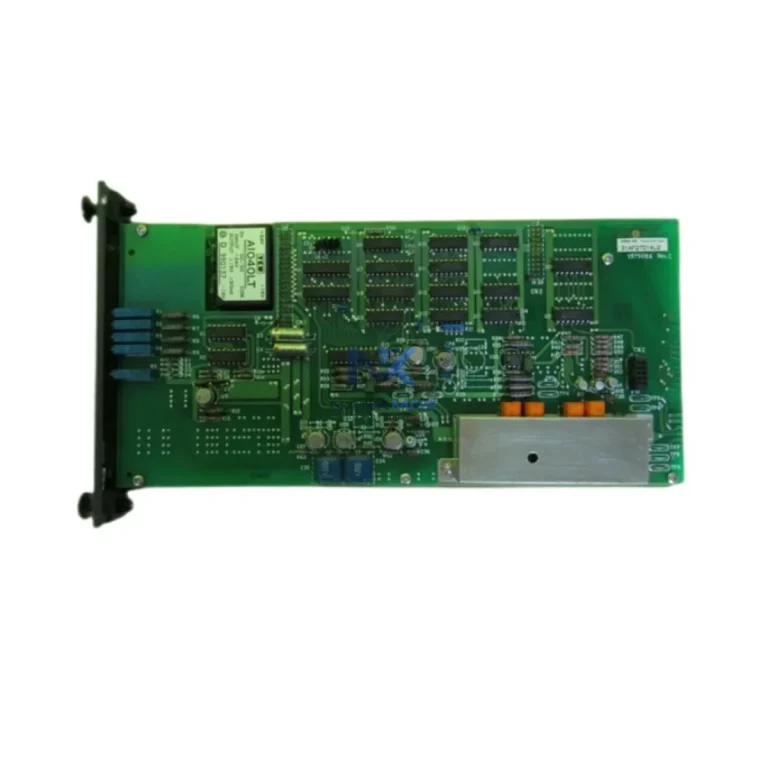
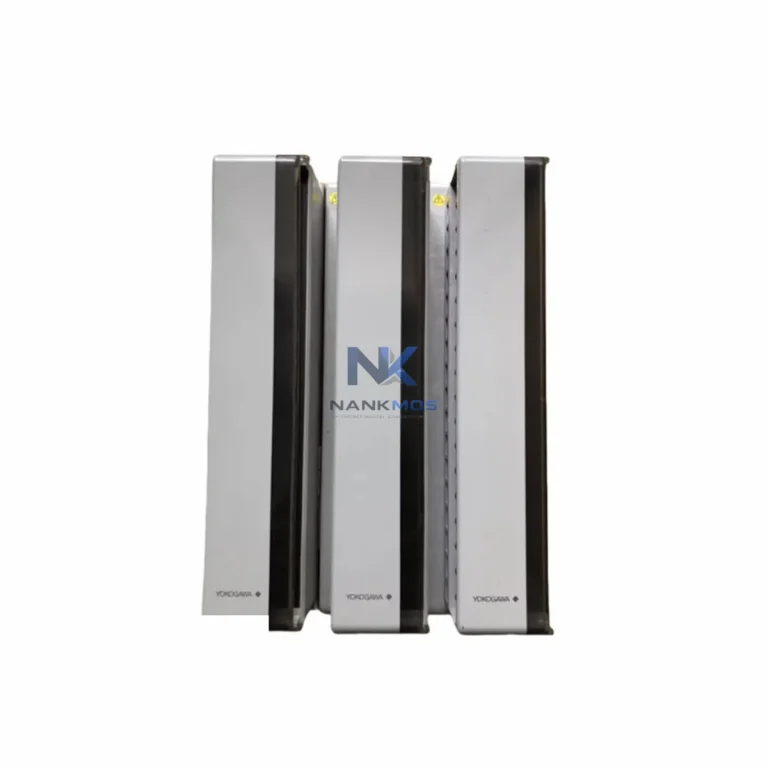
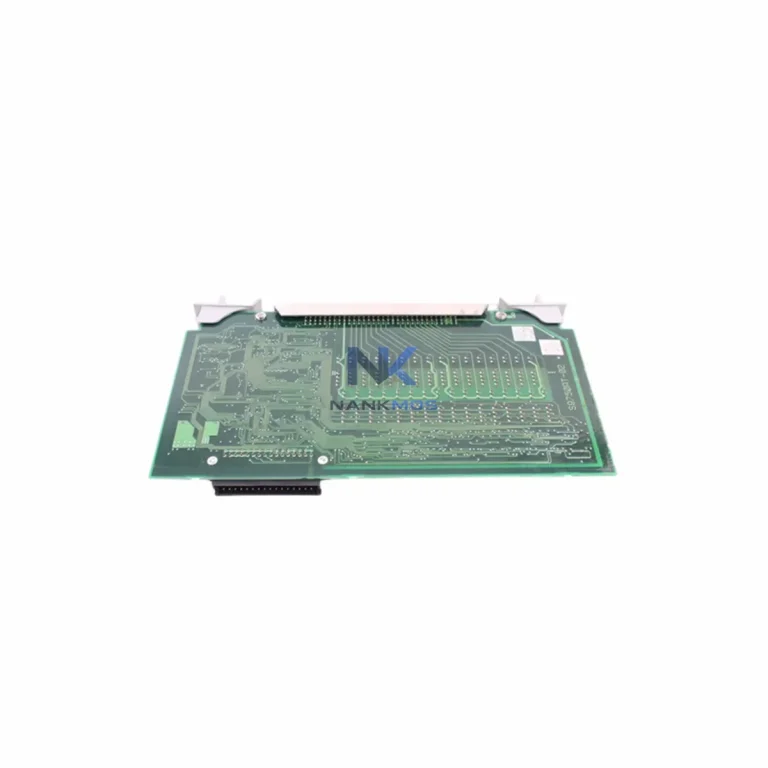
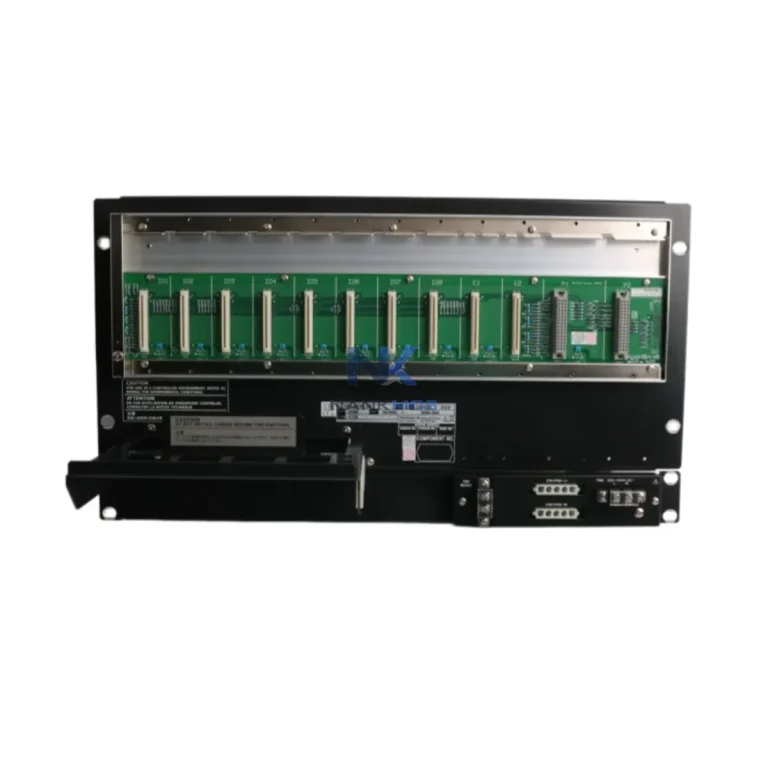
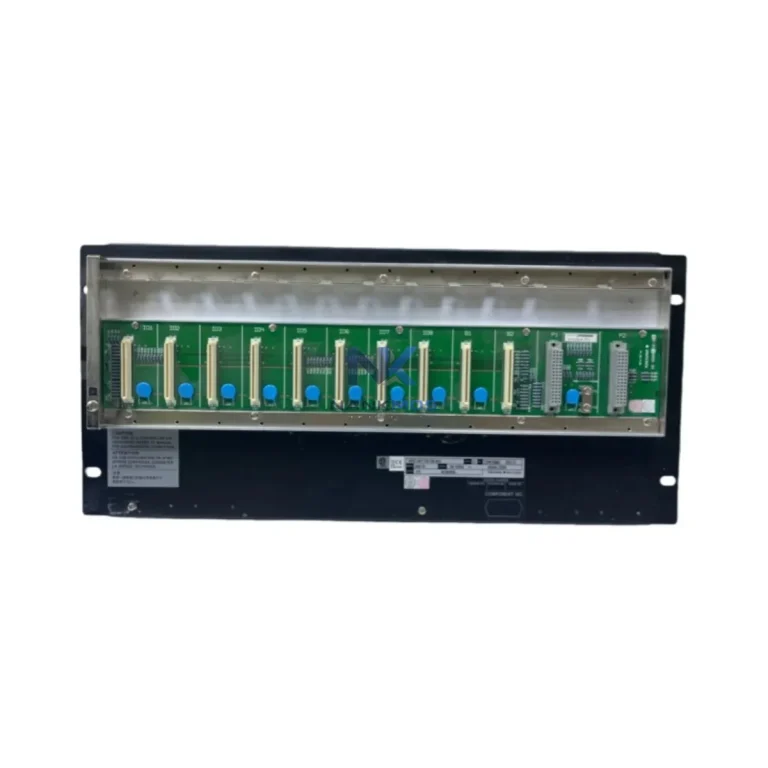
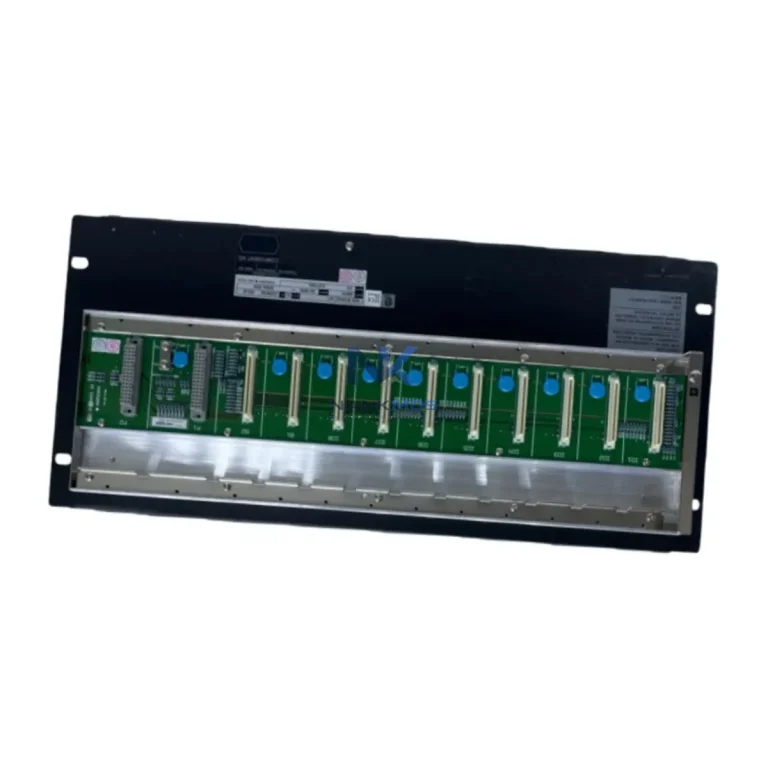
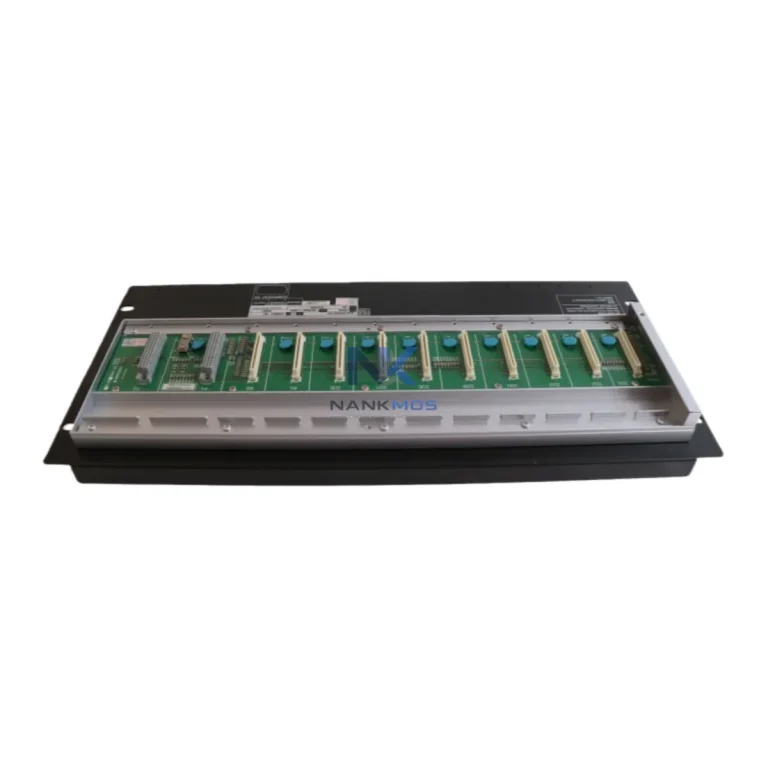
Yokogawa SAI533-H33 S1 is a NANKMOS industrial automation product record Listed under STARDOM series and Business & Industrial > Automation, Control & Flow Devices. Confirm condition, availability, lead time, compatibility and documentation by email inquiry.
Brand names are used for identification only.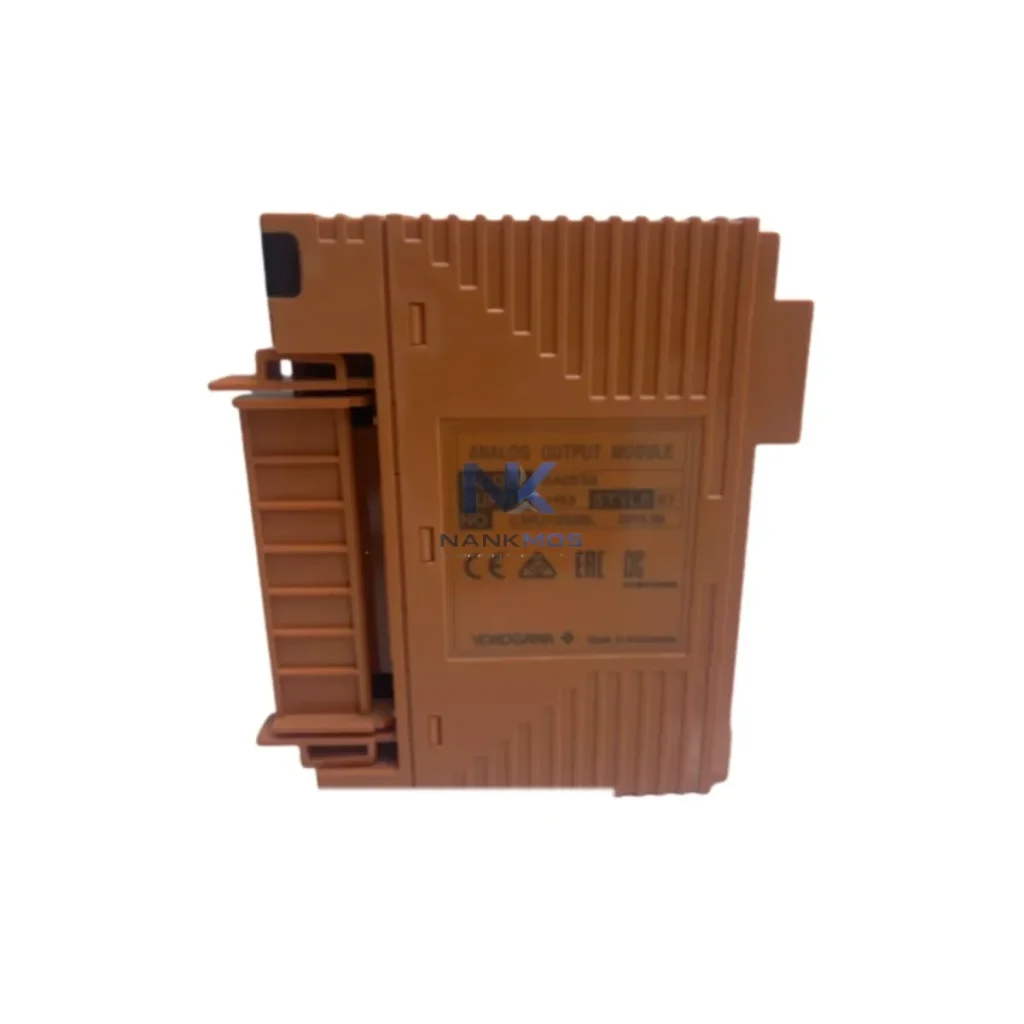
Yokogawa SAI533-H33 S1 is a NANKMOS industrial automation product record Listed under STARDOM series and Business & Industrial > Automation, Control & Flow Devices. Confirm condition, availability, lead time, compatibility and documentation by email inquiry.
| Manufacturer | Yokogawa |
|---|---|
| Application | Industrial Automation Maintenance |
| Part Number / Model | SAI533-H33 S1 |
| Compatible System | STARDOM |
| Series | STARDOM |
| Condition Options | To Confirm |
| Module Type | Automation, Control & Flow Devices |
| Warranty | 12 Months |
| Packaging | Anti-static Bag / Secure Box |
| Shipping Methods | DHL / FedEx / UPS / Air / Sea |
| Availability | To Confirm |
| Lead Time | To Confirm |
| Documentation | Part number and revision checked before quote |
The Yokogawa SAI533-H33-S1 is a high-performance signal conditioning module designed for the STARDOM Network-based Control System (NCS), engineered to bridge field-level instrumentation with upper-layer control and monitoring platforms in modern smart factory environments. As industrial sites transition toward Industry 4.0 architectures, the SAI533-H33-S1 serves as a critical data link node — converting, conditioning, and transmitting analog and digital signals across multi-protocol industrial networks with precision and reliability.
Deployed across power generation, petrochemical processing, water treatment, oil & gas, and marine propulsion facilities, the SAI533-H33-S1 integrates seamlessly into distributed control architectures where real-time data integrity, low-latency communication, and deterministic signal delivery are non-negotiable. Its role extends beyond simple signal conversion: it acts as a protocol-aware interface that enables field devices — including pressure transmitters, flow meters, temperature sensors, and vibration transducers — to communicate reliably with PLC controllers, remote I/O stations, HMI panels, SCADA servers, and edge gateways within a unified industrial network fabric.
In a fully connected smart factory, the SAI533-H33-S1 occupies a pivotal position in the data acquisition and transmission chain. At the field level, sensors such as Yokogawa EJA-series differential pressure transmitters and YTA-series temperature transmitters feed 4–20 mA analog signals directly into the SAI533-H33-S1 conditioning inputs. The module normalizes, scales, and digitizes these signals before forwarding structured data packets upstream through the STARDOM FCN autonomous controller — a ruggedized DIN-rail PLC platform that supports Modbus TCP/IP and OPC-UA communication natively.
From the FCN controller, conditioned process data flows across an industrial Ethernet backbone — typically managed through Yokogawa-compatible industrial switches or third-party Layer 2/Layer 3 managed switches with VLAN segmentation — toward the SCADA server layer. Integration with platforms such as Yokogawa FAST/TOOLS SCADA or third-party systems like Wonderware InTouch, Ignition SCADA, or Siemens WinCC is achieved through OPC-UA or Modbus TCP/IP polling, ensuring real-time visibility of process variables including flow rate, pressure, temperature, and equipment status.
For remote I/O expansion, the SAI533-H33-S1 works in conjunction with STARDOM FCJ compact controllers and Yokogawa remote I/O modules, extending the data acquisition perimeter to geographically distributed field stations without requiring dedicated communication infrastructure at each node. This architecture is particularly valuable in pipeline monitoring, water treatment distribution networks, and offshore platform instrumentation where cable runs are impractical.
At the HMI layer, operators interact with live process data through Yokogawa-compatible HMI panels or web-based visualization dashboards served by the STARDOM NCS web server function. Alarm thresholds configured within the FCN controller trigger real-time notifications to HMI screens and SCADA alarm management systems, enabling rapid operator response to process deviations. The SAI533-H33-S1's signal conditioning accuracy ensures that alarm setpoints remain reliable, reducing nuisance alarms caused by signal drift or noise.
Edge computing integration is supported through the STARDOM platform's ability to interface with edge gateways running lightweight OPC-UA clients or MQTT brokers, enabling data forwarding to cloud-based analytics platforms or on-premise historian servers such as OSIsoft PI System. This positions the SAI533-H33-S1 as a foundational component in Industrial IoT (IIoT) architectures where real-time data from rotating equipment, process instrumentation, and utility systems must be aggregated, contextualized, and made available for predictive maintenance and energy optimization analytics.
Variable frequency drives (VFDs) and motor control centers connected to the same Modbus RTU network segment can share the RS-485 bus managed through the STARDOM FCN's serial communication module, allowing the SAI533-H33-S1 to coexist with drive feedback signals and motor status data within a unified data acquisition loop. This multi-device bus topology reduces wiring complexity and simplifies network commissioning on brownfield automation sites.
Many industrial facilities operate with fragmented instrumentation architectures — legacy 4–20 mA field devices that cannot communicate digitally, proprietary protocols that resist integration with modern SCADA platforms, and data silos that prevent cross-system visibility. The SAI533-H33-S1 directly addresses these challenges by providing a standards-compliant signal conditioning and network interface layer that bridges legacy analog instrumentation with modern digital control networks.
Protocol fragmentation is resolved through the STARDOM FCN/FCJ platform's multi-protocol support: Modbus RTU for legacy serial devices, Modbus TCP/IP for Ethernet-connected instruments, and OPC-UA for secure, structured data exchange with upper-layer MES and ERP systems. This eliminates the need for standalone protocol converters or middleware gateways that introduce additional failure points and maintenance overhead.
Data island elimination is achieved by centralizing signal conditioning within the STARDOM NCS architecture, where all field signals — regardless of sensor type or output format — are normalized into a consistent data model accessible to SCADA, HMI, historian, and analytics platforms simultaneously. Production line transparency improves as operators gain unified visibility across previously isolated process areas.
Remote monitoring and diagnostics are enabled through the STARDOM platform's built-in web server and OPC-UA server functions, allowing authorized personnel to access live process data, review alarm histories, and perform configuration changes from remote engineering workstations without requiring physical site access. This capability is critical for reducing maintenance travel costs and enabling 24/7 remote support for unmanned or semi-attended facilities.
System scalability is inherent in the modular STARDOM NCS architecture: additional SAI533-series signal conditioning modules can be added to existing FCN racks as process requirements expand, without disrupting ongoing operations. This incremental expansion model protects capital investment and simplifies capacity planning for growing automation sites.
Q1: What communication protocols does the Yokogawa SAI533-H33-S1 support for SCADA integration? The SAI533-H33-S1 operates within the STARDOM NCS platform, which supports Modbus RTU (RS-485), Modbus TCP/IP (Ethernet), and OPC-UA communication. These protocols enable direct integration with major SCADA platforms including Yokogawa FAST/TOOLS, Ignition, Wonderware, and Siemens WinCC, as well as historian systems such as OSIsoft PI. All units are pre-shipment tested to verify protocol communication integrity before delivery.
Q2: How does the SAI533-H33-S1 ensure network stability in high-noise industrial environments? The module is designed to operate within the electrically noisy environments typical of power generation and petrochemical facilities. Signal conditioning circuitry provides galvanic isolation and common-mode noise rejection, while the STARDOM FCN controller's deterministic scan cycle ensures consistent data delivery regardless of network load. Industrial-grade Ethernet connectivity with managed switch support (VLAN, QoS) further stabilizes network performance.
Q3: Can the SAI533-H33-S1 be integrated with third-party PLC platforms and remote I/O systems? Yes. Through the STARDOM FCN/FCJ controller's Modbus TCP/IP and OPC-UA interfaces, the SAI533-H33-S1 can exchange data with third-party PLC platforms including Siemens S7, Allen-Bradley ControlLogix, and Mitsubishi MELSEC series, as well as remote I/O systems from Phoenix Contact, Wago, and Beckhoff. This interoperability makes the SAI533-H33-S1 suitable for both greenfield STARDOM deployments and brownfield integration projects.
Q4: What warranty and pre-shipment testing does NANKMOS provide for the SAI533-H33-S1? All Yokogawa SAI533-H33-S1 units supplied by NANKMOS carry a 12-month warranty covering manufacturing defects and functional failures under normal operating conditions. Each unit undergoes pre-shipment functional testing to verify signal conditioning accuracy, communication protocol operation, and hardware integrity before dispatch. In-stock units are available for immediate shipment to minimize project lead times.
Functional Inspection100% tested on professional platforms to ensure stable performance.
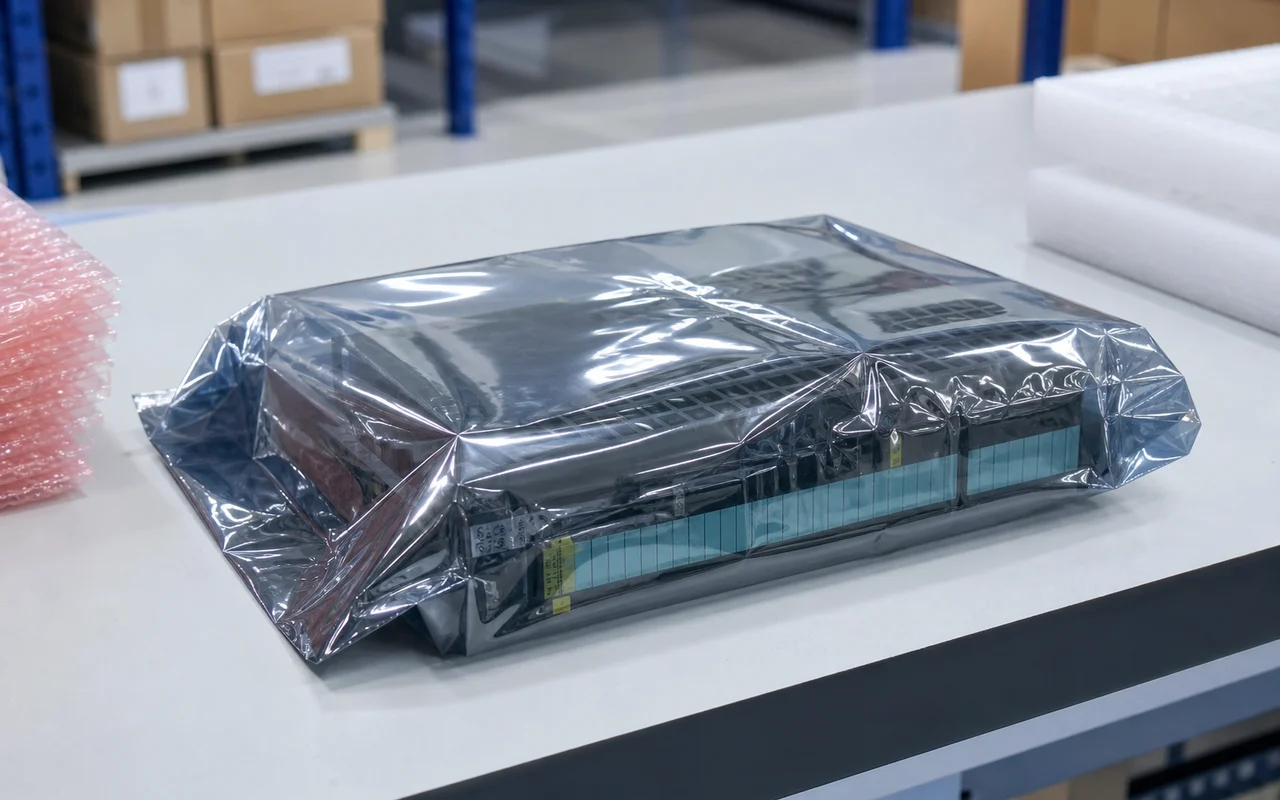 Anti-static Packaging
Modules are packed in anti-static bags to prevent electrostatic damage.
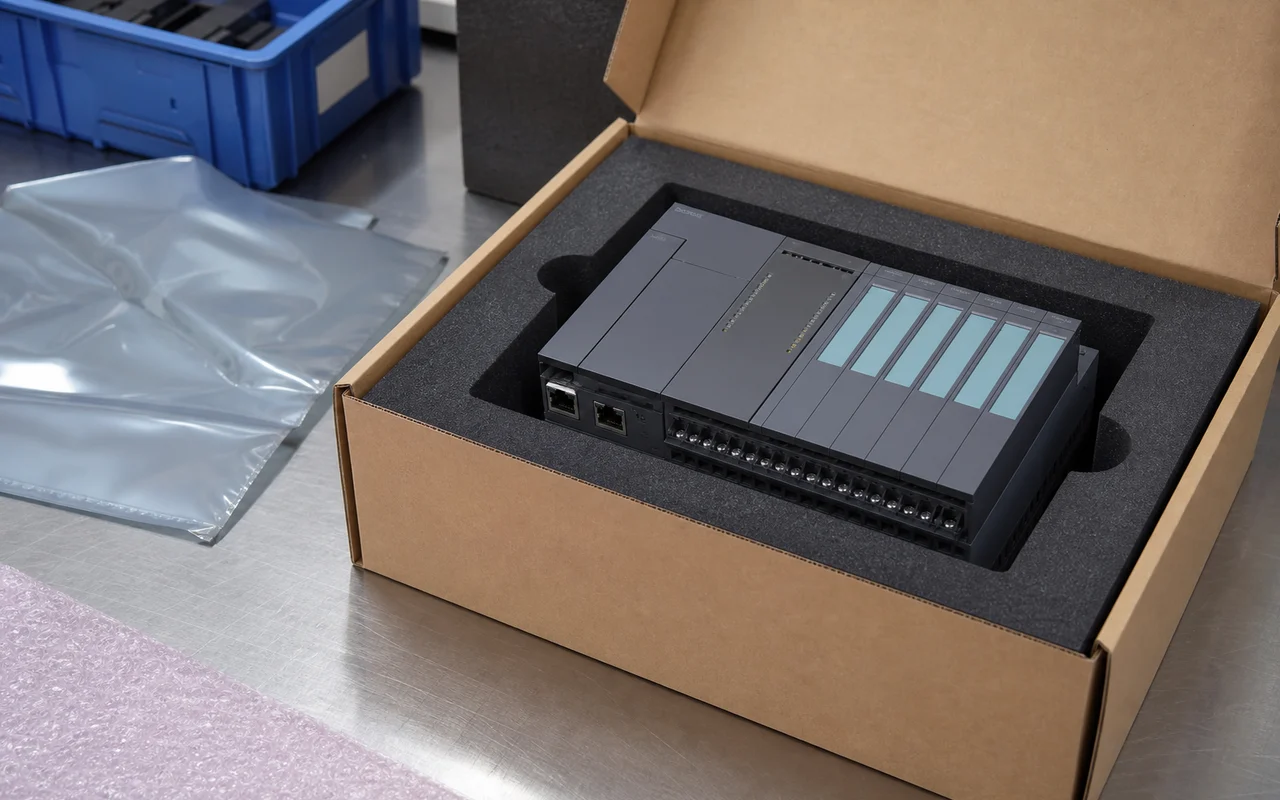 Secure Export Packing
Cushion protection and strong cartons ensure safe transportation.
 Worldwide Shipping
Global logistics network supports air, sea and express delivery.
 Documentation Check
Part number, revision and compatibility verified before shipment.
 After-sales Support
Professional technical support to help resolve your issues.