Functional Inspection
100% tested on professional platforms to ensure stable performance.
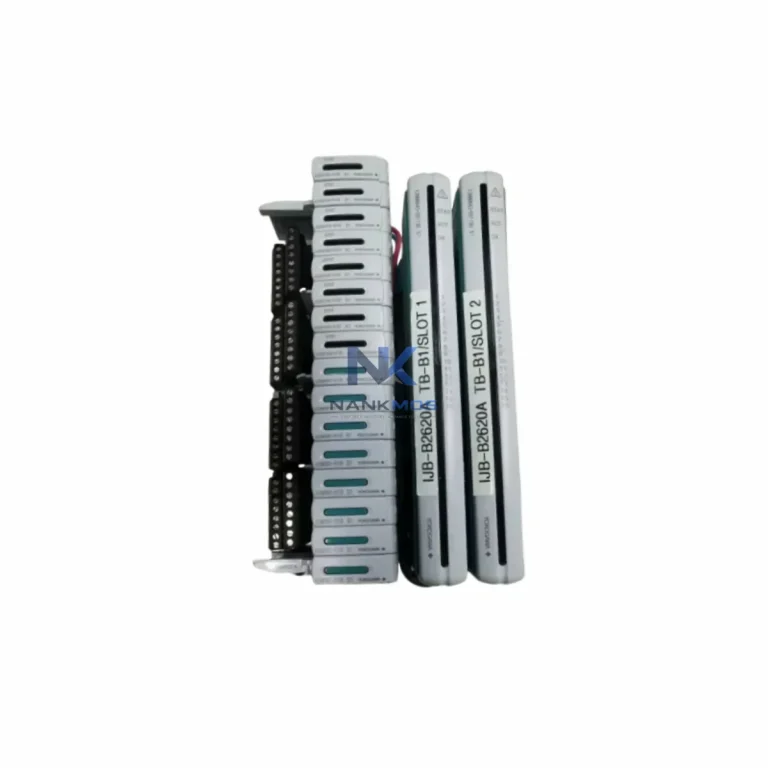
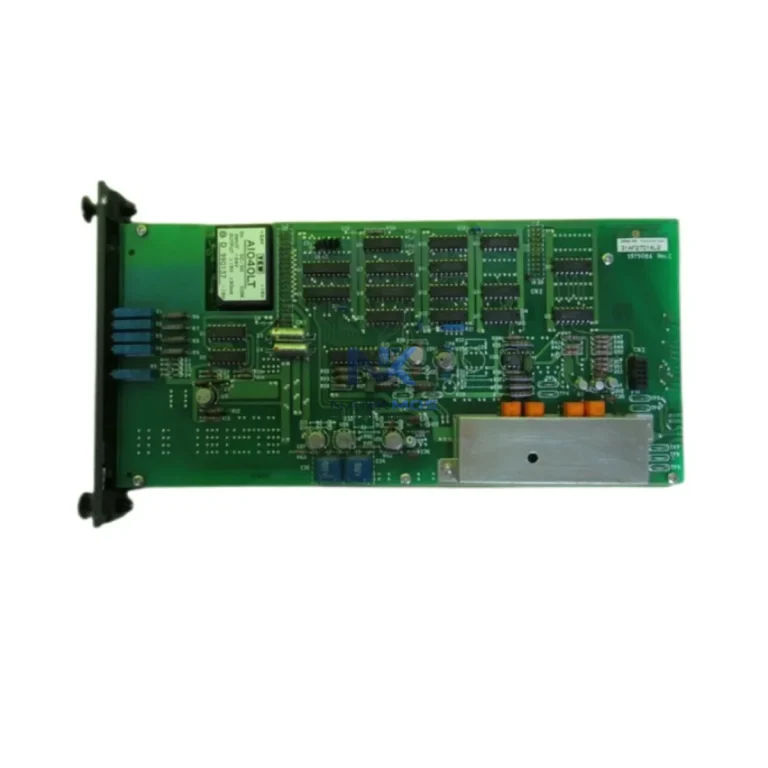
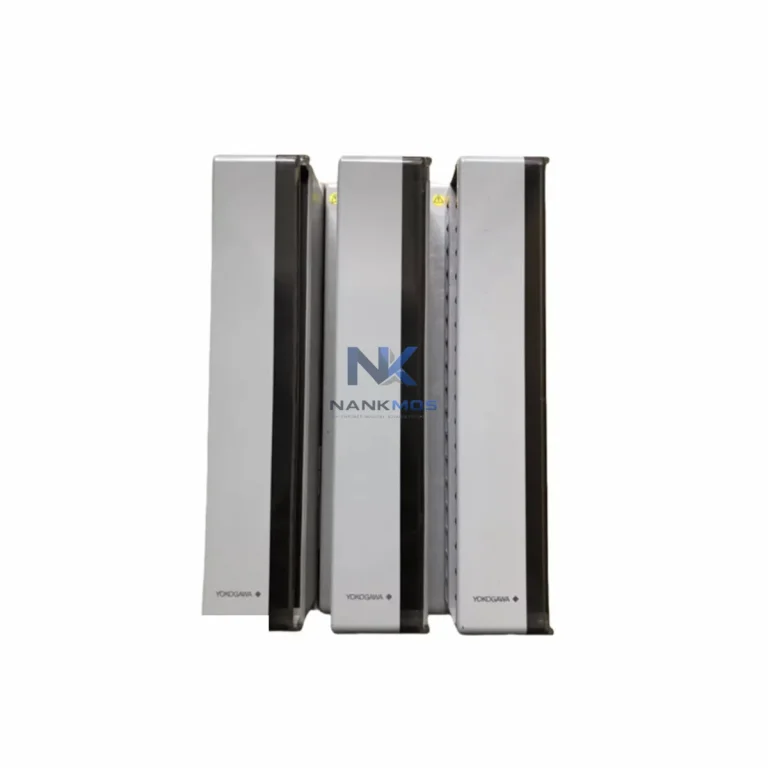
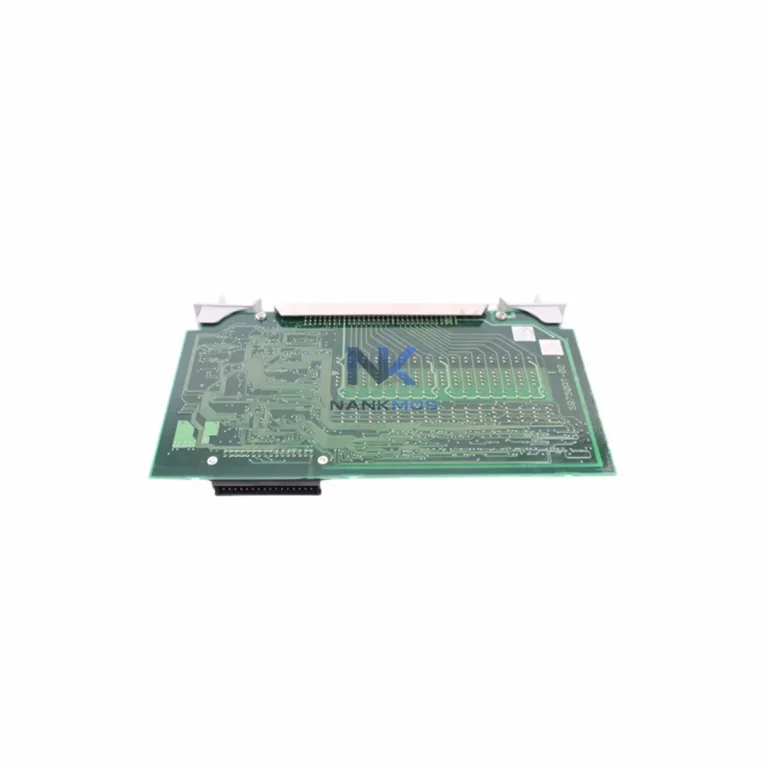
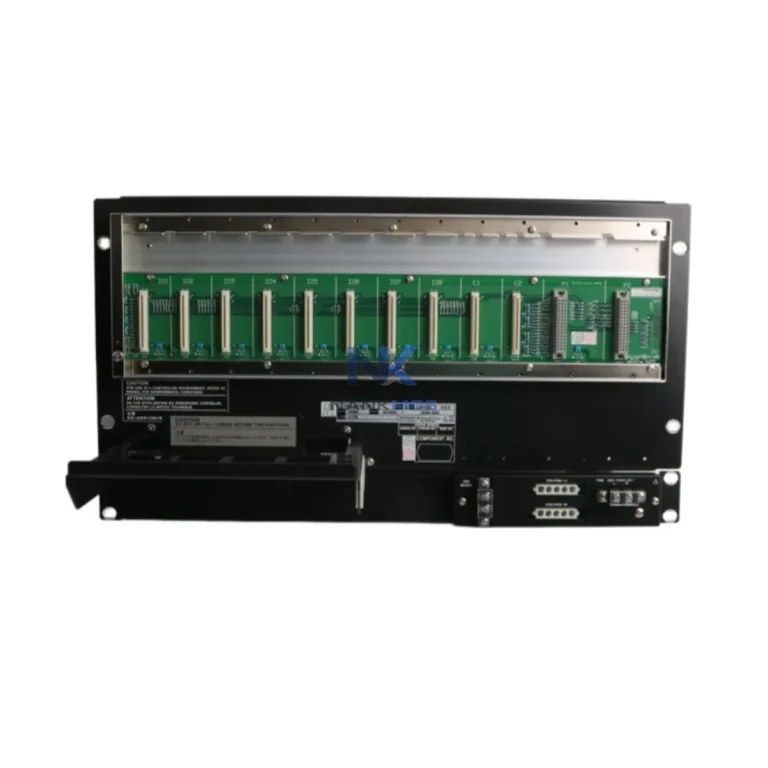
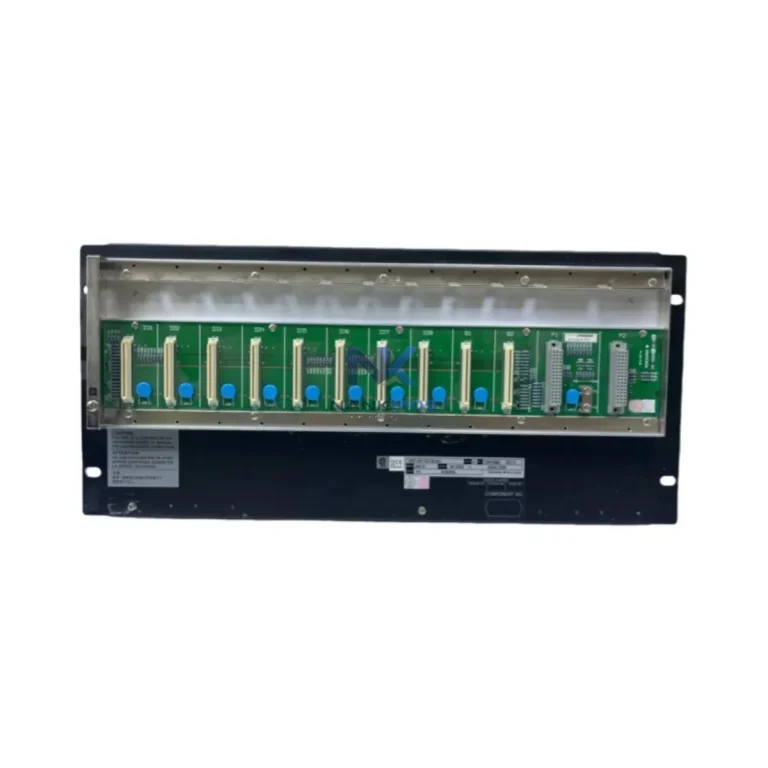
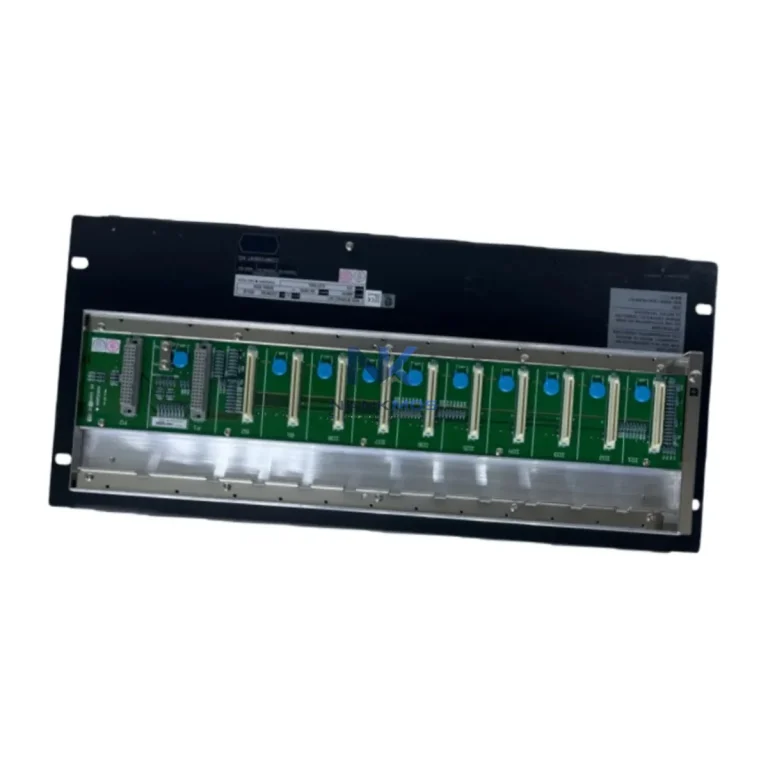
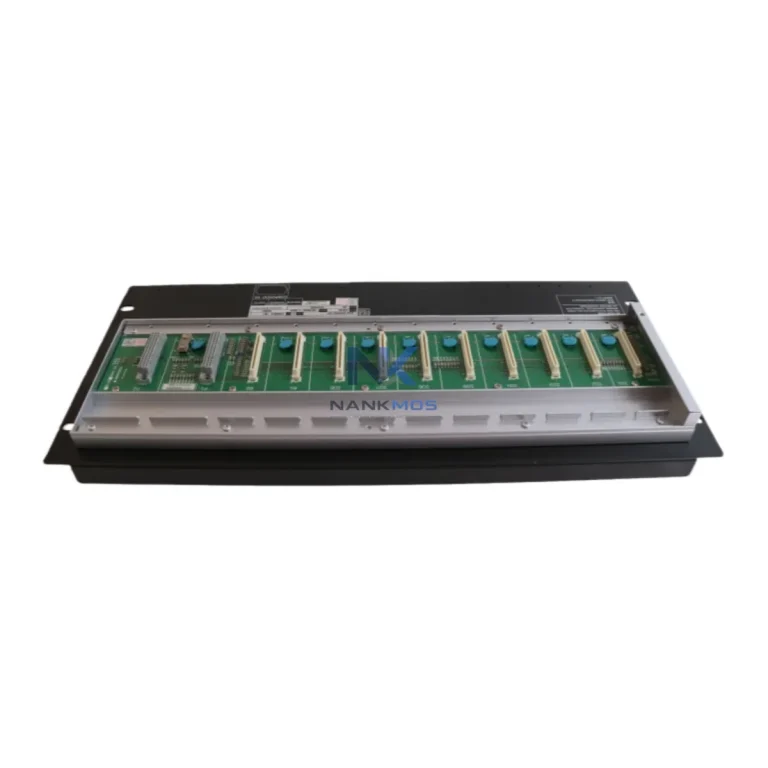
Yokogawa SNT401-E3 is a NANKMOS industrial automation product record Listed under Other series series and Business & Industrial > Automation, Control & Flow Devices. Confirm condition, availability, lead time, compatibility and documentation by email inquiry.
Brand names are used for identification only.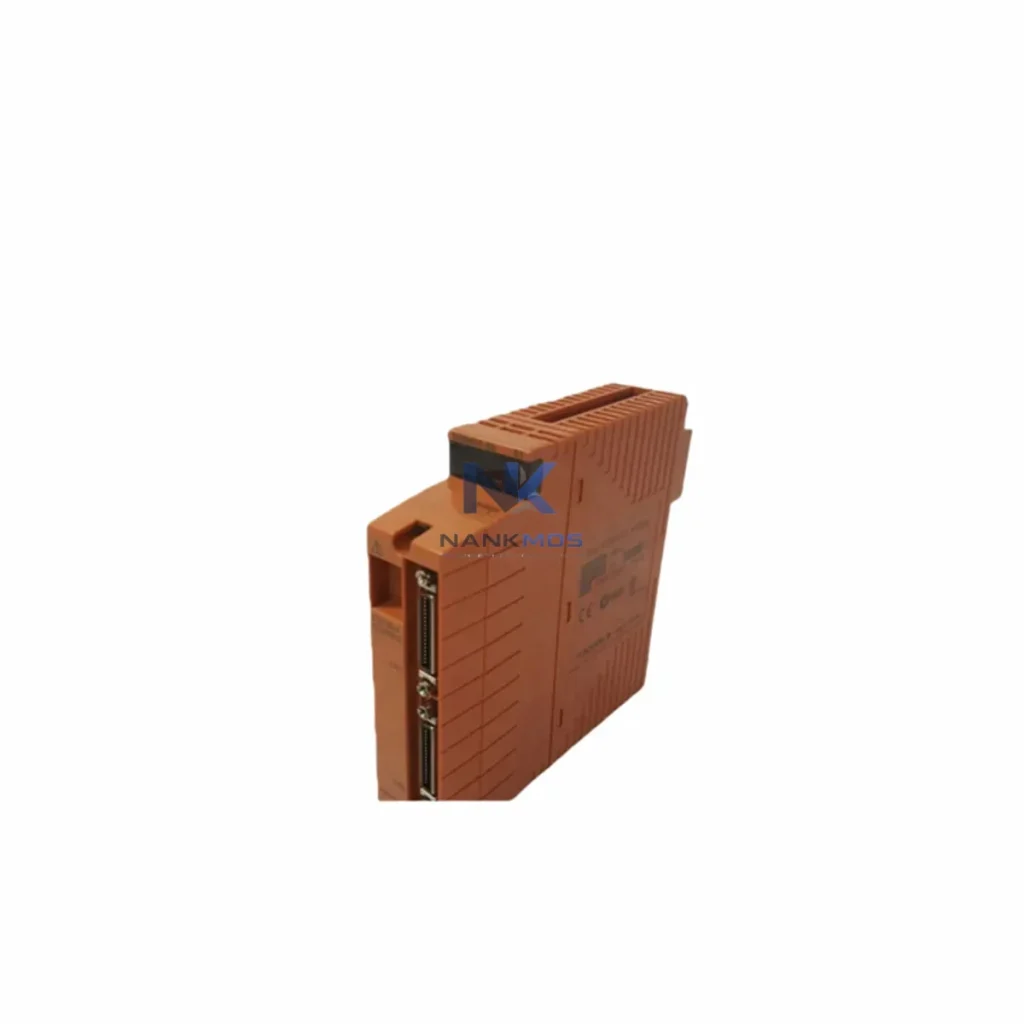
Yokogawa SNT401-E3 is a NANKMOS industrial automation product record Listed under Other series series and Business & Industrial > Automation, Control & Flow Devices. Confirm condition, availability, lead time, compatibility and documentation by email inquiry.
| Manufacturer | Yokogawa |
|---|---|
| Application | Industrial Network & Bus Termination |
| Part Number / Model | SNT401-E3 |
| Compatible System | Confirmed by inquiry |
| Condition Options | To Confirm |
| Module Type | Bus / Network Interface Module |
| Warranty | 12 Months |
| Packaging | Anti-static Bag / Secure Box |
| Shipping Methods | DHL / FedEx / UPS / Air / Sea |
| Availability | To Confirm |
| Lead Time | To Confirm |
| Documentation | Part number and revision checked before quote |
The Yokogawa SNT401-E3 is a high-performance bus repeater module engineered for the CENTUM VP Distributed Control System (DCS), purpose-built to extend and regenerate field bus signals across large-scale industrial facilities while actively contributing to energy-efficient plant operations. In smart production environments where every watt of consumed power and every millisecond of signal latency carries operational cost, the SNT401-E3 delivers the signal conditioning, noise immunity, and bus segmentation capabilities that keep automation networks running at peak efficiency with minimal energy overhead.
Designed for continuous-duty industrial environments, the SNT401-E3 supports stable communication between CENTUM VP controllers, I/O modules, and field devices across extended cable runs — eliminating signal degradation that would otherwise force redundant polling cycles, increase CPU load on the process controller, and indirectly raise the energy footprint of the entire control loop. By maintaining clean, well-timed bus signals, the module reduces the frequency of retransmissions and error-recovery sequences that silently consume processing power and network bandwidth in poorly conditioned fieldbus segments.
The SNT401-E3 operates as a foundational layer within a broader power-aware automation architecture. In a typical CENTUM VP installation, the bus repeater sits between the Yokogawa ACF11 Field Control Station and downstream I/O nodes, ensuring that the Vnet/IP communication backbone maintains deterministic cycle times without requiring the controller to compensate for signal degradation through increased polling frequency. This directly reduces the active processing load on the ACF11 and its associated power supply modules, contributing to measurable reductions in rack-level energy consumption.
When integrated alongside Yokogawa's EJX series differential pressure transmitters and temperature sensors, the SNT401-E3 ensures that process variable data arrives at the DCS with full integrity — eliminating the need for redundant measurement cycles that inflate both data traffic and the energy budget of the field instrument loop. In installations where Yokogawa STARDOM FCN autonomous controllers handle edge-level logic, the SNT401-E3 extends the reach of the fieldbus segment without introducing additional active repeater power stages, keeping the overall system energy profile lean.
For facilities running Yokogawa's Exaquantum plant information management system or integrating third-party SCADA platforms via OPC-UA, the SNT401-E3 provides the bus-level reliability that upstream data historians depend on. Inconsistent or noisy bus signals translate directly into data gaps in the historian, forcing operators to rely on interpolated values rather than real process data — a hidden inefficiency that the SNT401-E3 eliminates at the source. Similarly, in HMI environments running Yokogawa's FAST/TOOLS supervisory software, stable bus communication ensures that operator displays refresh on schedule without the latency spikes that indicate underlying signal problems.
In energy-intensive process industries — petrochemicals, power generation, pulp and paper — the SNT401-E3 is frequently deployed alongside Yokogawa WT series power analyzers and power monitoring modules to create closed-loop energy management architectures. The bus repeater ensures that power quality data from field-level monitoring points reaches the DCS historian without dropout, enabling the energy management system to make accurate load-shedding and demand-response decisions based on real-time consumption data rather than estimated values.
At the production line level, the SNT401-E3 contributes to energy optimization through three primary mechanisms: signal stability, bus load management, and reduced maintenance-driven downtime.
Signal stability directly impacts the energy efficiency of variable frequency drives (VFDs) and servo drive systems connected to the CENTUM VP network. When drive setpoint commands arrive with consistent timing and without corruption, the drive's internal control loop operates with lower correction overhead — reducing the micro-level energy waste associated with setpoint hunting and torque ripple in motor control applications. In facilities where Yokogawa's integrated drive management interfaces connect to third-party servo amplifiers and spindle drives, the SNT401-E3's repeater function ensures that speed and torque references are transmitted cleanly, supporting the precise motor control that underpins energy-efficient machining and conveying operations.
Bus load management is the second energy lever. By segmenting the fieldbus into independently buffered sections, the SNT401-E3 prevents a single high-traffic I/O node from monopolizing bus bandwidth and forcing other nodes into extended wait states. This reduces the aggregate cycle time of the control loop, allowing the DCS to execute energy optimization algorithms — such as peak demand limiting and load scheduling — with finer time resolution and greater accuracy.
Reduced maintenance-driven downtime is the third and often underestimated contribution. Unplanned stoppages in continuous process plants carry enormous energy penalties: furnaces must be restarted from cold, reactors must be purged and re-pressurized, and conveyor systems must be brought back up to operating speed from rest — all of which represent energy-intensive transient states. By maintaining reliable bus communication, the SNT401-E3 reduces the frequency of communication-fault-triggered shutdowns, keeping production lines in their energy-efficient steady-state operating regime for longer periods.
All units are supplied from verified in-stock inventory, fully tested against Yokogawa factory acceptance criteria, and covered by a 12-Month Warranty from the date of shipment. Each SNT401-E3 undergoes functional verification of signal regeneration performance, bus isolation integrity, and power supply compatibility before dispatch.
Q1: How does the SNT401-E3 contribute to measurable energy savings in a CENTUM VP system?The SNT401-E3 reduces energy waste indirectly by eliminating the retransmission overhead and controller compensation cycles that occur when bus signals degrade. Cleaner signals mean lower CPU utilization on the field control station, more accurate drive setpoint delivery, and fewer fault-recovery sequences — all of which reduce the aggregate energy consumption of the control system and connected field devices.
Q2: Is the SNT401-E3 compatible with both CENTUM VP and legacy CENTUM CS 3000 installations?The SNT401-E3 is designed for the CENTUM VP platform. For CS 3000 legacy environments, compatibility should be verified against the specific bus architecture and I/O configuration of the existing installation. Our technical team can assist with migration assessment and recommend appropriate repeater or interface modules for hybrid environments.
Q3: What is the recommended replacement or upgrade path if the SNT401-E3 is end-of-life in my system?For systems requiring bus repeater replacement, we recommend verifying the current CENTUM VP firmware version and bus topology before selecting a replacement module. Our inventory includes current-production SNT401-E3 units as well as compatible Yokogawa bus interface and signal conditioning modules for adjacent applications. Contact our technical sales team for a system-specific recommendation.
Q4: What does the 12-Month Warranty cover, and what is the testing process before shipment?Every SNT401-E3 supplied by NANKMOS is tested for signal regeneration performance, bus isolation, and power supply compatibility prior to shipment. The 12-Month Warranty covers manufacturing defects and functional failures under normal operating conditions from the date of shipment. Expedited replacement support is available for critical process applications where downtime costs are significant.
Functional Inspection100% tested on professional platforms to ensure stable performance.
 Anti-static Packaging
Modules are packed in anti-static bags to prevent electrostatic damage.
 Secure Export Packing
Cushion protection and strong cartons ensure safe transportation.
 Worldwide Shipping
Global logistics network supports air, sea and express delivery.
 Documentation Check
Part number, revision and compatibility verified before shipment.
 After-sales Support
Professional technical support to help resolve your issues.