Functional Inspection
100% tested on professional platforms to ensure stable performance.
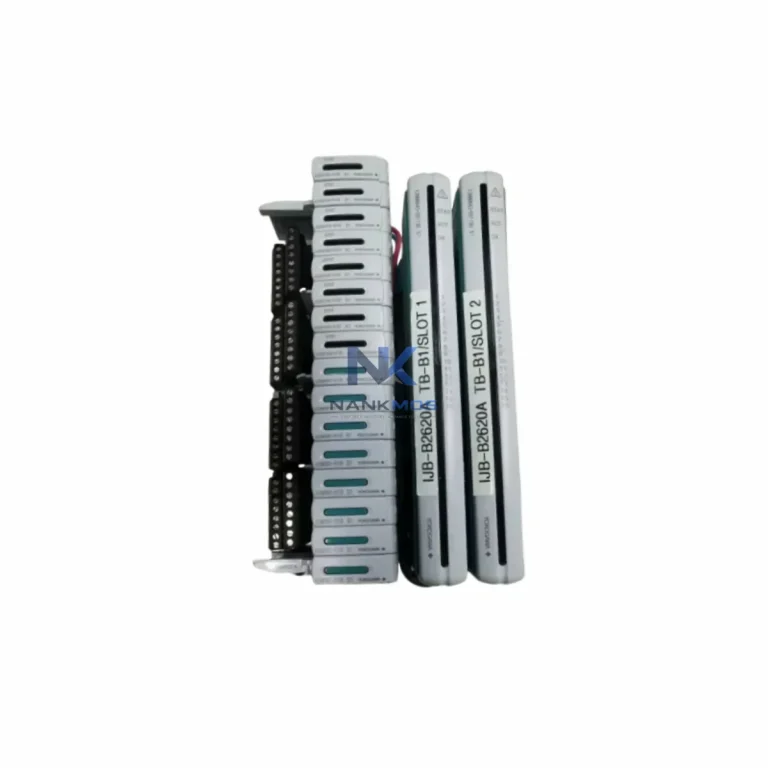
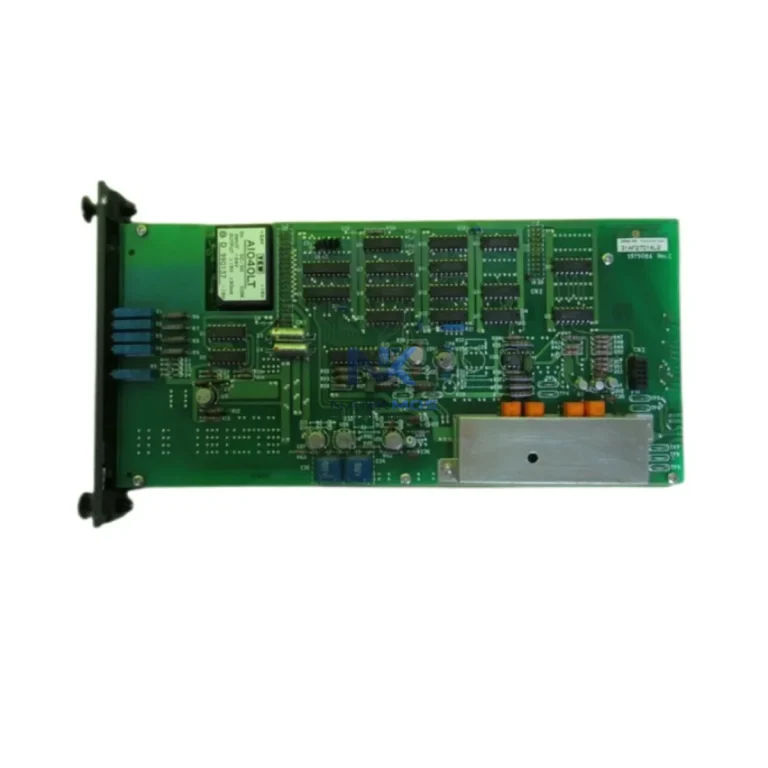
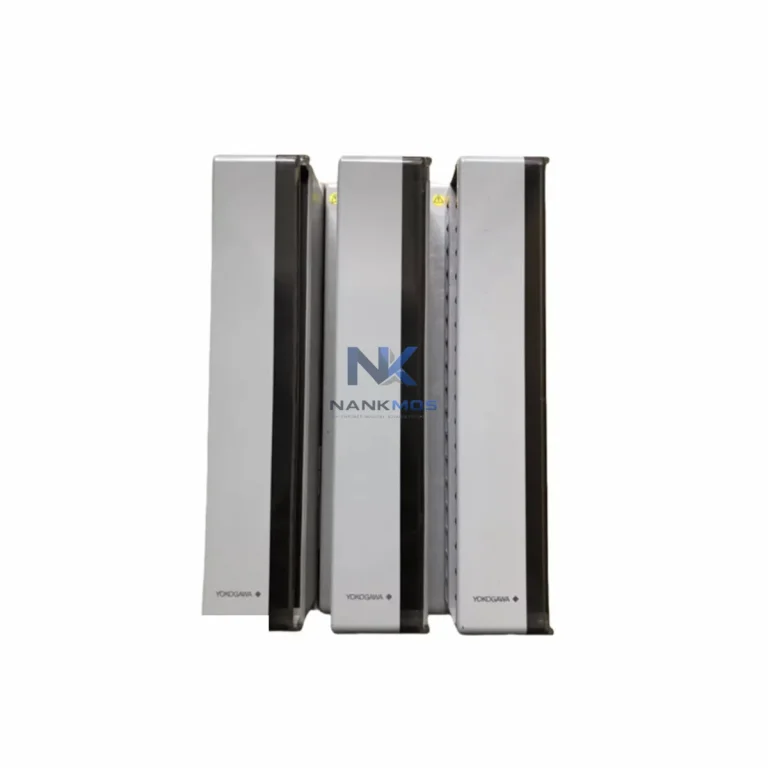
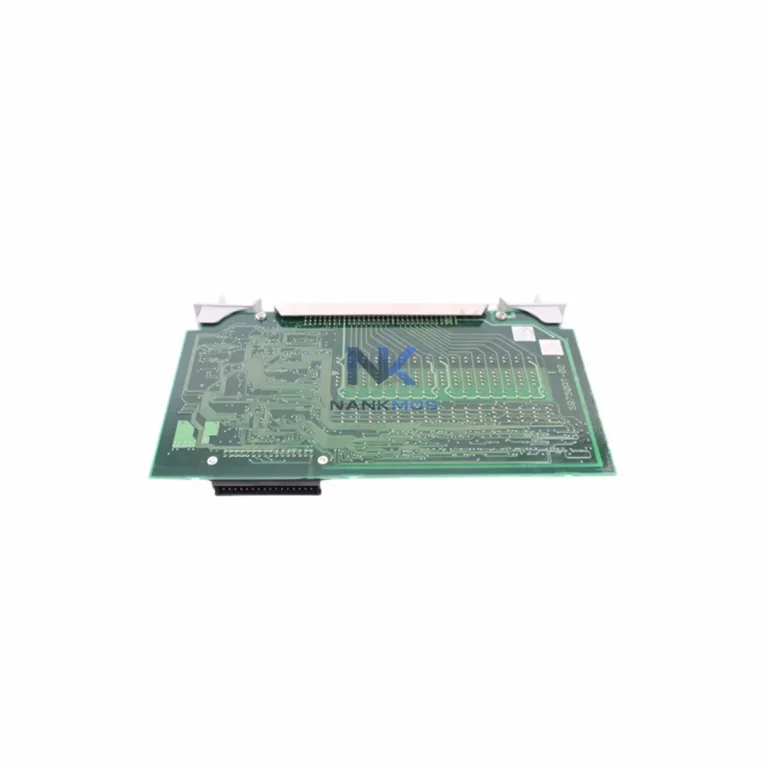
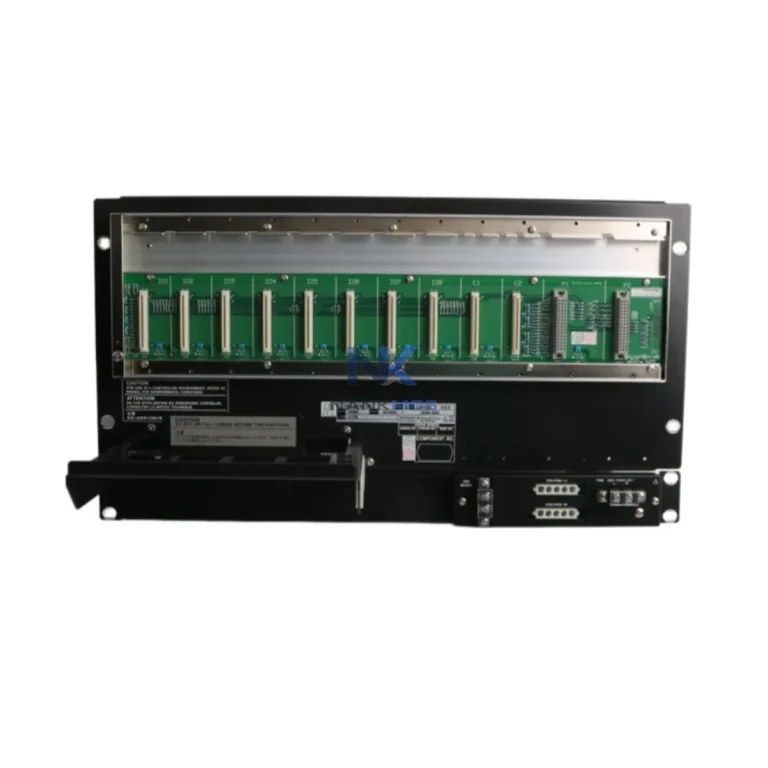
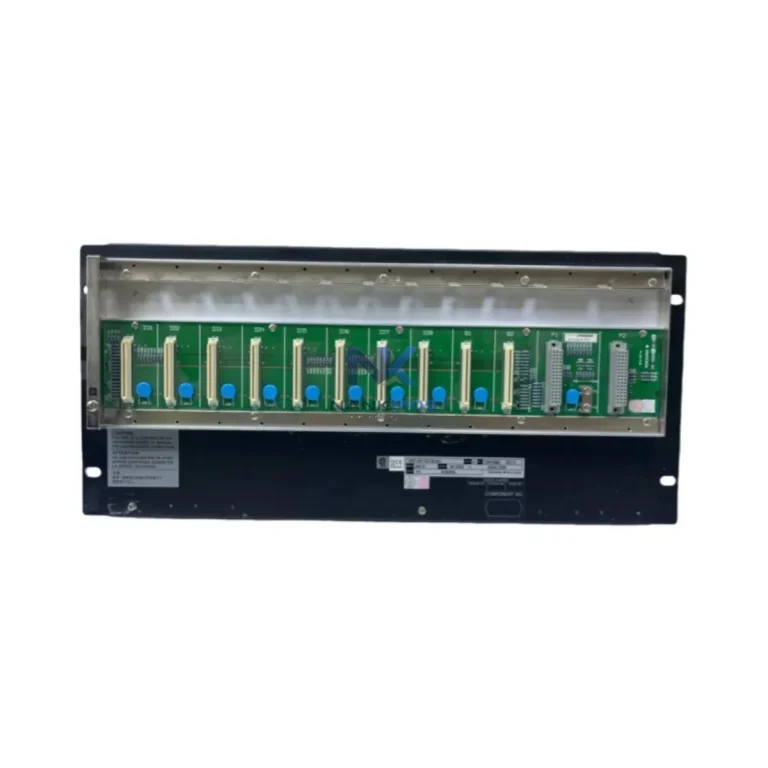
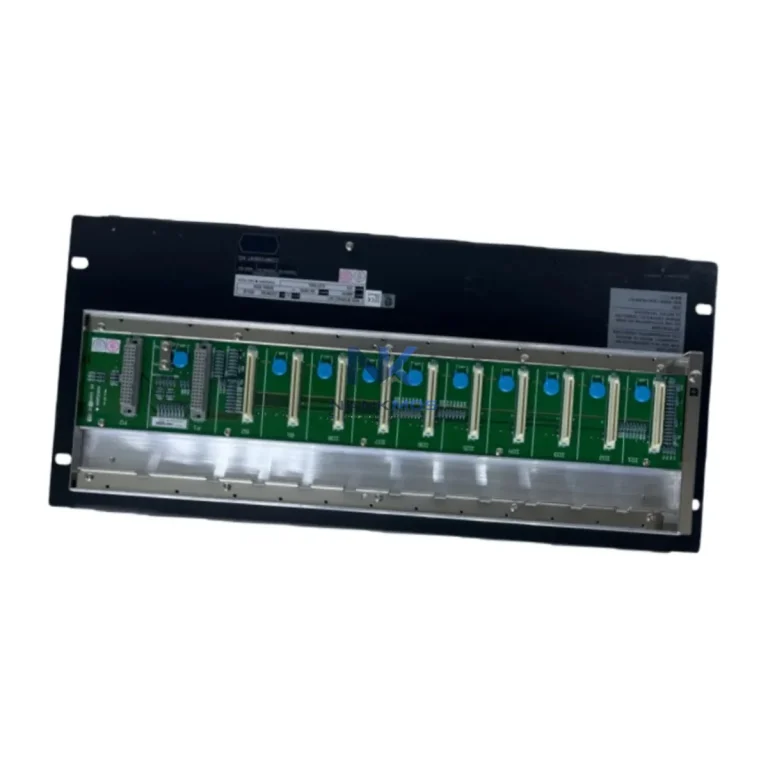
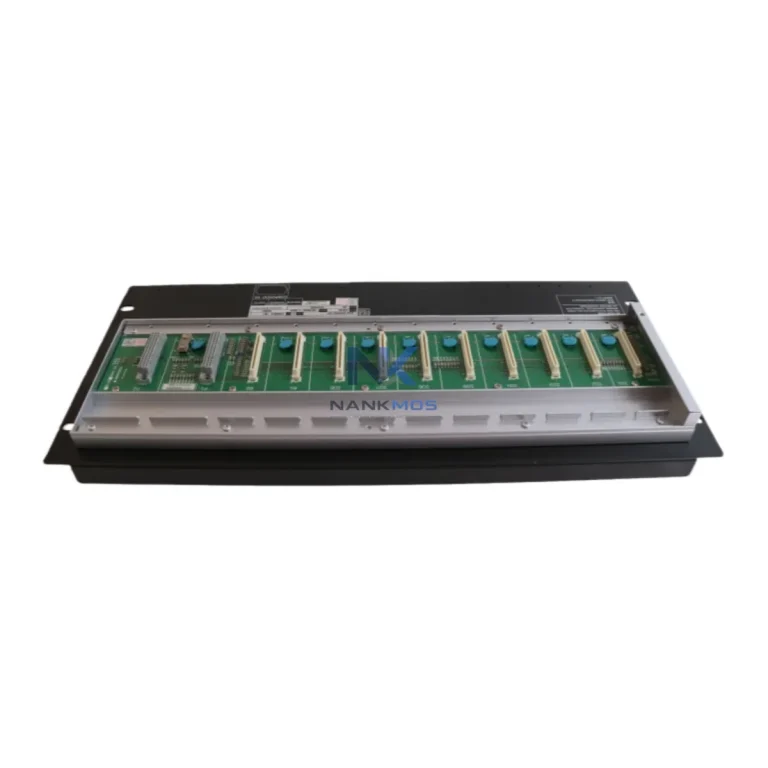
Yokogawa VC401-10 is a NANKMOS industrial automation product record Listed under CENTUM VP series and Business & Industrial > Automation, Control & Flow Devices. Confirm condition, availability, lead time, compatibility and documentation by email inquiry.
Brand names are used for identification only.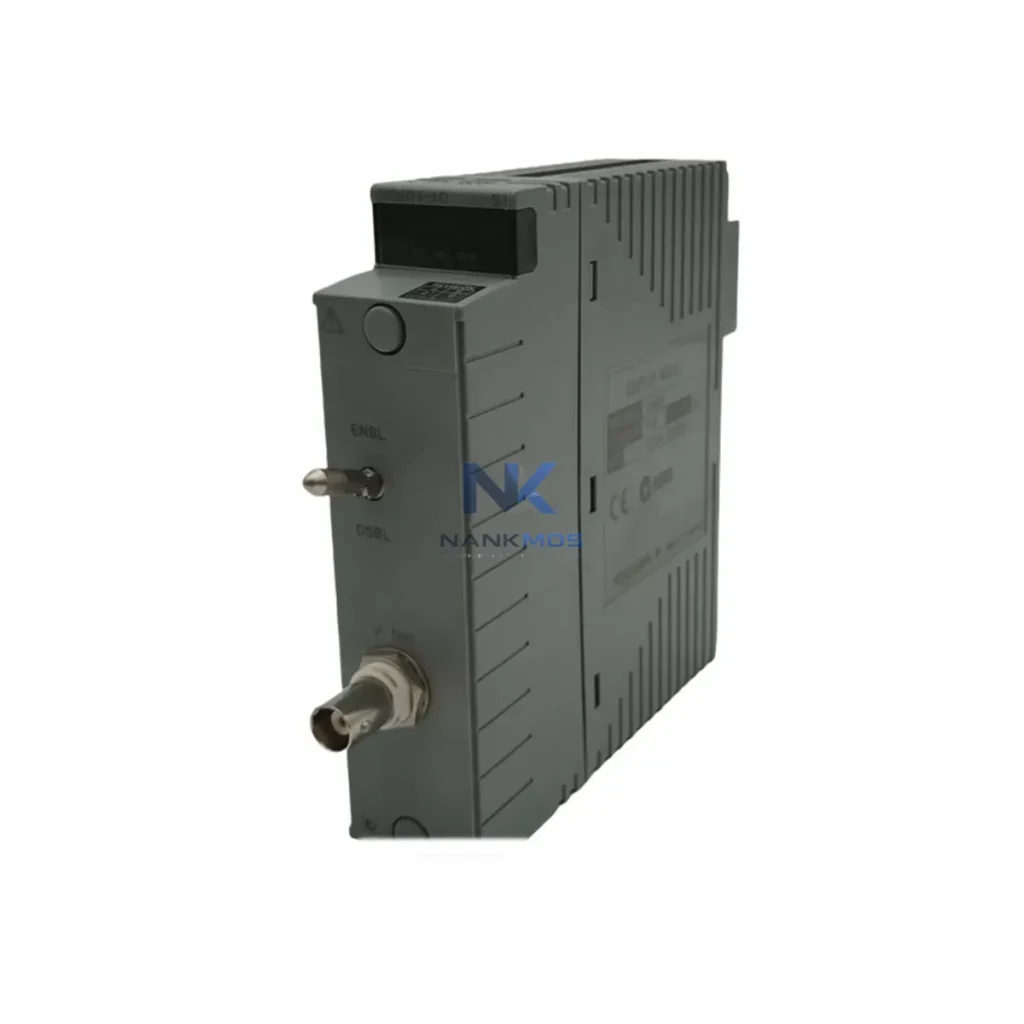
Yokogawa VC401-10 is a NANKMOS industrial automation product record Listed under CENTUM VP series and Business & Industrial > Automation, Control & Flow Devices. Confirm condition, availability, lead time, compatibility and documentation by email inquiry.
| Manufacturer | Yokogawa |
|---|---|
| Application | Industrial Automation Maintenance |
| Part Number / Model | VC401-10 |
| Compatible System | CENTUM VP |
| Series | CENTUM VP |
| Condition Options | To Confirm |
| Module Type | Automation, Control & Flow Devices |
| Warranty | 12 Months |
| Packaging | Anti-static Bag / Secure Box |
| Shipping Methods | DHL / FedEx / UPS / Air / Sea |
| Availability | To Confirm |
| Lead Time | To Confirm |
| Documentation | Part number and revision checked before quote |
The Yokogawa VC401-10 is a high-performance VNET Coupler Unit engineered to serve as the backbone of real-time data communication within Yokogawa's CENTUM VP Distributed Control System (DCS) architecture. Designed for demanding process automation environments — including oil and gas, petrochemical, power generation, and advanced manufacturing — the VC401-10 enables seamless, deterministic data exchange across the V-net control bus, ensuring that every node in the automation network operates with precision, synchronisation, and full system visibility.
In modern smart factory deployments, the integrity of the data link between field devices, controllers, and supervisory systems is non-negotiable. The VC401-10 fulfils this role by coupling V-net segments with high-speed, low-latency communication, forming the critical bridge between field-level I/O, PLC controllers, remote I/O stations, HMI terminals, SCADA platforms, and upper-level MES or ERP systems. Its role in the data chain is foundational: without a reliable coupler unit, the entire automation data flow — from signal acquisition to real-time monitoring and remote diagnostics — is compromised.
The VC401-10 sits at the heart of the CENTUM VP control network, coupling V-net bus segments to maintain uninterrupted data flow across the entire automation hierarchy. In a typical smart factory deployment, field instruments — pressure transmitters, flow meters, temperature sensors, and valve positioners — feed analogue and digital signals into remote I/O modules such as the Yokogawa AMN11 or AMN21 node units. These I/O nodes communicate upstream via the V-net bus, where the VC401-10 acts as the segment coupler, ensuring signal integrity and deterministic timing across extended cable runs and multi-segment topologies.
At the controller level, the Yokogawa ACM11 or ACM12 Field Control Stations (FCS) receive the coupled data streams and execute real-time control logic — PID loops, cascade control, interlock sequences — before passing process values and alarm states upward to the HMI and SCADA layers. The VC401-10's coupling function ensures that the FCS receives clean, time-stamped data without packet loss or bus contention, which is critical for high-integrity process control in refinery or power plant environments.
On the supervisory side, the Yokogawa HIS (Human Interface Station) — running CENTUM VP's integrated HMI software — pulls live process data from the V-net bus via the coupled segments managed by the VC401-10. Operators gain real-time visibility into process trends, alarm histories, and equipment status across the entire plant. When integrated with the Yokogawa Exaquantum plant information management system (PIMS), the data chain extends further: historical process data is archived, analysed, and visualised for production optimisation and regulatory compliance reporting.
For plants operating hybrid automation architectures, the VC401-10 also supports integration pathways to third-party systems via OPC-DA or OPC-UA gateways. An industrial OPC server installed on the engineering workstation can bridge CENTUM VP process data to external SCADA platforms — such as Wonderware InTouch or Ignition — enabling cross-platform data visualisation and remote monitoring without disrupting the native V-net communication layer. Similarly, Yokogawa's STARDOM FCN/FCJ remote RTU controllers can be networked into the broader CENTUM VP architecture, extending the data reach to geographically distributed field sites while the VC401-10 maintains the integrity of the central DCS bus.
In energy management and utilities applications, the VC401-10 supports data aggregation from power monitoring modules and Yokogawa WT series power analysers, feeding real-time energy consumption data into the CENTUM VP historian. This enables plant-wide energy dashboards, demand forecasting, and automated load-shedding sequences — all driven by the reliable, low-latency data coupling that the VC401-10 provides. When paired with Yokogawa's PRM (Plant Resource Manager) asset management software, field device diagnostics — HART device health, valve signature analysis, sensor drift alerts — are also routed through the V-net bus, giving maintenance teams remote diagnostic access without requiring physical site visits.
Protocol fragmentation is one of the most persistent challenges in brownfield automation upgrades. Many plants operate legacy DCS segments running older V-net revisions alongside newer CENTUM VP nodes. The VC401-10 resolves this by providing transparent segment coupling that bridges legacy and current-generation V-net architectures, eliminating the need for costly full-system replacements. Engineers can extend existing CENTUM CS 3000 installations into CENTUM VP environments incrementally, preserving capital investment while gaining access to modern data management capabilities.
Data island elimination is another core value delivered by the VC401-10. In plants where field devices, remote I/O stations, and controller nodes operate on isolated bus segments, process data remains siloed — unavailable to SCADA operators, maintenance systems, or business intelligence platforms. By coupling these segments into a unified V-net backbone, the VC401-10 ensures that every data point — from a thermocouple reading in a heat exchanger to a valve position in a distillation column — is accessible across the full automation hierarchy in real time.
Remote monitoring and alarm management capabilities are significantly enhanced when the VC401-10 is correctly deployed. With all V-net segments coupled and synchronised, CENTUM VP's alarm management system can aggregate, prioritise, and route alarms from any point in the network to the appropriate operator station or mobile notification system. Remote diagnostic sessions — conducted via the engineering workstation or a secure VPN connection — can interrogate any node on the coupled V-net bus, enabling fault isolation, parameter adjustment, and firmware verification without dispatching field technicians.
Production line transparency is achieved through the VC401-10's role in enabling continuous, uninterrupted data flow from field to cloud. When CENTUM VP process data is fed into a Yokogawa OpreX Data Hub or a third-party edge computing gateway, plant managers gain access to real-time KPI dashboards, OEE metrics, and predictive maintenance alerts — all grounded in the reliable, deterministic data coupling that the VC401-10 provides at the network layer.
System scalability is built into the VC401-10's design. As production capacity expands and new process units are commissioned, additional V-net segments can be coupled into the existing DCS architecture without disrupting live operations. The VC401-10 supports hot-standby redundancy configurations, ensuring that a single coupler failure does not interrupt the data flow to critical control loops — a mandatory requirement in safety-instrumented process environments.
Q1: What communication protocol does the Yokogawa VC401-10 support, and is it compatible with third-party DCS systems? The VC401-10 operates on Yokogawa's proprietary V-net control bus protocol, which is native to the CENTUM VP and CENTUM CS 3000 DCS platforms. It is not designed for direct interoperability with third-party DCS systems such as Honeywell Experion or ABB 800xA. However, integration with external SCADA or MES platforms is achievable via OPC-UA or OPC-DA gateway servers installed on the CENTUM VP engineering workstation, allowing process data to be shared across heterogeneous automation environments without modifying the V-net bus architecture.
Q2: How does the VC401-10 ensure network stability and minimise communication latency in large-scale DCS deployments? The VC401-10 is engineered for deterministic, real-time communication on the V-net bus, with fixed scan cycles and priority-based message scheduling that prevent bus contention even under high data load. In large CENTUM VP installations with multiple FCS nodes and extensive remote I/O, the VC401-10's segment coupling architecture distributes bus traffic across isolated segments, reducing collision probability and ensuring that time-critical control data — such as interlock signals and emergency shutdown commands — is always delivered within the required cycle time.
Q3: Can the VC401-10 support remote diagnostics, and what tools are available for fault isolation? Yes. When the VC401-10 is integrated into a CENTUM VP system, Yokogawa's engineering workstation software provides full remote diagnostic access to all coupled V-net nodes. Maintenance engineers can monitor bus traffic, check node communication status, review error logs, and perform parameter verification remotely — either from the local engineering station or via a secure remote desktop connection. Yokogawa's PRM (Plant Resource Manager) further extends diagnostic capability to HART-enabled field devices connected through the coupled I/O nodes, enabling predictive maintenance workflows without physical field access.
Q4: What does the 12-Month Warranty cover, and how are units tested before shipment? Every Yokogawa VC401-10 unit supplied by NANKMOS is covered by a 12-Month Warranty against manufacturing defects and functional failures under normal operating conditions. Prior to dispatch, each unit undergoes a pre-shipment functional test to verify V-net bus communication integrity, power supply performance, and connector condition. Units are shipped in anti-static protective packaging with full traceability documentation. In the event of a warranty claim, NANKMOS provides direct technical support and replacement coordination to minimise plant downtime. Contact [email protected] or +86 18359268345 for warranty enquiries.
Functional Inspection100% tested on professional platforms to ensure stable performance.
 Anti-static Packaging
Modules are packed in anti-static bags to prevent electrostatic damage.
 Secure Export Packing
Cushion protection and strong cartons ensure safe transportation.
 Worldwide Shipping
Global logistics network supports air, sea and express delivery.
 Documentation Check
Part number, revision and compatibility verified before shipment.
 After-sales Support
Professional technical support to help resolve your issues.