Functional Inspection
100% tested on professional platforms to ensure stable performance.
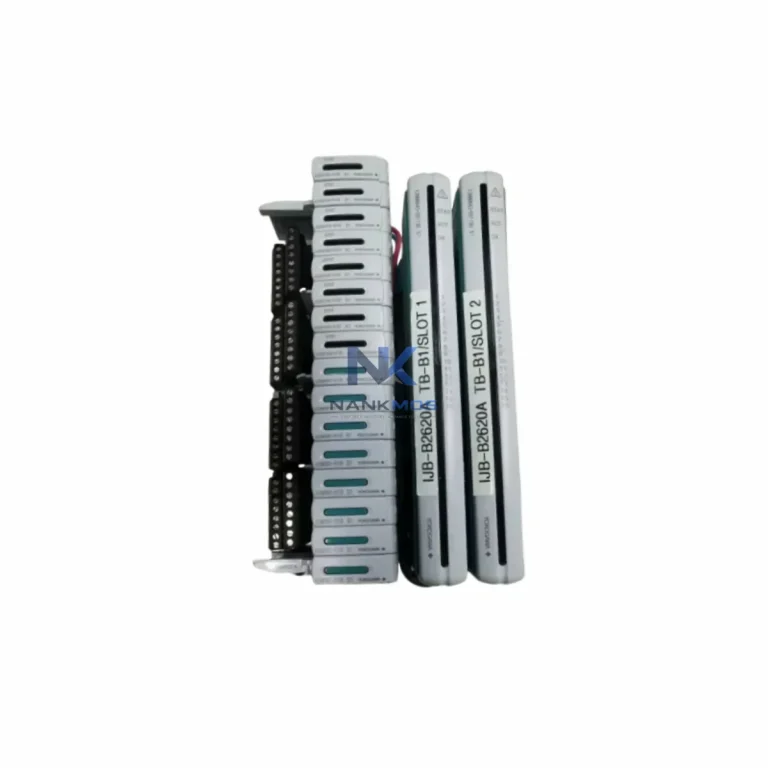
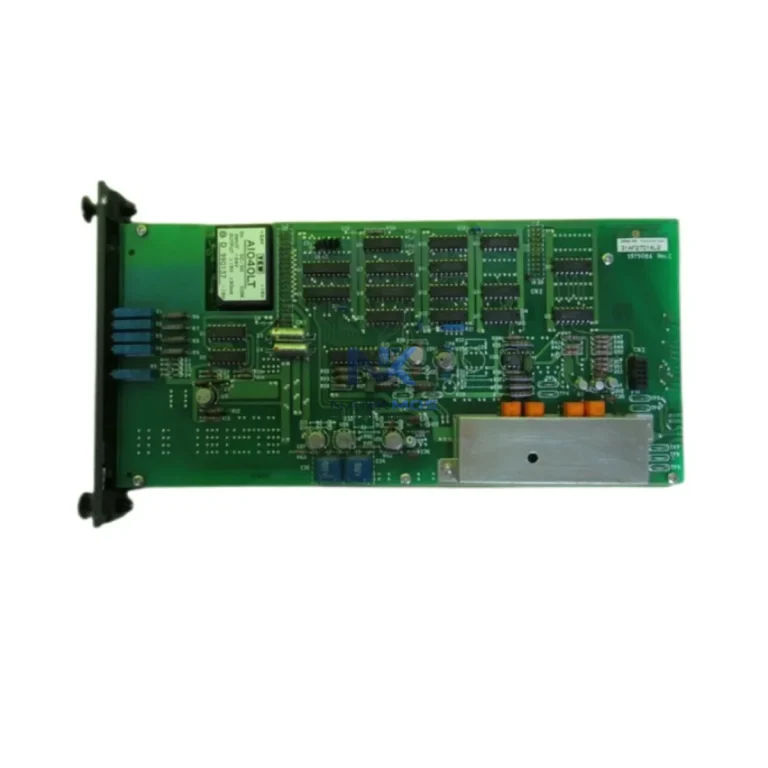
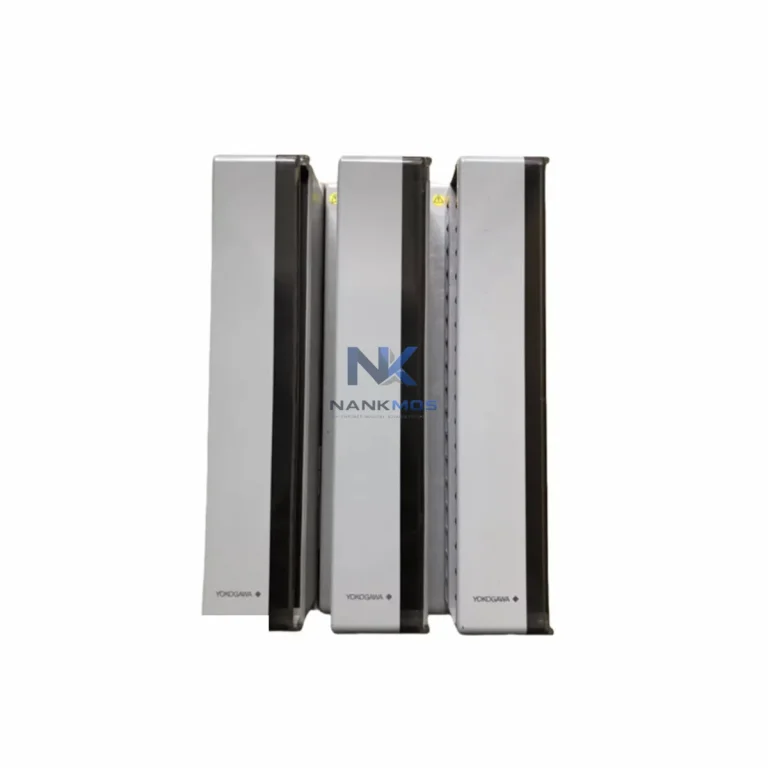
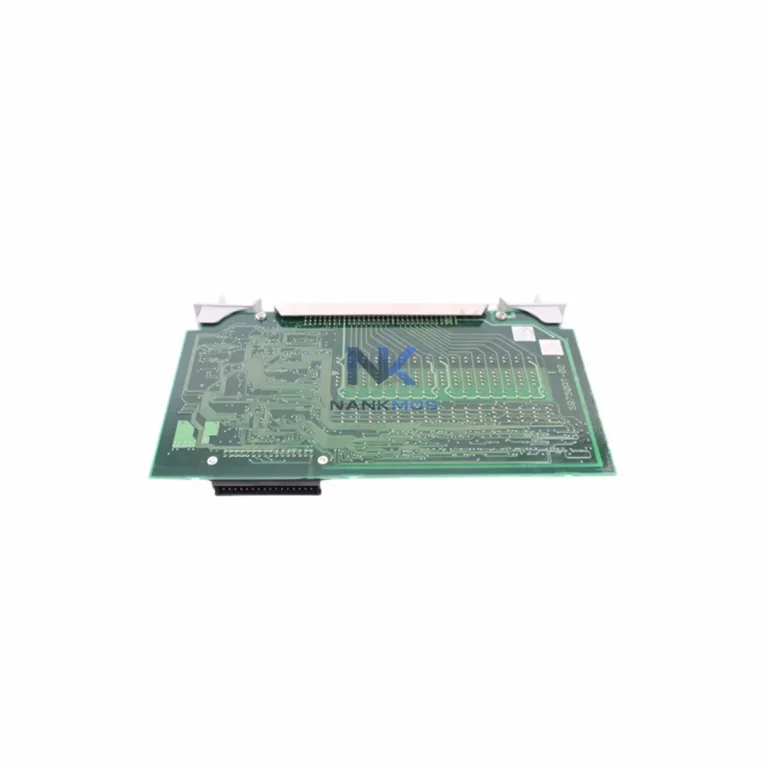
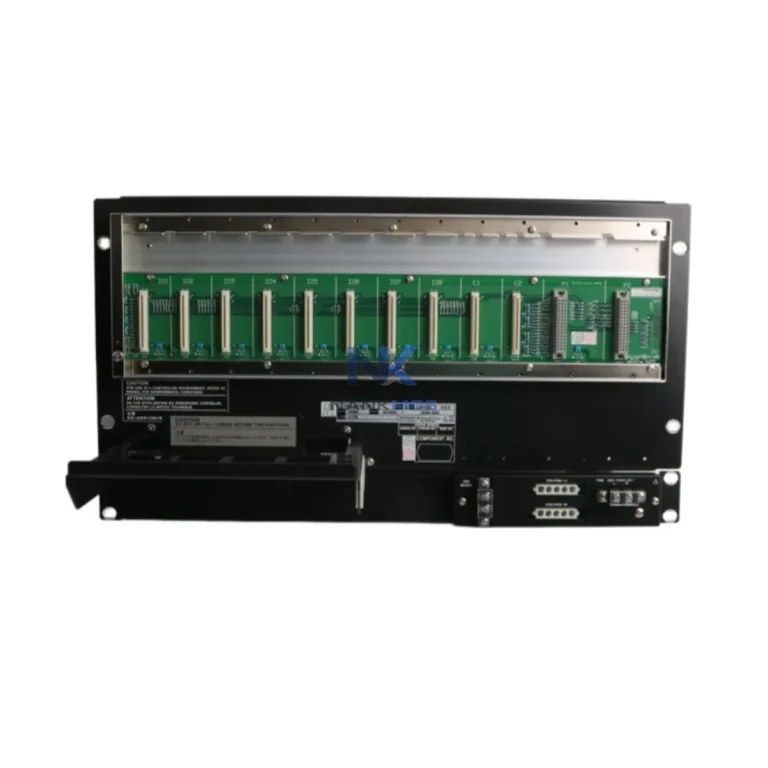
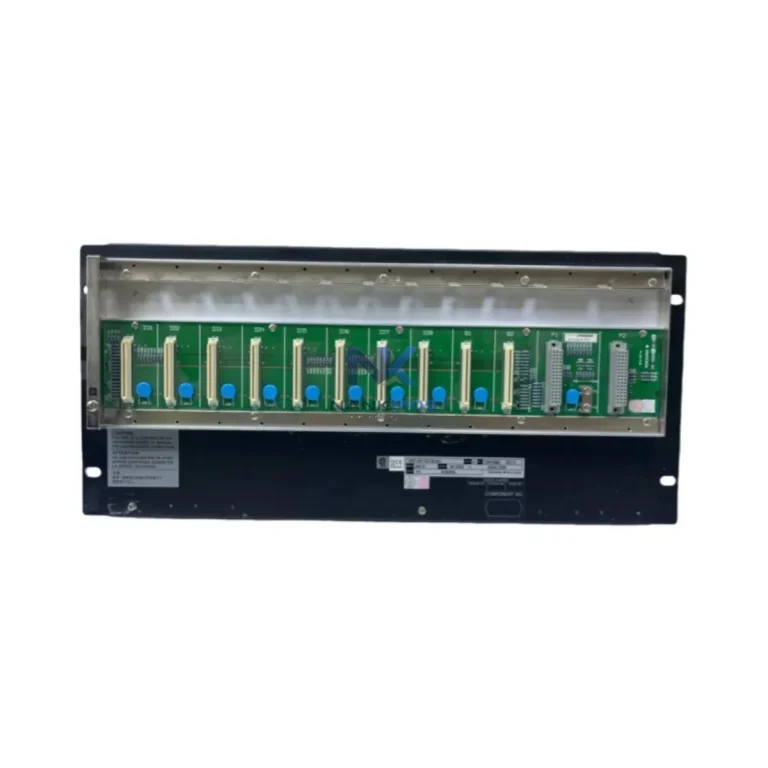
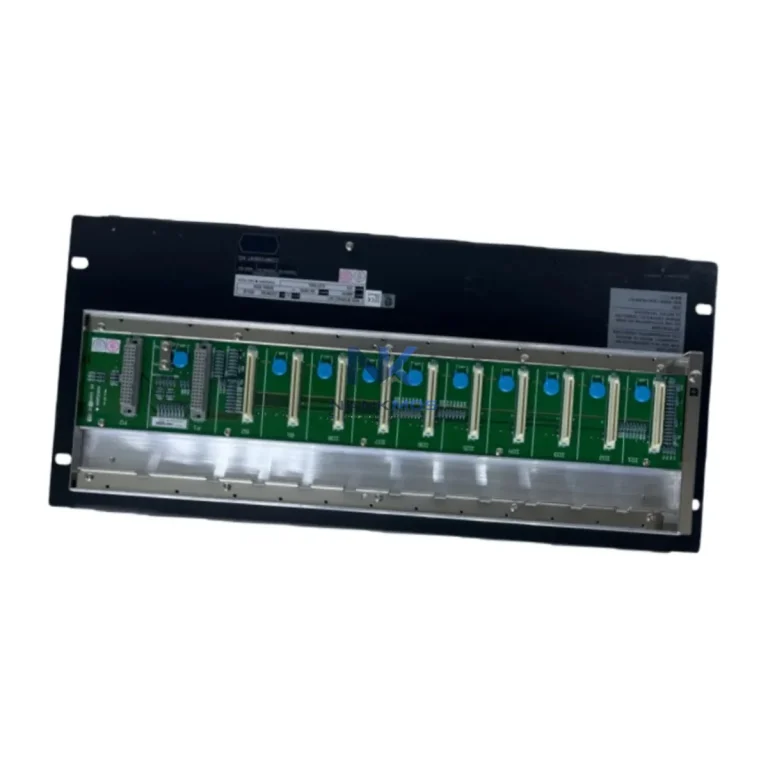
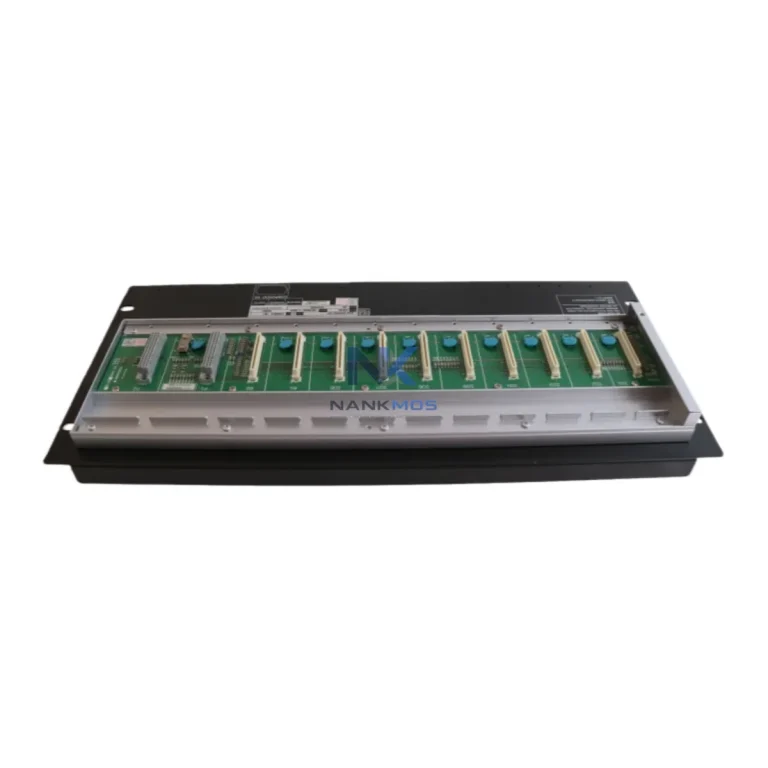
Yokogawa VI702 is a NANKMOS industrial automation product record Listed under CENTUM VP series and Business & Industrial > Automation, Control & Flow Devices. Confirm condition, availability, lead time, compatibility and documentation by email inquiry.
Brand names are used for identification only.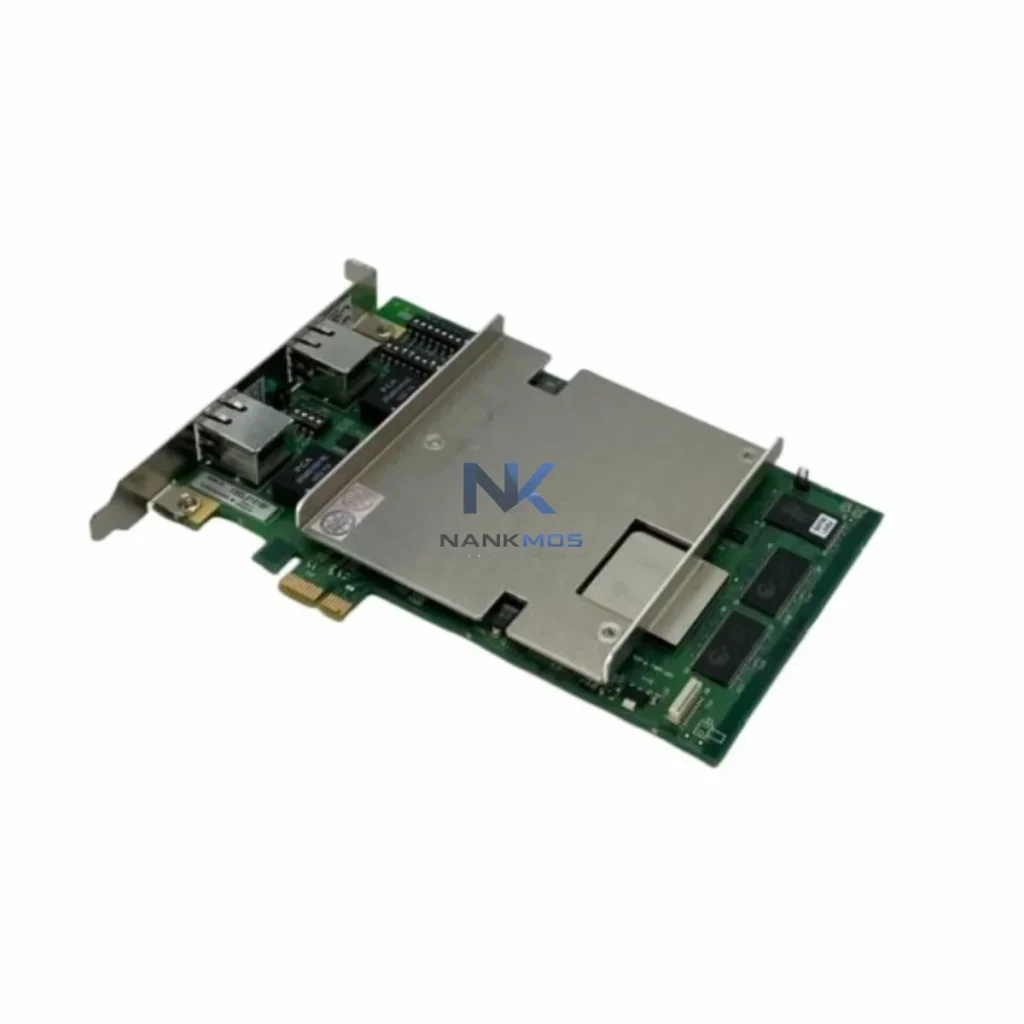
Yokogawa VI702 is a NANKMOS industrial automation product record Listed under CENTUM VP series and Business & Industrial > Automation, Control & Flow Devices. Confirm condition, availability, lead time, compatibility and documentation by email inquiry.
| Manufacturer | Yokogawa |
|---|---|
| Application | Industrial Network Communication |
| Part Number / Model | VI702 |
| Compatible System | CENTUM VP |
| Series | CENTUM VP |
| Condition Options | To Confirm |
| Module Type | Communication Module |
| Warranty | 12 Months |
| Packaging | Anti-static Bag / Secure Box |
| Shipping Methods | DHL / FedEx / UPS / Air / Sea |
| Availability | To Confirm |
| Lead Time | To Confirm |
| Documentation | Part number and revision checked before quote |
The Yokogawa VI702 is a high-performance communication interface card engineered for the Centum VP Distributed Control System (DCS) platform. Designed to serve as the critical data bridge between field devices and supervisory control layers, the VI702 enables real-time energy monitoring, load management, and process optimization across complex industrial environments. By ensuring low-latency, high-integrity signal transmission, this card directly contributes to reducing unnecessary energy consumption, minimizing thermal load on control cabinets, and sustaining stable production line throughput.
In modern manufacturing and process industries — including petrochemical, power generation, pharmaceutical, and food processing — the ability to accurately capture and relay operational data is foundational to energy efficiency. The VI702 fulfills this role by maintaining continuous, reliable communication between the Centum VP controller and connected field instruments, actuators, and energy monitoring subsystems. When communication integrity is compromised, control loops become unstable, drives operate outside optimal efficiency windows, and energy waste accumulates silently. The VI702 eliminates this risk.
The VI702 does not operate in isolation — its value is realized through tight integration with the broader Centum VP control architecture and connected automation components. Within a typical energy-optimized plant topology, the VI702 interfaces directly with the Yokogawa Centum VP FCS (Field Control Station), enabling the controller to receive high-fidelity process data from field transmitters, flow meters, and pressure sensors without communication bottlenecks that would otherwise force the FCS into redundant polling cycles and elevated CPU load.
On the drive side, the VI702 facilitates coordinated communication between the DCS and variable frequency drives (VFDs) managing pump and compressor motors. When the Centum VP receives accurate load feedback through the VI702, it can issue precise speed reference commands to the VFDs, keeping motors operating within their highest-efficiency torque bands rather than running at fixed speeds that waste energy during partial-load conditions. This coordination is especially impactful in applications where the Yokogawa DP harp or similar multi-drop field bus segments connect multiple motor-driven assets to a single controller node.
The VI702 also plays a key role in integrating servo drive systems and motion controllers into the DCS energy management layer. By relaying real-time axis status and power draw data from servo amplifiers back to the Centum VP, plant engineers gain visibility into which motion axes are consuming disproportionate energy — a common precursor to mechanical wear or misalignment. This data feeds directly into predictive maintenance workflows, allowing maintenance teams to schedule interventions before failures cause unplanned downtime and the associated energy spikes from emergency restarts.
On the I/O and instrumentation side, the VI702 supports communication with Yokogawa's STARDOM and Prosafe-RS safety systems, as well as third-party I/O modules and smart transmitters operating on standard industrial protocols. HMI terminals connected to the Centum VP can display live energy dashboards sourced through the VI702's data pathways, giving operators immediate visibility into consumption trends, load imbalances, and efficiency KPIs without requiring separate data acquisition hardware. Communication modules such as the Yokogawa ALF111 FOUNDATION Fieldbus H1 card work in parallel with the VI702 to extend this energy-aware communication fabric to field-level devices, ensuring that every layer of the control hierarchy contributes to the plant's energy optimization objectives.
Production line energy efficiency is ultimately a function of data quality and control responsiveness. When a communication interface card like the VI702 delivers accurate, low-latency process data to the Centum VP controller, the control system can make faster, more precise adjustments to setpoints, valve positions, and drive speeds — reducing the energy wasted in overshooting or hunting around target operating conditions.
In continuous process plants, even a 1–2% reduction in control loop deviation can translate to measurable reductions in steam consumption, compressed air usage, and electrical demand. The VI702 supports this by maintaining communication integrity under electrically noisy industrial conditions, preventing the data dropouts and retransmissions that degrade control loop performance and force operators to widen dead bands — a common but costly workaround that sacrifices efficiency for stability.
For production lines with variable throughput demands, the VI702 enables the Centum VP to implement load-shedding strategies that automatically reduce energy consumption during low-production periods. By maintaining reliable communication with energy monitoring modules and power meters installed at key distribution points, the DCS can identify and curtail non-essential loads in real time, flattening demand peaks and reducing peak-demand charges on the facility's electricity tariff.
Thermal load management is another area where the VI702 delivers indirect but significant energy savings. By enabling precise temperature control loops — whether for reactor vessels, heat exchangers, or drying ovens — the card helps prevent the thermal overshoot cycles that force cooling systems to work harder and longer than necessary. Stable thermal control, underpinned by reliable communication, reduces the duty cycle of chillers and cooling towers, lowering both energy consumption and equipment wear.
From a production rhythm perspective, the VI702 contributes to line takt stability by ensuring that the DCS receives uninterrupted feedback from all critical process points. Gaps in communication — even brief ones — can cause the controller to fall back on last-known values, leading to conservative, energy-inefficient control actions. With the VI702 maintaining communication continuity, the Centum VP can sustain aggressive, efficiency-optimized control strategies without the safety margins that would otherwise be required to compensate for unreliable data.
Q1: How does the VI702 contribute to measurable energy savings in a Centum VP system? The VI702 ensures that the Centum VP FCS receives accurate, real-time process data from field devices, enabling tighter control loop performance. Tighter control directly reduces energy waste from setpoint overshoot, unnecessary actuator cycling, and inefficient drive operation. Plants that have upgraded aging communication cards to current-generation units like the VI702 typically report improved loop stability and reduced utility consumption within the first operational quarter.
Q2: Is the VI702 compatible with third-party SCADA and energy management systems? Yes. The Centum VP platform, through which the VI702 operates, supports OPC-UA and standard industrial communication protocols that allow integration with third-party SCADA platforms and energy management systems (EMS). This enables plant-wide energy dashboards to incorporate data flowing through the VI702 without requiring proprietary middleware or custom integration work.
Q3: What is the recommended replacement or upgrade path if the VI702 is end-of-life in our system? For systems where the VI702 is approaching end-of-life, Yokogawa's current Centum VP communication card lineup provides direct functional equivalents with enhanced diagnostic capabilities and lower power consumption. Our team can assist with compatibility verification against your specific FCS configuration and firmware revision to ensure a drop-in replacement that preserves existing I/O mapping and control logic without requiring re-engineering.
Q4: What testing and quality assurance processes does the VI702 undergo before shipment? Every VI702 unit in our inventory undergoes a structured outgoing quality inspection that includes functional communication testing, power-on self-test verification, and visual inspection for component integrity. Units that pass inspection are shipped with a 12-Month Warranty covering manufacturing defects and functional failures under normal operating conditions. Expedited testing and priority dispatch are available for urgent production line requirements.
Functional Inspection100% tested on professional platforms to ensure stable performance.
 Anti-static Packaging
Modules are packed in anti-static bags to prevent electrostatic damage.
 Secure Export Packing
Cushion protection and strong cartons ensure safe transportation.
 Worldwide Shipping
Global logistics network supports air, sea and express delivery.
 Documentation Check
Part number, revision and compatibility verified before shipment.
 After-sales Support
Professional technical support to help resolve your issues.