
Product Systems
CENTUM R7.02: An Estimate Is Not a Field Measurement
Yokogawa’s CENTUM R7.02 adds AI Estimation. See how to distinguish model outputs, transmitter readings and laboratory results before ordering a spare.
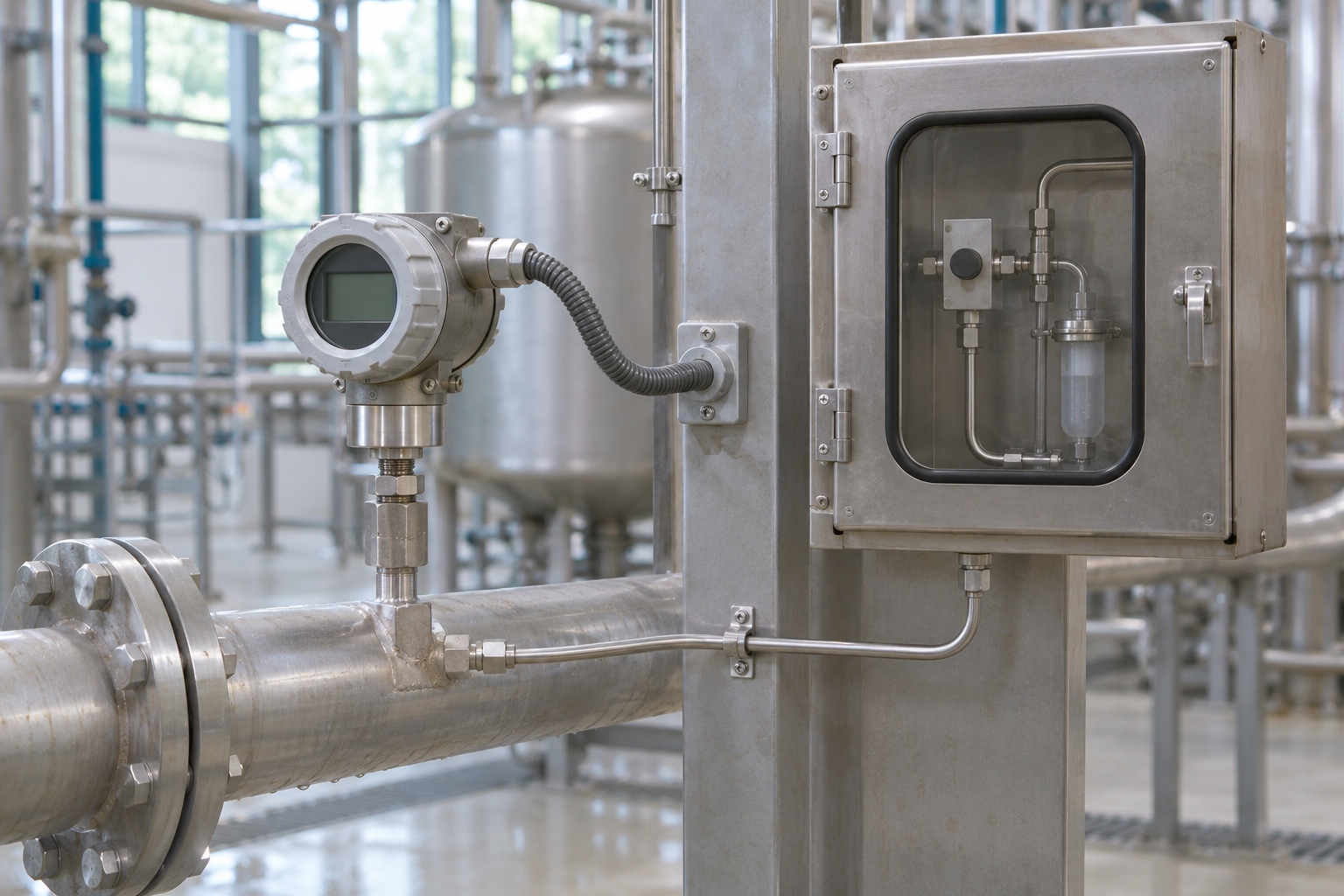
Yokogawa’s November 17 announcement set November 19, 2026 as the release date for CENTUM R7.02. It describes AI Estimation, a software-based sensing function that uses existing process data, such as temperature, pressure and flow, to estimate values that may be difficult to measure continuously. Yokogawa describes AI Control separately: it runs control models in CENTUM. An estimated value displayed to an operator is not, by itself, a control action.
Three numbers can describe three different things
Imagine an operator comparing a concentration estimate with a laboratory result. The estimate comes from a model fed by process readings; the lab result describes a sample taken at a specific point and time. A transmitter reading used by the model is a third piece of evidence. It measures its own variable, not the concentration inferred from it.
If the two concentration values disagree after a production change, first compare the sampling location and collection time with the process history. The time the lab entered its result may be later than the time the sample was collected. Comparing the result with the model’s latest value could make an ordinary process change look like a faulty instrument.
A steady trend does not prove that every input is healthy
The reverse problem is just as important. A smooth estimate does not establish that all of its inputs are valid. For example, if one recorded input has stayed flat while the operating state has changed, ask whether the equipment was genuinely steady at that measurement point or whether the recorded value stopped updating. A qualified reviewer can compare the original signal, its quality information where available, and the period over which the model was approved for use.
Record the evidence as three separate items: the instrument reading, the model output, and any independent reference. Keep the units and time basis with each one. This is a way to hand off a discrepancy, not a proposal to recalibrate an instrument, change a model or alter production controls. The plant’s engineering and quality teams decide whether a value can be used for a particular decision.
Only one of those records may point to a physical spare
If the discrepancy is traced to an instrument or I/O assembly, identify the installed hardware from its approved records or accessible nameplate. If the issue instead lies in model inputs, operating conditions or the comparison with a lab sample, a replacement module may not address it. The R7.02 announcement does not establish compatibility with a particular installed assembly or availability of a replacement.
See our Yokogawa parts pages and product-system guides for identification context. For a confirmed hardware requirement, send the exact model, relevant suffix or revision, and quantity through NANKMOS Contact / RFQ. Availability, condition, lead time and any proposed alternative are confirmed case by case. There’s no need to send proprietary process data to start a parts enquiry.
Related guides
View all guides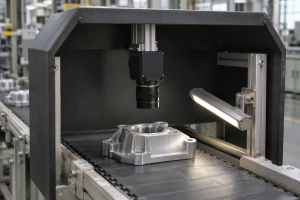
Machine Vision False Rejects: Check the Lighting Before the Camera
When a reflective part fails inspection, compare reference images before ordering a camera. Learn when to scope the light, controller or mounting instead.
Read guide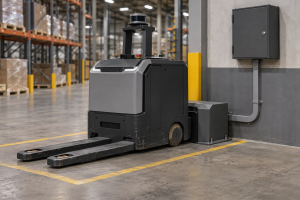
AMR Charging Faults: Is the Spare on the Robot or at the Dock?
When an AMR stops charging, distinguish the fixed dock from the vehicle battery. Use dock IDs and fleet events to scope the right replacement RFQ.
Read guide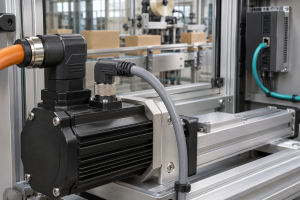
Servo Drive Spares: EtherCAT Is Not the Encoder Interface
An EtherCAT drive can still be the wrong spare. Learn how to verify the motor encoder protocol, feedback cable and exact drive variant before ordering.
Read guide
Rockwell LogixEdge: One Device, Two Change Approvals
Rockwell LogixEdge brings machine control and edge software onto one device. Define who approves each change and what must be verified before release.
Read guideSend your part number, photos or nameplate.
Our team will verify, check availability, and reply with options within 24 hours.
[email protected]+86 18359268345WhatsApp