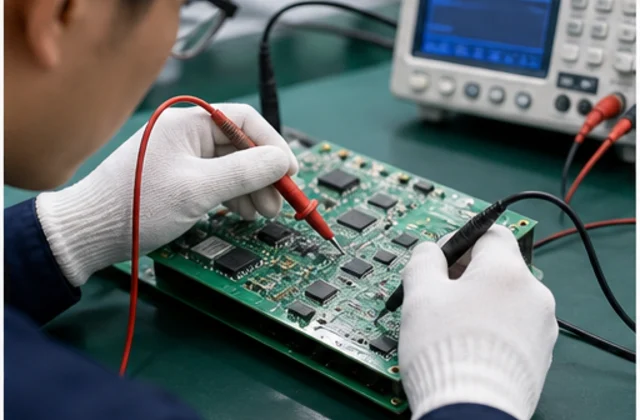
 Functional Inspection
100% tested on professional platforms to ensure stable performance.
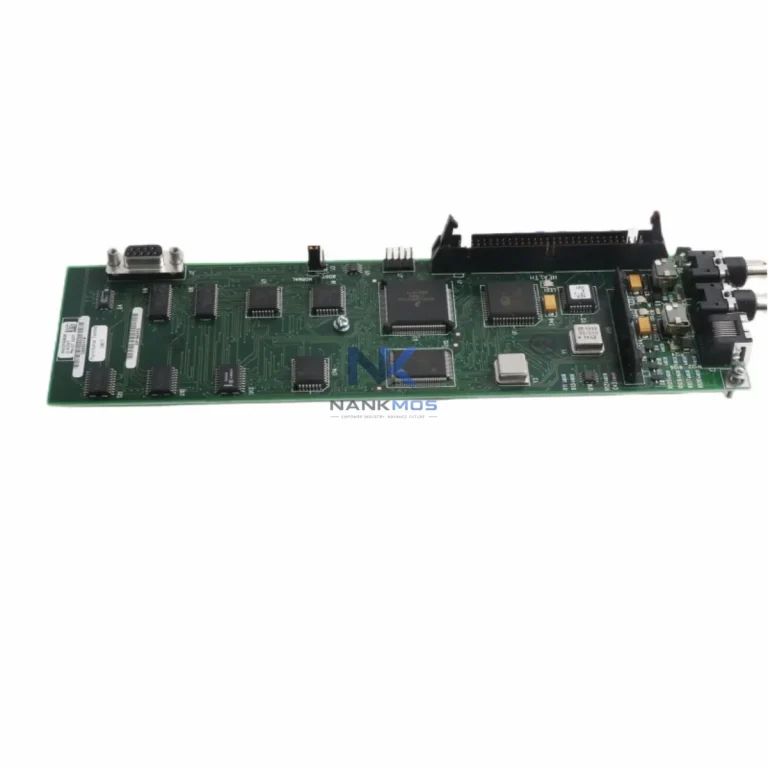
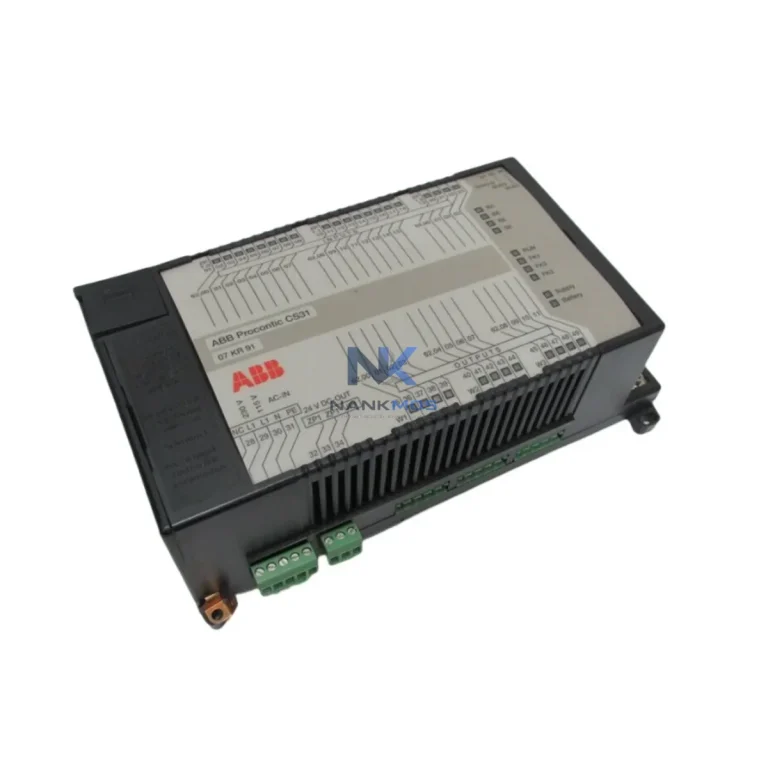
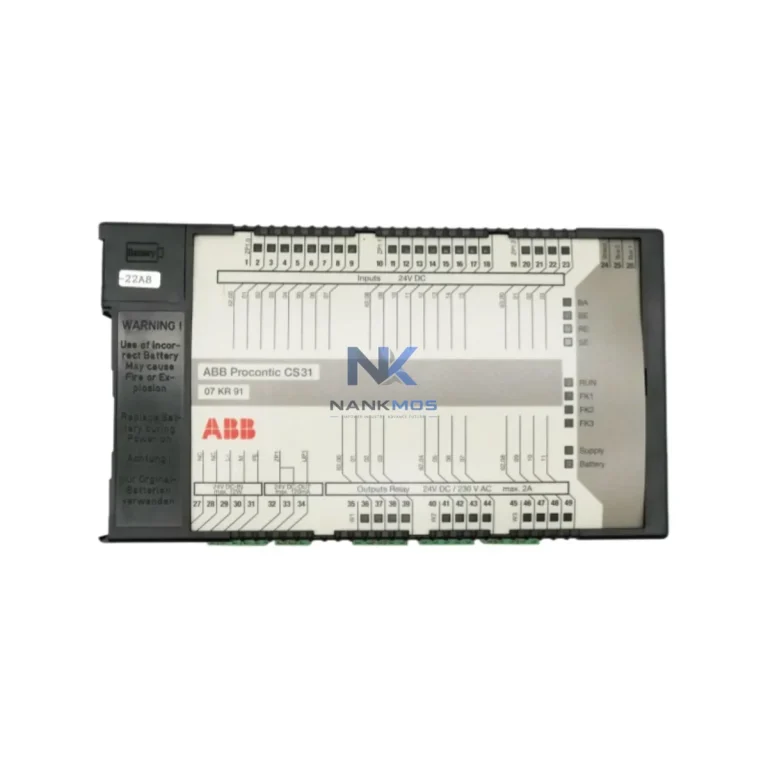
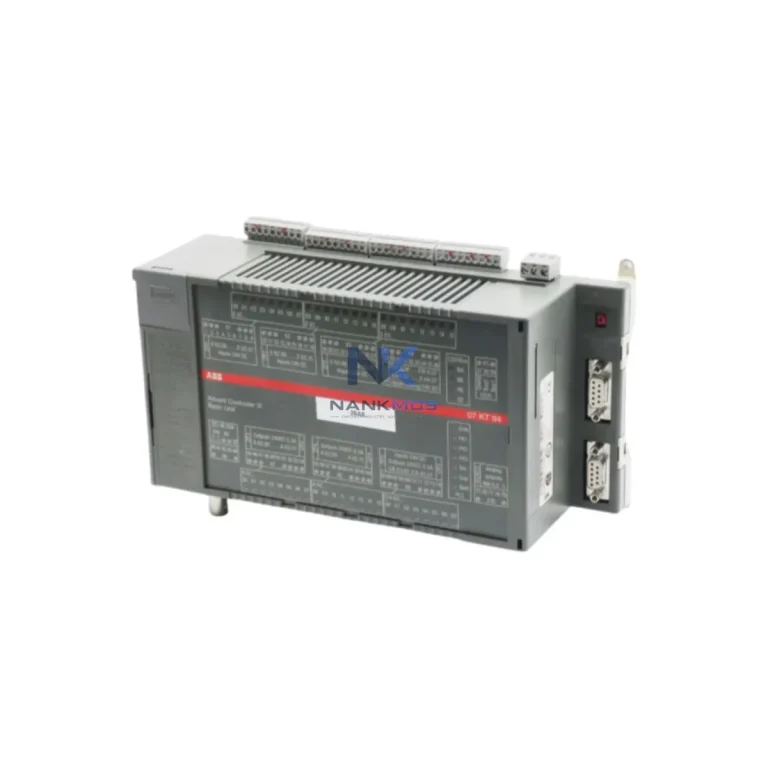
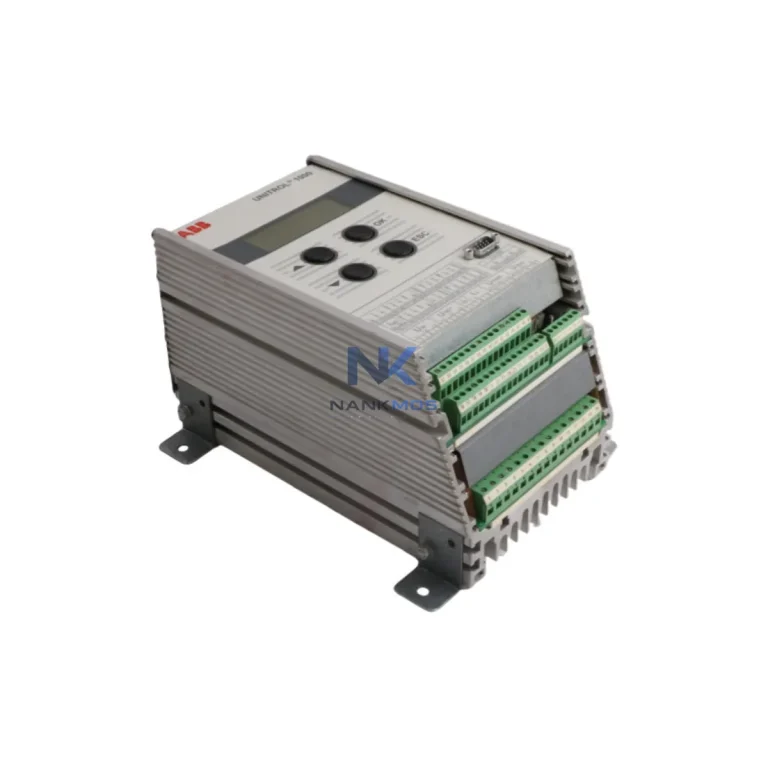
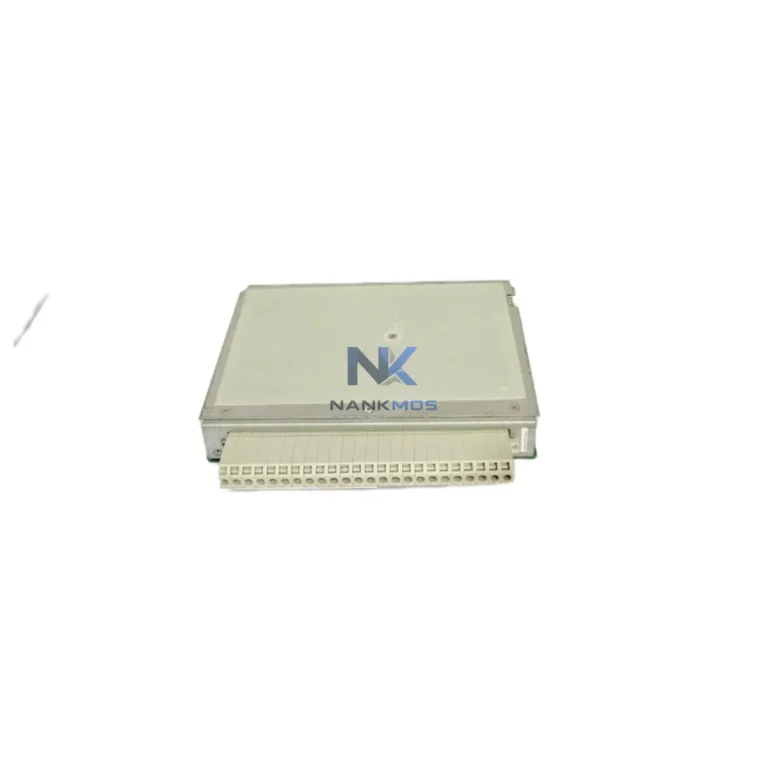
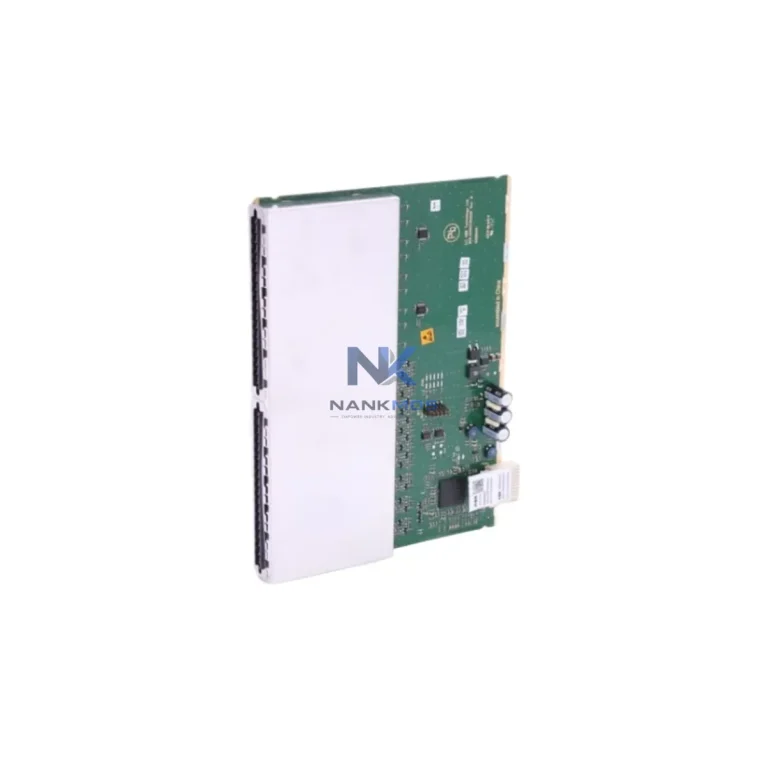
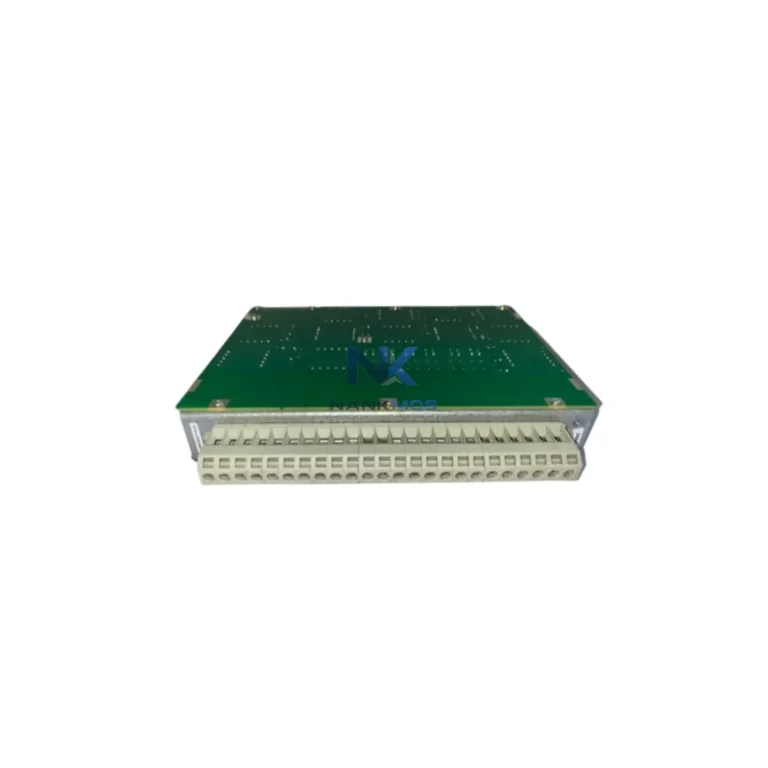
ABB 3BHE029153R0101 0119A-P V101 is a NANKMOS industrial automation product record Listed under UNITROL series and Business & Industrial > Automation, Control & Flow Devices. Confirm condition, availability, lead time, compatibility and documentation by email inquiry.
Brand names are used for identification only.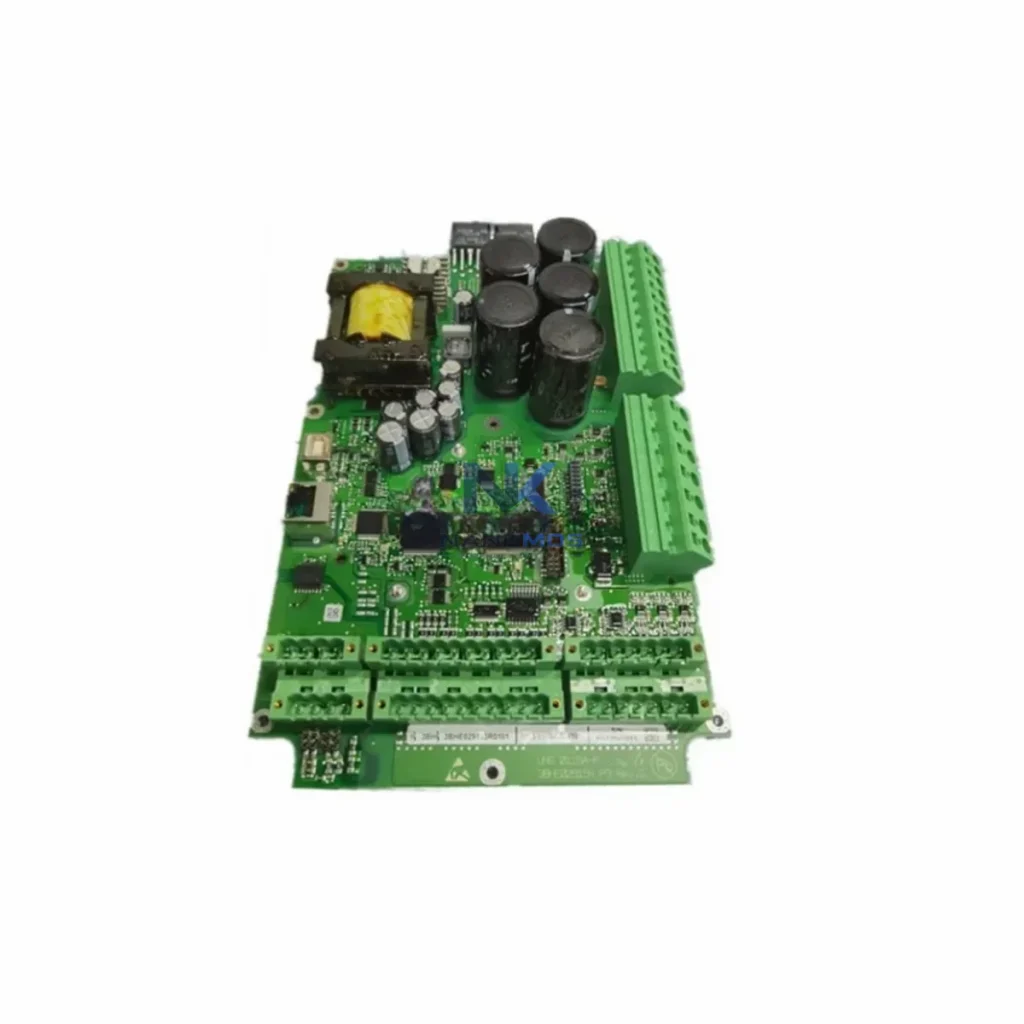
ABB 3BHE029153R0101 0119A-P V101 is a NANKMOS industrial automation product record Listed under UNITROL series and Business & Industrial > Automation, Control & Flow Devices. Confirm condition, availability, lead time, compatibility and documentation by email inquiry.
| Manufacturer | ABB |
|---|---|
| Application | DCS / Control Board Replacement |
| Part Number / Model | 3BHE029153R0101 0119A-P V101 |
| Compatible System | UNITROL |
| Series | UNITROL |
| Condition Options | To Confirm |
| Module Type | Control Board / Card |
| Warranty | 12 Months |
| Packaging | Anti-static Bag / Secure Box |
| Shipping Methods | DHL / FedEx / UPS / Air / Sea |
| Availability | To Confirm |
| Lead Time | To Confirm |
| Documentation | Part number and revision checked before quote |
The ABB 3BHE029153R0101 is a precision-engineered energy-control board designed for the ABB Unitrol series excitation and voltage regulation systems. Built to operate within demanding industrial environments, this board plays a central role in managing reactive power flow, stabilizing generator excitation, and reducing unnecessary energy losses across continuous production lines. With a verified 12-Month Warranty and pre-shipment functional testing, it is a reliable replacement and upgrade component for facilities prioritizing energy efficiency, uptime, and load management.
In a modern smart production line, energy efficiency is not achieved by a single component — it is the result of tightly coordinated control architecture. The ABB 3BHE029153R0101 excitation control board sits at the heart of this architecture, interfacing with upstream and downstream systems to ensure that power is consumed only where and when it is needed.
At the drive level, this board works in coordination with ABB ACS880 series variable frequency drives (VFDs), which regulate motor speed and torque in response to real-time load demand. When the excitation system accurately tracks reactive power requirements, the VFDs can operate closer to their optimal efficiency curve, reducing both active and reactive energy waste. Similarly, ABB ACS580 drives deployed on auxiliary equipment — pumps, fans, and compressors — benefit from a stabilized grid voltage that this board helps maintain.
On the control side, the board integrates with ABB AC800M programmable automation controllers (PACs) and Siemens S7-1500 PLCs via standardized communication protocols including PROFIBUS-DP and Modbus RTU. These controllers issue setpoint commands to the excitation system, enabling dynamic load-following strategies that reduce peak demand charges and smooth production-line power consumption profiles.
Power quality monitoring is handled upstream by dedicated power measurement modules such as the ABB M2M power monitoring unit or equivalent Schneider Electric PowerLogic ION meters. These devices feed real-time kW, kVAR, and power factor data into the SCADA layer — typically ABB Ability System 800xA or Wonderware InTouch — where energy dashboards track consumption trends and flag anomalies. The 3BHE029153R0101 responds to these signals by adjusting excitation output, keeping the power factor within target bands and avoiding reactive power penalties.
At the field level, temperature sensors and vibration transducers mounted on generator windings and bearing housings provide continuous health data. This information, routed through ABB PROFIBUS I/O modules or Beckhoff EtherCAT I/O terminals, enables the control system to detect early signs of thermal stress or mechanical wear — conditions that, if left unaddressed, lead to unplanned downtime and energy-wasting restart cycles. The excitation control board contributes directly to thermal load reduction by preventing over-excitation events that generate excess heat in generator windings.
HMI panels — such as the ABB CP600 series or Siemens SIMATIC HMI TP1200 — provide operators with real-time visibility into excitation status, reactive power output, and system alarms. This transparency supports faster decision-making during load transitions and shift changeovers, reducing the idle-running time that accounts for a significant share of industrial energy waste.
Factory energy optimization is increasingly driven by the need to reduce operating costs, meet carbon reduction targets, and maintain competitive production throughput. The ABB 3BHE029153R0101 contributes to all three objectives by ensuring that the excitation system — one of the most energy-intensive subsystems in a generator-driven production facility — operates with maximum precision and minimum loss.
Reactive power mismanagement is one of the leading causes of inflated energy bills in industrial plants. When excitation is poorly controlled, generators produce excess reactive power that circulates through the network without performing useful work, increasing current levels, heating cables and transformers, and reducing the capacity available for productive loads. By maintaining tight voltage regulation and reactive power control, the 3BHE029153R0101 keeps the power factor close to unity, directly reducing apparent power demand and the associated energy costs.
Production line rhythm — the consistent, predictable cadence of machine cycles — is also heavily influenced by power quality. Voltage sags and transients caused by poor excitation control can trigger protective shutdowns in sensitive CNC machines, robotic welding cells, and servo-driven assembly stations. Each unplanned stop disrupts the production schedule, wastes partially processed materials, and requires energy-intensive restart sequences. The 3BHE029153R0101's fast-response voltage regulation suppresses these disturbances, keeping line throughput stable and reducing the frequency of energy-wasting restart events.
Predictive maintenance integration further amplifies the energy savings. By combining excitation system data with vibration and temperature analytics from field sensors, maintenance teams can schedule interventions during planned downtime windows rather than reacting to failures. This approach eliminates the energy overhead of emergency repairs, reduces spare-parts waste, and extends the service life of generators and associated drive equipment.
Every unit of the ABB 3BHE029153R0101 supplied by NANKMOS undergoes pre-shipment functional testing to verify excitation response, communication integrity, and thermal performance. Stock is maintained for immediate dispatch, minimizing the production downtime associated with waiting for critical spare parts. The included 12-Month Warranty covers manufacturing defects and provides assurance that the board will perform to specification throughout the initial service period.
Q1: What energy-saving benefits does the ABB 3BHE029153R0101 deliver in a production environment? The board optimizes excitation output to maintain near-unity power factor, reducing reactive power circulation and the associated cable and transformer heating losses. It also suppresses voltage transients that cause protective shutdowns in downstream drives and CNC equipment, keeping production rhythm stable and avoiding energy-wasting restart cycles. Facilities that have replaced degraded excitation boards typically report measurable reductions in reactive energy charges and improved generator thermal performance.
Q2: Which control systems and communication protocols is this board compatible with? The 3BHE029153R0101 is designed for ABB Unitrol 1000, 5000, and 6000 excitation platforms. It communicates with higher-level control systems — including ABB AC800M PACs, Siemens S7-series PLCs, and SCADA platforms — via PROFIBUS-DP and Modbus RTU. For facilities using ABB Ability System 800xA, the board integrates natively into the energy management and condition monitoring workflows.
Q3: What is the recommended replacement procedure, and are there compatible alternative part numbers? Replacement should follow the ABB Unitrol service manual for the specific excitation system variant. The board should be installed with the system de-energized and all safety interlocks engaged. After installation, excitation setpoints and PID parameters should be verified against the original commissioning records. NANKMOS technical support can assist with cross-referencing compatible ABB Unitrol board variants if the exact part number is unavailable.
Q4: What does the 12-Month Warranty cover, and how quickly can the board be shipped? The 12-Month Warranty covers manufacturing defects and functional failures under normal operating conditions. All units are functionally tested before dispatch to verify excitation response and communication integrity. Stock is available for immediate shipment, with standard lead times of 3–7 business days depending on destination. For urgent requirements, expedited shipping options are available — contact NANKMOS directly to confirm availability and dispatch schedule.
Functional Inspection100% tested on professional platforms to ensure stable performance.
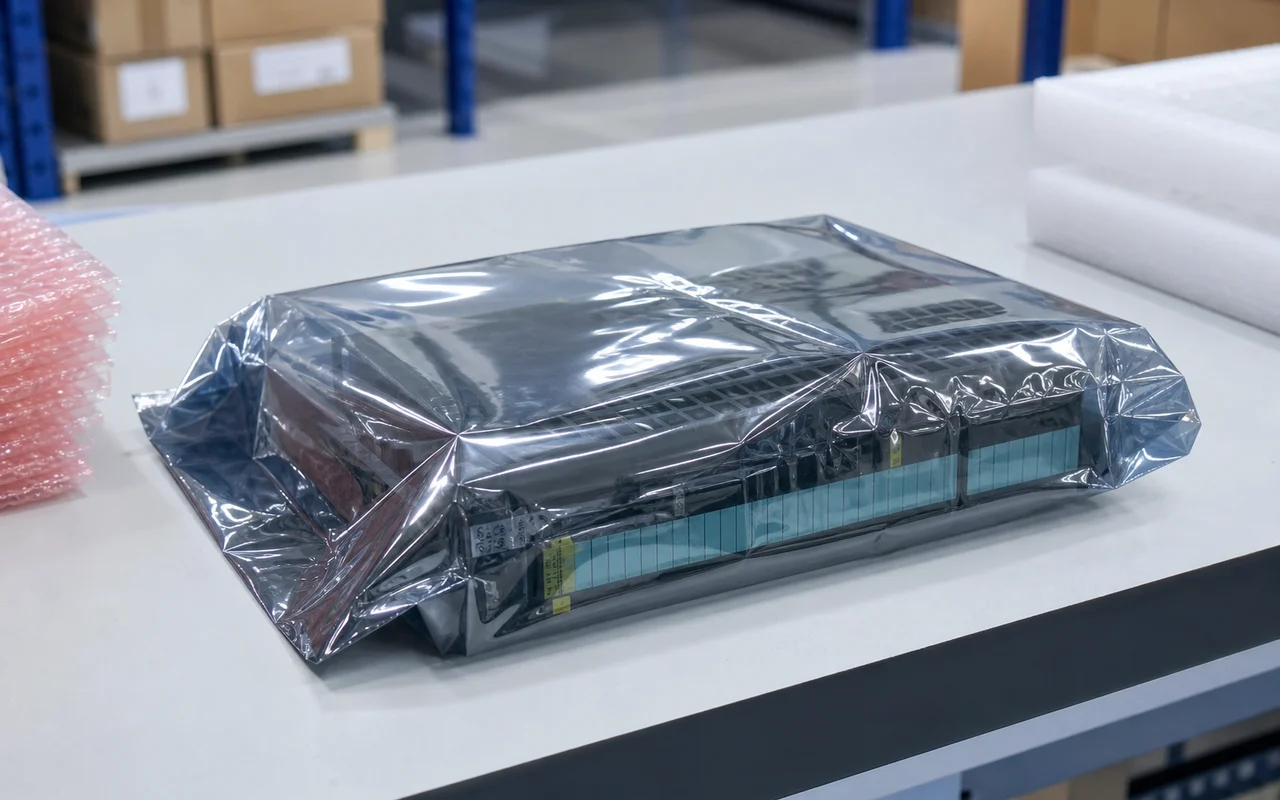 Anti-static Packaging
Modules are packed in anti-static bags to prevent electrostatic damage.
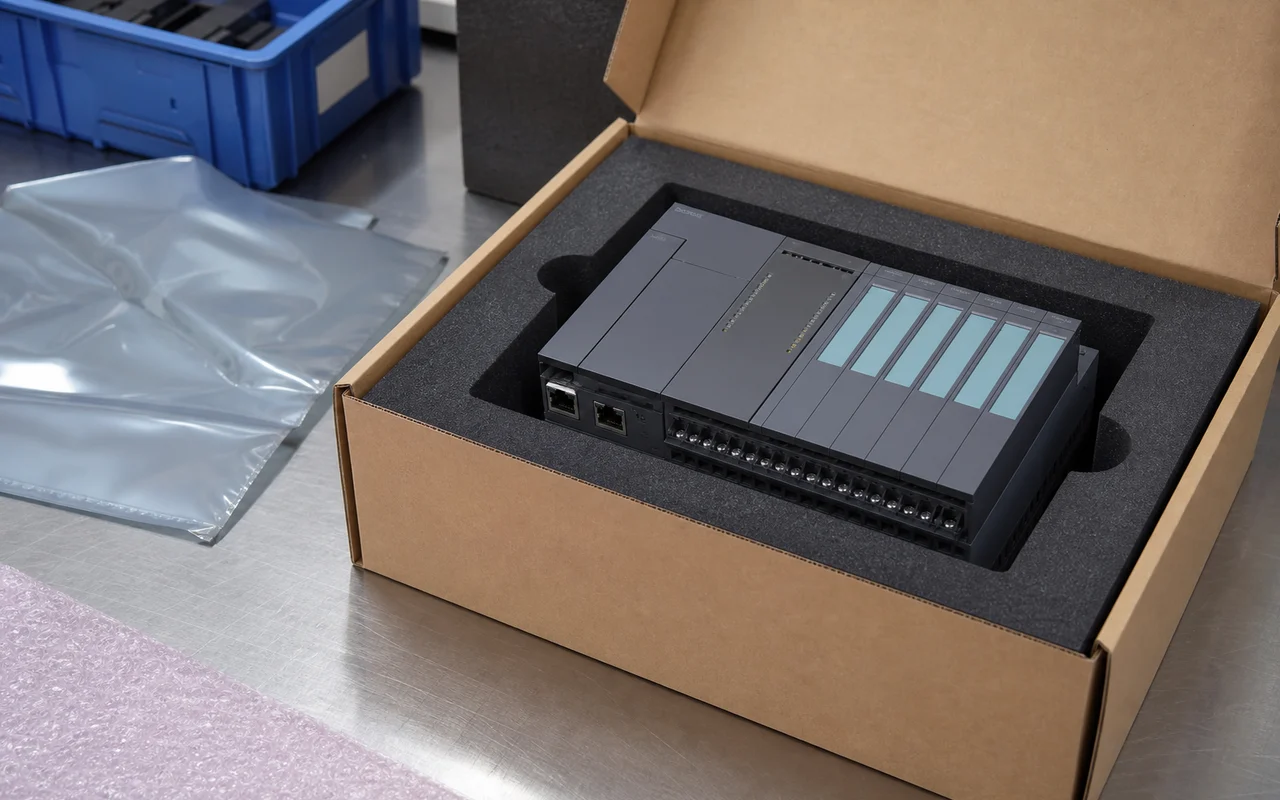 Secure Export Packing
Cushion protection and strong cartons ensure safe transportation.
 Worldwide Shipping
Global logistics network supports air, sea and express delivery.
 Documentation Check
Part number, revision and compatibility verified before shipment.
 After-sales Support
Professional technical support to help resolve your issues.