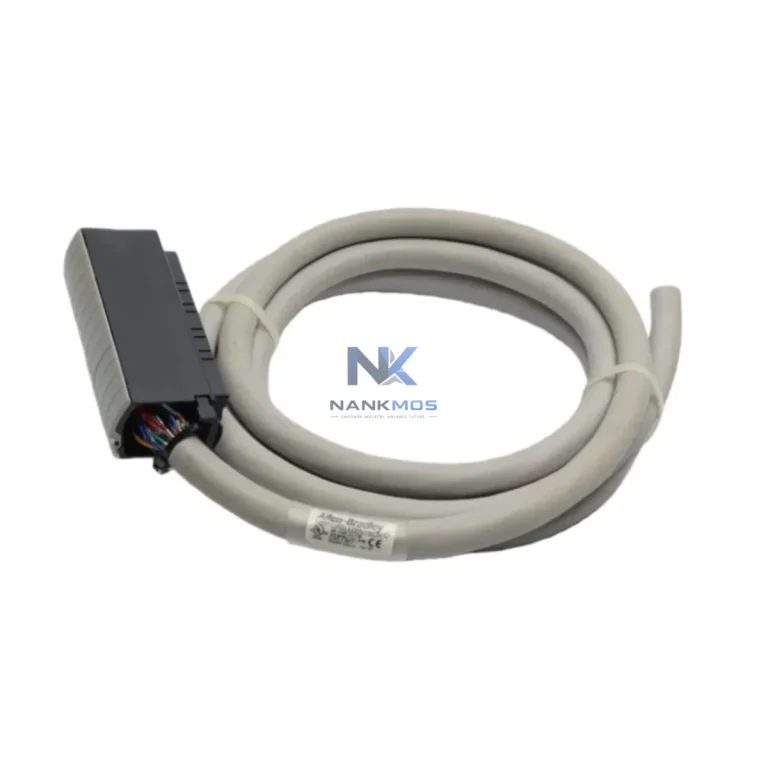
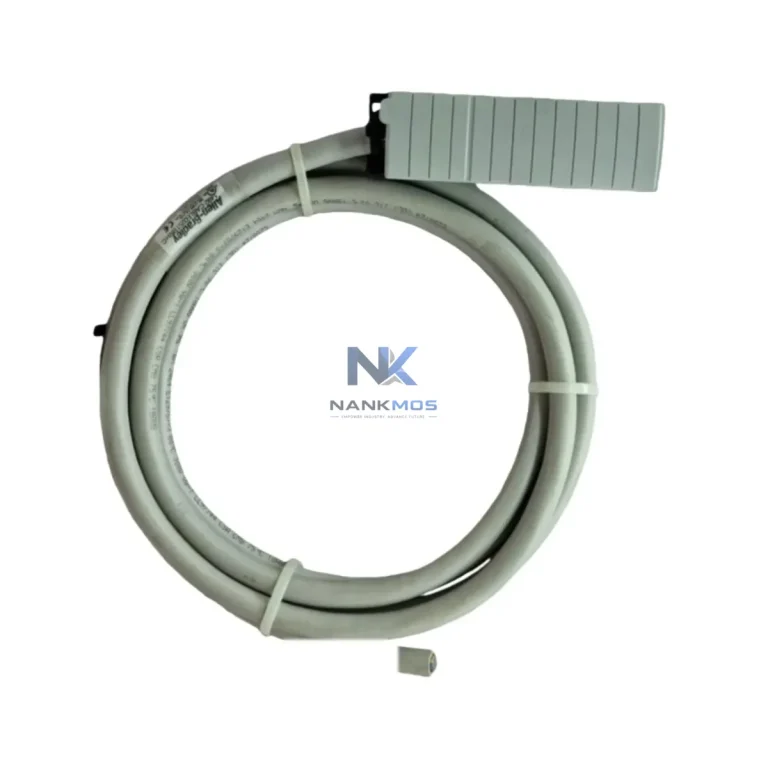
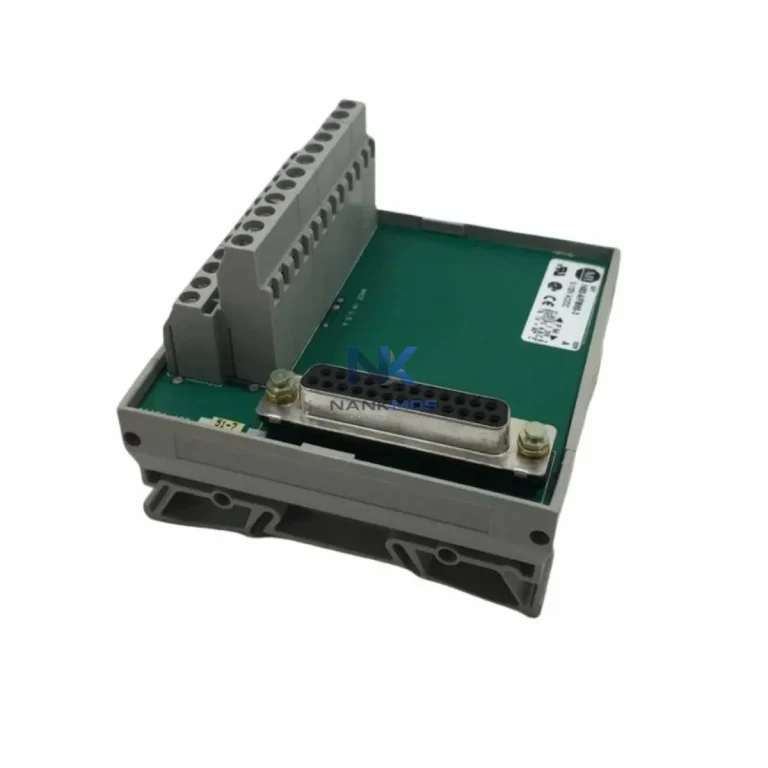
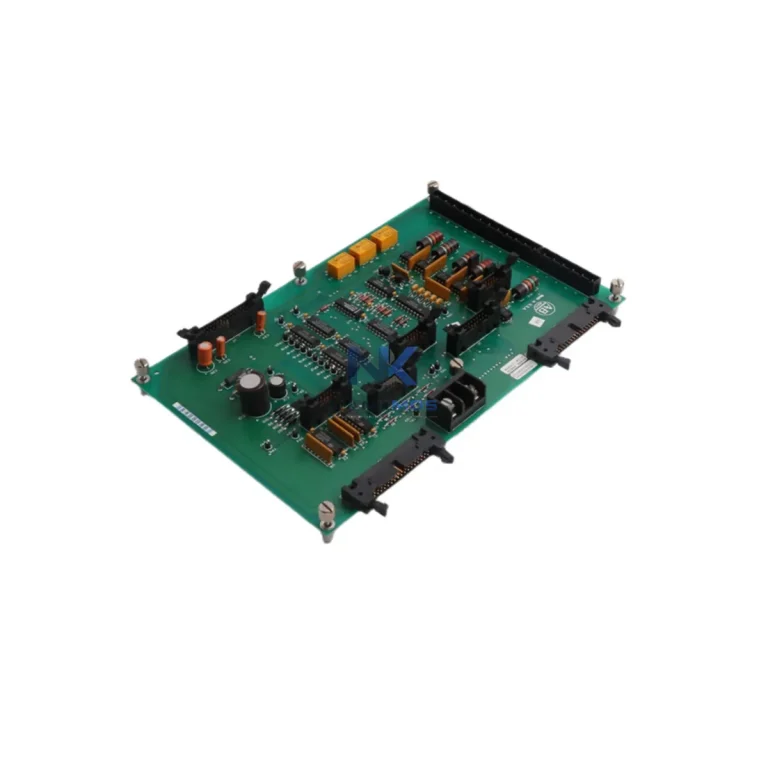
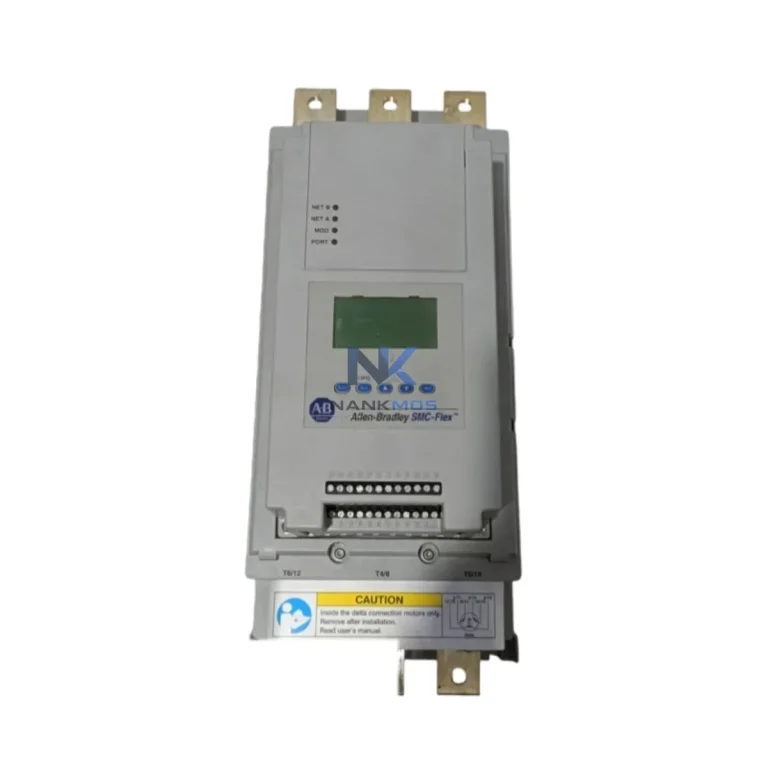
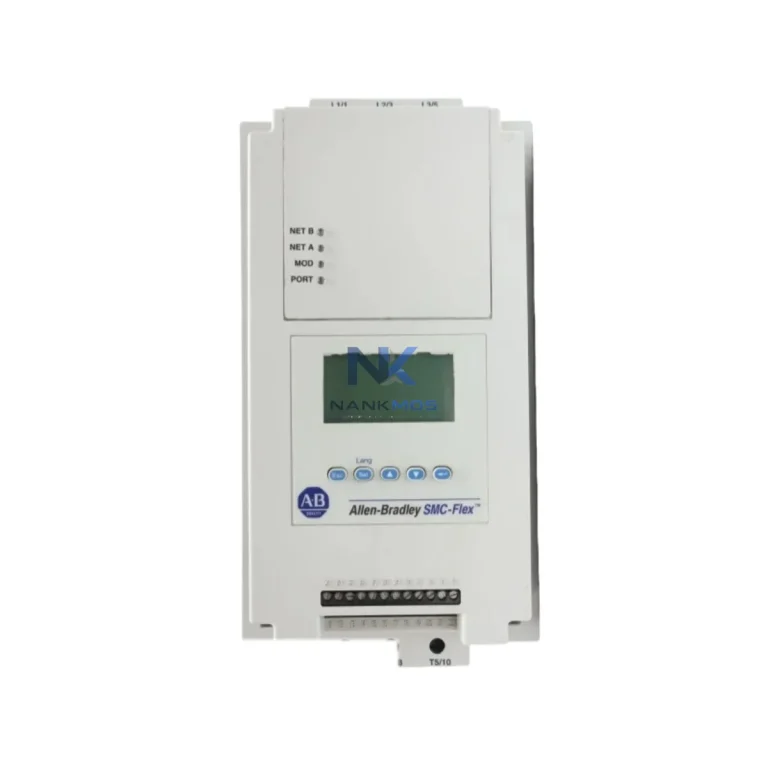
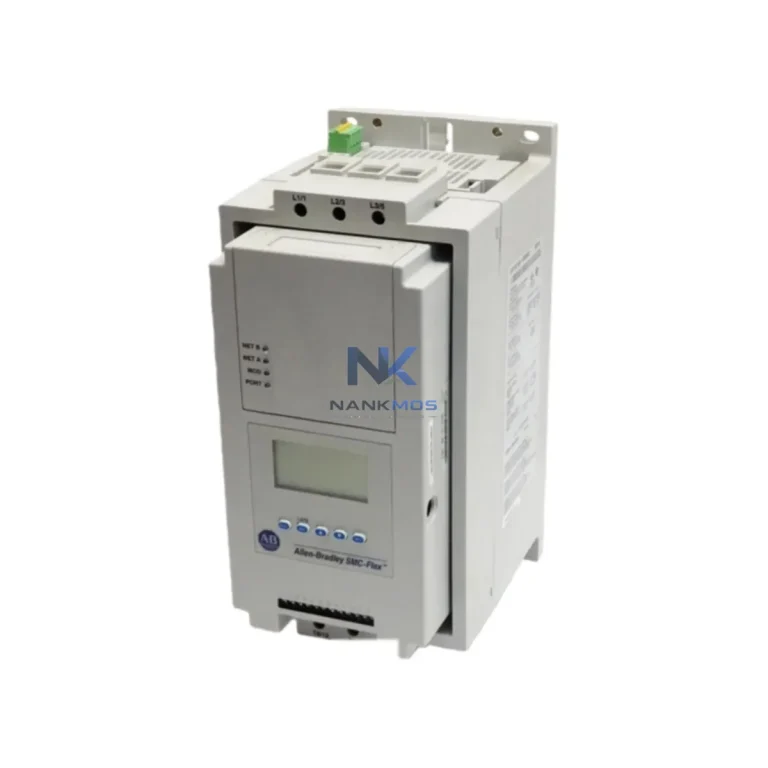
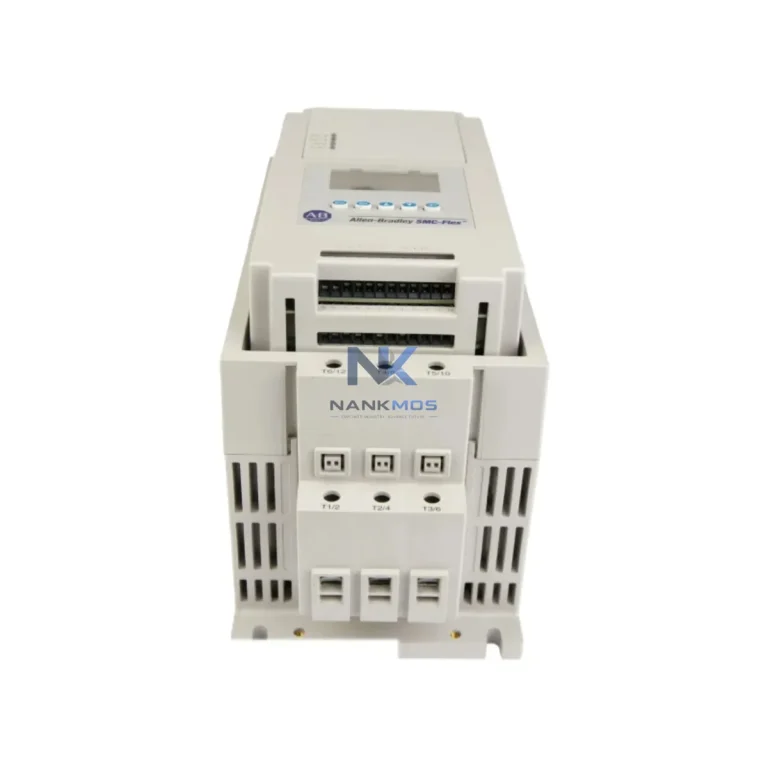
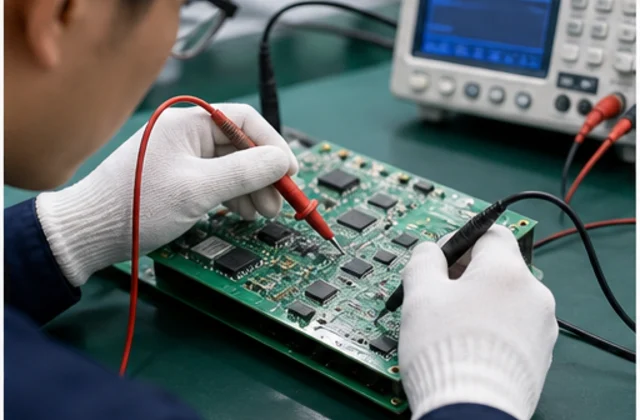
 Functional Inspection
100% tested on professional platforms to ensure stable performance.
Allen-Bradley 1746-BAS is a NANKMOS industrial automation product record Listed under SLC 500 series and Business & Industrial > Automation, Control & Flow Devices > Programmable Logic Controllers. Confirm condition, availability, lead time, compatibility and documentation by email inquiry.
Brand names are used for identification only.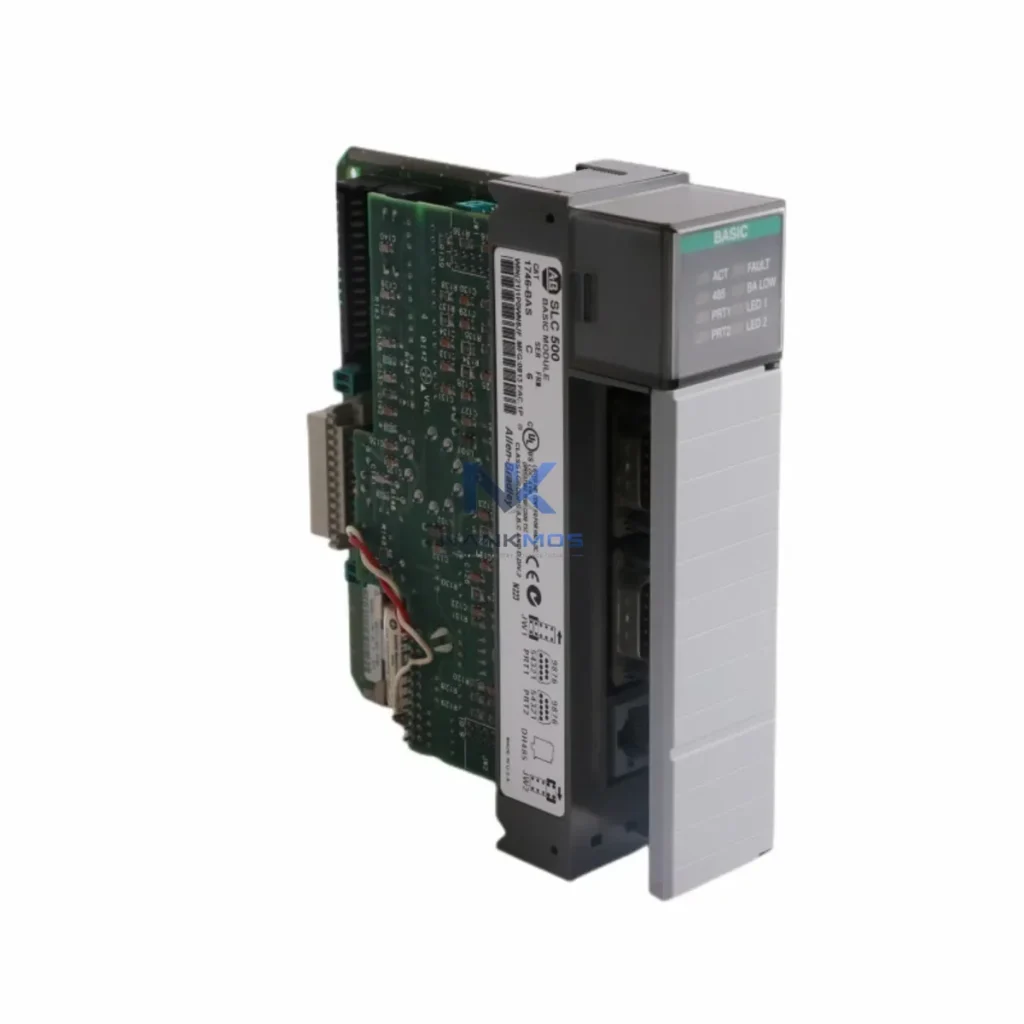
Allen-Bradley 1746-BAS is a NANKMOS industrial automation product record Listed under SLC 500 series and Business & Industrial > Automation, Control & Flow Devices > Programmable Logic Controllers. Confirm condition, availability, lead time, compatibility and documentation by email inquiry.
| Manufacturer | Allen-Bradley |
|---|---|
| Application | Controller Processing & System Control |
| Part Number / Model | 1746-BAS |
| Compatible System | SLC 500 |
| Series | SLC 500 |
| Condition Options | To Confirm |
| Module Type | Controller / CPU Module |
| Warranty | 12 Months |
| Packaging | Anti-static Bag / Secure Box |
| Shipping Methods | DHL / FedEx / UPS / Air / Sea |
| Availability | To Confirm |
| Lead Time | To Confirm |
| Documentation | Part number and revision checked before quote |
The Allen-Bradley 1746-BAS is a BASIC Activity Module designed for the SLC 500 rack-based control platform, enabling programmable communication logic between field devices, PLCs, and upper-level supervisory systems. In modern smart factory environments where data continuity across every node of the automation network is non-negotiable, the 1746-BAS delivers a flexible, programmable interface that bridges legacy serial communication with contemporary industrial data architectures. Whether deployed in discrete manufacturing, process control, or hybrid automation lines, this module extends the SLC 500's native communication reach into custom protocol handling, serial device integration, and real-time data exchange with SCADA and HMI layers.
At the heart of its value proposition is the ability to execute BASIC language programs directly on the module, allowing engineers to define custom communication routines without modifying the main PLC ladder logic. This programmable autonomy makes the 1746-BAS particularly effective in environments where field instruments — including barcode readers, weigh scales, vision systems, and serial sensors — must be integrated into the SLC 500 data table for real-time monitoring and control decisions.
In a fully connected smart factory, the 1746-BAS operates as a critical data relay point within the SLC 500 rack, sitting between field-level serial devices and the broader automation network. Consider a typical production line where a 1746-BAS module is installed alongside a 1746-NI4 analog input module and a 1746-OW16 output relay module within the same SLC 500 chassis. The 1746-BAS handles incoming ASCII data streams from a serial barcode scanner or a Cognex vision system, parses the data using its onboard BASIC program, and writes structured values directly into the SLC 500 data table — where the main processor, such as a 1747-L553 SLC 5/05 CPU, can act on them in real time.
Upstream, the SLC 5/05 CPU communicates over Ethernet/IP to a FactoryTalk View SE SCADA server, where operators monitor production throughput, alarm states, and quality metrics on HMI panels. The 1746-BAS-sourced data — traceability codes, weight readings, or inspection results — flows seamlessly into this supervisory layer without requiring a separate protocol converter or middleware server. In parallel, a 1747-SDN DeviceNet Scanner module in the same rack manages communication with distributed I/O nodes and variable frequency drives on the production floor, while the 1746-BAS handles the serial data channel independently.
For facilities running mixed-generation equipment, the 1746-BAS also serves as a bridge to legacy instruments that lack modern fieldbus support. A Modbus RTU-capable flow meter or a serial temperature transmitter can be polled by the 1746-BAS at configurable intervals, with data normalized and passed to the SLC 500 processor for PID control loops or alarm threshold comparisons. This eliminates the data island problem that commonly occurs when older instruments cannot communicate directly with modern DCS or SCADA platforms.
In remote monitoring scenarios, the SLC 5/05 CPU's Ethernet port connects to an industrial managed switch — such as a Stratix 5700 — which routes data to a plant-wide fiber backbone. Edge gateway devices aggregate data from multiple SLC 500 racks and forward structured payloads to cloud-based analytics platforms or on-premise MES systems. The 1746-BAS contributes serial device data to this chain, ensuring that even non-networked field instruments are represented in the plant's digital twin and real-time dashboards.
For system expansion, additional SLC 500 I/O modules — including 1746-IA16 AC input modules and 1746-OB16 DC output modules — can be added to the chassis without disrupting the 1746-BAS communication routines. The modular architecture of the SLC 500 platform means that as production lines grow, the data acquisition and communication infrastructure scales proportionally, with the 1746-BAS continuing to serve its serial integration role within the expanded rack configuration.
One of the most persistent challenges in industrial automation is protocol fragmentation — the coexistence of RS-232, RS-485, Modbus RTU, DF1, DH-485, and proprietary serial formats across a single production facility. The 1746-BAS directly addresses this by providing a programmable serial interface that can be configured to speak virtually any ASCII or binary serial protocol through custom BASIC routines. Engineers are not constrained by fixed protocol libraries; instead, they define the exact communication sequence, data parsing logic, and error handling behavior required for each connected device.
Data island elimination is another core strength. In facilities where serial instruments have historically logged data to local displays or paper printouts, the 1746-BAS provides the network on-ramp that connects these devices to the SLC 500 data table and, by extension, to SCADA historians and MES databases. Production managers gain real-time visibility into previously opaque process variables — flow rates, batch weights, inspection results — without replacing existing field instruments.
Remote diagnostics are supported through the SLC 5/05 CPU's Ethernet connectivity. Maintenance engineers can use RSLogix 500 or FactoryTalk Diagnostics to monitor the SLC 500 processor status, review data table values populated by the 1746-BAS, and diagnose communication faults without physical access to the control panel. Alarm tracking is handled at the SCADA layer, where out-of-range values or communication timeouts trigger operator notifications and are logged to the historian for post-event analysis.
System expansion is straightforward within the SLC 500 modular chassis architecture. As production requirements evolve, additional I/O modules, communication modules, or specialty modules can be inserted into available chassis slots. The 1746-BAS retains its communication configuration across chassis expansions, and its BASIC programs can be updated remotely via the SLC 5/05 CPU's programming port or Ethernet connection, minimizing downtime during system modifications.
Every 1746-BAS unit supplied by NANKMOS undergoes pre-shipment functional testing and inspection, with a 12-month warranty covering operational defects. Inventory is maintained in-stock for rapid dispatch, supporting both planned system builds and urgent replacement requirements.
Q1: What communication protocols does the Allen-Bradley 1746-BAS support?The 1746-BAS supports RS-232C serial communication on two independent channels. Using its onboard BASIC interpreter, it can implement custom ASCII protocols, DF1 full-duplex, and other serial communication standards required by connected field devices. It does not natively support Ethernet/IP or Modbus TCP — those protocols are handled by dedicated modules such as the 1747-SCNR or 1761-NET-ENI adapter.
Q2: How does the 1746-BAS integrate with SCADA and HMI systems?The 1746-BAS writes parsed serial data directly into the SLC 500 processor's data table. The SLC 5/05 CPU then makes this data available over Ethernet/IP to FactoryTalk View SE, Wonderware, or other SCADA/HMI platforms. No additional middleware is required — the data path from serial field device to SCADA display is handled entirely within the SLC 500 rack and its network connection.
Q3: Can the 1746-BAS be used for remote diagnostics and network stability monitoring?Yes. Communication status, error counters, and data table values populated by the 1746-BAS are accessible remotely via the SLC 5/05 CPU's Ethernet port using RSLogix 500 or FactoryTalk Diagnostics. Network stability is maintained through the SLC 500's deterministic backplane communication, and the 1746-BAS BASIC program can include watchdog logic to detect and report serial communication timeouts.
Q4: What warranty and testing standards apply to NANKMOS-supplied 1746-BAS units?All 1746-BAS modules supplied by NANKMOS are covered by a 12-month warranty against operational defects. Each unit undergoes pre-shipment functional testing and visual inspection before dispatch. In-stock availability supports both planned procurement and urgent replacement scenarios, with rapid order processing and international shipping options available.
Functional Inspection100% tested on professional platforms to ensure stable performance.
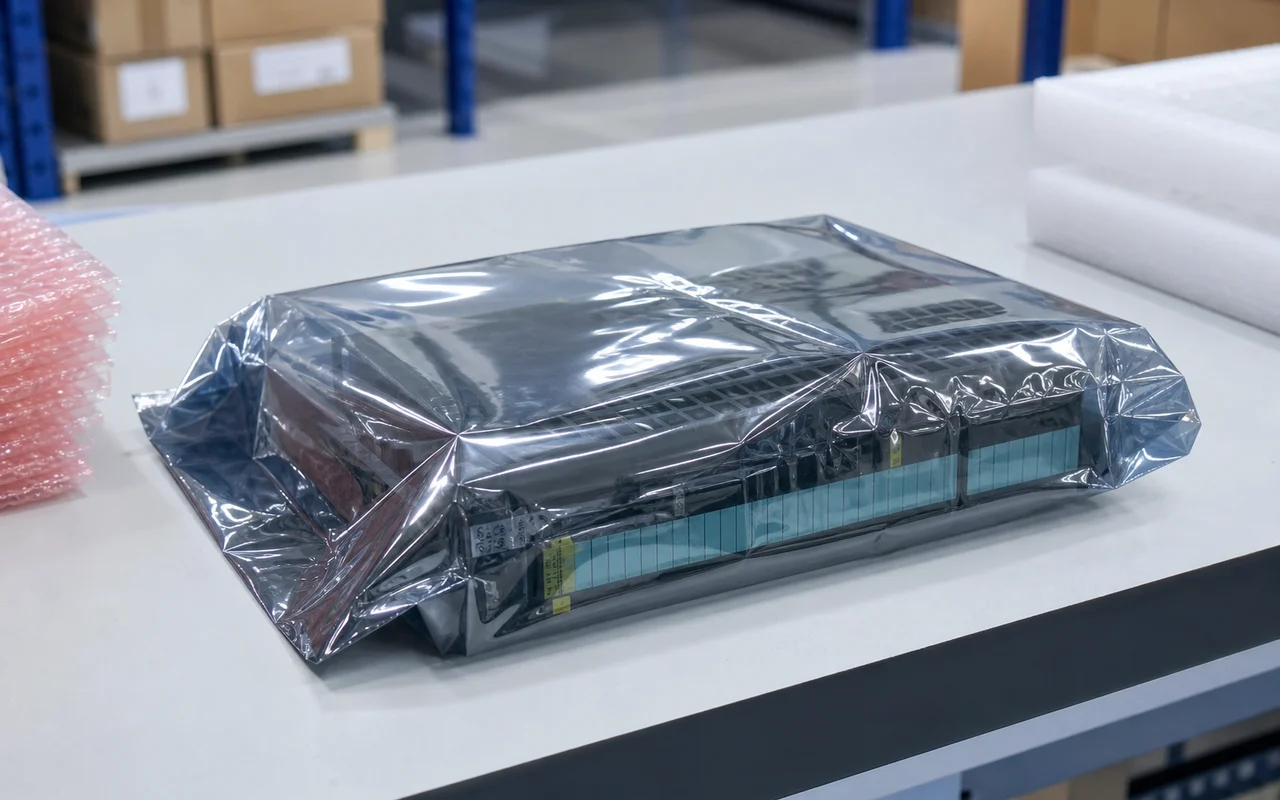 Anti-static Packaging
Modules are packed in anti-static bags to prevent electrostatic damage.
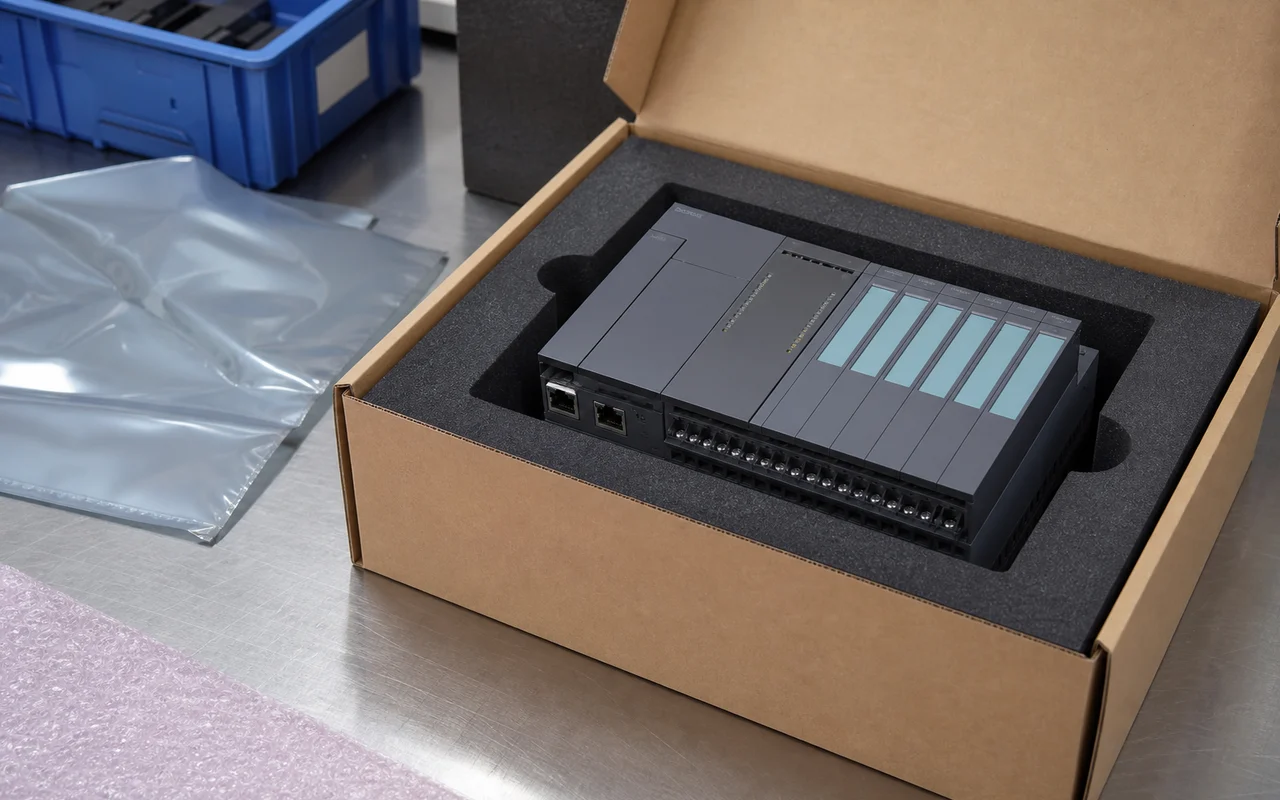 Secure Export Packing
Cushion protection and strong cartons ensure safe transportation.
 Worldwide Shipping
Global logistics network supports air, sea and express delivery.
 Documentation Check
Part number, revision and compatibility verified before shipment.
 After-sales Support
Professional technical support to help resolve your issues.