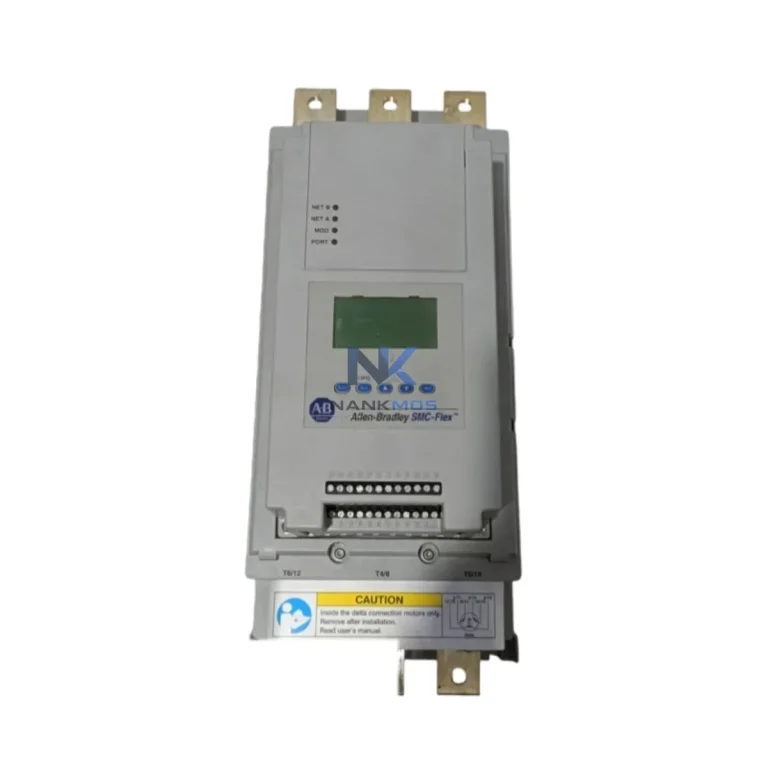
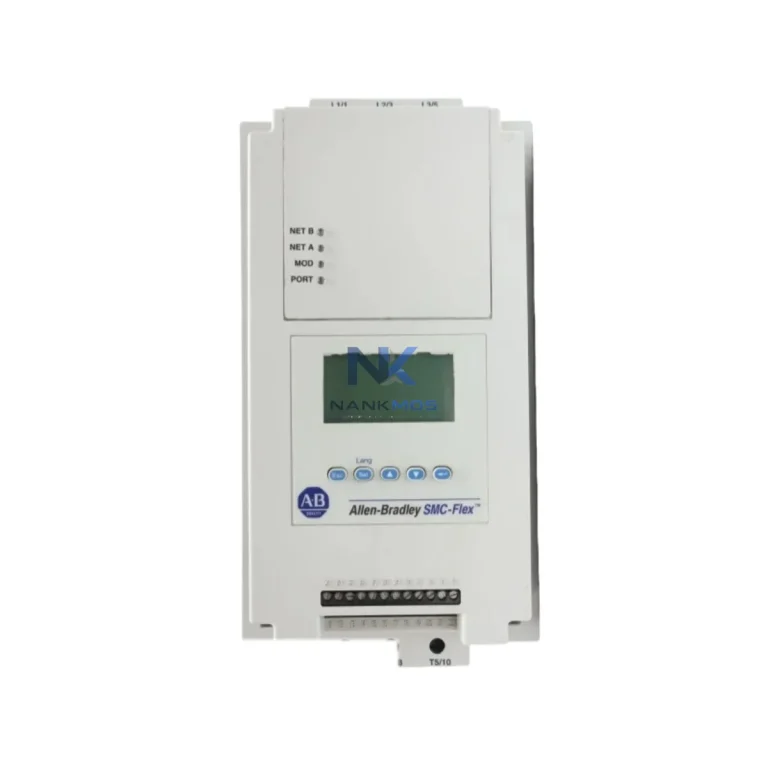
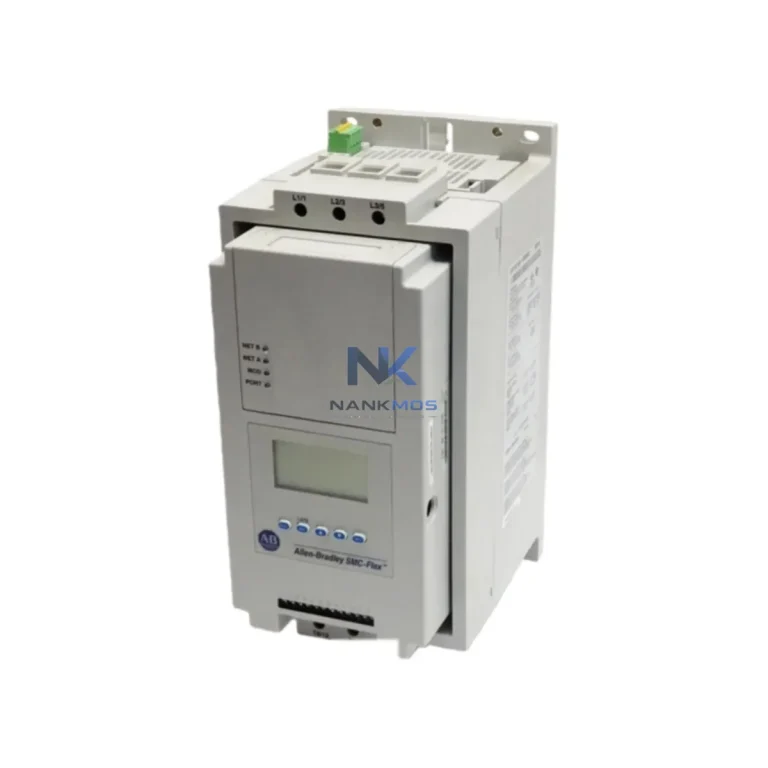
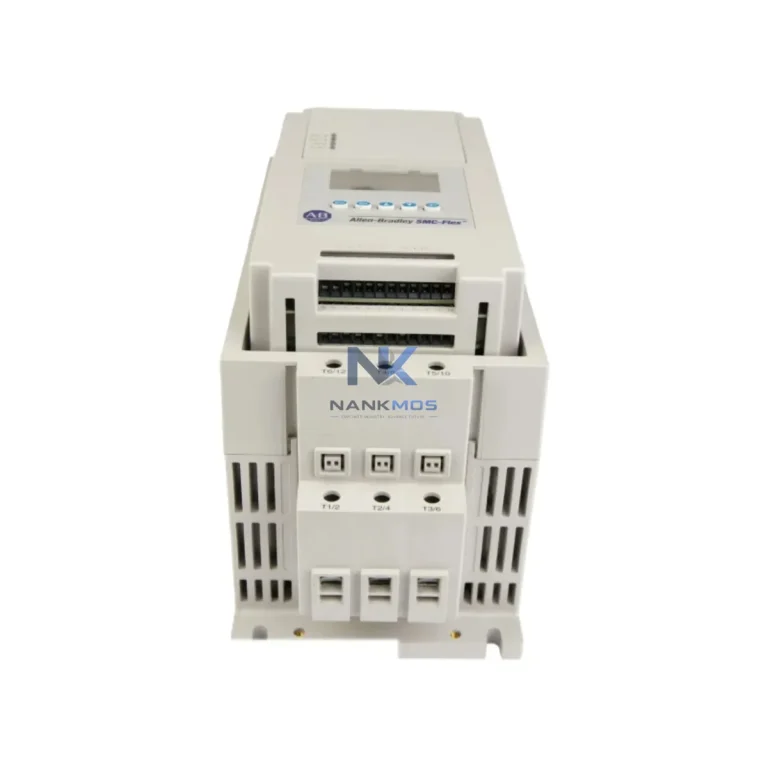
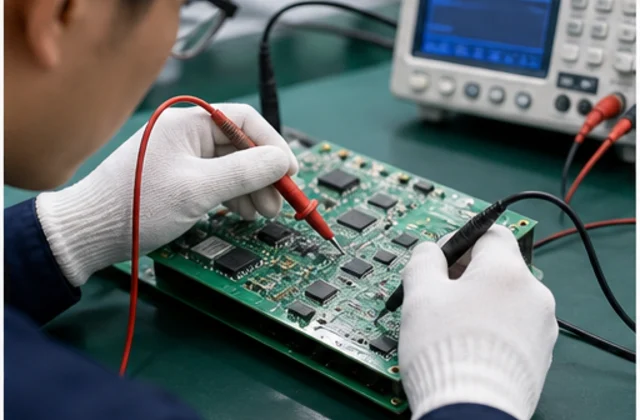
 Functional Inspection
100% tested on professional platforms to ensure stable performance.
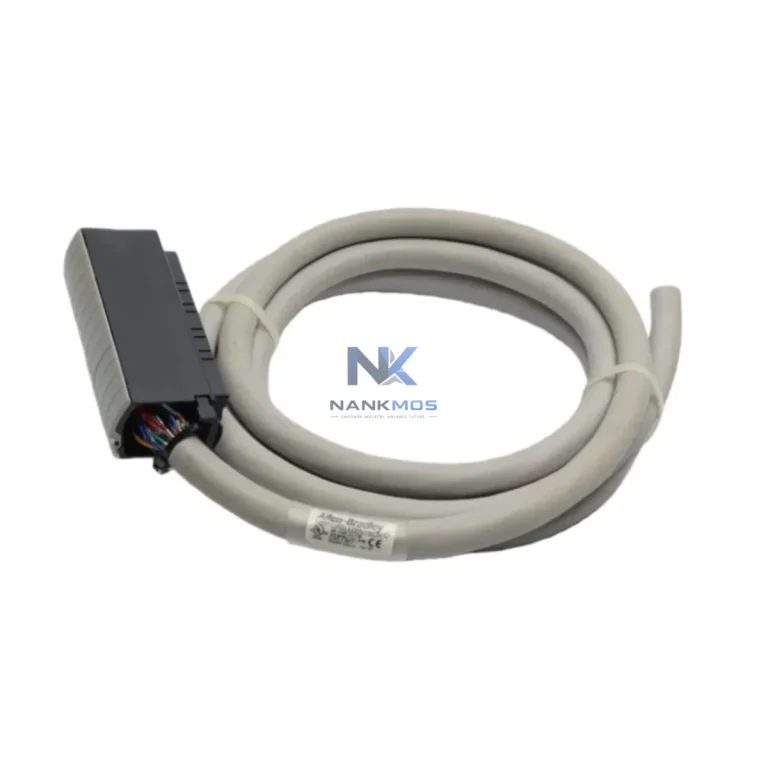
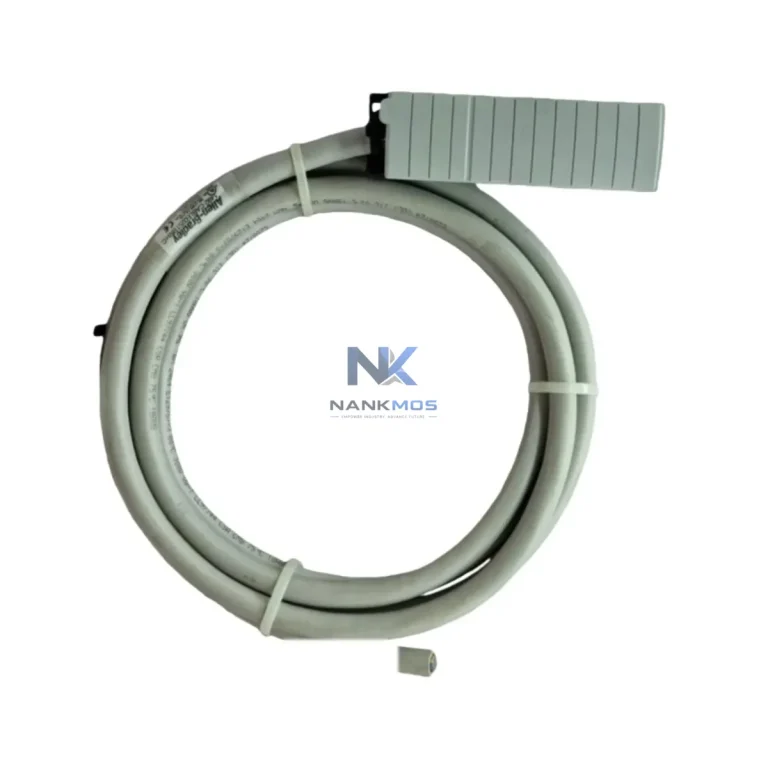
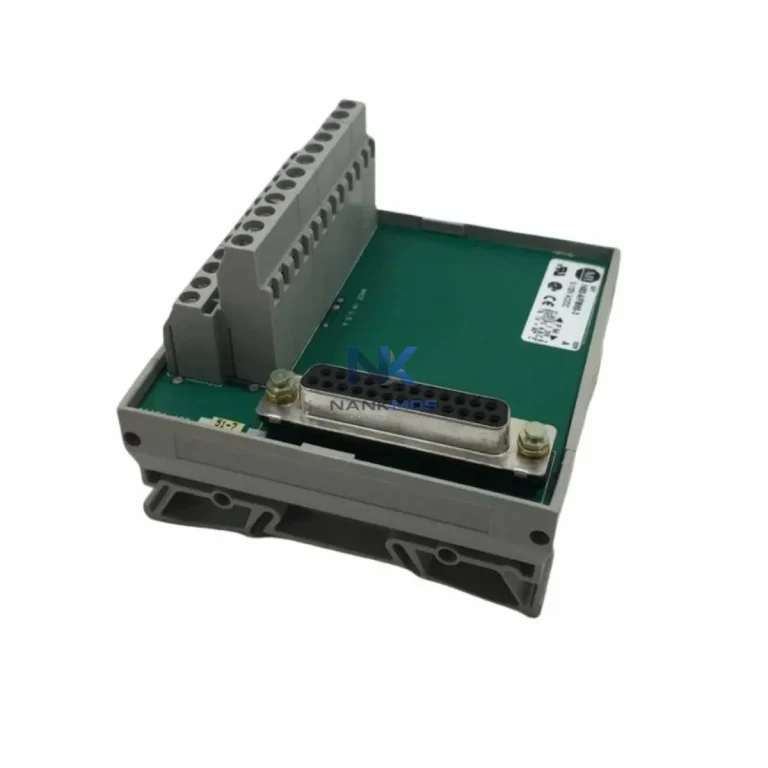
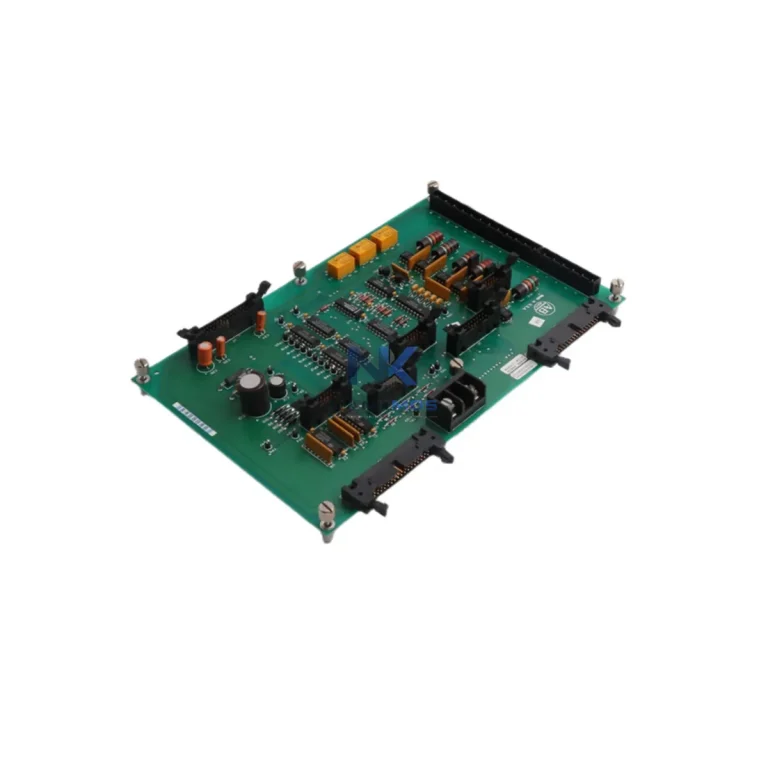
Allen-Bradley 1756-BA2 is a NANKMOS industrial automation product record Listed under ControlLogix series and Business & Industrial > Automation, Control & Flow Devices > Programmable Logic Controllers. Confirm condition, availability, lead time, compatibility and documentation by email inquiry.
Brand names are used for identification only.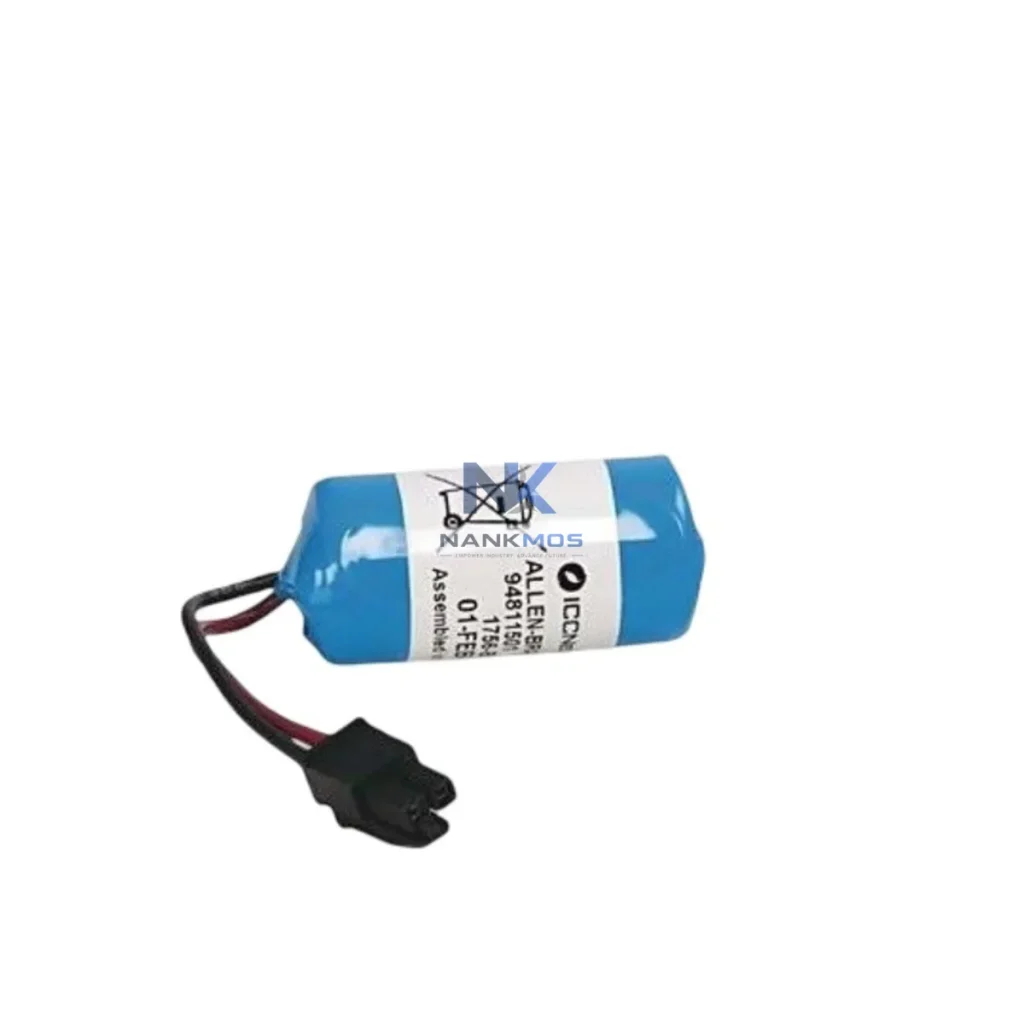
Allen-Bradley 1756-BA2 is a NANKMOS industrial automation product record Listed under ControlLogix series and Business & Industrial > Automation, Control & Flow Devices > Programmable Logic Controllers. Confirm condition, availability, lead time, compatibility and documentation by email inquiry.
| Manufacturer | Allen-Bradley |
|---|---|
| Application | Controller Processing & System Control |
| Part Number / Model | 1756-BA2 |
| Compatible System | ControlLogix |
| Series | ControlLogix |
| Condition Options | To Confirm |
| Module Type | Controller / CPU Module |
| Warranty | 12 Months |
| Packaging | Anti-static Bag / Secure Box |
| Shipping Methods | DHL / FedEx / UPS / Air / Sea |
| Availability | To Confirm |
| Lead Time | To Confirm |
| Documentation | Part number and revision checked before quote |
The Allen-Bradley 1756-BA2 is a dedicated lithium battery module engineered for the Rockwell Automation ControlLogix 1756 platform. Designed to sustain CPU memory retention during power interruptions, the 1756-BA2 plays a foundational role in maintaining program integrity, I/O configuration data, and real-time clock accuracy across the entire control architecture. In mission-critical environments — from continuous process plants to high-throughput discrete manufacturing lines — uninterrupted memory backup is not optional; it is a prerequisite for deterministic restart behavior and minimal unplanned downtime.
The 1756-BA2 battery module is most accurately understood not as a standalone consumable, but as an integral reliability component within the broader ControlLogix 1756 control architecture. Its primary function — sustaining volatile memory in the CPU — directly supports the operational continuity of every other module in the chassis and across the backplane.
At the control layer, the 1756-BA2 pairs directly with ControlLogix CPUs such as the 1756-L63 and 1756-L65, preserving ladder logic, function block diagrams, and structured text programs during power loss events. Without a healthy battery, these processors may fail to retain user programs or lose real-time clock synchronization, triggering fault conditions on restart that cascade through the entire system.
At the I/O layer, digital and analog I/O modules — including the 1756-IB16 (16-point 24V DC digital input) and 1756-OF8 (8-channel analog output) — rely on the CPU retaining its I/O configuration tree. A battery failure that corrupts the CPU's memory map forces a full I/O re-scan and reconfiguration cycle, adding significant commissioning time during recovery.
At the communications layer, EtherNet/IP bridge modules such as the 1756-EN2T and 1756-EN2TR (with DLR ring topology support) depend on the CPU maintaining its network node table and producer/consumer tag definitions. Memory retention provided by the 1756-BA2 ensures that EtherNet/IP connections are re-established cleanly after a power cycle without requiring manual re-IP assignment or tag re-mapping.
At the power layer, the 1756-PA75 and 1756-PB75 chassis power supplies deliver regulated 1.2 V, 5 V, and 24 V DC rails to the backplane. While these supplies handle real-time power distribution, the 1756-BA2 provides the bridge energy that sustains CPU SRAM during the interval between supply shutdown and full power restoration — a window that can range from milliseconds to hours depending on facility conditions.
At the HMI layer, PanelView Plus terminals communicating via EtherNet/IP or ControlNet rely on the ControlLogix CPU maintaining its tag database. A CPU that loses its program due to battery failure will disconnect all HMI tag subscriptions, requiring operators to manually re-establish display connections and verify alarm setpoints — a process that can take hours in complex installations.
At the redundancy layer, systems configured with the 1756-RM2 redundancy module and a secondary chassis require both primary and secondary CPUs to maintain synchronized memory states. A degraded or failed battery in either chassis can compromise the switchover integrity, potentially causing both controllers to enter fault mode simultaneously during a redundancy transfer event.
At the maintenance layer, the 1756-BA2 integrates with Rockwell's FactoryTalk Diagnostics and RSLogix 5000 / Studio 5000 battery status monitoring. The CPU continuously monitors battery voltage and generates a low-battery warning tag that can be mapped to SCADA alarm systems — enabling predictive replacement scheduling before memory loss occurs. Pairing this with a 1756-ENBT or 1756-EN2T communications module ensures that battery health data is accessible remotely via EtherNet/IP, supporting centralized asset management across multi-chassis architectures.
Discrete Manufacturing & Automotive Assembly: In high-speed automotive body-in-white lines and powertrain assembly cells, ControlLogix systems manage hundreds of servo axes, vision inspection stations, and robotic welding cells. The 1756-BA2 ensures that after a planned or unplanned power interruption, the CPU restores its motion program, axis configuration, and cam profile data without requiring a full re-download from the engineering workstation — reducing restart time from hours to minutes.
Power Generation & Electrical Substations: Utility-grade SCADA systems built on ControlLogix platforms use the 1756-BA2 to maintain protection relay logic, load-shedding sequences, and breaker interlock programs during grid disturbances. In substations where backup generator startup may take 10–30 seconds, the battery ensures the CPU retains its protection logic throughout the transition window.
Oil & Gas / Petrochemical Processing: Safety Instrumented Systems (SIS) and Basic Process Control Systems (BPCS) in refinery environments require deterministic restart behavior after emergency shutdowns. The 1756-BA2 supports this by preserving the CPU's last-known process state, enabling faster return-to-service after ESD events and reducing the risk of unsafe restart sequences caused by corrupted program memory.
Water & Wastewater Treatment: Municipal water treatment facilities operating ControlLogix-based SCADA systems rely on the 1756-BA2 to maintain pump sequencing logic, chemical dosing programs, and alarm threshold configurations across frequent power fluctuations common in utility environments. Battery-backed memory retention eliminates the need for manual program re-downloads after each power event.
Mining & Mineral Processing: In underground and surface mining operations, ControlLogix systems control conveyor drives, crusher sequencing, and ventilation fan logic. The harsh electrical environment — characterized by frequent voltage sags and generator switchovers — makes battery-backed CPU memory essential for maintaining operational continuity without requiring on-site engineering intervention after each power event.
Q1: Which ControlLogix CPU models are compatible with the 1756-BA2, and can it be replaced without powering down the chassis? The 1756-BA2 is compatible with a broad range of ControlLogix L5x and L6x series CPUs, including the 1756-L55, 1756-L61, 1756-L62, 1756-L63, 1756-L64, and 1756-L65. It supports hot-swap replacement — the battery can be changed while the CPU remains powered and running, provided the replacement is completed within the CPU's capacitor hold-up time (typically 30 seconds or less). Always verify the specific CPU's battery replacement procedure in the Rockwell Automation 1756 ControlLogix Controllers User Manual before performing a live swap.
Q2: How does the 1756-BA2 integrate with redundant ControlLogix architectures using the 1756-RM2 redundancy module? In a redundant ControlLogix configuration, both the primary and secondary chassis each require their own 1756-BA2 battery. The redundancy module (1756-RM2) synchronizes program and data memory between the two CPUs in real time, but battery health is managed independently per chassis. A failed battery in either chassis does not immediately trigger a redundancy switchover, but it does create a latent risk: if a power loss occurs while one CPU has a degraded battery, that chassis may fail to retain its synchronized memory state, potentially causing both controllers to fault simultaneously. Proactive battery monitoring via Studio 5000 battery status tags is strongly recommended in all redundant deployments.
Q3: What is the warranty coverage and supply availability for the 1756-BA2 from NANKMOS? NANKMOS provides a 12-Month Warranty on all 1756-BA2 units, covering manufacturing defects and premature capacity loss under normal operating conditions. Each unit undergoes pre-shipment functional testing to verify voltage output and capacity before dispatch. Stock is maintained for immediate fulfillment to minimize lead times for both single-unit replacement orders and bulk procurement for multi-site maintenance programs. For volume pricing, expedited shipping, or integration support, contact NANKMOS directly at [email protected] or +86 18359268345.
Functional Inspection100% tested on professional platforms to ensure stable performance.
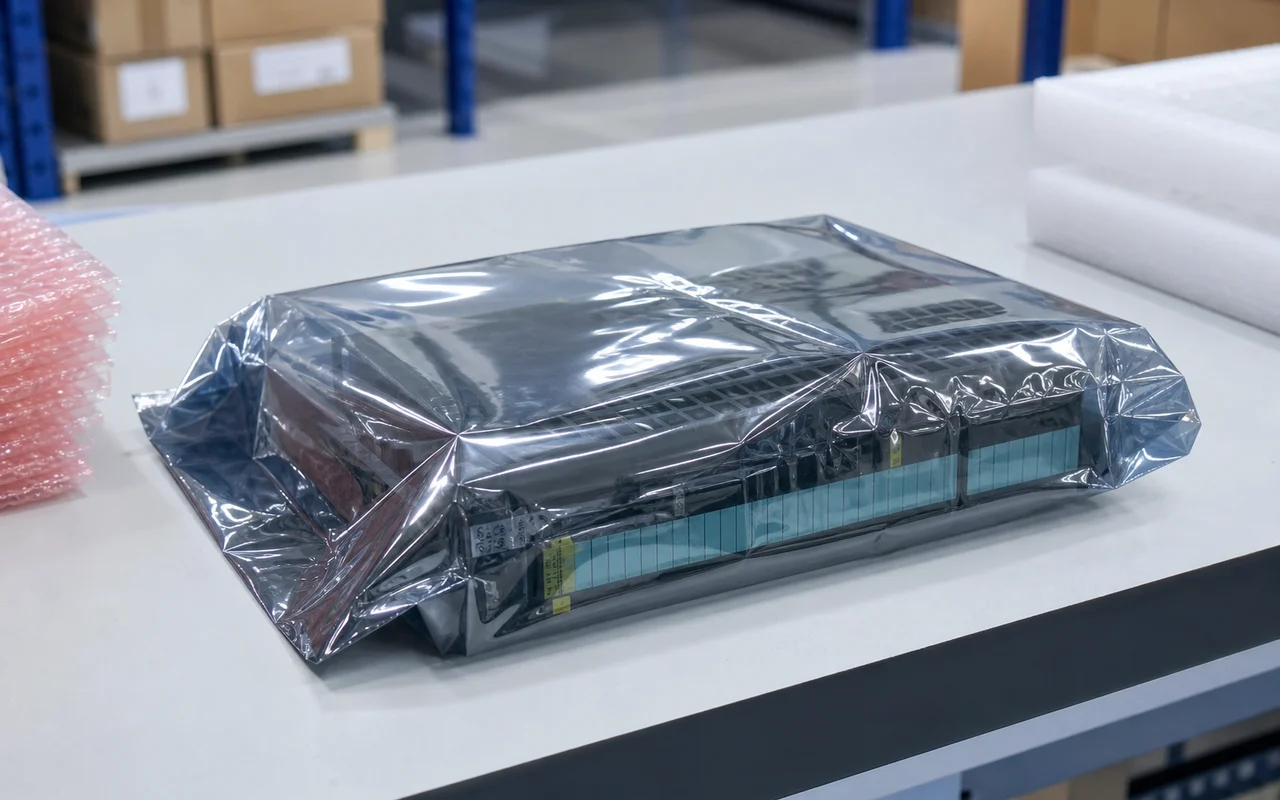 Anti-static Packaging
Modules are packed in anti-static bags to prevent electrostatic damage.
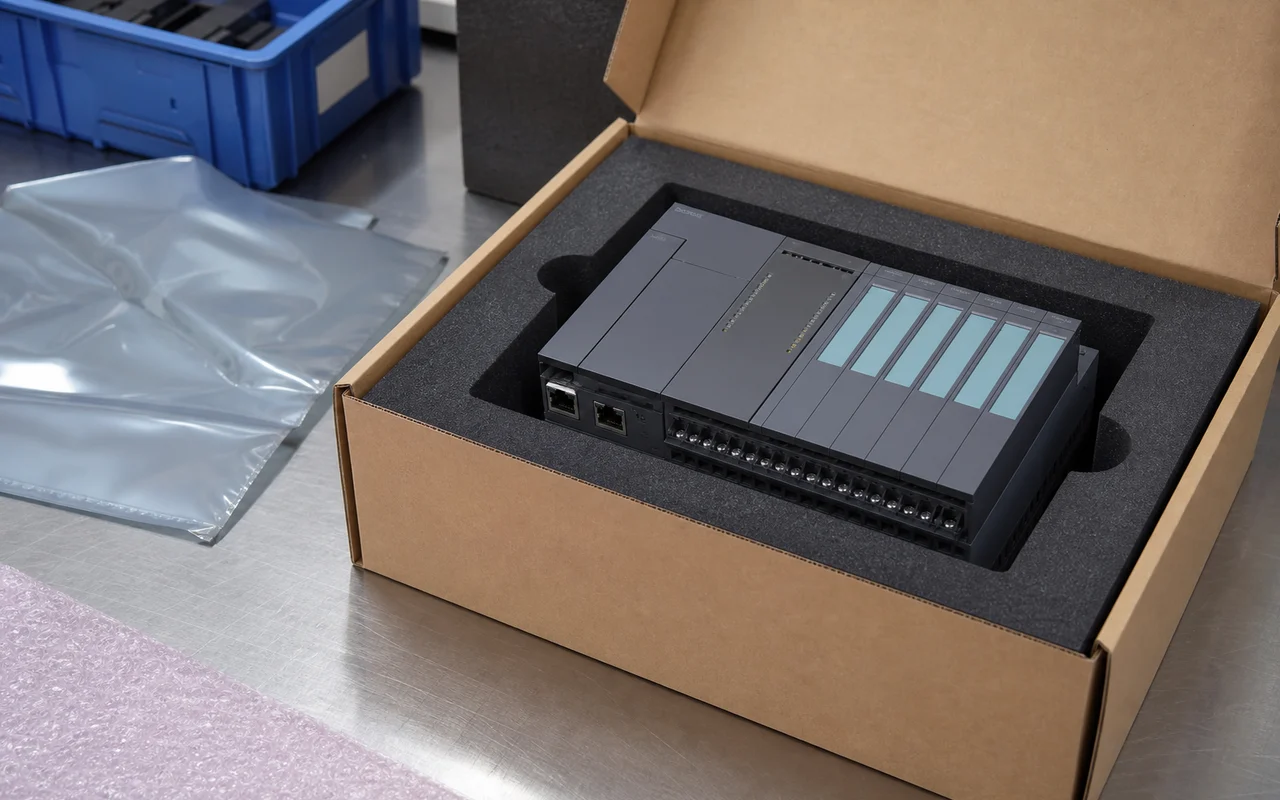 Secure Export Packing
Cushion protection and strong cartons ensure safe transportation.
 Worldwide Shipping
Global logistics network supports air, sea and express delivery.
 Documentation Check
Part number, revision and compatibility verified before shipment.
 After-sales Support
Professional technical support to help resolve your issues.