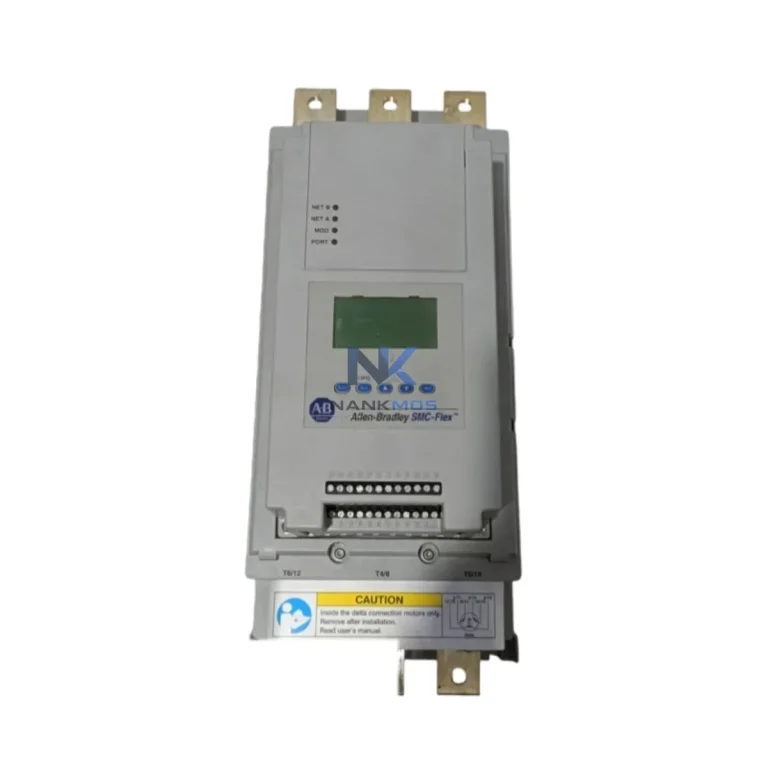
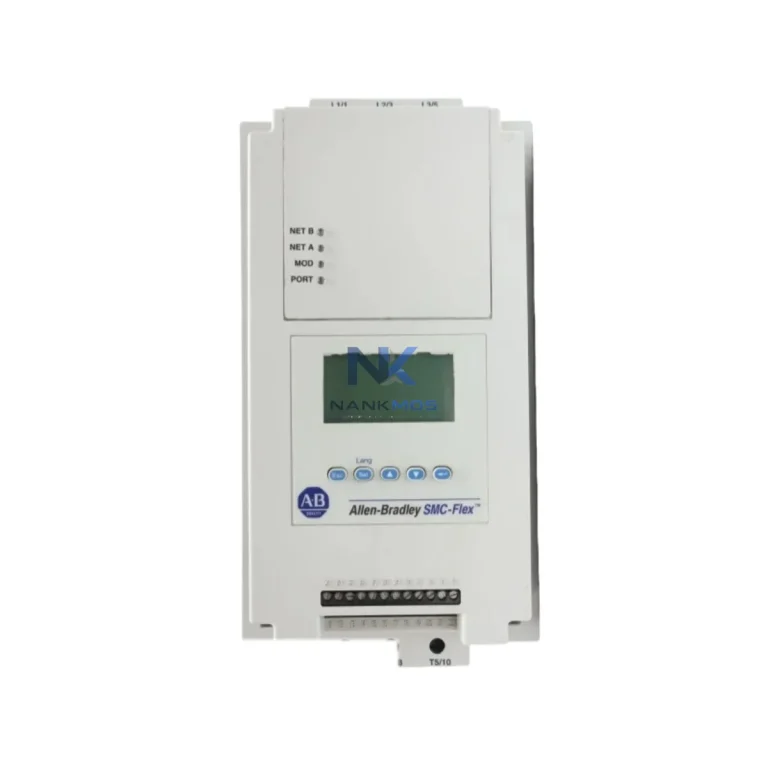
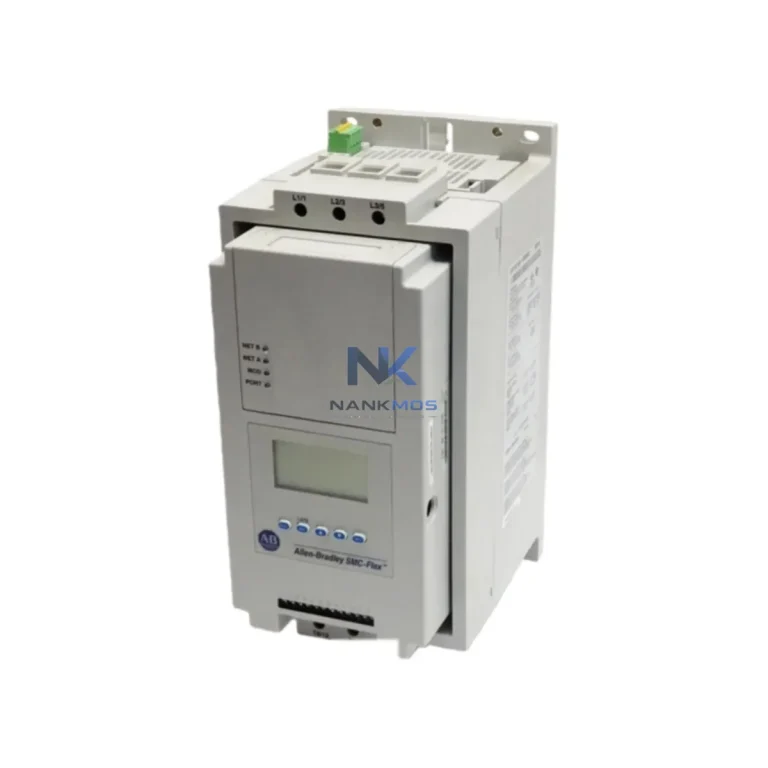
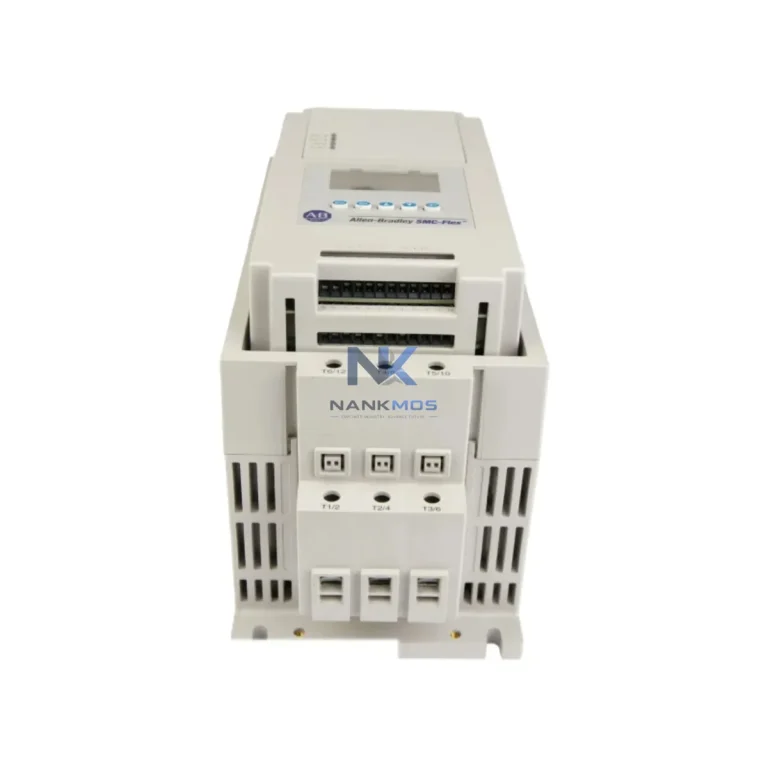
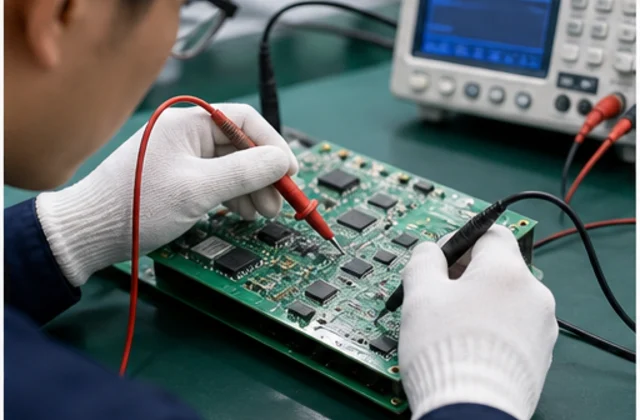
 Functional Inspection
100% tested on professional platforms to ensure stable performance.
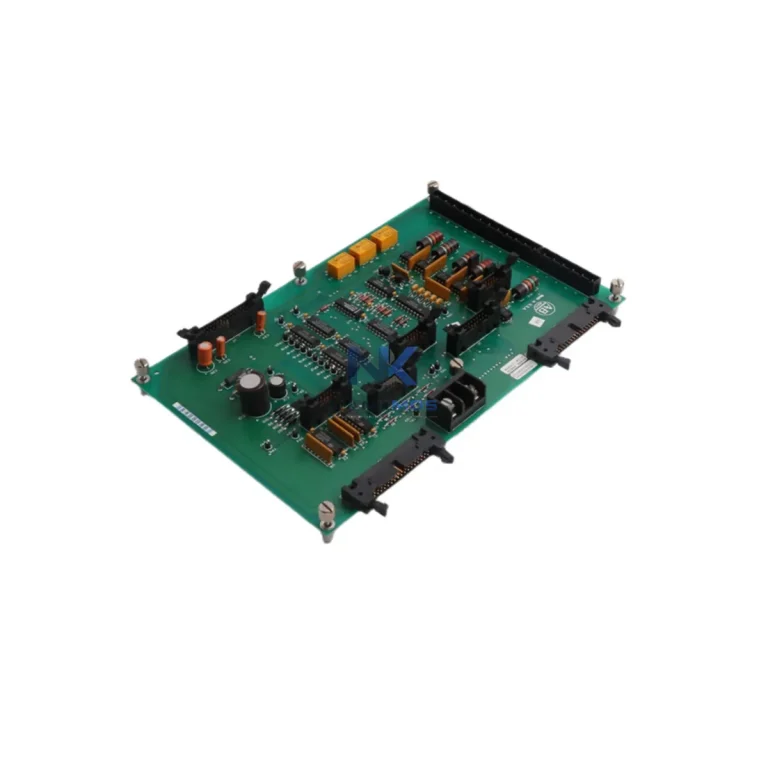
Allen-Bradley 1771-P5 is a NANKMOS industrial automation product record Listed under PLC-5 series and Business & Industrial > Automation, Control & Flow Devices > Programmable Logic Controllers. Confirm condition, availability, lead time, compatibility and documentation by email inquiry.
Brand names are used for identification only.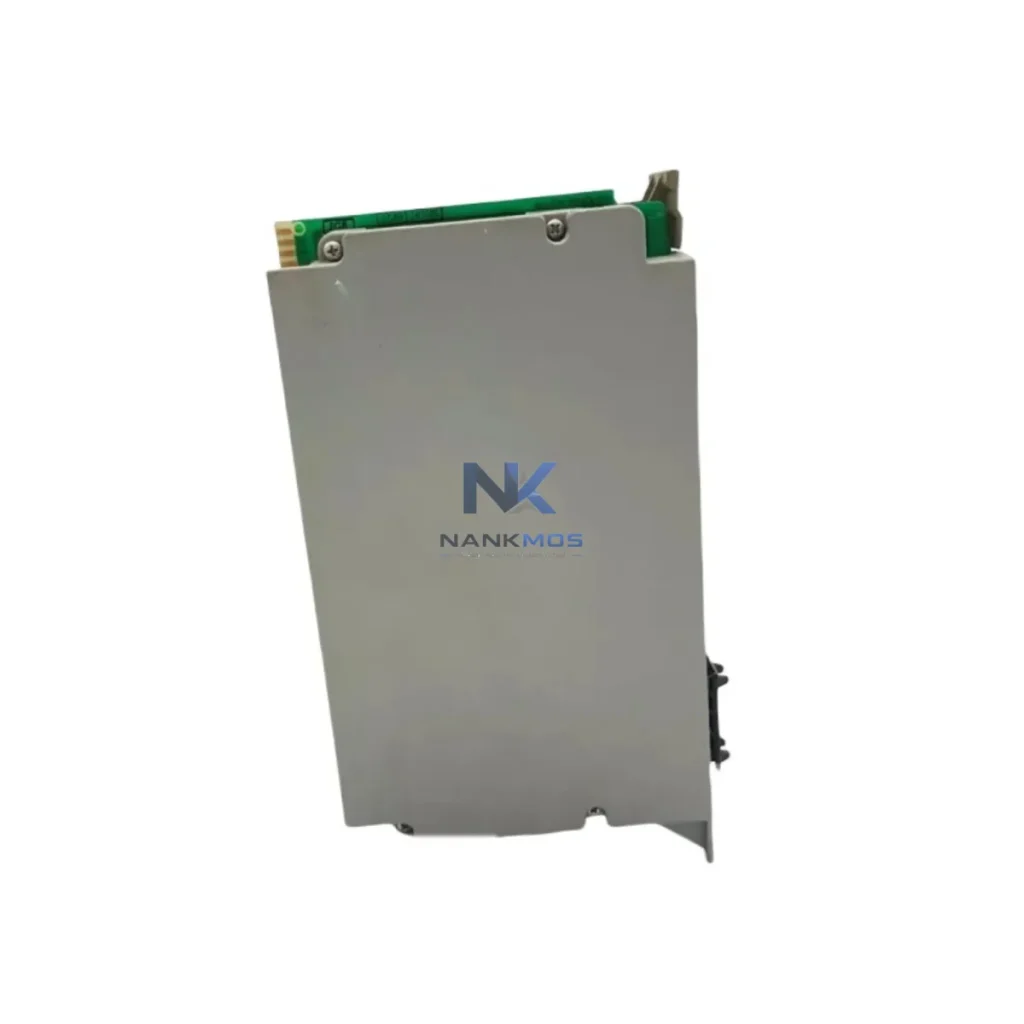
Allen-Bradley 1771-P5 is a NANKMOS industrial automation product record Listed under PLC-5 series and Business & Industrial > Automation, Control & Flow Devices > Programmable Logic Controllers. Confirm condition, availability, lead time, compatibility and documentation by email inquiry.
| Manufacturer | Allen-Bradley |
|---|---|
| Application | Control System Power Support |
| Part Number / Model | 1771-P5 |
| Compatible System | PLC-5 |
| Series | PLC-5 |
| Condition Options | To Confirm |
| Module Type | Power Supply Module |
| Warranty | 12 Months |
| Packaging | Anti-static Bag / Secure Box |
| Shipping Methods | DHL / FedEx / UPS / Air / Sea |
| Availability | To Confirm |
| Lead Time | To Confirm |
| Documentation | Part number and revision checked before quote |
The Allen-Bradley 1771-P5 is a regulated DC power supply module engineered for the 1771 I/O chassis within the PLC-5 control platform. Designed to deliver stable, conditioned power to field I/O modules, the 1771-P5 plays a foundational role in energy-control architecture across discrete manufacturing, process automation, and smart production environments. By maintaining tight voltage regulation and minimizing ripple under variable load conditions, this module directly reduces unnecessary heat dissipation, lowers thermal stress on downstream components, and contributes to measurable reductions in facility energy overhead.
In modern industrial energy management strategies, the power supply layer is often the most overlooked source of inefficiency. Unstable or over-rated power supplies force PLCs, I/O racks, and field devices to operate outside their optimal efficiency bands, increasing both energy consumption and maintenance frequency. The 1771-P5 addresses this by providing a precisely regulated output matched to the 1771 chassis load profile, ensuring that every connected I/O module — from digital input cards to analog output modules — receives clean, stable power without excess margin waste.
When integrated into a PLC-5 control system, the 1771-P5 works in close coordination with the Allen-Bradley 1771-A4B or 1771-A2B I/O chassis, supplying the backplane bus that feeds all installed I/O modules. The PLC-5 processor — such as the 1785-L40B or 1785-L80B — relies on the power supply's stability to maintain deterministic scan cycle performance, which is critical for production line timing and energy-synchronized control sequences. Any voltage sag or ripple introduced at the power supply level propagates directly into scan time variability, disrupting production rhythm and increasing motor restart events that spike energy demand.
The 1771-P5 sits at the heart of a broader power-aware automation architecture. In a typical PLC-5 installation, the power supply module feeds a 1771-A4B 16-slot I/O chassis populated with a mix of 1771-IB digital input modules, 1771-OB digital output modules, and 1771-OFE analog output modules driving 4–20 mA control signals to field actuators. Each of these modules draws a defined backplane current; the 1771-P5 is sized to supply the chassis load budget without over-provisioning, which is a key principle in energy-efficient I/O system design.
On the drive side, the PLC-5 processor communicates with Allen-Bradley PowerFlex 700 or PowerFlex 40 variable frequency drives via Remote I/O (RIO) or DeviceNet, enabling coordinated motor speed control that aligns energy draw with actual production demand. When the 1771-P5 maintains stable backplane power, the PLC-5 scan cycle remains consistent, and VFD speed reference updates are delivered on time — preventing the micro-surges in motor current that occur when control signals are delayed or corrupted by power instability.
For energy monitoring, the 1771-P5 installation is typically complemented by Allen-Bradley PowerMonitor 1000 or PowerMonitor 5000 units connected to the facility power distribution panel. These power quality monitors feed real-time kW, kVAR, and power factor data into the SCADA layer — often a Rockwell FactoryTalk View or Wonderware InTouch system — where energy consumption is trended against production output. The stability provided by the 1771-P5 at the I/O layer ensures that control decisions made by the PLC-5 in response to SCADA energy targets are executed without latency introduced by power supply instability.
HMI integration via a PanelView Plus 6 or PanelView 800 terminal allows operators to monitor I/O chassis status, power supply health indicators, and production line energy KPIs from a single interface. When the 1771-P5 operates within specification, the PLC-5 program can expose power supply diagnostic bits to the HMI, giving maintenance teams early warning of degraded output before a fault condition interrupts production. This predictive visibility is a core element of energy-efficient plant operation — avoiding unplanned stops that force high-energy restart sequences across motors, conveyors, and pneumatic systems.
Communication modules such as the 1771-KGM (DH+ Gateway) or 1771-SDN (DeviceNet Scanner) installed in the same 1771 chassis also depend on the 1771-P5 for stable backplane power. These modules bridge the PLC-5 to modern Ethernet/IP or DeviceNet field networks, enabling integration with smart sensors, IO-Link masters, and energy-aware field devices. A stable power supply at the chassis level is a prerequisite for reliable network communication — packet loss or CRC errors caused by power noise translate directly into retransmission overhead and control loop delays that degrade production line throughput.
From a production line energy optimization perspective, the 1771-P5 contributes value across three dimensions: load stability, thermal management, and control determinism.
Load Stability: By delivering a regulated, low-ripple DC output to the 1771 chassis backplane, the 1771-P5 ensures that all connected I/O modules operate within their rated input voltage range. Modules operating at the edge of their input tolerance draw higher quiescent current and generate more heat — both of which increase energy consumption without contributing to productive output. The 1771-P5's tight regulation keeps every module in its optimal operating band, reducing aggregate I/O rack power consumption and extending module service life.
Thermal Management: Heat is wasted energy. In a densely populated 1771 chassis, a power supply that delivers excess voltage or poor regulation forces downstream modules to dissipate the difference as heat. This increases the thermal load on the control panel enclosure, requiring larger cooling systems — fans, air conditioners, or heat exchangers — that themselves consume energy. The 1771-P5's efficient regulation profile minimizes this secondary energy cost, reducing the total cooling burden of the control cabinet.
Control Determinism and Production Rhythm: Energy-efficient production lines depend on consistent machine timing. When a PLC-5 processor experiences scan time variability due to power supply instability, output signals to motors, solenoids, and servo drives arrive with jitter — causing micro-stops, speed variations, and increased mechanical wear. The 1771-P5 eliminates this source of timing uncertainty, allowing the PLC-5 to maintain the deterministic scan cycle that production line synchronization requires. Stable timing means fewer motor restarts, fewer pneumatic re-cycles, and lower peak demand charges on the facility energy bill.
Predictive Maintenance and Uptime: Unplanned downtime is one of the highest energy costs in manufacturing — restarting a cold production line consumes significantly more energy than maintaining a running line at reduced speed. By providing a reliable, tested power supply module with a 12-month warranty and pre-shipment QA validation, the 1771-P5 from NANKMOS reduces the risk of unexpected power supply failures that trigger emergency shutdowns. Planned replacement cycles, supported by in-stock availability, allow maintenance teams to schedule changeovers during low-production windows, preserving energy efficiency across the full operating calendar.
Q1: How does the 1771-P5 contribute to energy savings in a PLC-5 system? The 1771-P5 provides tightly regulated DC power to the 1771 I/O chassis backplane, ensuring all installed I/O modules operate within their rated voltage range. This eliminates excess heat dissipation from over-voltage conditions, reduces the cooling load on the control enclosure, and maintains the PLC-5 scan cycle determinism needed for energy-synchronized motor and drive control. The net effect is lower aggregate energy consumption at the I/O layer and fewer energy-intensive restart events caused by control instability.
Q2: Is the 1771-P5 compatible with modern SCADA and energy monitoring systems? Yes. The 1771-P5 powers the 1771 chassis that hosts communication modules such as the 1771-KGM (DH+ Gateway) and 1771-SDN (DeviceNet Scanner), which bridge the PLC-5 to Ethernet/IP and DeviceNet networks. This connectivity supports integration with SCADA platforms including Rockwell FactoryTalk and Wonderware InTouch, as well as energy monitoring systems using Allen-Bradley PowerMonitor units. The power supply's stability is a prerequisite for reliable data exchange across these networks.
Q3: What is the recommended replacement process, and is the 1771-P5 in stock? NANKMOS maintains in-stock inventory of the 1771-P5 to support both planned maintenance replacements and emergency procurement. Each unit undergoes a full pre-shipment functional test before dispatch to verify output voltage, regulation performance, and chassis compatibility. For planned replacements, we recommend scheduling the changeover during a scheduled maintenance window to avoid unplanned downtime. The 1771-P5 is a direct drop-in replacement for the existing power supply slot in any compatible 1771 I/O chassis.
Q4: What warranty and quality assurance does NANKMOS provide for the 1771-P5? Every 1771-P5 supplied by NANKMOS is covered by a 12-month warranty from the date of shipment. Prior to dispatch, each unit is subjected to a comprehensive QA functional test that validates output voltage levels, load regulation, and chassis interface integrity. This testing protocol ensures that the module performs to specification from day one of installation, reducing the risk of early-life failures that could disrupt production line energy efficiency and trigger costly emergency maintenance events.
Functional Inspection100% tested on professional platforms to ensure stable performance.
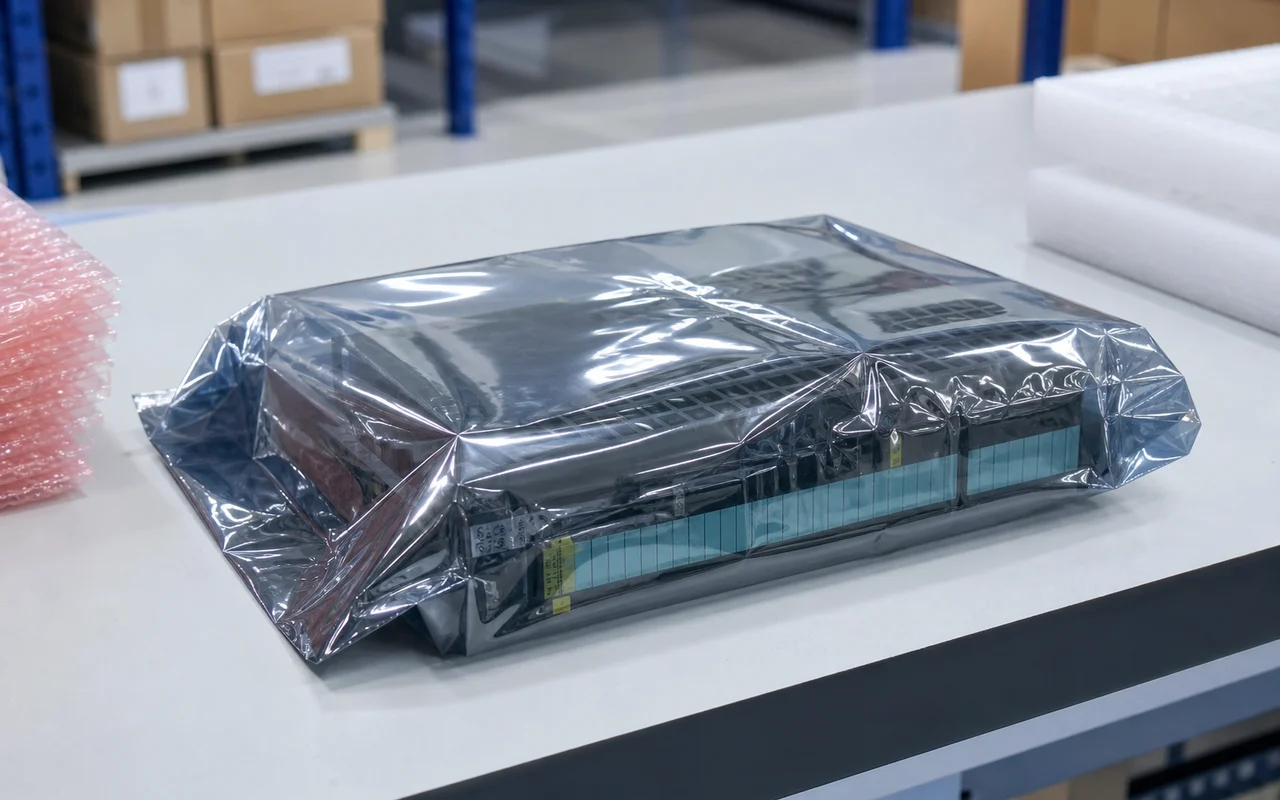 Anti-static Packaging
Modules are packed in anti-static bags to prevent electrostatic damage.
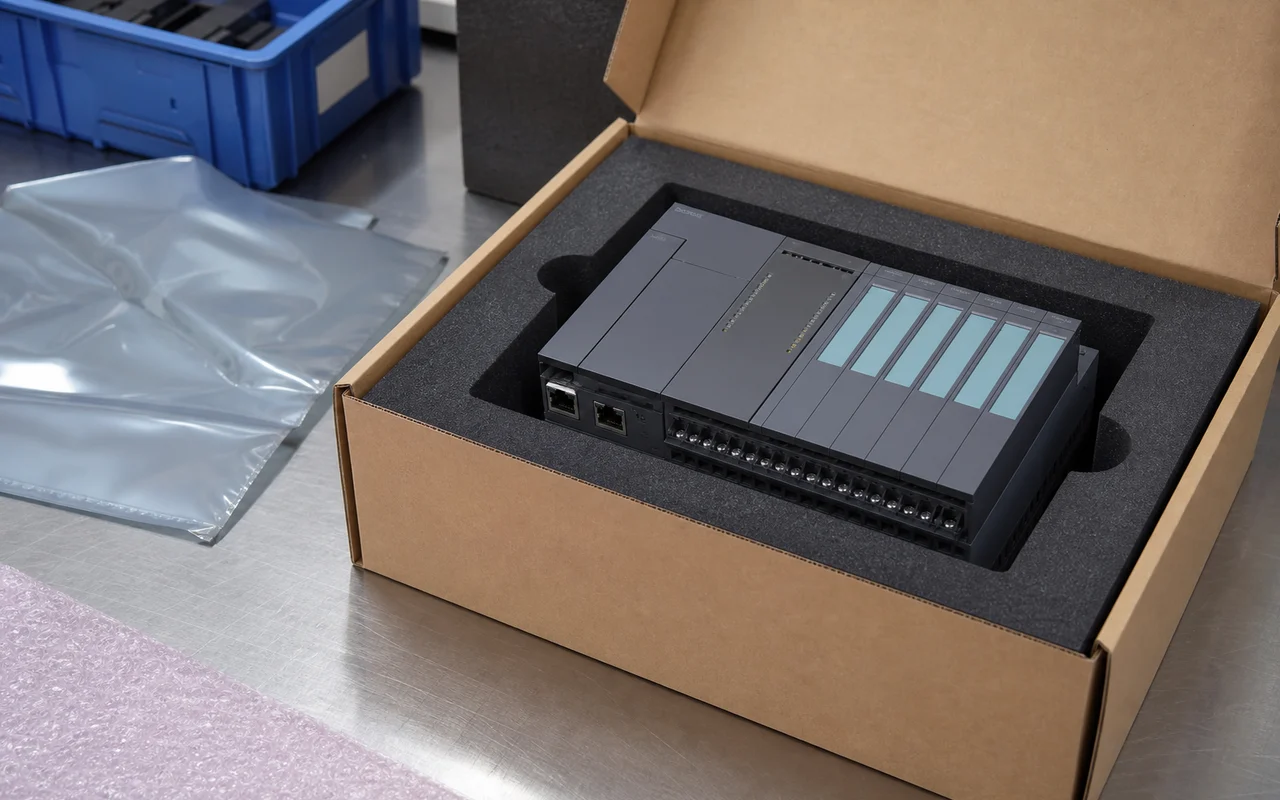 Secure Export Packing
Cushion protection and strong cartons ensure safe transportation.
 Worldwide Shipping
Global logistics network supports air, sea and express delivery.
 Documentation Check
Part number, revision and compatibility verified before shipment.
 After-sales Support
Professional technical support to help resolve your issues.