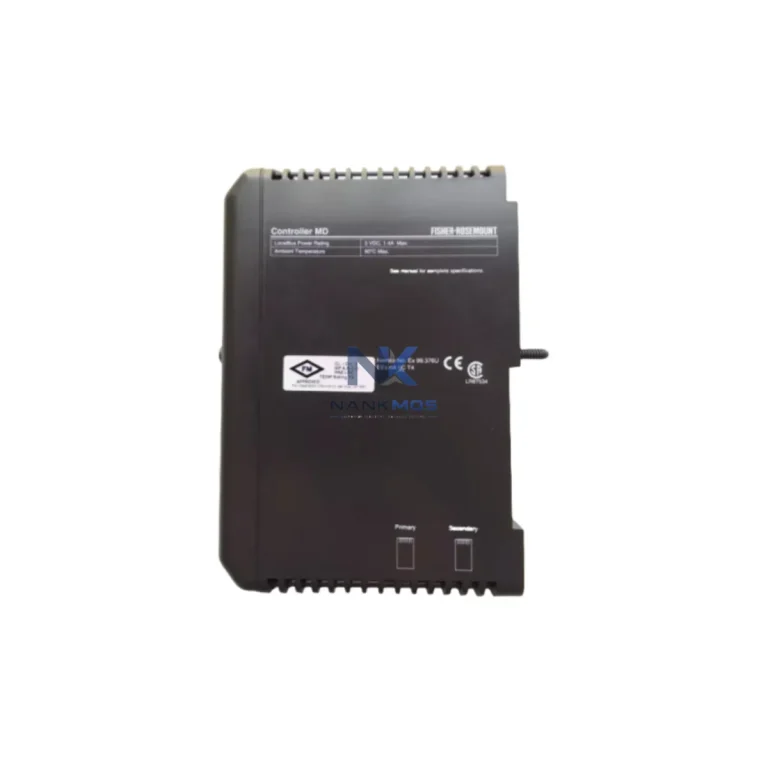
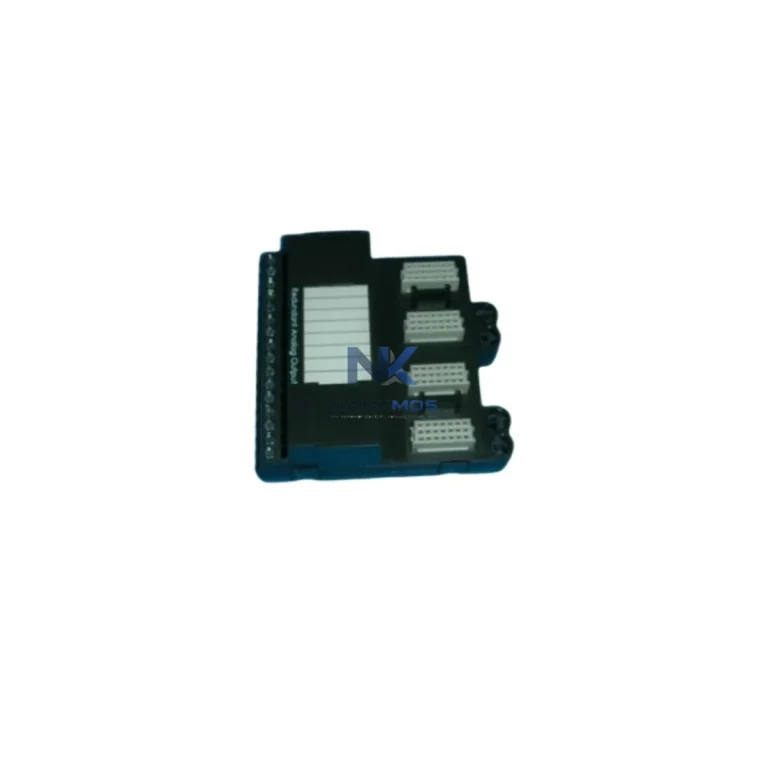
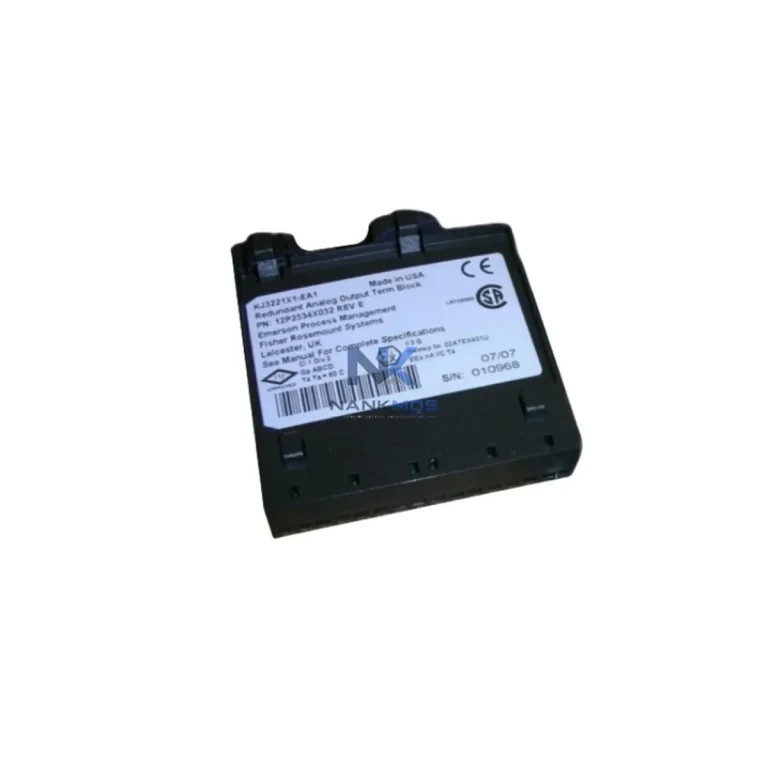
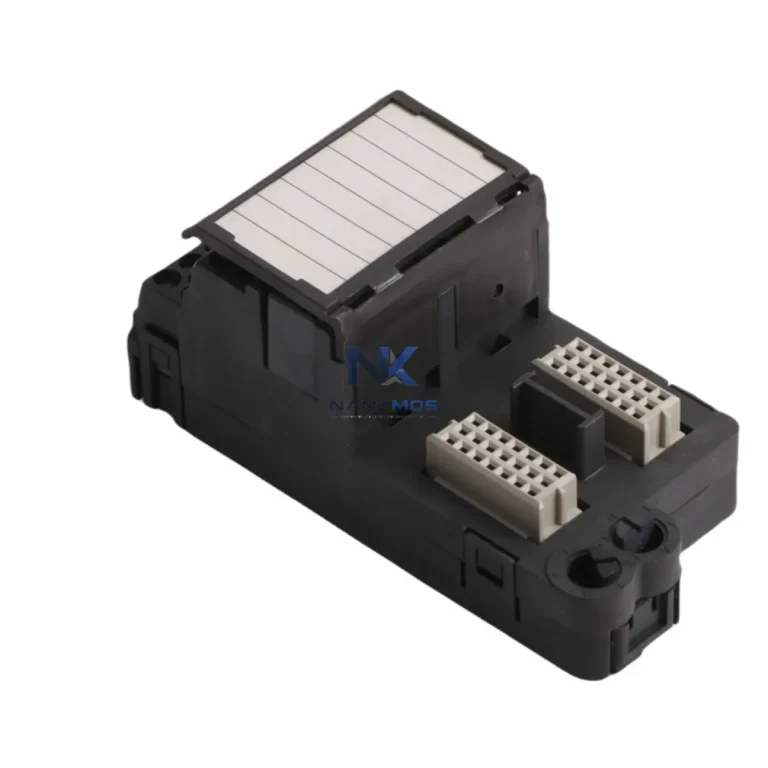
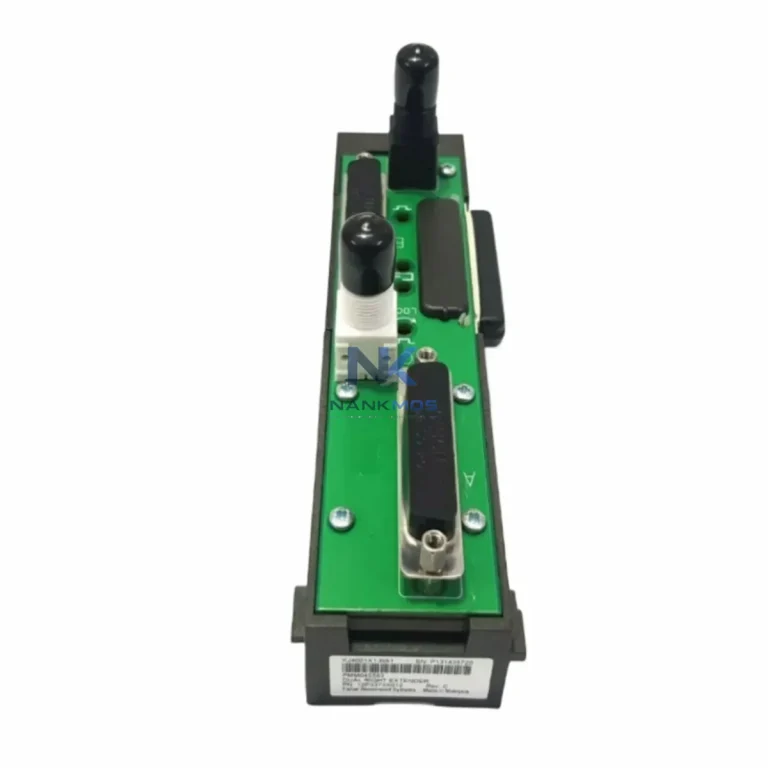
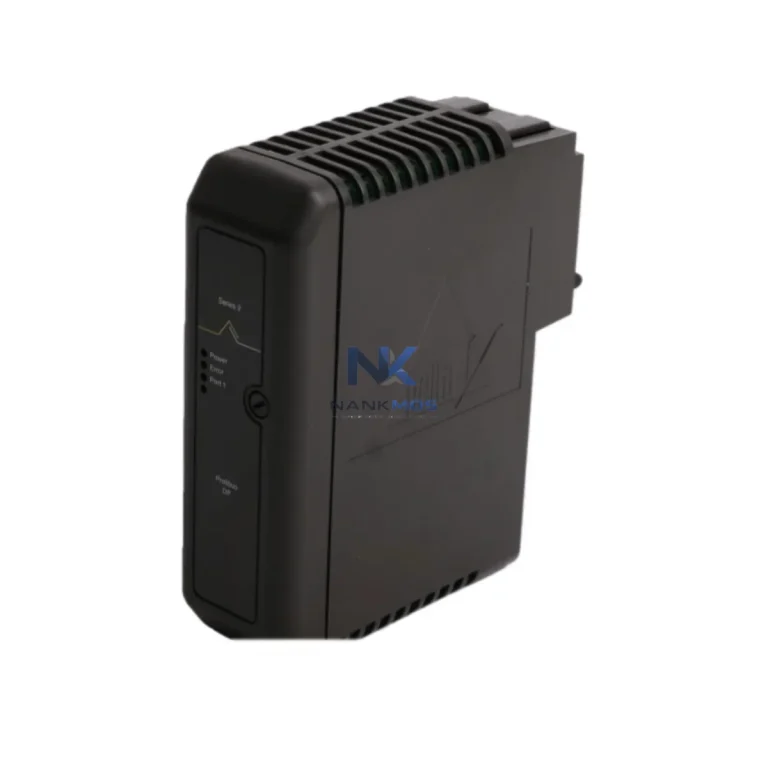
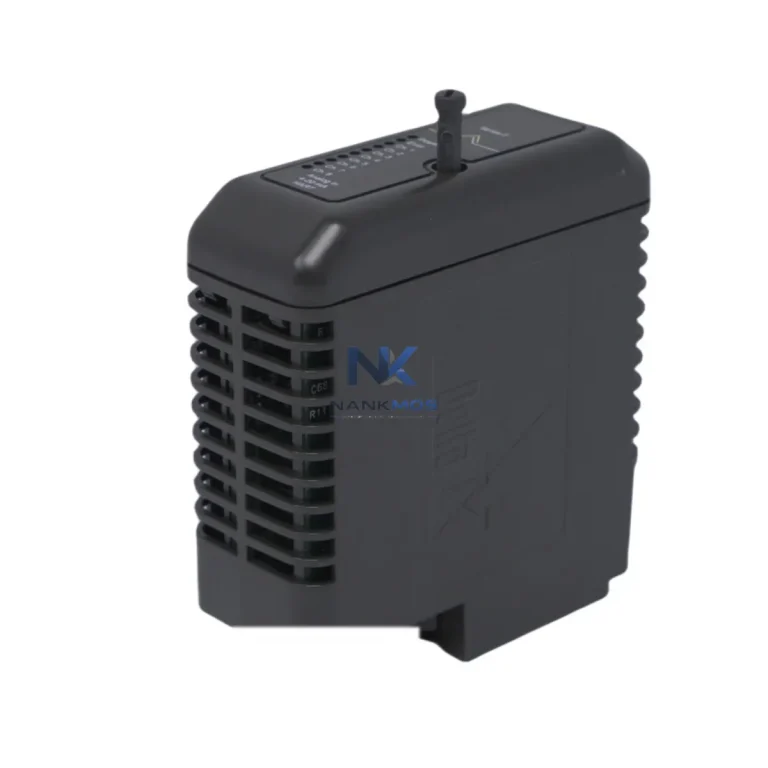
 Functional Inspection
100% tested on professional platforms to ensure stable performance.
Emerson MMS6410 is a NANKMOS industrial automation product record Listed under Other series series and Business & Industrial > Automation, Control & Flow Devices. Confirm condition, availability, lead time, compatibility and documentation by email inquiry.
Brand names are used for identification only.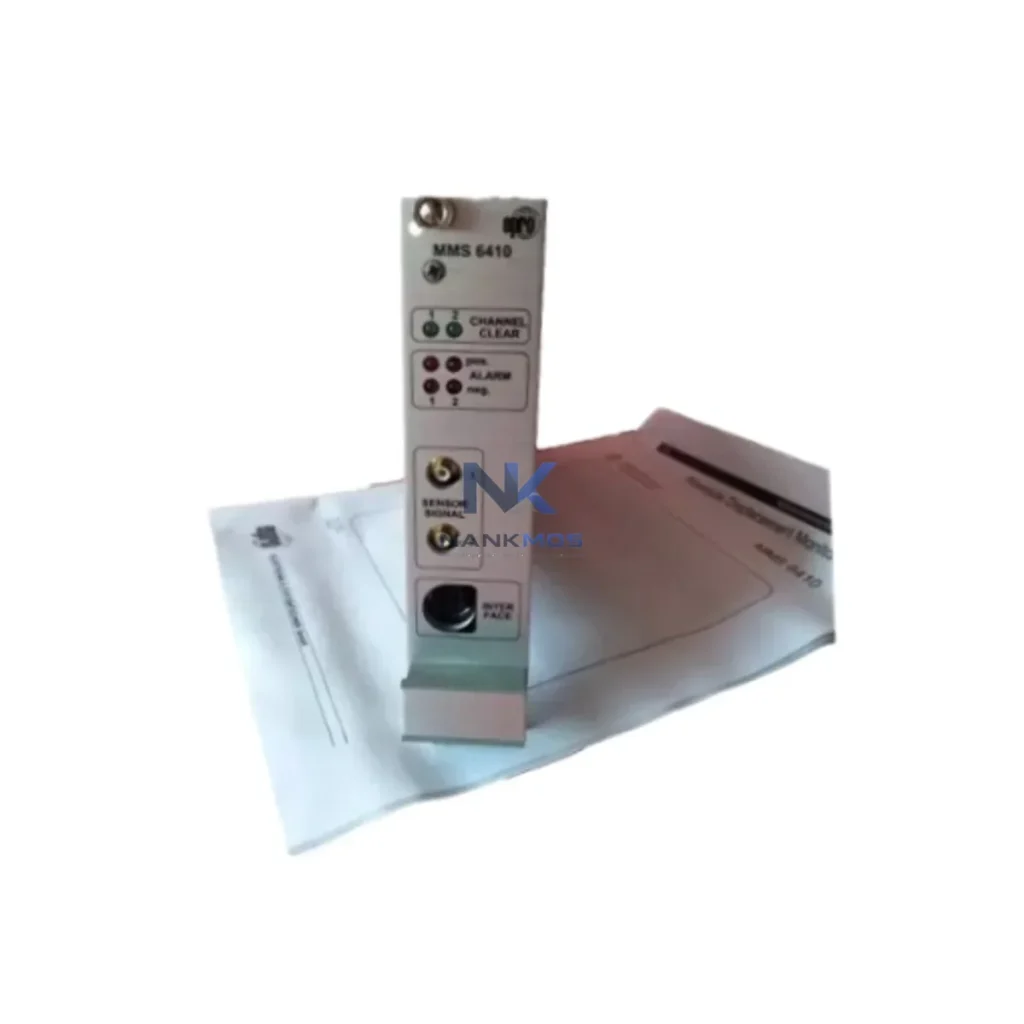
Emerson MMS6410 is a NANKMOS industrial automation product record Listed under Other series series and Business & Industrial > Automation, Control & Flow Devices. Confirm condition, availability, lead time, compatibility and documentation by email inquiry.
| Manufacturer | Emerson |
|---|---|
| Application | Turbine & Condition Monitoring |
| Part Number / Model | MMS6410 |
| Compatible System | Confirmed by inquiry |
| Condition Options | To Confirm |
| Module Type | Monitoring Module |
| Warranty | 12 Months |
| Packaging | Anti-static Bag / Secure Box |
| Shipping Methods | DHL / FedEx / UPS / Air / Sea |
| Availability | To Confirm |
| Lead Time | To Confirm |
| Documentation | Part number and revision checked before quote |
The Emerson MMS6410 is a dual-channel vibration monitoring amplifier engineered for continuous machinery health surveillance within Bently Nevada condition monitoring architectures. Designed to operate as a precision data acquisition node, the MMS6410 captures raw vibration signals from proximity probes and accelerometers mounted on rotating equipment — turbines, compressors, pumps, and motors — and converts them into structured, protocol-ready data streams that feed directly into plant-wide SCADA systems, DCS platforms, and industrial Ethernet networks. In smart factory environments where unplanned downtime translates directly into production loss, the MMS6410 serves as the critical first link in the machinery data chain, ensuring that every vibration event, amplitude deviation, and phase shift is captured, timestamped, and transmitted without latency.
In a fully integrated smart factory, the MMS6410 operates at the sensor-to-network boundary — the point where physical machinery behavior becomes digital intelligence. Proximity probes installed on turbine shaft journals feed raw displacement signals into the MMS6410 input channels. The module conditions these signals, applies configurable alert and danger thresholds, and outputs both analog 4–20 mA signals and digital data frames onto the plant communication bus.
Within a Bently Nevada 3500 rack, the MMS6410 works alongside modules such as the 3500/42M proximitor I/O module and the 3500/22M transient data interface, sharing a common backplane that routes all channel data to the rack's communication gateway. The 3500/92 communication gateway module then bridges the rack data onto Modbus TCP or OPC-UA, making all vibration parameters — direct amplitude, 1X and 2X vectors, gap voltage, and alarm states — available to upstream systems in real time.
From the communication gateway, data flows to the plant DCS — commonly a Honeywell Experion PKS or ABB System 800xA controller node — where vibration trends are integrated with process variables such as bearing temperature, lube oil pressure, and flow rate. This cross-domain data fusion enables condition-based maintenance decisions that go beyond simple threshold alarms. Simultaneously, the same data stream is consumed by Emerson System 1 condition monitoring software, which performs spectral analysis, orbit plot generation, and trend forecasting across the entire rotating equipment fleet.
For facilities running distributed control architectures, the MMS6410 data can be aggregated through an industrial edge gateway — such as a Moxa MGate MB3480 Modbus-to-Ethernet gateway or a Kepware KEPServerEX OPC-UA aggregation server — before being forwarded to cloud-based SCADA platforms or enterprise asset management systems. This edge aggregation layer is particularly valuable in multi-unit plants where dozens of MMS6410 modules across multiple equipment trains must be polled, normalized, and delivered to a single historian database without network congestion.
HMI panels — including Siemens SIMATIC TP1200 or Schneider Electric Magelis touchscreens — display real-time vibration trends and alarm dashboards sourced directly from the MMS6410 data chain. Operators can monitor shaft displacement, velocity, and acceleration values at a glance, with color-coded alarm states that mirror the module's internal alert and danger setpoints. When a vibration exceedance occurs, the alarm propagates simultaneously to the HMI, the DCS alarm management system, and the SCADA historian, ensuring that no event is missed regardless of which operator interface is active.
Remote diagnostic capability is a key operational advantage of the MMS6410 in networked deployments. Through the OPC-UA data path, maintenance engineers can access live channel data, review historical trend files, and adjust alert setpoints from remote engineering workstations without requiring physical access to the control room or field junction box. This remote access capability is especially critical for offshore platforms, remote compressor stations, and unmanned substations where on-site intervention carries significant cost and safety implications.
Many industrial facilities operate with fragmented condition monitoring architectures — legacy vibration monitors that output only relay contacts, analog recorders with no digital communication, or standalone monitoring systems that cannot share data with the plant DCS or SCADA. The MMS6410 addresses these data gaps directly by providing a standards-compliant digital communication interface that integrates with existing plant networks without requiring a complete system overhaul.
Protocol fragmentation is one of the most common barriers to plant-wide data visibility. Sites running a mix of Modbus RTU devices, PROFIBUS DP field instruments, and OPC-UA-capable controllers often struggle to consolidate vibration data alongside process data in a single historian. The MMS6410, operating within the Bently Nevada 3500 communication framework, supports protocol bridging through the rack gateway, allowing vibration data to be published in the protocol format required by the upstream system — whether that is Modbus TCP for a legacy DCS or OPC-UA for a modern cloud-connected SCADA.
Data islands — isolated monitoring systems that generate alarms locally but cannot share event data with the plant alarm management system — are eliminated when the MMS6410 is integrated into the plant network. All alert and danger events are time-stamped at the module level and transmitted to the SCADA historian, enabling post-event analysis, alarm rationalization studies, and regulatory compliance reporting without manual data extraction.
Remote monitoring gaps are addressed through the MMS6410's digital output capability. Rather than relying on periodic manual rounds to check vibration levels at local indicators, maintenance teams can configure continuous polling of all MMS6410 channels through the plant OPC-UA server, with automated trend reports delivered to maintenance management systems on a scheduled basis. This shift from reactive to predictive maintenance reduces unplanned downtime and extends equipment service intervals.
System scalability is preserved through the modular Bently Nevada 3500 rack architecture. As plant equipment fleets expand, additional MMS6410 modules can be added to existing racks or new racks commissioned without disrupting the existing network configuration. Each new module is automatically recognized by the System 1 software and assigned to the appropriate equipment train in the asset hierarchy, ensuring that the data infrastructure scales in parallel with the physical plant.
All units supplied by NANKMOS are shipped after full functional testing, with verified channel calibration, communication link confirmation, and alarm setpoint validation. In-stock inventory ensures rapid dispatch to support urgent project timelines and emergency replacement requirements.
Q1: What communication protocols does the Emerson MMS6410 support for SCADA integration? The MMS6410 operates within the Bently Nevada 3500 rack architecture, which supports Modbus RTU, Modbus TCP, and OPC-UA communication through the rack's communication gateway module (e.g., 3500/92). This allows vibration data to be published directly to SCADA historians, DCS controllers, and OPC-UA-capable HMI systems without additional protocol converters in most standard plant configurations.
Q2: How is network stability maintained when multiple MMS6410 modules are polled simultaneously? The Bently Nevada 3500 backplane architecture handles inter-module communication internally, reducing the polling load on the plant network. The communication gateway module buffers and transmits consolidated rack data at configurable intervals, preventing network congestion even in large multi-rack deployments. For high-frequency data requirements, OPC-UA subscriptions with server-side change detection minimize unnecessary data transmission.
Q3: Can the MMS6410 support remote diagnostics and setpoint adjustment without on-site access? Yes. Through the OPC-UA interface provided by the Bently Nevada 3500 communication gateway, authorized engineers can access live channel data, review alarm histories, and modify alert and danger setpoints remotely using Emerson System 1 software or compatible OPC-UA clients. Remote access is subject to plant cybersecurity policies and network access controls.
Q4: What warranty and pre-shipment testing does NANKMOS provide for the MMS6410? All Emerson MMS6410 units supplied by NANKMOS carry a 12-month warranty covering hardware defects and functional performance. Each unit undergoes pre-shipment functional testing including channel signal conditioning verification, communication link confirmation, and alarm relay operation check before dispatch. In-stock units are available for immediate shipment to support urgent project and maintenance requirements.
Functional Inspection100% tested on professional platforms to ensure stable performance.
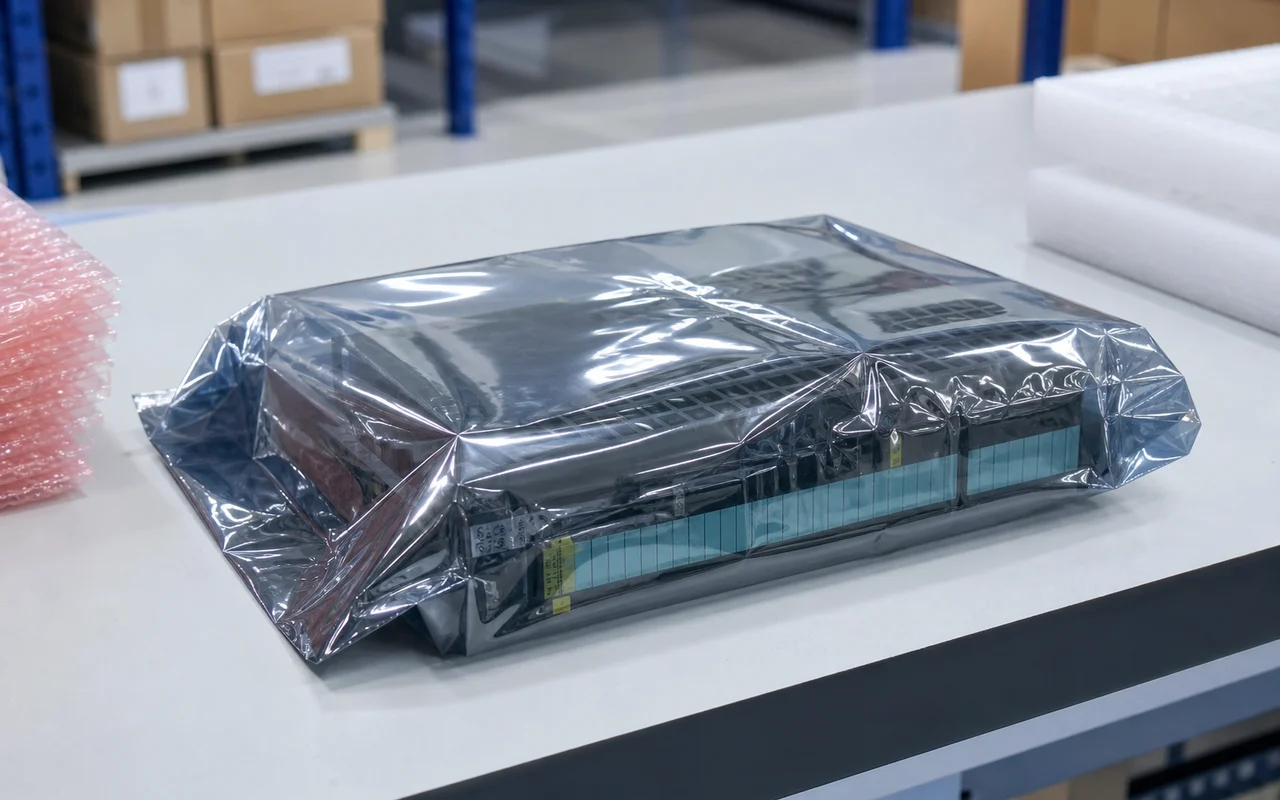 Anti-static Packaging
Modules are packed in anti-static bags to prevent electrostatic damage.
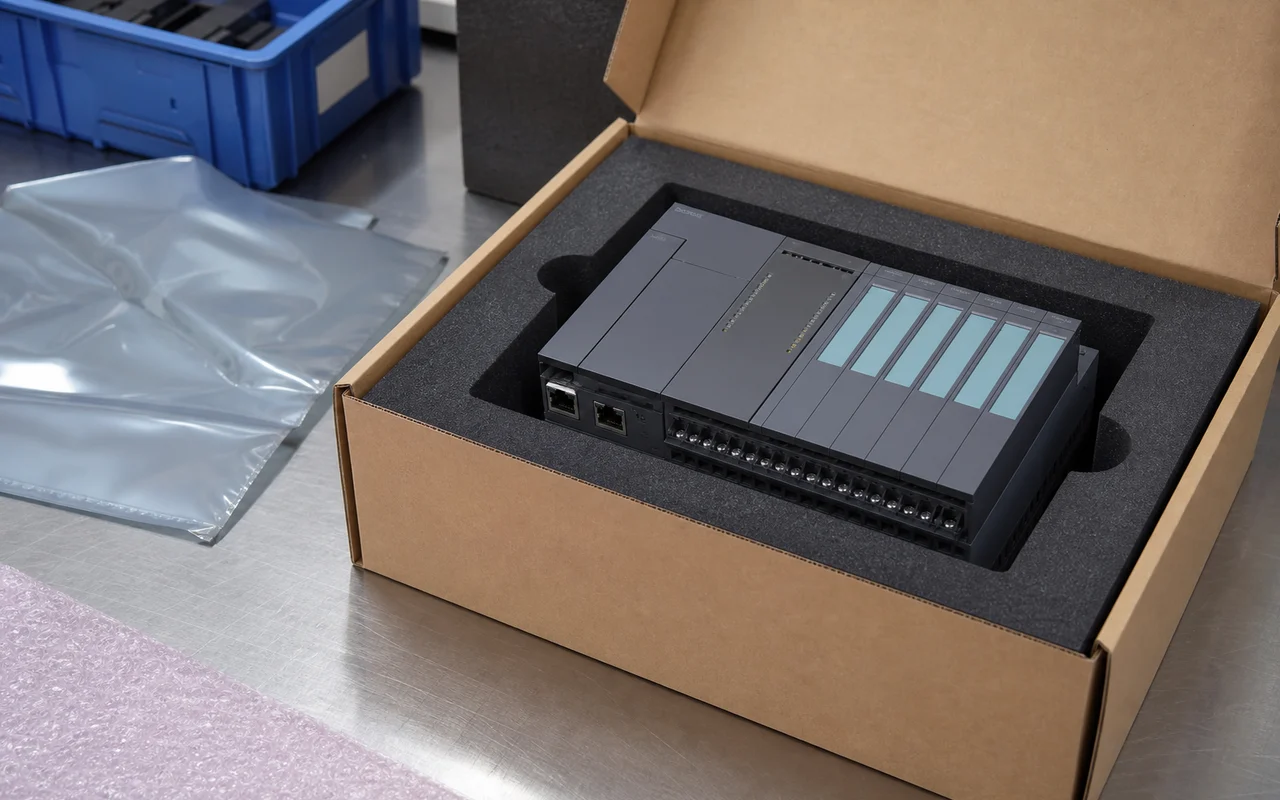 Secure Export Packing
Cushion protection and strong cartons ensure safe transportation.
 Worldwide Shipping
Global logistics network supports air, sea and express delivery.
 Documentation Check
Part number, revision and compatibility verified before shipment.
 After-sales Support
Professional technical support to help resolve your issues.