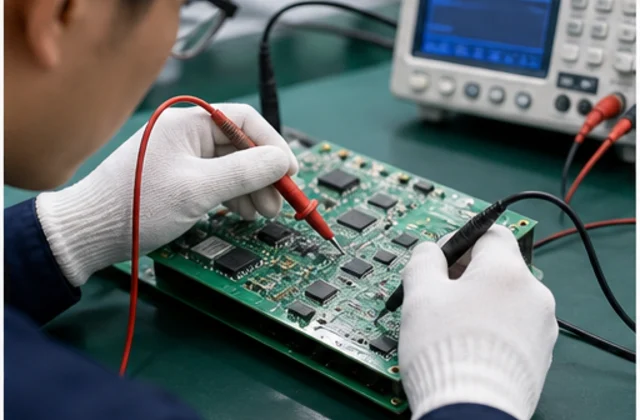
 Functional Inspection
100% tested on professional platforms to ensure stable performance.
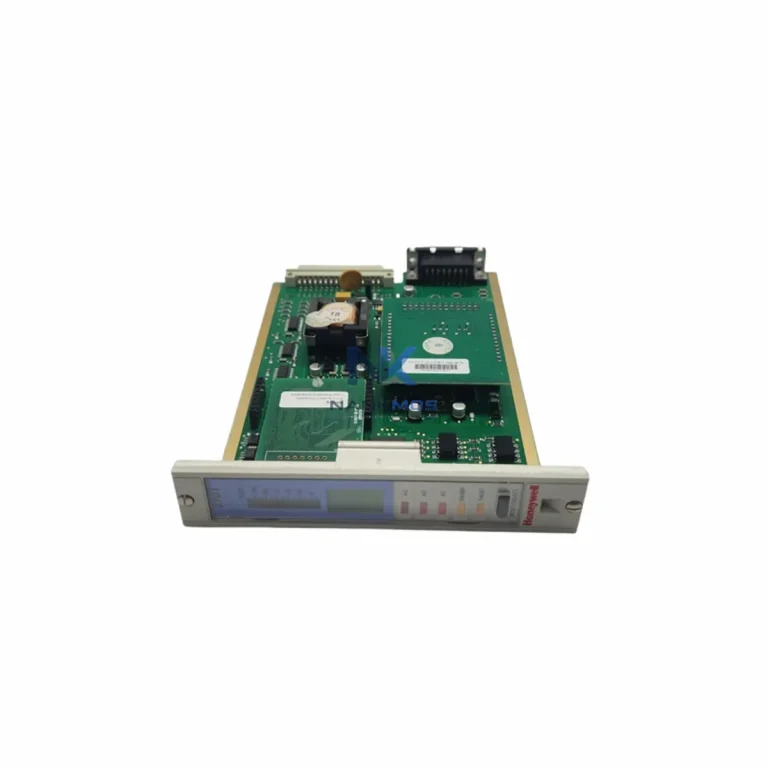
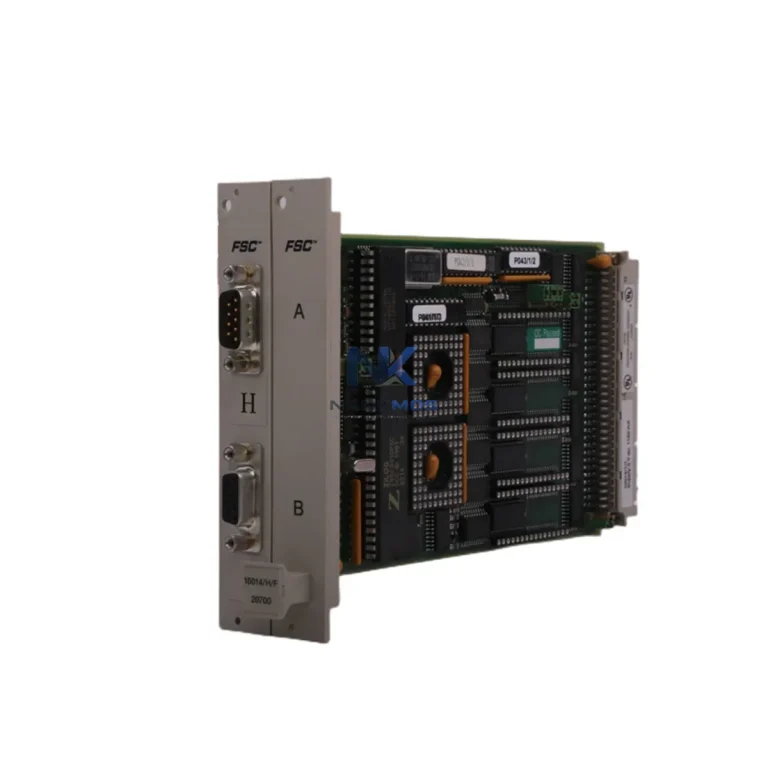
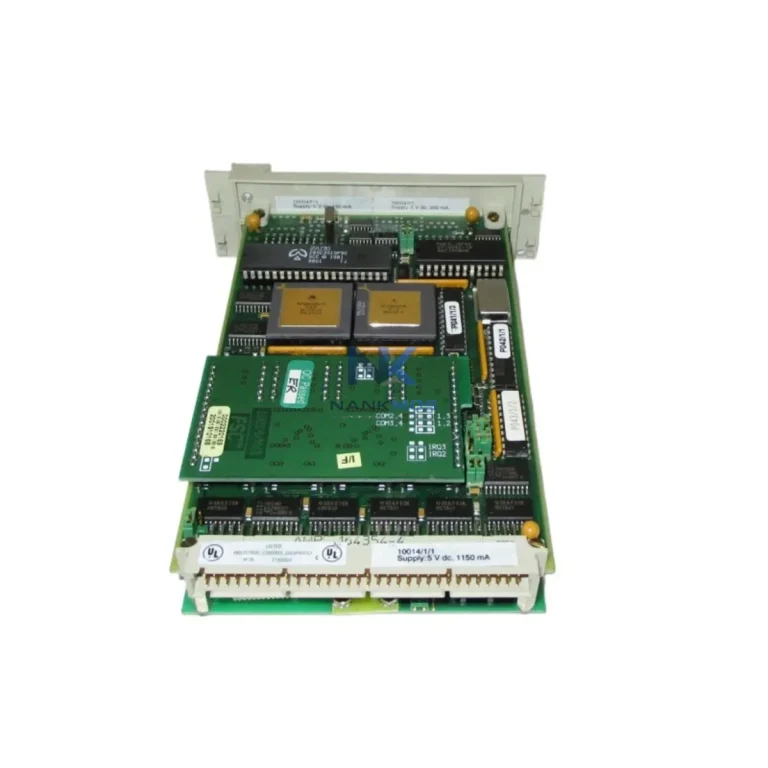
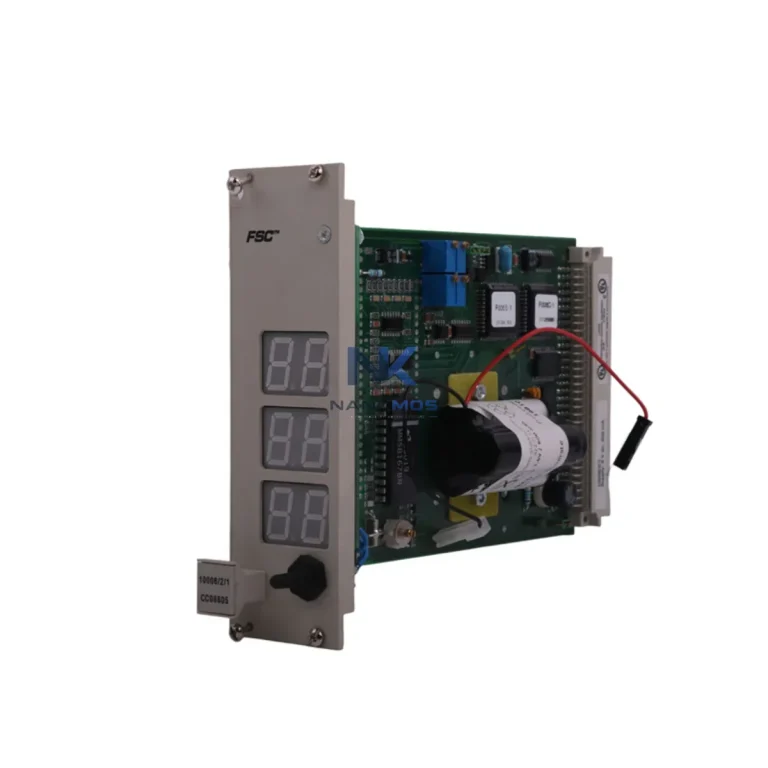
Honeywell 2MLF-DC8A is a NANKMOS industrial automation product record Listed under TDC 3000 series and Business & Industrial > Automation, Control & Flow Devices > Programmable Logic Controllers. Confirm condition, availability, lead time, compatibility and documentation by email inquiry.
Brand names are used for identification only.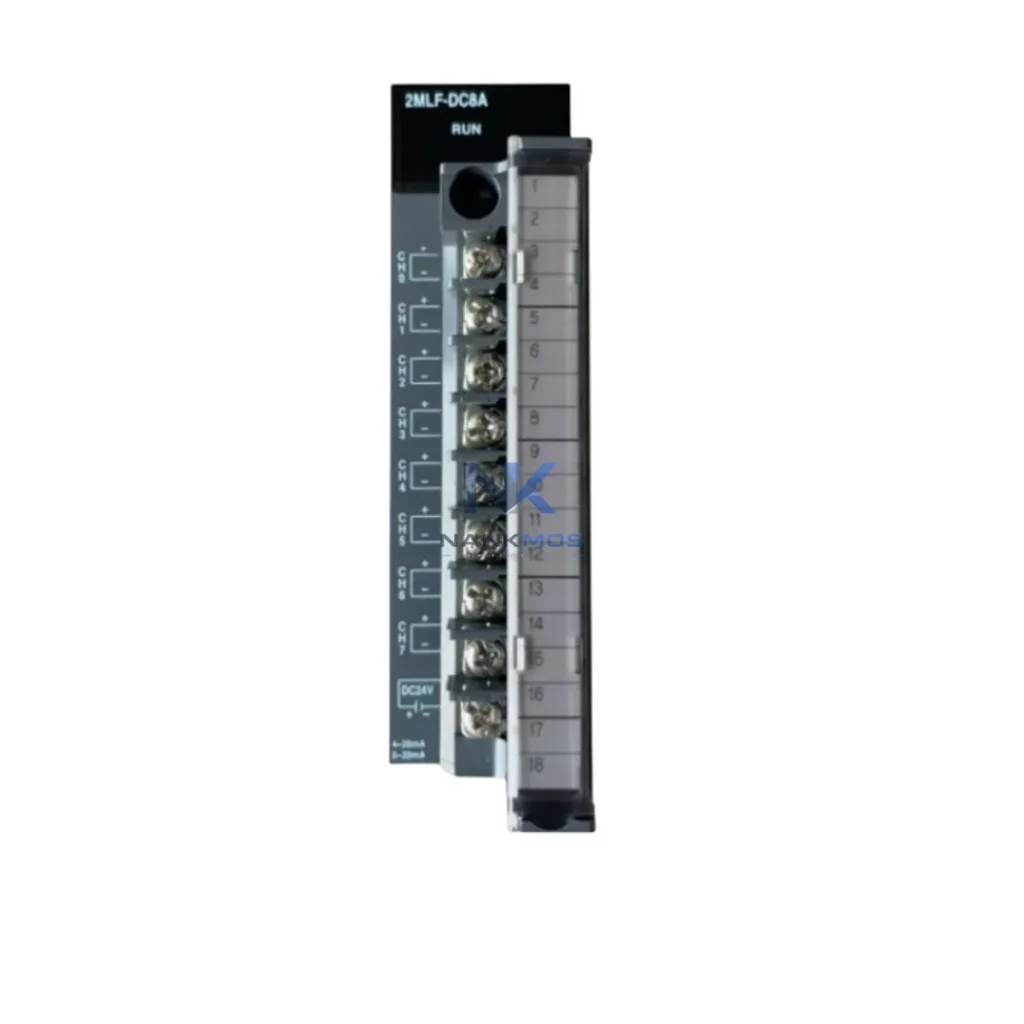
Honeywell 2MLF-DC8A is a NANKMOS industrial automation product record Listed under TDC 3000 series and Business & Industrial > Automation, Control & Flow Devices > Programmable Logic Controllers. Confirm condition, availability, lead time, compatibility and documentation by email inquiry.
| Manufacturer | Honeywell |
|---|---|
| Application | Controller Processing & System Control |
| Part Number / Model | 2MLF-DC8A |
| Compatible System | TDC 3000 |
| Series | TDC 3000 |
| Condition Options | To Confirm |
| Module Type | Controller / CPU Module |
| Warranty | 12 Months |
| Packaging | Anti-static Bag / Secure Box |
| Shipping Methods | DHL / FedEx / UPS / Air / Sea |
| Availability | To Confirm |
| Lead Time | To Confirm |
| Documentation | Part number and revision checked before quote |
The Honeywell 2MLF-DC8A is a DC output module engineered for the TDC 3000 Distributed Control System platform, delivering precision signal output across multi-node industrial networks. In smart factory environments where real-time data integrity and deterministic control are non-negotiable, the 2MLF-DC8A serves as a critical bridge between the DCS controller layer and field-level actuators, drives, and process equipment. Its role in the automation data chain spans from raw signal conditioning at the I/O level through to SCADA visualization and remote diagnostic feedback loops, making it an indispensable component in continuous process industries including petrochemical, power generation, pulp and paper, and advanced manufacturing.
Within the TDC 3000 architecture, the 2MLF-DC8A interfaces directly with the Universal Control Network (UCN) and Local Control Network (LCN), enabling seamless data exchange between field devices and the Honeywell HM (History Module) and AM (Application Module). This tight integration ensures that output commands generated at the supervisory level are translated with minimal latency into precise DC signals at the process layer, supporting closed-loop control strategies that demand sub-second response times. When paired with Honeywell's PM (Process Manager) or HPM (High-Performance Process Manager) controllers, the 2MLF-DC8A participates in a fully redundant control architecture that eliminates single points of failure across the output channel network.
The 2MLF-DC8A operates at the heart of a layered industrial data architecture. At the field level, sensors and transmitters feed process variables — temperature, pressure, flow, and level — into the TDC 3000 input modules. These signals are processed by the Honeywell HPM (High-Performance Process Manager), which executes control algorithms and issues output commands routed through the 2MLF-DC8A to downstream actuators, control valves, and variable frequency drives (VFDs). The module's DC output channels provide the precise analog signals required to position control valves with millimeter accuracy or ramp VFD speed references in coordinated motion sequences.
Moving up the data chain, the UCN backbone connects the 2MLF-DC8A's host controller to the Honeywell AM (Application Module), where advanced regulatory and supervisory control strategies are executed. The LCN then carries aggregated process data to the Honeywell HM (History Module) for time-stamped trending and long-term archival, feeding SCADA and historian platforms such as Honeywell PHD (Process Historian Database) or third-party systems via OPC-DA/OPC-UA gateways. This enables plant operators to visualize real-time output states, trend historical performance, and configure alarm thresholds directly from HMI consoles without interrupting live production.
For facilities integrating legacy TDC 3000 infrastructure with modern IIoT platforms, edge gateways such as the Honeywell Experion PKS migration bridge or third-party protocol converters translate UCN/LCN data into Ethernet-based protocols including Modbus TCP, PROFINET, and EtherNet/IP. This allows the 2MLF-DC8A's output channel data to be consumed by MES (Manufacturing Execution Systems), ERP platforms, and cloud-based analytics dashboards, completing the digital thread from field device to enterprise decision layer. Industrial managed switches with VLAN segmentation and QoS prioritization ensure that time-critical output commands from the 2MLF-DC8A are never delayed by non-deterministic IT traffic on converged OT/IT networks.
Remote I/O expansion modules, when deployed alongside the 2MLF-DC8A in distributed marshalling cabinets, extend the TDC 3000 output reach to remote process areas without requiring additional controller hardware. Fiber-optic LCN extenders maintain signal integrity over distances exceeding 500 meters, while redundant power supplies — including 24VDC DIN-rail units rated for industrial temperature ranges — ensure uninterrupted output module operation during utility fluctuations. The complete system architecture, from the 2MLF-DC8A output card through to the SCADA visualization layer, is designed for continuous 24/7 operation in Class I Division 2 and ATEX Zone 2 environments.
Many industrial sites operating legacy DCS platforms face a common set of integration challenges: protocol fragmentation between older UCN/LCN networks and modern Ethernet-based systems, data silos that prevent SCADA platforms from accessing real-time output module states, and limited remote diagnostic visibility into individual channel health. The 2MLF-DC8A addresses these challenges directly within the TDC 3000 framework.
Protocol unification is achieved through the TDC 3000's native UCN/LCN communication stack, which provides a deterministic, token-passing network architecture that eliminates the collision-based delays common in early Ethernet implementations. For sites requiring Modbus or HART integration, protocol gateways installed at the marshalling level translate field device data into formats consumable by the 2MLF-DC8A's host controller, ensuring that no process variable is stranded in a communication dead zone.
Data transparency across the production line is enabled by the module's tight integration with Honeywell's HM and AM layers, which provide continuous output state logging, setpoint tracking, and deviation alarming. When an output channel drifts beyond configured limits — whether due to a failing actuator, a wiring fault, or a process upset — the TDC 3000 alarm management system generates prioritized alerts visible on all connected HMI consoles and SCADA workstations simultaneously. Remote diagnostic access via the LCN allows maintenance engineers to interrogate individual 2MLF-DC8A channel diagnostics from a central control room without dispatching field technicians, reducing mean time to repair (MTTR) and minimizing unplanned downtime.
System scalability is preserved through the TDC 3000's modular card cage architecture. Additional 2MLF-DC8A modules can be inserted into available backplane slots without system shutdown, supporting phased capacity expansion as production requirements grow. This hot-swap capability, combined with the module's pre-shipment functional verification and 12-month warranty coverage, ensures that expansion projects proceed on schedule without the risk of commissioning delays caused by undetected hardware defects.
Q1: What communication protocols does the Honeywell 2MLF-DC8A support for SCADA integration? The 2MLF-DC8A operates natively on the TDC 3000 UCN and LCN networks, which use Honeywell's proprietary token-passing protocol for deterministic data exchange. Integration with SCADA platforms is achieved through the Honeywell AM and HM modules, which expose process data via OPC-DA or OPC-UA interfaces. For legacy Modbus or HART field devices, protocol gateways at the marshalling level bridge the communication gap without requiring changes to the 2MLF-DC8A's host controller configuration.
Q2: How does the 2MLF-DC8A maintain network stability in high-noise industrial environments? The module is designed for installation in industrial control cabinets subject to electromagnetic interference from VFDs, motor starters, and high-current switching equipment. The TDC 3000 backplane provides shielded signal routing, and the UCN/LCN cabling infrastructure supports shielded twisted-pair or fiber-optic media for noise immunity. Redundant controller configurations with the Honeywell HPM ensure that a single module or network segment failure does not interrupt output channel operation.
Q3: Can the 2MLF-DC8A be integrated into a modern IIoT or edge computing architecture? Yes. While the 2MLF-DC8A is a TDC 3000 native module, its output data is accessible to modern IIoT platforms through Honeywell Experion PKS migration tools or third-party OPC-UA gateways that bridge the LCN to Ethernet-based networks. Edge computing nodes can subscribe to real-time output channel states for predictive maintenance analytics, energy optimization algorithms, and digital twin synchronization without modifying the existing TDC 3000 control strategy.
Q4: What does the 12-month warranty cover, and how is pre-shipment testing conducted? Every 2MLF-DC8A unit is functionally tested prior to shipment, verifying output channel continuity, signal accuracy, backplane communication integrity, and power consumption within specification. The 12-month warranty covers hardware defects identified under normal operating conditions and includes technical support for installation and commissioning queries. Units are shipped in anti-static packaging with inspection documentation, ensuring traceability from our verified inventory to your control cabinet.
Functional Inspection100% tested on professional platforms to ensure stable performance.
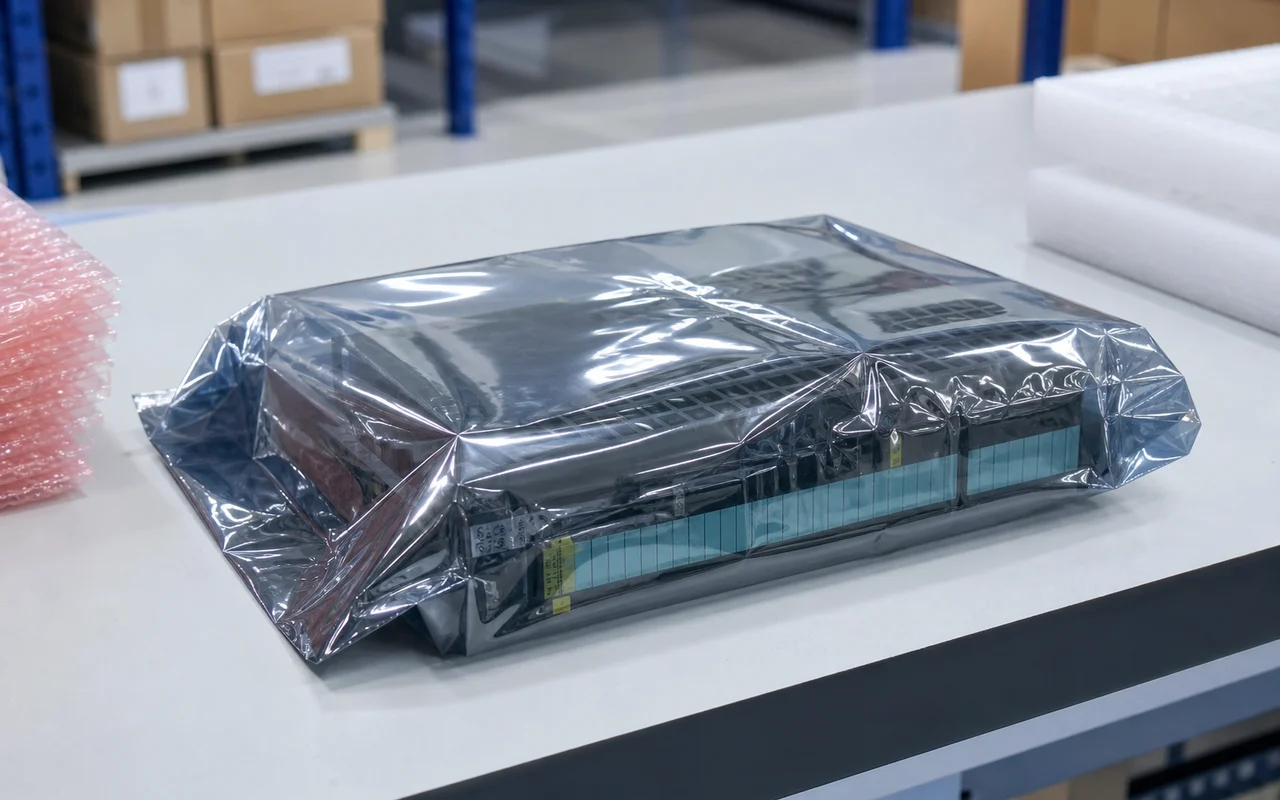 Anti-static Packaging
Modules are packed in anti-static bags to prevent electrostatic damage.
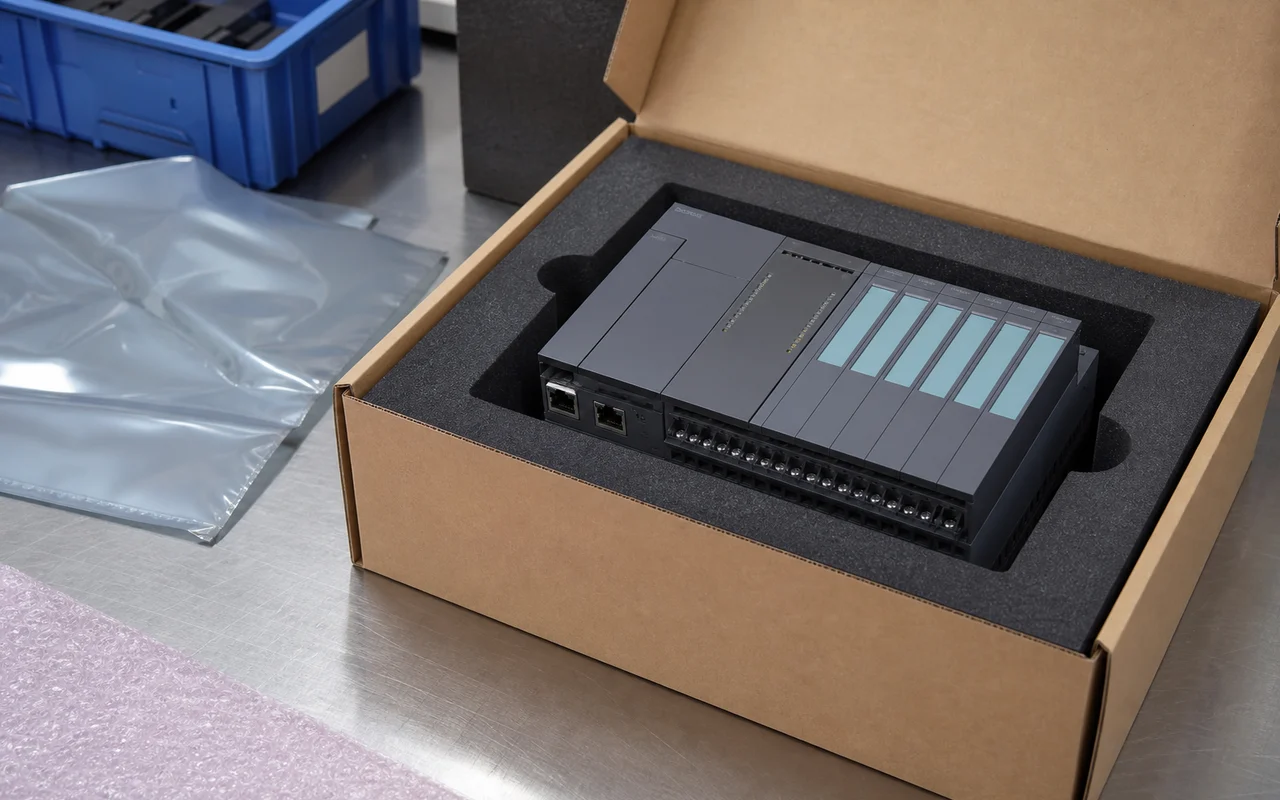 Secure Export Packing
Cushion protection and strong cartons ensure safe transportation.
 Worldwide Shipping
Global logistics network supports air, sea and express delivery.
 Documentation Check
Part number, revision and compatibility verified before shipment.
 After-sales Support
Professional technical support to help resolve your issues.