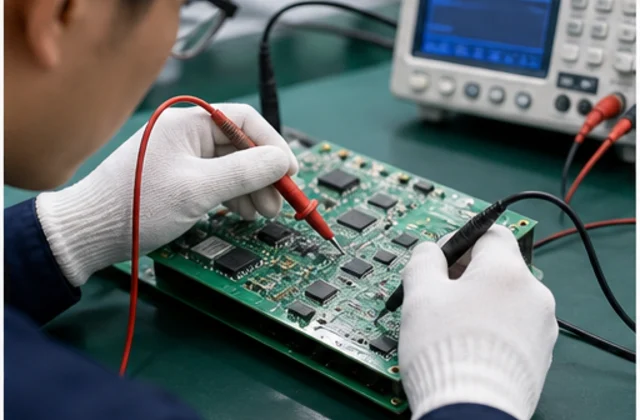
 Functional Inspection
100% tested on professional platforms to ensure stable performance.
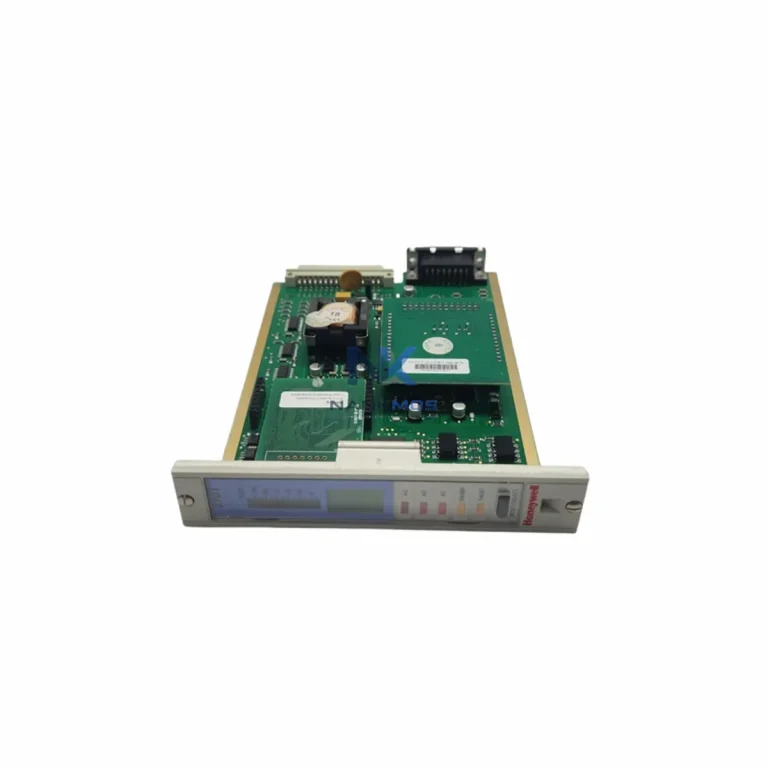
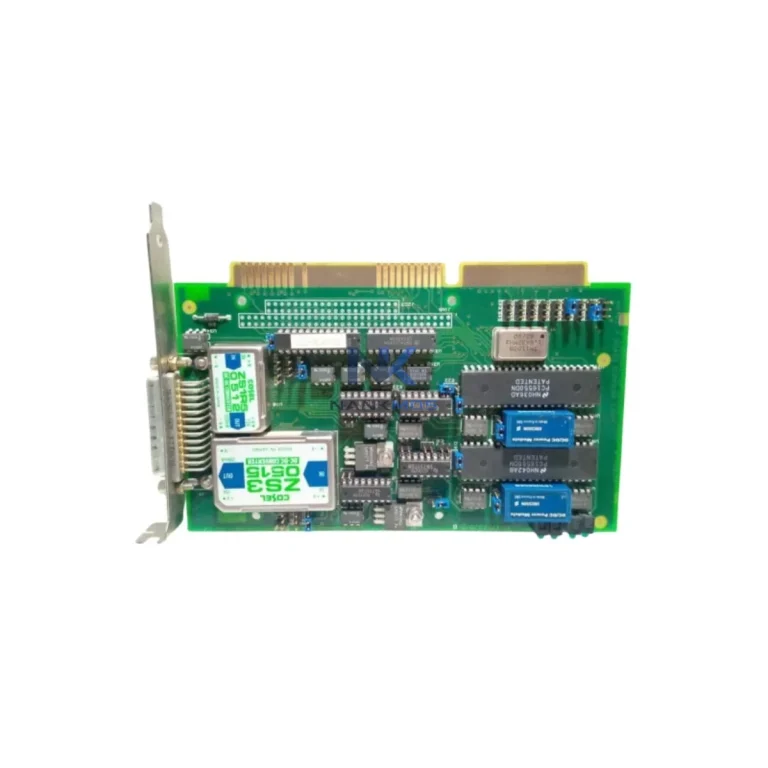
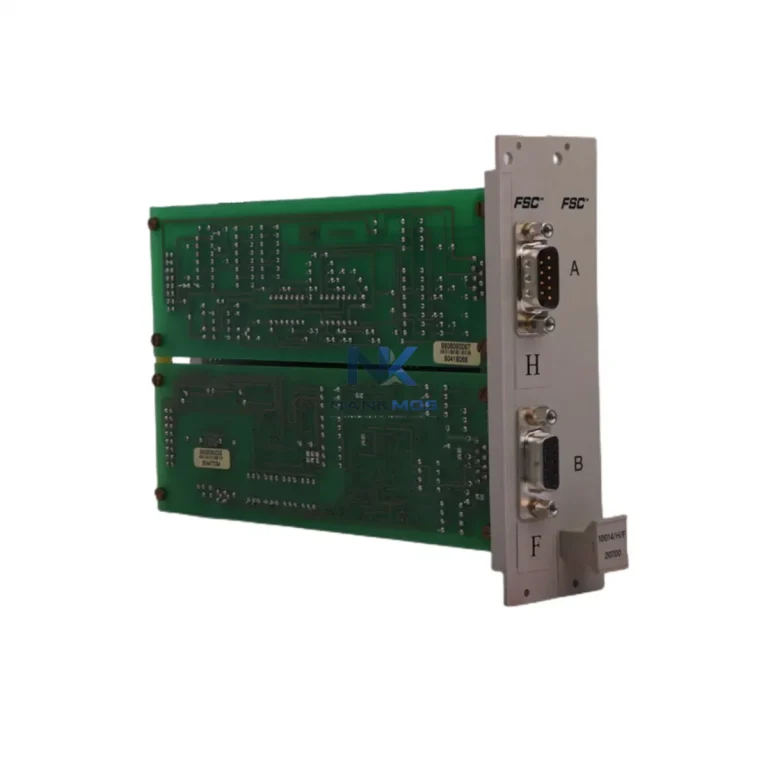
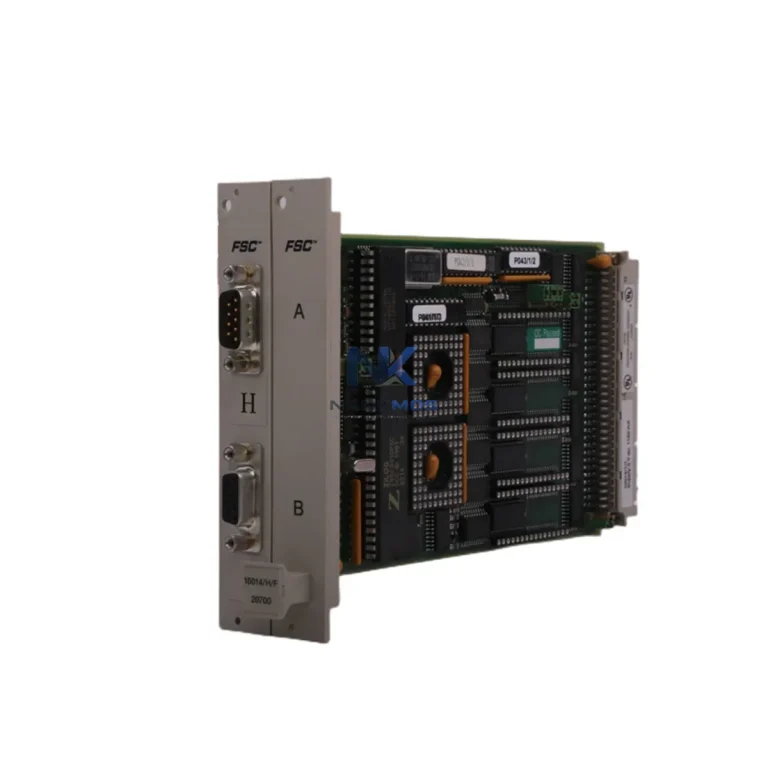
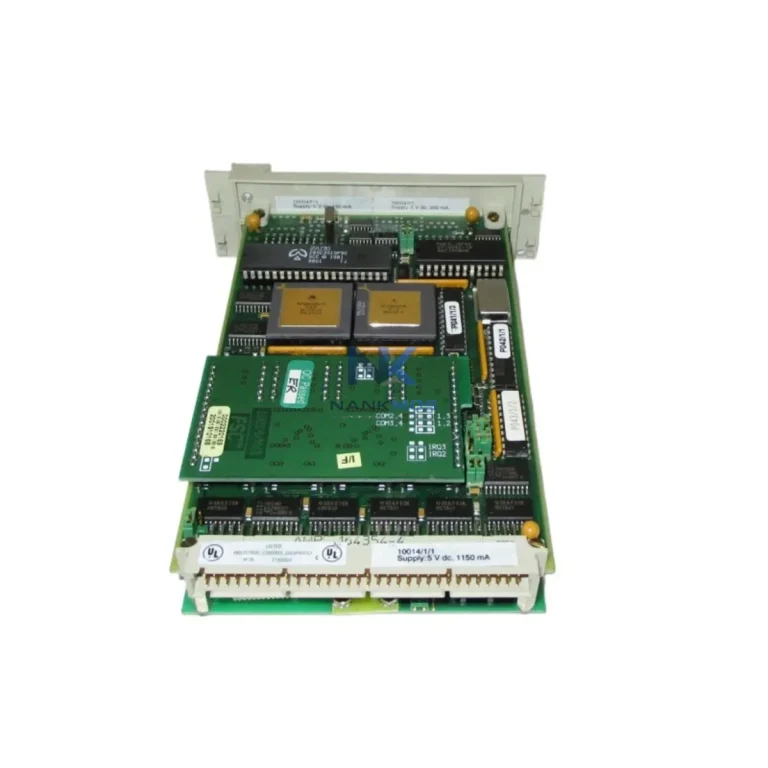
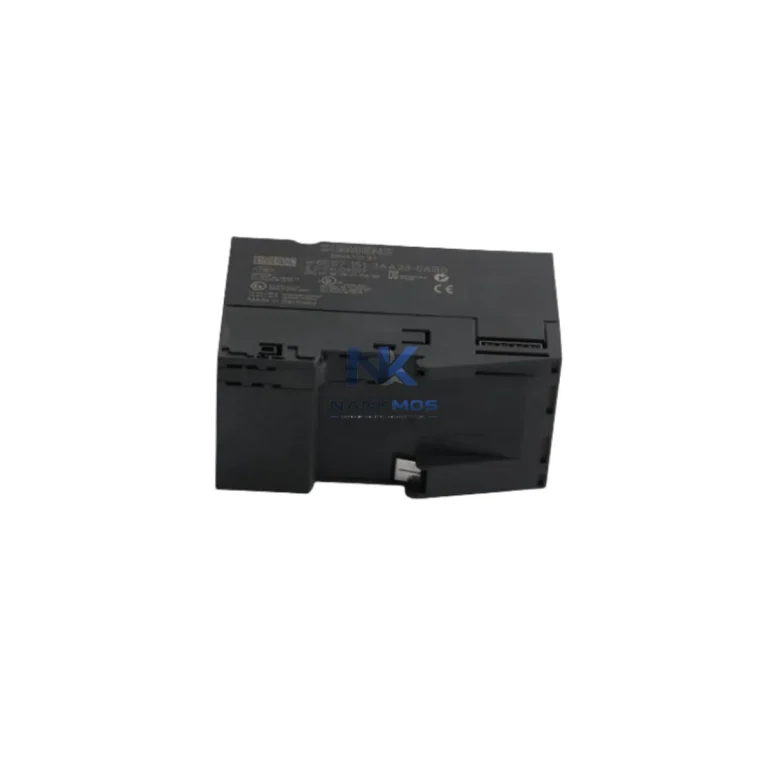
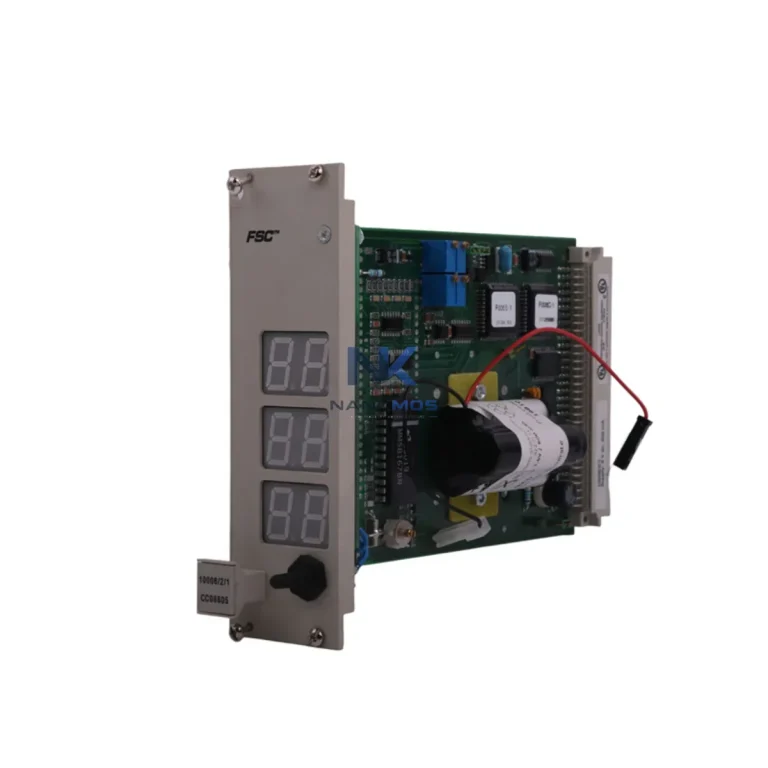
Honeywell 2MLQ-RY1D is a NANKMOS industrial automation product record Listed under TDC 3000 series and Business & Industrial > Automation, Control & Flow Devices > Programmable Logic Controllers. Confirm condition, availability, lead time, compatibility and documentation by email inquiry.
Brand names are used for identification only.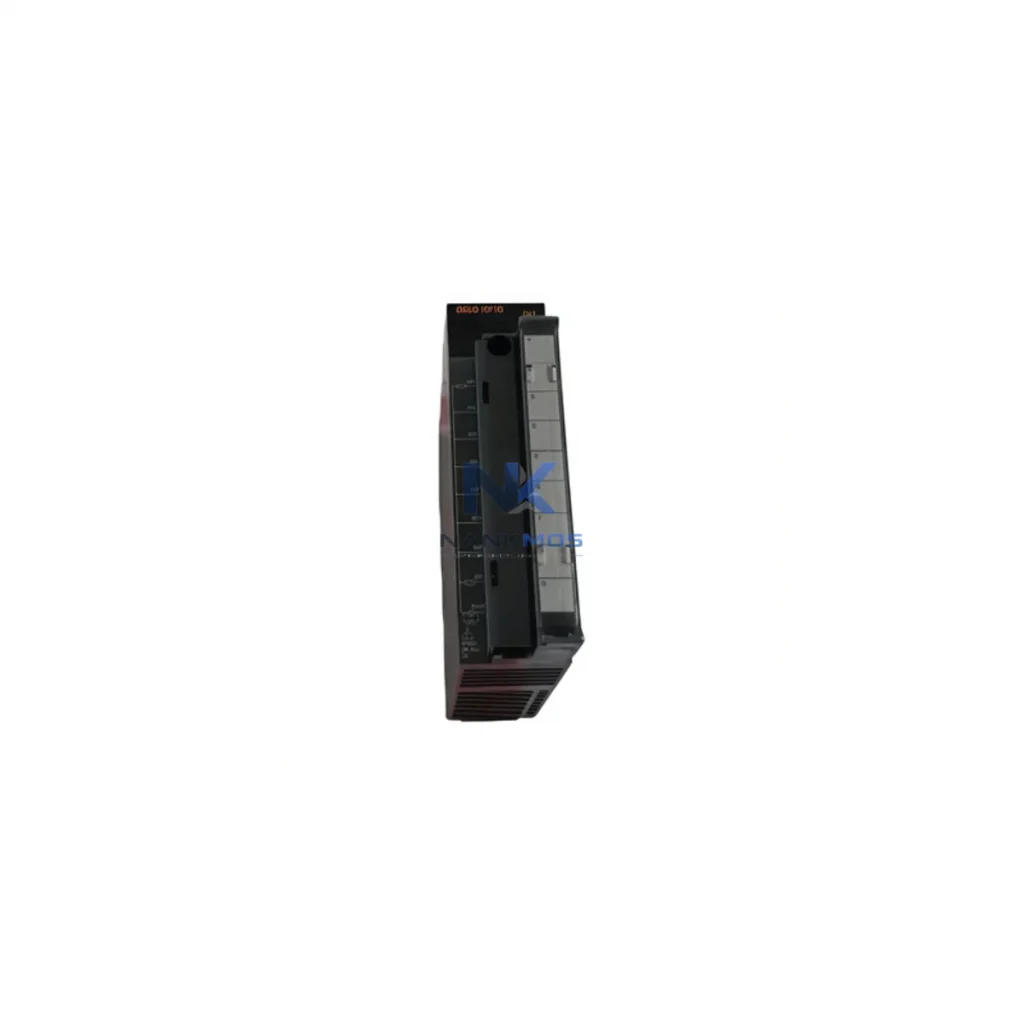
Honeywell 2MLQ-RY1D is a NANKMOS industrial automation product record Listed under TDC 3000 series and Business & Industrial > Automation, Control & Flow Devices > Programmable Logic Controllers. Confirm condition, availability, lead time, compatibility and documentation by email inquiry.
| Manufacturer | Honeywell |
|---|---|
| Application | Controller Processing & System Control |
| Part Number / Model | 2MLQ-RY1D |
| Compatible System | TDC 3000 |
| Series | TDC 3000 |
| Condition Options | To Confirm |
| Module Type | Controller / CPU Module |
| Warranty | 12 Months |
| Packaging | Anti-static Bag / Secure Box |
| Shipping Methods | DHL / FedEx / UPS / Air / Sea |
| Availability | To Confirm |
| Lead Time | To Confirm |
| Documentation | Part number and revision checked before quote |
The Honeywell 2MLQ-RY1D is a relay-based Digital Output Module engineered for the Honeywell TDC 3000 Distributed Control System (DCS), delivering precise load switching, energy-aware output control, and reliable device actuation across demanding industrial environments. Designed to operate within high-density control architectures, the 2MLQ-RY1D enables plant engineers to manage discrete output signals with minimal power overhead, contributing directly to reduced energy consumption, lower thermal load on control panels, and improved production line throughput.
In modern smart manufacturing facilities, every output channel represents an opportunity to optimize energy use. The 2MLQ-RY1D addresses this by providing clean relay contact switching that minimizes inrush current, reduces resistive losses, and ensures that downstream actuators — including motor starters, solenoid valves, and contactor coils — receive precisely timed control signals. This precision directly supports load management strategies that prevent energy spikes during production startup sequences and shift transitions.
The Honeywell 2MLQ-RY1D does not operate in isolation — it functions as a critical node within a broader energy-aware automation architecture. Within the TDC 3000 platform, it works in close coordination with the Honeywell HPM (High-Performance Manager) process controller, which orchestrates output sequencing to prevent simultaneous load energization that would otherwise cause demand spikes on the facility power grid.
On the drive side, the 2MLQ-RY1D relay outputs are commonly wired to the enable and run/stop circuits of Honeywell SmartVFD variable frequency drives and third-party inverter drives, allowing the DCS to command motor speed changes in a controlled, energy-efficient ramp profile rather than across-the-line starts. This integration reduces mechanical stress on motors and lowers peak current draw — a measurable contribution to energy cost reduction.
For power monitoring and energy accounting, the 2MLQ-RY1D output states are logged by the TDC 3000 historian and can be cross-referenced with data from Honeywell PM-series power monitoring modules and third-party power quality analyzers connected via Modbus RTU or PROFIBUS DP communication modules. This allows energy managers to correlate relay switching events with real-time kWh consumption data, identifying inefficient load cycling patterns and optimizing production schedules accordingly.
On the I/O layer, the 2MLQ-RY1D complements Honeywell 2MLF-series Digital Input Modules, which provide feedback confirmation that actuators have responded correctly to output commands. This closed-loop verification reduces the risk of actuator hunting — a common source of unnecessary energy consumption in process control loops. The combination of output command and input feedback also supports predictive maintenance workflows, where abnormal response times can indicate developing mechanical faults before they cause unplanned downtime.
At the operator interface level, Honeywell Experion PKS HMI stations display the real-time status of each 2MLQ-RY1D output channel, enabling operators to monitor load states, identify idle equipment left energized, and implement manual energy-saving measures during low-production periods. Integration with SCADA systems via the TDC 3000 data highway further extends visibility to plant-level energy dashboards, supporting ISO 50001 energy management compliance.
For sensor integration, the 2MLQ-RY1D output signals can trigger industrial proximity sensors, flow control valves, and temperature regulation actuators that are part of heat load management systems — ensuring that cooling and heating equipment operates only when process conditions demand it, rather than running continuously and wasting energy.
In high-throughput production environments — including petrochemical refining, power generation, and continuous process manufacturing — the Honeywell 2MLQ-RY1D plays a foundational role in production line energy optimization. By providing reliable, low-latency relay switching, it enables the TDC 3000 DCS to implement sophisticated load-shedding strategies that automatically de-energize non-critical equipment during peak demand windows, reducing electricity costs without interrupting core production processes.
The module's relay architecture supports production line pacing by ensuring that downstream equipment — conveyors, pumps, compressors, and agitators — is energized in a coordinated sequence aligned with upstream process readiness. This eliminates idle running time, where equipment consumes energy without contributing to production output. In facilities where energy audits have identified idle-running losses as a primary inefficiency, replacing uncoordinated manual switching with DCS-controlled relay outputs like the 2MLQ-RY1D has demonstrated measurable reductions in specific energy consumption per unit of production.
Thermal load management is another key benefit. Control panels housing multiple output modules generate significant heat, which must be managed by panel cooling systems that themselves consume energy. The 2MLQ-RY1D's efficient relay design minimizes self-heating, reducing the cooling burden on the enclosure and extending the service life of adjacent electronic components. This contributes to lower overall facility energy consumption and reduced maintenance frequency.
From a predictive maintenance perspective, the 2MLQ-RY1D's output state data — when analyzed over time through the TDC 3000 historian or a connected SCADA platform — can reveal patterns indicative of developing actuator wear, valve stiction, or contactor degradation. Early identification of these issues allows maintenance teams to schedule interventions during planned downtime rather than responding to unexpected failures, preserving production line rhythm and avoiding the energy waste associated with emergency restart procedures.
Every unit of the Honeywell 2MLQ-RY1D supplied by NANKMOS undergoes full functional testing prior to shipment, verifying relay contact integrity, output channel isolation, and communication with the TDC 3000 backplane. This ensures that replacement modules integrate seamlessly into existing control architectures without requiring extended commissioning time — minimizing production interruption and the associated energy cost of extended startup sequences.
Q1: How does the Honeywell 2MLQ-RY1D contribute to energy savings in a TDC 3000 system? The 2MLQ-RY1D enables the TDC 3000 DCS to implement coordinated load switching strategies, preventing simultaneous energization of multiple loads, reducing peak demand charges, and eliminating idle-running energy waste. Its relay outputs support integration with variable frequency drives and motor control systems for energy-efficient motor management.
Q2: Is the 2MLQ-RY1D compatible with modern SCADA and energy management systems? Yes. As part of the TDC 3000 platform, the 2MLQ-RY1D output states are accessible via the TDC 3000 data highway and can be integrated with Honeywell Experion PKS, third-party SCADA platforms, and energy management systems using standard communication protocols including Modbus and OPC. This enables plant-wide energy monitoring and reporting.
Q3: What is the recommended replacement and testing process for the 2MLQ-RY1D? NANKMOS supplies the 2MLQ-RY1D as a tested, ready-to-install replacement module. Each unit undergoes relay contact verification, channel isolation testing, and backplane communication checks before shipment. Installation follows standard TDC 3000 hot-swap procedures where supported, minimizing production downtime during replacement.
Q4: What warranty and stock availability does NANKMOS offer for the 2MLQ-RY1D? All Honeywell 2MLQ-RY1D modules supplied by NANKMOS are covered by a 12-month warranty against manufacturing defects and functional failure. Stock is maintained for immediate dispatch, supporting urgent maintenance requirements and minimizing production line downtime. Contact our team for current inventory status and lead times.
Functional Inspection100% tested on professional platforms to ensure stable performance.
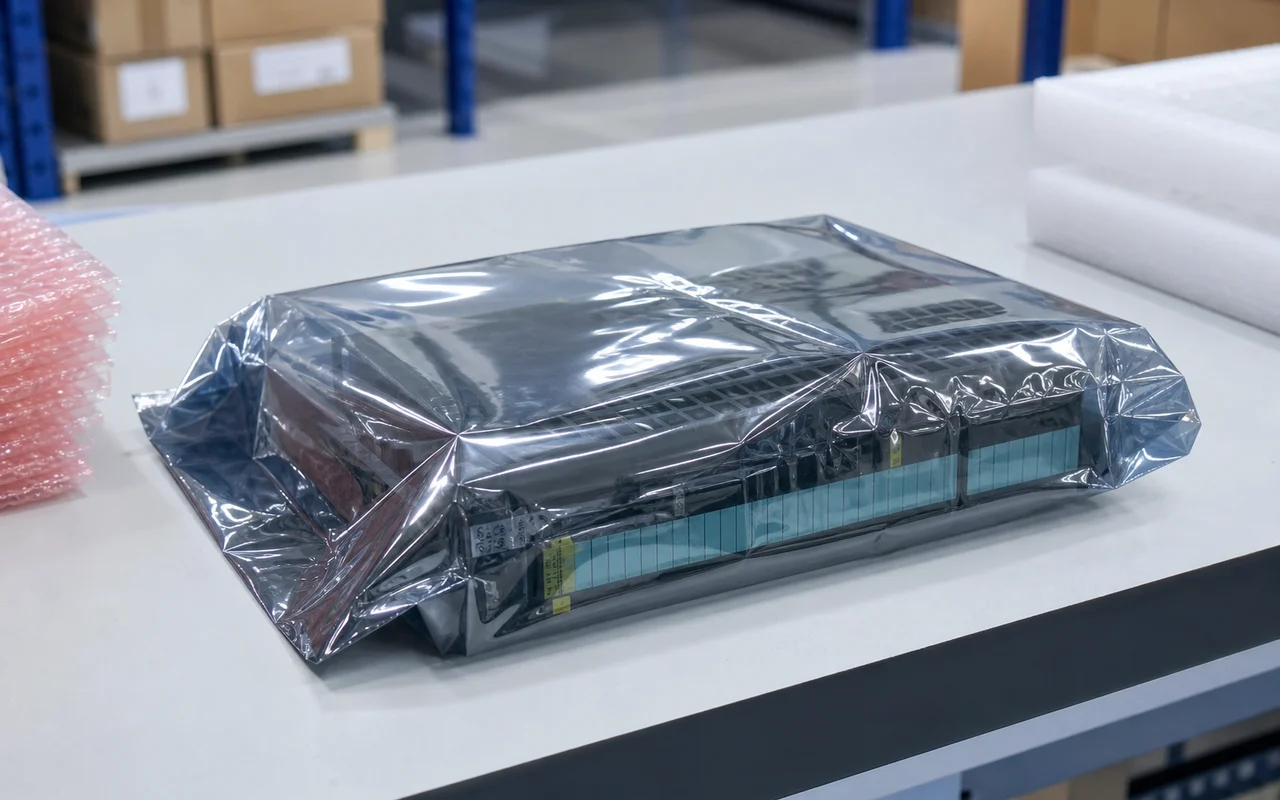 Anti-static Packaging
Modules are packed in anti-static bags to prevent electrostatic damage.
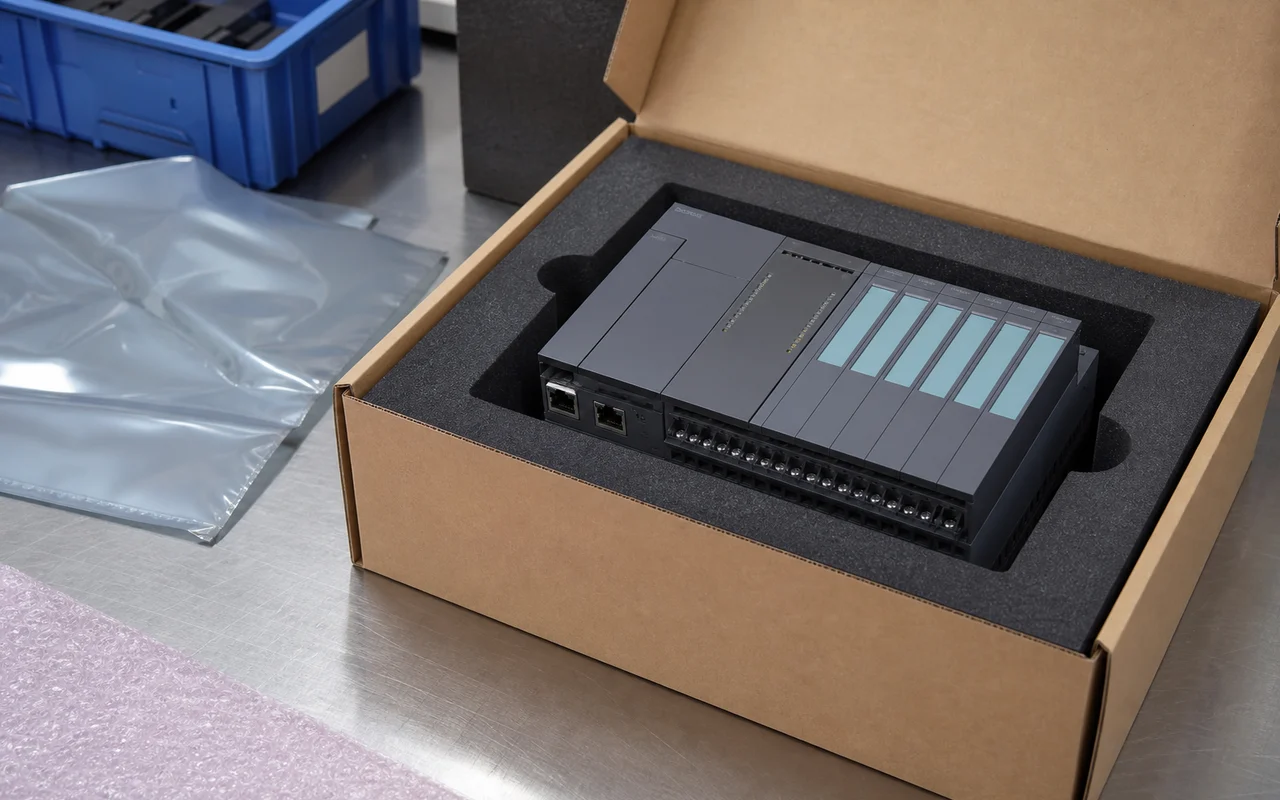 Secure Export Packing
Cushion protection and strong cartons ensure safe transportation.
 Worldwide Shipping
Global logistics network supports air, sea and express delivery.
 Documentation Check
Part number, revision and compatibility verified before shipment.
 After-sales Support
Professional technical support to help resolve your issues.