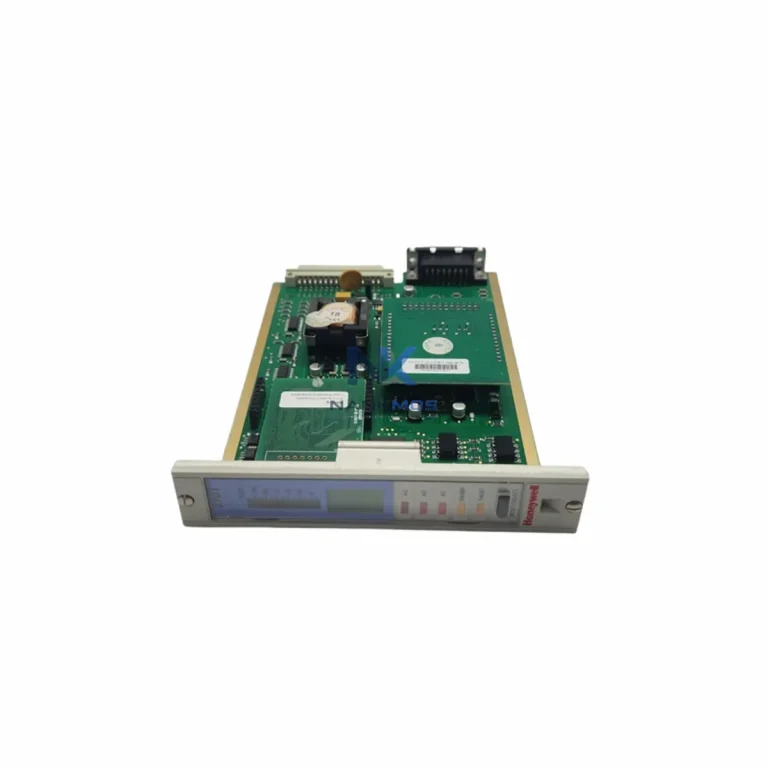
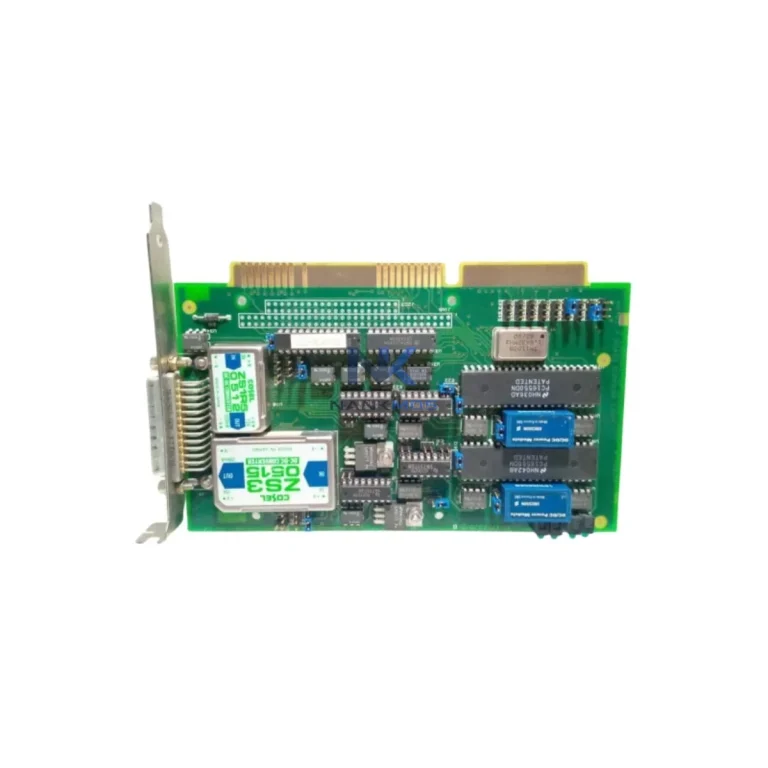
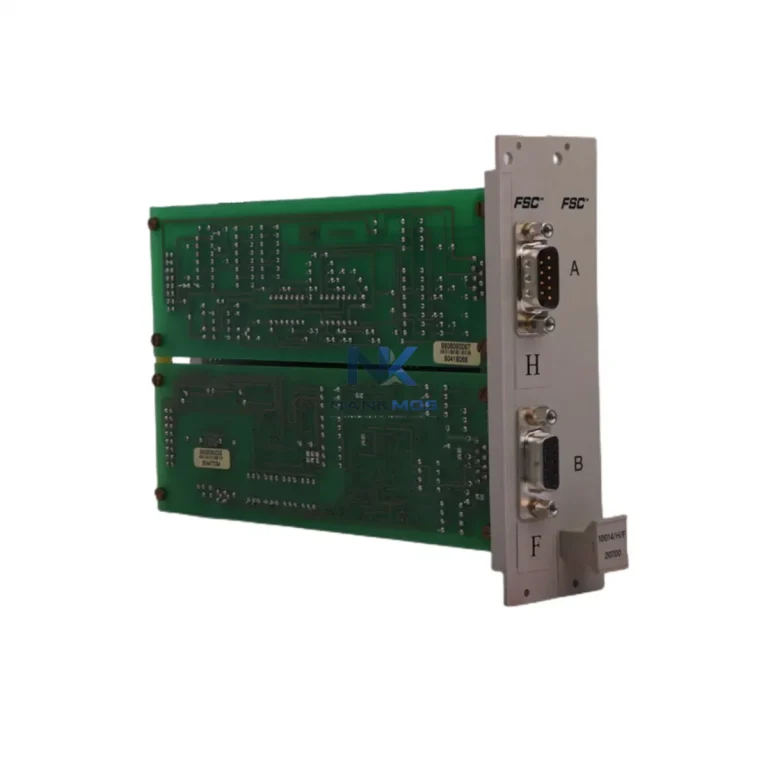
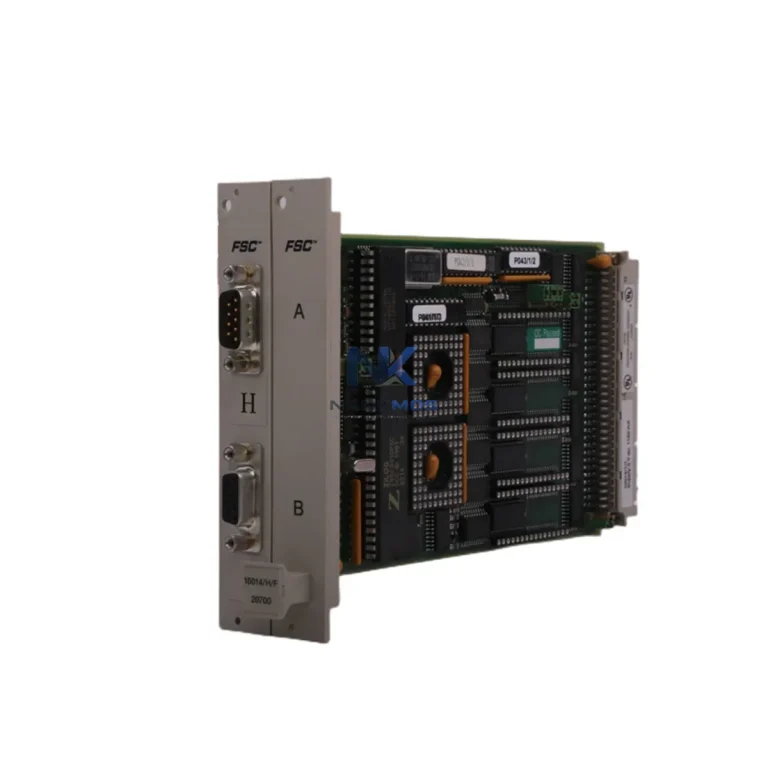
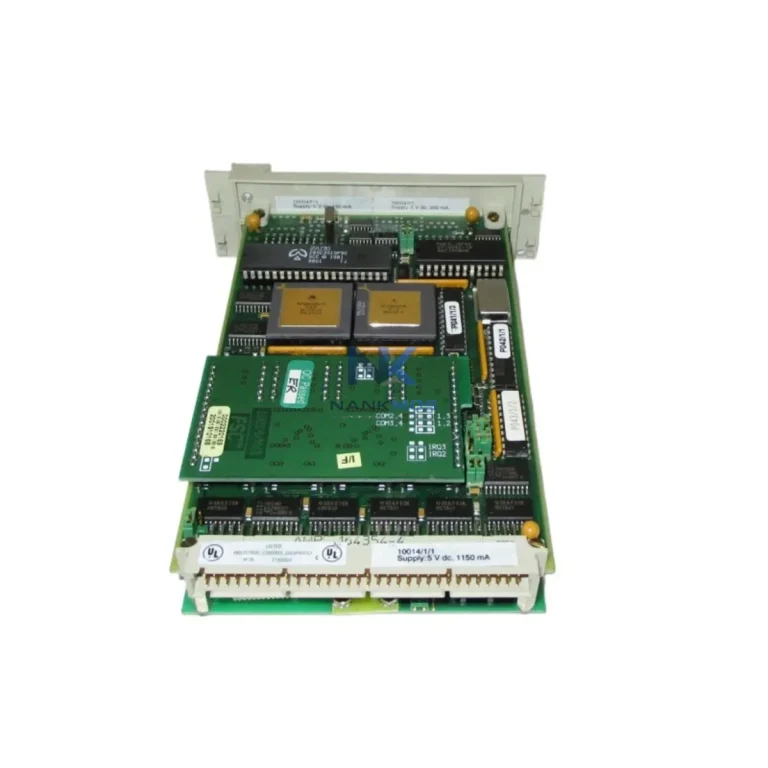
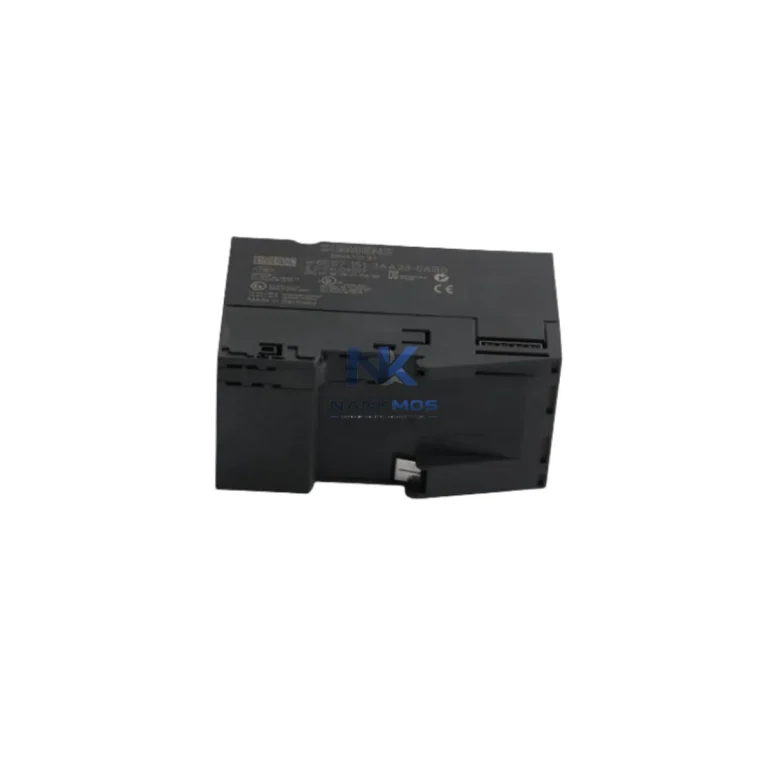
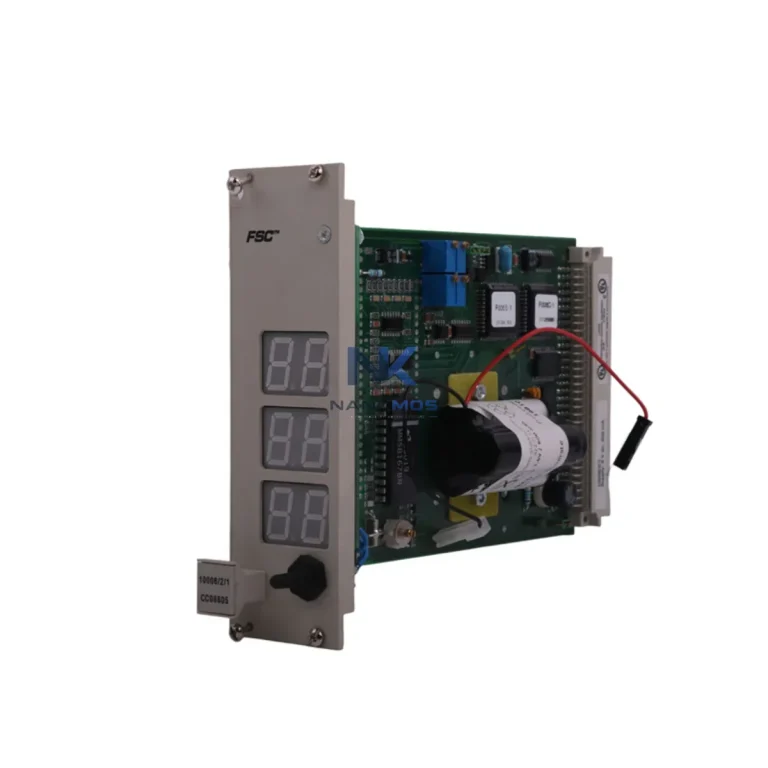
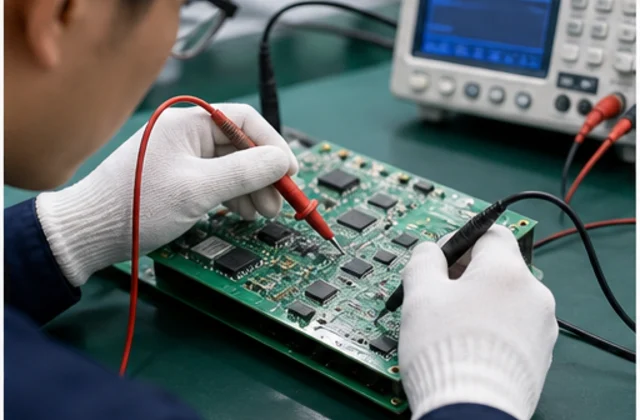
 Functional Inspection
100% tested on professional platforms to ensure stable performance.
Honeywell 2MLQ-TR1C is a NANKMOS industrial automation product record Listed under Other series series and Business & Industrial > Automation, Control & Flow Devices > Programmable Logic Controllers. Confirm condition, availability, lead time, compatibility and documentation by email inquiry.
Brand names are used for identification only.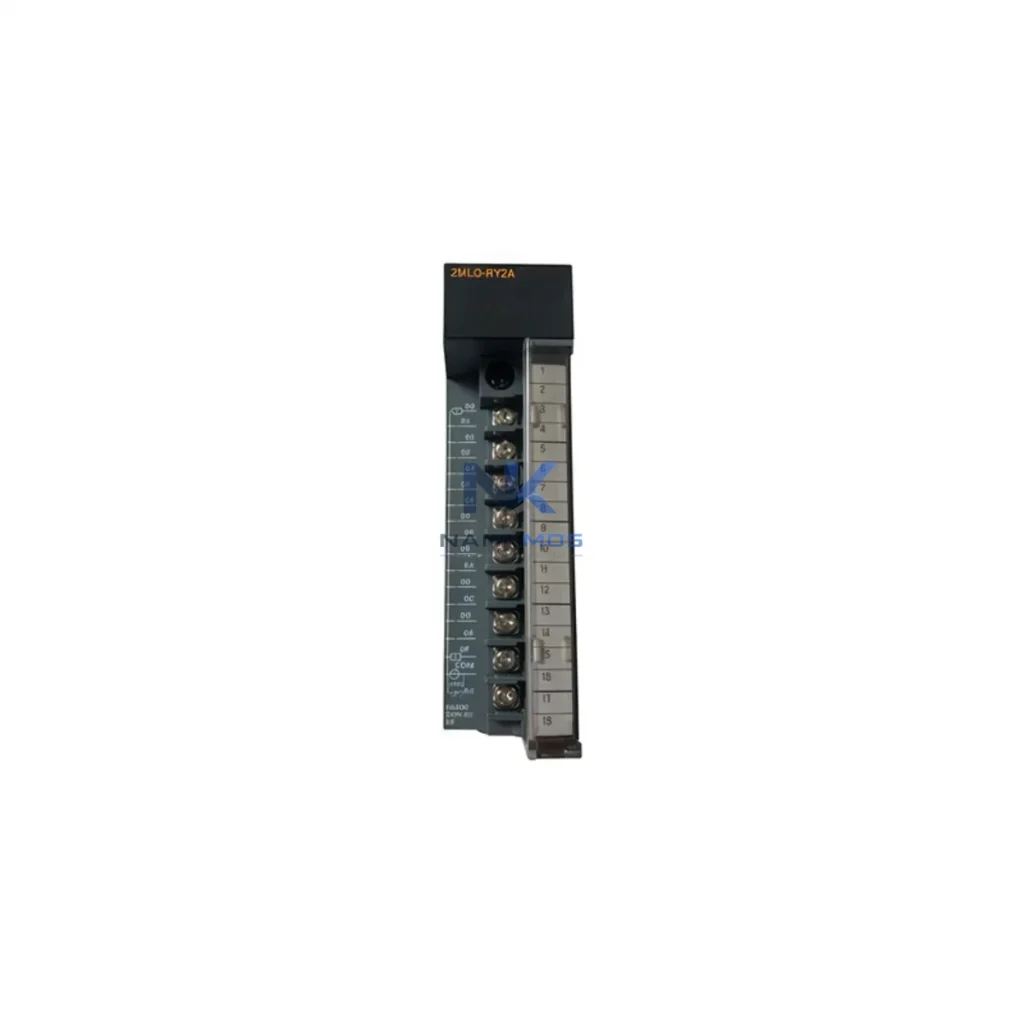
Honeywell 2MLQ-TR1C is a NANKMOS industrial automation product record Listed under Other series series and Business & Industrial > Automation, Control & Flow Devices > Programmable Logic Controllers. Confirm condition, availability, lead time, compatibility and documentation by email inquiry.
| Manufacturer | Honeywell |
|---|---|
| Application | Controller Processing & System Control |
| Part Number / Model | 2MLQ-TR1C |
| Compatible System | Confirmed by inquiry |
| Condition Options | To Confirm |
| Module Type | Controller / CPU Module |
| Warranty | 12 Months |
| Packaging | Anti-static Bag / Secure Box |
| Shipping Methods | DHL / FedEx / UPS / Air / Sea |
| Availability | To Confirm |
| Lead Time | To Confirm |
| Documentation | Part number and revision checked before quote |
The Honeywell 2MLQ-TR1C is a relay output module engineered for seamless integration within the Honeywell 2MLQ distributed control system (DCS) architecture. Designed to deliver reliable discrete output switching across demanding industrial environments, this module serves as a critical execution-layer component that bridges the control layer's logic decisions with field-level actuators, contactors, solenoids, and motor starters. Its role within a fully integrated automation platform extends well beyond simple on/off switching — it participates in a layered system hierarchy that ensures signal integrity, operational continuity, and long-term maintainability across the entire control architecture.
Within a complete Honeywell 2MLQ-based automation platform, the 2MLQ-TR1C relay output module does not operate in isolation. Its value is fully realized when deployed alongside the broader ecosystem of 2MLQ system components. At the control layer, the 2MLQ-CPU (or equivalent Honeywell controller module) executes the process logic and issues discrete output commands that are routed through the backplane to the 2MLQ-TR1C. The backplane itself — the 2MLQ rack chassis — provides the physical and electrical backbone that ensures deterministic signal delivery between the CPU, I/O modules, and communication interfaces.
On the power layer, the 2MLQ-PS power supply module provides regulated 24 VDC to the rack, ensuring that relay coil energization and logic circuits remain stable even under fluctuating plant power conditions. For applications requiring redundancy, a secondary power supply module can be installed in parallel, eliminating single points of failure at the power distribution level. This redundant power architecture directly supports the 2MLQ-TR1C's ability to maintain output state integrity during power transients.
At the I/O layer, the 2MLQ-TR1C works in coordination with 2MLQ analog input modules and 2MLQ digital input modules to form a complete I/O subsystem. Process feedback signals — such as valve position confirmation, motor run status, or pressure switch states — are received by the digital input modules and fed back to the CPU, which then issues corrective output commands through the 2MLQ-TR1C. This closed-loop signal flow is fundamental to achieving precise process control in applications such as batch sequencing, interlock management, and safety shutdown logic.
For communication and supervisory integration, the 2MLQ communication gateway module enables the rack to interface with plant-wide networks using protocols such as Modbus RTU, Modbus TCP/IP, PROFIBUS DP, or Ethernet/IP, depending on the system configuration. This allows the 2MLQ-TR1C's output states to be monitored and commanded from SCADA systems, DCS operator stations, or remote engineering workstations without requiring physical access to the control cabinet. In multi-rack architectures, industrial Ethernet switches with managed VLAN capabilities are typically deployed to segment control traffic and ensure deterministic communication latency.
At the HMI layer, Honeywell-compatible operator panels or third-party HMI terminals connected via the communication gateway provide operators with real-time visibility into relay output states, alarm conditions, and interlock status. This transparency is critical in high-availability processes where operators must quickly identify and respond to output faults. The 2MLQ-TR1C's per-channel LED diagnostics complement the HMI display by providing local visual confirmation of relay energization status directly at the cabinet level.
For signal conditioning and protection, signal isolators and surge protection terminal blocks are commonly installed between the 2MLQ-TR1C output terminals and field devices, particularly in environments with long cable runs, high electromagnetic interference, or explosive atmospheres. These components protect the relay contacts from inductive kickback generated by solenoid valves and motor contactors, significantly extending the operational lifespan of the module. Additionally, fused terminal blocks provide per-channel overcurrent protection, ensuring that a field-side fault does not propagate back into the control rack.
The Honeywell 2MLQ-TR1C relay output module is deployed across a wide range of industrial sectors where reliable discrete output control is essential to process safety and operational efficiency.
In power generation and electrical substation applications, the 2MLQ-TR1C is used to control circuit breaker trip coils, transformer tap changers, and alarm annunciator panels. Its galvanically isolated relay contacts ensure that high-voltage field circuits remain electrically separated from the low-voltage control logic, meeting the stringent safety requirements of IEC 61850-compliant protection systems.
In petrochemical and refinery environments, the module participates in emergency shutdown (ESD) and safety instrumented system (SIS) architectures, where it controls blowdown valves, isolation valves, and deluge system actuators. The module's deterministic response time and optical isolation make it suitable for SIL-rated interlock applications when deployed within a validated system architecture.
In water and wastewater treatment plants, the 2MLQ-TR1C controls pump motor starters, chemical dosing pump contactors, and UV disinfection system enable signals. Its ability to switch both AC and DC field loads from a single module type simplifies spare parts management and reduces the engineering overhead associated with maintaining mixed-voltage output systems.
In mining and metallurgical processing facilities, the module is integrated into conveyor control systems, crusher interlock circuits, and ventilation fan control panels. The harsh operating environment — characterized by high dust levels, vibration, and wide temperature swings — demands the robust construction and sealed relay contacts that the 2MLQ-TR1C provides.
In packaging and discrete manufacturing production lines, the module drives pneumatic valve solenoids, servo drive enable signals, and machine safety relay inputs. Its integration with the 2MLQ CPU's high-speed scan cycle ensures that output switching latency does not introduce timing errors in high-throughput automated assembly processes.
Q1: Is the Honeywell 2MLQ-TR1C compatible with existing 2MLQ rack systems, and can it be hot-swapped during operation? The 2MLQ-TR1C is designed for direct installation into any standard 2MLQ modular rack chassis without requiring firmware updates or hardware modifications. Compatibility with the existing backplane bus is maintained across the 2MLQ product generation. Hot-swap capability depends on the specific rack configuration and CPU firmware version — in systems where the CPU supports I/O module insertion during operation, the 2MLQ-TR1C can be replaced without a full system shutdown, minimizing process interruption. Always verify hot-swap support with the system's engineering documentation before performing live module replacement.
Q2: What is covered under the 12-Month Warranty, and how does NANKMOS handle warranty claims for this module? All Honeywell 2MLQ-TR1C modules supplied by NANKMOS are covered by a 12-Month Warranty from the date of shipment. This warranty covers manufacturing defects, relay contact failure under normal operating conditions, and backplane interface faults. Prior to shipment, every unit undergoes functional testing including relay coil energization verification, contact resistance measurement, and optical isolation integrity checks. In the event of a warranty claim, NANKMOS provides a replacement unit or full refund within the warranty period. Contact [email protected] or call +86 18359268345 to initiate a warranty claim. Expedited replacement is available for critical production applications.
Q3: How should the 2MLQ-TR1C be configured for redundant output architectures, and what companion modules are recommended? For redundant discrete output applications — such as dual-coil valve actuators or safety interlock circuits requiring 1oo2 or 2oo3 voting logic — two or more 2MLQ-TR1C modules should be installed in separate rack slots, with each module's output wired in series or parallel depending on the required voting configuration. The 2MLQ CPU's output redundancy logic must be configured to mirror the output state across both modules simultaneously. Companion modules recommended for redundant architectures include the 2MLQ power supply module (for redundant rack power), the 2MLQ communication gateway (for redundant network paths), and surge protection terminal blocks on all field wiring. For long-term maintenance efficiency, NANKMOS recommends maintaining a minimum of two spare 2MLQ-TR1C units in inventory to support rapid field replacement without impacting production continuity.
Functional Inspection100% tested on professional platforms to ensure stable performance.
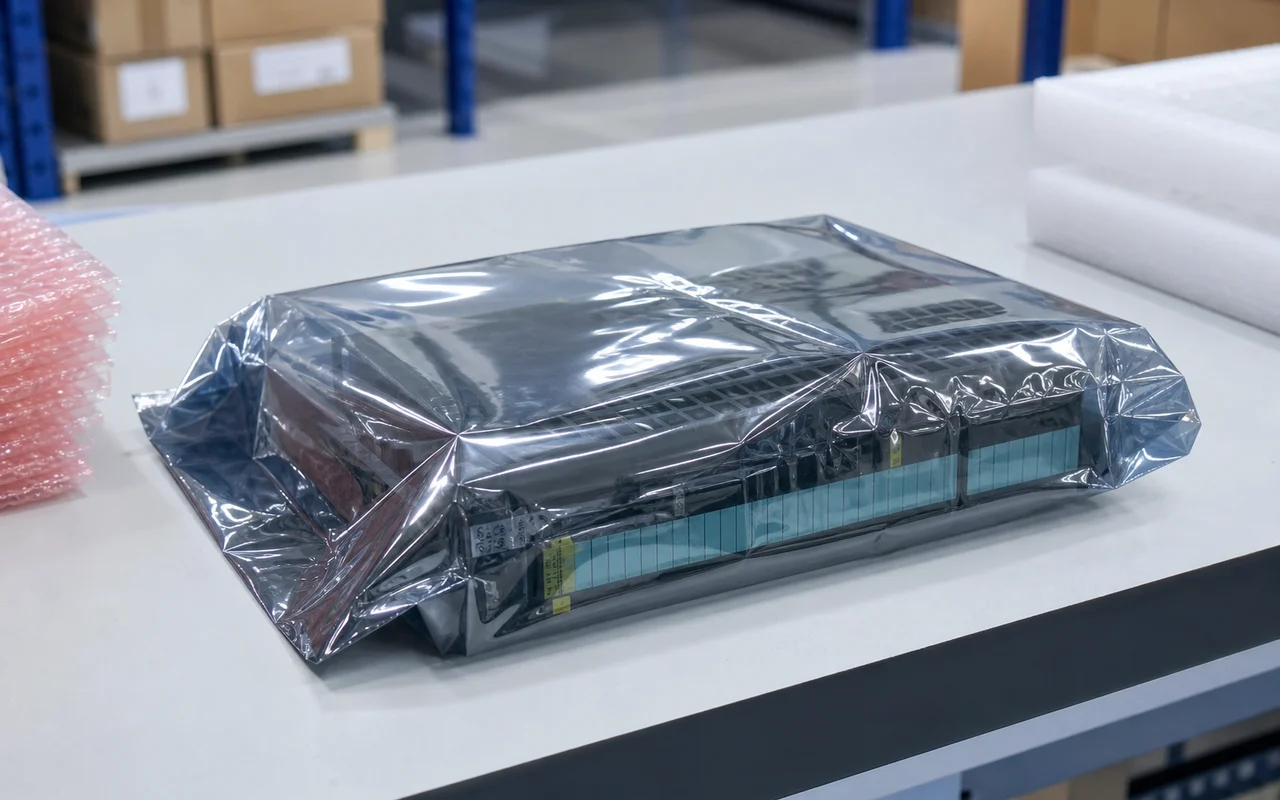 Anti-static Packaging
Modules are packed in anti-static bags to prevent electrostatic damage.
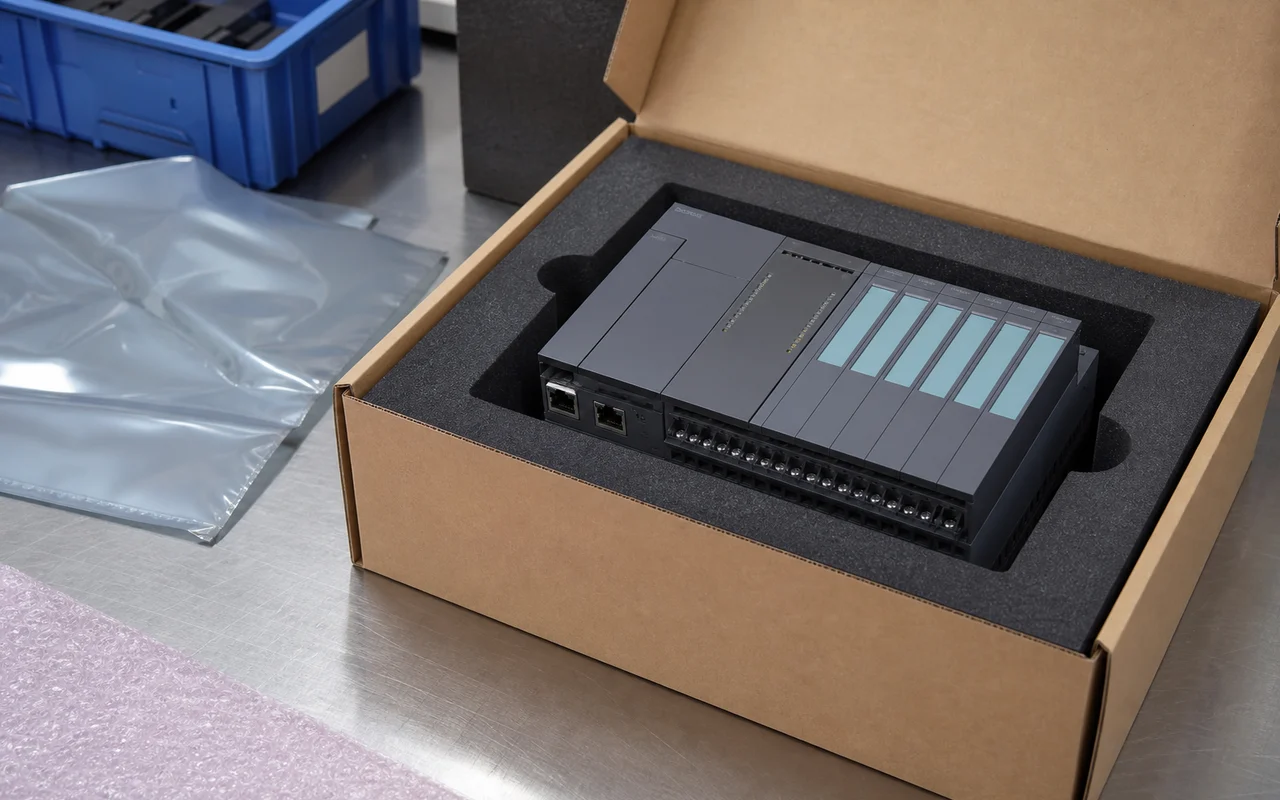 Secure Export Packing
Cushion protection and strong cartons ensure safe transportation.
 Worldwide Shipping
Global logistics network supports air, sea and express delivery.
 Documentation Check
Part number, revision and compatibility verified before shipment.
 After-sales Support
Professional technical support to help resolve your issues.