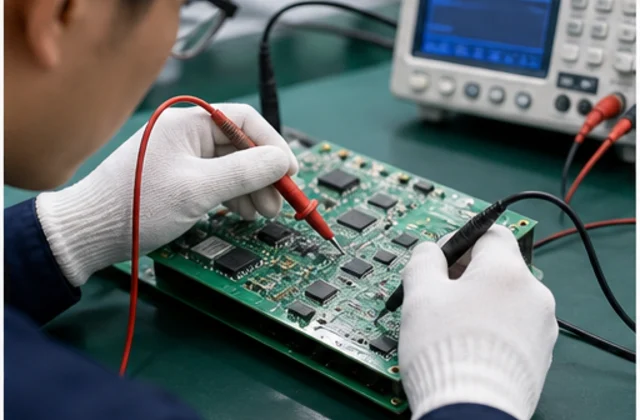
 Functional Inspection
100% tested on professional platforms to ensure stable performance.
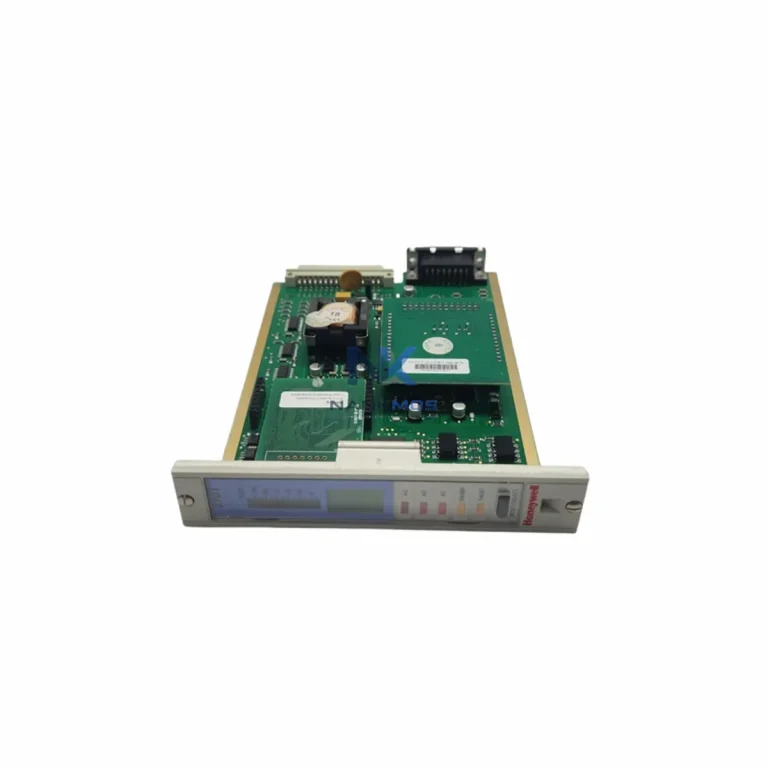
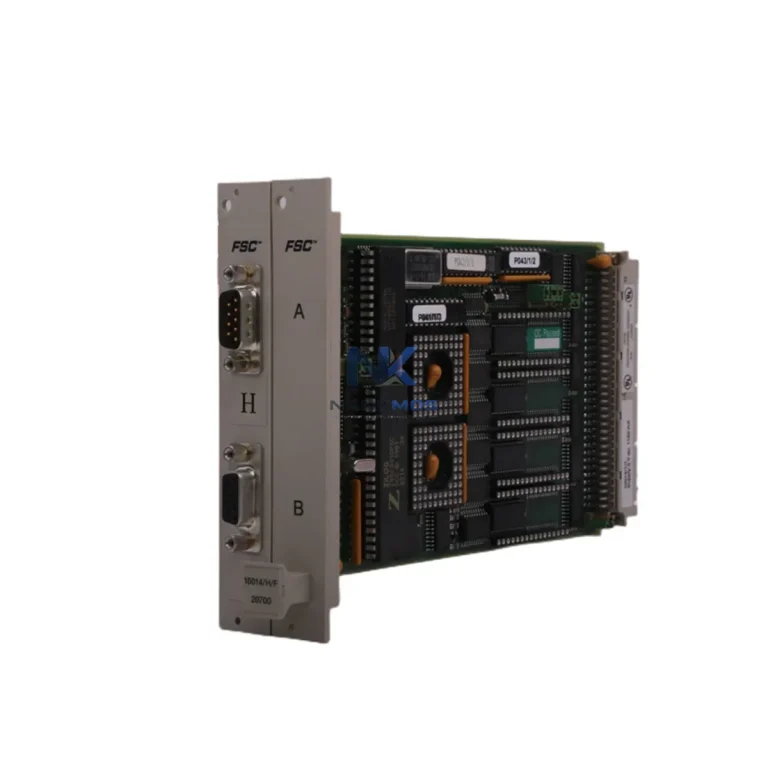
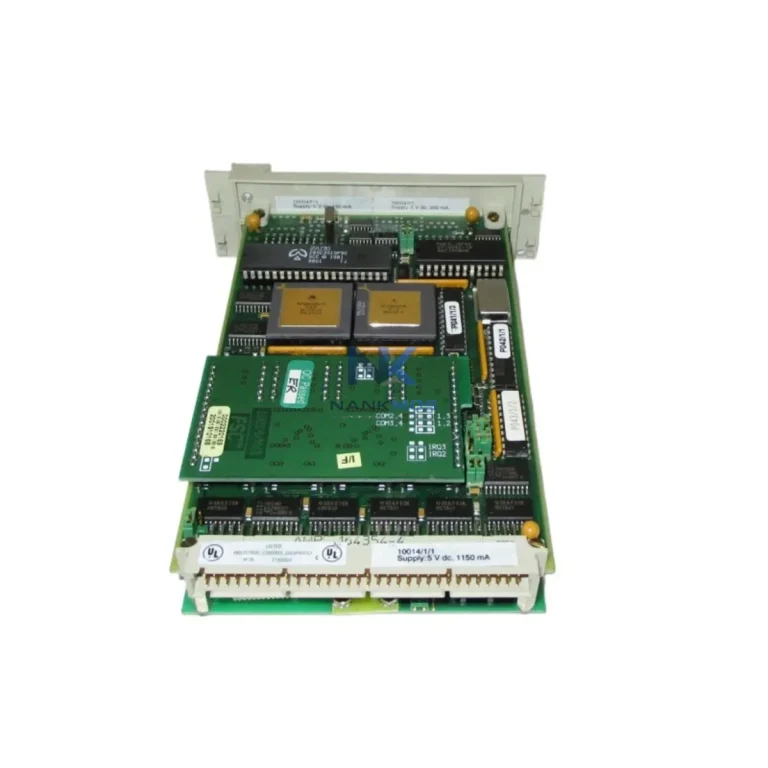
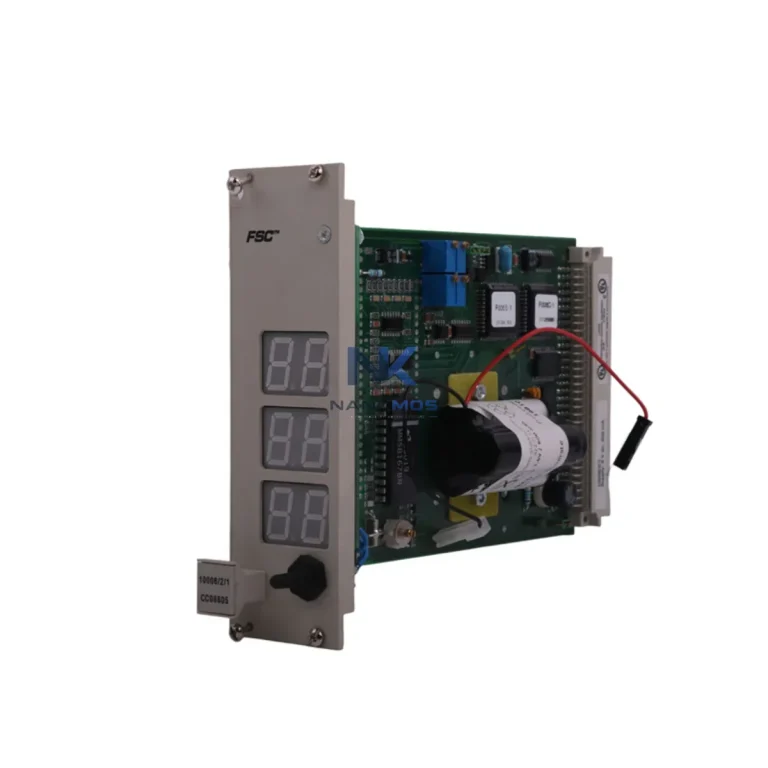
Honeywell 2MLQ-TR4A is a NANKMOS industrial automation product record Listed under Other series series and Business & Industrial > Automation, Control & Flow Devices > Programmable Logic Controllers. Confirm condition, availability, lead time, compatibility and documentation by email inquiry.
Brand names are used for identification only.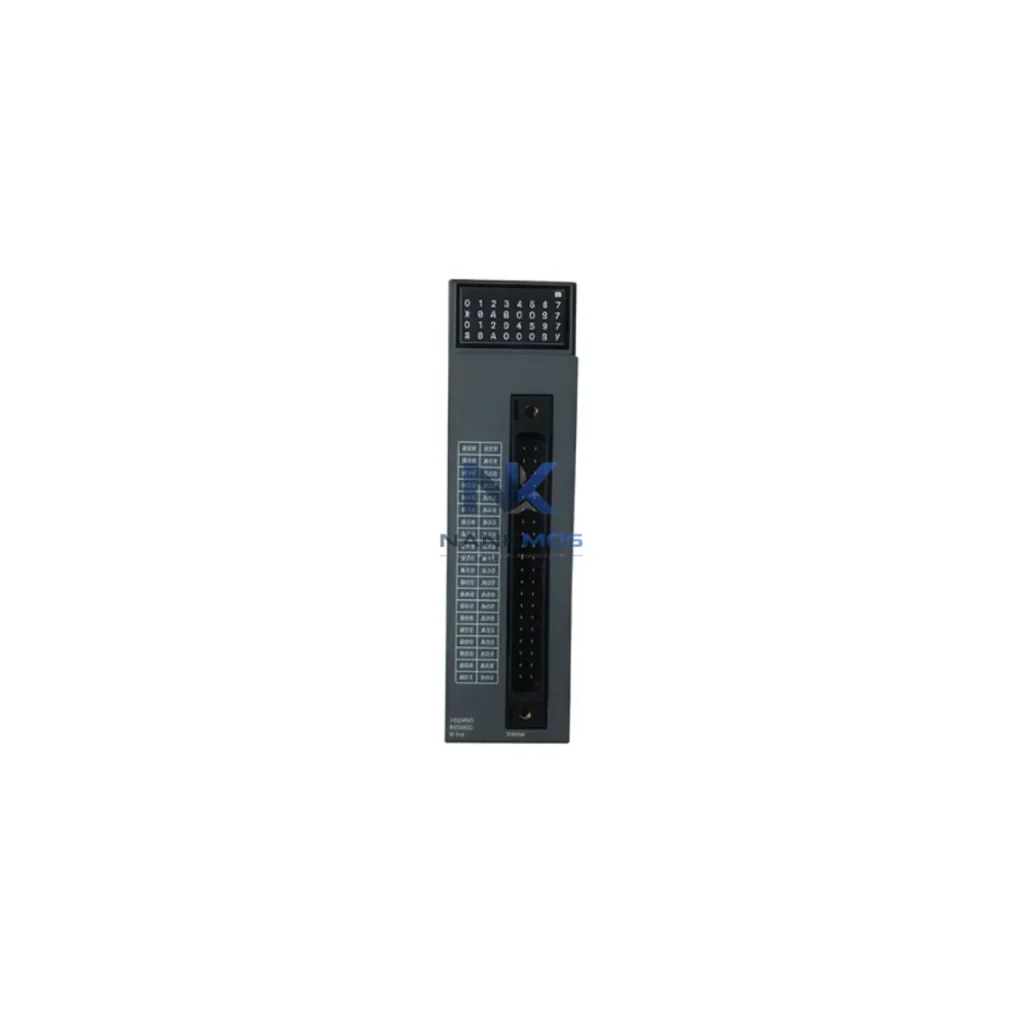
Honeywell 2MLQ-TR4A is a NANKMOS industrial automation product record Listed under Other series series and Business & Industrial > Automation, Control & Flow Devices > Programmable Logic Controllers. Confirm condition, availability, lead time, compatibility and documentation by email inquiry.
| Manufacturer | Honeywell |
|---|---|
| Application | Controller Processing & System Control |
| Part Number / Model | 2MLQ-TR4A |
| Compatible System | Confirmed by inquiry |
| Condition Options | To Confirm |
| Module Type | Controller / CPU Module |
| Warranty | 12 Months |
| Packaging | Anti-static Bag / Secure Box |
| Shipping Methods | DHL / FedEx / UPS / Air / Sea |
| Availability | To Confirm |
| Lead Time | To Confirm |
| Documentation | Part number and revision checked before quote |
The Honeywell 2MLQ-TR4A is a Q-Line series Digital Output Module engineered for high-reliability deployment within TDC 3000 and TPS Distributed Control Systems (DCS). Designed to meet the demanding requirements of modern industrial automation, this module delivers precise digital signal switching that directly supports energy-efficient load management, motor control sequencing, and production line rhythm optimization. With its robust output architecture and seamless integration into Honeywell's process control ecosystem, the 2MLQ-TR4A enables plant engineers to reduce unnecessary energy consumption, lower thermal loads on control cabinets, and maximize overall equipment effectiveness (OEE) across continuous and batch manufacturing environments.
In today's energy-conscious industrial landscape, every switching event matters. The 2MLQ-TR4A provides deterministic, low-latency digital outputs that allow the DCS to command field devices — including motor starters, solenoid valves, contactors, and relay-driven actuators — with precise timing. This precision eliminates the energy waste associated with delayed or redundant switching cycles, ensuring that motors and drives are energized only when process conditions demand it. When paired with a Honeywell TDC 3000 High-Performance Process Manager (HPM) or a Universal Process Manager (UPM), the module becomes a critical node in a plant-wide energy management strategy, contributing to measurable reductions in peak demand charges and idle-state power draw.
The Honeywell 2MLQ-TR4A does not operate in isolation — it functions as an integral component within a layered, power-aware automation architecture. In a typical TDC 3000 or TPS control system, the module interfaces directly with the Honeywell High-Performance Process Manager (HPM), receiving control commands generated by the DCS control strategy and translating them into discrete field-level switching actions. This tight integration ensures that output commands are executed with millisecond-level precision, eliminating the energy penalties associated with control latency and over-cycling.
For motor-driven applications, the 2MLQ-TR4A works in coordination with variable frequency drives (VFDs) and soft starters deployed on the plant floor. By providing clean, bounce-free digital start/stop commands to drive enable circuits, the module ensures that motors ramp up and down in a controlled manner, avoiding the inrush current spikes that inflate energy bills and stress electrical infrastructure. When integrated with a Honeywell Universal Control Network (UCN) or a Local Control Network (LCN) communications backbone, the module's output states are continuously reported back to the SCADA layer, enabling real-time energy dashboards and load-shedding algorithms to act on live field data.
The 2MLQ-TR4A also plays a key role in coordinating with Honeywell Q-Line Analog Input Modules (such as the 2MLQ-AI series) and Digital Input Modules within the same Q-Line chassis. This co-location allows the DCS control strategy to implement closed-loop energy control sequences — for example, reading power consumption feedback from a field-mounted power monitoring transducer via an analog input, comparing it against a setpoint, and issuing corrective output commands through the 2MLQ-TR4A to shed non-critical loads. Such sequences are fundamental to demand response programs and ISO 50001 energy management compliance.
In facilities that have deployed Honeywell Experion PKS as an overlay or migration platform, the 2MLQ-TR4A continues to deliver value through legacy I/O compatibility layers, ensuring that existing Q-Line infrastructure can be retained while the control layer is modernized. HMI stations running Honeywell Station Manager or third-party SCADA platforms can display the real-time status of each output channel, giving operators immediate visibility into which loads are energized, which are in standby, and which have tripped — all critical data points for energy auditing and predictive maintenance workflows.
For facilities implementing IEC 61850 or Modbus-based power monitoring, the 2MLQ-TR4A's output states can be mapped through Honeywell UCN-to-Modbus gateway modules to external energy management systems (EMS), enabling cross-platform load coordination. This interoperability is particularly valuable in hybrid automation environments where legacy DCS infrastructure coexists with newer PLC-based subsystems or edge computing nodes performing real-time energy analytics.
Production line energy optimization is not simply about reducing kilowatt-hours — it is about aligning energy consumption with production value. The Honeywell 2MLQ-TR4A contributes to this alignment by enabling the DCS to implement granular, event-driven load control strategies that match energy delivery to actual process demand.
In batch manufacturing environments, the module enables the DCS to sequence equipment startup in a staggered fashion, preventing simultaneous motor starts that create demand spikes. By controlling the exact moment each motor contactor or solenoid valve is energized, the 2MLQ-TR4A helps flatten the plant's load profile, reducing peak demand charges that can represent 30–40% of a facility's total electricity cost. This load-shaping capability is especially impactful in chemical processing, food and beverage production, and water treatment plants where multiple large motors operate in parallel.
During planned and unplanned downtime events, the module's reliable output switching ensures that non-essential loads — auxiliary cooling fans, lighting circuits, and standby pumps — are de-energized promptly and safely. This automatic load shedding, orchestrated by the DCS control strategy, prevents the energy waste that typically occurs when operators manually manage shutdown sequences under time pressure. The result is a measurable reduction in energy consumption during non-productive periods, directly improving the facility's energy intensity metric (energy per unit of output).
The 2MLQ-TR4A also supports production line rhythm (takt time) optimization by ensuring that output commands are delivered with consistent, repeatable timing. In high-speed packaging or assembly lines where conveyor systems, indexing drives, and pneumatic actuators must be synchronized to within milliseconds, the module's deterministic switching behavior prevents the timing drift that causes product jams, rejects, and unplanned stoppages. Fewer stoppages mean fewer energy-intensive restart cycles and higher overall equipment effectiveness.
From a predictive maintenance perspective, the module's output channel status data — continuously logged by the DCS historian — provides a rich dataset for detecting anomalies such as welded relay contacts, coil degradation, or field wiring faults. Early detection of these conditions prevents the energy waste and safety risks associated with uncontrolled load states, and allows maintenance teams to schedule interventions during planned downtime windows rather than responding to emergency failures.
Every Honeywell 2MLQ-TR4A unit supplied by NANKMOS is sourced from verified inventory channels, subjected to functional output testing prior to shipment, and backed by a 12-month warranty. Our in-stock availability ensures rapid deployment for both planned capital projects and urgent replacement scenarios, minimizing the production downtime and associated energy inefficiency that result from extended lead times.
Q1: How does the Honeywell 2MLQ-TR4A contribute to measurable energy savings on a production line? The 2MLQ-TR4A enables the TDC 3000 / TPS DCS to implement precise, event-driven load control — energizing motors, drives, and actuators only when process conditions require it. By eliminating unnecessary switching cycles, enabling staggered motor starts, and supporting automatic load shedding during downtime, the module directly reduces peak demand charges and idle-state energy consumption. Facilities using demand-side management strategies through their DCS control strategy typically report 5–15% reductions in electrical energy intensity after implementing disciplined output control practices.
Q2: Is the 2MLQ-TR4A compatible with Honeywell Experion PKS and third-party SCADA systems? Yes. The 2MLQ-TR4A is designed for the Honeywell Q-Line I/O platform used in TDC 3000 and TPS systems. It is compatible with Experion PKS environments through legacy I/O integration layers. Output channel states can also be mapped to third-party SCADA and EMS platforms via UCN-to-Modbus or OPC gateway solutions, enabling cross-platform energy monitoring and load coordination without requiring hardware replacement.
Q3: What is the recommended replacement or upgrade path if the 2MLQ-TR4A is no longer available from the OEM? NANKMOS maintains verified inventory of the 2MLQ-TR4A and compatible Q-Line Digital Output Modules to support ongoing maintenance and capital sparing programs. For facilities planning a DCS migration, our technical team can advise on compatible replacement modules within the Honeywell Q-Line family or recommend equivalent I/O solutions for Experion PKS migration projects. Contact us at [email protected] for a compatibility assessment.
Q4: What testing and warranty coverage is provided with each 2MLQ-TR4A unit? Every 2MLQ-TR4A supplied by NANKMOS undergoes functional output testing prior to shipment to verify relay switching performance, channel isolation, and communication integrity. Each unit is covered by a 12-month warranty against manufacturing defects and functional failures. Our in-stock inventory ensures same-day or next-business-day dispatch for urgent replacement requirements, minimizing production downtime and the associated energy and productivity losses.
Functional Inspection100% tested on professional platforms to ensure stable performance.
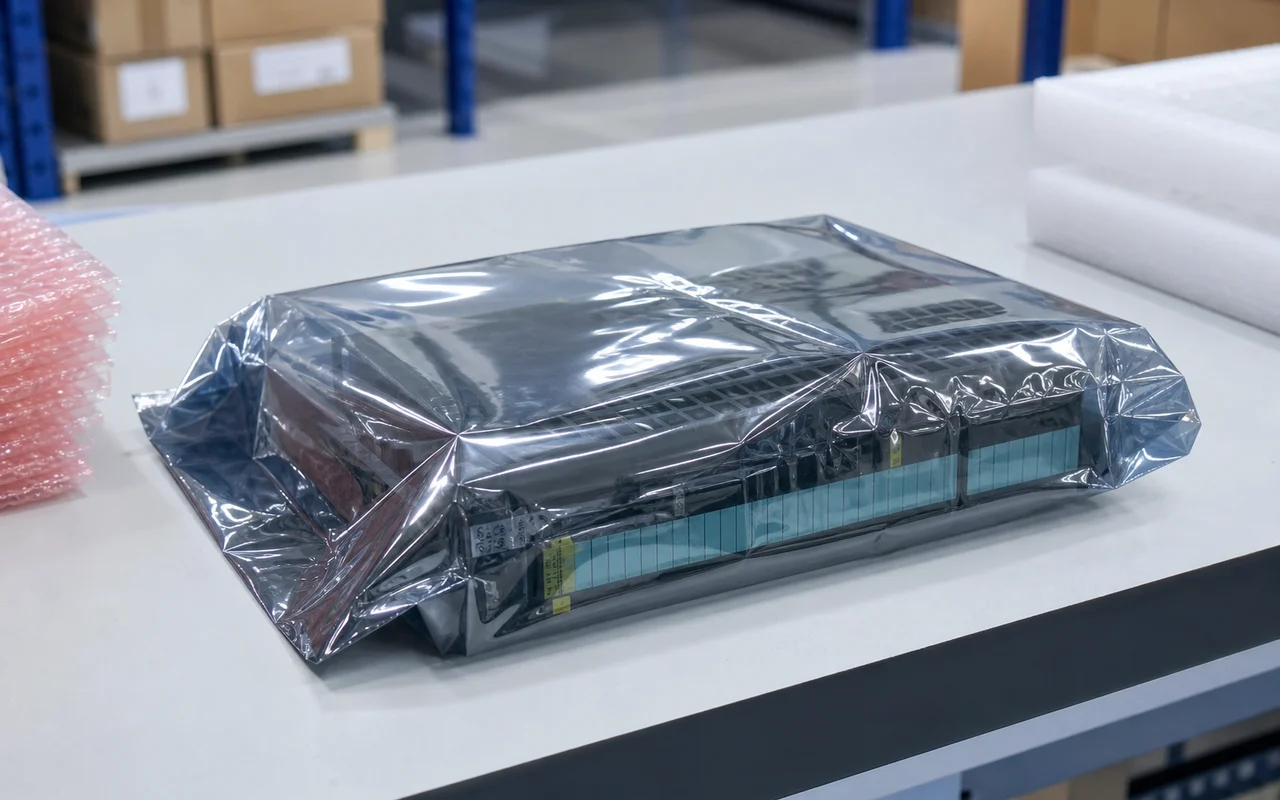 Anti-static Packaging
Modules are packed in anti-static bags to prevent electrostatic damage.
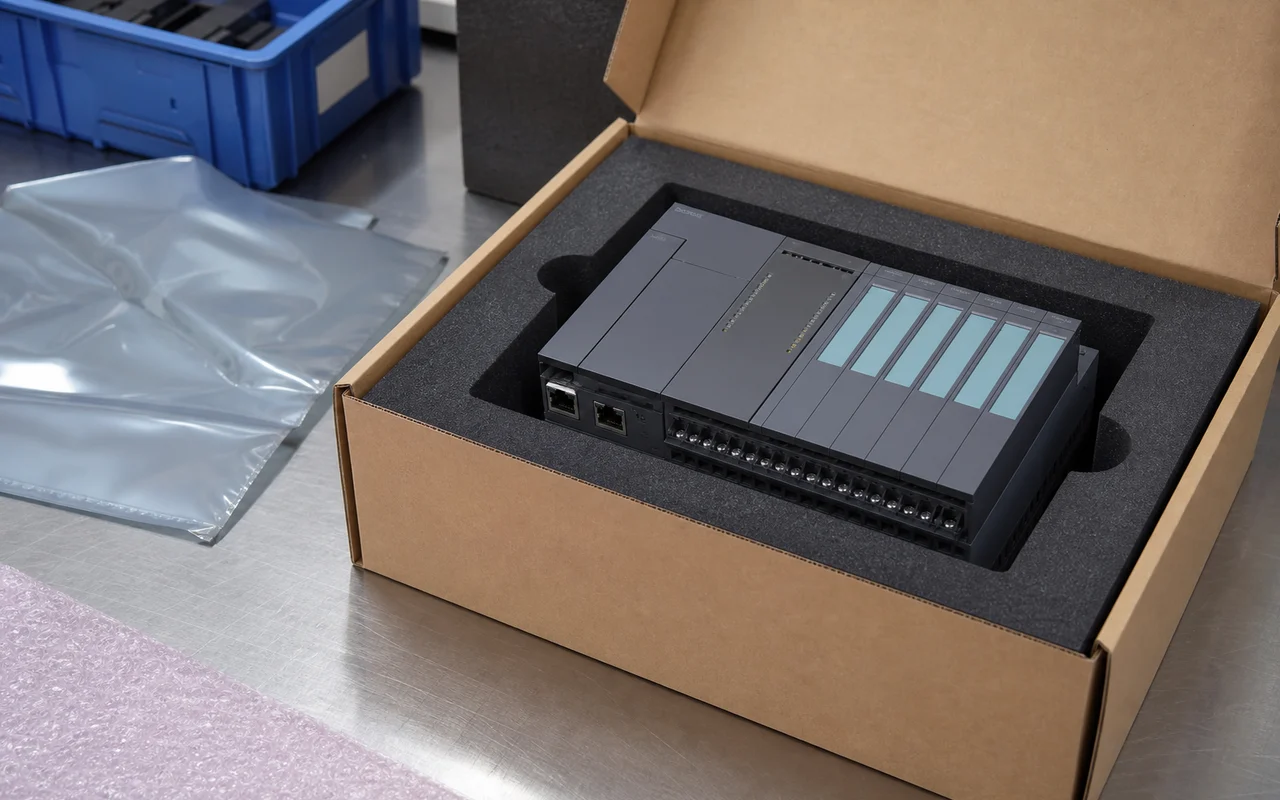 Secure Export Packing
Cushion protection and strong cartons ensure safe transportation.
 Worldwide Shipping
Global logistics network supports air, sea and express delivery.
 Documentation Check
Part number, revision and compatibility verified before shipment.
 After-sales Support
Professional technical support to help resolve your issues.