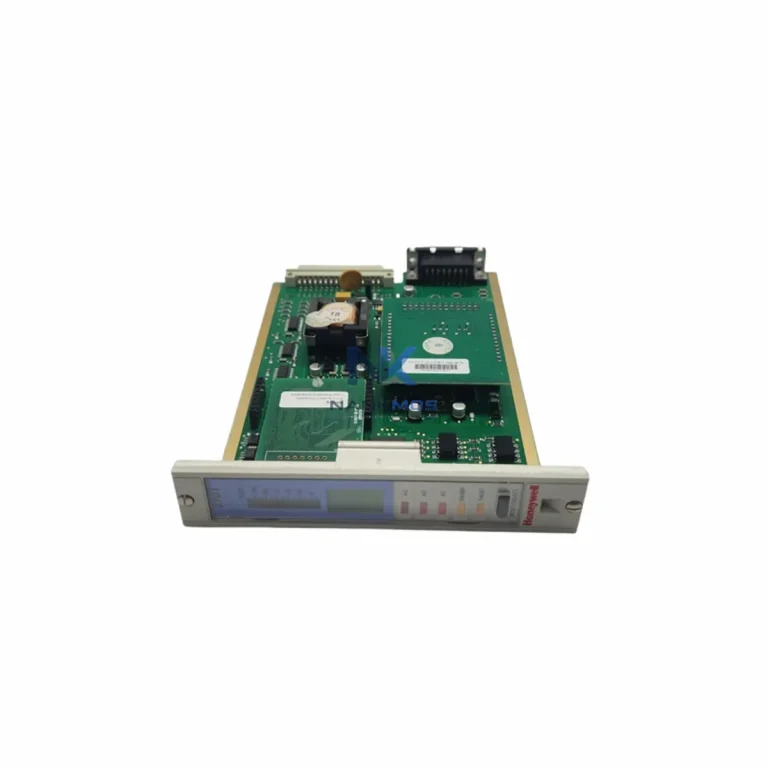
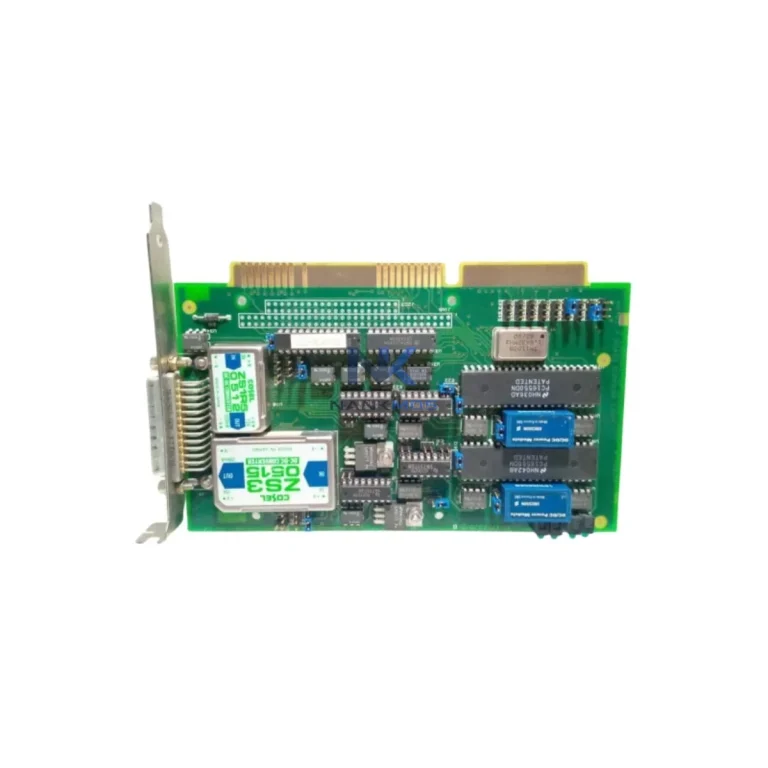
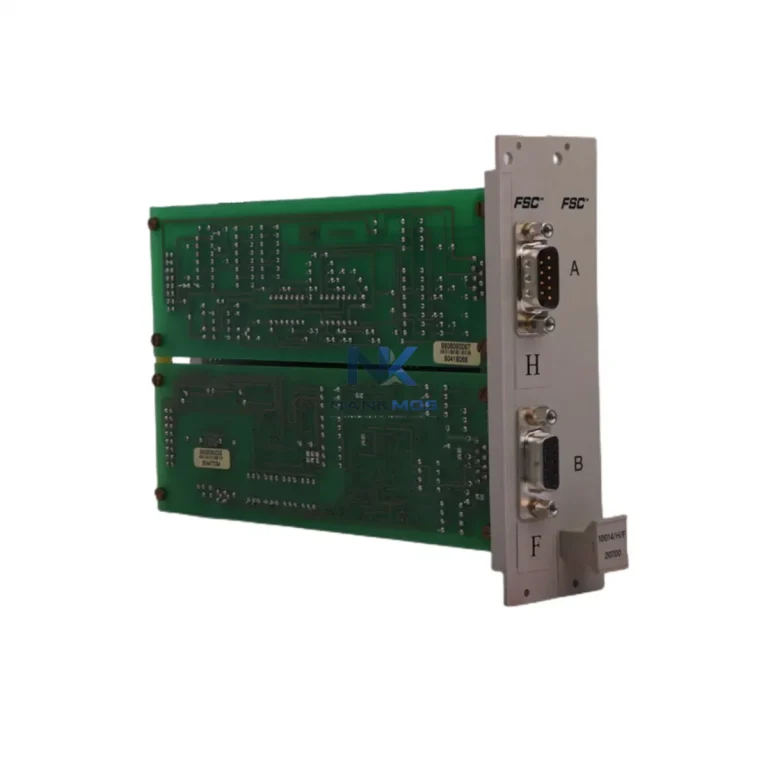
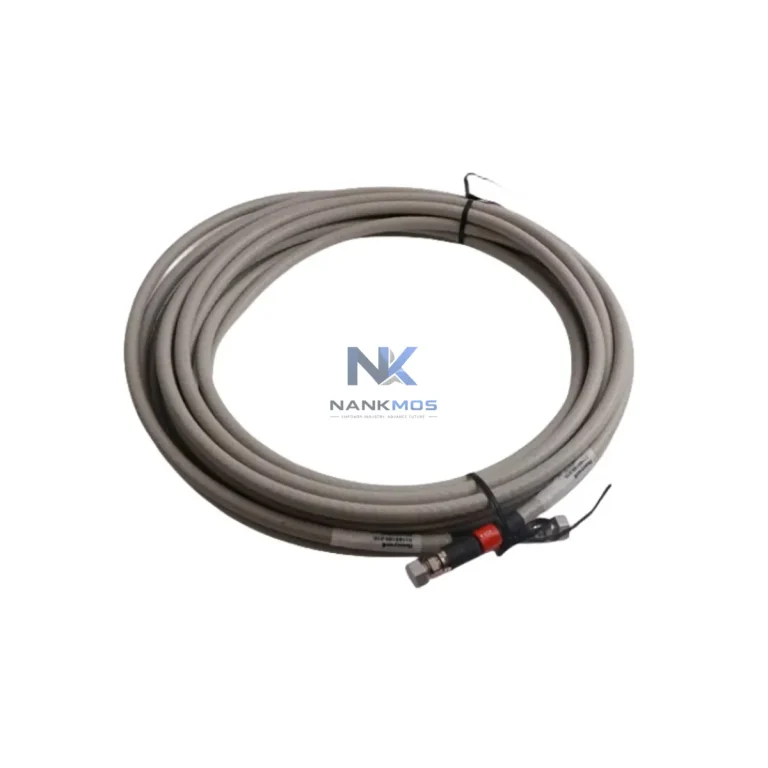
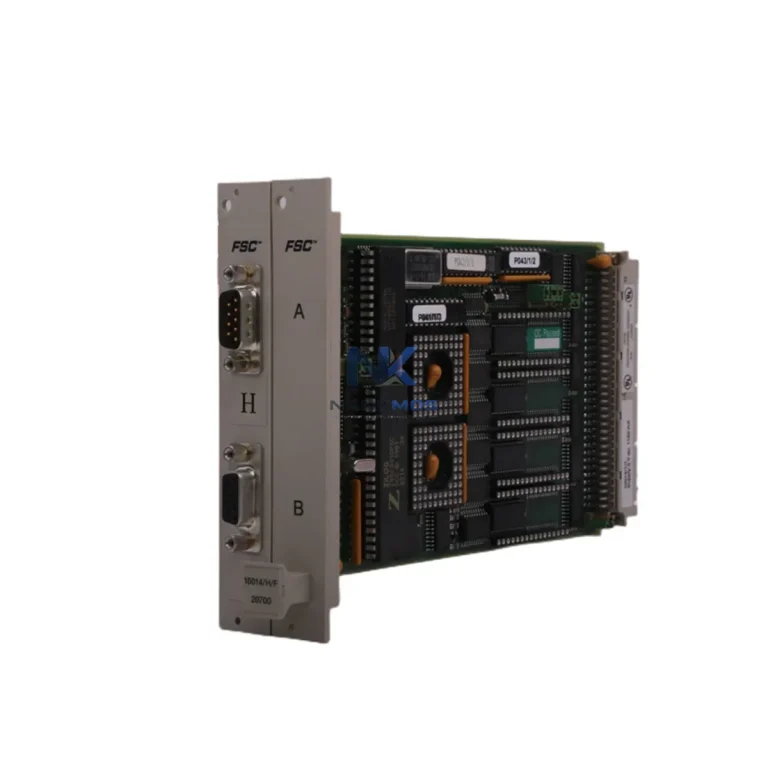
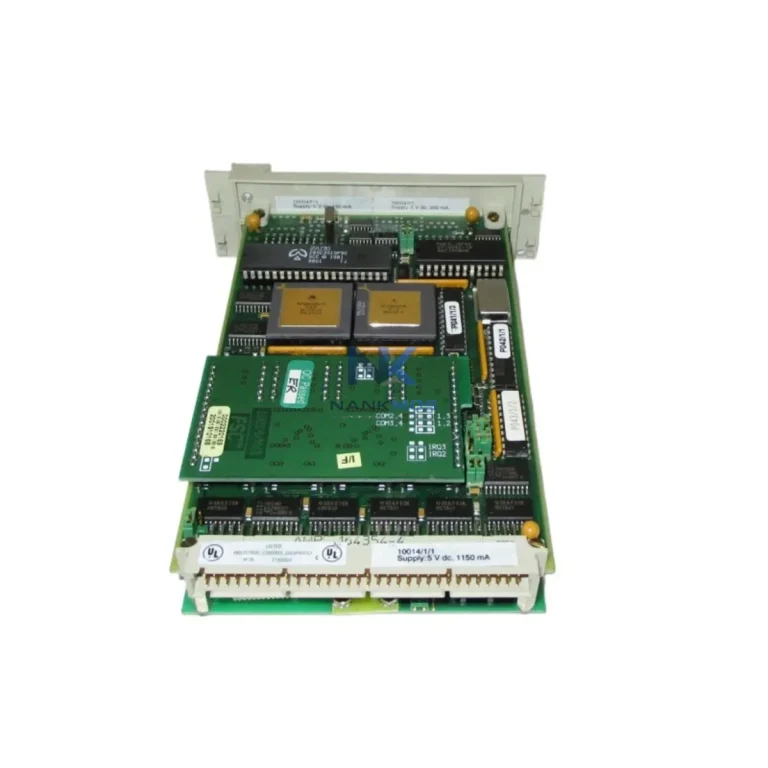
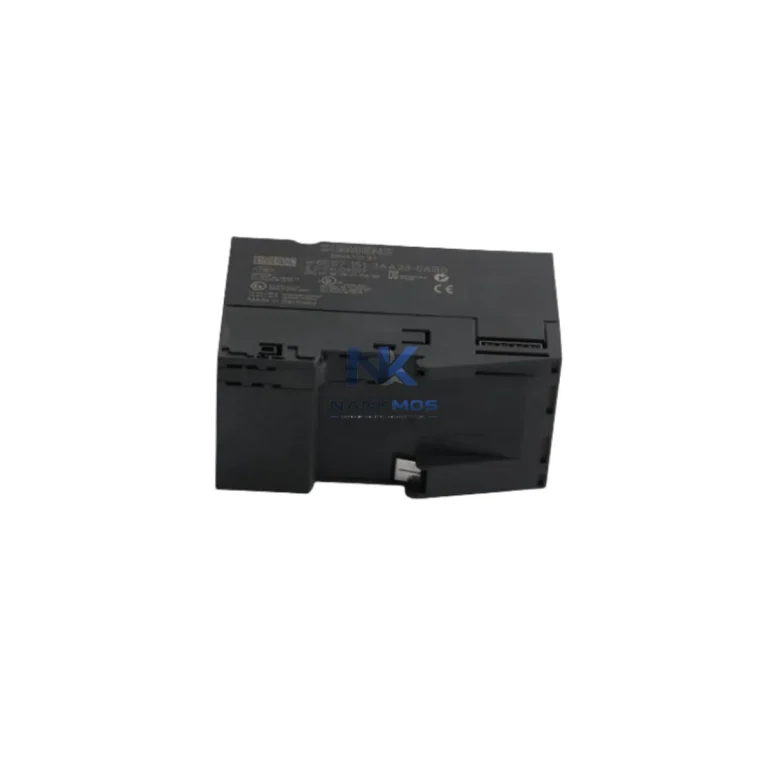
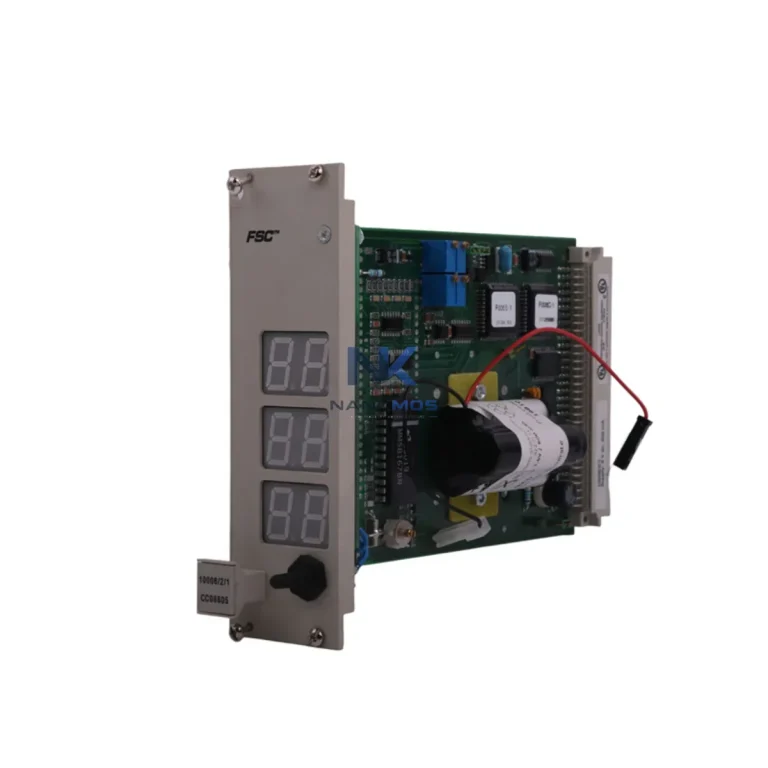
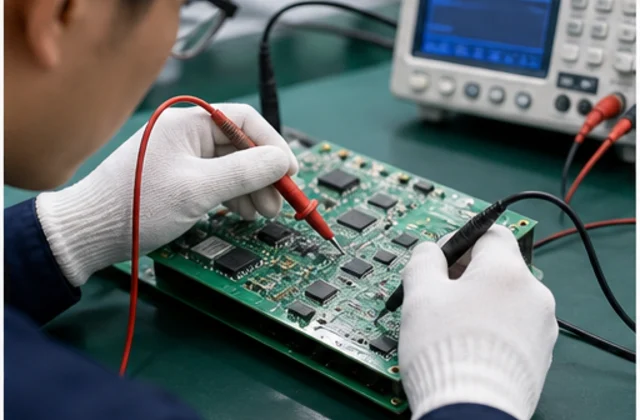
 Functional Inspection
100% tested on professional platforms to ensure stable performance.
Honeywell FC-SCNT02 FC-TCNT11 FC-SCNT01 FC-SSWM01 .CC-SDRX01 is a NANKMOS industrial automation product record Listed under FS series and Business & Industrial > Automation, Control & Flow Devices > Programmable Logic Controllers. Confirm condition, availability, lead time, compatibility and documentation by email inquiry.
Brand names are used for identification only.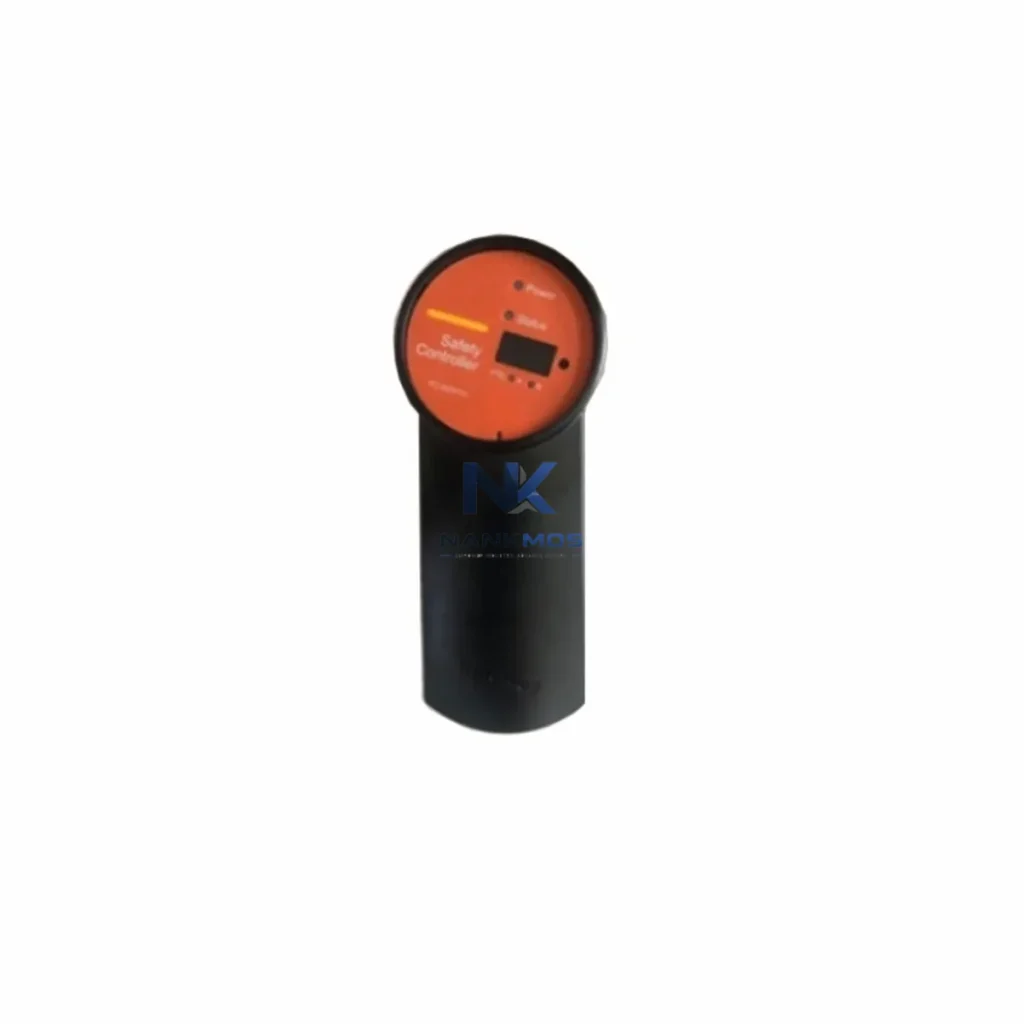
Honeywell FC-SCNT02 FC-TCNT11 FC-SCNT01 FC-SSWM01 .CC-SDRX01 is a NANKMOS industrial automation product record Listed under FS series and Business & Industrial > Automation, Control & Flow Devices > Programmable Logic Controllers. Confirm condition, availability, lead time, compatibility and documentation by email inquiry.
| Manufacturer | Honeywell |
|---|---|
| Application | Controller Processing & System Control |
| Part Number / Model | FC-SCNT02 FC-TCNT11 FC-SCNT01 FC-SSWM01 .CC-SDRX01 |
| Compatible System | FS |
| Series | FS |
| Condition Options | To Confirm |
| Module Type | Controller / CPU Module |
| Warranty | 12 Months |
| Packaging | Anti-static Bag / Secure Box |
| Shipping Methods | DHL / FedEx / UPS / Air / Sea |
| Availability | To Confirm |
| Lead Time | To Confirm |
| Documentation | Part number and revision checked before quote |
The Honeywell FC-SCNT02 is a high-performance energy-control safety controller from the FS Series, engineered to deliver intelligent load management, real-time fault detection, and energy-aware process control across demanding industrial environments. Designed for integration into smart production lines, the FC-SCNT02 bridges safety logic with energy optimization — reducing unnecessary power draw, minimizing thermal load, and stabilizing equipment cycle rates across manufacturing, utilities, and process automation facilities.
Whether deployed in motor control centers, distributed control panels, or energy management architectures, the FC-SCNT02 provides the deterministic response and system-level intelligence required to sustain high equipment utilization while keeping energy consumption within operational targets.
The FC-SCNT02 is purpose-built to operate as a coordinating node within a power-aware automation architecture. In a typical smart production line, it works in close coordination with a Honeywell FC-TCNT11 terminal controller, which manages field-level I/O and relay outputs, allowing the FC-SCNT02 to focus on high-level safety logic and energy state arbitration. Together, these two modules form a tightly coupled control pair that reduces unnecessary actuator cycling — one of the most common sources of hidden energy waste in automated facilities.
When integrated with a variable frequency drive (VFD) — such as those used in pump and fan motor control applications — the FC-SCNT02 enables load-responsive speed modulation. Rather than running motors at fixed full-load speed, the controller signals the VFD to ramp down during low-demand periods, directly reducing kWh consumption and extending motor service life. This integration is further enhanced when paired with a power monitoring module (e.g., Honeywell or third-party Modbus-compatible energy meters), which feeds real-time consumption data back to the SCADA layer for trend analysis and demand forecasting.
The FC-SCNT02 also interfaces cleanly with servo drive systems used in precision motion applications. By coordinating safety state transitions with servo enable/disable signals, the controller prevents unnecessary torque hold during idle phases — a key contributor to thermal buildup in servo amplifiers. Companion modules such as the FC-SCNT01 and FC-SSWM01 extend this capability into multi-zone safety architectures, where independent energy domains must be managed without cross-zone interference.
At the field level, the FC-SCNT02 accepts inputs from a wide range of industrial sensors — including temperature, pressure, and flow transmitters — enabling condition-based control logic that adjusts energy output in response to real process variables rather than fixed schedules. This sensor-driven approach, when combined with an HMI running on the same control network, gives operators full visibility into energy states, fault conditions, and load trends without requiring manual inspection of individual field devices.
For facilities running PROFIBUS or Industrial Ethernet backbones, the FC-SCNT02 integrates into the existing communication infrastructure without requiring dedicated gateways, reducing both installation complexity and latency in safety-critical signal paths. The CC-SDRX01 communication module further extends connectivity options, enabling the controller to participate in distributed SCADA architectures where energy data aggregation and remote diagnostics are essential operational requirements.
Industrial production lines lose significant energy through three primary mechanisms: idle-state overconsumption, uncoordinated startup sequences, and thermal runaway in undersized or poorly managed drive systems. The Honeywell FC-SCNT02 addresses all three through its layered energy-control logic.
Idle-State Management: The FC-SCNT02 monitors equipment status signals continuously. When a production zone enters a scheduled or unscheduled idle state, the controller initiates a structured power-down sequence — disabling non-essential loads in a defined order to prevent voltage spikes and inrush current events that can damage downstream components. This structured approach to idle management can reduce standby energy consumption by a measurable margin compared to unmanaged shutdown procedures.
Coordinated Startup Sequencing: Uncoordinated motor starts are a leading cause of peak demand charges and mechanical stress. The FC-SCNT02 enforces staggered startup logic across connected drive systems, ensuring that motors, conveyors, and actuators come online in a controlled sequence. This reduces instantaneous current draw at the distribution panel level and protects upstream circuit breakers and transformers from repeated inrush stress.
Thermal Load Reduction: By minimizing unnecessary switching events and coordinating drive enable/disable signals with actual process demand, the FC-SCNT02 reduces the thermal load on control cabinets and drive enclosures. Lower operating temperatures translate directly into extended component life, reduced cooling energy requirements, and fewer unplanned maintenance interventions.
Production Line Rhythm Stabilization: Inconsistent equipment cycle rates — often caused by poorly tuned safety interlocks or delayed fault recovery — disrupt production throughput and increase energy consumption per unit produced. The FC-SCNT02's deterministic response time ensures that safety events are resolved quickly and consistently, restoring normal production rhythm with minimal energy penalty.
Predictive Maintenance Enablement: When integrated with a SCADA system and power monitoring infrastructure, the FC-SCNT02 contributes to predictive maintenance workflows by providing consistent, timestamped event logs that correlate energy anomalies with equipment behavior. Early detection of rising current draw, abnormal switching frequency, or unexpected fault patterns allows maintenance teams to intervene before failures occur — avoiding the energy and productivity costs of unplanned downtime.
All units are tested and verified prior to shipment. In-stock inventory is available for immediate dispatch, supporting urgent replacement and commissioning timelines. A 12-month warranty is included with every FC-SCNT02 unit, covering manufacturing defects and operational failures under normal industrial use conditions.
Q1: What measurable energy savings can the FC-SCNT02 deliver in a typical production environment? Actual savings depend on the existing control architecture and baseline energy profile of the facility. However, by eliminating uncoordinated motor starts, reducing idle-state overconsumption, and enabling load-responsive VFD control, facilities typically observe reductions in peak demand charges and overall kWh consumption. Integration with a power monitoring module and SCADA system allows these savings to be quantified and reported against baseline benchmarks.
Q2: Is the FC-SCNT02 compatible with existing PLC platforms and communication protocols? Yes. The FC-SCNT02 is designed for integration into multi-vendor control environments. It supports standard industrial communication protocols including Modbus and Industrial Ethernet, and is compatible with PLC platforms from major manufacturers. For PROFIBUS-based installations, compatibility should be verified against the specific network configuration. The CC-SDRX01 communication module can extend connectivity where required.
Q3: Can the FC-SCNT02 replace the FC-SCNT01 or FC-SSWM01 in an existing FS Series installation? The FC-SCNT02 is a distinct model within the FS Series with its own functional profile. While it shares the same series architecture as the FC-SCNT01 and FC-SSWM01, direct substitution should be evaluated against the specific I/O requirements, safety logic configuration, and communication topology of the existing installation. Our technical team can assist with compatibility assessment prior to procurement.
Q4: What does the 12-month warranty cover, and what is the testing process before shipment? Every FC-SCNT02 unit undergoes functional verification testing prior to shipment, including power-on self-test, I/O channel verification, and communication interface checks. The 12-month warranty covers manufacturing defects and component failures under normal operating conditions. Warranty claims are processed through our standard RMA procedure. In-stock units are available for immediate shipment to minimize downtime in replacement scenarios.
Functional Inspection100% tested on professional platforms to ensure stable performance.
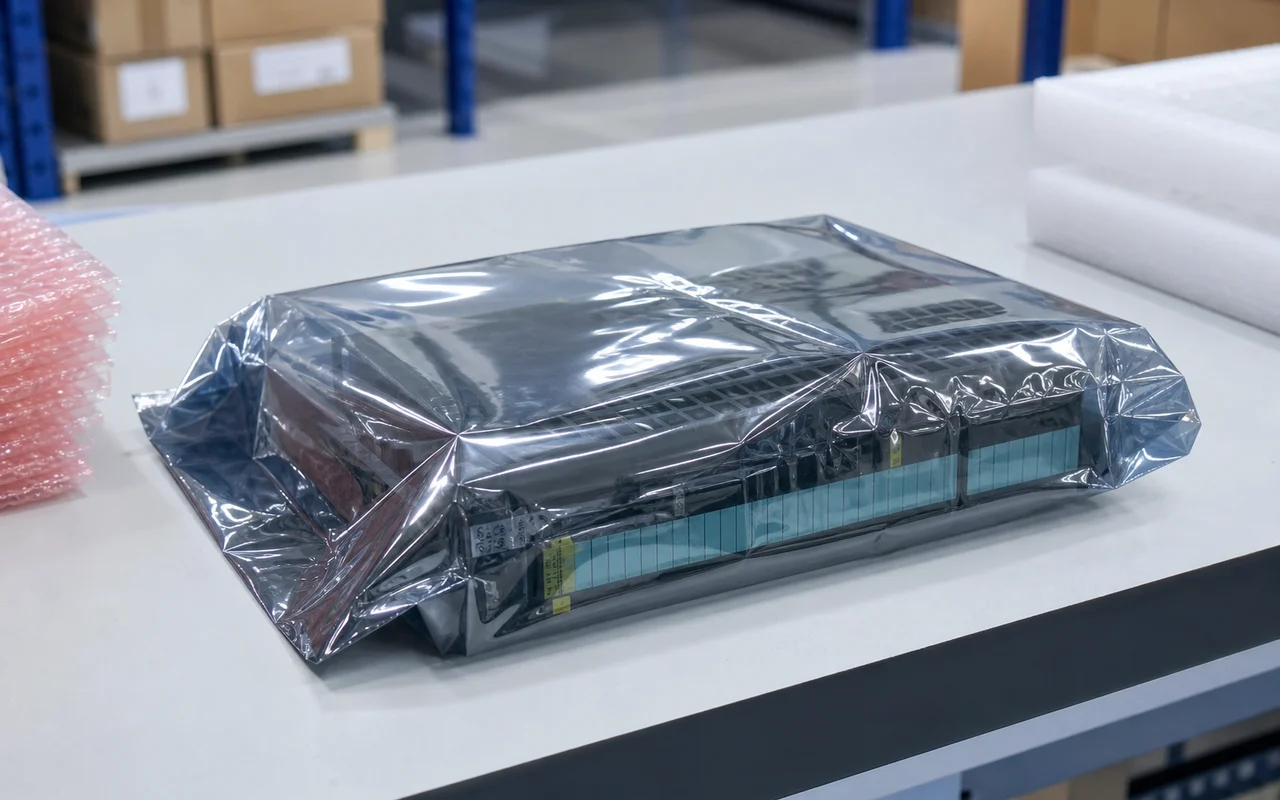 Anti-static Packaging
Modules are packed in anti-static bags to prevent electrostatic damage.
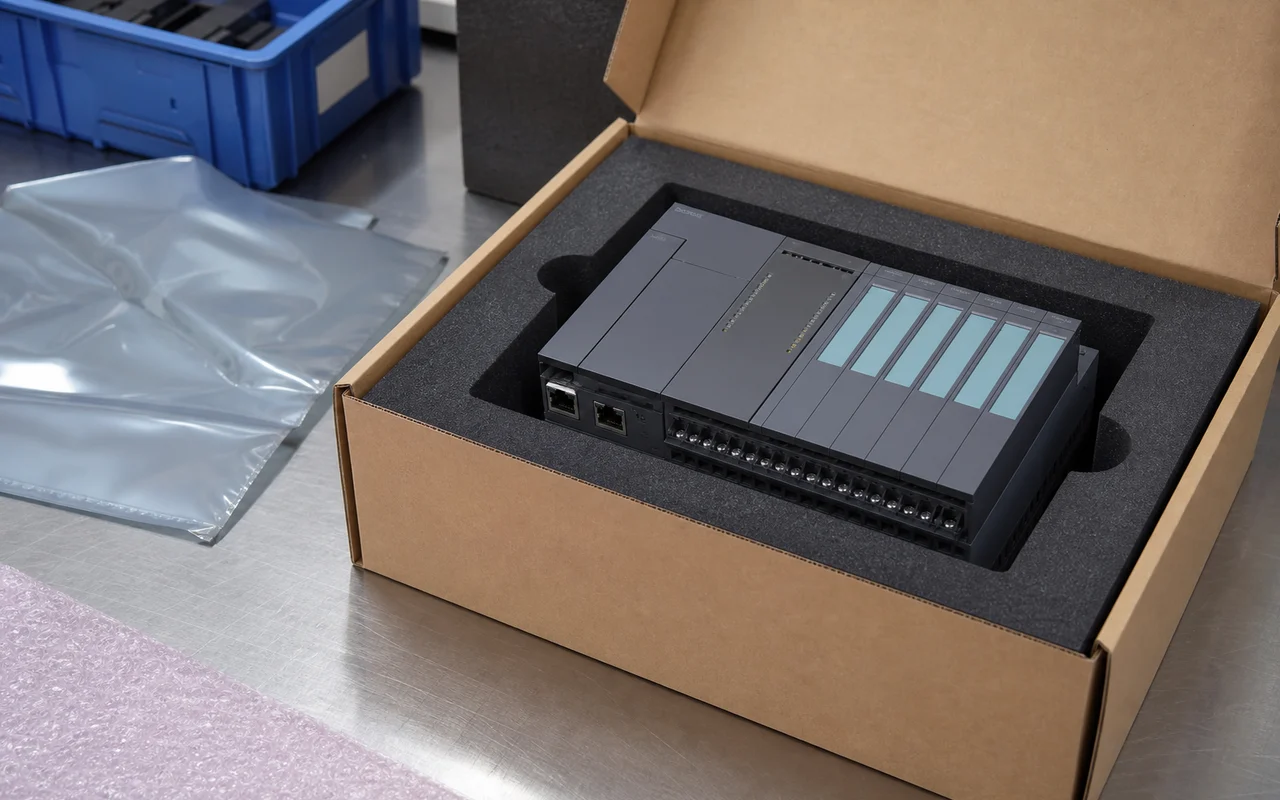 Secure Export Packing
Cushion protection and strong cartons ensure safe transportation.
 Worldwide Shipping
Global logistics network supports air, sea and express delivery.
 Documentation Check
Part number, revision and compatibility verified before shipment.
 After-sales Support
Professional technical support to help resolve your issues.