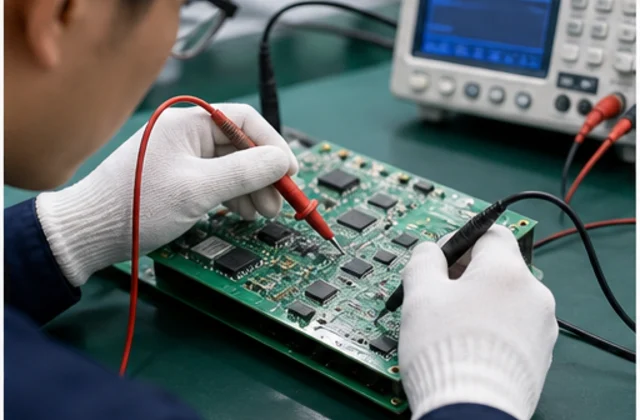
 Functional Inspection
100% tested on professional platforms to ensure stable performance.
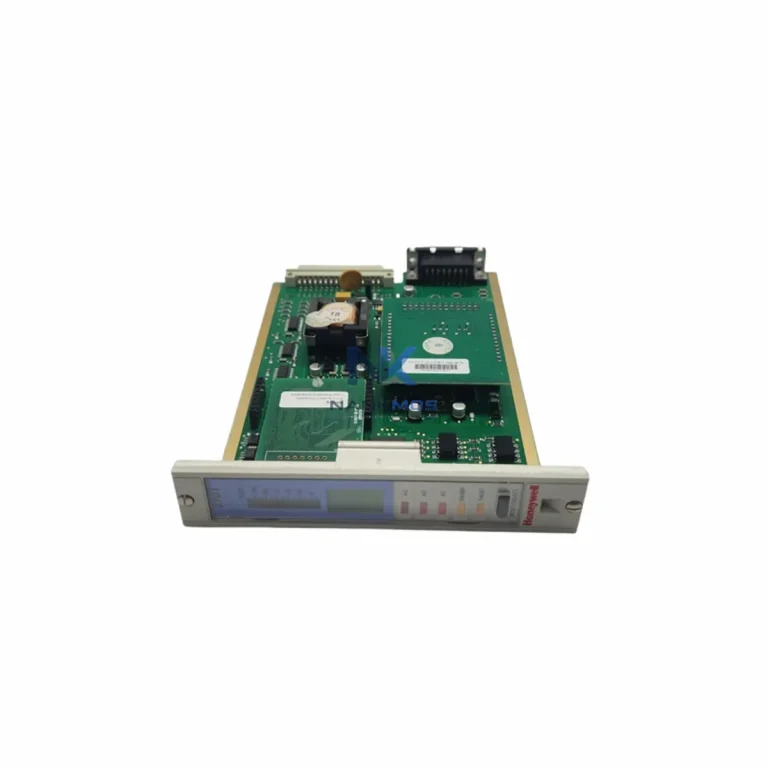
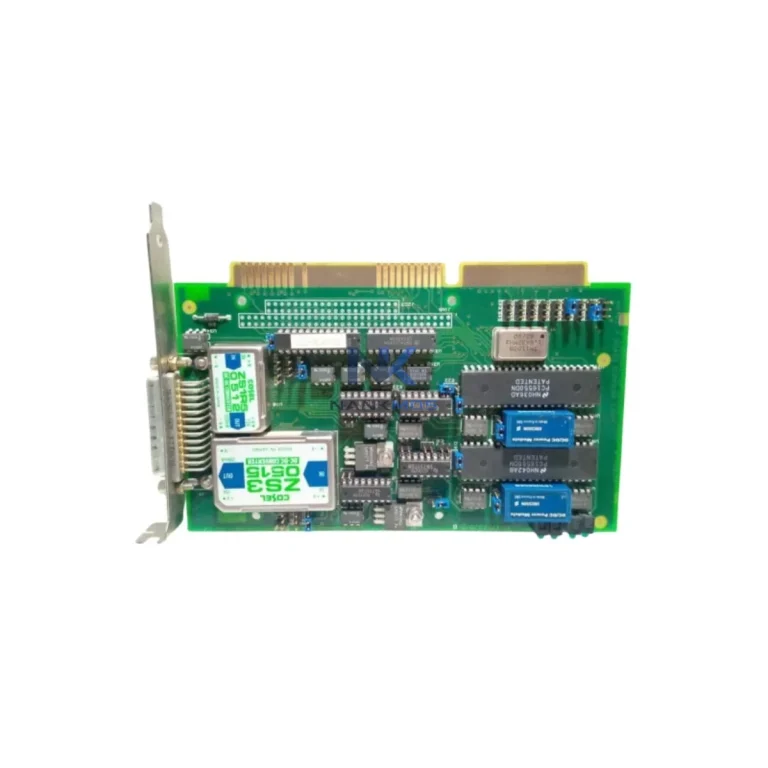
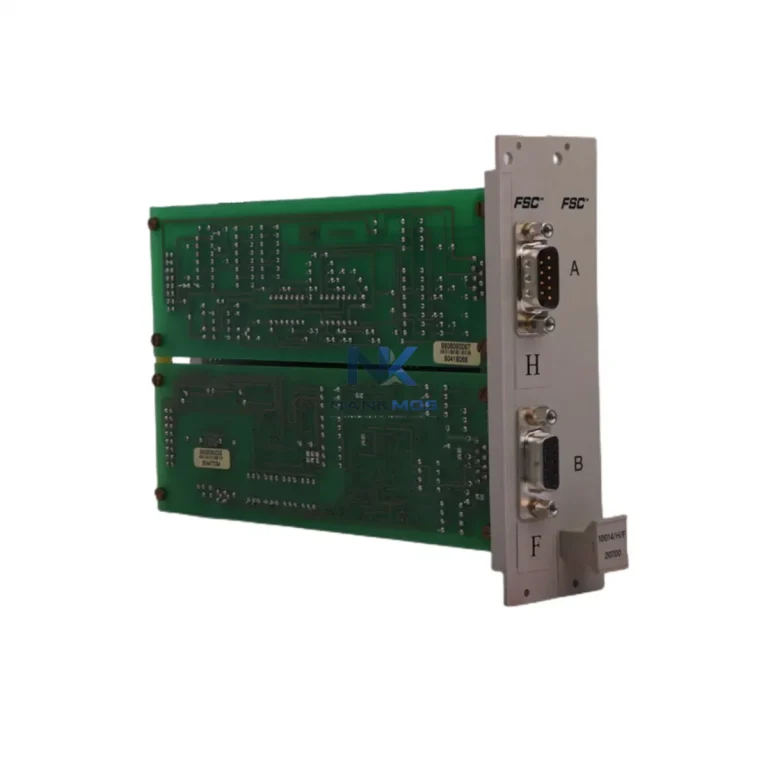
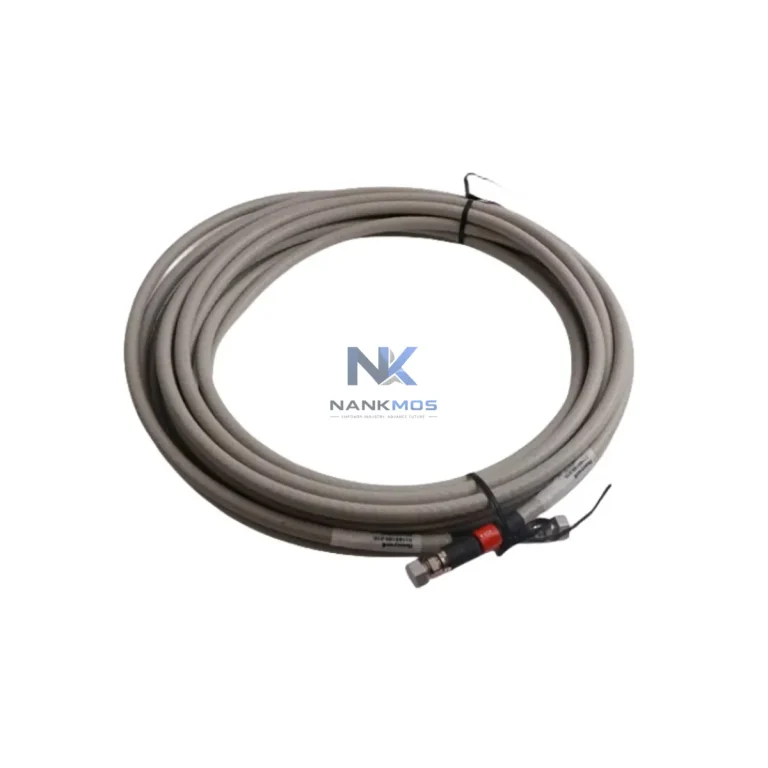
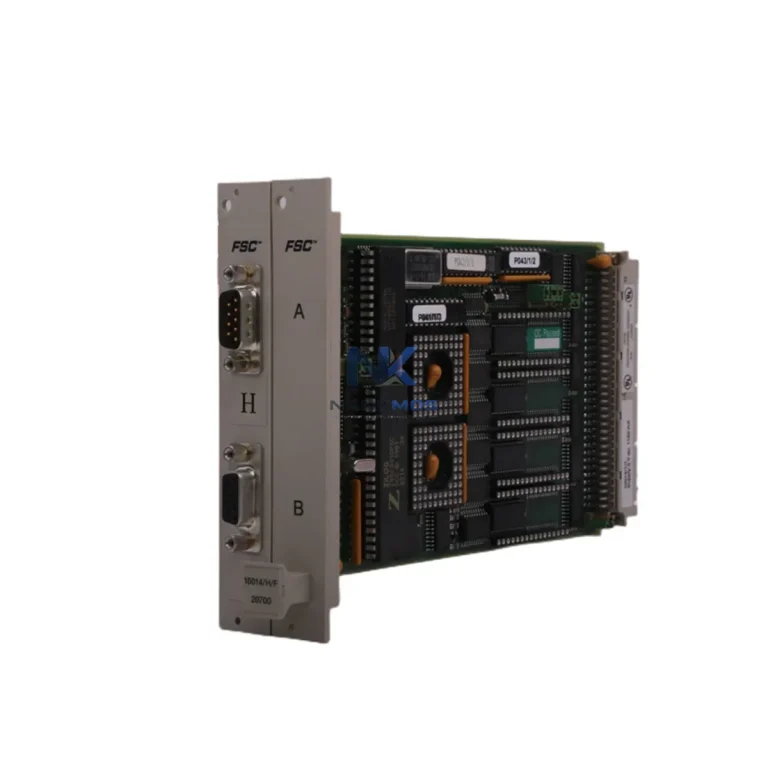
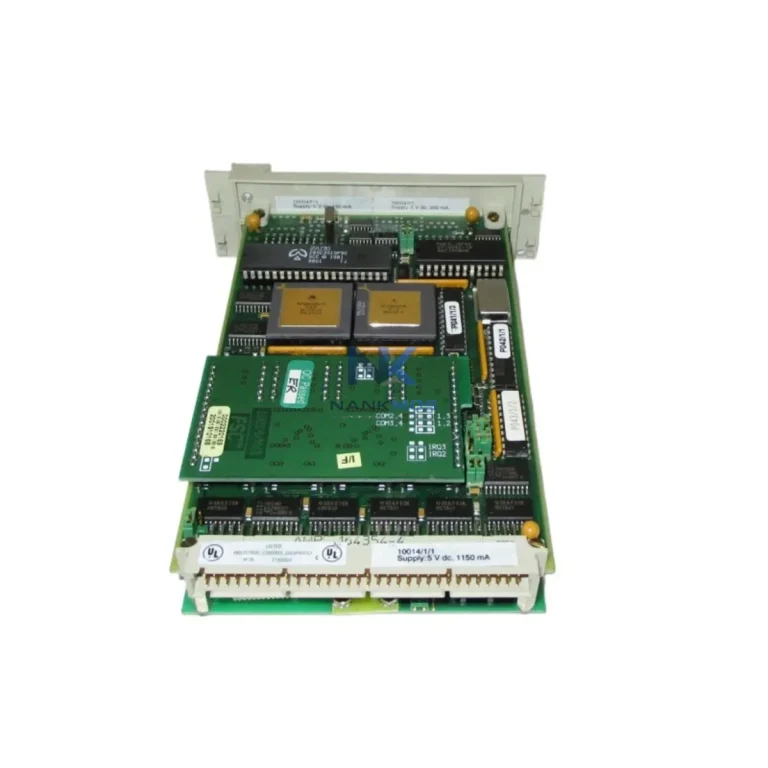
Honeywell FC-TDIO11 is a NANKMOS industrial automation product record Listed under TDC3000 series and Business & Industrial > Automation, Control & Flow Devices > Programmable Logic Controllers. Confirm condition, availability, lead time, compatibility and documentation by email inquiry.
Brand names are used for identification only.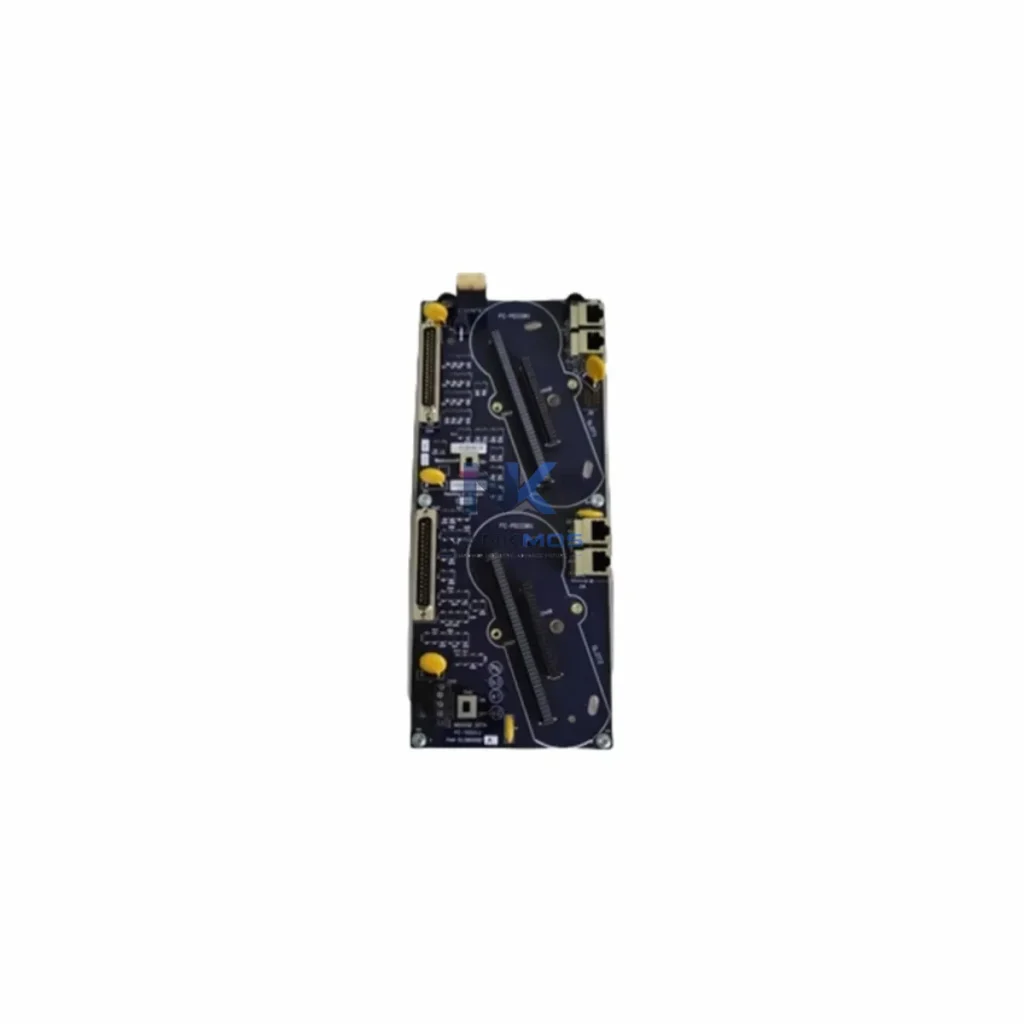
Honeywell FC-TDIO11 is a NANKMOS industrial automation product record Listed under TDC3000 series and Business & Industrial > Automation, Control & Flow Devices > Programmable Logic Controllers. Confirm condition, availability, lead time, compatibility and documentation by email inquiry.
| Manufacturer | Honeywell |
|---|---|
| Application | Controller Processing & System Control |
| Part Number / Model | FC-TDIO11 |
| Compatible System | TDC3000 |
| Series | TDC3000 |
| Condition Options | To Confirm |
| Module Type | Controller / CPU Module |
| Warranty | 12 Months |
| Packaging | Anti-static Bag / Secure Box |
| Shipping Methods | DHL / FedEx / UPS / Air / Sea |
| Availability | To Confirm |
| Lead Time | To Confirm |
| Documentation | Part number and revision checked before quote |
The Honeywell FC-TDIO11 is a redundant digital I/O module engineered for the TPS (Total Plant Solution) and TDC3000 Distributed Control System (DCS) platforms. Designed to operate continuously in high-demand industrial environments, the FC-TDIO11 delivers precise signal acquisition and output control while minimising unnecessary energy draw across the I/O subsystem. Its dual-redundant architecture ensures that production lines maintain uninterrupted data flow between field devices and the control layer — eliminating costly downtime and the energy penalties associated with unplanned restarts and re-initialisation cycles.
In modern smart factories, every watt counts. The FC-TDIO11 contributes directly to energy-optimised automation by reducing idle-state power consumption, supporting deterministic scan cycles that prevent CPU overload, and enabling granular load management across distributed I/O racks. When integrated with Honeywell's broader TPS ecosystem, this module becomes a foundational element of a plant-wide energy management strategy.
The FC-TDIO11 does not operate in isolation — it is a precision node within a tightly integrated control architecture. In a typical TPS-based plant, this module interfaces directly with the Honeywell HPM (High-Performance Process Manager), which orchestrates scan cycles and manages I/O load distribution across the control network. By maintaining synchronised redundancy, the FC-TDIO11 prevents the HPM from executing unnecessary re-scan routines that would otherwise inflate CPU utilisation and increase thermal output across the cabinet.
On the field side, the FC-TDIO11 collects digital status signals from motor starters, valve positioners, and protective relay outputs — feeding real-time device state data into the Honeywell LCN (Local Control Network) backbone. This data is then consumed by Honeywell UCN (Universal Control Network) nodes and upstream SCADA layers, enabling operators to make energy-informed decisions without introducing additional polling latency.
For drive-intensive applications, the FC-TDIO11 works alongside variable frequency drives (VFDs) and servo drive systems by providing discrete run/stop and fault-status feedback signals. When a VFD reports an overcurrent or thermal fault via its digital output, the FC-TDIO11 captures that signal and routes it to the HPM for immediate load-shedding logic — preventing cascading energy spikes across adjacent motor circuits.
Power monitoring is further enhanced when the FC-TDIO11 is deployed alongside Honeywell power monitoring modules and smart power distribution units within the same DCS rack. These components share a common backplane communication path, allowing the energy management layer to correlate I/O activity with real-time power draw — identifying which field devices are consuming disproportionate energy relative to their process contribution.
At the HMI layer, operators using Honeywell Experion PKS workstations or legacy TPS console stations can visualise FC-TDIO11 channel states in real time, enabling rapid identification of stuck-open outputs or continuously energised solenoids that silently inflate energy consumption. Integration with Honeywell's FDM (Field Device Manager) further extends diagnostic visibility to HART-enabled field instruments connected downstream of the I/O module.
Communication integrity is maintained through the LCN and UCN protocols native to the TPS platform, ensuring that the FC-TDIO11's data reaches Honeywell PHD (Process Historian Database) and third-party SCADA systems via OPC-DA or OPC-UA gateways — without requiring additional protocol converters that would introduce power overhead and potential single points of failure.
In continuous-process industries — refining, power generation, chemical processing — production line efficiency is inseparable from energy discipline. The FC-TDIO11 contributes to this discipline at the I/O layer, where small inefficiencies compound across hundreds of field points into measurable energy waste.
Its redundant design eliminates the need for manual switchover procedures during module maintenance, which in non-redundant systems typically require a controlled process slowdown or temporary shutdown — events that consume significant restart energy and disrupt production rhythm. With the FC-TDIO11 in hot-standby mode, the primary and secondary modules share the load transparently, and any fault-induced switchover occurs within milliseconds, preserving production cadence without energy-intensive restart sequences.
Thermal load management is another key benefit. I/O enclosures in DCS installations are often thermally constrained, and modules with poor power efficiency generate excess heat that forces HVAC systems to work harder — adding indirect energy costs. The FC-TDIO11's low-draw design reduces the thermal contribution per slot, allowing more I/O capacity to be deployed within the same enclosure without upgrading cooling infrastructure.
Predictive maintenance integration is supported through the module's continuous self-diagnostics. Fault flags and channel-level status data are surfaced to the HPM and upstream historian, enabling maintenance teams to schedule interventions during planned low-production windows rather than reacting to unplanned failures. This shift from reactive to predictive maintenance directly reduces the energy cost of emergency restarts and unscheduled production recovery cycles.
For plants pursuing ISO 50001 energy management certification or internal energy KPI targets, the FC-TDIO11 provides the granular I/O-level data needed to build accurate energy consumption models — mapping which process states, valve positions, and motor run conditions correlate with peak energy demand. This data, when fed into an energy management system (EMS) or MES layer, enables production schedulers to optimise line sequencing for minimum energy cost per unit of output.
All units supplied by NANKMOS are sourced from verified channels, subjected to functional power-on testing, and shipped with full traceability documentation. In-stock availability ensures rapid deployment without the lead-time penalties that force plants to operate with degraded or bypassed redundancy — a common hidden source of energy inefficiency and unplanned downtime.
Q1: How does the FC-TDIO11 contribute to reducing energy consumption in a TPS DCS installation? The FC-TDIO11 reduces energy waste by maintaining deterministic I/O scan cycles that prevent unnecessary CPU load on the HPM, eliminating redundant polling overhead, and providing accurate field-device status data that enables the control system to de-energise idle actuators and solenoids promptly. Its low-draw power profile also reduces the thermal load within I/O enclosures, lowering indirect HVAC energy costs.
Q2: Is the FC-TDIO11 compatible with both TPS and TDC3000 platforms, and can it be used alongside newer Honeywell systems? Yes. The FC-TDIO11 is designed for the TPS and TDC3000 DCS platforms and is compatible with HPM, LCN, and UCN network architectures. It can coexist with Honeywell Experion PKS systems in hybrid migration configurations where legacy TPS I/O racks are retained alongside newer control infrastructure — a common energy-efficient migration strategy that avoids full system replacement.
Q3: What is the recommended replacement or upgrade path if the FC-TDIO11 is being phased out of an existing installation? For plants migrating away from TPS/TDC3000, Honeywell's Series C I/O modules within the Experion PKS platform offer a functionally equivalent replacement path with enhanced diagnostics and lower per-channel power consumption. However, for sites maintaining TPS infrastructure, direct replacement with a tested FC-TDIO11 unit remains the most cost-effective and energy-neutral option, avoiding the configuration and commissioning energy overhead of a platform migration.
Q4: What testing and warranty coverage is provided with NANKMOS-supplied FC-TDIO11 units? All FC-TDIO11 modules supplied by NANKMOS undergo functional power-on testing and channel-level verification prior to shipment. Each unit is covered by a 12-Month Warranty from the date of shipment, covering manufacturing defects and functional failures under normal operating conditions. In-stock units are available for immediate dispatch, minimising the lead time that would otherwise force plants to operate with bypassed redundancy and elevated risk of unplanned downtime.
Functional Inspection100% tested on professional platforms to ensure stable performance.
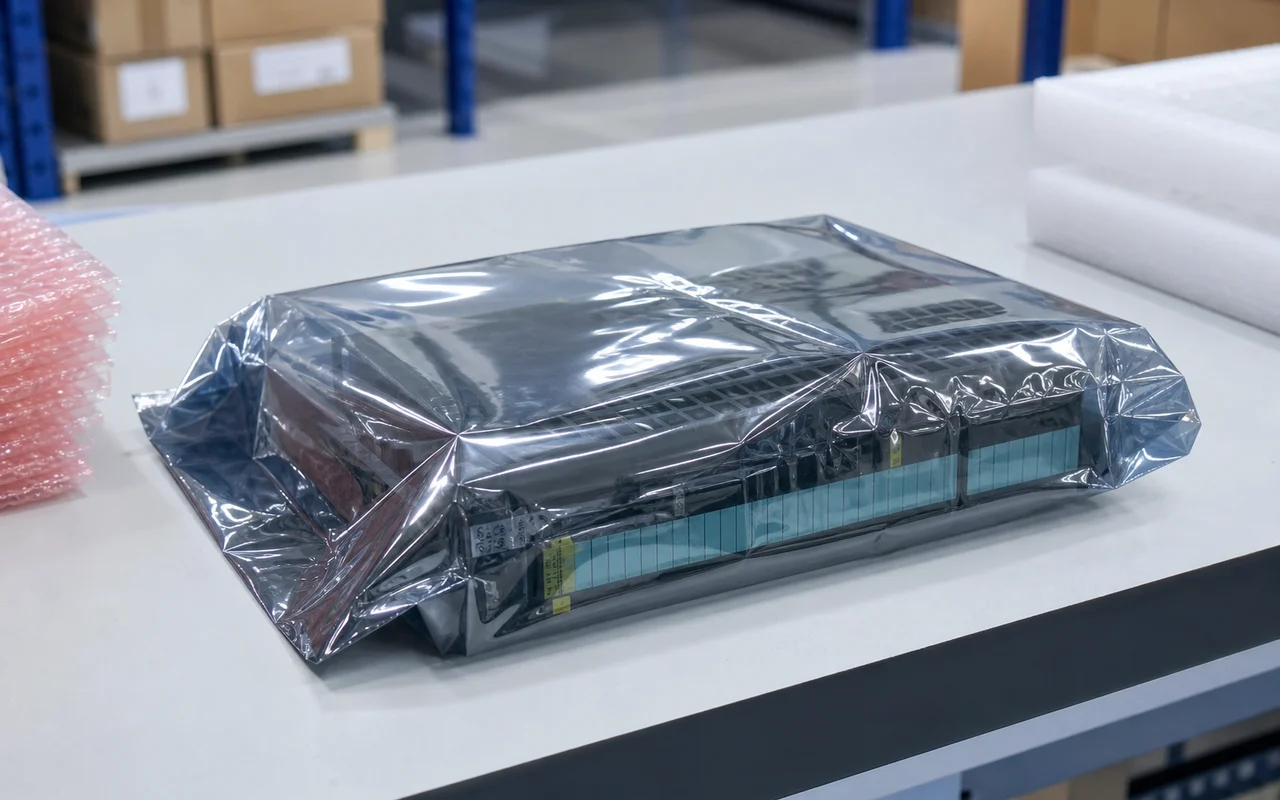 Anti-static Packaging
Modules are packed in anti-static bags to prevent electrostatic damage.
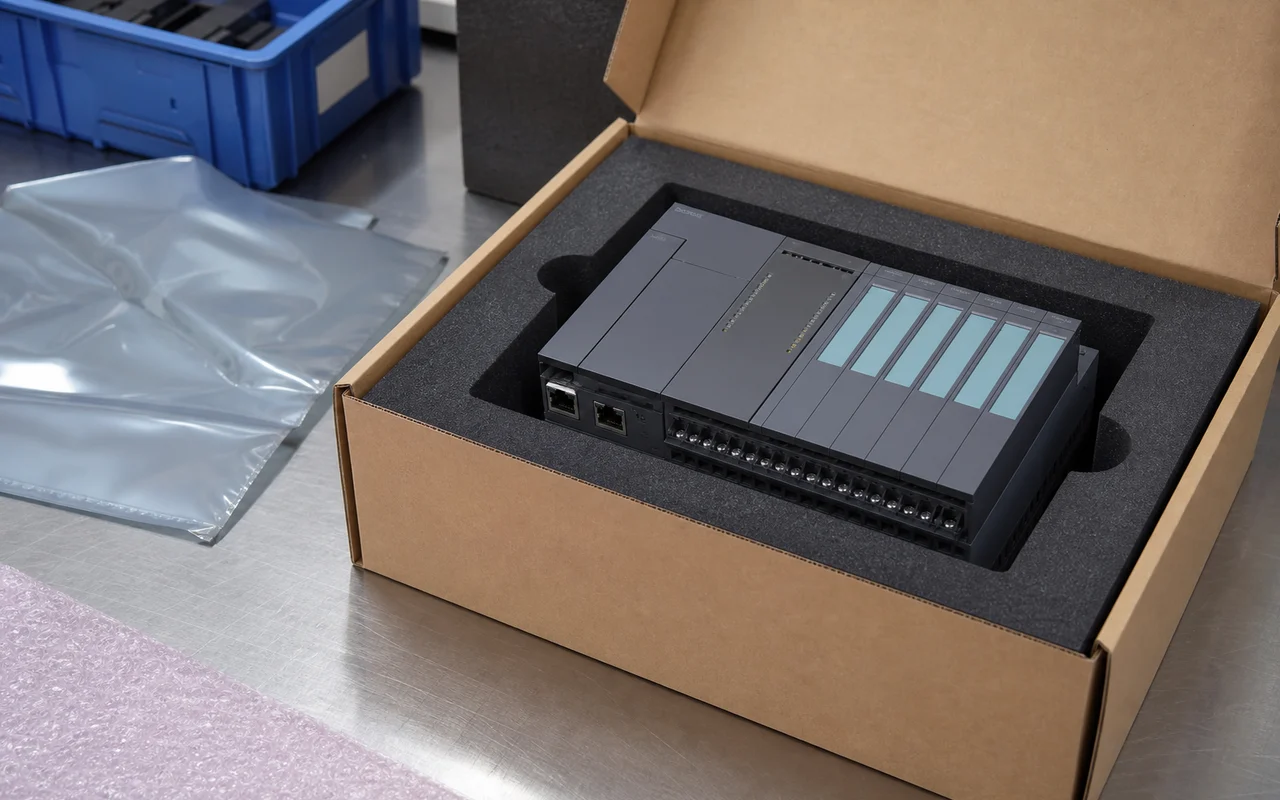 Secure Export Packing
Cushion protection and strong cartons ensure safe transportation.
 Worldwide Shipping
Global logistics network supports air, sea and express delivery.
 Documentation Check
Part number, revision and compatibility verified before shipment.
 After-sales Support
Professional technical support to help resolve your issues.